• Link to X
  • Link to Facebook
  • Link to Instagram
  • Link to TikTok
  • Link to Youtube
  • About
    • About Us
      • President
      • Board of Directors
      • Board of Advisors
      • Financials
      • Our Methodology
      • Success Tracker
      • Contact
  • Act Now
    • 30 Ways to Help
      • Email Congress
      • Call Congress
      • Volunteer
      • Courses & Certificates
      • Be a Donor
    • Internships
      • In-Office Internships
      • Remote Internships
    • Legislation
      • Politics 101
  • The Blog
  • The Podcast
  • Magazine
  • Donate
  • Click to open the search input field Click to open the search input field Search
  • Menu Menu

Archive for category: War and Violence

Information and news War and Violence

War and Violence

A Resolution at Last? The Ethiopian-Eritrean Border Dispute

Ethiopian-Eritrean Border
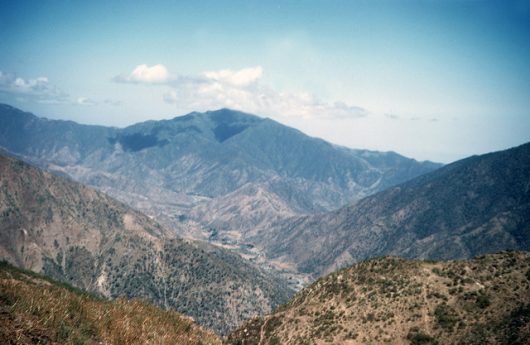
On Tuesday, June 5, 2018, Ethiopia announced that after 16 years of what the BBC has called a “no peace no war” stalemate between the nation and its neighbor Eritrea, Ethiopia will finally accept the Algiers Agreement — a treaty to bring peace to the Horn of Africa and the Ethiopian-Eritrean Border Dispute.

History of the Ethiopian-Eritrean Border Dispute

Ethiopia and Eritrea split into two nations after nearly 30 years of brutal civil war that resulted in Eritrea’s declaring independence from Ethiopia in 1993. Despite this conclusion, peace was short-lived. From 1998-2000, fighting resumed between the two nations over a border dispute centered around both nations’ claim to the town of Badme.

The dispute was rooted in the nations’ differing interpretation of colonial documents demarcating the line between Ethiopia and its subsidiary Eritrea. The Ethiopian-Eritrean 1998-2002 war became Africa’s bloodiest border war on record; in just two years, an estimated 80,000 people lost their lives.

The war culminated in the creation of the December 12, 2000 Algiers Agreement, which stated that both nations would cease fighting and accept the verdict offered by the newly created Eritrea-Ethiopia Boundary Commission (EEBC).

In 2002, the EEBC ruled that the disputed towns along the Ethiopian-Eritrean border, Badme among others, belonged to Eritrea. Under its former, and now deceased, Prime Minister Meles Zenawi, Ethiopia accepted the EEBC’s ruling only “in principle” which lead to the “no peace no war” stalemate that has characterized the Horn of Africa ever since.

Although the Algiers Agreement stated that the two nations would end all hostilities and accept the ruling of the EEBC, Ethiopia refused to pull its troops out of the border towns it still claimed ownership over. Occasional deadly clashes have continued to plague the Ethiopian-Eritrean border region ever since; the most recent occurred in June of 2016, when fighting at Badme resulted in several hundred deaths.

Ethiopia Accepts the Algiers Agreement

However, the hostile climate along Ethiopian-Eritrean border may have just changed. On Tuesday, June 5, 2018, Ethiopia, under its current Prime Minister Abiy Ahmed, announced that it would officially accept the border decision of the 2000 Algiers Agreement and remove all Ethiopian troops from Badme and the other contested towns.

At his inauguration this past April, Ahmed vowed to improve relations between his nation and Eritrea, and his pledge to end all hostilities over the Ethiopian-Eritrean border dispute was an unexpectedly large step in this direction.

Looking Forward

Ending border hostilities could be a huge leap forward in ensuring peace and prosperity in the Horn of Africa. The Eritrean government has long justified its authoritarian and militaristic regime as necessary to protect Eritreans from the continued hostilities of its neighbor Ethiopia, but as Abraham T. Zere of Al Jazeera wrote, “Today, there is a real opportunity to reach a peaceful resolution of this long-standing conflict.”

With Ethiopia offering up the potential for peace, Eritrea has the chance to accept this olive branch and move forward to create a more peaceful and prosperous future for all.

– Abigail Dunn
Photo: Flickr
June 27, 2018
https://borgenproject.org/wp-content/uploads/borgen-project-logo.svg 0 0 Borgen Project https://borgenproject.org/wp-content/uploads/borgen-project-logo.svg Borgen Project2018-06-27 01:30:282024-12-13 17:58:50A Resolution at Last? The Ethiopian-Eritrean Border Dispute
Child Soldiers, Children, War and Violence

Congo Child Soldiers

Congo child soldiers
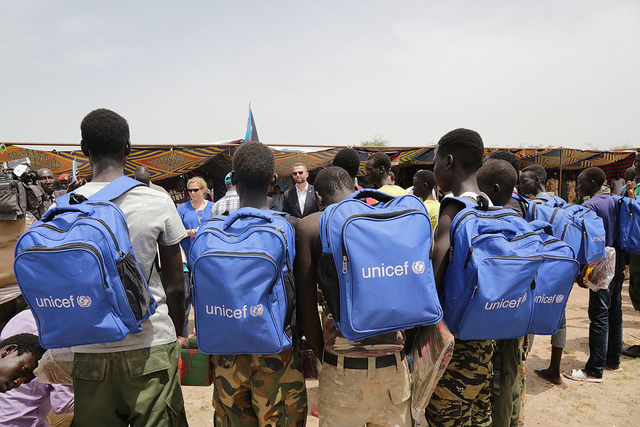
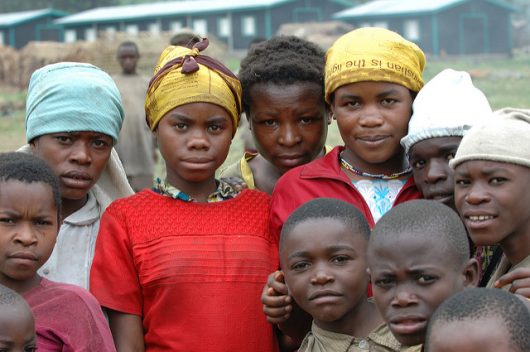
Since the 1990s, the Democratic Republic of the Congo (DRC) has experienced extreme violence between armed forces and diverse groups of rebels. Many armed forces have since recruited thousands of child soldiers. Today, the U.N. has declared the recruitment of Congo child soldiers an “endemic.”

The Situation

The head of the United Nations Organization Stabilization Mission in the Democratic Republic of the Congo (MONUSCO), Martin Kobler, has stated that “This situation is unacceptable and has been going on for much too long with impunity. Recruiting children into armed groups is a crime, and destroys the lives of the victims who are forced to do things that no child should be involved in.” MONUSCO reported that an estimated 8,546 children were recruited into diverse armed groups in the DRC between 2009 to 2015. By recruiting more and more Congo child soldiers, it will only create a cycle of violence passed down to further generations. Not only are children forced to leave their families, but they are used as fighters and sex slaves, often leaving them in a position deprived of all educational attainment and daily trauma. Nevertheless, when child soldiers return back to their communities, they are often shunned by their families and are unable to reintegrate into all aspects of society.

Recruitment of Girls

Many children are forced into a life of violence unwillingly, but in some cases, children believe that by joining armed groups, it will give them an escape of a life plagued by poverty. It’s often difficult to obtain accurate data on the number of girls recruited by the DRC’s armed groups however, Child Soldiers International states that almost 7 percent of child soldiers are girls. This number is seemingly disproportionate, leaving many girls unaccounted for.

A Huffington Post interview indicates that many girls cannot afford the fees of local schools and believe that joining local militia groups would ensure security, food and a life outside of poverty. Nevertheless, many parents of girls believe that their daughter’s recruitment will protect their village from plundering and attacks. However, as one past girl soldier interviewed says,  “I would wake up and find myself naked…They gave us drugs so that we would not get tired of all of them using us.” Young girls soon find out that recruitment means a life of sexual abuse and slavery.

The Future

It must be noted, that with the help of the DRC’s government and international efforts, the recruitment of Congo child soldiers is steadily declining. In 2009, the DRC adopted the “Law for the Protection of Children,” making the recruitment and use of children in armed conflict illegal. In 2012, the government also signed a “Plan of Action with the United Nations to prevent and put an end to the recruitment and use of children, as well as other serious violations of children’s rights committed by security forces.” In this way, the country has begun to take serious measures against the recruitment of child soldiers.  Furthermore, many organizations such as Child Soldiers International are working to ensure that past child soldiers receive an education and are working to integrate them back into society.

– Emma Martin
Photo: Flickr

June 23, 2018
https://borgenproject.org/wp-content/uploads/borgen-project-logo.svg 0 0 Borgen Project https://borgenproject.org/wp-content/uploads/borgen-project-logo.svg Borgen Project2018-06-23 01:30:102019-10-06 19:37:24Congo Child Soldiers
War and Violence

A New Era: Iraq War Facts and Common Misconceptions

Iraq War Facts
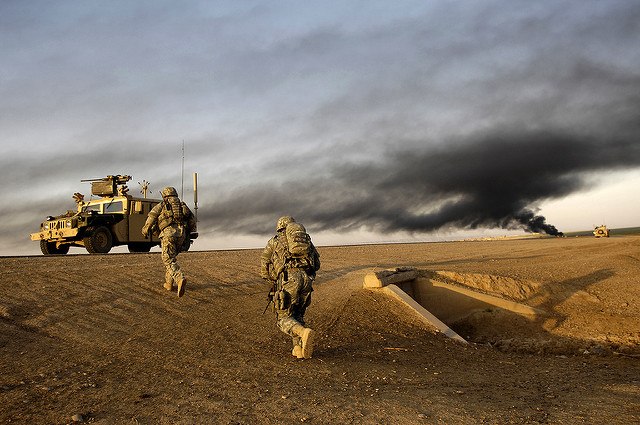
The Iraq War began in 2003 under the Bush administration. A common misconception among the Iraq War facts is that the war was a response to the 9/11 terrorist attacks; however, there was no evidence of Iraq’s connection with the attack. The United States intended to abolish Saddam Hussein’s regime and confiscate any weapons of mass destruction.

The war went on for eight years until President Obama officially announced that he would be withdrawing troops from Iraq in 2011. However, when ISIL began taking control of Iraqi land in 2014, U.S. military advisors returned to the country to combat the spread of the Islamic State. To understand the return and current presence of the United States in Iraq, it is important to know the following Iraq War facts.

Purpose

When the U.S. began the war with Iraq in 2003, the purpose was to take down Saddam Hussein from the Iraqi government; however, the United States’ current presence in Iraq is largely due to the permanent threat of terrorism in the Middle East caused by terrorist groups such as ISIL.

The Islamic State of Iraq and the Levant is a terrorist organization that follows radical Sunni Islam. It first gained global attention in 2014 with its presence in Iraq and Syria but also spread around the world to countries like Afghanistan, Egypt, Bangladesh and Pakistan.

ISIL initiatives were largely funded by oil revenue made on the black market. The group took control of oil fields in both Syria and Iraq and would sell this oil to fund their activities. Since then, they have lost much of their control of these oil fields to the Iraqi army and their revenue has decreased.

Troops

Although troops were withdrawn from Iraq in 2014, there are still over 5,000 American soldiers in Iraq due to the ongoing “war on terror” in the Middle East. Interestingly, though, it was found that these numbers were not exactly accurate. Pentagon officials acknowledged only over half of the troops are actually present in Iraq — one of the most shocking Iraq war facts as a report found that the actual amount was 8,892.

This number is more than 75 percent more than originally stated. While these figures could seem high, they are relatively small when compared to the number of troops present under the Bush administration. A decade ago, the combined troop total approached 200,000.

The War

Since their return in August 2014, the U.S.-led coalition has conducted more than 13,300 airstrikes against ISIL targets in the area. Through the years, these airstrikes have led to the Iraqi military regaining much of its land from ISIL. Iraq’s government announced the end of the war against the Islamic State in December 2017, over three years after they first began taking control of Iraqi land.

The Islamic State has now lost most of the territory they once took control of. In a statement, the military said it “fully liberated” all of Iraq’s territory and retook full control of the border. According to the U.S.-led coalition against the Islamic State, 98 percent of territory once claimed by the jihadist group has been reclaimed.

Moving Forward

Since the victory over the Islamic State, the U.S. has announced that it will reduce the number of troops in Iraq. That being said, the United States will not fully leave Iraq despite the fact that ISIL no longer controls Iraqi land.

Defense Secretary Jim Mattis issued a statement saying, “Despite these successes, our fight is not over. Even without a physical caliphate, ISIS remains a threat to stability in the recently liberated areas, as well as in our homelands.” This belief is largely due to the terror that has been created through attacks around the world. Today, the goal is to fight the Islamic State from spreading its influence.

– Luz Solano-Flórez
Photo: Flickr

June 15, 2018
https://borgenproject.org/wp-content/uploads/borgen-project-logo.svg 0 0 Borgen Project https://borgenproject.org/wp-content/uploads/borgen-project-logo.svg Borgen Project2018-06-15 01:30:242024-05-29 22:42:43A New Era: Iraq War Facts and Common Misconceptions
Child Soldiers, Children, War and Violence

Fight For Change: 10 Countries with Child Soldiers

Countries with Child Soldiers
The Convention on the Rights of the Child defines a ‘child’ as a person below the age of eighteen years. Children across the world have been used as soldiers in state and non-state military warfare, including World Wars I and II.

The 1970s saw a rise of humanitarian groups that raised the awareness of protecting children from the onslaughts of war, and it was during this time that the word “child soldier” appeared as an unacceptable condition. Though the 2002 Rome Statute for the International Criminal Court made enlistment of children under fifteen a war-crime, countries with child soldiers have consistently fallen behind in addressing this issue.

The United Nations (U.N.) estimates that, at present, approximately 300,000 children are used as child soldiers in more than 20 countries in the world, and forty percent of these children are girls. According to the U.N.’s 2017 studies, these are some of the countries with child soldiers:

Countries with Child Soldiers

  1. Central African Republic (CAR): The United Nations International Children’s Emergency Fund (UNICEF) helped release more than 2,800 child soldiers in CAR in 2014. Poverty leads children from a lot of families to join the militia for food and money. Children as young as 8 years old are used as soldiers by groups in Christian militias known as Anti-Balaka and Muslim Séléka coalition. Soldiering involves being used as human shields, messengers, fighters and sex slaves.
  2. The Democratic Republic of the Congo (DRC): The Congolese National Army and the rebel Congress for the Defense of the People have been active recruiters of child soldiers. Young boys and girls are abducted and used as fighters and sex slaves by groups like the Lord’s Resistance Army. This occurs not only in DRC, but also southern Sudan, northeastern Congo and the CAR.
  3. Somalia: Children as young as ten are often abducted and coerced into soldiering. The Transitional Federal Government and Islamist group al-Shabaab are known to carry out these recruitments which lead to “horrific abuses,” according Human Rights Watch (HRW) reports. These violations include forced recruitment, rape, forced marriage, religious/political teaching, suicide-bombing, combat and weapons training.
  4. Colombia: Thousands of children are recruited by guerillas and paramilitary forces like the Revolutionary Armed Forces of Colombia-People’s Army, the Camilist Union-National Liberation Army, and the paramilitary United Self-Defense Forces of Colombia. HRW reveals, “At least one of every four irregular combatants in Colombia’s civil war is under eighteen years old.” These children are recruited, trained and expected to carry explosives and executions.
  5. Myanmar: The HRW report, ‘Sold to be Soldiers’ (2007), states that a large portion of the Tatmadaw consists of underage soldiers. In a lot of instances, young boys are lured or coerced into joining the Tatmadaw. In addition to this horrific occurrence, there are numerous non-state armed groups like the Karenni Army, the Karen National Liberation Army and others that use child soldiers.
  6. Afghanistan: The U.N. reports the use of young children as fighters and suicide-bombers in Afghanistan. In Child Soldiers, David Rosen points out the prevalence of underage soldiers in groups like The Afghan National Police, Haqqani, Taliban, Islamic groups called Hezb-i-Islami and Jamat Sunat al-Dawa Salafia, and Tora Bora front.
  7. Iraq: The Sunni and Shia Arab groups fighting in the region — along with other militias involved in the battle for Mosul — are reported to recruit child soldiers. According to HRW reports, Yezidi and Kurdish boys and girls are used as combatants by groups like the Shingal Resistance Units and People’s Defense Forces.
  8. Yemen: Children as young as 14 are deployed here as soldiers by the Yemeni Government to combat the Houthi rebels. UNICEF regards this as more of a socio-cultural problem, as in Yemeni culture, manhood begins at the age of 14 and such adulthood demands the taking up of a weapon. In 2015, the U.N. reported 850 recruitments of children as soldiers. Armed groups like Al-Qaeda also use children for warfare and as sex slaves.
  9. Syria: The civil war in Syria has led to the deployment of many children as young as seven as soldiers by armed groups. Rebel factions fighting against the government and Islamic groups like Jabhat al-Nusra, Harakat Ahrar al-Sham al-Islamiya, Tawhid Brigade and the Islamic State of Iraq and Sham use child soldiers. These children are used to ferry ammunitions, fight, tend to the wounded, spy, act as snipers and suicide-bombers, and torture and execute prisoners.
  10. Sudan and South Sudan: More than a dozen armed groups, including pro-government militias, groups affiliated to the Sudan Liberation Army, and Sudanese Armed Forces, in Sudan, recruit children. In South Sudan, the South Sudanese Armed Forces and other opposition groups continue to deploy child soldiers. HRW notes that children as young as thirteen are abducted, detained and forced into soldiering.

The Fight of International Aid Organizations

Wars, absence of education, poverty, religious/political conditioning and abduction are some of the causes that contribute to this social crime. UNICEF and ILO have been working with government ministries to stop the use of child soldiers by both state and non-state parties. Programs sponsored by UNICEF and various human rights groups aim towards rehabilitation of child soldiers, building community networks, funding and providing education.

Child Soldiers International has been working with local organizations and advocating the protection of children and reintegration of former child soldiers. HRW has been creating information databases on recruitment patterns of a number of agencies in these countries. Though change is slow, the attempt to improve the condition of millions of children in countries with child soldiers remains consistent.

– Jayendrina Singha Ray
Photo: Flickr

June 14, 2018
https://borgenproject.org/wp-content/uploads/borgen-project-logo.svg 0 0 Borgen Project https://borgenproject.org/wp-content/uploads/borgen-project-logo.svg Borgen Project2018-06-14 01:30:352024-05-29 22:42:41Fight For Change: 10 Countries with Child Soldiers
War and Violence

Top 10 Bosnian War Facts

Bosnian War factsThe Bosnian War was incredibly brutal and impacted millions of lives. Below are 10 important Bosnian War facts: how it began, what happened and how it ended.
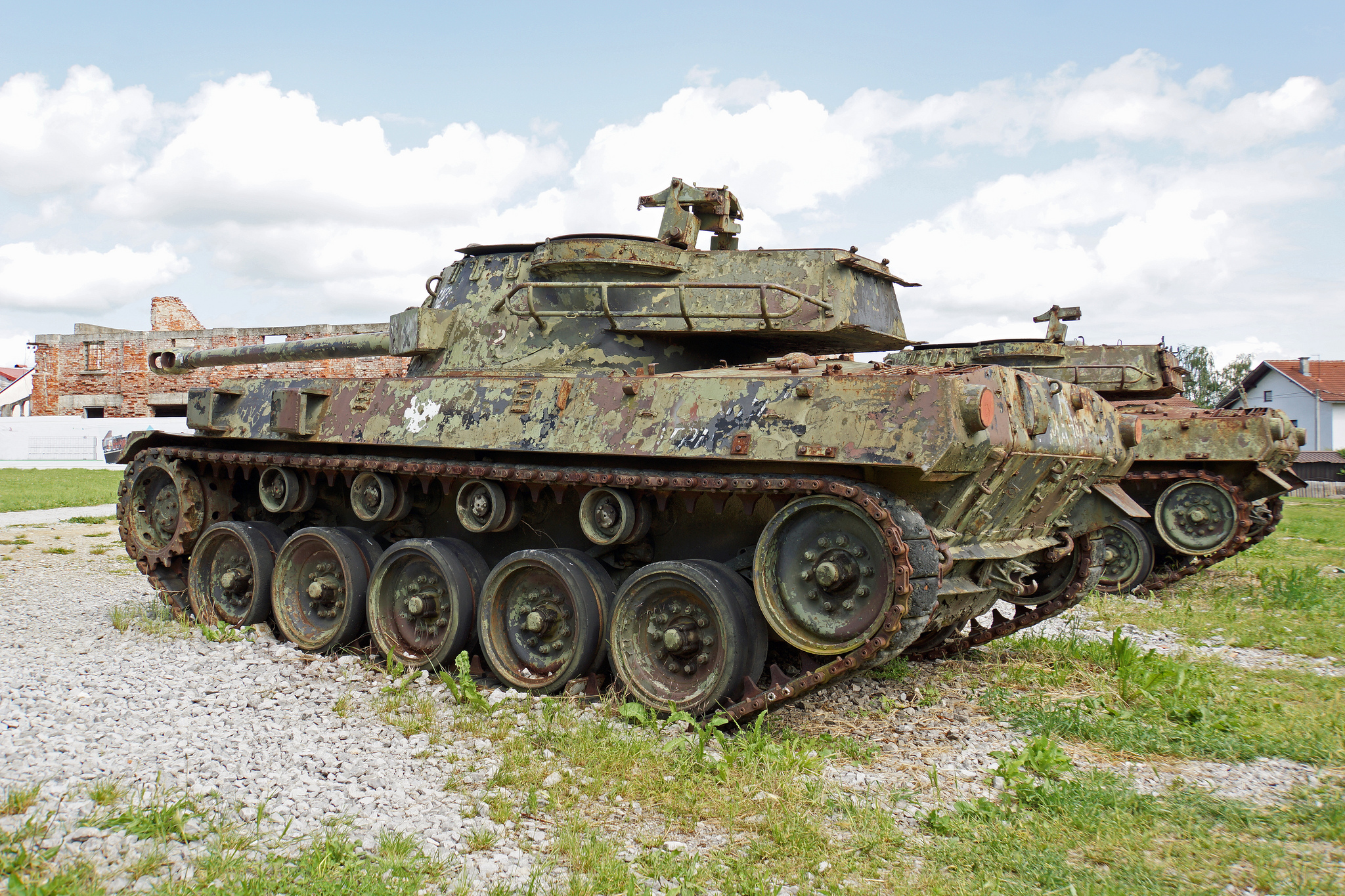
Top 10 Bosnian War Facts

  1. In the 1980s the decline of the Yugoslavian economy began to affect the state of affairs in Bosnia and Herzegovina. People wanted to see the end of communism, and various ethnic groups were vying for control of the area. By the early 1990s, the Serbs, Muslims and Croats living in Bosnia each desired to appropriate Bosnia and Herzegovina’s territory for their own countries and take control of the government and political field.
  2. Bosnian Croats and Muslims feared that Serbian president Slobodan Milošević, the leader of the Socialist Party of Serbia, would take their land, so they called for the independence of Herzeg-Bosnia. Bosnia and Herzegovina declared its independence on March 3, 1992. It was recognized by the U.S. and the European Community on April 7, 1992.
  3. On April 6, 1992, the Serbs began the Siege of Sarajevo, which lasted until Feb. 29, 1996. The Serbian paramilitary forces began the siege by holding positions inside the city and in the hills surrounding Sarajevo. By the first week of May, the Serbs had surrounded the whole city. This cut Sarajevo off from food, medicine, water, electricity, fuel and other supplies. The Serbs began firing on Sarajevo with advanced artillery but faced heavy defense from those mobilized with weapons within the city. Because the Serbs were facing opposition, they began to terrorize the city with intense gunfire and snipers. The Siege of Sarajevo lasted for 47 months and remains the longest siege in modern history.
  4. With Sarajevo, as well as several other cities isolated by force, the supply of food, utilities and communication became extremely limited and spread thin throughout the territory. This caused many cases of malnutrition and many citizens lost up to 33 pounds while some others lost their lives due to lack of access to supplies.
  5. Bosnian Serbs began the ethnic cleansing of large areas occupied by non-Serbs, primarily Muslims. The genocide destroyed entire villages and thousands of Bosnians were forced out of their homes and taken to detention camps where they were raped, tortured, deported or killed. The Serbians used rape in the Bosnian War as a tactic to increase terror.
  6. One of the most lethal Bosnian War facts came when Gen. Ratko Mladic led Serbian troops in capturing Srebrenica and killed more than 8,000 Muslims. Srebrenica had been previously declared by the U.N. as a safe area. The U.N. later indicted Radovan Karadžić, the orchestrator of the attack on Sarajevo, and General Mladic for genocidal war crimes.
  7. The Bosnian government was unable to access updated and necessary weaponry that the Serbian and Croatian armies maintained due to an international arms embargo imposed throughout the Bosnian War.
  8. Although the U.N. Protection Force occasionally sent troops to supervise humanitarian aid and protect declared safe areas, the U.N. overall refused to intercede in the Bosnian War.
  9. After NATO’s negotiations in Dayton, Ohio, in 1995, a final peace agreement was imposed and declared to bring an end to the Bosnian War. NATO enforced this through airstrikes until the leaders agreed to the ceasefire and signed the Dayton Peace Accords in Paris on Dec. 14, 1995.
  10. Throughout the Bosnian War, more than 250,000 people lost their lives and many more were displaced from their homes.

Even today, as a result of these Bosnian War facts, the territory remains highly divided between two sections: Muslim-Croat and the Serbian Republic. Both sections face a continuous fight against poverty, unemployment and ethnic discord.

Photo: Flickr

April 29, 2018
https://borgenproject.org/wp-content/uploads/borgen-project-logo.svg 0 0 Borgen Project https://borgenproject.org/wp-content/uploads/borgen-project-logo.svg Borgen Project2018-04-29 07:30:382020-01-15 18:34:10Top 10 Bosnian War Facts
Foreign Aid, War and Violence

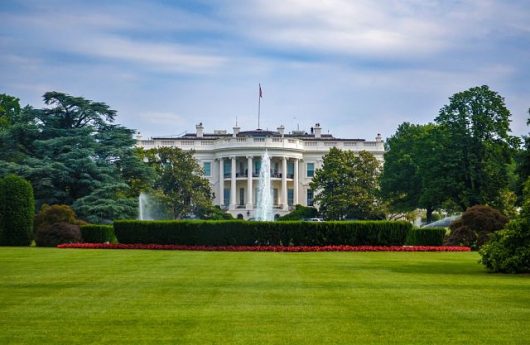
Why and How Foreign Aid Is A Matter of National Security

Foreign Aid Is a Matter of National Security
In February of 2018, the Trump administration released a budget proposal indicating deep 29 percent budget cuts to the state department and steady 13 percent increases to the defense department. These state department cuts materialize into $16.2 billion taken away from the previous $55.6 billion allocated in Fiscal Year (FY) 2018. The Trump Administration justifies the cuts by stating that aid will remain in the accounts of “friends” of our future foreign policy decisions.

Ramifications of the 2018 Budget Proposal

Meanwhile, the proposed budget increases the amount of money spent on national defense by 13 percent, raising the $600 billion budget to nearly $690 billion. The increased defense budget will be used to completely update the United States’ nuclear arsenal and increase the amount of ground-based missile interceptors in Alaska working to address the increased threat of the Korean Peninsula.

Assessing nuclear threats is a fair concern and position for the United States government to take, however it should not come at the expense of drastically decreasing foreign aid. In truth, foreign aid is a matter of national security.

Foreign Aid is a Matter of National Security

While it may not appear obvious at first, foreign aid is known and regarded by many U.S. military officials as beneficial to United States foreign policy and national security. To illustrate, in 2017-retired General Mike Mullen and retired Admiral James Jones wrote a piece explaining the hands-on benefits they saw foreign aid bring in leading American troops.

Both officials explain that military power alone cannot prevent despair within vulnerable countries from turning into outbursts of violence and instability. Robust foreign aid should not be looked upon as a no-strings-attached giveaway to the poorest nations in the world, but rather as stability enhancement to places most susceptible to radical influence.

Threat of Extremism

The generals explain that countries with limited social hope and foreign assistance are the most prone to radicalization that materializes into extremism. Terror organizations like Al Qaeda, Al Shabab, Boko Haram and ISIS take root in countries with common characteristics — instability and poor governance. These terror cells bring about a sense of social support that citizens do not believe their public officials and service programs will be able to provide them.

The former military officials further explain that Congress can, and should, fully fund the International Affairs Budget, as the funding leads to active approaches from the U.S. government, non-government organizations and in-country support to provide services that meet citizens’ basic needs.

Foreign Aid and the Military

Moreover, foreign aid goes hand-in-hand with a strong military. Without support after a strong U.S. military presence, countries can remain unstable and vulnerable to extremist influence. Therefore, foreign aid creates proactive conflict-prevention strategies which are far less expensive in resources and expended lives than reactionary use of United States Armed Forces.

In 2013, Secretary of Defense Jim Mattis bluntly summarized the words of the retired officials and explains why foreign aid is a matter of national security: “If you don’t fund the State Department fully, then I need to buy more ammunition ultimately. So I think it’s a cost benefit ratio. The more that we put into the State Department’s diplomacy, hopefully the less we have to put into a military budget…”

Diplomacy is ultimately less expensive than the wars that a lack of diplomacy brings about. While a strong military is considerably important in 2018 and beyond, cutting foreign aid to increase military spending weakens our strength as a nation, a role model and peacekeeper.

The words of these military officials should be kept in mind in future policy decisions so as to clearly explain why foreign aid is a matter of national security.

– Daniel Levy
Photo: Unsplash

April 26, 2018
https://borgenproject.org/wp-content/uploads/borgen-project-logo.svg 0 0 Borgen Project https://borgenproject.org/wp-content/uploads/borgen-project-logo.svg Borgen Project2018-04-26 01:30:282019-11-03 18:39:38Why and How Foreign Aid Is A Matter of National Security
Foreign Aid, Refugees, War and Violence

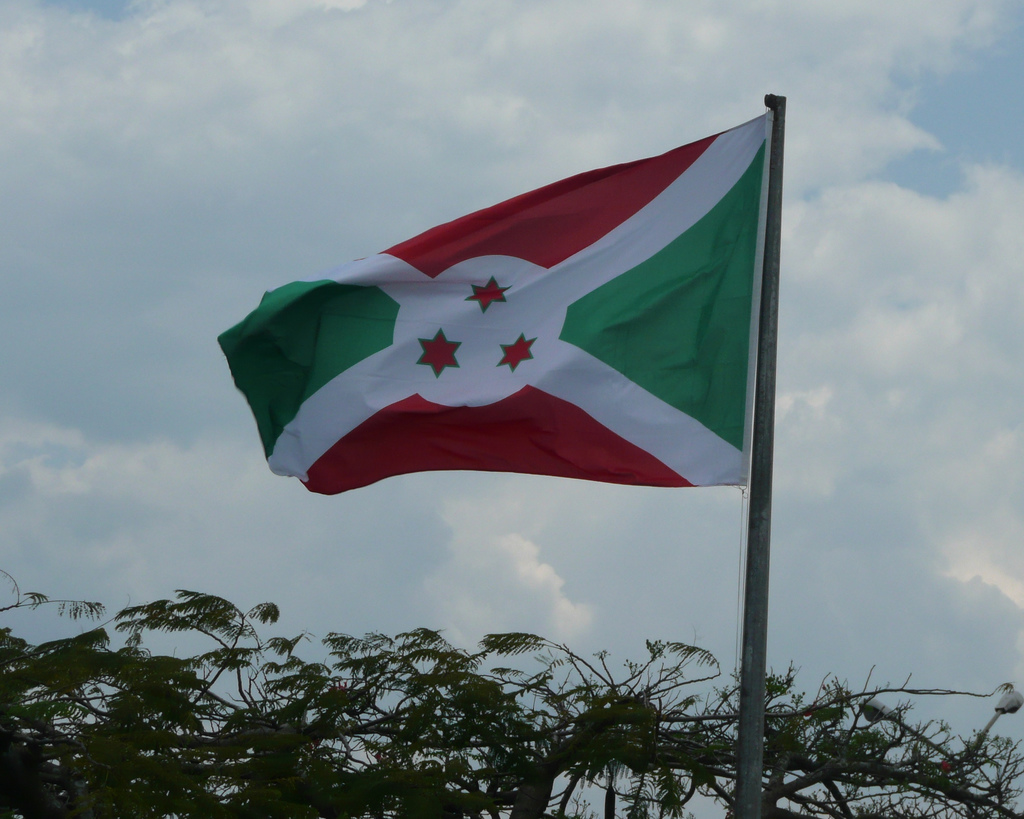
Struggle and Sanctuary: How the Media Misrepresents Burundi


The general public is unable to form any positive conclusions from media sources due to how the media misrepresents Burundi. Through closer analysis, however, the public may see a shimmer of hope behind all the destruction that the media portrays is occurring in Burundi.

How Does the Media Portray Burundi?

The media portrays Burundi as economically unstable; however, this fact is only partially true. Population growth in Burundi continues to rapidly increase, leaving the nation fighting to support their growing nation.

Burundi’s economy is lacking in their growth rate with the population growth rate at 3.1 percent annually, and the GDP per capita not growing more than 1.5 percent even in the best of recent years. Because of these economic difficulties the country has endured, Burundi’s economy relies 49 percent on international financial aid.

International Aid

The media states that Western donors are in the process of cutting support towards Burundi, pushing the nation even more towards intolerable levels of poverty; however, in the past three years alone, the United States has donated over $135 million in foreign aid towards the country of Burundi.

Other organizations such as the World Bank pledged $440 million towards helping the country’s financial crisis, and the EU has already made firm commitments towards achieving this goal. Overall, donors have pledged over $2 billion for Burundi’s development strategy in order to rebuild the nation after its civil war and national political crises.

Internal Controversy

How the media misrepresents Burundi can also be seen in the violence occurring in the country due to political turmoil. Burundi’s president, Pierre Nkurunziza, who has been in office since 2005, released a referendum date for May 17 for a controversial constitutional reform. If this reform is passed, it would allow President Nkurunziza to remain in power until 2034 — an unjust situation that would cause public uproar.

The violence has increased to such a degree that the U.S. State Department has warned Americans not to travel to Burundi, and that Burundi citizens are trained to promote violence and on the path towards another civil war. However, this media representation fails to mention measures taken within the nation to ensure the people of Burundi have alternative methods to violence.

New Generation

Diedonné Nahimana, an award-winning Burundi citizen, created the program of New Generation in Bujumbura to coach victims of war to become ambassadors for peace. New Generation was created to provide victims or orphans of war with alternative opportunities for a successful life rather than turning to violence.

This program develops a new generation of leaders who will restore Burundi after their 12-year civil war, and hopefully prevent the return of war. The foundation of their teaching is based upon non-violence as in the steps of Ghandi and Martin Luther King Jr.

The dream is that by 2020, this new generation will control leadership positions in the country and teach this method of non-violence to others and ensure peace in the country. Due to all of this violence, more than a quarter of a million people have Burundi in terror, seeking refuge in other countries.

Global Priority

Despite this, sources claim that the world doesn’t seem to notice this violence occurring in Burundi and thus serve as another example of how the media misrepresents Burundi.

The people of Burundi are under constant persecution and live in terror in their country due to the political crises and increased poverty conditions; however, it is not the case that the world has turned their back on this African country. Since 2015, over 300,000 people have fled the country of Burundi, many to refugee camps in neighboring African countries where unfortunately, persecution and inhumane actions still exist.

Struggle and Sanctuary

Other countries, such as Canada, have developed methods to ensure Burundi refugees are welcome in their countries. Canada has designated refugee claims from Burundi which welcomes refugees into their country. In fact, Canada proudly holds a Burundian community of roughly 10,000 and continues to allow refugees inside its borders. The United States has also welcomed over 2,000 Burundian refugees in the past two years and the numbers increase daily.

Although Burundi endures many hardships from political crises, poverty and population growth, there is more good occurring in the country than what the media showcases to the public.

– Adrienne Tauscheck

Photo: Flickr

April 20, 2018
https://borgenproject.org/wp-content/uploads/borgen-project-logo.svg 0 0 Borgen Project https://borgenproject.org/wp-content/uploads/borgen-project-logo.svg Borgen Project2018-04-20 01:30:072019-11-08 13:39:22Struggle and Sanctuary: How the Media Misrepresents Burundi
Global Poverty, War and Violence

Top 10 Croatian War Facts

Although the Croatian War has been over for more than twenty years, the aftermath is still present within the region. Lack of economic and political stability are current problems that Croatia faces. Professor Daliborka Uljarevic, a leader in the Centre for Citizens’ Education, says “political rhetoric and lack of profound economic recovery keep people stuck in recent past, with poor view on better future.” Here are the top 10 Croatian war facts that provide a better understanding of what happened during the war and how Croatia remains affected.

Top 10 Croatian War Facts:

  1. The war started in response to an oppressive government. Nazi rule took over in 1941 and communism dominated Croatia for nearly 50 years. People started to revolt against the government in the movement known as the Croatian Spring of 1971 and Croatian nationalism began to foster.
  2. Croatia was a part of Yugoslavia when it was ruled by communism. Montenegro, Macedonia, Serbia, Slovenia, Bosnia and Herzegovina were all also under Yugoslavia rule.
  3. Croatia declared independence in 1991 against Yugoslavia rule and the war lasted from 1991-1995.
  4. The U.N. separated Croatia into four areas to disconnect the battling groups of Serbs and Croats. When Croatia later got involved in the Bosnia-Herzegovina conflict, Bosniak Muslims were also separated.
  5. The U.N. Refugee Agency’s (UNHCR) emergency relief in the Balkans was the largest of UNHCR’s operations. Costing more than one billion U.S. dollars, the U.N. provided close to a million tons of humanitarian supplies and food within 1991-1995 that ultimately saved many people from death.
  6. Despite the vast humanitarian assistance, more than 120,000 people died during the conflict. Muslim Bosniaks and Catholic Croats made up the majority of the people who died. Two million individuals out of the four million population sought refuge in the neighboring country of Bosnia-Herzegovina.
  7. The Battle of Vukovar was one of the bloodiest battles on Croatian soil and lasted 87 days. Of the Croats and non-Serbs, 7,000 were sent to concentration camps and approximately 22,000 fled the area for their lives.
  8. The war led to mass economic destruction. A quarter of the economy was destroyed, as there were $36 billion of war damages and 180,000 destroyed homes.
  9. The International Criminal Tribunal for the former Yugoslavia (ICTY) helps victims of the war have a voice and justice for their suffering. The ICTY still works on resolving war crimes and establishing punishments for those who are guilty. There are still people unaccounted for.
  10. The U.S. led Dayton Peace Accords established peace in the area, bringing an end to the war. The country is now separated into two areas, one where the Bosnian Serbs are dominant and another where the Bosnian Muslims and Croats are dominant. Tensions still run high amongst these groups.

These 10 Croatian war facts do not demonstrate the full monstrosity that ensued during 1991-1995. Victims are still suffering to this day and many families still have not found their missing loved ones.

– Mary McCarthy

Photo: Flickr

April 17, 2018
https://borgenproject.org/wp-content/uploads/borgen-project-logo.svg 0 0 Borgen Project https://borgenproject.org/wp-content/uploads/borgen-project-logo.svg Borgen Project2018-04-17 01:30:562024-05-29 22:42:00Top 10 Croatian War Facts
War and Violence

Top 12 Most Deadliest Wars in History

deadliest wars
As with most wars, the majority of people killed in the deadliest wars of all time are innocent civilians. Wars have been a part of human history since the dawn of time. The earliest recorded evidence of human warfare suggests that the first conflict took place around 13,000 years ago along the Egypt-Sudan border. It is believed that this conflicted erupted as a resulted of competition over resources — in this case, water. However, there are many reasons a war can develop: poverty, poor governmental leadership, civil unrest, religion, territory disputes, resources and a plethora of other factors are all responsible for most of the wars throughout human history. With that said, here is a look at the deadliest wars in history.

Top 12 Most Deadliest Wars in History

  1. The Second Congo War
    The Second Congo War (1998-2003) was one of the deadliest wars in history and the deadliest in modern African history. This war spanned over a period of 5 years and caused the death of around 5.4 million people. Although the genocides accounted for a large number of casualties, diseases and famine caused by the war were also partially responsible.
  2. Napoleonic Wars
    The Napoleonic Wars (1803-1815) pitted the French Empire and its allies against a coalition of European powers. The Napoleonic Wars refers to a series of conflicts between the French Empire and the coalitions that fought it: the War of the Third Coalition, the Fourth, the Fifth, the Sixth and the Seventh and final coalition. During this period, it is estimated that around 3.5-6 million people were killed as a direct or indirect result of the war.
  3. The Thirty Years’ War
    As the name implies, the Thirty Years’ War was fought between Catholic and Protestant states in Central Europe from 1618 to 1648. The conflicts eventually drew in the great powers of Europe, resulting in one of the longest, most destructive and deadliest conflicts in European history. It is estimated that the war was responsible for the deaths of 8 million civilians and military personnel alike.
  4. The Chinese Civil War
    The Chinese Civil War started in August of 1927 between the government-backed Kuomintang and the Communist Party of China. The massacres and mass atrocities carried out by both parties resulted in more than 8 million casualties by 1950.
  5. The Russian Civil War
    The Russian Civil War claimed the lives of more than 9 million people — 8 million of whom were civilians. The war spanned from 1917-1922 — immediately after the Russian Revolutions of 1917 — and it was fought between opposing political factions, namely the Red Army and the White Army.
  6. The Dungan Revolt
    The Dungan Revolt was a war fought between the Hans (Chinese ethnic group native to East Asia) and the Huis (Chinese Muslims) in 19th-century China during the Qing Dynasty. There were approximately 20 million war-related deaths, mostly caused by famine and migration brought about by the war.
  7. An Lushan Rebellion
    The An Lushan Rebellion was a rebellion against the Tang Dynasty of China between 755 A.D. and 763 A.D. Although it is difficult to accurately report the death toll, census reports taken the years following the war imply that around 36 million people were killed, or about two-thirds of population of the empire.
  8. World War I
    The First World War was fought between the Allies and the Central Powers. The war lasted 4 years — from 1914 to 1918 —but it was responsible for around 18 million deaths. Of the 18 million deaths, about 11 million were military personnel and about 7 million were civilians.
  9. Taiping Rebellion
    Yet another war in China, the Taiping Rebellion was another large-scale rebellion that was fought between 1850 and 1864. The war was fought between the Qing Dynasty and the Christian millenarian movement of the Taiping Heavenly Kingdom. Although there isn’t an exact number, most estimations have the Taiping Rebellion responsible for 20-30 million deaths.
  10. The Qing Dynasty Conquest of the Ming Dynasty
    The transition from the Qing Dynasty to the Ming dynasty was anything but peaceful. The rebellion waged for over 60 years— from 1618 to 1683 — and resulted in the deaths of 25 million people. What started as a relatively small rebellion in northeastern China ultimately resulted in one of the country’s deadliest conflicts as well as one of the deadliest wars in history.
  11. The Second Sino-Japanese War
    The Second Sino-Japanese War was waged between 1937 and 1945 between the Republic of China’s National Revolutionary Army and the Imperial Japanese Army. It is widely believed that the war began with the Marco Polo Bridge Incident and it later escalated to an all-out war that resulted in 25 million civilian deaths and over 4 million Chinese and Japanese military deaths.
  12. World War II
    World War II was a global war that spanned from 1939 to 1945. The war pitted the Allies and the Axis power in the deadliest war in history, and was responsible for the deaths of over 70 million people. Known for its genocidal campaign against the Jewish people, the war was also responsible for the deaths of more than 50 million civilians.

An End to War

As John F. Kennedy famously said, “Mankind must put an end to war before war puts an end to mankind.” The deadliest wars in history are all a testament to that sentiment — it is a repeating pattern with very costly end results. The last large-scale war, World War II, was responsible for the deaths of nearly 70 million people.

With the ever-advancing technology in the modern world and a booming population, the next war will undoubtedly bring about an unprecedented amount of deaths. Let history be a teacher so that we can avoid committing the same mistakes, and put an end to conflict once and for all.

– Brandon Cerda

Photo: Flickr

March 25, 2018
https://borgenproject.org/wp-content/uploads/borgen-project-logo.svg 0 0 Borgen Project https://borgenproject.org/wp-content/uploads/borgen-project-logo.svg Borgen Project2018-03-25 01:30:132024-12-13 17:58:39Top 12 Most Deadliest Wars in History
Child Soldiers, Children, Human Trafficking, War and Violence

Robbed Childhoods: The Worst Countries to Be a Kid

Worst Countries to be a Kid
Poverty, famine, violence and abuse have robbed many children of their childhoods. About 9.2 million children die every year, and that does not include the kids who manage to survive in harsh and dangerous conditions. Countless children must learn to survive in times of war, starvation and less than adequate health services. The following are a few of many worst countries to be a kid.

War-Torn Countries: Afghanistan and South Sudan

In Afghanistan, a country ridden by war, about 1.9 million children are in need of assistance. Not only do these children battle against the poverty of their country, but they are also caught in the crossfire of the war.

This is one of the worst countries to be a kid because of the dangers of war. In the first nine months of 2017, about 700 children were killed in Afghanistan; civilian-populated areas have seen a sharp increase in violence in the past years, and a majority of victims were children. In fact, there has been a 9 percent increase in child mortality.

If children survive these vicious attacks, the experiences then lead to severe distress and trauma. Studies have shown that children who survive attacks have a higher chance of suffering from psychological issues and experiencing a negative impact on long-term development. While children are innocent bystanders in Afghanistan, other countries include youth as children soldiers.

South Sudan is in the midst of a violent civil war, and the National Liberation Movement has taken it upon themselves to recruit children into its armies. South Sudan is one of the worst countries to be a kid because the majority of the time, children are forced to become soldiers against their will.

More than 700 children have been taken into the National Liberation Movement, and more than that were kidnapped or brought in by force.

Many of these child soldiers were taken at such a young age that their military existence has become their way of life. This can cause kids to feel trapped and less likely to seek escape. Earlier this year, about 300 children soldiers were released from the Liberation, but their ranks will unfortunately only be replaced.

Child Sex Trafficking: Thailand and China

As of 2004, 800,000 children under the age of 16 were trapped in the sex trade in Thailand alone. Thailand is the most prominent countries for sex tourism, and more than half its victims are kids.

Many of the children are foreigners because traffickers usually seek children who come from immigrant families. These children are a diverse group from Cambodia, Vietnam, Burma, India and Bangladesh, and it is not hard for recruiters to find children since parents or brokers will use kids as an avenue to earn money.

China is also known for its part in child sex trafficking. Similar to Thailand, children in China are subjected to prostitution and the sex trade. Traffickers target vulnerable children who are either disabled with mental disabilities or who are from migrating families.

Improvement in the Worst Countries to be a Kid

Though these facts are disheartening, international organizations such as UNICEF are working to prioritize children’s safety. The organizations have impacted numerous areas across Africa, East Asia, the Pacific and parts of Europe, and now continue to fight to decrease the number of worst countries to be a kid across the globe.

– Cassidy Dyce

Photo: Flickr

March 22, 2018
https://borgenproject.org/wp-content/uploads/borgen-project-logo.svg 0 0 Borgen Project https://borgenproject.org/wp-content/uploads/borgen-project-logo.svg Borgen Project2018-03-22 01:30:122024-05-29 22:39:51Robbed Childhoods: The Worst Countries to Be a Kid
Page 5 of 20«‹34567›»

Get Smarter

  • Global Poverty 101
  • Global Poverty… The Good News
  • Global Poverty & U.S. Jobs
  • Global Poverty and National Security
  • Innovative Solutions to Poverty
  • Global Poverty & Aid FAQ’s
Search Search

Take Action

  • Call Congress
  • Email Congress
  • Donate
  • 30 Ways to Help
  • Volunteer Ops
  • Internships
  • Courses & Certificates
  • The Podcast
Borgen Project

“The Borgen Project is an incredible nonprofit organization that is addressing poverty and hunger and working towards ending them.”

-The Huffington Post

Inside The Borgen Project

  • Contact
  • About
  • Financials
  • President
  • Board of Directors
  • Board of Advisors

International Links

  • UK Email Parliament
  • UK Donate
  • Canada Email Parliament

Get Smarter

  • Global Poverty 101
  • Global Poverty… The Good News
  • Global Poverty & U.S. Jobs
  • Global Poverty and National Security
  • Innovative Solutions to Poverty
  • Global Poverty & Aid FAQ’s

Ways to Help

  • Call Congress
  • Email Congress
  • Donate
  • 30 Ways to Help
  • Volunteer Ops
  • Internships
  • Courses & Certificates
  • The Podcast
Scroll to top Scroll to top Scroll to top