• Link to X
  • Link to Facebook
  • Link to Instagram
  • Link to TikTok
  • Link to Youtube
  • About
    • About Us
      • President
      • Board of Directors
      • Board of Advisors
      • Financials
      • Our Methodology
      • Success Tracker
      • Contact
  • Act Now
    • 30 Ways to Help
      • Email Congress
      • Call Congress
      • Volunteer
      • Courses & Certificates
      • Be a Donor
    • Internships
      • In-Office Internships
      • Remote Internships
    • Legislation
      • Politics 101
  • The Blog
  • The Podcast
  • Magazine
  • Donate
  • Click to open the search input field Click to open the search input field Search
  • Menu Menu

Archive for category: War and Violence

Information and news War and Violence

Global Poverty, United Nations, War and Violence

The Theory of How to End Genocides

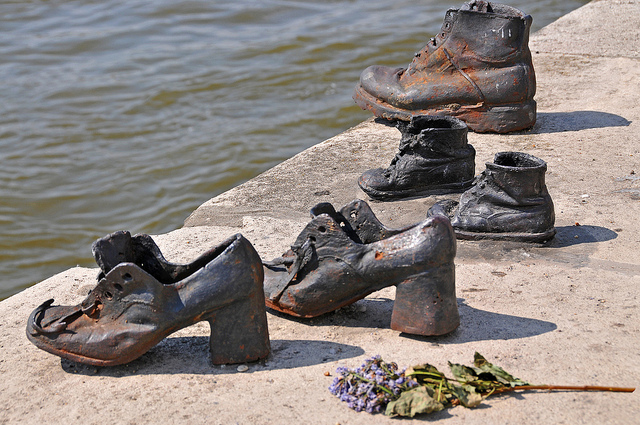
The Theory of How to End GenocidesDuring the Holocaust, more than six million people lost their lives because of their religion, ethnicity, sexuality or other characteristics. To this day, the Holocaust is still one of history’s most devastating genocides. As a direct response, in 1948, the Convention on the Prevention and Punishment of the Crime of Genocide was established to focus on how to end genocides and atrocities.

Genocide is described as killing members of a targeted group, causing serious bodily or mental harm to members of the group, consciously inflicting on the group conditions of life calculated to bring about its physical destruction in whole or in part, preventing births within the group and taking children away from the group.

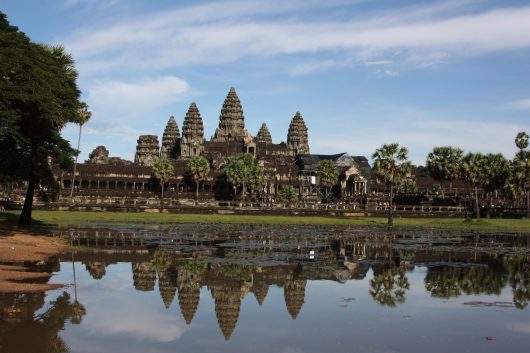
Since World War II, genocides have taken place in disparate areas of the world. From Cambodia and Rwanda to Bosnia and Sudan, genocides have often occurred in poverty-stricken countries. So the question is, how to end genocides?

The Stages of Genocide

First, it is essential to recognize the signs leading up to these targeted killings. Being aware of the different steps taken in committing these atrocities is an essential step in how to end genocides.

  • Classification
    This is a division between “us” and “them”. A country that lacks interaction between its population’s races and cultures is especially susceptible to genocide. A preventive action of classification is mixing different cultures and races. This promotes appreciation, acceptance, tolerance and understanding among diverse groups.
  • Symbolization
    A targeted group is given a distinguishing name, symbol or color in order to set them apart. Discouraging hate speech and outlawing distinctive symbols such as the swastika are measures to counter symbolization. Coupled with hatred, symbolization can be a dangerous tactic, especially when it is followed by the third stage.
  • Dehumanization
    This occurs when one group strips away the humanity of another group. The group is compared to animals, diseases or insects. This stage is vital because propaganda comes into play, which justifies the mistreatment of a group. To combat this stage, propaganda media should be banned and hate crimes should be punished.
  • Organization
    This a dangerous stage because this is when mass killings are planned. An organized group or individual militias will become trained and armed. These groups are usually terrorist groups who should not only be outlawed but should also be banned from foreign travel.
  • Extermination
    At this point is when the genocide commences. Mass killings will take place in hopes of “exterminating” the unwanted group. The killers justify their actions because they do not believe their victims are human and that they have little to no worth. At this stage, drastic measures should be taken. Institutions should be set up for groups to hide in safety and they should also be heavily armed. A higher authority such as the national government or the U.N. Security Council should intervene.

How to End Genocide: Address the Root Cause

Being able to recognize the signs of genocide is only the first part of how to end genocides. It is also important to take action when any of these steps are underway in order to prevent the progression to full-blown mass killing.

Genocides usually take place during wartime, so to prevent a massacre, it is essential to find the causes. Many conflicts stem from racism, intolerance, discrimination, dehumanization and hatred of others. Addressing these issues should be a primary goal because it can prevent armed conflict.

Utilize the Judicial System

In times of genocide, using the government is essential. When the government is involved, specific measures can be taken. For example, the deployment of military forces and arrests of those committing genocide can help stop the killings. International interventional may be necessary if the country’s government is complicit in the genocide.

Ultimately, the goal is to prevent genocides before they happen. To do this, it is important to address the thoughts and beliefs that allow some groups to devalue others in order to justify their crimes. Emphasizing the value of all human life is key to ending violence and genocides worldwide.

– Cassidy Dyce

Photo: Flickr
March 9, 2018
https://borgenproject.org/wp-content/uploads/borgen-project-logo.svg 0 0 Borgen Project https://borgenproject.org/wp-content/uploads/borgen-project-logo.svg Borgen Project2018-03-09 01:30:242024-05-29 22:39:44The Theory of How to End Genocides
Developing Countries, Global Poverty, War and Violence

The Devastating Effects of Cluster Bombs in Poor Countries

Effects of Cluster Bombs in Poor CountriesCluster bombs contain hundreds of submunitions that can saturate an area up to the size of several football fields. Groups utilize cluster bombs to maximize destruction impact and exert the least effort possible. These particular weapons are indiscriminate, meaning anyone within range of the bomb’s detonation —whether civilian, military or terrorist— can be injured or killed as one of the effects of cluster bombs. 

More than 98 percent of known cluster bomb victims are innocent civilians, and 40 percent of these are children. Cluster bombs are most prevalent in poor countries because these areas tend to be high in crime, corruption and war. These weapons undergo the following process that may result in detonation:


The Drop

A cluster munition is dropped from a plane and can fly around nine miles before releasing its submunitions. This ability makes for highly inaccurate targeting, meaning the bombs are a disproportionate hazard to civilians.

The container begins to spin a short time before releasing its submunitions. It opens at an altitude between 330 and 3,300 feet. The cluster munition’s height, rotation speed and velocity determine how large of an area will be impacted.


Parachutes Open

Submunitions deploy parachutes as they descend. The parachute ensures that each submunition is stable and descends with its nose down. Each submunition is about the size of a soda can and made of a copper cone containing over 300 steel fragments and incendiary material. The cone can pierce through seven inches of armor and its contents are designed to burn the targeted area and destroy its inhabitants.


Effects of Cluster Bombs

Depending on altitude and wind speed, a cluster bomb’s submunition strikes can cover an area up to 861,120 square feet. The detonation of a single submunition can cause fatalities in a 65-foot radius and injure anyone within a 328-foot radius.

Cluster bombs lack consistency; they are prone to external factors such as weather and deployment tactics. Their volatility renders it near impossible to predict the exact size of an area affected. The effects of cluster bombs usually include numerous civilian and child deaths because of the bomb’s unpredictability.

Many submunitions fail to detonate on impact, resulting in the scattering of explosive “duds” throughout the targeted area. Duds contaminate the area even after conflict ends, essentially becoming landmines that injure and kill civilians. The percentage of unexploded submunitions from older canisters can be as high as 30 percent, but modern canisters typically range from two to 20 percent.

Currently, 63 countries are stockpiling submunitions and this number continues to grow. Cheaper variations of the bombs are likely to be used by countries that brutalize their own civilians or by violent no-state agents that disregard civilian safety.

The Convention on Cluster Munitions prohibits the use, production, transfer and stockpiling of cluster bombs. The international agreement was created in August 2010 and has been signed by 111 countries and ratified by 70. The U.S. has not signed the Convention on Cluster Munitions.

It is possible to combat the effects of cluster bombs by supporting the clearance of unexploded bombs and encouraging countries to sign the treaty banning cluster munitions. With continued effort, civilians’ and children’s lives can be spared.

– Carolyn Gibson

Photo: Flickr


February 14, 2018
https://borgenproject.org/wp-content/uploads/borgen-project-logo.svg 0 0 Borgen Project https://borgenproject.org/wp-content/uploads/borgen-project-logo.svg Borgen Project2018-02-14 07:30:082024-05-29 22:39:16The Devastating Effects of Cluster Bombs in Poor Countries
Global Poverty, War and Violence

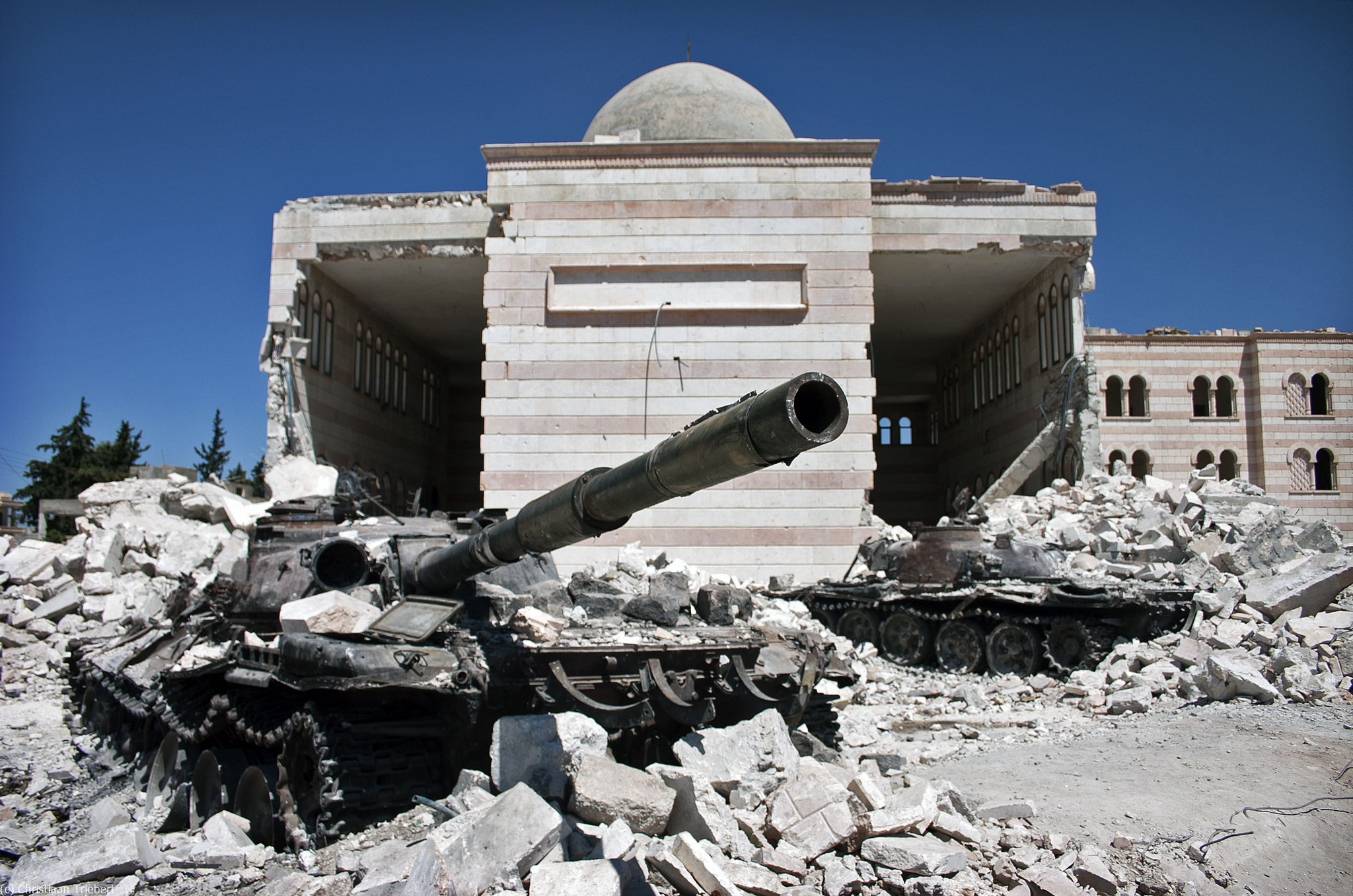
The Battle of Aleppo and its Continued Significance in Syrian Civil War

The Battle of Aleppo
Beginning in 2012 and concluding in 2016, the Battle of Aleppo has been a major war of attrition in the fight against the so-called Islamic State as well as served as a major impediment to the Astana Peace Process. Often dubbed ‘Syria’s Stalingrad’, the city of Aleppo is still reeling from the social, economic, and political ramifications of the offensive since the ceasefire deal reached last year in 2016.

With the death toll currently standing at over 31,000, many individuals continue to face the threat of internal displacement, diseases, and other human rights violations.

Aleppo in the Syrian Economy 

Aleppo, an important city with a population of 2.3 million individuals, used to make up a notable part of Syria’s GDP in the past with its economic potential. Approximately, 60 percent of the city has been devastated — a significant proportion of that destruction being landmark cultural and heritage sites. As if infrastructure mistreatment wasn’t enough, the Battle of Aleppo was also infamously known for the rebels’ use of civilians as human shields and other forms of modern slavery.

According to the World Bank Group, the economic cost of the war comes to €200 billion so far. Over 1 million people were forced to flee the city — an influx to Europe that contributed significantly to the 2015 European Migrant Crisis. Consequently, since the beginning of 2017 alone, 300,000 people residing in Aleppo were forced to leave the city.

Humanitarian Aid

During the Battle of Aleppo, a significant number of humanitarian aid initiatives were spearheaded by the United Nations Office for the Coordination of Humanitarian Affairs (UNOCHA). The United Nations Security Council Resolution 2165 was instrumental in ratifying the supply of aid to the country, particularly across border crossings and other obstacles.

In October 2017, the International Committee of the Red Cross (ICRC) reported casualties that amounted to the hundreds. Many schools and hospitals were destroyed in the crossfire of the combat against the Islamic State and other extremist groups in the country. Rural areas in the country faced especially damaging impacts since over 27 percent of Syrian homes were destroyed during the course of the Battle of Aleppo.

The U.N. has recommended that over $3.5 billion is needed to cover the social, economic and human costs of the Syrian Civil War. This figure means that Aleppo will hopefully be given a greater focus and priority in the future through the globe’s increased channeling of funding and resources.

Humanitarian aid is taking on a pivotal role in order to address the situation’s immediate needs. Russian military officers have delivered a batch totaling 1.3 billion tons of aid and, as a part of the initiative, 300 sets of food were also provided. Similarly, Iran also delivered humanitarian aid to rural areas of Aleppo with an aid convoy of 200 tons of food, clothing and medicine for affected civilians.

Aid Efforts 

Various aid organizations currently address water and sanitation needs by equipping households with water tanks as full supply has still not been restored in many communities. Moreover, UNICEF has delivered water to over 700,000 individuals in Aleppo and aids in the maintenance of water storage tanks in the city.

Currently, the reconstruction of the city and resettlement of civilians in the future remains top priorities for various stakeholders, as many returning civilians come home to a city in ruination. To date, over 332,000 individuals have returned to Aleppo so far.

Based in the city of Budapest is the humanitarian program of the Aleppo Project, which acts as a large collaboration between various refugees, students and experts. The organization is active in Lebanon and Turkey and works concertedly to restore the city to order. Their focus on the Geographic Information Systems (GIS) is the establishment of a participatory planning system that will help continue the present post-crisis restoration of the entire city. Within the city, the UNHCR is providing returning civilians with items like protective equipment to help them regain control of their lives.

With the city of Aleppo continuing to act as a major epicenter of the Syrian civil war, safe passages and avenues are needed for the affected and the vulnerable to remain protected. At this juncture, sustainable aid is thus required in order to have an effective solution to the crisis and mitigate negative impacts.

– Shivani Ekkanath

Photo: Flickr

December 16, 2017
https://borgenproject.org/wp-content/uploads/borgen-project-logo.svg 0 0 Borgen Project https://borgenproject.org/wp-content/uploads/borgen-project-logo.svg Borgen Project2017-12-16 12:22:382024-06-05 03:02:24The Battle of Aleppo and its Continued Significance in Syrian Civil War
Global Poverty, War and Violence

10 Facts About Nazi Germany’s Generalplan Ost

Generalplan Ost

The unforgettable tragedy of the Holocaust committed by Nazi Germany during World War II resulted in the deaths of more than 12 million people in Europe, but Hitler and his party had greater ambitions for an even larger genocide called Generalplan Ost.

10 Generalplan Ost Facts

  1. Generalplan Ost means “masterplan of the east” and was the Nazi plan for the resettlement of Eastern Europe with German citizens after their victory in World War II, which they presumed was imminent in 1941 when they developed the plan.
  2. The territories they were prepared to take over and occupy were Poland, Lithuania, Latvia, Estonia, Belarus and parts of Russia and Ukraine. The Nazis believed people from these territories were racially inferior and required extermination in order to make room for the Aryan Germans.
  3. To exterminate the unwanted people in Eastern Europe, Generalplan Ost called for mass starvation or moving those they wanted to get rid of farther east. Nazi policy in relation to the Generalplan Ost stated: “many tens of millions of people in this territory will become superfluous and will have to die or migrate to Siberia.”
  4. Heinrich Himmler was in charge of coordinating Generalplan Ost, as he had been appointed Reich Commissar for the Strengthening of German Ethnic Stock, which allowed him to decide the fates of people in Eastern Europe. Himmler had Oberfuhrer SS Professor Meyer-Hetling from the Berlin University prepare the plan.
  5. The plan called for the extermination or deportation of 31 million people in Eastern Europe, where about 45 million people were residing at the time. Professor Meyer-Hetling’s plan called for the immediate removal of 80-85 percent of Poland’s population and 50 percent of the Czech Republic’s population, as well as the later deportation of 85 percent of Lithuania’s population, 75 percent of Belarus’ population, 65 percent of western Ukraine’s population and 50 percent of Latvia and Estonia’s populations.
  6. How people were to be “removed” according to Generalplan Ost was based on a racial hierarchy crafted by the Nazis. Those of Slavic origin were “undesirable” and were to be moved into Siberia. The Jews were to be “totally removed,” meaning killed. The rest of the people in Eastern Europe were to be enslaved, “Germanized” or killed.
  7. Special German einzatsgruppen (“task forces”) led operations to kill Eastern Europeans from the end of 1941 to the end of 1942. They killed over 300,000 civilians in Belarus, Ukraine and the Baltic states alone.
  8. Hitler argued that he wanted to acquire Eastern Europe for the resettlement of Germans to the territory in order to give Germans “Lebensraum” (living space). The term was coined by the German geographer Friedrich Ratzel in 1901; he believed a country needed enough resources and territory to be self-sufficient and to protect itself from external enemies.
  9. Hitler was not the first to insinuate racist views towards the Jews, Slavs, and other people of eastern Europe. Multiple early 20th century scholars argued that the resources of the eastern European states were wasted on the “racially inferior” Slavs and Jews.
  10. Part of Hitler’s inspiration for Generalplan Ost and Lebensraum came from the United States’ westward expansion. Hitler believed Germany’s “manifest destiny” lay in the east.

Thankfully, Generalplan Ost never came fully to fruition. It is hard to imagine that there could have been an even greater genocide than what occurred in the Holocaust. Sadly, genocides continue to occur in the world today. Foreign states must act to stop genocides and prevent them from happening, for if foreign states had not intervened in World War II, Generalplan Ost and the Nazi regime could have succeeded.

– Mary Kate Luft

Photo: Flickr

November 3, 2017
https://borgenproject.org/wp-content/uploads/borgen-project-logo.svg 0 0 Kim Thelwell https://borgenproject.org/wp-content/uploads/borgen-project-logo.svg Kim Thelwell2017-11-03 01:30:432024-06-05 23:55:3210 Facts About Nazi Germany’s Generalplan Ost
Global Poverty, War and Violence

Socioeconomic Conditions That Lead to Extremism

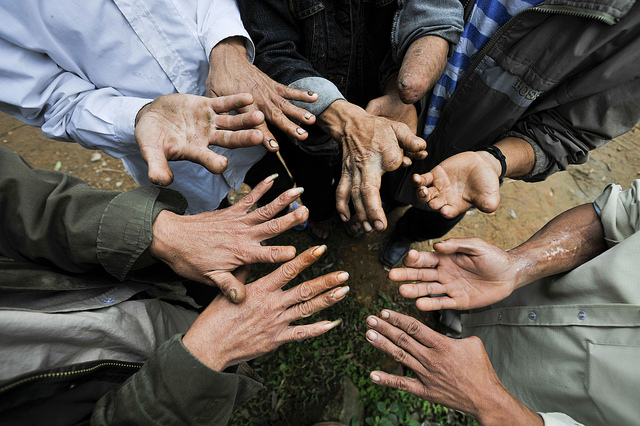
Four major socioeconomic factors correlate significantly with the cultivation of extremism in developing nations: youth unemployment, militarization, levels of criminality, access to weapons and corruption.
These factors strengthen the four drivers of radicalization that arise in developed countries: historic conflict, corruption, acceptance of human rights and the marginalization of groups.

Two major categories of socioeconomic conditions that lead to extremism include relative deprivation and general corruption. These ideas largely capture the four elements that are common among both developing and developed nations where radicalization is most common.

Relative Deprivation
Relative deprivation is the discrepancy between individuals’ expectations of justice and the state and an opposing reality and is a precursor to radicalization.

Kartika Bhatia and Hafez Ghanem argue that unemployment and underemployment can increase the likelihood of violent extremism, explaining the positive relationship between relative deprivation and radicalization. Furthermore, those with secondary educations who are unemployed or underemployed have the highest risk of becoming radicalized.

The Global Terrorism Index discloses that those who move to Syria to become an ISIL foreign fighter experience relative deprivation in that they typically have high educations but low incomes.

Corruption
According to the Global Terrorism Index, acts of terror between 1989 and 2014, “93 percent of all terrorist attacks occurred in countries with state-sponsored terror including extra-judicial deaths, torture and imprisonment without trial” versus only 0.5 percent of countries not experiencing political terror suffering from internal terrorist acts.

Poor socioeconomic conditions like widespread poverty can lead to political instability that reinforces antidemocratic values and the disenfranchisement of citizens. This reciprocal relationship between poor socioeconomic circumstances and corruption negatively influence one another, both factors swelling each other’s occurrence.

The report also notes that “when group grievances against the state are high, and the opportunity cost of joining a rebellion is low, groups are most likely to form”.

Today and the Future
Despite it all, there is good news. In 2016, the number of terrorist attacks and deaths from the attacks have both declined by 10 percent.

A decrease in the number of instances is significant and certainly good news. But getting to the root of what is causing radicalization is the best strategy to ameliorate the socioeconomic conditions that lead to extremism in general.

The creation of anti-corruption measures is being enforced globally. The United Nations Convention Against Corruption recognizes the destructive effects that corruption has on citizens. Postulating corruption as a global issue, the convention proposes a set of regulations that fights to eliminate corruption both before and after it occurs.

Matthew Murray, former U.S. Deputy Assistant Secretary of Commerce for Europe, the Middle East and Africa, takes the position that freedom from official corruption is a human right and international law should reflect that.

The legal advocacy of recognizing corruption as a crime against human rights is a fundamental step toward global initiatives that will combat corruption preying on vulnerable nations.

– Sloan Bousselaire

Photo: Flickr

November 2, 2017
https://borgenproject.org/wp-content/uploads/borgen-project-logo.svg 0 0 Borgen Project https://borgenproject.org/wp-content/uploads/borgen-project-logo.svg Borgen Project2017-11-02 01:30:542019-12-29 18:16:51Socioeconomic Conditions That Lead to Extremism
Global Poverty, War and Violence

15 Facts About the Syrian Civil War

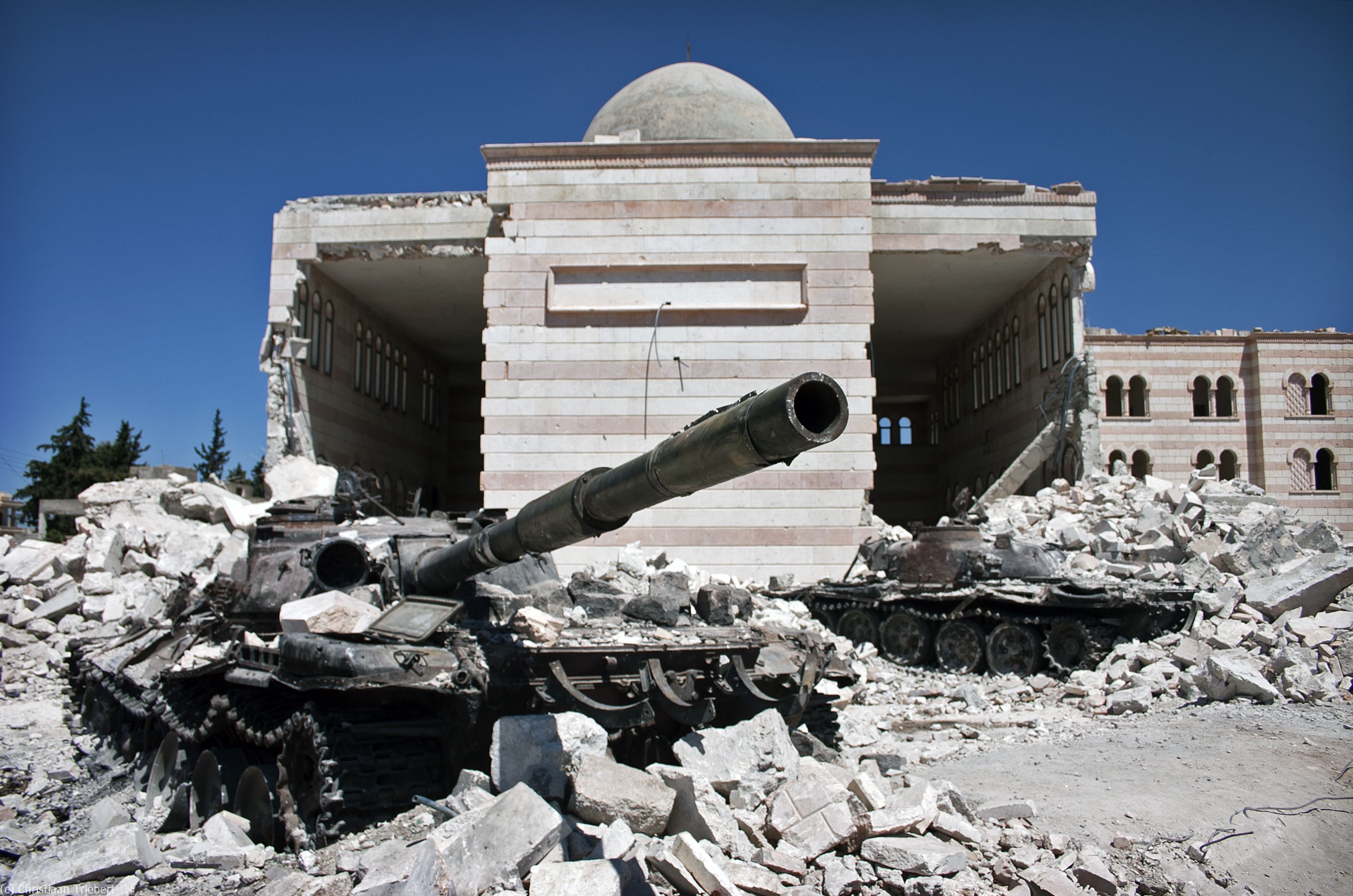
Facts About the Syrian Civil WarWhile constantly in the news, the atrocities of the Syrian civil war, one of the greatest humanitarian crises in recent history, have become somewhat normalized to readers. However, it is imperative to remain at least aware, if not critical of the causes of such ongoing brutality. Here are 15 facts about the Syrian civil war to stay informed:
  1. In 2011, the Syrian government, led by President Bashar al-Assad responded to civilians peacefully protesting wrongful imprisonment and torture by killing hundreds of demonstrators and imprisoning many more.
  2.  In July 2011, defectors from the military as well as Syrian civilians formed the Free Syrian Army, a rebel group aiming to overthrow President Bashar al-Assad and his authoritarian regime.
  3. President Assad encouraged extremists to join the rebellion against his government, and even released jihadist prisoners in order to tinge the rebellion with extremism and make it more difficult for foreign backers to support them.
  4. Neighboring countries with Sunni majorities generally support the rebels while Shia majorities tend to support President Assad. In 2012, Iran intervened on President Assad’s behalf and supplies officers and cargo to government forces. In response, Turkey, Saudi Arabia and Jordan sent aid to the rebels to counter Iran’s influence.
  5. The Syrian civil war has become a proxy war between international powers. The United States, under the Obama administration, supported Syrian rebels through CIA training, making it a participant in the war. Russia, on the other hand, backs President Assad.
  6. Syrian Kurds carved out a semi-autonomous region in the north and northeast of Syria. The Kurds support neither the government nor the opposition. The United States has supported the Kurds as one of the most effective anti-Islamic State forces on the ground.
  7. Almost all the forces in Syria fighting against each other are also fighting the Islamic State. In 2011, al-Qaeda forces joined the rebellion against President Assad before beginning to seize control of territory in Syria, by which time they had renamed themselves the Islamic State in Iraq and Syria (ISIS or ISIL), and labeling their territories its caliphate. Kurdish forces and Syrian rebels have been combating the rising power of ISIS. The United States has also directly intervened with air strikes.
  8. The United States launched a program to train Syrian rebels to fight ISIS, but not President Assad. The program was criticized for showing that the United States opposes ISIS more than Assad.
  9. President Bashar al-Assad is using chemical weapons against civilians. While the Syrian military as well as Assad himself deny such claims, organizations such as Human Rights Watch has documented the use of chlorine and sarin gas by the Syrian government against its own people.
  10. The United Nations commission of inquiry has evidence implicating all parties in the conflict of war crimes. Rebel forces, as well as the Syrian government and ISIS, have committed war crimes including murder, torture, rape and enforced disappearances. They have also been accused of leveraging access to food, water and health services as a method of combat.
  11. Entering its seventh year, the Syrian conflict has killed almost half a million Syrians, injured more than a million and displaced over 12 million, just about half of the country’s population before the war.
  12. 6.5 million of these displaced individuals are still in Syria. Internally displaced persons tend to be especially vulnerable, especially if they are still in areas of conflict. International aid agencies cannot easily access these areas.
  13. Most Syrian refugees are currently in Egypt, Iraq, Jordan, Turkey and Lebanon. While these areas are relatively safe for displaced Syrians, they remain unstable themselves.
  14. The mass exodus of Syrian refugees to Europe has created its own political crisis. European voters have largely rejected refugees in the wake of the rise of right-wing populism.
  15. Charity organizations across the globe are working to help the millions of Syrians affected by the war. The main charity groups include UNHCR, UNICEF, Doctors Without Border, Oxfam, the International Red Cross and Save the Children.

– Richa Bijlani

Photo: Flickr

November 1, 2017
https://borgenproject.org/wp-content/uploads/borgen-project-logo.svg 0 0 Borgen Project https://borgenproject.org/wp-content/uploads/borgen-project-logo.svg Borgen Project2017-11-01 01:30:552019-12-29 18:27:1415 Facts About the Syrian Civil War
Global Poverty, War and Violence

10 Facts About the Central African Republic Conflict

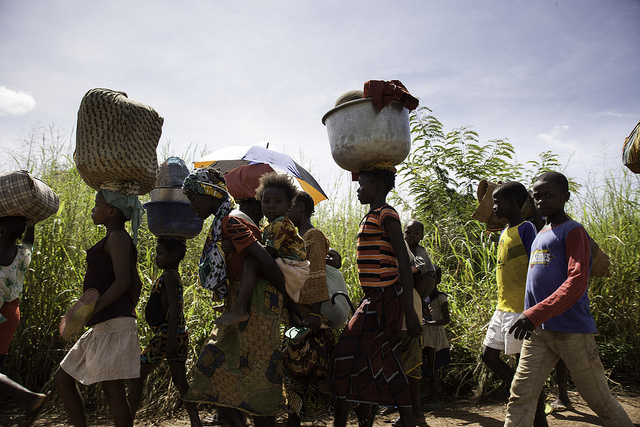
Central African Republic ConflictSince 1960, when the Central African Republic gained its independence from France, different armed conflicts have emerged in the country, principally fights for political power. However, in this decade, a confrontation between two different religious groups and the government has led to an environment of constant violence, forcing many people to leave their homes. These are 10 key facts about the Central Africa Republic conflict that you need to know.
  1. The Central African Republic conflict began in 2012 when the Seleka, a Muslim rebel coalition, attacked different cities in the country in order to overthrow the regime of President Francoise Bozizé.
  2. The main opposition group to the Seleka is the coalition known as Anti-Balaka, formed principally by Christian fighters.
  3. In 2014, Seleka rebels and Anti-Balaka forces agreed to a tentative ceasefire agreement.
  4. The Central African Republic conflict started again in 2015 when the government rejected the agreement by Seleka and Anti-Balaka forces.
  5. The Central African Republic conflict has displaced 466,000 people, who are now refugees in other countries.
  6. Since 2013, when the conflict started, more than 935,000 people have been internally displaced and about 60 percent of them are children.
  7. It is estimated that 3,000 to 6,000 people have been killed in the conflict.
  8. According to the U.N., nearly 2.5 million people are facing hunger in the country.
  9. Reports by human rights groups and the United Nations suggest crimes have been committed by both Seleka and Anti-Balaka.
  10. Different allegations of sexual abuse have been made by the United Nations, making the conflict worse inside the country.

Several organizations, principally the United Nations, are working in the country in order to end the conflict. However, the conflict is still ongoing, creating a wave of violence that has resulted in thousands of refugees, deaths and political uncertainty.

– Dario Ledesma

Photo: Flickr

October 31, 2017
https://borgenproject.org/wp-content/uploads/borgen-project-logo.svg 0 0 Borgen Project https://borgenproject.org/wp-content/uploads/borgen-project-logo.svg Borgen Project2017-10-31 07:30:342024-06-04 01:17:3110 Facts About the Central African Republic Conflict
Global Poverty, War and Violence

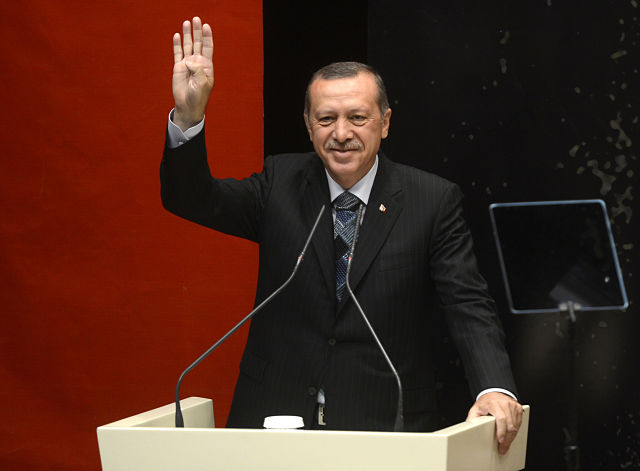
10 Facts About the Turkey-ISIL Conflict

Turkey-ISIL ConflictSince Turkey declared war on the so-called Islamic State (ISIL) in 2014, the Middle Eastern country accomplished great strides in aiding the world’s poor, while struggling with both internal and external challenges. These 10 facts about the Turkey-ISIL conflict explore two sides of the same issue.

  1. Turkey’s economy struggled before the country declared war
    During the twenty-first century, Turkey utilized rapid urbanization and increasing trade to become an upper-middle-class country. As growth slowed in 2013, critics accused President Recep Tayyip Erdoğan of being soft on terrorism. Time Magazine suggests that Erdoğan declared war on ISIL to distract his populace and boost the economy.
  2. In recent years, Turkey has discovered economic success
    The World Bank reports that exports and growth in Turkey will strengthen overall in 2017. In the midst of a turbulent time, the country continues decreasing its poverty rate past 9.3 percent, compared to 27.3 percent in the 2000s.
  3. Turkey has also found new economic hardships
    In spite of Turkey’s accomplishments fighting poverty, unemployment reached 12.1 percent in November 2016, rising from 11.1 percent a year earlier. The employment rate is even worse among men and women aged 15-24.
  4. Turkey shows incredible generosity to immigrants
    In 2015, Turkey provided a place to live for two million Syrian refugees. That number has since increased to three million. The 2015 Turkish Development Assistance Report named Turkey the second-largest donor country in the world.
  5. Turkey’s generosity comes with costs
    The increase in transport and food expenses drove core inflation up to 10.2 percent in 2017. This is the first time in a decade for such numbers to reach double digits in Turkey. Combined with a poor harvest and increasing gas prices, it’s uncertain how long Turkey will allow its refugees to stay. No one can put a price on human life, but these 10 facts about the Turkey-ISIL conflict reveal that fighting global poverty is more than a moral issue.
  6. Syrian refugees are uncertain if they’ll ever return home
    Many Turkish neighborhoods packed with Syrians in the past three years. As Middle Eastern conflict continues, these un-integrated communities reveal that caring for migrants is more than a short-term solution.
  7. Refugees are gaining more access to social services
    When Syrian refugees first entered Turkey in 2011, the government gave migrants a special protection status in lieu of work permits. The country also granted their guests temporary accommodation centers and permission to enroll in universities without passports. Turkey has since rolled out work permits in response to complaints.
  8. Not all refugees can use services
    Due to the length and cost of providing work permits and social security for Syrian workers, most Turkish companies risk minor fines to hire illegal workers. Such practices do not comfort Turkish anxieties. Labor lawyer Mehmet Ata Sarikaripoglu notes “a public concern that Turkish people would be unemployed because of… Syrians… employed with lower fees.”
  9. ISIL terrorists are retreating
    As of Oct. 4, 2017, Iraqi forces have retaken Hawija, a major Islamic State stronghold. Though Iraq routinely declares victory before fighting has finished, this latest strike continues a trend that has greatly reduced ISIL territory.
  10. Turkey’s conflicts with Kurds continue
    Turkish forces bombed more Kurdish separatists than ISIL targets during the war. The arrests of Kurdistan Workers Party members outnumber the amount of detained ISIL fighters. The Kurdistan Regional Government claimed territory close to Hawija, signaling that conflict in the region will continue for the foreseeable future.

These 10 facts about the Turkey-ISIL conflict reveal the inseparable relationships between war, economy and global poverty.

— Nick Edinger

Photo: Google

October 29, 2017
https://borgenproject.org/wp-content/uploads/borgen-project-logo.svg 0 0 Borgen Project https://borgenproject.org/wp-content/uploads/borgen-project-logo.svg Borgen Project2017-10-29 01:30:382019-12-31 13:04:2710 Facts About the Turkey-ISIL Conflict
Global Poverty, War and Violence

Top Developments in the India-Pakistan Conflict

Top Developments in the India- Pakistan Conflict: Terrorism, Education, and PovertyThe India-Pakistan conflict dates back to 1947, when both countries gained independence from the British. Yet after more than 60 years of tumultuous coexistence, war and poverty are still imperiling the lives of many, especially in the India administered region of Kashmir and the bordering regions of Pakistan. With a slew of periodic terror activities by many separatist groups like Lashkar-e-Taiba and Jaish-e-Mohammad, the lives of many hang in the balance.
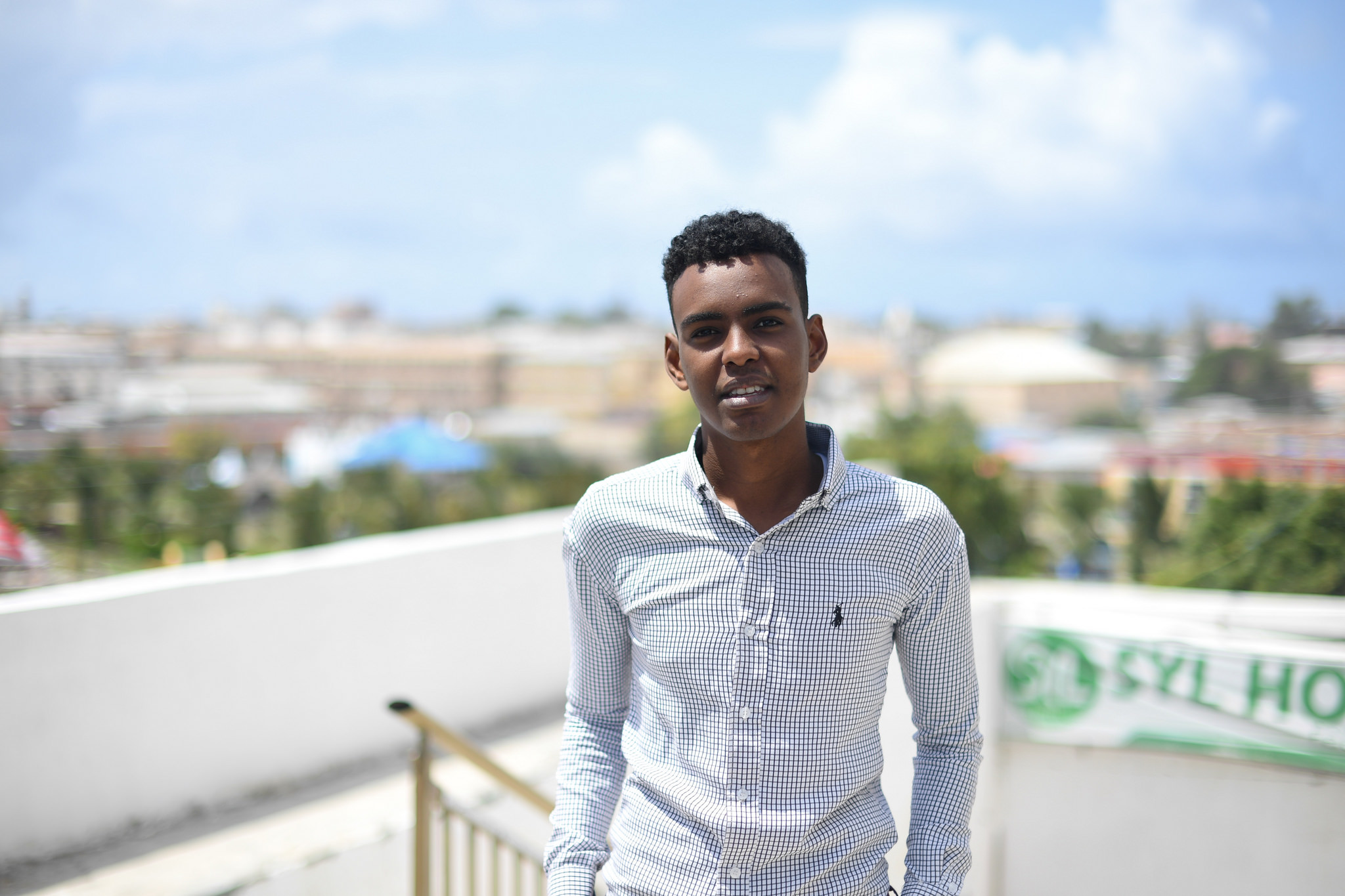
The killing of activist Burhan Wani in 2016 has been the main catalyst for the recent surge of violence in the Kashmir Valley. Srinagar, the capital, has been pervaded by unrest, protests and demonstration ever since. Millions of people in war-torn areas of the region live below the poverty line due to the recent surge in hostilities, especially in the Line of Control areas, India’s de facto border with Pakistan.

Since 1989, over 60,000 people have been killed due to violent armed rebellion in Kashmir. Nearly 10,000 people have disappeared and have not been accounted for. Over 45 percent of children under five are malnourished in Pakistan. Human rights violations and the oppression of minorities are rampant, and innocent civilians continue to get caught in the crossfire.


Learn about poverty in Pakistan


According to the Indian Ministry of Labor and Employment, Kashmir has 105 unemployed individuals per 1,000 people, the highest unemployment rate in recent years. The level of unemployment is impoverishing many individuals, creating more social divisions and aggravating tensions between families. With rising unemployment, small-scale industries like handicraft and embroidery are rapidly on the decline.

Education in the region has been gravely affected by the escalating India-Pakistan conflict. Many children in Kashmir have been denied primary education and social safety nets due to their circumstances. They often have to work in unorganized sectors for a living to support their families.

During her speech at the United Nations General Assembly, Indian Foreign Minister Sushma Swaraj stressed the importance of the empowerment of the poor in alleviating the effects of the India-Pakistan conflict. The socioeconomic status of people living in disputed areas has been steadily declining.

To combat these issues, the regional government is setting up juvenile homes to rehabilitate children impacted by the conflict and those affected by drug abuse, psychological trauma and other issues. Mental health issues such as PTSD, anxiety disorders and depression are quite prevalent in Kashmir, and these homes will help provide treatment.

Despite the India-Pakistan conflict, Kashmir has become the first state in the country to commit to a universal basic income to raise incomes and protect the poorest in the state. The cost of delivering welfare schemes is also decreasing.

India will only resume talks with Pakistan on easing the conflict if cross-border terrorism is halted. Not only will this help open dialogue between the two nations, but it will also help address humanitarian aid, resettlement and restoration. Like the Afghan conflict, the India-Pakistan conflict must be tackled through a regional approach and comprehensive bilateral discussions.

– Shivani Ekkanath

Photo: Flickr

October 28, 2017
https://borgenproject.org/wp-content/uploads/borgen-project-logo.svg 0 0 Kim Thelwell https://borgenproject.org/wp-content/uploads/borgen-project-logo.svg Kim Thelwell2017-10-28 07:30:272024-05-29 22:27:48Top Developments in the India-Pakistan Conflict
Global Poverty, Hunger, War and Violence

10 Facts About the Somali Civil War

10 Facts About the Somali Civil War
A conflict that began in 1991, the Somali civil war has ravaged the Horn of Africa ever since. The civil war began as an armed resistance to the Siad Barre regime, which grew into a much larger conflict between various competing factions after the overthrow of Barre.


10 Facts about the Somali Civil War


  1. Over the nearly 30 years of conflict, the war has claimed upwards of 500,000 lives, according to estimates from the Associated Press and Africa News in 2007. Since then, the Armed Conflict Location and Event Dataset reports falling numbers of fatalities in Somalia, although more than 3,000 people continue to die in the conflict each year.
  2. The lasting effects have helped trigger continuous famines and food shortages over the years, with the most recent beginning last year and continuing to today. Not only is food in short supply, the price of a jug of water has shot up more than tenfold and can cost nearly half a day’s wages for some families.
  3. The militant organization al-Shabaab is in control of large tracts of land in southern Somalia that comprise much of the nation’s most fertile lands. This has aided al-Shabaab’s recruitment during famines, as they can promise to feed the poor in exchange for joining the group.
  4. The United Nations Security Council will soon have to vote on whether to extend or end the weapons embargo on Somalia, as the current embargo is set to expire on November 15, 2017. The embargo is a measure, supported by most members of the UNSC, that seeks to take away al-Shabaab’s funding and ways of arming themselves.
  5. Though foreign aid workers are working to help alleviate famine in the areas controlled by Somalia’s African Union-backed government, aid workers are banned from helping within territory controlled by al-Shabaab. This has led to people dying of hunger and thirst mere miles from people able to assist them.
  6. Though there have been a variety of different factions vying for control over the three decades of the civil war, al-Shabaab is currently the leading opposition to peace in the region. The terrorist group numbers between 7,000 and 9,000 members, and seeks to seize control of Somalia and bring it under extremist Islamic control.
  7. One of the major players opposing al-Shabaab are the forces of the African Union Mission to Somalia (AMISOM). AMISOM is comprised of some 22,000 soldiers from the armies of surrounding African nations that seek to support the legitimate government of Somalia. Since the mission began in 2007, AMISOM has lost upwards of 1,000 soldiers in combat with al-Shabaab, the most recent coming in a late July ambush on an AMISOM patrol, which cost the lives of at least 12 Ugandan soldiers.
  8. According to data from the United Nations Development Programme, 73 percent of Somalians live in poverty and the average life expectancy in the nation is only 52 years. Though the government of Somalia is beginning to make progress, the instability from years of war is making progress hard and keeping the nation in flux.
  9. As a result of the war, over one million Somalians have been displaced from their homes and livelihoods. Those displaced are in serious trouble, as the government still lacks the capabilities to adequately aid them and their situation is only exacerbated by the rising famine and drought.
  10. United States aid to Somalia has been falling in recent years, from its highest at $461 million in 2012 to a mere $212 million in 2016. For a fledgling nation that faces the dual plights of internal conflict and severe famine, such aid is extremely important to ensuring the well-being of their citizens.

The above 10 facts about the Somali civil war are just a brief overview of the long and complex conflict. Though things appear to be improving in Somalia, with the government finally gaining a more secure foothold, the famine and attacks by groups like al-Shabaab still leave the nation in a precarious situation.

– Erik Halberg

Photo: Flickr

October 27, 2017
https://borgenproject.org/wp-content/uploads/borgen-project-logo.svg 0 0 Kim Thelwell https://borgenproject.org/wp-content/uploads/borgen-project-logo.svg Kim Thelwell2017-10-27 07:30:462024-06-05 23:55:3210 Facts About the Somali Civil War
Page 6 of 20«‹45678›»

Get Smarter

  • Global Poverty 101
  • Global Poverty… The Good News
  • Global Poverty & U.S. Jobs
  • Global Poverty and National Security
  • Innovative Solutions to Poverty
  • Global Poverty & Aid FAQ’s
Search Search

Take Action

  • Call Congress
  • Email Congress
  • Donate
  • 30 Ways to Help
  • Volunteer Ops
  • Internships
  • Courses & Certificates
  • The Podcast
Borgen Project

“The Borgen Project is an incredible nonprofit organization that is addressing poverty and hunger and working towards ending them.”

-The Huffington Post

Inside The Borgen Project

  • Contact
  • About
  • Financials
  • President
  • Board of Directors
  • Board of Advisors

International Links

  • UK Email Parliament
  • UK Donate
  • Canada Email Parliament

Get Smarter

  • Global Poverty 101
  • Global Poverty… The Good News
  • Global Poverty & U.S. Jobs
  • Global Poverty and National Security
  • Innovative Solutions to Poverty
  • Global Poverty & Aid FAQ’s

Ways to Help

  • Call Congress
  • Email Congress
  • Donate
  • 30 Ways to Help
  • Volunteer Ops
  • Internships
  • Courses & Certificates
  • The Podcast
Scroll to top Scroll to top Scroll to top