• Link to X
  • Link to Facebook
  • Link to Instagram
  • Link to TikTok
  • Link to Youtube
  • About
    • About Us
      • President
      • Board of Directors
      • Board of Advisors
      • Financials
      • Our Methodology
      • Success Tracker
      • Contact
  • Act Now
    • 30 Ways to Help
      • Email Congress
      • Call Congress
      • Volunteer
      • Courses & Certificates
      • Be a Donor
    • Internships
      • In-Office Internships
      • Remote Internships
    • Legislation
      • Politics 101
  • The Blog
  • The Podcast
  • Magazine
  • Donate
  • Click to open the search input field Click to open the search input field Search
  • Menu Menu

Archive for category: War and Violence

Information and news War and Violence

Global Poverty, Refugees, War and Violence

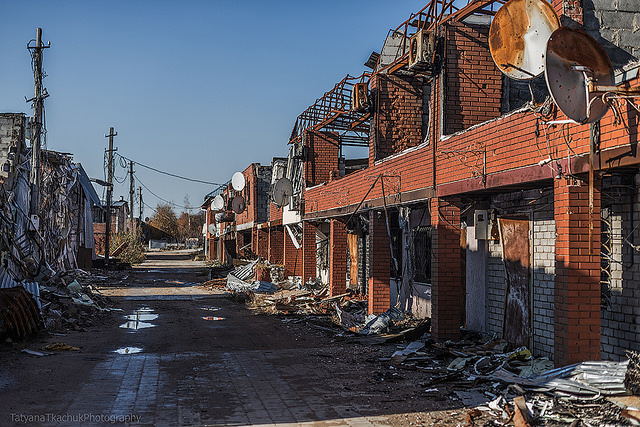
The War in Donbass – 10 Facts


After Ukraine’s 2014 revolution and reorganization of its government, several of the southeastern regions of Ukraine took up arms against the new government. These regions of primarily Russian-speaking Ukrainians, collectively termed the “Donbass,” feel that the new government of Ukraine does not represent the people, and so they have attempted to set up their own, separate government. Here are 10 facts about the War in Donbass, to help raise awareness around the current conflict:

  1. The war in Donbass has claimed about 10,000 lives since it began in 2014, between the forces of the new government and the pro-Russia separatists in Donbass.
  2. Though the Russian government continues to deny claims that it began the war in the Donbass, Russia has been providing supplies and arms to the separatists for years. Considering Russia’s 2014 annexation of Crimea, Ukrainians fear that they are next on Russia’s list.
  3. Roughly 100,000 professional soldiers and volunteer combatants are scattered around the “gray zone” that exists between the opposing sides’ territories.
  4. The U.N. High Commissioner of Refugees reports that over 1.6 million Ukrainians have been displaced by the fighting, most of them moving away from the fighting towards Kiev. Russia reports that as many as twice that number have similarly fled the fighting eastwards into Russia.
  5. A peace deal, known as Minsk II, was agreed upon and signed by both sides in Minsk, Belarus in 2015, but the implementation of said deal has been a disaster. Neither Russia nor the new Ukrainian government wants to admit responsibility for the conflict, so the process of peace has stalemated.
  6. During the 2016 U.S. Presidential election, many Ukrainians had hope that the new president would be tough on Russia’s involvement in Ukraine and would provide aid for the people in the war zones. The election of President Trump – and his seemingly pro-Russia leaning – has led to much discouragement and disappointment that the aid they counted on is not forthcoming.
  7. Experts have come to believe that the conflict – which has never been an official war between Ukraine and Russia – will only end if Russia concedes a defeat in the Donbass – an outcome many consider highly unlikely – or if Russia ramps up into a full-scale invasion of the Ukraine.
  8. To that end, Russia has been quietly moving to improve its military infrastructure by creating new divisions that can be rapidly expanded should it mobilize its forces, as well as deploying existing forces along the Ukrainian border.
  9. In mid-September, Russian president Vladimir Putin stated that he was open to allowing U.N. peacekeepers into the separatist areas of east Ukraine, though the Ukrainian government insists that Russian forces not be among said peacekeepers.
  10. The U.S. envoy to Ukraine, Kurt Volker, said in late September that the U.S. is against working with Russia to bring in the U.N. peacekeeping forces, as it would only further destabilize the country. Volker also stated that he believes Russia and the separatists are finally willing to come to the table with a resolution to the conflict.

The war in the Donbass is a highly complex and constantly evolving situation, and these 10 facts only serve to summarize some of the more recent developments and how they affect the overarching conflict.

– Erik Halberg

Photo: Flickr
October 27, 2017
https://borgenproject.org/wp-content/uploads/borgen-project-logo.svg 0 0 Kim Thelwell https://borgenproject.org/wp-content/uploads/borgen-project-logo.svg Kim Thelwell2017-10-27 01:30:162020-01-10 12:37:19The War in Donbass – 10 Facts
Hunger, War and Violence

War and Hunger in South Sudan

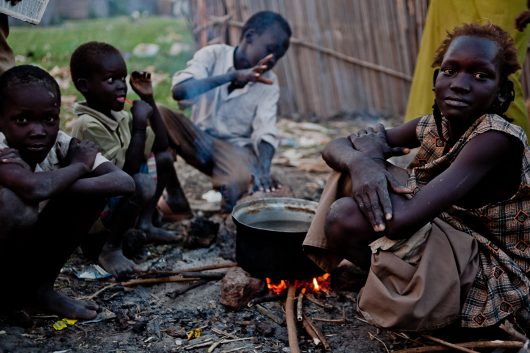
Hunger in South SudanSouth Sudan gained independence from Sudan in July 2011 following several decades of war. It is the world’s least developed country as well as its newest. Since its independence, there have been several causes of internal conflict within the newly founded state. Between 2013 and 2015, the outbreak of civil war in South Sudan brought about increasing violence and impoverishment. By 2014, 1.4 million people were forced to leave their homes in search of security. Hunger in South Sudan is still a consequence of the violence.

Fighting and violence are disruptive to the agricultural system in South Sudan, leading to critical food shortages. South Sudanese people struggle to find reasonably priced food, let alone an adequate amount of nutrition. More than 90 percent of South Sudan’s population depends on rain-fed farming.

A famine was declared in South Sudan in February of this year when the number of deaths due to starvation reached an alarming rate. The famine was declared in two different counties home to approximately 100,000 people. Quick and efficient delivery of aid relief reversed famine conditions in these areas by July.

Organizations like World Vision and other nonprofits are aiding children and their families in South Sudan. Emergency food aid and cash transfers for families are the primary forms of outreach. Other means of assistance include supporting the South Sudanese with training and equipment for farming and fishing.

In 2016, Action Against Hunger mobilized expert emergency teams on the ground in Sudan, who delivered immediate nutritional needs to vulnerable communities in the conflicted regions. The group also gathered data to identify the needs of the population using a surveillance and evaluation team and provided treatment to 3,100 undernourished children.

There are still emergency operations ongoing in South Sudan, and immediate assistance is being provided by nonprofit organizations. Organizations like these mentioned and the World Food Programme continue to work with donors and volunteers to support the South Sudanese and reduce hunger in South Sudan.

– Melanie Snyder

Photo: Flickr

October 22, 2017
https://borgenproject.org/wp-content/uploads/borgen-project-logo.svg 0 0 Borgen Project https://borgenproject.org/wp-content/uploads/borgen-project-logo.svg Borgen Project2017-10-22 01:30:472020-04-04 08:30:20War and Hunger in South Sudan
Developing Countries, Global Poverty, War and Violence

Top 10 Facts About Landmines

Facts About LandminesLandmines are any type of container of explosive material than can be triggered when it comes into contact with a person or a vehicle. The explosive blast or fragments of a landmine are intended to incapacitate a person or vehicle.

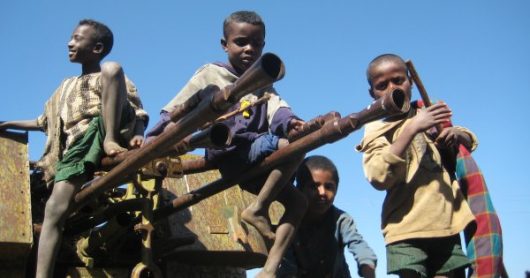
10 Facts about Landmines:

  1. Landmines are generally buried 6 inches (15 centimeters) under the surface or simply laid above ground. Buried landmines can remain active for more than 50 years.
  2. Landmines come in two categories, anti-personnel landmines and anti-tank landmines. An anti-personnel landmine is designed to injure or kill a person, while an anti-tank landmine is designed to incapacitate tanks or other vehicles.
  3. Landmines were first created during World War I. While the original mines were anti-tank mines, anti-personnel mines were developed to prevent enemy forces from reusing or removing anti-tank mines.
  4. The random dissemination of landmines began in the 1960s. The U.S. dropped thousands of mines by plane during its nine-year bombing campaign of Laos.
  5. There are an estimated 110 million anti-personnel mines in the ground and another 250 million stockpiled across the world today. About 5 to 10 million mines are produced each year.
  6. The countries most affected by landmines are Afghanistan, Angola, Cambodia, Iraq, China, Egypt and Laos. Mines are also a serious problem in Bosnia, Croatia, Georgia, Mozambique, Myanmar, Nicaragua, Somalia, Sri Lanka and Sudan.
  7. One person is killed by a landmine every 15 minutes. About 70 people are killed by a landmine every day. 26,000 people a year become landmine victims. A total of over one million people have been killed or maimed by landmines.
  8. The cost of removing all currently existing mines would be $50-$100 billion. Organizations like Minesweepers are dedicated to removing landmines across the globe. Overall, mine removal operations have resulted in the destruction of more than 2.2 million anti-personnel mines and 250,000 anti-tank mines.
  9. Landmines deprive some of the poorest people on Earth access to arable land, markets, schools, work and water. The existence of landmines can also prevent reconstruction, new development and the delivery of aid.
  10. Landmines place a burden on the health systems of developing countries. People hurt by mines need more antibiotics and need to stay in the hospital longer than other patients.

Landmines can be hard to detect and are often prevalent in areas decimated by war. This makes their existence especially dangerous to the poor and to refugees. While these facts about landmines can be distressing, great work by organizations like Minesweepers helps make environments less dangerous and the lives of the global poor safer.

– Brock Hall

Photo: Flickr

September 30, 2017
https://borgenproject.org/wp-content/uploads/borgen-project-logo.svg 0 0 Borgen Project https://borgenproject.org/wp-content/uploads/borgen-project-logo.svg Borgen Project2017-09-30 01:30:572024-05-29 22:26:57Top 10 Facts About Landmines
Global Poverty, War and Violence

How Military Conflict and Climate Change Intersect in Mali

Climate Change

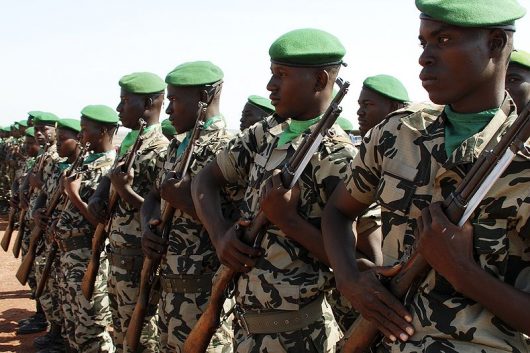
A military coup has worsened Mali’s national security, amplifying the impact climate change has had on the country and its people. Conflict erupted in northern Mali in 2012. The violence of the proceeding five years has since destroyed the nation’s land, diminishing the abilities local farmers have to grow vegetation.

Since 2012, Mali has witnessed a wave of poor harvests, pushing a food crisis upon the country. Hostile physical and environmental circumstances have forced about 475,000 people from their homes to neighboring countries, and those who remain in Mali face food shortages and security threats. With 25 percent of families moderately to severely food insecure, the United Nations Food and Agriculture Organisation (UNFAO) estimates that 270,000 people face starvation.

Two thirds of Mali is a desert or semi-desert that experiences long yearly periods of drought. Furthermore, the Sahara Desert is expanding southward at a rate of 48 km per year. Climate change has significantly decreased the amount of rainfall, dropping by 30 percent since 1998. Consequently, Mali is also suffering from water scarcity. Only three-fifths of Malians have access to safe drinking water and only about one-third have proper sanitation.

The water shortage has weakened Mali’s agricultural activities, taking an immense toll on its citizens. Agriculture employs 90 percent of the country’s rural population and 70 per cent of Mali’s entire labor force. Cotton, gold and livestock make up 80 to 90 percent of total export earnings.

The World Food Programme (WFP) has been working on generating food security, particularly between harvests. The organization built a total of 3,966 environmental assets such as ponds, dams, and canals to help alleviate Mali’s lack of water. Technical and economic assistance have been provided for local farmers, broadening Mali’s market and strengthening the agricultural sector.  WFP has also begun providing nutrition support for pregnant women, nursing mothers, underweight children and children under five suffering from chronic and moderate-to-acute malnutrition. Further assistance from organizations like WFP is necessary to lift Mali‘s people from the harsh grips of military conflict and climate change.

– Tiffany Santos

Photo: Google

September 24, 2017
https://borgenproject.org/wp-content/uploads/borgen-project-logo.svg 0 0 Borgen Project https://borgenproject.org/wp-content/uploads/borgen-project-logo.svg Borgen Project2017-09-24 01:30:322024-05-28 00:16:02How Military Conflict and Climate Change Intersect in Mali
Human Rights, War and Violence, Women and Female Empowerment

The Female Experience of War

Female Experience of War

Contrary to the title of this article, there is no singular female experience of war. The very statement illuminates one of the issues in historical and contemporary engagement in understanding and analyzing women during wartime. Too often, the intellectual and political community groups women from different countries, ethnicities and religions together to presume they suffer the same wartime experiences. The world sees war through a gendered lens which colors women as victims who idly wait for their husbands, sons and fathers to return home. War is as immediate and tolling for women as it is for men in ways that vary drastically across the board.

Take World War II as an example of the diversity of the female experience of war. The white American woman gained access to the workforce during WWII and momentum in furthering her cause in the feminist movement. Meanwhile, her black counterpart experienced barriers and institutionalized racism. These consequences did not decline until over a decade later. When employed, African-Americans were forced to use separate bathrooms and often worked the lowest-paying jobs despite having high qualifications or manual and cognitive skills. Black men and women accounted for only 6 percent of employees in the American aircraft industry while white women accounted for approximately 40 percent. Despite the pushback, black women used WWII as a platform to herald the inequalities back at home with campaigns such as “Victory Over Racism at Home” and “Victory Over Fascism Abroad”.

Across the Pacific Ocean, the Korean female experience differed significantly from that of women in the U.S. Thousands of Korean (and other southeast Asian) women under Japan’s imperial rule were forced into sexual slavery and served as “comfort women” for Imperial soldiers during WWII. Gross violations of human rights included female genital mutilation, forced abortions and even murder. Under colonization, many women turned to prostitution as a means of survival, adopting the fetishized symbols of orientalism that their oppressors projected upon them. In the eyes of the public, many of these survivors of sexual slavery lost their virtue and thereby their value to their community following liberation from Japan. Their communities ostracized them, forcing them to live isolated lives. In this way, it not only becomes a question of women’s experiences during the war but also their experiences after the war.

In her book, “Bananas, Beaches and Bases,” international relations theorist and author Cynthia Enloe illustrates how women in Jaffna, Sri Lanka played a role as ethnic minorities during the armed conflict between Tamil guerrillas, the government’s military and the Indian army. These women describe how their experiences as women compared to their oppression as Tamils in the Singhalese-dominated nation, penetrating what had been a male-dominated intellectual space. Eventually, these women played a crucial role in the reconciliation period, finding allies in Singhalese feminists and voicing their concerns about the militarized state and lack of female rights. Enloe further notes that these women, who played an essential part in stabilization, were repressed by their husbands who believed their outspoken critique to be outside the parameters of their female duties.

These examples neither serve to pit woman against woman nor seek to rank their experiences, but rather illustrate the diversity of women and the female experience of war. These women as individuals and as participants in a wider community have their own narratives and experiences. Giving them the due diligence they deserve begins with recognizing the diversity of 50 percent of the world’s population and their nuanced participation as both victims, perpetrators and protestors of war.

How do societies break out of masculinized power structures of international politics to acknowledge women as a priority during conflict and post-conflict discussions? It is critical to recognize the many different and extremely nuanced versions of war that women around the world experience. The idealized projection of the ‘female’ is so deeply entrenched that society often glosses over the experiences of women from ethnic, religious and sexual minorities. The female experience of war is extremely diverse, and it is critical that existing international and domestic power structures acknowledge and embrace it.

– Sydney Nam

Photo: Google

September 23, 2017
https://borgenproject.org/wp-content/uploads/borgen-project-logo.svg 0 0 Kim Thelwell https://borgenproject.org/wp-content/uploads/borgen-project-logo.svg Kim Thelwell2017-09-23 01:30:422020-07-11 18:26:26The Female Experience of War
Global Poverty, War and Violence

Poverty in Libya War

Poverty in Libya

Poverty in Libya is notoriously hard to define. An estimate based on surveys of sub-groups puts about one-third of Libya’s population below the poverty line. However, no specific figure exists.

Libya’s economy is directly dependent on its political stability, as most countries are. The country struggled with a civil war starting in 2014 which impacted Libya’s economy greatly, due to its dependence on oil and gas exports. Armed conflict between rival forces over control of the largest oil terminals in 2015 caused a decline in crude oil production which has yet to recover. In fact, production today is only at one-third of what it was before this political conflict.

While the government of Libya is officially “in transition,” its leaders historically have not used its financial resources to develop the national infrastructure. As a result, poverty in Libya persists in the form of widespread power outages, limited access to clean drinking water, medical services and safe housing, as well as decreased security due to political instability.

An added threat is the presence of extremists associated with the Islamic State of Iraq and the Levant (ISIL), who attack Libyan oilfields, further detracting from future government revenue.

The GDP in Libya is estimated to have declined by 10 percent along with a per capita income of less than $4,500. Inflation runs rampant due to high food prices and the tendency of some citizens to stockpile food.

In order to combat poverty in Libya, organizations like the World Bank have committed to supporting Libya’s economic recovery. As of spring 2016, support includes technical assistance, analytical services and trust fund/grant financing.

The World Bank has created threemedium-termm objectives for promoting economic growth in Libya: increasing accountability and transparency, improving the delivery of services and creating jobs. Hopefully these will be accomplished in the near future by partnering with donor agencies and people from different parts of Libya to make sure the plan for recovery is Libyan-owned.

– Ellen Ray

Photo: Flickr

September 17, 2017
https://borgenproject.org/wp-content/uploads/borgen-project-logo.svg 0 0 Borgen Project https://borgenproject.org/wp-content/uploads/borgen-project-logo.svg Borgen Project2017-09-17 01:30:122024-05-27 23:53:03Poverty in Libya War
Education, Global Poverty, War and Violence

Education in Afghanistan: War Will Not Stop Progress

Afghanistan has been in the midst of a war for several decades. While the conditions of war have the ability to stunt progress, the Afghans are unwilling to let their education system crumble. Whether it be national initiatives or programs developed by smaller organizations, education in Afghanistan continues to make progress.
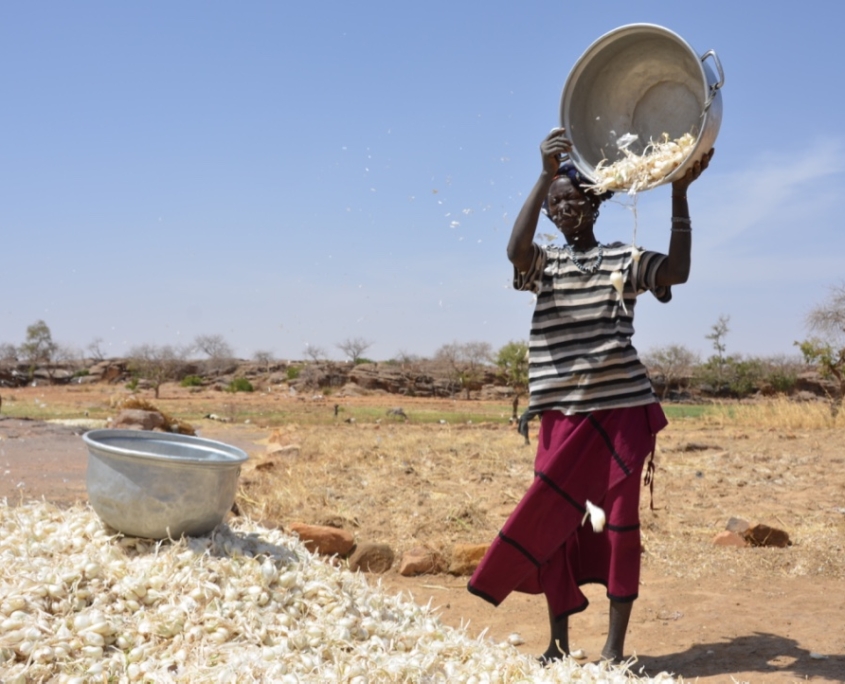
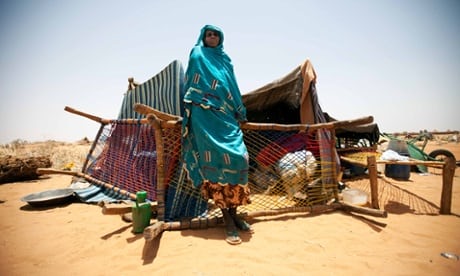
In recent years, Afghanistan has made drastic progress in its education system. In 2002, about 900,000 boys attended school; girls, on the other hand, were not given the same opportunities. Most girls were educated at home to read and write but not much more. With the help of private donors, these numbers have begun to drastically change, and the Ministry of Education has since been able to build 16,000 schools across the country.

Now, there are over nine million students in Afghanistan, 40 percent of which are girls, a stark contrast to the state of education 15 years ago.

Not only is the government working towards creating a better education system throughout the country, but privately-owned companies are trying to make positive changes as well. Teach for Afghanistan, a sector of Teach for All, has been avidly working toward enrolling more students in school. While numbers of adolescents in school have been on the rise, there are still over three million children unenrolled in school, with two million of those actively working instead.

Additionally, schools still do not have enough teachers, leading the student to teacher ratio to be 111 students to one teacher.

In order to combat this problem, Teach for Afghanistan’s founder, Rahmatullah Arman, has helped obtain more teachers around the country. In the eastern province of Nangarhar, there are 80 graduates from Afghan universities teaching 23,000 students in 21 schools as part of the program.

When selecting fellows to teach for the program, it was important to the program to hire many female teachers to try and change the mindset for female education in Afghanistan. It is common for girls to be pulled from school, but the teachers try to reach out to parents and keep as many girls in school as possible.

Education in Afghanistan isn’t perfect; there are millions of boys and girls who are uneducated and female schooling is still seen as less essential to families throughout the country.

While there are still changes that need to be made, many people, as well as the government, recognize the importance of a strong education in giving their people the best chance in the future.

– Olivia Hayes

Photo: Flickr

September 10, 2017
https://borgenproject.org/wp-content/uploads/borgen-project-logo.svg 0 0 Borgen Project https://borgenproject.org/wp-content/uploads/borgen-project-logo.svg Borgen Project2017-09-10 01:30:412020-07-09 06:02:03Education in Afghanistan: War Will Not Stop Progress
Global Poverty, Hunger, War and Violence

Hunger in Mali Driven by Drought and Conflict

Mali, the eighth-largest country in Western Africa, has a population of 24 million people. Nearly half live in extreme poverty and 1.3 million people are experiencing acute food insecurity and hunger driven by drought and conflict.

Today’s crisis in Mali

Hunger and poverty in Mali have worsened in recent years, primarily driven by climate change impacts, including severe droughts and over a decade of ongoing conflict. The Sustainable Development Report indicates that Mali is significantly off track in achieving SDG2, which aims for zero hunger by 2030, as the population suffering undernourishment increased from 4.2% in 2015 to 12.8% in 2021. The situation is even worse for children under 5, with 1.5 million affected by acute malnutrition and 22% facing stunted growth. 

  • Conflict-  The conflict in Mali, which began in 2012, has severely disrupted agriculture, devastated livestock populations and forced 355,000 people, including farmers, to flee their homes. Aid organizations have also struggled to assist in certain areas due to ongoing violence or destroyed road networks. Additionally,  the conflict has taken a toll on the country’s economy by destroying businesses like fishing, trade,  etc, due to security threats, extortion and destruction of infrastructure. The combination of these has led to a 150% increase in food prices over the last five years.
  • Droughts- Mali, a country reliant on agriculture and livestock, has been hit by persistent droughts. These droughts have reduced crop yields immensely because of land degradation and water scarcity. This year’s cereal harvest was 3% less than in 2023 because of erratic rainfall. The droughts have reduced the grazing land, negatively impacting the livestock population.

Hope Amid Crisis

Some organizations have been working in Mali to reduce the suffering and despair of the population. The text describes the commendable efforts of two such organizations.

  • Food and Agriculture Organization– The FAO assists vulnerable farmers with seeds and tools in Mali. It also collects and analyzes data to prepare policies and interventions and trains farmers to build capacity and resilience against climate challenges and droughts. The organization has helped millions in recent years.
  • World Food Program– The WFP provides help with cash and food to communities in severe need. It helps reduce malnutrition in children under 5 by providing supplemental feeding and increasing awareness through community reach programs. It also provides air support in areas with poor roads or increased security threats. It also runs long-term programs to build resilience in the community.

The Road Ahead

The challenges of hunger and food insecurity in Mali are daunting. Still, the efforts of organizations like the FAO and WFP and the resilience of Mali’s people offer a beacon of hope for the future. With continued support and international collaboration, Mali can move closer to achieving zero hunger and improving the quality of life for the people, ultimately contributing to a more stable and prosperous future. 

– Leah Potter and Maria Waleed

Photo: Flickr
Updated: November 4, 2024

September 1, 2017
https://borgenproject.org/wp-content/uploads/borgen-project-logo.svg 0 0 Borgen Project https://borgenproject.org/wp-content/uploads/borgen-project-logo.svg Borgen Project2017-09-01 01:30:222024-11-04 23:41:50Hunger in Mali Driven by Drought and Conflict
Global Poverty, War and Violence

Ceaseless Violence Among Causes of Poverty in Sudan

Causes of Poverty in SudanSince Sudan’s independence in 1956, the country has been wracked with volatile conflict. The unyielding violence, an unforgiving climate and a tumultuous government controlled by military personnel are significant causes of poverty in Sudan.
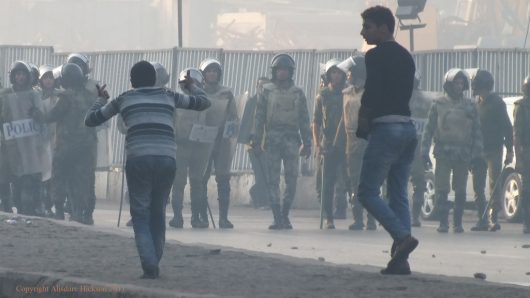
Although Sudan’s GDP per capita rose to $2,140 in 2016, unequal distribution of wealth and resources has exacerbated socioeconomic inequality through different regions of the country. Poverty levels differ depending on location, with a smaller percentage of severely impoverished citizens in metropolitan Khartoum than rural North Darfur. Altogether, 46.5 percent of the population of Sudan lived below the poverty line in 2009.

The harsh climate and scarce natural resources create adverse conditions for farmers. Low levels of rainfall particularly affect subsistence farmers living in remote areas outside of irrigation zones. Short growing seasons and lack of access to new technology contributes to low agricultural productivity. These factors seriously impact poor farmers in isolated communities and further perpetuate the inequality present between urban and rural citizens.

Poor allocation of government resources has worsened existing inequality. Military expenditures and government spending on the development of populous towns in the Nile valley greatly exceeds spending on outlying farming communities. This culture of inequality and the extreme poverty faced by the isolated poor led to civil conflicts that culminated in the cession of the southern states and the formation of the Republic of South Sudan in July 2011.

Explosive violence has long been among the causes of poverty in Sudan. The recent civil war and the resulting divide of the country only deepened the country’s resource deficit. The secession of the oil-rich southern states resulted in a loss of over half of Sudan’s government revenues and more than 95 percent of its exports.

Furthermore, civil war in South Sudan has led to an influx of refugees to Sudan. As of March 2017, approximately 332,885 people have fled to Sudan. This population explosion further strains Sudan’s small resource pool.

However, Sudan’s parliament approved the Five-Year Program of Economic Reforms in December 2014. This plan emphasizes further development of agriculture and livestock to combat low productivity and poor crop yields, leading causes of poverty in Sudan. The new economic plan could provide a solution to the loss of South Sudan’s resources and could lead to an increase in economic stability.

Furthermore, the U.S. eased sanctions on Sudan in 2017. These sanctions were implemented in 1997 and expanded in 2006. The trade and financial sanctions were imposed as a response to human rights violations carried out by the Sudanese government. The Obama administration temporarily lifted some of the economic sanctions as a response to improved conditions in Sudan. The Sudanese government now allows humanitarian aid to reach inhabitants of conflict areas and has orchestrated a ceasefire with the rebel army, the People’s Liberation Army-In Opposition (SPLA-IO).

This temporary reprieve from sanctions allows trade between Sudan and the U.S., creating some small economic stimulus in Sudan. The policy is under six-month review and pending approval to become permanent. The removal of these sanctions would finally offer an opportunity for some economic growth in a country long plagued by explosive violence and poor governance.

– Katherine Parks

August 31, 2017
https://borgenproject.org/wp-content/uploads/borgen-project-logo.svg 0 0 Borgen Project https://borgenproject.org/wp-content/uploads/borgen-project-logo.svg Borgen Project2017-08-31 07:30:292020-06-25 10:34:47Ceaseless Violence Among Causes of Poverty in Sudan
Global Poverty, War and Violence

Military Violence and Its Effects on Global Poverty

Military Violence
Military action can seem to be the logical fix to solving many of the issues of poverty-stricken areas. Because these areas are so susceptible to violence, it might seem like the authority of a powerful military could be the solution. However, military involvement might actually be having the opposite effect and contributing to global poverty.

It continues to remain an unanswered question: are countries poor because they are violent or violent because they are poor? According to the World Bank’s World Development Report, although there are several contributing factors to poverty, violence is becoming the primary one.

While on the surface it appears that these countries have fallen vulnerable to a poverty trap, the World Development Report suggests that there is something deeper than the poverty trap. Beneath the poverty trap is a violence trap that puts a constraint on the development of countries living in poverty. While peaceful countries are able to escape poverty, countries affected by military violence remain impoverished and sometimes even worsen.

One form of military violence that has severely hurt 39 impoverished countries is civil war. All 39 of the countries that were involved in a civil war since 2000 have also had one in the last three decades, according to The Economist.

Although not many countries suffer from civil war, it causes enough of an impact on global poverty to create lasting damage. Following many civil wars is extreme gang violence. Today, more people are murdered in Guatemala per year by gang violence than from military violence during the country’s civil war in the 1980s.

The countries involved in civil wars — as well as interstate wars and coups — experience more poverty issues than they did in the past. Today, fewer countries experience this type of military violence, but the ones that do are suffering repeatedly.

According to The Economist, citizens in these countries are more than twice as likely to be malnourished, three times as likely to miss primary school and almost twice as likely to die in infancy as people in other developing countries.

Increasing military involvement is leading to increased poverty in these already poor countries because they do not have the financial stability or unity to develop after these wars. People’s homes and communities are destroyed as well as the little food that was once available to them. As a result of this military violence, poverty increases to incredibly dangerous levels.

While countries are spending more money on militaries than they ever have in the past, funding for necessities such as food, education and healthcare is being put on hold. Military involvement has an impact on global poverty for the violence it entails, but it also contributes to the brutality of poverty.

As stated in Bainbridge Island Review, “every dollar spent on weapons and war is a dollar not spent on food, education, health care and the environment.” Thus, peaceful countries are more capable of reducing poverty because they are putting funding toward helping people rather than fighting.

Although military involvement can seem like a plausible solution to finding peace in countries living in poverty, the violence it ensues contributes to the issues of poverty that caused the military involvement in the first place.

To put an end to this vicious cycle, less military involvement and more participation in funding for food, education and other necessities in countries living in poverty can reverse the damage that has been done by repeated military violence. As stated in The Economist, “Violence, it seems, is always with us, like poverty.”

– Kassidy Tarala

Photo: Flickr

August 5, 2017
https://borgenproject.org/wp-content/uploads/borgen-project-logo.svg 0 0 Borgen Project https://borgenproject.org/wp-content/uploads/borgen-project-logo.svg Borgen Project2017-08-05 01:30:342020-07-14 09:16:38Military Violence and Its Effects on Global Poverty
Page 7 of 20«‹56789›»

Get Smarter

  • Global Poverty 101
  • Global Poverty… The Good News
  • Global Poverty & U.S. Jobs
  • Global Poverty and National Security
  • Innovative Solutions to Poverty
  • Global Poverty & Aid FAQ’s
Search Search

Take Action

  • Call Congress
  • Email Congress
  • Donate
  • 30 Ways to Help
  • Volunteer Ops
  • Internships
  • Courses & Certificates
  • The Podcast
Borgen Project

“The Borgen Project is an incredible nonprofit organization that is addressing poverty and hunger and working towards ending them.”

-The Huffington Post

Inside The Borgen Project

  • Contact
  • About
  • Financials
  • President
  • Board of Directors
  • Board of Advisors

International Links

  • UK Email Parliament
  • UK Donate
  • Canada Email Parliament

Get Smarter

  • Global Poverty 101
  • Global Poverty… The Good News
  • Global Poverty & U.S. Jobs
  • Global Poverty and National Security
  • Innovative Solutions to Poverty
  • Global Poverty & Aid FAQ’s

Ways to Help

  • Call Congress
  • Email Congress
  • Donate
  • 30 Ways to Help
  • Volunteer Ops
  • Internships
  • Courses & Certificates
  • The Podcast
Scroll to top Scroll to top Scroll to top