• Link to X
  • Link to Facebook
  • Link to Instagram
  • Link to TikTok
  • Link to Youtube
  • About
    • About Us
      • President
      • Board of Directors
      • Board of Advisors
      • Financials
      • Our Methodology
      • Success Tracker
      • Contact
  • Act Now
    • 30 Ways to Help
      • Email Congress
      • Call Congress
      • Volunteer
      • Courses & Certificates
      • Be a Donor
    • Internships
      • In-Office Internships
      • Remote Internships
    • Legislation
      • Politics 101
  • The Blog
  • The Podcast
  • Magazine
  • Donate
  • Click to open the search input field Click to open the search input field Search
  • Menu Menu

Archive for category: Sanitation

Gender Equality, Global Poverty, Sanitation, Women and Female Empowerment

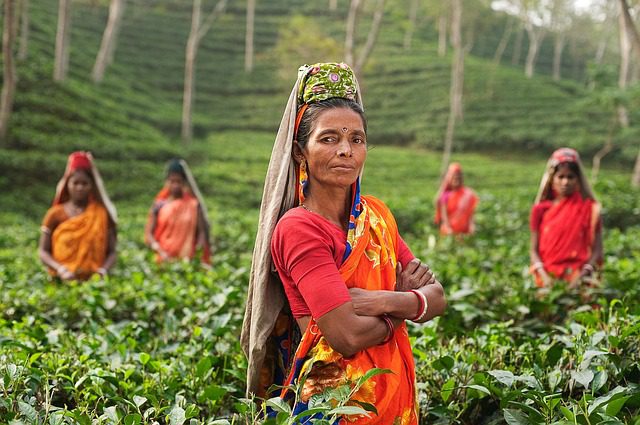
Addressing Gender Equality in India

Addressing Gender Equality in IndiaIt’s clear that improvements are immensely needed in order to bridge the gap in gender equality in India. The country ranked 130 out of 168 for the Gender Development Index. Fortunately, the United Nations Women Executive Director, Phumzile Mlambo-Ngcuka, attended the #WeSeeEqual summit in Mumbai on Feb. 18 to address issues of addressing gender equality in India, the Middle East and Africa as well as potential solutions.

Puberty and Hygiene

Many adolescent girls in India are not educated about how their body changes during puberty or the importance of having adequate hygienic methods. Discussing the topic of menstruation is taboo, which leads to many misconceptions. According to a report conducted by the Dasra Foundation, 71 percent of girls had no knowledge about menstruation until their first period. It was also discovered in this report that 70 percent of the mothers surveyed believed menstruation was “dirty,” which further perpetuates shame felt by young girls when puberty starts.

Young girls and women who menstruate are also treated differently, one cultural tradition that remained until recently was that women who have reached menstruation age were not allowed to visit temples. Poor sanitary facilities in schools and other public areas is also a pressing issue. However, at the #WeSeeEqual summit, U.N. Women and Procter & Gamble (P&G), an American multinational consumer goods corporation, teamed up and pledged to educate more than 23 million adolescent girls over the next three years on puberty and hygiene in India, the Middle East and Africa.

Women-Owned Businesses

Although the economy in India is impressive, it could improve even more if women were more involved in the workforce. Only about 26 percent of women in India work. There are many social and religious constraints preventing more women from working, including household chores and motherly duties, which are normally placed on women. More than 70 percent of home-makers in India stated that they would prefer at least part-time work if given the chance.

If the employment rate of women were raised to the same level of employment for men, about 240 million more women would be included in the workforce. This would also mean that the world’s biggest economy would be 27 percent richer. P&G revealed at the #WeSeeEqual summit that it would aim to spend $100 million on working with women-owned businesses and improving female education in India, Middle East and Africa over the next three years. At this summit, P&G and U.N. Women also committed to using their voices to spark conversation and motivate change.

Looking Ahead

It’s important for organizations to use their resources and power to encourage equality in areas of the world that need it the most. U.N. Women and P&G addressed gender equality in India in an impactful way by discussing important issues, such as women in the workforce and adolescent girls being educated about menstruation and proper hygienic methods. Summits like #WeSeeEqual encourage change and help address important issues and potential solutions that will hopefully improve the situation around the world.

– Maddison Hines
Photo: Flickr

May 22, 2019
https://borgenproject.org/wp-content/uploads/borgen-project-logo.svg 0 0 Kim Thelwell https://borgenproject.org/wp-content/uploads/borgen-project-logo.svg Kim Thelwell2019-05-22 01:30:162024-06-06 00:15:32Addressing Gender Equality in India
Global Poverty, Politics, Poverty Reduction, Sanitation

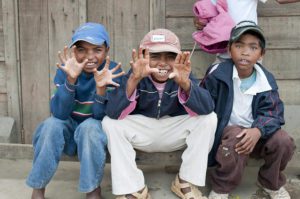
Poverty in Madagascar

Poverty in Madagascar
Even with the 2013 election of a new president that ended a five-year political deadlock, poverty in Madagascar was still a huge problem. Electing Hery Rajaonarimampianina brought fresh hope to the people of Madagascar. However, the National Assembly voted to impeach him after just 18 months of his presidency because they did not feel that he was following through with his campaign promises. Ultimately, they were unsuccessful, but the political situation remains unbalanced. Even though Madagascar has rich soil for crops and a wide variety of wildlife, political turmoil has damaged it for years. Due to this, poverty remains an ongoing issue.

Political and Economic Instability

The restoration of political stability could mean great things for Madagascar. John Stremlau, the vice president of peace programs at the Carter Center in the United States said after the 2013 election, “It has great resources, it has great promise, but it has been hurt by the sanctions that have been in place now for five years. The per capita income is very low, down to less than a dollar a day for 90% of the people, so that this is a new beginning, an opportunity, but the hard work of building a democratic process has only just begun.”

The best way for Madagascar to reduce poverty is to utilize economic growth. Harsh weather hit multiple cities in 2017, which affected agriculture in the areas. In fact, the weather ruined rice crops, a popular trade food and export item. The production of rice fell while the price of it increased. While working on repairing the damage from lost crops, the country has increased economically in other ways.

Besides rice, items like cloves, vanilla, cocoa beans and essential oils have flourished, increasing the performance of goods exported to other countries. Economic growth has increased from 4.2% to 5% from 2017 to 2018. With this growth, the country is more likely to achieve its goal of reducing the number of people living below the poverty line by the year 2020. The next step is to provide financial inclusion to those without access to financial services to further ensure the rise out of poverty.

Poverty and Malnutrition

Food poverty affects the children of Madagascar much more than the adults of the country. More than half of Madagascar’s children are chronically malnourished, creating an effect called “stunting.” They are half the size they should be, and some children will not even make it to secondary school, let alone adulthood. Malnutrition damages the body and mind, sometimes irreversibly.

Malnutrition is an increasing concern for parents. “They are seven, they should be much bigger,” said Rasoanandranson, a mother of five children. Her boys at eight years of age resemble 5-year-old children. Families grow small quantities of crops rich in nutrients like sweet potato, avocado and maize, but the harvest only lasts two to three months tops. Unfortunately, mothers like Rasoanandranson eventually have to sell their food for other much-needed household items, hygiene items and school supplies.

Hope still exists for these families and in the near future. In May 2017, the country set out to achieve its goal of reducing malnutrition from 47% to 38% by 2021. It can achieve this goal by building more nutrition centers and recruiting more volunteers to educate villages on proper nutrition. There is another player to this game that will help fight malnutrition, and that is clean water and sanitation services.

Hygiene and Sanitation

Poverty in Madagascar has affected the water and sanitation systems as well. More than half of the people in Madagascar do not have sanitation systems or access to clean drinking water. There seems to be plenty of water in the capital city of Antananarivo and other nearby cities, but the water has experienced severe contamination. Trash lines the edges of rivers and streams, and heavy rains wash away street debris into the water supplies. Waste from households without proper sanitation systems also washes away into the water supply.

On top of contaminated water, the piping systems that were previously installed are defective and leak at least 40% of clean water. With the population rising, conditions will only worsen; however, volunteers are working to improve the piping systems and educate people about safe water practices and sanitation. They have even started facilities to wash clothing to prevent people from further polluting the river by washing their clothes in it.

Programs like USAID, WaterAid and WASH are trying to improve conditions by first educating the community about food security and environmental programs. Secondly, they plan to improve local, community-based governance of water and sanitation resources. Thirdly, they will roll out a program called Triggering Health Seeking Behavior Change to promote good hygiene at the household level. The final process is access to credit for the people to microfinance products for clean water and sanitation systems. With all the issues from malnutrition and contaminated water, how is Madagascar’s health care?

The Health Care System in Madagascar

In the capital city Antananarivo, there are public and private hospitals that provide basic medical treatments and small operations. However, for more complex surgeries, patients are transferred to a hospital in South Africa. Although medical services are actually free to the community, people who can afford them often receive the advice to take out private, international health insurance for different situations such as going to a larger hospital for more extensive surgeries.

The most common diseases in Madagascar are malaria, leprosy and tuberculosis. The health care system is working to combat these diseases and, going back to the lack of clean water, it is strongly advised that people boil tap water before drinking or using it to cook. Though most of the hospitals are in cities and towns, Christian missionaries run hospitals in rural areas in case some people can not make it to town, but they cannot reach all areas.

Nonprofit organizations and volunteers are currently working to improve access to proper education about nutrition, sanitation and financial stability. Madagascar is on its way to becoming a better country for its people. Hopefully, the political situation will improve, and the government will begin doing its part to end poverty in Madagascar.

– Kayla Cammarota

Photo: Flickr
March 22, 2019
https://borgenproject.org/wp-content/uploads/borgen-project-logo.svg 0 0 Kim Thelwell https://borgenproject.org/wp-content/uploads/borgen-project-logo.svg Kim Thelwell2019-03-22 07:30:352022-04-28 06:21:17Poverty in Madagascar
Food Aid, Global Poverty, Sanitation

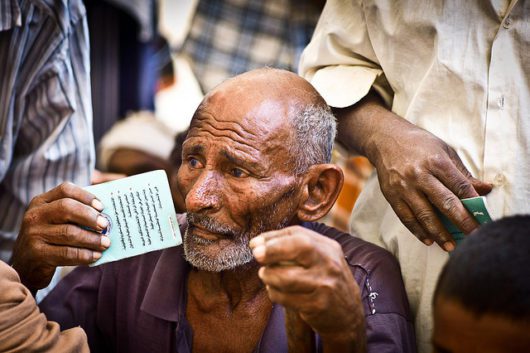
5 NGOs That are Petitioning to End the War in Yemen

five NGOs are petitioning the government to end the war in Yemen
The war in Yemen between Houthi rebels and the Saudi led coalition has created the world’s largest humanitarian crisis. Despite the dire situation, there is reason to hope. On November 26, five NGOs petitioned the U.S. Government to call an end to the war. Two days later, the U.S. Government announced it would add an additional $24 million to USAID’s Office of Food for Peace. On December 13, the Senate voted to end the United States support of the Saudi coalition. These are the five NGOs that are petitioning to end the war in Yemen.

Since 2015, there have been more than 16,000 civilians casualties, 22.2 million people, including 11 million children, are in need of aid and eight million are at risk of famine. The war has led to a host of other problems as well, including a cholera outbreak and a lack of access to clean water. Many organizations are trying to stop the conflict in Yemen. These are 5 nonprofit organizations working hard to protect the people of Yemen.

These are the 5 NGOs that are petitioning to end the war in Yemen

  1. International Rescue Committee (IRC): The International Rescue Committee, headed by David Miliband, a former U.K. Secretary of Foreign Affairs, is focused on humanitarian relief operations in war-affected areas. Right now it operates in more than 40 countries, and its refugee resettlement program operates in 28 U.S. cities. The IRC has been providing aid to Yemen since 2012, working to protect women and children as well as provide access to healthcare and education.
  2. Oxfam: Oxfam is a global organization working in more than 90 countries to end poverty. Led by Abby Maxman, the former Deputy Secretary General of CARE International, Oxfam believes in identifying and changing the root causes of poverty rather than just sending material aid. Through fighting and eliminating injustice, Oxfam feels that poverty can finally be eliminated. The organization has been working in Yemen since 2015 to prevent diseases by providing sanitation, hygiene assistance and clean water to those affected by the war.
  3. CARE: CARE is active in 93 countries around the globe working to combat social injustice and poverty. The organization is headed by Michelle Nunn, who previously ran the organization Points of Light and had been a candidate for the U.S. Senate. CARE current goal is to reach 200 million of the world’s most vulnerable people by 2020. CARE has been working in Yemen since 1992 and is currently providing food, water and sanitation to one million Yemenis people each month.
  4. Save the Children: Save the Children is an organization that works in the U.S. and around the world to provide for underprivileged children. It is headed by Carolyn Miles, who has been with the organization since 1998. Save the Children is active in 120 countries worldwide promoting nutrition, health and education programs. Save the Children is doing just that in Yemen by treating almost 100,000 Yemenis children for malnutrition through mobile health clinics.
  5. Norwegian Refugee Council (NRC): The Norwegian Refugee Council started its relief efforts after World War II and continues its mission to this day. The organization is active in 32 countries across the world to provide clean water, education, camp management, legal aid, food assistance and shelter to refugees. The Norwegian Refugee Council is headed by Jan Egeland, who has been with the organization since 2013 and was appointed in 2015 by the U.N. as special envoy to Syria. In 2017, the NRC has provided food for more than 300,000 Yemenis and shelter to more than 50,000.

These 5 NGOs that are petitioning to end the war in Yemen are all fighting for a better world for the world’s poor. Through their work, they were able to spur the government into action. Since the petition, millions of dollars have been added to the aid package for Yemen, and the U.S. has voted to end its military involvement in the conflict.

– Peter Zimmerman
Photo: Flickr
March 19, 2019
https://borgenproject.org/wp-content/uploads/borgen-project-logo.svg 0 0 Kim Thelwell https://borgenproject.org/wp-content/uploads/borgen-project-logo.svg Kim Thelwell2019-03-19 01:30:002024-05-29 22:58:125 NGOs That are Petitioning to End the War in Yemen
Education, Global Poverty, Sanitation

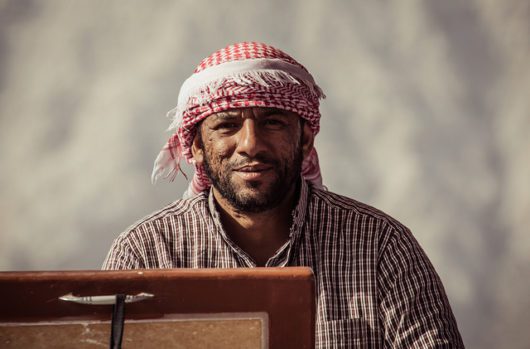
Top 10 Facts About Living Conditions in Oman

PA Top 10 facts about living conditions in Oman
Oman is a country known for its restored forts and castles. In 2010, the country, which is twice the size of Georgia, was ranked as the most improved nation over the last 40 years. However, none of this explains what it’s like to live among the Omani culture and people. Here are the top 10 facts about living conditions in Oman.

Top 10 Facts About Living Conditions in Oman

  1. Education: In Oman, education is free from primary school to high school; however, attendance is not mandatory, nor is it enforced. The first six years of education are very similar to that of primary schools in most western countries. The next three years are dependent on whether or not a student decides to continue their education or start working. If they have stayed in school and their grades are exemplary, they may decide to go on to secondary school, which is another three years similar to high school in western countries. Here, students can specialize in either sciences or arts. There is also a variety of vocational centers for students to choose from, lasting anywhere from one to three years.
  2. Water: The Central Intelligence Agency found that 95.5 percent of the urban population and 86.1 percent of the rural population have access to an improved drinking water source. Both urban and rural populations also have access to improved sanitation facilities: 97.3 percent for the urban population and 94.7 percent for the rural.
  3. Energy: The World Factbook also reports that there are 100,000 citizens without electricity in Oman, however, 98 percent of the total population has access to electricity. The country receives electricity from fossil fuels, nuclear fuels, hydroelectric plants and other renewable sources.
  4. Legislation: Legislation is based on Sharia law with the authority of the longest-serving ruler in the Middle East, the Sultan of Oman–Sultan Qaboos Bin Said, being an absolute monarchy. The monarchy restricts all political rights and civil liberties. The current leader was not elected through fair and free elections, and the country is not considered a free country.
  5. Internet Use: Only 69.8 percent of the population use the internet in Oman, compared to 89 percent of Americans using the Internet, according to the Pew Research study. However, there are more than 6.9 million total subscriptions to mobile cell phone companies. One state-run TV broadcaster with stations transmitting from Saudi Arabia, the UAE, Iran and Yemen via satellite TV, provides access to all television programs.
  6. Transportation: There were 132 total airports in Oman in 2013, but by 2017, only 13 of them had paved runways. There are more unpaved roadways (30,545 km) than paved (29,685 km) in the country. Generally, road conditions in cities and major highways are good; however, the condition of rural roads varies from good to poor. Traveling at night could be dangerous due to poor lighting, wandering livestock and other common factors such as pedestrians, weather conditions or driving speed.
  7. Crime: The U.S. Department of State reports that violent crime is uncommon in Oman; however, non-violent crime rates are higher in Oman than in other major cities within the United States. Crimes of opportunity and petty theft are the main types of illegal activity. There has been an increase in cybercrime due to money lending scams requiring high down payments, credit card fraud and prepayments that are solicited with the intention of future services never rendered.
  8. Labor Force: Average unemployment rate for Oman from 1991 to 2017 was 3.94 percent, with youth unemployment during that time averaging 9.51 percent. The average value of the labor force, which includes anyone older than the age of 15, rose from 0.56 million people in 1990 up to 2.68 million people in 2018.
  9. Healthcare: Oman’s universal health care system offers free primary health care to its citizens and even subsidized care for the foreign population of the country. The last 40 years has yielded an increase to the lifespan of the country’s population by about 30 years due to improved access to medical facilities and doctors, according to Oxford Business Group. This puts the current life expectancy rate for the country at 76 years.
  10. Tourism: The capital, Muscat, boasts beautiful suburbs with “golden sand,” mountains and “magnificent views over the Gulf’s turquoise waters.” In Muttrah, one can experience true Omani culture through the city’s traditional souq (marketplace) and corniche (a road on the side of a mountain). The city also houses the annual Muscat Festival, which is one of the most famous festivals in the country, attracting people internationally to witness a cultural celebration that includes folklore dances, special costumes and other performances.

Oman has been known for its castles and wonderful exhibitions of culture through the famous Muscat Festival. It is a country offering much for its population as these top 10 facts about living conditions in Oman show. Although there are still key improvements to be made, the country is continuing to progress.

– Simone Edwards
Photo: Flickr
February 21, 2019
https://borgenproject.org/wp-content/uploads/borgen-project-logo.svg 0 0 Kim Thelwell https://borgenproject.org/wp-content/uploads/borgen-project-logo.svg Kim Thelwell2019-02-21 20:42:252024-05-29 22:58:27Top 10 Facts About Living Conditions in Oman
Global Poverty, Life Expectancy, Sanitation

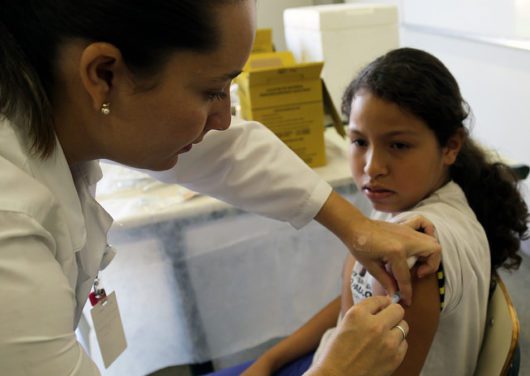
Life Expectancy in Brazil

Life Expectancy in Brazil
From 1940 to 2016, the life expectancy in Brazil had steadily risen to an all-time high of 75 years. This improvement was largely due to efforts by the Ministry of Health and Ministry of Environment to strengthen the health and sanitation systems in the country. A continued increase in life expectancy can be achieved by utilizing technology to enhance the capabilities and performance of the healthcare system and by improving sanitation and access to clean water for all Brazilians.

An Improved Healthcare System

In 1988, after the end of Brazil’s military dictatorship, a newly established constitution created the Unified National Health System (UHS), which was expanded to provide free of charge and comprehensive health services with near-universal access. A focus on prenatal care, child nutrition programs, immunization campaigns and other important preventative services have played key roles in the increase of the life expectancy in Brazil.

In 1994, the Family Health Strategy (FHS) was founded. It has been heavily relying on community health workers (CHWs) to provide basic and preventative healthcare. Teams of doctors, nurses and community health workers were deployed throughout the country to cover territories of 3,000 to 4,000 residents. The FHS provides medical resources to underserved areas and allows the health teams to closely monitor the health status of the residents in their region. Currently, there are more than 265,00 active CHWs delivering care to around 67 percent of the population. The FHS was instrumental in increasing the life expectancy in Brazil from 67 years in 1994 to 75 years as of 2016.

The Use of Technology

Although the UHS is vital to improving health and life expectancy, the system still faces challenges caused by rising healthcare and medicine costs, maldistribution of medical professionals and poor access to health services in low-income regions. The Ministry of Health has invested in health technology systems and mobile applications to expand access to health services, improve the quality of care and reduce the overall costs of the UHS.

In 2012, they partnered with the medical journal, BMJ, to create the BMJ Best Practices application. More than 11,400 people now use the mobile app to make more informed diagnostic and treatment decisions for their patients at the point of care. Early diagnosis and treatment help to improve health outcomes, so it is beneficial for Brazil to continue to embrace this kind of technology. It is estimated that the country would spend $336 million on healthcare technology and applications by the end of 2018, but would potentially save $42 billion per year over the next 15 years. Hospitals and clinics with integrated health technology, such as electronic health and medical records, have also been shown to have a 3 to 4 percent lower mortality rate, which improves life expectancy rates in Brazil.

Improve Sanitation and Access to Clean Water

It is estimated that 50 percent of Brazilians do not have access to sewage and sanitation services. In fact, 35 million Brazilians still lack access to clean water. Inequalities exist in the over-concentration of services throughout affluent regions while services are lacking in poor and low-income regions. Between 2010 and 2014, there were almost 14,000 hospitalizations for diseases related to poor sanitation. In the densely populated Porto Alegre region, dengue rates were five times higher from 2001 to 2013.

In order to address the burden of sanitation-related illnesses, the National Public Sanitation Plan was formed in 2007 with the goal of providing clean water and sewage services to 93 percent of households by 2033. Between 2007 and 2015, the percentage of households with access to clean water had only slightly increased from 80.9 to 83.3. Operating with a deficit of $1.9 billion has impeded progress, and the program is currently on pace to meet its goals by 2050. With proper funding, however, the country could meet its original goals, which would go a long way to increase the life expectancy in Brazil.

Substantial investment from the federal government, public-private sources of capital along with investment from foreign aid programs such as UNICEF is still needed if Brazil is going to establish the infrastructure to achieve its original goal by the target deadline of 2033. As the country looks to the future, expanding the FHS, integrating technology into the healthcare system and enhancing sanitation services are key focus areas. These priorities will sustain and further improve the life expectancy in Brazil.

– Chinanu Chi-Ukpai
Photo: Flickr
February 13, 2019
https://borgenproject.org/wp-content/uploads/borgen-project-logo.svg 0 0 Kim Thelwell https://borgenproject.org/wp-content/uploads/borgen-project-logo.svg Kim Thelwell2019-02-13 01:30:152024-05-29 22:57:56Life Expectancy in Brazil
Global Poverty, Sanitation, Water Sanitation

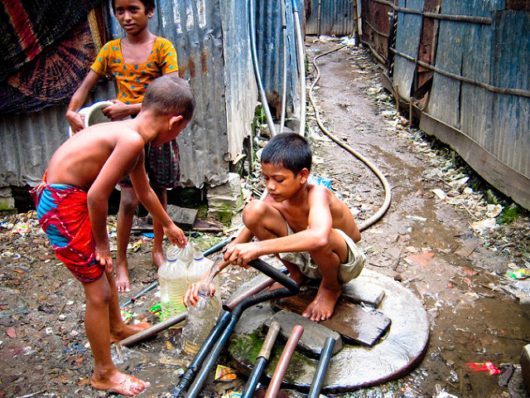
Reinvent the Toilet: Improvements in Sanitation and Hygiene

hygiene and sanitation
In November 2018, The Bill and Melinda Gates Foundation hosted the Reinvented Toilet Expo in Beijing. The Expo was the latest iteration of the Reinvent the Toilet challenge that was started in 2011 to help bring clean, safe sanitation to millions of people living in poverty in the developing world. The expo unveiled the world’s first pathogen killing toilet along with small-scale wastewater treatment plants ready for sale to both private and municipal entities. Innovations showcased at the Expo have the potential to greatly decrease human and economic losses because they provide improvements in sanitation and hygiene.

The Importance of Sanitation and Hygiene

Unlike most modern toilets, where waste is flushed away with water, these reinvented toilets separate the waste and water and were designed to be used in areas where no sewer systems exist and to safely reduce waste byproducts  With 2.3 billion people worldwide not having access to basic sanitation facilities, it is no wonder that as many as 892 million people defecate in open places like street gutters and bodies of water. This creates serious sanitation concerns as it contributes to the spread of diseases including Hepatitis A, typhoid and polio, as well as intestinal worms, schistosomiasis and trachoma.

Poor sanitation and hygiene along with inadequate water kill as many as 842,000 people in low and middle-income countries each year, affecting children under five the most. According to a 2013 UNICEF report, “2,000 children under five die every day from diarrheal disease, and of these 1,800 deaths are linked to poor sanitation, water and hygiene.” These figures underline the importance of hygiene and sanitation around the world, showing just how important the work done with the Reinvented Toilet Expo is.

Decreasing the Number of Sanitation and Hygiene Related Deaths

The innovative ideas displayed at the Reinvented Toilet Expo aim to significantly decrease the number of deaths from poor sanitation over the course of the next 10 years, especially in urban areas.  The World Bank, the Asian Development Bank and the African Development Bank were among the financial institutions that have pledged financial commitments with the potential of reaching $2.5 billion toward urban sanitation projects, which is the largest ever coordinated commitment to urban sanitation.

Currently, 55 percent of the world’s population resides in urban areas, and that number is expected to increase to 68 percent by 2050. This poses a growing challenge for sanitation and hygiene for impoverished people in urban areas where sanitation is at a premium. What limited data exists on urban sanitation suggests that human waste is discharged directly into rivers, lakes and oceans. Making improvement in sanitation and hygiene in urban areas will not only create a healthier population but it also is good for the overall economy.

Better Sanitation Equals a Better Economy

According to The Bill and Melinda Gates Foundation, poor sanitation and hygiene lead to more than $200 billion lost in healthcare costs, decreased income and productivity. The new toilets would greatly reduce that number. The reinvented toilet could represent an estimated $6 billion in the global market by 2030 and could even help open up a new sanitation sector. The World Health Organization reported that every dollar invested in global sanitation could have an average return of $5.50.

Since 2011, the Bill and Melinda Gates Foundation has invested over $200 million towards improvements in sanitation and hygiene and plans to invest another $200 million into decreasing the cost for nations where improved sanitation and hygiene will have the most impact. The continued improvements in sanitation and hygiene will decrease the mortality rate, boost the global economy and have the potential to offer new sources of renewable energy and water.

– Peter Zimmerman
Photo: Flickr
February 8, 2019
https://borgenproject.org/wp-content/uploads/borgen-project-logo.svg 0 0 Kim Thelwell https://borgenproject.org/wp-content/uploads/borgen-project-logo.svg Kim Thelwell2019-02-08 01:30:162024-05-29 22:57:51Reinvent the Toilet: Improvements in Sanitation and Hygiene
Global Poverty, Health, Sanitation, Water Quality, Water Sanitation

Seahawks’ K J Wright Supports Clean Water in Kenya

Clean Water in Kenya
Seahawks linebacker K.J. Wright is addressing the issue of clean water in Kenya. Currently, 41 percent of Kenyans (19 million people) still lack reliable, safe water sources for drinking water. While on vacation in the Maasai Mara region, Wright witnessed the challenges faced by locals, especially females, when it came to collecting drinking water and decided to start a fundraising campaign with the goal of building two wells in the village he stayed in.

The Global Issue of Clean Water

The availability of clean water has been a major issue across the globe. In July 2010, the United Nations deemed access to clean water and proper sanitation a human right. Yet in 2017, 2.1 billion people still lacked safe drinking water and 4.5 billion did not have sufficient sanitation services. Without safe management of sanitation services and wastewater from cities, businesses and farms, waterways are likely to be polluted. When these water sources are used by community members as drinking water, many health risks arise.

Contaminated water and poor sanitation remain the most common reason for child mortality and are associated with diseases including cholera, dysentery, hepatitis, typhoid and polio. By creating the infrastructure for water services, an impoverished community can significantly reduce the number of preventable health issues.

K.J. Wright’s Fundraiser for Wells in Kenya

Clean water infrastructure, however, can be expensive. To build a single well in the village K.J. Wright visited will cost $20,000. In order to adequately cover the expense of two wells, Wright has set a goal of $50,000 for his fundraising campaign. He will personally be donating $300 for every tackle he makes during the football season, which has added up to $1,500 as of November 2018. He has also created an online donation page through Healing Hands International for individuals wishing to support clean water in Kenya.

Women and girls are particularly affected by this problem because water sources are often miles away, and females are usually the ones expected to collect water for the family. Aside from the health impacts of walking great distances daily, the time invested in this chore also prevents many girls from attending school.

Seeing this had a profound effect on Wright. Commenting on his trip to Kenya, Wright said, “I noticed this young girl had dirty brown water. So, I just wanted to help this community. The young ladies have to walk many miles twice a day just to bring back water, and when they do get the water, it’s not even clean. […] I just want to bless this community that blessed me.” By building these two wells, Wright will be helping these young women not only by reducing the time it will take to collect water but also by giving them access to a clean water source.

Changing Lives

Local access to safe drinking water will drastically alter the lives of residents and improve the overall health of the village. Clean water in Kenya is just one example, but celebrity efforts, such as the steps taken by Wright, can have significant positive impacts on impoverished communities.

Fundraising campaigns and advocacy from public figures affect change quickly and can reach diverse audiences that otherwise would not be educated on issues of poverty, clean water, women’s rights and more. Wright plans on returning to Kenya next year and hopefully will continue supporting the world’s poor and inspiring others to take action as well.

– Georgia Orenstein
Photo: Flickr

January 18, 2019
https://borgenproject.org/wp-content/uploads/borgen-project-logo.svg 0 0 Kim Thelwell https://borgenproject.org/wp-content/uploads/borgen-project-logo.svg Kim Thelwell2019-01-18 01:30:402024-05-29 22:57:42Seahawks’ K J Wright Supports Clean Water in Kenya
Sanitation

Solar-Powered Sanitation Solutions: The Way of the Future?

Solar-Powered
Limited access to clean water and sanitation lies at the center of a litany of poverty-related issues. Without adequate access to clean water and sanitation, low-income communities are at a severe disadvantage in the fight against poverty. Everyone, but especially their young and elderly fall prey to waterborne diseases, and countless school days are lost due to children being sick or having to fetch water.

In many low-income communities, this issue is only compounded by aging or inadequate water and sanitation infrastructure. Replacing or updating these intricate water systems requires both government initiative and an enormous amount of funding, which creates a difficult hurdle to overcome in the fight for adequate global access to clean water and sanitation.

The Gates Foundation Challenge

In response to this crisis, in 2011, The Bill and Melinda Gates Foundation issued the “reinvent the toilet challenge”, a competition where a variety of research groups vied to propose a new, self-contained wastewater treatment system design. A small team of chemists from Caltech was awarded first place, and, like the rest of the finalists, was awarded a $400,000 grant to continue their work in solar-powered sanitation solutions. 

This new toilet design relies on a series of electrochemical reactions to both sterilize and break down the waste, and in turn, produce hydrogen, which is released into the air. The entire system can effectively sterilize and recycle water so that it can be re-used for toilet flushing or hand washing while being powered only by solar energy. Overall, the solution combines both sustainability and reliability in one compact package.

“So it’s a closed loop system, and it can be powered by solar panel, so the whole thing can be off the grid. (…) because it can be off the grid, it’s really well suited for the developing world”, said Cody Finke, a Ph.D. candidate in electrochemistry working with the team.

The Future of Sanitation

This emphasis on independence bypasses the necessity of infrastructural support, meaning with the use of the technologies present in these futuristic toilets, the government of low-income nations could potentially provide sanitary bathrooms to its citizens without investing billions of dollars in a clean water infrastructure updates.

Although side-stepping billion dollar infrastructure investments is important, it’s not the only challenge at play when it comes to solar powered sanitation solutions. “One of the other things that’s a challenge is if you put a complex technology in the field, often the infrastructure and access to education and to skilled labor isn’t there to repair it when it breaks”, Finke said, in discussing the challenges that complex water treatment technologies face.

So, alongside the toilet’s self-sustaining construction, Finke and the rest of the team are committed to making the toilet modular easy to repair. In conjunction with developing improved electrochemical catalysts that aid in low-impact water sanitation, the team has been building an app “Seva” that works alongside the toilet systems. The app, which can be installed on low-cost smartphones, provides its users with easy-to-understand updates on the inner workings of the system, and step-by-step, pictorial repair instructions should the system malfunction.

Cost Concerns Are Causing Minor Setbacks

Today, somewhere between 30 and 40 prototypes are operational or being installed in low-income countries, which will have an impact on the lives of about 1,000 people, give or take. Despite growing interest in solar-powered sanitation solutions, the market is still small; therefore, production costs remain high. 

Regardless of some of the setbacks, this technology is a valuable contribution to the world of clean water technologies. “You can make the argument that there are different wastewater treatment technologies for different purposes, so I imagine that there’s definitely going to be a blend between our technology and other technologies [in the future]”, said Finke, in consideration of the future of his team’s technology.   

With the support of a growing number of business partners and The Gates Foundation, this treatment could still be the next big thing in renewable toilet technologies. With innovative people working together, we are coming up with ways to alleviate poverty by providing clean water and sanitation to developing countries. Hopefully, financial solutions will be made available to start implementing some of these projects on a larger scale.

– Ian Lloyd Greenwood

Photo: Flickr

September 28, 2018
https://borgenproject.org/wp-content/uploads/borgen-project-logo.svg 0 0 Borgen Project https://borgenproject.org/wp-content/uploads/borgen-project-logo.svg Borgen Project2018-09-28 01:30:232019-07-19 08:19:58Solar-Powered Sanitation Solutions: The Way of the Future?
Sanitation, Water Quality

Improving Access to Clean Water and Sanitation Facilities in Bhutan

Sanitation Facilities in Bhutan
Bhutan has made tremendous strides over the last few decades toward ensuring all people have access to clean and safe drinking water. In 1990, only 72 percent of the population of Bhutan had access to an improved water source and only 67 percent in rural areas. Just over 20 years later, The World Health Organization (WHO), in its 2012 Global Analysis and Assessment of Sanitation and Drinking Water (GLAAS) for Bhutan, reported that now 98 percent of the population of Bhutan has access to an improved source of drinking water.

Room for Improvement

Despite these tremendous improvements, 13 percent of childhood deaths in Bhutan are attributed to diarrhea. The Center for Disease Control and Prevention (CDC) estimates 88 percent of diarrhea cases are caused by unclean water or improper sanitation facilities. Likewise, an estimated 30 percent of all health problems reported in rural areas of Bhutan stem at least partially from unsafe drinking water or improper sanitation methods.

Bhutan’s Ministry of Health and the Bhutanese Public Health Engineering Division recognize that a lack of access to clean water and sanitation facilities is still a major cause of death and disease. It also recognizes that rural areas are especially in need of better sanitation facilities. In response, improving access to clean water and to high-quality sanitation services has become a priority.

Accessing Sanitation Facilities in Bhutan

Having access to clean water and having access to proper sanitation facilities are intrinsically linked. Sanitation facilities that are not properly containing waste can pollute what otherwise would be a clean source of water. However, data from the WHO indicates a lack of access to sanitation facilities in Bhutan is by far the larger of the two issues. In 2012, when 98 percent of Bhutanese had access to an improved water source, only 47 percent had access to an improved sanitation facility. The problem is especially acute in rural areas, which contain 80 percent of those who lack access to sanitation facilities.

To continue improving access to clean water and sanitation facilities in Bhutan, the government teamed up with UNICEF’s WASH (water, sanitation and hygiene) program and formed the Rural Sanitation and Hygiene Program (RSAHP). RSAHP works in rural communities across Bhutan to promote proper hygiene and sanitation practices and to help communities develop improved sanitation facilities.

RSAHP was initially brought to three of Bhutan’s most rural districts. By 2017, all three had improved sanitation coverage by more than 95 percent. Since its inception, the program has now spread to more than 800 rural communities. RSAHP strives to empower these communities by educating people about the importance of proper hygiene and sanitation and helping communities mobilize existing resources and manpower to construct new, effective sanitation facilities.

Importance of Clean Water & Proper Sanitation

Access to clean water prevents numerous diseases, including cholera, typhoid, diarrhea, dysentery and dracunculiasis. It is also associated with rates of school attendance for girls and rates of women in the workforce. Without easy access to clean water, many girls and women are forced to spend their time accessing and transporting water and, as such, stop attending school or are unable to work. The progress Bhutan has made toward ensuring access to clean water and modern sanitation facilities will help ensure a better future for all.

– Abigail Dunn
Photo: Flickr

June 23, 2018
https://borgenproject.org/wp-content/uploads/borgen-project-logo.svg 0 0 Borgen Project https://borgenproject.org/wp-content/uploads/borgen-project-logo.svg Borgen Project2018-06-23 07:30:222024-12-13 17:58:48Improving Access to Clean Water and Sanitation Facilities in Bhutan
Developing Countries, Sanitation, Water

WASH United: Working to Achieve Clean Water, Sanitation and Hygiene 

water, sanitation and hygiene
Undernutrition is a major cause of disease and death that affects millions of people worldwide. A direct cause of undernutrition is disease indirectly related to factors such as contaminated drinking water and poor sanitation and hygiene. WASH United aims to fulfill the basic human right to clean drinking water and sanitation as recognized by the United Nations General Assembly in 2010.

Water, Sanitation and Hygiene the Building Blocks of Global Health

Since 2010, the United Nations International Children’s Emergency Fund (UNICEF) has been working to improve water, sanitation and hygiene services and practices in more than 100 countries worldwide. Last year, nearly 14 million people were provided with access to clean water and more than 11 million with basic toilets.

WASH is the unified term for water, sanitation and hygiene. Although each is a separate issue, success in one category is dependent on the other. For example, without clean water, basic hygiene is not possible; without toilets, sources of water become polluted. By focusing efforts on these dependent factors, WASH United hopes to increase the awareness of and access to clean drinking water, sanitation and hygiene.

Water

Each year 800,000 children are killed by diarrhea caused by dirty water, poor sanitation and lack of hygiene skills. This is more than the number of children killed by AIDS, malaria and measles combined. UNICEF reports that the risk of diarrhea can be reduced by almost 50 percent by washing hands with soap before eating and after using the toilet. WASH United works to make hand washing a habit for everyone through interactive games and positive messaging.

Sanitation

Worldwide, 2.4 billion people lack access to a hygienic toilet while 946 million have no access to a toilet of any kind. Instead, they use open places in and around their communities such as railroad tracks and ditches. Even with access, there are tens of thousands of toilets in South Asia and sub-Saharan Africa that are abandoned and unused. WASH United strives to change attitudes through innovative tools around sanitation and create a demand for toilets. 

Hygiene

A 2013 UNICEF study reported that one out of three girls in South Asia knew nothing about menstruation before starting their period, while 48 percent of girls in Iran and 10 percent of girls in India believed that menstruation is a disease. WASH United aims to educate women about important components of hygiene during menstruation and work closely with communities to motivate positive practices. 

To date, WASH United has reached 500 million people through campaigns and media work and has trained 200,000 children in good WASH behavior. However, there is still work to do. WASH United aims to achieve water, sanitation and hygiene for all people by 2030, and aspires to reach the World Health Assembly global nutrition targets by 2025. These targets include: 

  • A 40 percent reduction in the number of children under five years of age who are stunted
  • A 50 percent reduction of anemia in women of reproductive age
  • A 30 percent reduction of low birth weight
  • Increase the rate of exclusive breastfeeding in the first 6 months up to at least 50 percent
  • Reduce and maintain childhood wasting to less than 5 percent

Although there is still much to achieve, WASH United has already impacted the lives of millions. To date, it has reached 500 million people through campaigns and media work and has trained 200,000 children in good water, sanitation and hygiene behavior.

– Anne-Marie Maher
Photo: Flickr

May 20, 2018
https://borgenproject.org/wp-content/uploads/borgen-project-logo.svg 0 0 Borgen Project https://borgenproject.org/wp-content/uploads/borgen-project-logo.svg Borgen Project2018-05-20 07:30:502024-05-29 22:42:27WASH United: Working to Achieve Clean Water, Sanitation and Hygiene 
Page 20 of 29«‹1819202122›»

Get Smarter

  • Global Poverty 101
  • Global Poverty… The Good News
  • Global Poverty & U.S. Jobs
  • Global Poverty and National Security
  • Innovative Solutions to Poverty
  • Global Poverty & Aid FAQ’s
Search Search

Take Action

  • Call Congress
  • Email Congress
  • Donate
  • 30 Ways to Help
  • Volunteer Ops
  • Internships
  • Courses & Certificates
  • The Podcast
Borgen Project

“The Borgen Project is an incredible nonprofit organization that is addressing poverty and hunger and working towards ending them.”

-The Huffington Post

Inside The Borgen Project

  • Contact
  • About
  • Financials
  • President
  • Board of Directors
  • Board of Advisors

International Links

  • UK Email Parliament
  • UK Donate
  • Canada Email Parliament

Get Smarter

  • Global Poverty 101
  • Global Poverty… The Good News
  • Global Poverty & U.S. Jobs
  • Global Poverty and National Security
  • Innovative Solutions to Poverty
  • Global Poverty & Aid FAQ’s

Ways to Help

  • Call Congress
  • Email Congress
  • Donate
  • 30 Ways to Help
  • Volunteer Ops
  • Internships
  • Courses & Certificates
  • The Podcast
Scroll to top Scroll to top Scroll to top