• Link to X
  • Link to Facebook
  • Link to Instagram
  • Link to TikTok
  • Link to Youtube
  • About
    • About Us
      • President
      • Board of Directors
      • Board of Advisors
      • Financials
      • Our Methodology
      • Success Tracker
      • Contact
  • Act Now
    • 30 Ways to Help
      • Email Congress
      • Call Congress
      • Volunteer
      • Courses & Certificates
      • Be a Donor
    • Internships
      • In-Office Internships
      • Remote Internships
    • Legislation
      • Politics 101
  • The Blog
  • The Podcast
  • Magazine
  • Donate
  • Click to open the search input field Click to open the search input field Search
  • Menu Menu

Archive for category: Sanitation

Global Poverty, Sanitation, Sustainable Development Goals, Water, Water Quality, Water Sanitation

Clean Water and Sanitation: Evaluating Sustainable Development Goals

Clean Water and Sanitation
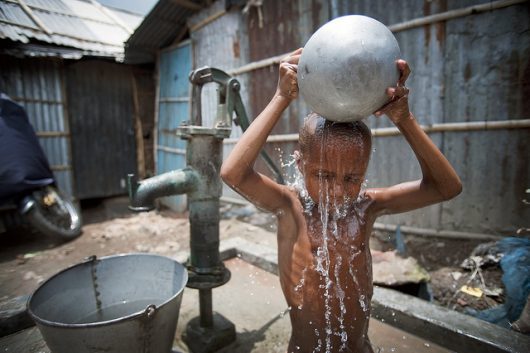
The Sustainable Development Goals, better known as the SDGs, are the United Nations’ pride and joy. The SDGs are a continuation of the previous Millennium Development Goals (the MDGs), but are more inclusive in scope and size.

In 2015, the United Nations came up with “17 goals to transform our world.” The goals cover a lot of ground and aim to reduce poverty and hunger, address inequality, protect the environment and encourage peace among a variety of other things. The United Nations hopes to achieve its goals and this sustainable development agenda by the year 2030.

There is one goal in particular that proves essential to the success of nations with impoverished citizens — SDG #6, ensuring access to water and sanitation for all.

Clean Water and Sanitation

Ensuring access to clean water and sanitation for all is a lofty goal, but a great deal is being done to achieve it. Since the 1990s, strides have been made to improve the quality of drinking water around the world, but 663 million people are still without access.

Additionally, at least 1.8 billion people around the world use a source for drinking water that is in some way fecally contaminated, and 2.4 billion people do not have access to basic sanitation facilities. These numbers are extremely high and represent a larger portion of the population than those living in extreme poverty.

In the first set of U.N. goals — the MDGs — this goal was not included, thus making it difficult to target aid and progress made in ensuring clean water and sanitation. By including this goal in the SDGs, much more progress has been made since 2015, and creative ways to solve the problem are being developed and implemented around the world.

Very recently, on March 22nd, the United Nations launched the International Decade for Action: Water for Sustainable Development 2018-2028. This initiative calls for increased cooperation, partnership and capacity development to achieve all water-related SDGs by the set target year, 2030. This agenda focuses on the importance of water-related goals and will further their progress and solution implementation.

WASH

WASH United is an organization dedicated to solving issues of water and sanitation. The acronym WASH stands for Water, Sanitation and Good Hygiene. The organization and its partners works with primarily children in Sub-Saharan Africa and South Asia to promote proper WASH behaviors.

The organization also focuses heavily on educating girls about proper menstrual hygiene. The organization initiated menstrual hygiene day, which now takes place every 28th of May.

WASH focuses on changing personal attitudes and behaviors related to sanitation for the people it serves. The organization puts an emphasis on working with people and their passions so as to best connect with its advisees emotionally and pass on their message. WASH also does a lot of advocacy work and has helped facilitate national policy changes related to sanitation.

WASH works in tandem with SDG #6, and hopes to achieve clean water and sanitation for all by the year 2030. With WASH and other organizations dedicated to achieving the goal, success seems to be imminent.

– Sonja Flancher

Photo: Flickr
April 10, 2018
https://borgenproject.org/wp-content/uploads/borgen-project-logo.svg 0 0 Borgen Project https://borgenproject.org/wp-content/uploads/borgen-project-logo.svg Borgen Project2018-04-10 01:30:172019-11-10 10:44:01Clean Water and Sanitation: Evaluating Sustainable Development Goals
Global Poverty, Sanitation

DIY Oral Rehydration Kit Saves Lives in Developing Countries

The DIY Oral Rehydration KitThe incidence of gastric problems, such as vomiting or diarrhea, is all too common in developing countries. To make matters worse, there is also the dehydration that results from fluid loss. The practice of handwashing with soap and stricter guidelines for food hygiene are paramount as preventive measures. Nevertheless, these practices may not always take place, and gastric diseases can spread. The DIY oral rehydration kit is a practical means to remedy dehydration, as it uses basic, easy to find ingredients.
A persistent bout of vomiting and diarrhea leads to fluid loss at a higher rate than the body can take in. Without adequate fluids, the body cannot properly carry out crucial functions. Water is needed to regulate temperature, dissolve nutrients from food, transport them around the body for cells to stay alive and reduce the burden on kidneys by flushing out waste.

Dehydration is particularly hazardous to children and the elderly. Young children are vulnerable to dehydration because their bodies are less efficient at conserving water than adults. In addition, their small body size means it takes less fluid loss to lead to dehydration.

Dehydration triggers a response to consume a large quantity of water. This can create an imbalance by flushing out vital chemicals and electrolytes, such as glucose, fructose, sodium and chloride. These play a crucial role in the transmission of nerve impulses and in regulating the body’s fluid balance.

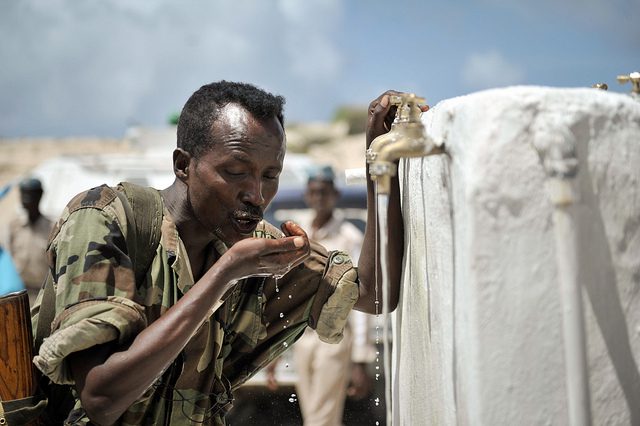
The ideal concoction already exists in the form of a sports drink, such as Gatorade. The DIY oral rehydration kit is cheaper and simple but equally as effective, as it uses salt and sugar, which are more widely available. For each serving, six teaspoons of sugar and half a teaspoon of salt are mixed into one liter of water. This kit eliminates side effects from caffeinated beverages, which cause further dehydration. Juices made from orange or lemon can be acidic and further aggravate the stomach.

In the 1960s, researchers in South Asia found that a balanced proportion of sugar and salt in water could be easily absorbed through the intestinal wall. Therefore, drinking this solution is an easy way to replace fluids lost from diarrhea. In 1971, a massive campaign to orally administer this solution to sufferers was implemented throughout India and Bangladesh during a cholera outbreak. Of the 3,700 treated sufferers, 96 percent of them survived after drinking the oral rehydration solution.

The Bangladesh Rural Advancement Committee has provided workshops to educate Bangladeshi mothers on how to mix the solution and administer it to their children to prevent dehydration when a child falls ill with diarrhea.

With the support of UNICEF, over 500 million packets containing the ingredients of the DIY oral rehydration kit are being mass produced annually in 60 developing nations, at a cost of $0.10 each. Millions suffer daily from gastric problems and the resulting dehydration. Nearly half of all diarrhea cases in developing nations are now treated with oral rehydration therapy, compared to the initial 1 percent usage in the 1980s. Because it is more accessible, millions of lives are saved daily thanks to this kit.

– Awad Bin-Jawed

Photo: Flickr

March 23, 2018
https://borgenproject.org/wp-content/uploads/borgen-project-logo.svg 0 0 Borgen Project https://borgenproject.org/wp-content/uploads/borgen-project-logo.svg Borgen Project2018-03-23 01:30:242024-05-29 22:39:52DIY Oral Rehydration Kit Saves Lives in Developing Countries
Global Poverty, Sanitation

The Waterless Bath: A Solution to Sanitation-Related Illnesses

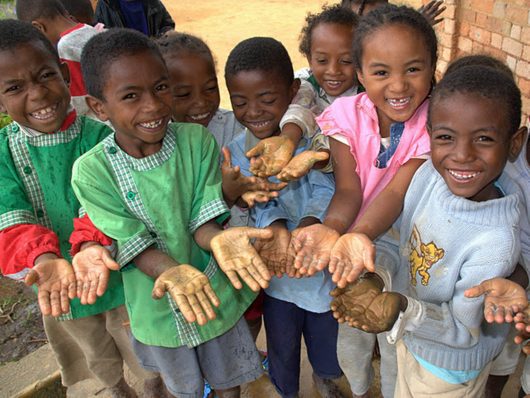
waterless bathWorldwide, nearly 2.3 billion people lack access to basic sanitation and water services. A waterless bath created by a South African student has the potential to help alleviate this issue.
Inadequate access to clean water leads to devastating disease outbreaks like trachoma, which can lead to permanent blindness. The invention, called DryBath, is a waterless alternative to bathing that comes in the form of a cream and could help eliminate the threat of these water-borne diseases. By gaining the ability to bathe, people in poverty-stricken areas can drastically decrease the number of trachoma cases, which currently blind about 1.8 million people globally.

The South African student and inventor of DryBath, Ludwick Marishane of Limpopo, South Africa, created the alternative after a friend’s comment regarding bathing. Marishane eventually realized the potential for the waterless bath in developing areas. In his Ted Talk, Marishane elaborated on DryBath’s potential capabilities.

“Anyway, we realized that we could save 80 million liters of water on average each time they skipped a bath, and also we would save two hours a day for kids who are in rural areas, two hours more for school, two hours more for homework, two hours more to just be a kid,” Marishane said.

The effects of eliminating the need for bathing water has a wide array of positive results as Marishane mentioned. Not only does it decrease the risk of disease, but by removing the long walk for water that many children must embark on each day, DryBath allows children to spend more time on their education.

According to Business Insider, after Marishane’s first few marketing experiments, he realized that to reach people in developing areas, the waterless bath must be sold in smaller packets that cost about 50 cents per pack.

“One of the things we learned was that poor communities don’t buy products in bulk. They buy products on-demand,” Marishane said during his Ted Talk. “A person in Alex doesn’t buy a box of cigarettes. They buy one cigarette each day, even though it’s more expensive.”

With limited internet access, Marishane used his Nokia cell phone to research and write a 40-page business plan for his invention. The young entrepreneur was able to successfully create a product that made real progress to health in developing nations. While his initial intention was not so, he realized the potential and worked to develop the waterless bath.

“After seeing that global impact, we narrowed it down to our key value proposition, which was cleanliness and convenience. DryBath is a rich man’s convenience and a poor man’s lifesaver,” Marishane said.

– Austin Stoltzfus

Photo: Flickr

March 11, 2018
https://borgenproject.org/wp-content/uploads/borgen-project-logo.svg 0 0 Borgen Project https://borgenproject.org/wp-content/uploads/borgen-project-logo.svg Borgen Project2018-03-11 01:30:012024-05-27 09:27:41The Waterless Bath: A Solution to Sanitation-Related Illnesses
Food & Hunger, Food Security, Global Poverty, Sanitation, World Hunger

The Impact of World Vision in the Developing World

 The Impact of World Vision in the Developing World
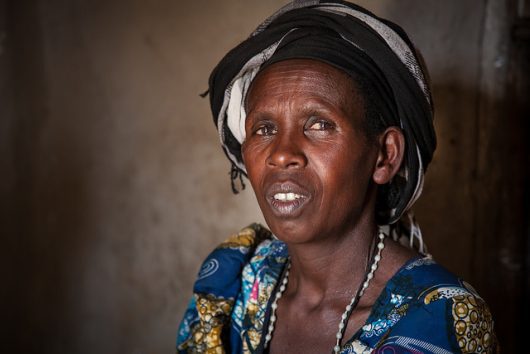
World Vision is an Evangelical Christian humanitarian aid, development and advocacy organization. It has many recent success stories including helping 4 million sponsored children, disaster survivors and refugees, strongly impacting education, providing clean water and so much more.

What is World Vision?

World Vision emphasizes its sponsorship program — a $39 a month service that provides essentials including clean water, nutrition and education to a sponsored child and his/her community. Sponsors receive photos, letters and updates of the impacts made.

World Vision focuses on fragile states by developing new approaches to enable transitions out of fragility. Its strong program areas include water, sanitation, hygiene, health, livelihoods, food assistance, child protection and education.

The organization partners with churches, donor governments, corporations and individual supporters across the globe, in addition to local communities, faith bodies, civil society and public institutions to help refugees.

World Vision addresses barriers to education and works with communities and local governments to improve the quality of education for children.

Who Are its Partners?

The organization works with WFP, World Food Program and USDA in Rwanda to improve children’s literacy.

World Vision also partners with Home Grown School Feeding Program to provide a suite of complementary literacy and health interventions to the school’s feeding project. The literacy intervention guides schools, parents and communities in supporting the development of the five core reading skills: letter knowledge, phonemic awareness, vocabulary, fluency and comprehension.

According to World Vision, nearly 1,000 children under age 5 die every day from diarrhea caused by contaminated water, poor sanitation and improper hygiene.

What’s the Organization’s Goal?

The organization’s goal is to solve the global water and sanitation crisis by providing clean water and sanitation to every man, woman and child in every community it works in, including the most vulnerable populations in hard-to-reach places.

World Vision is bringing its World-Class Water, Sanitation and Hygiene (WASH) programming with their health sector work in an effort called BabyWASH. 

Effective approaches include training volunteer community health workers where these volunteers teach families about critical water, sanitation, and hygiene behaviors, counsel mothers to facilitate hygienic delivery of babies in health care facilities, and learn to identify and treat common childhood diseases while referring more serious cases to a health care facility.

What is the BabyWASH Model?

The BabyWASH model combines three life-saving interventions:

  1. Provides clean water directly into health care facilities along with handwashing stations, toilets and bathing facilities
  2. Trains medical staff and community health workers on prenatal and postnatal healthcare and nutrition, including the importance of breast-feeding immediately after birth
  3. Uses corporate donations to fully equip and supply health facilities with medical equipment, pharmaceuticals and safe delivery kits

There are continual efforts and success stories of lifting people out of poverty thanks to the World Vision staff and volunteers,.

– Julia Lee

Photo: Flickr

March 5, 2018
https://borgenproject.org/wp-content/uploads/borgen-project-logo.svg 0 0 Borgen Project https://borgenproject.org/wp-content/uploads/borgen-project-logo.svg Borgen Project2018-03-05 01:30:232019-11-24 11:53:16The Impact of World Vision in the Developing World
Charity, Global Poverty, Sanitation, Water, Water Sanitation

Togo Charity Works to Help Rural Villages Out of Poverty

Togo Charity Works to Help Rural Villages Out of PovertyTogo has struggled to lift its citizens, especially those in rural areas, out of poverty and to ensure adequate access to necessities such as sanitation and drinking water.

A report by the International Monetary Fund found that in 2011, the percent of the rural population that lived below the poverty line was 73.4 percent. In urban areas, the rate was 44.7 percent.

Water Sanitation and Access to Clean Water

Specifically in regards to water sanitation and drinking water, work has been done by various organizations to improve access to these necessities, and as a result, help rural villages out of poverty.

The Water Governance Facility (WGF), backed by the United Nations Development Programme (UNDP), stated on its website that in 2015, 63 percent of Togo’s urban population had access to drinkable water, while in rural areas only 44 percent had access. The same report found that only 11 percent of Togo’s population benefited from water sanitation facilities.

These statistics were reported as part of a larger program called Governance, Advocacy and Leadership in Water, Sanitation and Hygiene that was implemented by the WGF in conjunction with the UNDP from 2014 to 2017.

The Power of Local Aid Groups

However, assistance has also come from organizations closer to home, which strive to help rural villages out of poverty and address its accompanying effects.

Recently, the Togo charity Christian Charity for People in Distress (CCPD) was awarded the Kyoto World Water Grand Prize for the work it has done to help a village of 290 people improve its water sanitation.

CCPD is based in Kpalimé, Togo and was created in April 2004 as a nonprofit Christian charity. The organization’s mission statement declares that its goal is to help rural villages out of poverty by further developing water access, sanitation and hygiene, as well as improving agricultural development, the environment and education.

On its website, CCPD lists four main objectives it seeks to accomplish through its charity work:

  • Protecting the rights of women and children.
  • Assisting the rural population of Togo in obtaining decent education and healthcare, and providing access to drinking water and sanitation.
  • Helping to economically develop rural areas by working alongside farmers to generate more income.
  • Facilitating food self-sufficiency in rural areas of Togo.

Making a Difference

Since 2006, CCPD’s water, sanitation and hygiene programs have aided more than 6,000 people. These programs usually involve the construction of wells, latrines and ECOSAN toilets, which is a waterless toilet designed to save water in countries that do not have water security. In addition, CCPD has worked to help rural villages out of poverty by providing school supplies to primary and secondary school students, aided in the construction of new schools and improved computer skills in adults and children.

The charity is the second African organization to win the Kyoto World Water Grand Prize, which will not only improve sanitation and water conditions, but will also decrease deaths related to illnesses such as cholera that are caused by poor sanitation.

CCPD has been aiding impoverished, rural areas of Togo since its creation, and does far more than just water and sanitation work. The charity’s efforts in regards to education, agricultural development, business development and environmental protection have all impacted communities in Togo and given them the help they need to transition out of poverty.

– Jennifer Jones

March 1, 2018
https://borgenproject.org/wp-content/uploads/borgen-project-logo.svg 0 0 Borgen Project https://borgenproject.org/wp-content/uploads/borgen-project-logo.svg Borgen Project2018-03-01 07:30:102024-05-29 22:39:35Togo Charity Works to Help Rural Villages Out of Poverty
Global Poverty, Sanitation

Addressing the Importance of Sanitation and Toilets

Adequate sanitation and toilets are basic necessities that ensure and promote the health of people in developing countries. The importance of sanitation and toilets lies in helping reduce the spread of diseases. Sanitation systems aim to protect health by providing and promoting a clean environment.

Developing countries face challenges in accessing sanitation and hygiene care. The CDC states that hundreds of millions of people do not have access to adequate clean drinking water and that over one million deaths are a result of diseases transmitted via unclean water, poor sanitation and lack of hygiene. Access to soap is an importance of hygiene, and often a challenge in availability for developing countries. The CDC offers an effective hand washing station within communities in need of proper hygiene. Known as Tippy Taps, these stations use less water and soap than other means of hand washing.

The Bill and Melinda Gates Foundation is approaching the importance of sanitation and toilets by partnering with several organizations to reduce water-borne diseases. The Water, Sanitation & Hygiene initiative aims to reduce disease and improve lives by looking closely at communities and governments to understand their environment and what is suitable for providing hygiene and water. The Gates Foundation also supports establishing an end to open defecation and upgrading latrines in order to encourage people to practice good hygiene as well as increasing the demand for sanitation.

The World Bank is addressing the importance of sanitation and toilets through the Water Supply, Sanitation and Hygiene (WASH) initiative, which assesses the relationship between poverty and hygiene to properly develop methods in bringing hygiene and water. The World Bank found that the effects of unsafe drinking water and lack of proper hygiene result in various other health issues, such as child stunting. WASH, in coordination with other organizations, works to provide appropriate services. The WASH program aims to reduce childhood mortality via investing clean water access to rural communities.

Shedding light on the importance of sanitation and toilets can lead to proposing and establishing sustainable sanitation for communities with no access to sanitation. The disparities of hygiene access need to be addressed to ensure the health of communities and generations to come.

– Jennifer Serrato

Photo: Flickr

January 27, 2018
https://borgenproject.org/wp-content/uploads/borgen-project-logo.svg 0 0 Borgen Project https://borgenproject.org/wp-content/uploads/borgen-project-logo.svg Borgen Project2018-01-27 16:48:212024-05-29 22:38:58Addressing the Importance of Sanitation and Toilets
Global Poverty, Sanitation

Hospital Infrastructure in Venezuela

Hospital Infrastructure in VenezuelaVenezuela— Since their declaration of an economic crisis, hospital infrastructure in Venezuela has been depleting. In the midst of the economic chaos, hospitals are being flooded with patients who are exposed to its decaying environment.

During a walk-through of Jose Manuel de Los Rios children’s hospital in Venezuela’s capital city Caracas, BBC spoke to Dr. Urbina-Medina in regards to the quality of the hospital. Medina compared the hospital to a building site, saying that it was not how a hospital should be.

Many hospitals in Venezuela have peeling walls with exposed pipes and electricity cables. Patient rooms are often full of trash and dirt. Electricity is faulty, leaving several lights not working. There are not enough operating rooms for surgeries. There is also a major problem with sanitation. Venezuela has little to no money to repair their decomposing hospitals. There is little access to clean water, which has caused several patients with kidney failure who attended Jose Manuel de Los Rios to contract an infection. After further inspection of the water tanks in the hospital’s basement, garbage, shoes and a dead cat were found inside.

In instances of electricity blackouts that shut down machines used for live-saving procedures, doctors have resulted in manually pumping oxygen into premature babies’ bodies. Since there are not enough operating rooms in good shape, patients stay on waitlists longer than expected. The new way of operating is improvising. Since there is little access to proper supplies and the hospital environments are in disrepair, doctors have to find any way to provide the help their patients need.

The failing economy has not only caused problematic hospital infrastructure in Venezuela, but medicine shortages have increased mortality rates. In 2016, 11,500 infants died and 756 women died during or after childbirth. Many people need more than one type of medicine to assist them. Unfortunately, it can be difficult to find just one of the list of medicines needed. If the medication is found, often the price is too steep to purchase. For instance, a patient who needed an antibiotic that cost 40,000 bolivars, or 56 U.S. dollars, per packet of six could not afford the quantity needed, which was 224 blisters total. The amount of bolivars needed to buy just one packet is equal to the monthly wage for many. Jose Manuel de Los Rios Hospital has run out of antibiotics and medical supplies such as inhalers, bandages and syringes. Their lack of machines, especially x-ray machines, has delayed the diagnoses of possible brain-related issues in patients. The lack of antibiotics specifically has caused many to lose limbs because of severe infections.

Foreign Minister Delcy Rodriguez has been working with United Nations organizations such as the Pan-American Health Organization in order to assist in the shortage of medications. Their assistance has helped them to negotiate with suppliers to provide more affordable medicine to countries like Venezuela. With assistance from various organizations, improving hospital infrastructure in Venezuela is a possibility and it needs to be seriously prioritized.

– Brianna Summ

Photo: Flickr


November 17, 2017
https://borgenproject.org/wp-content/uploads/borgen-project-logo.svg 0 0 Borgen Project https://borgenproject.org/wp-content/uploads/borgen-project-logo.svg Borgen Project2017-11-17 01:30:492024-12-13 17:58:31Hospital Infrastructure in Venezuela
Sanitation, Water Quality

Improved Water Quality in Turkey Linked to Protection of Rivers

Water Quality in TurkeyWater quality in Turkey has not always been good. Located where Asia meets Europe, Turkey is not in an optimal location for water access. Over the years, Turkey has taken steps to improve its water quality.

According to the Environmental Performance Index, Turkey scored 85.06 out of 100 for water and sanitation quality. 100 percent of the population has access to improved water sources and sanitation, which has risen from 86 percent in 1990.

Turkey is a semi-arid region. Compared to water-rich regions such as North America and Western Europe, Turkey is lacking. Turkey only has one-fifth of the water available per capita that those areas do. Turkey also has areas that have an abundance of freshwater that is unusable, such as the Black Sea.

70 percent of Turkey’s usable freshwater is supplied by rivers, and the main ones that flow through Turkey are the Tigris and Euphrates rivers. The water potential of the two rivers combined is close to that of the Nile River.

In 1993, Istanbul was facing a water and sanitation crisis. To solve this, Turkey began creating and implementing plans to meet the city’s water needs and improve its sanitation levels. As a result of these efforts, Istanbul’s water increased to 1,170 million m3 per year.

In 2016, Turkey defined 25 river basins and prepared protection plans for each of them. They put their Ministry of Forestry and Water Affairs to work coordinating these plans.

The Southeastern Anatolia Project is an initiative that seeks to improve the water supply from the Tigris and Euphrates rivers to the land resources of “Upper Mesopotamia”, also known as the Fertile Crescent for its quality farmland. It has been a great success in improving the efficiency of water management in this key agricultural area.

Turkey has recognized the importance of protecting its water sources, especially since they are in short supply compared to many other nations. It continues to take steps towards maintaining optimal water quality in Turkey and improving the lives of its people.

– Téa Franco

Photo: Flickr

November 7, 2017
https://borgenproject.org/wp-content/uploads/borgen-project-logo.svg 0 0 Kim Thelwell https://borgenproject.org/wp-content/uploads/borgen-project-logo.svg Kim Thelwell2017-11-07 01:30:532024-05-29 22:29:05Improved Water Quality in Turkey Linked to Protection of Rivers
Developing Countries, Global Poverty, Sanitation, Women

SpacerPAD in Developing Countries: Empowering Women

SpacerPADDespite the fact that menstruation is an experience shared by all women around the world, many parts of the world continue to stigmatize it and treat it as a taboo topic. Many cultures have even perpetuated destructive beliefs about menstruation, leading to a serious erosion in the availability of knowledge about menstrual health. These taboos are particularly pervasive in developing countries and have negatively affected women’s lives.

In an effort to combat the lack of health products for menstruation in developing countries, researchers Karin Högberg and Lena Berglin from the Swedish School of Textiles and the University of Borås, respectively, have begun creating a potentially revolutionary product. The SpacerPAD is a reusable, recyclable and quick-drying sanitary pad for use by women in developing countries who don’t have access to proper women’s health products.

The idea for the SpacerPAD in developing countries came to Högberg when she witnessed the significant obstacles that menstruation posed to women in Nairobi, Kenya. She described how women often resorted to using leaves, rags and sometimes cow dung to absorb the blood. Furthermore, because menstruation is such a taboo topic, many women, especially those in low-income and rural areas, don’t have the opportunity to use other washable hygiene products as they cannot be hung up to dry.

The SpacerPAD is currently undergoing testing that focuses on stopping leakage and potential bacterial growth and the ability to dry quickly in a lab at the Swedish School of Textiles. Once this testing is complete, the next step would be to produce a prototype and begin to distribute the SpacerPAD in developing countries.

In recent years, as the awareness of women’s health issues continues to grow, there have been more efforts to create an affordable reusable product as an alternative to the expensive disposable products available in most developed countries. Unfortunately, the stigma against menstruation and the belief that it is an unclean process is preventing women around the world from utilizing safe and clean hygiene products.

Additionally, while it is not intended for use in developed countries, the SpacerPAD researchers believe that it can be successful in the Swedish market where there is a lack of recyclable sanitary products.

Proper access to hygiene products is a human right and without it, millions of women around the world are suffering from health issues as well as humiliation due to the stigma.

– Akhil Reddy

Photo: Flickr

September 27, 2017
https://borgenproject.org/wp-content/uploads/borgen-project-logo.svg 0 0 Borgen Project https://borgenproject.org/wp-content/uploads/borgen-project-logo.svg Borgen Project2017-09-27 01:30:242024-05-28 00:16:29SpacerPAD in Developing Countries: Empowering Women
Global Poverty, Sanitation, Water

Water and Sanitation in Lesotho Delays Poverty Reduction

Water and Sanitation in LesothoLesotho is a small landlocked country surrounded by South Africa, located within the Orange River Basin. Water resources in Lesotho are abundant, but scarcity in supply is due to climate change and the Lesotho Highlands Water Project (LHWP).

Water resources in Lesotho include high levels of rainfall that collect and drain off into the major river systems of the Senqu (Orange), Mohokare (Caledon) and Makhaleng. Because these resources exceed the Basotho population’s current levels of use, the country exports water to South Africa and other neighboring countries.

Water is Lesotho’s main income generator, earning millions of dollars for the country each year though the LHWP. Despite Lesotho’s economic dependence on the richness of its water resources, the country faces some water-related challenges.

Nearly 25 percent of the population lacks access to safe drinking water. In 2016, 17 percent of households in Lesotho reported using unprotected water sources. Climate change and variable rain patterns lead to periods of chronic drought in Lesotho, resulting in water shortages and Basotho people needing to walk hours to collect water.

Even worse is the provision of sanitation in Lesotho, with 75 percent of people lacking access to adequate sanitation services. Without sanitation facilities, or access to working toilets or latrines, people’s only option is open defecation. Open defecation and the absence of washing facilities get associated with poor hygiene and an increased risk for diarrheal diseases.

Children under the age of five are the most vulnerable group.  Each year, 500 children under the age of five die from diarrheal diseases caused by unsafe and inadequate water and sanitation in Lesotho.

The inability to access to safe drinking water and sanitation in Lesotho has impinged upon human development and poverty reduction. The Metolong Dam Project plans to increase water accessibility in Lesotho by 2020. Until then, the Basotho population has to deal with the chronic drought conditions and the far-reaching negative consequences resource shortages have for national health and development.

– Gabrielle Doran

Photo: Flickr

August 17, 2017
https://borgenproject.org/wp-content/uploads/borgen-project-logo.svg 0 0 Borgen Project https://borgenproject.org/wp-content/uploads/borgen-project-logo.svg Borgen Project2017-08-17 07:30:232024-05-27 09:28:02Water and Sanitation in Lesotho Delays Poverty Reduction
Page 21 of 29«‹1920212223›»

Get Smarter

  • Global Poverty 101
  • Global Poverty… The Good News
  • Global Poverty & U.S. Jobs
  • Global Poverty and National Security
  • Innovative Solutions to Poverty
  • Global Poverty & Aid FAQ’s
Search Search

Take Action

  • Call Congress
  • Email Congress
  • Donate
  • 30 Ways to Help
  • Volunteer Ops
  • Internships
  • Courses & Certificates
  • The Podcast
Borgen Project

“The Borgen Project is an incredible nonprofit organization that is addressing poverty and hunger and working towards ending them.”

-The Huffington Post

Inside The Borgen Project

  • Contact
  • About
  • Financials
  • President
  • Board of Directors
  • Board of Advisors

International Links

  • UK Email Parliament
  • UK Donate
  • Canada Email Parliament

Get Smarter

  • Global Poverty 101
  • Global Poverty… The Good News
  • Global Poverty & U.S. Jobs
  • Global Poverty and National Security
  • Innovative Solutions to Poverty
  • Global Poverty & Aid FAQ’s

Ways to Help

  • Call Congress
  • Email Congress
  • Donate
  • 30 Ways to Help
  • Volunteer Ops
  • Internships
  • Courses & Certificates
  • The Podcast
Scroll to top Scroll to top Scroll to top