Improving Access to Clean Water and Sanitation Facilities in Bhutan
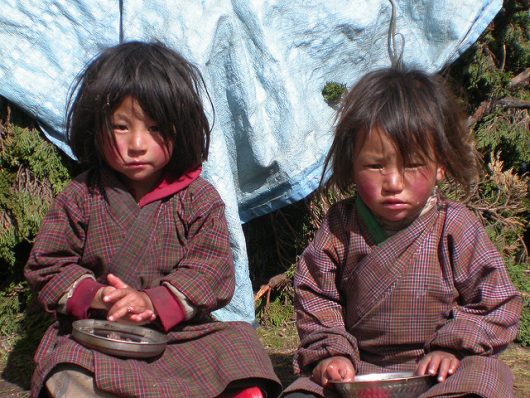
Bhutan has made tremendous strides over the last few decades toward ensuring all people have access to clean and safe drinking water. In 1990, only 72 percent of the population of Bhutan had access to an improved water source and only 67 percent in rural areas. Just over 20 years later, The World Health Organization (WHO), in its 2012 Global Analysis and Assessment of Sanitation and Drinking Water (GLAAS) for Bhutan, reported that now 98 percent of the population of Bhutan has access to an improved source of drinking water.
Room for Improvement
Despite these tremendous improvements, 13 percent of childhood deaths in Bhutan are attributed to diarrhea. The Center for Disease Control and Prevention (CDC) estimates 88 percent of diarrhea cases are caused by unclean water or improper sanitation facilities. Likewise, an estimated 30 percent of all health problems reported in rural areas of Bhutan stem at least partially from unsafe drinking water or improper sanitation methods.
Bhutan’s Ministry of Health and the Bhutanese Public Health Engineering Division recognize that a lack of access to clean water and sanitation facilities is still a major cause of death and disease. It also recognizes that rural areas are especially in need of better sanitation facilities. In response, improving access to clean water and to high-quality sanitation services has become a priority.
Accessing Sanitation Facilities in Bhutan
Having access to clean water and having access to proper sanitation facilities are intrinsically linked. Sanitation facilities that are not properly containing waste can pollute what otherwise would be a clean source of water. However, data from the WHO indicates a lack of access to sanitation facilities in Bhutan is by far the larger of the two issues. In 2012, when 98 percent of Bhutanese had access to an improved water source, only 47 percent had access to an improved sanitation facility. The problem is especially acute in rural areas, which contain 80 percent of those who lack access to sanitation facilities.
To continue improving access to clean water and sanitation facilities in Bhutan, the government teamed up with UNICEF’s WASH (water, sanitation and hygiene) program and formed the Rural Sanitation and Hygiene Program (RSAHP). RSAHP works in rural communities across Bhutan to promote proper hygiene and sanitation practices and to help communities develop improved sanitation facilities.
RSAHP was initially brought to three of Bhutan’s most rural districts. By 2017, all three had improved sanitation coverage by more than 95 percent. Since its inception, the program has now spread to more than 800 rural communities. RSAHP strives to empower these communities by educating people about the importance of proper hygiene and sanitation and helping communities mobilize existing resources and manpower to construct new, effective sanitation facilities.
Importance of Clean Water & Proper Sanitation
Access to clean water prevents numerous diseases, including cholera, typhoid, diarrhea, dysentery and dracunculiasis. It is also associated with rates of school attendance for girls and rates of women in the workforce. Without easy access to clean water, many girls and women are forced to spend their time accessing and transporting water and, as such, stop attending school or are unable to work. The progress Bhutan has made toward ensuring access to clean water and modern sanitation facilities will help ensure a better future for all.
– Abigail Dunn
Photo: Flickr
