• Link to X
  • Link to Facebook
  • Link to Instagram
  • Link to TikTok
  • Link to Youtube
  • About
    • About Us
      • President
      • Board of Directors
      • Board of Advisors
      • Financials
      • Our Methodology
      • Success Tracker
      • Contact
  • Act Now
    • 30 Ways to Help
      • Email Congress
      • Call Congress
      • Volunteer
      • Courses & Certificates
      • Be a Donor
    • Internships
      • In-Office Internships
      • Remote Internships
    • Legislation
      • Politics 101
  • The Blog
  • The Podcast
  • Magazine
  • Donate
  • Click to open the search input field Click to open the search input field Search
  • Menu Menu

Archive for category: Developing Countries

Information and stories about developing countries.

Developing Countries, Global Poverty, Poverty, Poverty Reduction

What is the International Poverty Level?

Poverty Level
The word poverty is common in discussions of politics, global issues, health and education around the world. Although many organizations are working to put an end to poverty, the general public often has many questions surrounding this prevalent topic. What does it mean to be in poverty and what is the poverty level?

The most recent poverty level set in 2015 stated that an adult making less than $1.90 a day is in poverty. People could questions surrounding the poverty level from a variety of perspectives. Politicians often use it around the globe to allot aid and develop economic policy, but mathematicians can also use it to compare the rates of poverty among countries and solution-oriented NGOs can use it to understand the root causes of poverty. In today’s era, one hefty debate revolves around the impacts of globalization on poverty-ridden countries. This is just one context in which the poverty level is a useful tool in decision making and analysis.

Who Determines the Poverty Level?

The World Bank sets the international poverty line and it fluctuates over time based on how the cost of living changes around the world. To calculate a shared poverty level internationally, the World Bank takes the poverty threshold from each country and converts it into a common currency. It does this using Purchasing Power Parity (PPP), which creates equilibrium among currencies so that the same basket of goods in two different countries will receive the same pricing in each country. PPP is an economic theory that allows the World Bank to put each country’s income and consumption data in globally-comparable terms to ensure that the same quantity of goods and services receive equitable pricing across countries.

Why is it Important to Measure Poverty Levels?

Developed nations, such as the U.K., debate the costs of living and raises in income. In low-income countries, analyzing poverty levels is important for targeting development initiatives and evaluating economic progress over time. For instance, The Rural Support Programmes in Pakistan work to identify needs in rural communities and improve the delivery of basic goods and services in these areas. These programs use poverty levels to evaluate their work and support development initiatives in the area.

Who Lives in Poverty?

The U.N. estimates more than 700 million people live in extreme poverty around the world, struggling to fulfill the basic necessities of life. About 70 percent of these people live in Southern Asia and sub-Saharan Africa, however, these issues affect developed countries as well. Estimates determine that there are 30 million children growing up near or below the poverty line in the world’s richest countries.

What are the Causes of Poverty?

The causes of poverty are diverse and far-reaching, but they often include unemployment, social exclusion, conflict, natural disasters, disease and other phenomena that prevent them from accessing the resources they need to be productive and make a living.

With an estimated four million people living in extreme poverty, the Democratic Republic of the Congo currently has one of the highest poverty rates in the world. Although the country has access to many natural resources, political unrest has plagued it in recent years. The Democratic Republic of Congo has suffered through continual corruption of political officials that has stifled development so that it remains nearly impossible to easily access or extract any of the country’s natural resources. Therefore, it remains difficult to make a living, or even have access to the basic necessities of food and water.

Despite the dismal numbers, some organizations are making huge strides in overcoming global poverty. Organizations like Oxfam International have made it their objective to reduce worldwide poverty. Working in over 90 countries and directly reaching millions of people each year, Oxfam primarily tackles issues of inequality and discrimination. It also provides direct aid in times of crisis and educates the world’s poor in an effort to impact the root causes of poverty at the political level.

Groups like Oxfam often utilize the international poverty level to assess and direct their efforts. Unfortunately, there is no magic solution to such a widespread problem. In order to solve the issue, though, everyone must first understand its causes. By implementing the poverty level system, the world should be on the right track to eradicate extreme poverty.

– GiGi Hogan
Photo: Flickr

September 30, 2019
https://borgenproject.org/wp-content/uploads/borgen-project-logo.svg 0 0 Kim Thelwell https://borgenproject.org/wp-content/uploads/borgen-project-logo.svg Kim Thelwell2019-09-30 07:30:212024-05-29 23:10:40What is the International Poverty Level?
Developing Countries, Development, Foreign Aid, Global Poverty

4 Countries Exceeding the Commitment for Foreign Aid Spending

The International Commitment for Foreign Aid SpendingCurrently, there is an international commitment among developed countries to spend 0.7 percent of their Gross National Income (GNI) on foreign aid. The goal for this aid is to assist the world’s poorest countries in developing sustainably. However, the majority of the richest countries in the world have not met this commitment. In fact, the United States ranked last in 2018 (27th) on the Commitment to Development Index (CDI) after only spending 0.18 percent on foreign aid. While the U.S. is reducing foreign aid spending, four countries are choosing to invest even more into developing countries than international commitment. They are doing so not only for humanitarian reasons but for strategic reasons as well.
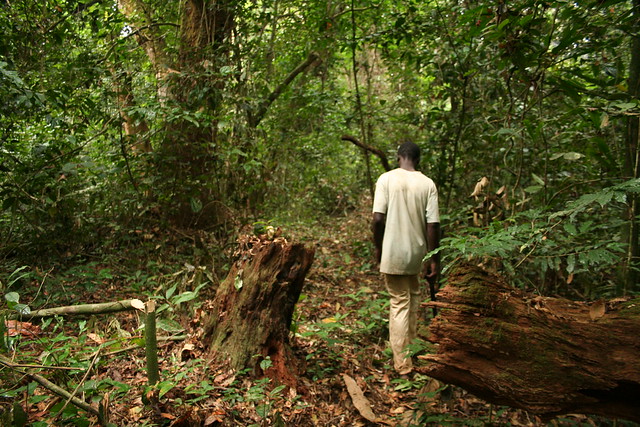
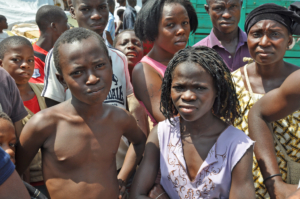
Here are the four countries exceeding the international commitment for foreign aid spending.

4 Countries Exceeding the Commitment for Foreign Aid Spending

  1. Denmark – In 2018, Denmark allocated 0.72 percent of its GNI to foreign aid. The majority of this amount took the form of bilateral aid, which means Denmark provided aid directly to foreign governments rather than international organizations. With its commitment to foreign aid spending, the country seeks to enhance its soft power and to reduce immigration to Denmark. Development Minister of Denmark Ulla Tørnæs stated, “Through our development work, we create better living conditions, growth and jobs in some of the world’s poorest countries and thereby help prevent migration.”
  2. Norway – Norway spent 1 percent of its GNI on foreign aid in 2018. Although the country directed a higher percentage of its GNI to foreign aid than Denmark, Norway’s quality of foreign aid is not as strong. According to the Center for Global Development, the country’s aid score has declined due to struggles in the transparency and learning categories. According to Børge Brende, the Former Minister of Foreign Affairs of Norway, foreign aid spending enhances Norway’s soft power and national security interests. Additionally, the promotion of business development in foreign countries “is a good example of how aid can be used as a catalyst to mobilize other, larger flows of capital.”
  3. Luxemburg – Luxemburg spent 1 percent of its GNI on foreign aid in 2018. Luxemburg’s aid score is quite high, ranking fifth out of 27 among CDI countries. As explained by the Organization for Economic Co-operation and Development (OECD), efficient bilateral foreign aid spending “enables Luxembourg to maximize its visibility, impact and international influence.” Currently, Luxemburg focuses its foreign aid spending in sub-Saharan Africa due to its particularly high rates of poverty.
  4. Sweden – At 1.01 percent, Sweden ranks first amongst developed nations for the highest percent of GNI directed towards foreign aid. Foreign aid has become a primary focus for Sweden due to the high influx of immigrants Sweden has taken in within the past few years. Like Denmark, Sweden sees foreign aid as an opportunity to reduce the inflow of immigrants by improving the economic conditions and overall wellbeing of developing countries. This high level of foreign aid spending is one of the main reasons why Sweden ranked eighth in the world in terms of soft power in 2018. In that sense, foreign aid spending is a long-term investment for Sweden because it helps Sweden manage immigration flow, build up the global economy and increase its influence on foreign countries. Since Sweden views foreign aid as an investment, the country heavily focuses on learning about the effectiveness of its foreign aid spending in order to maximize results.

Denmark, Norway, Luxemburg and Sweden all demonstrate that foreign aid spending is in the national interest of developed nations. Since these countries do not perceive foreign aid spending as a mere charity, they have become more incentivized than most other developed countries to provide high-quality aid.

– Ariana Howard
Photo: Flickr

September 30, 2019
https://borgenproject.org/wp-content/uploads/borgen-project-logo.svg 0 0 Kim Thelwell https://borgenproject.org/wp-content/uploads/borgen-project-logo.svg Kim Thelwell2019-09-30 01:30:342024-06-07 05:07:584 Countries Exceeding the Commitment for Foreign Aid Spending
Children, Developing Countries, Development, Education, Global Poverty, Health, Life Expectancy

10 Facts About Life Expectancy in Gabon

10 Facts About Life Expectancy in Gabon

Gabon, located on the west coast of Africa, is surrounded by Atlantic Ocean, Equatorial Guinea, Cameroon and The Democratic Republic of the Congo. Forest covers 85 percent of the country, and the population is sparse and estimated to be 2.17 million. Keep reading to learn the top 10 facts about the life expectancy in Gabon.

10 Facts About Life Expectancy in Gabon

  1. The average life expectancy in Gabon is 66.4 years. Males have a life expectancy of 65 years compared to 68 years for females as per the 2016 data from WHO. This is the highest life expectancy value for Gabon compared to 61 years in 1990.
  2. Gabon’s total expenditure on health care is 3.44 percent of its gross domestic product. From the total expenditure on health, 31.62 percent comes from private resources. The government spends 7.38 percent of its total budget on health. This is higher than the average of 4.2 percent expenditure on health in Central Africa and an average of 3.9 percent for low-and-middle-income countries.
  3. Gabon has a low density of physicians. The country has 26 physicians and 290 nurses for every 100,000 people. The WHO notes that a physician density of less than 2.3 per 1,000 population is inadequate for an efficient primary health care system.
  4. Maternal mortality and infant mortality rates have seen a downward trend since the 1990s. The maternal mortality rate is 291 per 100,000 live births compared to 422 per 100,000 live births in 1990. The infant mortality rate is 21.5 per 1,000 live births. Eighty-nine percent of births are attended by skilled personal. The rate of under-5 deaths is 48.5 per 1,000 live births. On average, women have 3.8 children during their reproductive years.
  5. HIV/AIDS is no longer the number one cause of death in Gabon. Deaths from HIV/AIDS have declined by 77 percent since 2007. Similarly, deaths from tuberculosis and diarrhea have reduced by almost 23 percent and 22 percent respectively over the 10-year period ending in 2017. The current number one killer in Gabon is ischemic heart diseases followed by lower respiratory infection and malaria.
  6. Malnutrition is considered the most important driver of death and disability in Gabon. Dietary iron deficiency is the most important cause of disability and has retained the top spot for more than 10 years. Sixty percent of pregnant mothers and 62.50 percent of under-5 children are anemic, severely affecting the health and life expectancy of these groups.
  7. Rolled out in 2008, Gabon’s Universal health insurance extends coverage to the poorest, students, elderly, public and private sector workers. Gabon uses the Redevance Obligatoire à l’assurance Maladie (ROAM) to fund health care insurance. This is a 10 percent levy on mobile phone companies’ turnover, excluding tax and a 1.5 percent levy on money transfers outside the country. Still, the out of pocket cost for health care accounts for up to 21 percent of the total cost.
  8. As of 2015, 41.9 percent of the population has access to improved quality of drinking water. Gabon is ranked as 150 out of 189 countries in sanitation. People practicing open defecation increased from 1.7 percent in 2000 to 3.03 percent in 2015. The World Wildlife Fund (WWF) is advocating and investing to promote clean water in Gabon.
  9. Immunization coverage is between 70-79 percent for children in Gabon per UNICEF data. Available statistics for BCG and DTP vaccine shows that 87 percent of children have been vaccinated.
  10. The literacy rate in Gabon is 82.28 percent for the population aged 15 years and above. This is below the global average of 86 percent. The literacy rate for men (84 percent) is slightly higher than women (79 percent).

– Navjot Buttar
Photo: Flickr

September 29, 2019
https://borgenproject.org/wp-content/uploads/borgen-project-logo.svg 0 0 Jennifer Philipp https://borgenproject.org/wp-content/uploads/borgen-project-logo.svg Jennifer Philipp2019-09-29 08:21:112024-05-29 23:12:5810 Facts About Life Expectancy in Gabon
Children, Developing Countries, Global Poverty, Life Expectancy

7 Facts about Life Expectancy in Côte d’Ivoire

10 Facts about Life Expectancy in Côte d'Ivoire
Côte d’Ivoire, or the Ivory Coast, is a West African country with one of the fastest-growing economies in the continent. However, its life expectancy at birth is one of the lowest in the world. Here are seven facts about life expectancy in Côte d’Ivoire.

7 Facts About life Expectancy in Côte d’Ivoire.

  1. According to the CIA World Factbook, Côte d’Ivoire’s life expectancy at birth is 60.1 years. Out of the 223 countries measured, Côte d’Ivoire ranks 209. This is 30 spots lower than its GDP per capita ranking.
  2. One of the main causes of Côte d’Ivoire’s low life expectancy is its alarmingly high infant-mortality rate. An estimated one out of every 16 babies born in Côte d’Ivoire dies, making it the number one cause of death in Côte d’Ivoire. This is the 14th highest rate in the world, but over the last 20 years, there has been a considerable improvement. According to Niale Kaba, Côte d’Ivoire’s planning and development minister, the country’s infant mortality rate has fallen from “112 for every 1,000 births in 1998 to 60 per 1,000 in 2016.”
  3. Côte d’Ivoire’s life expectancy is also being suppressed by its high birth rate and lack of quality health care for both newborns and mothers. The average age of a mother’s first birth in the Ivory Coast is roughly 19 years old and each woman will bear almost four children, on average. However, only 59 percent of births are overseen by a skilled birth attendant. The young age of mothers and the lack of health professionals guiding them through their pregnancies contribute to the Ivory Coast’s ranking of 12th highest maternal mortality rate in the world.
  4. A considerable lack of accessible sanitation facilities and clean water makes much of the Ivory Coast’s population susceptible to disease. Around half of the schools in Côte d’Ivoire do not have toilets or water, forcing students to walk up to a kilometer just for clean water. Additionally, 60 percent of families do not have the means to regularly wash their hands with soap and water. These dangerous conditions increase the likelihood of death from preventable diarrheal diseases, which are the sixth deadliest condition in Côte d’Ivoire.
  5. Alarmingly, 24,000 people die from HIV/AIDS in Côte d’Ivoire each year, the 10th highest rate in the world. While it no longer causes the most deaths in the Ivory Coast, every day five teenagers are infected with HIV/AIDS. Modern scientific treatments like antiretroviral therapy have been remarkably successful at combating this crisis, but less than 30 percent of HIV-positive children in Côte d’Ivoire are receiving the medication they need to survive. The lack of health care for these children is one of the main drags on the country’s life expectancy, with more than 50 percent of HIV-positive children not on medication dying before the age of 2.
  6. Education is one of the main drivers of increased life expectancy. Unfortunately, only 65 percent of Ivorian children are completing primary school. Additionally, less than half of the country is literate mostly due to prohibitive fees associated with schooling which excludes poor families. This lack of education severely limits the economic opportunities for the entire country. Experts agree that improving education in Côte d’Ivoire would increase the number of skilled laborers and lead to higher wages, a better quality of life and improved life expectancy. The International Cocoa Initiative has worked with over 600 communities to help get more children out of the fields and into school. They have seen a remarkable 20 percent increase in school participation rates, showing that there is hope for the future generations of Ivorians.
  7. UNICEF has been crucial in helping the people of Côte d’Ivoire, funding numerous programs that have produced a substantial quality of life improvements. Whether it be offering HIV/AIDS testing, providing community wells or helping children escape dangerous working conditions, UNICEF is making a difference throughout the Ivory Coast. Groups like Action Against Hunger have followed in UNICEF’s footsteps, partnering with Côte d’Ivoire’s government to help run 12 community health establishments and providing 29,900 families with access to clean water.

While these seven facts about life expectancy in Côte d’Ivoire can be hard to grapple with, there is evidence that conditions are getting better. Improving access to education, medicine, healthcare and many other necessities will undoubtedly help pull millions of Ivorians out of poverty. With help from the international community, 20 years from now an article titled 10 facts about life expectancy in Côte d’Ivoire might not look so glum.

– Myles McBride Roach
Photo: Flickr
September 27, 2019
https://borgenproject.org/wp-content/uploads/borgen-project-logo.svg 0 0 Kim Thelwell https://borgenproject.org/wp-content/uploads/borgen-project-logo.svg Kim Thelwell2019-09-27 15:26:052024-05-29 23:12:227 Facts about Life Expectancy in Côte d’Ivoire
Developing Countries, Development, Global Poverty, Health

Access to Medicine in Developing Countries

Access to Medicine in Developing Countries
In the late 1990s, large pharmaceutical companies priced their HIV/AIDS medications at an exorbitant $15,000 a year, barring people from access to medicine in developing countries who suffered the most from the epidemic and raising public outcry across the world. Pharmaceutical companies defended their right to maintain these prices in the name of protecting their patent of these medical, life-saving drugs.

The good news is, leading pharmaceutical companies in recent years have turned their focus to helping the poor, in what they call “equitable pricing strategies.” This strategy targets middle-to-lower income countries. Large companies have priced HIV/AIDS medication for only $100 a year, a drastic decrease since the 1990s, and have made treatments for malaria, tuberculosis, hepatitis C and some cancers accessible in developing countries.

Impact of These Changes

Nearly 20 million Africans are on HIV/AIDS medication now, a statistic that stands in stark contrast to the thousands of people that died of HIV/AIDS each day in Africa 20 years ago due to the lack of access to medicine in developing countries.

The Access to Medicine Index ranks pharmaceutical companies on how accessible and affordable their medicine is. It ranked 20 of the world’s largest (research-based) pharmaceutical companies, indicating a healthy trend towards affordable medicine that can go to those most affected by common illnesses and diseases.

The Access to Medicine Foundation performs a deep analysis of these companies. For example, the foundation observes whether companies pay attention to the socioeconomic statuses of their customers in order to tailor the prices of their medicine effectively. The foundation has also remarked that large pharmaceutical companies have departed from previous policies and have granted licenses to generic drug companies who can produce a greater quantity of medicine at a lower price.

Cause of These Changes

Statistics show disparities between the health of high-income and low-income populations. In 2011, the life expectancy between high and low-income countries was as extreme as a 36-year gap. Given such a difference, it makes sense that pharmaceutical companies have specifically researched and developed cures for five main illnesses, including lower respiratory infections, diabetes, hepatitis, HIV/AIDS and malaria, that lead to premature deaths. It did this by improving access to medicine in developing countries.

FDA Involvement

The U.S. Food and Drugs Association (FDA) has also taken part in global health and access to medicine crisis in developing countries. The FDA awarded $50,000 to four companies and $25,000 to two companies during its National Capital Consortium for Pediatric Device Innovation. These six companies received awards for their innovative solutions for childcare, ranging from devices that diagnose spinal deformities to technology that cleans central-line associated bloodstream infections. Developing and investing in these technologies could have huge impacts on access to medicine in developing countries where child mortality still poses a serious threat.

Growth for Big Pharma

There are also economic reasons for these changes in the pharmaceutical industry. Research has shown that improving public health boosts the economy. Even incremental improvements in life expectancy can increase yearly economic growth rates by nearly 0.5 percent. As populations become healthier, it increases the demand for medicine. Consequently, pharmaceutical companies have witnessed growing revenues from emerging markets in developing countries. In fact, two large pharmaceutical international companies, AstraZeneca and Sanofi, receive a third of their revenues from developing markets. In short, improving access to medicine in developing countries means future profits for pharmaceutical companies.

The Upshot of These Changes to Access of Medicine in Developing Countries

Despite all the progress that pharmaceutical companies have made, there is still a persistent problem they will only invest and research in drugs that they think will make a profit. Drug prices are often high because of rebates, the cost of taking on risks for development and research of life-saving drugs and fees for intermediary pricing companies. In order to change these persistent industry practices, public pressure seems to play the strongest role, especially in America.

The continued change will come from the convincing of top leadership in pharmaceutical companies to focus on helping the world’s poor and sick, especially in developing countries. For example, under the direction of former Chief Executive, Andrew Witty, for GSK, a British-based pharmaceutical company which has always ranked first on the Access to Medicine Index, has pledged to do as much as he could for the poor in Africa and Asia. It is up to large pharmaceutical companies to set the tone in this new era of providing access to medicine in still developing countries.

–  Luke Kwong
Photo: Pixabay

September 25, 2019
https://borgenproject.org/wp-content/uploads/borgen-project-logo.svg 0 0 Jennifer Philipp https://borgenproject.org/wp-content/uploads/borgen-project-logo.svg Jennifer Philipp2019-09-25 09:30:192024-05-29 23:12:38Access to Medicine in Developing Countries
Developing Countries, Development, Global Poverty

What to Know About the Global Fragility Act

the global fragility act
The Global Fragility Act of 2019 (H.R.2116/S.727) is one of the first-ever whole-of-government efforts to recognize regions where violent conflict exists or could potentially arise and address those issues through diplomatic, development and security efforts. Its main goal is not only to stabilize these areas but also prevent the emergence of violent conflict in countries that are at a higher risk or are more fragile due to a lack of governance and economic opportunity, as well as extreme poverty.

What Is the Problem?

With the current levels of humanitarian crises and extreme poverty worldwide, there is a great need for a bill like the Global Fragility Act. Globally there are over 134 million people that are in need of aid with the main causes being conflict and natural disasters. Additionally, over 550,000 people die annually as a result of violence, which has led to an increase in the need for aid from $3.5 billion in 2004 to about $20 billion currently. Unfortunately, when some provide assistance to address these issues, places mostly use it to address the consequences of violence rather than the root causes.

What Is the Global Fragility Act?

The Global Fragility Act is a bipartisan measure that will steer away from the focus placed on the symptoms of violence and instead solve the problem before it starts. It covers 12 different goals which will address the causes of fragility such as instability, weak governance and a lack of economic opportunities. The bill will resolve these issues by enhancing stabilization in the areas where conflict is prevalent.

According to the Friends Committee on National Legislation, the bill aims to “establish an interagency initiative/strategy to reduce fragility and violence, select pilot countries where the U.S. will implement the initiative, provide critical funds for stabilization, prevention and crisis response, [and] mandate evaluation and accountability.”

The inter-agency initiative is the first of its kind and will include the joint efforts of the U.S. State Department, Defense Department and USAID. These agencies will select countries and regions where conflict and violence are the most prevalent based on the most current data available regarding fragility, violence and number of people forcibly displaced, among other indicators. Additionally, the Global Fragility Act will also establish the Stabilization and Prevention Fund and the Complex Crises Fund. The Department of State and USAID will manage these with the intention of taking preventative or responsive measures to crises. Furthermore, the Act will also establish indicators to monitor the progress in the pilot regions, while also requiring the agencies involved to send biennial reports to Congress regarding how the program has developed in each region.

Who Are Its Sponsors?

The Global Fragility Act is a bipartisan effort given that it addresses issues that go beyond party adherence. As has been mentioned there are two versions of this bill, the House H.R.2116 bill and the Senate S.727 bill. Sponsors for the House bill include the following: Representatives Engel (D-NY), McCaul (R-TX), A. Smith (D-WA), Wagner (R-MO), Keating (D-MA) and Rooney (R-FL).

The senators in support of the S.727 bill include Senators Coons (D-DE), Graham (R-SC), Merkley (D-OR), Rubio (R-FL) and Young (R-IN). There are a number of additional supporters, but these are the main sponsors, as well as the ones who introduced the bills to their respective chambers.

Where Does It Stand Now?

Currently, the Global Fragility Act has passed in the House of Representatives; however, it has yet to be approved in the Senate. On June 25, 2019, the Bill went to the Senate for consideration. Once the Senate approves it, it will then move on to the President to sign into law. However, everyone needs to support it for it to receive approval. The U.S. public can involve themselves and help turn this bill into law. U.S. senators are only a call, email or letter away. Constituents can find their senator’s contact information here and they can email Congress here. Voicing support for this bill would not only contribute to raising people out of poverty but also strengthening U.S. national security.

– Laura Rogers
Photo: Pixabay


September 24, 2019
https://borgenproject.org/wp-content/uploads/borgen-project-logo.svg 0 0 Kim Thelwell https://borgenproject.org/wp-content/uploads/borgen-project-logo.svg Kim Thelwell2019-09-24 07:30:312019-09-21 18:32:47What to Know About the Global Fragility Act
Developing Countries, Development, Global Poverty

4 Microlending Organizations that Empower the Poor

Microlending Organizations
In the fight against global poverty, one hot-button issue is how to provide aid without the implication of paternalism, the idea that one person or group knows the interests of another group better than that group knows its own interests. Tariq Fancy, the founder of the nonprofit The Rumie Initiative, recalls hearing a Kenyan relative’s view on problems with international aid, saying “don’t walk in assuming that from your perch in North America you figured out all the answers for Africa.” Putting resources and power in the hands of communities both provides aid and acknowledges that they can make decisions about local interests. Microlending organizations have the power to do just that

Microloans are small loans at low-interest rates. Individuals living in poverty often have difficulty securing loans from traditional financial institutions due to a lack of borrowing history and assets to use as collateral. Even when people can get loans, interest rates are often high. People often use microloans to finance small businesses in their early stages, enabling people to overcome barriers and progress toward lifting themselves and their families out of poverty.

Microlending organizations can also issue loans for community projects, like building wells or funding schools. Microlending organizations typically, but not always, issue loans funded by individuals rather than by banks or other financial institutions. Here are four companies and organizations that use microlending in different forms to empower people living in poverty.

Four Microlending Organizations that Empower the Poor

  1. Kiva: Kiva crowdfunds loans from people around the world and uses partners to issue them. The nonprofit has enabled the funding of more than $1.33 billion in loans. Kiva emerged in 2005 and has partnerships with financial institutions throughout the world, where it transfers the crowdfunded money. The local field partners then loan money to Kiva’s lenders. Kiva has a 96.8 percent repayment rate and operates in 78 countries. On Kiva’s website, lenders can sort loans by region or category, such as agriculture, women and eco-friendly.
  2. Zidisha: Zidisha is the first direct person-to-person microlending service that focuses on entrepreneurs and job creation. Its name” comes from the Swahili word meaning “grow.” Unlike Kiva, Zidisha does not loan through financial institutions but facilitates direct lending between people. Zidisha’s loans total more than $16 million and have financed more than 240,000 projects.
  3. Building Resources Across Communities: Building Resources Across Communities (BRAC) is the largest non-governmental development organization in the world in terms of number of employees. Hasan founded BRAC in 1972 and it employs more than 120,000 people in 11 countries. BRAC has a microfinance program, primarily in Bangladesh, which has loaned to 5.6 million borrowers, 87 percent of whom are women. Unlike Kiva and Zidisha, which operate person-to-person lending services, BRAC distributes loans to lenders on its own using donations and other funds. BRAC also does work unrelated to microfinance, investing in schools and in water, hygiene and sanitation services.
  4. Women’s Microfinance Initiative (WMI): Women’s Microfinance Initiative (WMI) began issuing loans in 2008 and trains local women in managing loan hubs. WMI has loaned more than $4.5 million to rural women in amounts of $100 to $250 at an interest rate of 10 percent. According to WMI, 99 percent of its borrowers report doubling their income within six months of being involved in the program. WMI reports a 98 percent repayment rate.

The efficacy of microlending in pulling people out of poverty is up for debate, but some cases have shown promising results. A microfinance program in Uzbekistan resulted in 71 percent of participants reporting an increase in food intake quality. One study showed that when a microfinance program was put in place, there was an 18 percent decline in extreme poverty. While different studies report differing results, microlending organizations like Kiva, Zidisha, BRAC and WMI have certainly been a success.

– Meredith Charney
Photo: Flickr

September 23, 2019
https://borgenproject.org/wp-content/uploads/borgen-project-logo.svg 0 0 Kim Thelwell https://borgenproject.org/wp-content/uploads/borgen-project-logo.svg Kim Thelwell2019-09-23 07:30:172024-05-29 23:10:384 Microlending Organizations that Empower the Poor
Advocacy, Developing Countries, Development, Economy, Food & Hunger, Food Security, Global Poverty, Health, Poverty

5 Facts About Venezuela’s Failing Economy

Venezuela's Failing Economy
People know Venezuela as one of the most diverse environments in the world because of its natural features, landscape and wide range of wildlife. Venezuela has massive oil reserves and ranks in the top list among countries such as Saudia Arabia, Canada and Iran, making it the most urban country in Latin America. However, in only approximately six years, the country has seen a drastic economic decline. Venezuela’s failing economy has placed the country in headlines across the world. This article will highlight a few casualties resulting from Venezuela’s financial crisis, as well as evaluating its causes.

The Impacts of Venezuela’s Economic Crisis

The extended effects of Venezuela’s economic crisis are hitting those who choose to remain in the country the hardest. Venezuela’s failing economy has led to a severe shortage and rationing of resources, including food, water and electricity. Despite the country being oil-rich, many Venezuelan’s are questioning why they are struggling. “It’s so unfair; we are such a rich country. It’s not fair that this is happening,” Jakeline Moncada told the Washington Post.

Many turn to natural water reserves despite safety concerns as these reserves often come from sewage drains leading to the spread of preventable diseases. Meanwhile, frequent power outages have caused water sanitation facilities to cease proper function. Physicians have noticed an increase in illness that commonly results from contaminated water and food, such as amoebiasis.

Estimates determine that more than 60,000 Venezuelans who started treatment for HIV now lack access to antiretroviral medications as a result of Venezuela’s failing economy. Many Venezuelan’s that could afford medical services before, now experience challenges attempting to access medical and health services. As a result, those dependent on medications must make costly trips to neighboring countries or hope to find donated medicines from organizations outside of the government.

As Venezuela’s economy has drastically decreased, a survey that the country’s top universities conducted estimated that more than two-thirds of the population lives below the poverty line. As the country experiences hyperinflation of 1.7 million percent, many families cannot afford to feed themselves more than one meal a day. Various organizations have ceased publishing the statistics of the country after specific data showed significant negative changes. For example, The Health Ministry stopped reporting data in 2017 after reports indicated a high rise in infant mortality rates. After the inflation rates suddenly rose, Venezuela’s central Bank discontinued publishing its figures in 2016. In this instance, Venezuelan organizations stopped sharing information once the statistics showed unfavorable characteristics.

Accessibility

Venezuela’s failing economy has led to difficulty accessing resources like medicare, and as a result, nearly 10 percent of the Venezuelan population is emigrating to other countries. Although Venezuelans are having a few problems getting out of the country, there has been a more significant challenge getting resources in. The military has restricted many resources from passing through its borders or at least the areas where they have the right to. The Pemón community, which borders along Brazil, has spoken in support of permitting assistance through its territory. This region, known as La Gran Sabana, also contains the only paved crossing between the two countries.

When Nicolás Maduro became president in 2015, many nations did not consider him the country’s leader but rather Juan Guaidó, the Venezuelan opposition leader. As a result, Maduro severed the remaining diplomatic relations between Venezuela and the U.S. as well as ceasing the accessibility of aid into Venezuela. Maduro has resisted outside assistance, describing the efforts as the United States desiring to meddle in Latin American affairs. However, many believe that the sudden decline results from mismanagement of funds and corruption.

Venezuela has several countries willing to provide support as it endures this period of financial difficulty. It will only receive this aid if its government allows, though, as it regulates the resources that pass through its border. Once nations can establish a common interest and agree on how to address the issue, Venezuela’s reconciliation can begin.

– Kimberly Debnam
Photo: Flickr


September 21, 2019
https://borgenproject.org/wp-content/uploads/borgen-project-logo.svg 0 0 Jennifer Philipp https://borgenproject.org/wp-content/uploads/borgen-project-logo.svg Jennifer Philipp2019-09-21 11:35:532020-01-07 12:16:145 Facts About Venezuela’s Failing Economy
Developing Countries, Global Poverty, Health

5 Feminine Product Companies that Give Back to Women

Feminine Product Companies that Give Back For people living in extreme poverty around the world, access to basic needs such as food, water, shelter and medical care is a daily struggle. In addition to this, women face another challenge — access to menstrual products like pads and tampons. In fact, 1 million women worldwide cannot afford sanitary products. This issue, called “period poverty,” is one that many people and organizations are trying to combat. Here are five feminine products that give back to women around the world.

5 Feminine Product Companies that Give Back to Women

  1. Cora – Cora is a company that sells organic tampons whose mission is to fight period poverty. Cora uses a portion of its monthly revenue to provide sustainable period management for women in India. The company also empowers women through employment and education opportunities. According to the company website, “with every Cora purchase, we provide pads and health education to a girl in need. We use the power of business to fight for gender equality and to provide products, education and jobs to girls and women in need in developing nations and right here at home.”
  2. Lunapads – Lunapads is a feminine product company that has been supporting menstrual and reproductive health as well as access to period education in the Global South since 2000 through an organization called Pads4Girls. Pads4Girls educates women about healthy and economically efficient period products, such as the use of washable cloth menstrual pads and underwear that can last for years. Pads4Girls has helped to supply 100,000+ reusable menstrual pads and period underwear to more than 17,000 menstruators in 18 different nations.
  3. Days for Girls – Days for Girls is an international organization whose mission is to address global issues surrounding period poverty and provide education and access to menstrual products to those living in poverty. The organization has been working to achieve this goal by developing global partnerships, cultivating social enterprises, mobilizing volunteers and innovating sustainable solutions that shatter stigmas and limitations for women and girls. To date, the Days for Girls movement has reached 1 million girls and counting.
  4. Bloody Good Period – Bloody Good Period is a period company based in the U.K. Gabby Edlin, the founder of the company, decided to do something about creating a sustainable flow of menstrual products for those who cannot afford them in the U.K. Bloody Good Period also sells merchandise and hosts events that highlight the stigmas around menstrual health and issues surrounding period poverty. The organization supplies 25 asylum seeker drop-in centers based in London and Leeds and supplies food banks and drop-in centers across the U.K. with period supplies.
  5. Sustainable Health Enterprises (SHE) – Sustainable Health Enterprises (SHE) is an organization whose main goal is to help women in Rwanda jumpstart locally owned franchises and businesses to manufacture and create affordable and eco-friendly pads. SHE works with local businesses to produce these pads with local farmers and manufacturing teams and works with these businesses on making pads affordable for those around the country. SHE also trains community health workers on how to provide education to boys and girls about puberty and menstrual hygiene. So far, SHE has allowed 60,101 girls and women living in poverty to have access to pads, and its mission has reached 4.3 million people through advocacy and social media.

Although the issue of period poverty continues to be a constant struggle for women and girls around the world, these were five feminine products that give back to women.

– Natalie Chen
Photo: Flickr

September 20, 2019
https://borgenproject.org/wp-content/uploads/borgen-project-logo.svg 0 0 Kim Thelwell https://borgenproject.org/wp-content/uploads/borgen-project-logo.svg Kim Thelwell2019-09-20 01:30:212019-10-13 12:03:325 Feminine Product Companies that Give Back to Women
Developing Countries, Global Poverty, Health

Ways to Fight Ebola in the DRC

Ways to Fight Ebola in the DRCThe Democratic Repulic of the Congo (DRC) has been ravaged by violence and a deadly Ebola epidemic. Thousands have died, however, there may be hope on the horizon. A vaccine and cure for the terrible virus may soon end the years of pain and suffering caused by Ebola. Here are some ways to fight Ebola in the DRC.

Ebola in the DRC

The Congo has dealt with Ebola outbreaks before and managed to contain them before they grew out of control. The current outbreak, however, is proving to be difficult to contain as there have been more than 2,500 cases. Almost 1,800 people have died and the virus is spreading fast. With cases having been confirmed in neighboring Uganda, the World Health Organization says that there is a high risk that Ebola could spread into Rwanda and South Sudan as well. 

Challenges

The main obstacles to containment are a mistrust of doctors and violent conflict. Unfortunately, violent conflicts spill over into clinics where doctors are attacked for providing life-saving treatments for Ebola patients. In addition, a recent study found that almost 25 percent of Congolese people think Ebola is fake due to a lack of trust and the spread of misinformation. Some people even believe that Ebola is a money-making scheme and a way to suppress voters. Unfortunately, distrust means many Congolese avoid formal health care and decline vaccines.

Potential Cure

Scientists have been trialing two new antibody-based treatments. The success of these two treatments has been so great that Ebola may no longer be considered incurable. The two drugs, REGN-EB3 and mAb-114, have both increased survival rates to around 90 percent. REGN-EB3 is a drug invented by the pharmaceutical company Regeneron. mAb-114 is an antibody that was drawn from the blood of an Ebola survivor.

Recently, both treatments were involved in a study to test their effectiveness in comparison with the current drug Zmapp that has a mortality rate of 49 percent. The two new drugs, REGN-EB3 and mAb-114, were both found to have mortality rates under 35 percent. Even more encouraging, the mortality rates for the two drugs drops to below 15 percent when patients are treated as soon as they are infected. A major obstacle in the fight to control the epidemic is that patients wait a long time to seek medical attention. The new more effective treatments could convince people to seek help earlier since their mortality rates are better than the older treatments.

Possible Vaccine

American pharmaceutical company Merck has created an experimental vaccine that has proven to be very effective. Merck uses ring vaccination to vaccinate those who have come in contact with an Ebola patient. Using this method, almost 200,000 people in the DRC and its neighboring countries no longer have to worry about contracting Ebola. The vaccine has given 97 percent protection for those who have taken it. The United States Department of Health and Human Services recently announced that it will fund Merck’s vaccine production, with a $23 million investment signaling good news in the fight to contain (and prevent) Ebola in the DRC.

– Gaurav Shetty
Photo: Flickr


September 20, 2019
https://borgenproject.org/wp-content/uploads/borgen-project-logo.svg 0 0 Kim Thelwell https://borgenproject.org/wp-content/uploads/borgen-project-logo.svg Kim Thelwell2019-09-20 01:30:202024-05-29 23:12:56Ways to Fight Ebola in the DRC
Page 99 of 157«‹979899100101›»

Get Smarter

  • Global Poverty 101
  • Global Poverty… The Good News
  • Global Poverty & U.S. Jobs
  • Global Poverty and National Security
  • Innovative Solutions to Poverty
  • Global Poverty & Aid FAQ’s
Search Search

Take Action

  • Call Congress
  • Email Congress
  • Donate
  • 30 Ways to Help
  • Volunteer Ops
  • Internships
  • Courses & Certificates
  • The Podcast
Borgen Project

“The Borgen Project is an incredible nonprofit organization that is addressing poverty and hunger and working towards ending them.”

-The Huffington Post

Inside The Borgen Project

  • Contact
  • About
  • Financials
  • President
  • Board of Directors
  • Board of Advisors

International Links

  • UK Email Parliament
  • UK Donate
  • Canada Email Parliament

Get Smarter

  • Global Poverty 101
  • Global Poverty… The Good News
  • Global Poverty & U.S. Jobs
  • Global Poverty and National Security
  • Innovative Solutions to Poverty
  • Global Poverty & Aid FAQ’s

Ways to Help

  • Call Congress
  • Email Congress
  • Donate
  • 30 Ways to Help
  • Volunteer Ops
  • Internships
  • Courses & Certificates
  • The Podcast
Scroll to top Scroll to top Scroll to top