• Link to X
  • Link to Facebook
  • Link to Instagram
  • Link to TikTok
  • Link to Youtube
  • About
    • About Us
      • President
      • Board of Directors
      • Board of Advisors
      • Financials
      • Our Methodology
      • Success Tracker
      • Contact
  • Act Now
    • 30 Ways to Help
      • Email Congress
      • Call Congress
      • Volunteer
      • Courses & Certificates
      • Be a Donor
    • Internships
      • In-Office Internships
      • Remote Internships
    • Legislation
      • Politics 101
  • The Blog
  • The Podcast
  • Magazine
  • Donate
  • Click to open the search input field Click to open the search input field Search
  • Menu Menu

Archive for category: Developing Countries

Information and stories about developing countries.

Developing Countries, Global Poverty, Health, Sanitation

10 Facts About Sanitation in Mexico

10 Facts about Sanitation in Mexico
Although Mexico is still recovering from the Latin American Recession in 2008, the Mexican government is rebuilding infrastructure and has made strides to improve the country’s sanitation. Below are 10 facts about sanitation in Mexico and how the country is successfully mitigating its sanitation issues.

10 Facts About Sanitation in Mexico

  1. Sanitation in Mexico has improved drastically in the last three decades. Piped water supply to urban areas has increased from 88 percent to 93 percent, rural areas from 50 percent to 74 percent and overall access to sanitation from 64 percent to 85 percent. While these statistics are encouraging, Mexico still struggles to provide its citizens with safe drinking water, which causes both water scarcity and decreased access to safe utilities.
  2. The Mexico Water Utilities Efficiency Improvement Project, which implemented in 2015, installed 500 household meters, performed maintenance on existing pumps and trained 670 utility staff members to increase the efficiency of the water systems in Mexico. Over 20,000 individuals living in urban now have access to consistent water supplies and better sanitation.
  3. The Bill Ford Better World Challenge awarded a grant of $60,000 to projects to improve sanitation in Mexico. This grant went towards a community center in Guayacan that provides clean and running water to residents. It also went towards the installation of 750 filtration systems in private homes. This will increase private and public access to filtered water in Guayacan.
  4. Since 2001, Mexico has decreased its mortality rate from 122.7 per 100,000 people per year to 7.3 per 100,000 people per year. Investment in infrastructure since 2013 alone has increased to $471 million. This investment into sewer coverage, wastewater treatment plants and piped water sources are responsible for the significant decline in the mortality rate. Since 2001, malnutrition has decreased from 4.4 percent to 3.6 percent, anemia has decreased from 30.4 percent to 28.20 percent and agricultural practices have improved significantly.
  5. Community participation in sanitation efforts in Mexico is waning. While the Mexican government has been increasingly active in its efforts to combat sanitation issues, citizens have a moderate to low rate of participation and usage of sanitization. This is likely due to a lack of sanitation information distributed to rural populations.
  6. The United States and Mexico Border Water Infrastructure Program has increased collaboration between the United States and Mexico to increase water quality. While this program began in 1983, it has grown exponentially in recent years. In 2011 alone, the program has successfully brought clean water to 55,000 homes and provided wastewater services to 500,000 homes in Mexico. This has helped preserve rivers in border communities and increase access to clean water.
  7. Solid waste facilities in Mexico are working with private partners to help close the sanitation gap that state authorities left. While the facilities safely collect and store only 84 percent of solid waste, states are working with the private market to implement safe and effective waste strategies. The National Infrastructure Project aims to increase wastewater treatment by 15.5 percent in four years.
  8. Innovators and nonprofits are partnering to end the water crisis. By refining NASA’s Water Recovery System and the Oxygen Generation System, Concern for Kids has successfully donated devices to Mexico that provide cities and individuals alike with water purification systems that allow them to reuse water. This innovation, which implemented in 2012, has already provided drinking water to 800 villages in Mexico.
  9. The Morelos State Project is providing wells to increase the quantity of clean water available. In 2015, Rotary partnered with the government of Xochitepec to provide clean water to 6,000 individuals who did not previously have clean water access. Due to the success of the project, WASRAG is expanding its efforts to six other districts in Mexico.
  10. The focus on cleaning the New River in Mexico has decreased the quantity of bacteria, pesticides, trash and industrial run-off present in the river and in groundwater. The New River Improvement Project, which started in 2009, has successfully decreased bacteria tenfold, along with nitrate and phosphorus (dangerous organic compounds) which have dropped below detection rates. These efforts have decreased sanitation-related diseases, as well as increased water and air quality.

Despite the limited quality and quantity of clean water, Mexico is significantly increasing access to safe water supplies and making strides to resolve dangerous sanitation issues. Non-governmental organizations, foreign direct investments and the Mexican government are improving sanitation and decreasing diseases related to a lack of access to clean water. These 10 facts about sanitation in Mexico show both the progress in sanitation and the solutions others are proposing to existing problems.

– Denise Sprimont
Photo: Flickr

November 1, 2019
https://borgenproject.org/wp-content/uploads/borgen-project-logo.svg 0 0 Jennifer Philipp https://borgenproject.org/wp-content/uploads/borgen-project-logo.svg Jennifer Philipp2019-11-01 01:30:292024-05-29 23:13:3010 Facts About Sanitation in Mexico
Activism, Advocacy, Developing Countries, Global Poverty

Social Media Interactions In Eritrea

social media interactions in Eritrea
Eritrea is a nation located in the Horn of Africa boasting a population of just under 6 million people. Isaias Afwerki and the People’s Front for Democracy and Justice (PFDJ) have presided over the nation since 1993 having barred independently run news outlets and arrested journalists to crackdown on all opposition against the government. This crackdown had a serious effect on internet access in the country, as barely over 1 percent of the population has internet access as of 2019. While there is currently little information available on whether the Eritream government has plans to rectify this, there are ways that the citizens have made their strides to increase social media interactions in Eritrea and gain information with limited resources.

Working Around Barriers for Social Media Access

Just as only a tiny percentage of the population has internet access, approximately 1 percent of Eritreans interacted on social media as of January 2019. Access to social media is incredibly difficult, as the government regularly shuts down access to social media sites on numerous occasions. For example, it closed access to social media in the days leading up to the country’s Independence Day on May 24, 2019, forcing citizens to use proxy servers and VPNs to bypass those restrictions. The internet’s limited availability is an issue Eritrea currently struggles with, but Eritreans are using resources to work around restrictions to gain access to social media sites if need be.

News Outside of Eritrea

Government official Yemane Ghebremedkel stated on Twitter that 91 percent of households had a satellite carrier as of 2017. However, the Eritrean government has full control of the media in Eritrea and has jammed signals to limit any potential rival service. Alternative news sources have primarily come from outside Eritrea, one of which includes the Paris-based Radio Erena that former Eritrean journalists founded, which provides news about Eritrea without consequence. People in Eritrea proper have limited access, however. The government’s control of media and telecommunication services makes obtaining alternative news sources difficult, largely keeping the populous inline with the nation’s media. Alternative news sources such as Radio Erena serve Eritreans outside of the country but nevertheless provides news that the government currently does not report.

Social Media Revolution

Social media has become a powerful unit in uniting citizens to push movements for change inside Eritrea. Beginning in January 2019, the Twitter movement #EnoughIsEnough began after peace deals emerged between Eritrea and neighboring Ethiopia. People are using the platform as a way to bring forth demands to the Eritrean government to improve the country, most notably, in regard to freedom of speech. The #EnoughIsEnough movement also united voices inside and out of Eritrea, giving citizens a way to stand in solidarity against their government without the concern of physical clashes. The movement that social media powered managed to give a united voice to stand against the government in a more peaceful manner.

Increasing social media interactions in Eritrea has shown the potential to have a powerful effect when used for movements for change. While internet access as a whole is highly restrictive, making access to social media difficult, there are alternative methods for Eritreans to get their news and their government to hear their voices. Progress on Eritrea’s movements have been slow, but it will likely have a powerful effect on both those inside and outside of Eritrea.

– Henry Elliott
Photo: Flickr

October 31, 2019
https://borgenproject.org/wp-content/uploads/borgen-project-logo.svg 0 0 Lynsey Alexander https://borgenproject.org/wp-content/uploads/borgen-project-logo.svg Lynsey Alexander2019-10-31 12:45:072024-05-29 23:13:26Social Media Interactions In Eritrea
Developing Countries, Global Poverty, Poverty Reduction, United Nations, Water Sanitation

7 Facts About Poverty in Yemen

Facts About Poverty in Yemen
Yemen demonstrates extremely poor standards of life expectancy, education and overall living. Yemen’s ongoing political unrest has been a major cause of the country’s poverty. Regardless of the cause, poverty in Yemen is frightening. Here are seven facts about poverty in Yemen.

7 Facts About Poverty in Yemen

  1. Poor Country: Even prior to its political instability, Yemen was already the poorest country in the region spanning the Middle East to North Africa. It exhibits the lowest rank on the Human Development Index (HDI) among Arab states. Yemen also ranks 178 out of 189 countries on the HDI.
  2. Hunger and Malnutrition: The U.N. estimates that approximately 80% of Yemenis are vulnerable to hunger. About 14.3 million are in need of medical assistance to combat malnutrition along with other issues. Starvation, cholera, measles and dengue fever are some of the main culprits. Roughly 2 million children in Yemen are in immediate need of medical help because of acute malnutrition.
  3. Infant Mortality Rate: Poverty in Yemen contributes to its remarkably high infant mortality rate of 55.4 deaths under age 5 per 1,000 births. In comparison, the United States has a healthier infant mortality rate of 5.8 deaths per 1,000 births. Malnutrition contributes in large part to this statistic.
  4. Water: Almost 18 million Yemeni citizens simply have no access to clean water. UNICEF reports that only around 30% of the population uses piped drinking water services. Contaminated water results in many infant deaths. UNICEF does its best to keep this issue to a minimum in Yemen. It maintains the operational water supply systems in Yemen. It also monitors and disinfects the water supply in urban areas and provides WASH (water, sanitation and hygiene) humanitarian aid to displaced Yemeni citizens.
  5. Humanitarian Crisis: Consistent waves in currency depreciation continue to chip away at Yemen’s economy. As a result, inflation threatens and terrorizes the economy and its consumers. It also exacerbates this humanitarian crisis. The Yemeni rial, the official currency of Yemen, lost 75% of its value in the past four years. With a GDP of around $27 billion, Yemen must rely on humanitarian aid.
  6. Education: As poverty in Yemen continues to worsen, about 2 million children remain out of school. Unfortunately, this is due to a lack of teachers and schooling facilities. Without an educated population, Yemen will continue its impoverished conditions. Thankfully, UNICEF secured approximately $70 million for cash incentives for teachers in Yemen. In its efforts, UNICEF also provided access to education for more than 200,000 Yemeni children through the reconstruction of 18 schools and 218 school latrines.
  7. The Economy: Such a blow to the economy devastated Yemeni citizens on an individual level as well. The World Bank reports that more than 40% of households lost their main source of income, placing people under the poverty line. The country is struggling to lift its people out of impoverished conditions. However, the World Bank has several large-scale emergency grants dedicated to Yemen during its crisis. These grants will work with health and nutrition as well as electricity and agriculture.

Looking Ahead

Poverty in Yemen stems from a range of unfortunate events, primarily its state of political instability under Abdrabbuh Mansur Hadi. Such instability affects sanitation, infrastructure, economy and medical assistance. These seven facts about poverty in Yemen demonstrate areas of weakness where humanitarian aid can effectively assist. Organizations like UNICEF and the U.N. are already doing their part in the pursuit of aiding and providing for not only Yemen but many countries in similar situations. With UNICEF and the U.N.’s help, Yemen has a better chance of sustaining itself.

– Colin Crawford
Photo: Flickr

October 31, 2019
https://borgenproject.org/wp-content/uploads/borgen-project-logo.svg 0 0 Jennifer Philipp https://borgenproject.org/wp-content/uploads/borgen-project-logo.svg Jennifer Philipp2019-10-31 07:30:562024-05-29 23:13:317 Facts About Poverty in Yemen
Developing Countries, Development, Global Poverty, Poverty, Poverty Reduction

10 Facts about Poverty in Montenegro

Facts About Poverty in Montenegro

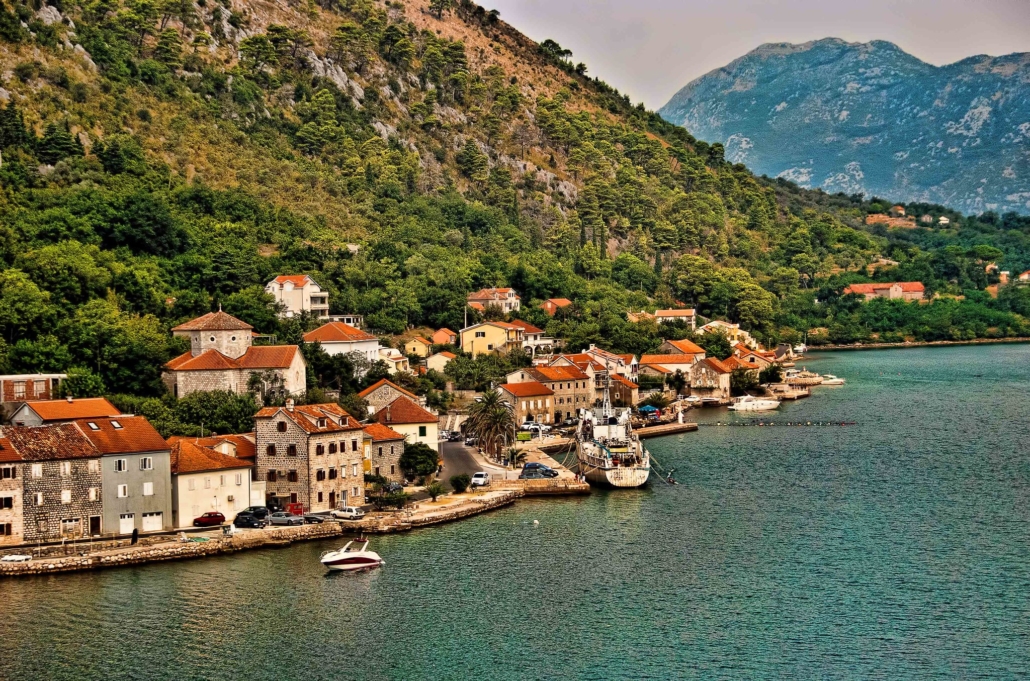
Montenegro has been an independent state since 2006. It is located in Southeastern Europe on the Balkan Peninsula. It is known for its magnificent coastline, limestone peaks and glacial lakes. However, the people of Montenegro face many challenges, including a national poverty rate of 22.6% in 2019. Below are 10 facts about poverty in Montenegro.

  1. Education: Most children in Montenegro attend primary school. In 2022, the enrollment rate of primary school-aged children was 101%. However, according to a World Bank press release, the quality of this education is not up to par. On average, students only get 8.6 years of quality education. Fortunately, recent action has occurred, resulting in reforms to the education policy that are in accord with the European Union (EU) legislation. The country is also working on programs to keep students from leaving school early. Educating the youth of Montenegro will improve their chances of having healthy and productive lives. It also boosts the economy and decreases poverty rates.
  2. Poverty in Urban and Rural Areas: Poverty has historically concentrated in the Northern, rural areas of Montenegro. The rural poverty rate was 11.3% in 2010. This was almost three times the urban rate of 4% that year. This is consistent with the global trend of development as many aspects of economic modernization only affect urban areas. In Montenegro, the rural population relies primarily on agricultural subsistence in the form of family farms. However, as urban development has spiked, young people have begun moving to the cities and suburbs. This has left the rural population to a generally older demographic, rendering the family farm model unsustainable.
  3. Gender Equality: While levels of education are relatively consistent across genders, the number of men in political positions largely outweighs the number of women who occupy only 24.7% of seats in parliament as of 2021. Men also tend to have higher incomes. 
  4. Tourism: The tourism industry accounts for about 25% of Montenegro’s gross domestic product (GDP). It currently brings in more than three times Montenegro’s population annually. Projections have determined that these numbers will increase as many new luxury tourism complexes are emerging along the coast. They will operate in conjunction with nearby boating and yachting facilities. This means that tourism, which currently generates approximately 7% of total employment, may provide 21.5% of jobs in Montenegro by 2028.
  5. Green Home: The future of the tourist industry in Montenegro relies on the natural health and beauty of the country. An organization called Green Home commits to addressing Montenegro’s existing ecological problems. It will use public advocacy to deal with issues like air and water pollution. Green Home has carried out many successful projects in Montenegro, including school recycling, strengthening hydropower regulations and the South East Europe Sustainable Energy Policy. Green Home has also contributed directly to the tourism industry with its support of local communities around Sasko Lake to implement tourist practices. Green Home’s projects allow tourism to flourish and, therefore, keep thousands of Montenegrins employed.
  6. Market Economy: Montenegro is transitioning to a market economy. So far, 90% of all companies and 100% of banking, telecommunications and oil companies have undergone privatization. Montenegro’s low corporate tax rate facilitated this process and encouraged foreign investors. Montenegro’s foreign investments per capita are now one of the highest in Europe, making it competitive on the international stage.
  7. The EU: Montenegro is a lead candidate for integration into the European Union. Projections have determined that it will be a member by 2025. This would solidify its trade relationships with other European countries and stimulate natural resource trade and production. This could lead to an increase in industry and create more jobs. Additionally, the EU’s rural development policy would help Montenegro lift its rural population out of poverty.
  8. Unemployment: Montenegro’s unemployment rate was 14.4% as of 2023. One of the main reasons that the rate is so high is that more than 16% of those living in Montenegro are unemployed. Some say it is a result of the high levels of education since most jobs in Montenegro are more blue-collar and often offered to foreign migrants. Regardless, unless unemployment decreases dramatically, especially for its youths, in the next few years, this could be a major challenge to Montenegro’s economic future.
  9. Welfare: State-sanctioned social welfare provides money and social work to those who struggle. However, there is not enough to go around. Only 44% of people under the poverty line receive welfare money. Additional help, such as child psychological services, is reportedly hard to come by. The United Nations (U.N.) has been working with the government in Montenegro to change this by providing funding through the #ENDViolence campaign. The campaign includes initiatives such as strengthening social work services and helping parents support their children through a variety of methods.
  10. NGO 4 Life: NGO 4 Life is a nonprofit organization working to help former drug addicts reintegrate into society in Montenegro. In 2012, the organization worked with Parliament to reverse a law that said people convicted of drug crimes had to go to prison. Through reforms, drug addicts were able to obtain rehabilitation in certain circumstances. The organization continues to launch projects to help recovering people with an addiction with the overarching goal of decreasing the unemployment rate in Montenegro.

These 10 facts about poverty in Montenegro show that the country’s future promises hope. In 2018, the World Bank Country Manager in Montenegro, Emanuel Salinas, stated, “We believe that the Government of Montenegro has understood that the prosperity of the country relies on equipping people with the skills and knowledge that are needed in a rapidly changing world.” He admits that this is no easy task but remains confident. Hopefully, the efforts of the government, along with those of various organizations mentioned above, will result in a significant change in the lives of Montenegrins.

– Madeline Esther Lyons
Photo: Flickr
Updated: May 27, 2024

October 31, 2019
https://borgenproject.org/wp-content/uploads/borgen-project-logo.svg 0 0 Jennifer Philipp https://borgenproject.org/wp-content/uploads/borgen-project-logo.svg Jennifer Philipp2019-10-31 01:30:192024-05-27 12:23:1010 Facts about Poverty in Montenegro
Developing Countries, Development, Food & Hunger, Global Poverty

Room for Improvement: Farming Systems in the Philippines

Farming Systems in the Philippines

Lack of technological prowess has historically been one of the key issues affecting farming systems in the Philippines. But there are other issues as well:

  • The input of harvests has not been matching up to the output of harvests which is leading to a loss in profits. This problem is due mainly to farm pests that are consuming or contaminating harvests, along with diseases ravaging the plantations. The disease problem, in particular, is further exacerbated by the fact that the main agricultural product that the Philippines produces is rice.
  • Due to a lack of crop diversity, large swaths of rice plantations often suffer from the same disease. Without the proper pesticides and fertilizer, there is not much that can be done for the Philippines to combat the problem. The national government has tried to solve this problem by importing other pesticides and fertilizers from other countries, but this is much more expensive than it would be for the country to make its own.
  • Many farmers lack the necessary education, training and skills to maintain thriving businesses. Inadequate infrastructure is an offshoot of this issue and many farmers do not have access to coveted irrigation systems or milling towers which are essential for creating a sustainable agricultural system in modern society.

Business Modernization

Thankfully, organizations and programs have been created or put in place to solve these specific issues. For instance, the Department of Science and Technology – Philippine Council for Industry, Energy and Emerging Technology Research and Development (DOST-PCIEERD) has put forward long term plans to educate farmers properly on their vocation. Preserving certain types of endangered plants is also a key agenda item.

DOST-PCIEERD is focused on three core areas: cryopreservation, micropropagation and hydroponics. Of note, the agency’s SPICE program also seeks to improve access to farming tools that would allow farmers to work at a less intensive rate while at the same time boosting profits. This is crucial since most farmers in the Philippines cannot afford their own improved equipment, to assist in farming.

These improvements are much needed, especially since the country experienced a 5.7 percent drop in crop production in the second quarter of 2019 alone. This is significant because out of all of the agricultural products that the Philippines has, the crop production field has seen the sharpest decline, while other areas of agriculture such as livestock and fisheries crops have grown.

Online Learning and Management

The SPICE program won’t have to shoulder the responsibility of reviving the agriculture industry alone, however. The Agricultural Training Institute (ATI) is especially focused on the training of farmers and allowing farmers to gain the knowledge to train their peers. ATI even goes so far as to include an e-learning system to give farmers a crash course on the new techniques and technology that they will be used to improve their farming businesses.

The initiative also utilizes an app that can be accessed via a computer or phone to better connect farmers and their potential customers. There is also an app that allows farmers to better manage their rice farms with crop and nutrient management guidelines. This is crucial since rice accounts for 20 percent of agricultural output in the country.

Though farming systems in the Philippines are in need of improvement the government is taking the necessary steps to equip  farmers with the tools and knowledge to remain competitive. This is necessary since more than 40 percent of the economy in the Philippines depends on the agricultural sector.

– Collin Williams
Photo: Flickr

October 30, 2019
https://borgenproject.org/wp-content/uploads/borgen-project-logo.svg 0 0 Jennifer Philipp https://borgenproject.org/wp-content/uploads/borgen-project-logo.svg Jennifer Philipp2019-10-30 01:30:242024-05-29 23:13:11Room for Improvement: Farming Systems in the Philippines
Children, Developing Countries, Development, Global Poverty

10 Facts About Child Labor in Iraq

 Facts About Child Labor in Iraq

Iraq is one of the largest recipients of U.S. aid. It has been wracked by violence for decades. Children in Iraq are particularly vulnerable to exploitation in this violent situation. These 10 facts about child labor in Iraq demonstrate just how dangerous it can be.

10 Facts About Child Labor in Iraq

  1. More than 575,000 children worked instead of going to school in Iraq in 2016. This is an increase of more than 250,000 since 1990 when the First Gulf War began and the ongoing violence within Iraq started. Approximately 75 percent of Iraqi children age 5 to 14 attend school, but attendance rates are unevenly distributed. In governates that have experienced violence, up to 90 percent of children are out of school.
  2. Children are coerced into various kinds of work. Some work in agriculture or industries such as construction, factory work and brick making. Children also work in the service industry and are involved in domestic work and street work, such as selling goods and pushing carts. It is estimated that 2 percent of children age 12-14 spend 28 hours or more a week on housework. The same number of children perform unpaid work for someone other than an immediate family member. About 12 percent work for their family’s businesses.
  3. Many children in Iraq are coerced into the “worst forms of child labor” as identified by the International Labour Organization (ILO). These include recruitment into armed conflict, use in illegal activities such as drug trafficking, forced begging, domestic work as a result of human trafficking and sexual exploitation. Forces on both sides of the current conflict in Iraq have used child soldiers, one of the worst forms of child labor. In 2018, ISIL was responsible for recruiting 39 children and detaining more than 900.
  4. The Popular Mobilization Forces, a militia officially endorsed by the Iraqi state, has reportedly trained more than 200 children to join the fight against ISIS. Human Rights Watch has documented 38 cases of children being recruited into forces affiliated with the PKK, some as young as 12. On the other side of the conflict, ISIS has consistently used children as suicide bombers and soldiers. ISIS recruits children as they are easiest to indoctrinate. Sometimes they will pay impoverished families hundreds of dollars a month to send their children to military training camps.
  5. Although the minimum age requirement to work in Iraq is 15, laws are not evenly enforced. Additionally, while forced labor and sexual exploitation of children are prohibited, there are no laws prohibiting human trafficking. Adding to the problem, children are only required to be in school for six years. This would typically end their education at age 12. This makes children age 12 to 15 especially at risk for exploitation since they are often out of school but cannot work legally.
  6. Problems such as poverty, lack of education and a shortage of economic opportunities increase child labor. Children living in rural areas are more likely to work than those living in cities due to the stark divide in poverty levels. About 39 percent of people living in rural areas in Iraq live in poverty while only 16 percent of urban dwellers are impoverished. Poverty is a driving factor behind child labor, as impoverished parents often need income from their children so the family can get by.
  7. Sexual exploitation is also one of the worst forms of child labor. In some parts of Iraq, girls are used as “gifts” to settle disputes between tribes. Additionally, growing poverty has increased the number of parents force girls into marriages. At least 5 percent of girls in Iraq are married before the age of 15. In regions controlled by ISIS, the terrorist group runs markets in which captured girls and women are sold as sex slaves. Yezidi women and girls are particularly vulnerable to sexual exploitation, facing capture and trafficking by ISIS fighters. Gender-based discrimination also contributes to the problem of the sexual exploitation of young girls.
  8. The worst forms of child labor can have physical and psychological effects on children. Because children are still developing, children risk stunted growth and physical atrophy as well as behavioral issues from performing physical labor. Performing hard labor in industries such as agriculture also involves working with dangerous equipment, carrying overly heavy loads and working with dangerous chemicals and pesticides. Being exposed to violence and cruelty as a young child can also result in psychological problems. Spending time at work instead of with their peers can also result in delayed social development, depression and isolation.
  9. Iraq has made efforts to get rid of child labor. It has opened 80 schools in West Mosul and created educational opportunities for Syrian refuges children. This has resulted in 60,000 more children attending school. Iraq has also created new policies meant to address child labor through education and social services. These include the creation of informal education programs, subsidies for law oncome families so that children do not have to work and shelters for human trafficking victims.
  10. Organizations such as UNICEF have been working with the Iraqi government to protect children and keep them in school. UNICEF is striving to expand access to schools and increase the quality of education within Iraq. The agency has provided e-learning for children in areas without schools and assisted the Iraqi government with the Accelerated Learning Programme for children who have missed school. UNICEF continues to work with Iraq to improve the quality of education within the country. Together, they are making revisions to curriculums and materials and extended training for teachers. Additionally, the organization calls for the strengthening of institutions meant to protect children. It wants to increase case management and other services meant to serve children and combat social norms that prevent children and their families from seeking help.

The ILO has declared that the long-term solution to child labor “lies in sustained economic growth leading to social progress, in particular, poverty alleviation and universal education.” This means that the U.S. has an opportunity to end child labor in Iraq through poverty-reducing measures. Currently, 80 percent of U.S. aid to Iraq goes to military assistance, with only 20 percent used to address humanitarian needs.

These 10 facts about child labor in Iraq demonstrate that an increase in aid focused on poverty-reduction and education could change the lives of thousands of children. By reducing poverty, there is a stronger chance of reducing child labor.

– Philip Daniel Glass
Photo: Flickr

October 30, 2019
https://borgenproject.org/wp-content/uploads/borgen-project-logo.svg 0 0 Jennifer Philipp https://borgenproject.org/wp-content/uploads/borgen-project-logo.svg Jennifer Philipp2019-10-30 01:30:102024-06-06 00:26:1910 Facts About Child Labor in Iraq
Developing Countries, Development, Global Poverty, Health

Vaccinating Animals for Neglected Zoonotic Diseases

Neglected zoonotic diseases

Zoonotic diseases disproportionally affect the poorest communities around the world. These diseases and infections, known as zoonoses, are transmitted between humans and animals. Except for large scale zoonoses like SARS and H5N1 (avian influenza), the majority of these diseases are not prioritized by national and international health systems and are considered neglected. Neglected Zoonotic Diseases (NZD) have the greatest negative impact on the economies and health services in developing countries where rural communities are dependent on livestock for transportation, food and farm labor. Tackling NZDs with education and vaccination is one way to alleviate poverty in developing countries.

Human and Animal Relationships

In the developing world, not only do animals and humans live close together, but humans are reliant on animals for everything from clothing and food to fertilizer and power. These animals represent financial security for smallholder farmers (SHFs) and marginalized populations (MPs). Globally, there are 191 million people categorized as rural poor. Of those, 411 million are livestock keepers. With animals directly contributing to the livelihoods of over 70 percent of rural poor communities, it’s crucial to keep livestock healthy for a sustainable existence. Healthy animals can be used for both base income or sold to supplement household income, therefore keeping livestock is recognized as one of the leading routes to alleviating poverty.

NZDs keep animals from achieving their full economic potential—either by dying from disease or transmitting the disease to humans. Despite existing vaccines that could be effective in the prevention and control of these diseases, many SHFs and MPs reside in low resource settings without access to health care services. Other reasons for a lack of knowledge and solutions include the irregular lifestyles of mobile pastoralists, religious and cultural beliefs, and small community numbers. One of the largest problems to consider when tackling NZDs is the fact that there is little incentive for the vaccination of livestock because the animals show no signs of the disease and their economic value does not increase after vaccination.

Sustainable Solutions

NZDs are neglected because the global demand for these vaccines is low. So, one of the first steps to creating sustainable solutions is to support regional manufacturers in developing countries. This would forge a path for stockpiles or antigen banks to be created in these small communities. Aside from the manufacturing aspect, community and social engagement are needed to incentivize SHFs to vaccinate their animals. If human health care initiatives can be integrated with animal health care initiatives, pastoral farming areas could simultaneously vaccinate both their human and animal populations. In order to improve the prevention and control of NZDs, there needs to be a multidisciplinary effort by agriculture, health and environment sectors at a national level.

Conclusion

Because these diseases are not considered major public health burdens like tuberculosis, malaria or HIV/AIDS, neglected zoonotic diseases do not garner the same media attention or monetary contributions from the public or private sectors. But, it’s important to look at the numbers—at least 61 percent of all human pathogens are zoonotic, representing 75 percent of all emerging pathogens in the last decade. These neglected zoonotic diseases that disproportionally affect the poorest communities globally have some of the largest impacts. One vaccine shot could be the difference in a life of poverty or a life of prosperity.

– Trey Ross
Photo: Flickr

October 29, 2019
https://borgenproject.org/wp-content/uploads/borgen-project-logo.svg 0 0 Lynsey Alexander https://borgenproject.org/wp-content/uploads/borgen-project-logo.svg Lynsey Alexander2019-10-29 15:20:492024-05-29 23:13:24Vaccinating Animals for Neglected Zoonotic Diseases
Activism, Developing Countries, Development, Global Poverty, Health, Water, Water Quality

Rotary Club’s Water Relief in Haiti

Water Relief in Haiti

Political corruption and unstable governments can be a huge problem for organizations trying to bring aid to a developing country. On top of the already difficult logistics, corrupt governments can heap on restrictions, red tape and, at times, cause violence. The 2008 Transparency International’s Corruption Perception Index ranked Haiti at number four of the most corrupt nations in the world. This same Index also ranked Haiti as the most corrupt country in the Caribbean region in a 2013 study. This political corruption was the main difficulty faced by Brian Merriam and his Rotary Club Chapter when they tried to aid efforts for water relief in Haiti in 2014.

The Rotary Club’s Contribution

For more than 110 years, Rotary Club International and its 1.2 million members have prided themselves in bringing aid to impoverished countries around the globe. With more than 35,000 chapters, Rotary Club is able to make a lasting worldwide change. Brian Merriam, a third-generation member of Rotary Club International, discussed his initial motivation and the challenges involved in helping Haiti.

Merriam took to heart something that his father always said, “find the greatest problems in your community and find a way to solve them.” It was this motto that led him to first visit Haiti in 1999 with the Episcopalian organization, Food For The Poor. What Merriam saw shocked him, “I traveled the world when I was fifteen,” said Merriam “I’ve seen poverty but never the amount of Haiti.” With 59 percent of the country surviving on less than $2 a day, Haiti it the poorest country in the Western Hemisphere.

A Lack of Clean Drinking Water

After a few more visits to the country, Merriam knew something had to be done. Getting everyone from his Rotary Chapter to help was the easy part. Having been to Haiti several times Merriam knew the problems facing the nation and how to help. “Haiti isn’t lacking water,” said Merriam, “it’s lacking clean drinking water.” More than 90 percent of the country has been deforested, leading to poor soil quality. This combined with the country’s predominantly porous limestone bedrock makes the water that comes up from the earth unfiltered and unhealthy to drink.

The condition of the water supply is made only worse by the nation’s poverty. People wash themselves and their clothes in Haiti’s waterways, further contaminating the water. With more than two-thirds of the population unemployed, many families can’t afford bottled water. They are forced to drink from these polluted bodies of water instead. With this in mind, the Rotary Club Schenectady Chapter brought filtration systems to the community of Matogou in 2014 in order to boost water relief in Haiti.

Political Instability

Along with the many natural factors, an increase in political protests and the proceeding violence have further crippled the country’s ability to distribute aid. This has made it more difficult for organizations to facilitate water relief in Haiti. Large mobs, vandalism and blocked roads make it harder to get basic goods out to Haiti’s most needy.

The tumultuous protests are a reaction by the Haitian people to both the corruption of President Jovenel Moise’s and the ineptitude of the Haitian parliament. According to Haiti’s senate, President Moise and his predecessor, Michel Martelly, embezzled as much as $2 billion. That money was supposed to go to Haiti’s poor to improve their infrastructure, health and education systems. Adding to the instability, the Haitian parliament failed to ratify a government or appoint a new Prime Minister after the ousting of their last one, Jean-Henry Ceant.

Merriam knows firsthand the difficulties this kind of political instability can cause. The largest problem for the Rotary Club was not financial, nor was it logistical. Getting the water filtration systems to the intended people intact was the real difficulty. Merriam recalls having to sneak the filtration systems past customs, “We have to smuggle them into the country. Not cause they’re illegal but because I’ll get extorted at the airport if they know I have them.” After getting the filtration systems past customs, Rotary Club was ready to bring them into the communities that desperately needed water relief in Haiti.

One Success Story

The Rotary Club Schenectady Chapter has changed lives for the better by increasing water relief in Haiti. The water filtration systems Rotary installed have a shelf life of 10 years and can filter out 99.99 percent of bacteria from 1,000,000 gallons of water. Each system can provide clean water to 40 people per day. The organization shows communities how to maintain and clean the filtration systems. Rotary club exceeded its goal in providing 24-hour clean water to Matogou.

It is Merriam’s belief that people born into good fortune have to social obligation to help those less fortunate than themselves. “We are on this one globe and if we don’t make it better, we’ve squandered it,” said Merriam. It is this attitude that has led him to fight for the people of Haiti for 20 years. His actions through the Rotary Club have provided much-needed water relief in Haiti.

– Henry Burkert
Photo: Wikimedia

October 27, 2019
https://borgenproject.org/wp-content/uploads/borgen-project-logo.svg 0 0 Jennifer Philipp https://borgenproject.org/wp-content/uploads/borgen-project-logo.svg Jennifer Philipp2019-10-27 07:30:432020-01-18 14:37:37Rotary Club’s Water Relief in Haiti
Children, Developing Countries, Education, Global Poverty, Inequality, Nonprofit Organizations and NGOs

A Look at the Importance of Alleviating Inequality in Nigeria

Inequality in Nigeria

The severe inequality in Nigeria is a giant paradox. As the economy has grown to be the biggest in Africa and one of the fastest-growing in the world, poverty remains rampant. The oil-dependent country harbors the largest population of impoverished people in the world according to the Brookings Institute. As of 2018, 87 million people were living in extreme poverty in Nigeria. A sad reality for a country that, according to the African Development Bank, makes up a whopping 20 percent of the continent’s GDP.

Meanwhile, it would take the richest man in Nigeria, Aliko Dangote, 42 years to spend all of his wealth if he were to spend $1 million every day. According to Oxfam, Dangote earns around 8,000 times more per day than the bottom 10 percent of the population combined spends on basic needs annually. This is a stunning statistic for someone residing in a country ranked 157 out of 189 countries on the U.N. Human Development Index.

The Causes of Poverty

There are a few different factors driving poverty and inequality in Nigeria. Government corruption, greed and cronyism are arguably the biggest:

  • Transparency International ranked Nigeria 144 out of 180 countries on the corruption perception index in 2018.
  • The Economic and Financial Crimes Commission found that from 1960 to 2005 around $20 trillion was stolen from the Nigerian treasury by public officeholders.
  • According to Oxfam, lawmakers in Nigeria make $118,000 annually, one of the highest salaries in the world for public officials.
  • An estimated $2.9 billion is lost in tax revenue annually due to crooked and regressive tax policies, according to Oxfam. An example of these policies is the tax holiday given to companies in the Nigerian Liquefied Natural Gas Project that results in around $3.9 billion in lost tax revenues. On top of this, the fragmented government revenue that is collected is inefficiently managed and unfairly allocated.

It is also worth mentioning that the share of the budget dedicated to public well-being is among the lowest in the region. In 2012, only 6.5 percent of the budget went to education, 3.5 percent went to health care and just 6.7 percent went to social protection. On top of this, around 57 million people lack access to clean water and more than 130 million do not have access to proper sanitation.

Gender Discrimination

Another main factor driving inequality in Nigeria is gender discrimination. Women are at a massive socio-economic disadvantage and Nigeria ranked 125 out of 154 countries on the Global Gender Gap Index in 2015. According to Save the Children Federation, 50 percent of girls aged 15 and older are illiterate. Land ownership and income are two aspects that show major gender inequality in Nigerian culture. For example, according to Oxfam, women make up 60 to 79 percent of the rural labor force but men are still five times as likely to own land, and the non-rural labor force is made up of only 21 percent women.

At the same time, more organizations are taking up the mantle to ensure that tackling gender inequality in Nigeria is more of a priority. For instance, Kudirat Initiative for Democracy or KIND for short, is a nonprofit based in Lagos that focuses on reducing barriers for women’s public participation in social, economic and political development. The initiative also concentrates its efforts on bringing an end to gender-based violence in Nigeria.

Children’s Suffering

Children are hit especially hard by the side effects of inequality in Nigeria. Around 32 percent of school-aged children are out of school and 51 percent are driven to child labor. Every 104 out of 1,000 children die before the age of five. The Save the Children Federation is working hard to alleviate some of the challenges of impoverished children. The nonprofit organization has made some impressive progress in helping Nigerian kids. According to Save the Kids website the foundation has:

  • Protected 296,132 children from harm
  • Supported 186,315 children in times of crisis
  • Provided 5,471,422 children with a healthy start in life
  • Provided 5,266,326 children vital nourishment
  • Supported 296,394 parents to provide for their children’s basic needs

The organization also runs a stabilization center for malnourished children and is working to provide adequate maternal health for Nigerians.

To Be Continued

Inequality in Nigeria is a multi-variant problem. Due to government and economic corruption and gender discrimination, Africa’s largest economy is off-limits for over half of the Nigerian population. Oxfam states that for Nigeria to substantially improve inequality and poverty, public policy, gender inequality and tax policies need a complete transformation. Until then, the good work being done by organizations like Save the Children Federation provide a positive but temporary solution. Confronting the issues and creating real reform from the inside out is the only way to halt the unacceptable poverty and inequality in Nigeria.

– Zach Brown
Photo: Flickr

October 27, 2019
https://borgenproject.org/wp-content/uploads/borgen-project-logo.svg 0 0 Kim Thelwell https://borgenproject.org/wp-content/uploads/borgen-project-logo.svg Kim Thelwell2019-10-27 06:42:482020-01-18 14:38:35A Look at the Importance of Alleviating Inequality in Nigeria
Developing Countries, Development, Education, Global Poverty, Health, Technology

4 Ways Augmented Reality Improves Global Health

Augmented Reality
About half of the world’s population lacks adequate access to necessary health care services. Medical expenses become high enough for some families that they often only have $1.90 a day to survive on. However, recent advancements in medicine, medical practice and medical technology plan to improve the situation of hundreds of millions of global citizens. The advancement of incorporating augmented reality technology into surgery, training and research shows great promise in bettering the access and cost-efficiency of health care to impoverished people.

4 Ways Augmented Reality Improves Global Health

  1. Surgical Procedures: Ian Khan, a self-identified “technology futurist” and three-time TedX speaker, focuses on “helping other organizations create unlimited value through multiple avenues and create positive business outcomes.” In this context, he works to simplify complex technological advancements while simultaneously enhancing the reach and application of said technology in real-world settings. Kahn believes augmented reality has the potential to provide medical professionals with an opportunity to safely practice complex surgeries in preparation for performing those surgeries on actual human subjects. This will lead to an overall increased surgery success rate as well as a decrease in the amount of time necessary to train for difficult procedures. Stat News reports that a trial of the supposed miracle-kidney procedure, SYMPLICITY HTN-3, initially reported unsuccessful results. But these results could be inaccurate representations due to the fact that at least half of the physicians who performed the operation had only practiced that very procedure two times before. With today’s constantly evolving field of medical technology, physicians will have to put greater effort into practicing procedures before performing them officially. In this way, augmented reality can effectively provide harmless extra practicum opportunities to a learning surgeon anytime they require. This advancement of overall-increased preparedness is especially useful for high-intensity working environments, like the neighborhoods and cities many people in poverty find themselves in.
  2. Augmented Reality: The surgical technique has improved and can further improve dramatically thanks to updated applications of AR technology. Natacha Rousseau, a marketing and medical research specialist who works with digital health entities and co-owns Rousseau Lineares, stated that augmented reality will allow medical professionals to conduct major surgeries without making a large incision, which comes quite in handy in locations where improperly sanitized procedures can lead to disastrous side results like blood-borne diseases. Augmented reality software can link to specialized goggles for surgeons to wear in surgical use. These goggles will more visually and vividly highlight the regions of the body that a surgeon must avoid during operation. It can also pinpoint areas that they must directly address. In essence, there is more precision in this new style of surgical procedure than ever before.
  3. Medical Professional Training: Training medical professionals will become much more feasible. The time it has taken to prepare professionals for difficult circumstances to practice medicine has always been an obstacle for scientific advancement. But now, some have reimagined the concept of this training. Touch Surgery is one of many companies that have created hundreds of procedural simulations for medical students to follow. More professionals will now have a greater grasp of concepts that before took a great deal of time, guidance and resources to fully understand. Proximie is another advancement allowing surgeons-in-training to access live-streams of operations from thousands of miles elsewhere when in need of visual representation. Such training will help in bringing about balance in access to medical care around the world. With around 67 percent of the world’s citizens currently having access to surgery and only 3 percent of surgeries even occurring in impoverished nations, using technology to grow the span of medical care access is one step in the right direction.
  4. People Can Be Their Own Doctor: Various technology companies have already come out with medical utilities and tests people can conduct on themselves in the comfort of their homes. One group, CliniCloud, has already introduced the world’s first for-home-use stethoscope. In addition, obtaining and prescribing medication could not be simpler. One can handle these crucial parts of a doctor’s visit with a few taps of a smart device and ship or send the results to a pharmacy near a patient’s home. Patients can even access refills and renewed subscriptions with the same ease. By investing smart devices and augmented reality technology in impoverished nations to improve their access to at-home care as well as nearing their proximity to accessible medication, people in poverty can only stand to benefit from AR in medical practice.

As of 2018, the poorest one-third of the world’s population received a minuscule 3.5 percent of all surgeries worldwide.  As advancements in biomedical research continue to progress, medical professionals more resoundingly agree that surgical procedures must see an increase in accessibility if the quality of life is to improve–particularly in the world’s most impoverished regions. With further investment in the growth of equal health care access that augmented reality promises, countries in sub-Saharan Africa and Southeast Asia that have a history of record low surgical procedures (between 50-500 total per capita of 100,000 individuals) are sure to see incredible improvements in the health of their citizens for years to come.

– Fatemeh Zahra Yarali
Photo: Flickr


October 26, 2019
https://borgenproject.org/wp-content/uploads/borgen-project-logo.svg 0 0 Jennifer Philipp https://borgenproject.org/wp-content/uploads/borgen-project-logo.svg Jennifer Philipp2019-10-26 10:30:372024-12-13 18:01:574 Ways Augmented Reality Improves Global Health
Page 93 of 157«‹9192939495›»

Get Smarter

  • Global Poverty 101
  • Global Poverty… The Good News
  • Global Poverty & U.S. Jobs
  • Global Poverty and National Security
  • Innovative Solutions to Poverty
  • Global Poverty & Aid FAQ’s
Search Search

Take Action

  • Call Congress
  • Email Congress
  • Donate
  • 30 Ways to Help
  • Volunteer Ops
  • Internships
  • Courses & Certificates
  • The Podcast
Borgen Project

“The Borgen Project is an incredible nonprofit organization that is addressing poverty and hunger and working towards ending them.”

-The Huffington Post

Inside The Borgen Project

  • Contact
  • About
  • Financials
  • President
  • Board of Directors
  • Board of Advisors

International Links

  • UK Email Parliament
  • UK Donate
  • Canada Email Parliament

Get Smarter

  • Global Poverty 101
  • Global Poverty… The Good News
  • Global Poverty & U.S. Jobs
  • Global Poverty and National Security
  • Innovative Solutions to Poverty
  • Global Poverty & Aid FAQ’s

Ways to Help

  • Call Congress
  • Email Congress
  • Donate
  • 30 Ways to Help
  • Volunteer Ops
  • Internships
  • Courses & Certificates
  • The Podcast
Scroll to top Scroll to top Scroll to top