• Link to X
  • Link to Facebook
  • Link to Instagram
  • Link to TikTok
  • Link to Youtube
  • About
    • About Us
      • President
      • Board of Directors
      • Board of Advisors
      • Financials
      • Our Methodology
      • Success Tracker
      • Contact
  • Act Now
    • 30 Ways to Help
      • Email Congress
      • Call Congress
      • Volunteer
      • Courses & Certificates
      • Be a Donor
    • Internships
      • In-Office Internships
      • Remote Internships
    • Legislation
      • Politics 101
  • The Blog
  • The Podcast
  • Magazine
  • Donate
  • Click to open the search input field Click to open the search input field Search
  • Menu Menu

Archive for category: Developing Countries

Information and stories about developing countries.

Children, Developing Countries, Development, Education, Global Poverty

7 Facts About Education in Vietnam

Read more
November 7, 2019
https://borgenproject.org/wp-content/uploads/borgen-project-logo.svg 0 0 Lynsey Alexander https://borgenproject.org/wp-content/uploads/borgen-project-logo.svg Lynsey Alexander2019-11-07 10:44:302026-04-09 11:47:187 Facts About Education in Vietnam
Advocacy, Developing Countries, Development, Foreign Aid, Global Poverty

10 Facts About Foreign Assistance

10 Facts About Foreign Assistance
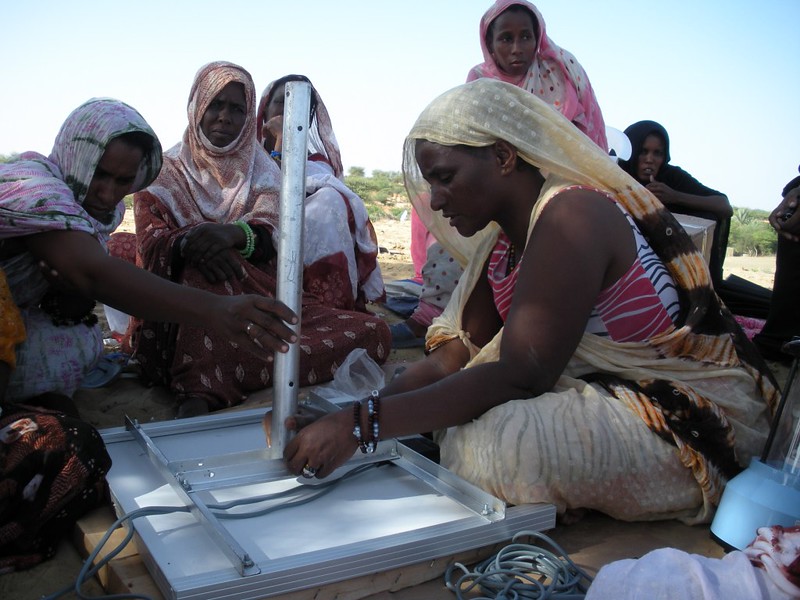
Foreign assistance is funding from one country to other countries for the purpose of security, development, humanitarian relief and/or bolstering of global diplomacy. Moreover, foreign assistance is an investment in global trade to increase the vitality of a country’s domestic economy through the support of the global economy. The following 10 facts about foreign assistance will paint a clearer picture of the history and scale of foreign assistance in the global economy.

10 Facts About Foreign Assistance

  1. The Marshall Plan: The Marshall Plan paved the way for the modern foreign assistance framework in 1948, financing more than $15 billion in assistance to help rebuild a war-ravaged Europe. Emerging from the Marshall Plan and the Conference of Sixteen, the Organization for European Economic Co-operation (OEEC) emerged in April 1948. The OEEC established an organization to work on a recovery program and a way to supervise the distribution of aid.
  2. Creation of the Development Assistance Group (DAG): In January 1960, the Special Economic Committee of the OEEC created the Development Assistance Group (DAG) to serve as a forum for a consultation to aid donors. In September 1961, the Organization for Economic Co-operation and Development (OECD) superseded the OEEC and the DAG became the Development Assistance Committee (DAC). Since then, the DAC has been the foreign assistance venue for the world’s major donor countries and the leading authority in foreign aid statistics. The DAC currently consists of 30 country members, such as Australia,  Canada, Japan, Korea and the United States along with other more developed nations. Without the OECD’s DAC, this list of 10 facts about foreign assistance would be dramatically different.
  3. The Official Development Assistance (ODA) Standard: The DAC defined and adopted the Official Development Assistance (ODA) in 1969 as the gold standard metric for foreign aid. The OECD maintains a list of developing countries and territories that receive ODA. If foreign assistance goes to a country or territory not on the list, people do not consider it ODA. The list is periodically updated and currently contains over 150 countries or territories with per capita incomes below $12,276, as of 2010.
  4. ODA Contributions: From 1960 to 2017, DAC countries contributed $29 trillion in ODA. In 2017 alone, DAC countries contributed $162 billion in ODA and the top three recipients were India, Afghanistan and Syria.
  5. Contribution Rates: People measure the contribution rate for each DAC country based on the country’s ratio of ODA to Gross National Income (GNI). The United Nations outlines in Sustainable Developments Goals, Goal 17 to revitalize the global partnership for sustainable development with a target contribution rate of 0.7 percent. In 2018, only three DAC countries exceeded this benchmark including Sweden (1.04 percent), Luxemburg (0.98 percent) and Norway (0.94). Averaged among the 30 DAC countries, reports determine that ODA is 0.31 percent of GNI.
  6. Africa and Global ODA: Between 2010 and 2017, African countries received the largest share of Global ODA, receiving over $27 billion. Ethiopia, Nigeria and Tanzania were the top three recipients of this foreign assistance. Within African foreign assistance, social sector investment receives the highest volume of commitments typically falling between 30 to 50 percent of the total ODA. Social sector commitments include investments for education, health, population, water quality, civil society and infrastructure services. These investments work to alleviate poverty and improve less developed country’s abilities to participate in the global market.
  7. China and ODA: Over the last three decades, China has transformed from a recipient of aid to one of the most influential foreign policy players in the world. Although not measured as ODA, China has contributed an estimated $354 billion in foreign assistance between 2000 and 2014, in comparison to approximately $394 billion in U.S. foreign aid (USAID). China has remained non-transparent in its funding of overseas projects, creating an informational black hole for those trying to understand where the country’s money goes.
  8. The United States and ODA: The United States of America currently and historically ranks as the highest-grossing ODA contributor of the DAC countries, investing $34 billion in 2018. Today, the U.S. maintains foreign assistance programs in over 100 countries across the globe through the oversight of more than 20 different U.S. government agencies. These investments further America’s foreign policy interests on issues ranging from free-market expansion, ensuring stable democracies, combating extremism and confronting the root causes of poverty, while simultaneously fostering global goodwill.
  9. USAID and Foreign Aid: By sector, USAID devotes the most spending to Emergency Response, HIV/AIDS and Operating Expenses. Since 1986, USAID’s HIV/AIDS program has been at the forefront of the global AIDS crisis. As a key implementer of the U.S. President’s Emergency Plan for AIDS Relief (PEPFAR), more than 13.3 million people are on life-saving antiretroviral treatment; 85.5 million people receive HIV testing and counseling, including more than 11.2 million pregnant women; 6.4 million orphans and vulnerable children receive care and support; and more than 250,000 health care workers have received training to deliver HIV and other health services.
  10. USAID Spending: By country, USAID spent the most ODA on Jordan ($815 million), followed by Ethiopia and Afghanistan. USAID devoted $519 million of this ODA to Government and Civil Society. Its development strategy focuses on programs in education, water, economic development and energy, democracy, rights and governance, health, gender equality, female empowerment and addressing challenges resulting from the influx of refugees.

These 10 facts about foreign assistance illustrate the international history of investing in other countries’ welfare as an extensive and time tested practice. Without ODA and other avenues of foreign investment, the global economy would likely be a less robust and democratic market. Foreign assistance is not simply charity, but a viable avenue for sustainable global development and international diplomacy. For these reasons, the Borgen Project advocates for the acknowledgment and expansion of USAID for the sake of the world’s future prosperity.

– Adam Weaver
Photo: Flickr

November 7, 2019
https://borgenproject.org/wp-content/uploads/borgen-project-logo.svg 0 0 Jennifer Philipp https://borgenproject.org/wp-content/uploads/borgen-project-logo.svg Jennifer Philipp2019-11-07 07:45:022024-05-29 23:13:3110 Facts About Foreign Assistance
Developing Countries, Development, Food & Hunger, Global Poverty, Health

The Maya Nut: Wild Food Consumption

Wild Foods Consumption
People considerably underlook wild food consumption when addressing the poor health epidemic. Lack of biodiversity in modern diets, especially the diets available to those living in poverty, is the main reason people have too few micronutrients and other key nutrients in their diet, which leads to an unnecessary number of preventable diseases and death.

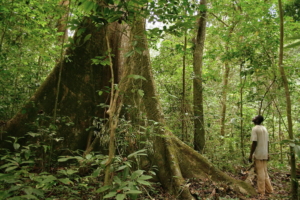
The Maya nut is one of the lesser-known wild forest foods. Found in Ramón trees native to the rainforests of Latin America and the Caribbean, the Maya nut is extremely versatile in its uses and benefits. The Maya nut receives praise for its nutritional value, but people also stigmatize the wild food due to it once having been a staple food in severe times of poverty. Regardless of the association, what is important to note is that the Maya nut is a wild superfood with massive nutritional and health benefits for all people regardless their class status.

Versatility and Sustainability

Some of the micronutrients that one can find in the Maya nut in abundance include calcium, fiber, potassium, iron and zinc; these are all crucial and critically nutrients lacking in most diets across the globe. A nutrient-dense diet is even less accessible to those living in poverty: a propeller of the cycle of poverty when considering that a poor diet is the leading cause of future health issues.

People can consume the Maya nut in a variety of ways, such as fresh, dried or even roasted. The entire plant is useful in that the sap is medicinal, people can eat the seed or pit or they can mill it into flour (similar to the avocado). Individuals can also chop the branches into firewood. Unfortunately, less than 5 percent of the modern diet of local communities includes the Maya nut because communities do not support it.

Wild Foods and Forest Conservation

Research shows that an increase in the consumption of these types of wild forest foods could be a mutually beneficial enterprise with respect to forest conservation and the people that inhabit those communities suffering from deforestation. Satellite evidence shows that communities that are cultivating the threatened plant species are experiencing lower deforestation rates than areas that are not accessing and consuming the versatile Maya nut. The leading cause of deforestation in the world is food production and the practices by which humans manufacture food, so this is a great place to start when analyzing the world’s environmental crisis. Environmental benefits of the consumption of the Maya nut include the planting of trees, as opposed to their removal.

How to classify the Maya nut in terms of its wildness is controversial since it is notably a wild food but growers have since started to grow it intentionally. Wild edible species are technically plant groups that people do not cultivate willfully. While some grow it deliberately (the Maya Nut Institute is responsible for much of this), the Maya nut does continue to grow without human intervention in certain rainforest areas; just not enough to keep it from being on the verge of extinction.

Looking to the Future

One Ramón tree has the ability to produce up to 200 kg of food per year. Living for more than 100 years, this plant has the potential to outturn upwards of 20,000 kg of food in its lifetime. And not only that, but the Maya nut can last up to five years (if dried and stored properly) and will maintain its nutrient properties in full value. In terms of world hunger, wild foods can only help improve current circumstances. Wild food consumption could be a part of the solution to help reduce global poverty, hunger and deforestation all at once.

The protection of wild foods, wild foods consumption and overall accessibility to wild foods in poor communities is a global issue that people must address. Emphasis placed on education, awareness and accessibility could help increase wild food consumption. Others should make the indigenous people in areas where the Ramon trees flourish and provide ample food for the community aware of the plant and its benefits.

– Helen Schwie
Photo: Flickr


November 7, 2019
https://borgenproject.org/wp-content/uploads/borgen-project-logo.svg 0 0 Kim Thelwell https://borgenproject.org/wp-content/uploads/borgen-project-logo.svg Kim Thelwell2019-11-07 07:30:442020-01-18 14:05:12The Maya Nut: Wild Food Consumption
Advocacy, Developing Countries, Global Poverty

Addressing Deforestation in Indonesia

Deforestation in Indonesia

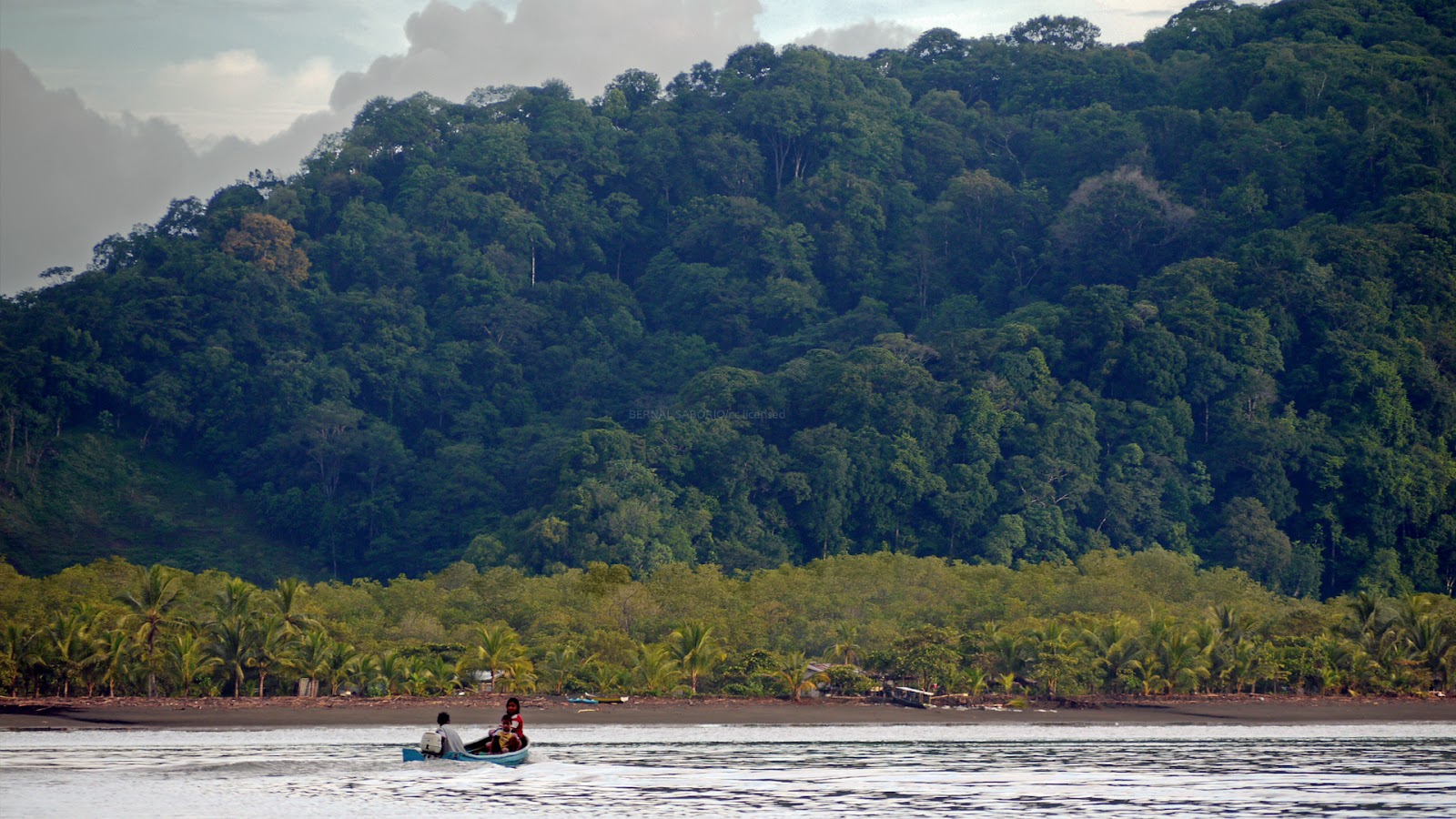
Indonesia is a large, island country in Southeastern Asia that is home to the second-largest rainforest next to the Amazon in South America. It is also home to some of the world’s largest palm oil plantations and logging operations. Deforestation in Indonesia for the past half of a century is largely to blame for mass species extinction. But animals are not the only ones who are affected. Indonesia’s poorest rural communities are hurt and displaced alongside the wildlife in the area.

How Deforestation Affects Indonesia’s Poor

Due to unethical agricultural practices, Indonesia has lost 80 percent of its total original forest coverage and continues to lose 6.2 million acres per year. Deforestation in Indonesia is a direct cause of loss of habitat in tropical areas since the animals have nowhere to go. However, cutting down trees is not the only step in clearing a swath of forest. The next steps that are typically taken are draining the swamps and burning the remaining brush to totally clear the land.

Peatlands are very common in Indonesia. This refers to a type of swampland made up of nutrient-rich soil from thousands of years of decaying plant matter. When these peatlands are drained and burned, they release a thick, noxious haze that carpets the surrounding area, and even travels to neighboring islands and countries on the air currents. The fumes poison the wildlife throughout the remaining forest and find their way into rural villages. More than 100,000 annual deaths in Indonesia can be attributed directly to the inhalation of particulate matter from these landscape fires.

Since deforestation in Indonesia leaves the land in the prime condition for mosquitos, there has also been a recent spike in mosquito-transmitted illnesses like malaria and dengue fever. Many communities affected by deforestation do not have ready, affordable access to vaccines for these diseases, and must deal with the outbreak largely on their own. The best option for these people is to sleep in mosquito nets and try as best they can to keep insects at bay during their most active hours.

Fighting Deforestation

Although the statistics seem gloomy, there is still hope and progress is being made. Indonesia is one of the few tropical countries to make official pledges to lessen or halt deforestation. Incentivized financially by Norway in 2017, Indonesia experienced a 60 percent drop in primary forest loss from 2016. Indonesia’s Peatland Restoration Agency has also been tasked to restore 5.9 million acres of decimated peatland.

The results of these regulations have been disputed, however. Many critics of the programs, such as Greenpeace, state that the programs leave loopholes that companies may exploit to further expand their palm oil plantations. In the moratorium, primary forests that have never been touched by corporations are protected under Indonesian law. But secondary forests (forests that have been previously transformed according to palm oil agriculture) are not protected.

NGOs Fighting Deforestation Now

NGOs like Greenpeace have been raising awareness of deforestation in Indonesia and lobbying the Indonesian government for more transparency in terms of deforestation statistics. Transparency efforts have been largely ineffective as far as the Indonesian government goes, but corporations have begun to be more open with their promises to halt deforestation in their palm oil farming practices.

Public pressure from many consumers has pushed companies to take significant measures to lessen their products’ effects on the environment and the people who live in it. For example, Wilmar International, the world’s largest palm oil producer, promised in December of 2018 to keep up maps that monitor hundreds of its suppliers to ensure no rainforests are being cleared.


While the overall situation of deforestation in Indonesia does not seem promising, anti-deforestation efforts have had significant impacts. More people than ever are aware of the detrimental effects of clearing the rainforest. Indonesia is seeing fewer cases of deforestation per year than it has in the past three decades and palm oil production companies are doing more than they ever have before to ensure their products are sustainably sourced.

– Graham Gordon
Photo: Flickr

November 7, 2019
https://borgenproject.org/wp-content/uploads/borgen-project-logo.svg 0 0 Kim Thelwell https://borgenproject.org/wp-content/uploads/borgen-project-logo.svg Kim Thelwell2019-11-07 06:35:162024-05-29 23:13:10Addressing Deforestation in Indonesia
Developing Countries, Development, Education, Global Poverty, Health

Sustainable Land Management Practices

Sustainable Land Management Practices

Roughly 2 billion people across the globe rely on agriculture to make a living. However, due to unprecedented amounts of soil degradation (nearly a quarter of the world’s productive land is degraded), the livelihoods of farmers around the world are being threatened. Out of which, 40 percent of these degraded areas are located in extremely impoverished areas.  The UN-supported project “Sustainable Land Management Practices to Address Land Degradation and Mitigate Effects of Drought” (SLM Project) is attempting to teach farmers around the world sustainable farming practices that will reverse soil degradation and increase productivity.

The Problem

As previously mentioned, many small subsistence farmers are unknowingly contributing to the degradation of their own soil. This not only leads to less productivity for their farms, endangering their livelihoods but also contributes to deforestation which has massive effects on our whole environment. In the Philippines, the past 100 years has seen a near 50 percent drop in their forest cover and a massive spike in degraded lands, affecting around 33 million Filipinos. The farmers who are contributing to soil degradation and poor land health should not be blamed for their practices. Instead, we should follow the lead of the SLM Project and attempt to teach farmers sustainable farming practices that will protect their soil.

The Solution

Partnering with the Philippino Government’s Bureau of Soils and Water Management, the SLM Project has undergone the task of teaching countless Filipino farmers tactics to reverse soil degradation. Rosita Adalim, a Filipino farmer from the Bukidnon Province, is a perfect example of SLM’s preferred solution to the soil degradation problem. According to her, “Seminars on SLM helped improve my farming practices. I learned to adapt contour farming to prevent soil erosion especially in slope lands similar to my farm, which also restores soil fertility.”

After she was taught the science of soil degradation, Rosita became a “farmer-cooperator” or a local farmer taught by the SLM project who spreads the information she learned to the farmers in her community. Farmers like Lorenzo Caca have claimed that implementing the sustainable farming practices taught to him by the SLM project has led to his farm yield doubling.

These success stories make it clear that the SLM project has discovered a successful approach to protecting soil fertility while benefiting local farmers

The Implications

Reports from the United Nations’ Convention to Combat Desertification have concluded that “Land restoration is the cheapest solution to climate change and biodiversity loss.”  The World Wildlife Fund claims that increased soil erosion and degradation will likely lead to increased pollution, increased vulnerability to flooding and a myriad of other negative effects. There is considerable evidence that the declining productivity of farms due to soil degradation is also exacerbating poverty for subsistence farmers around the world.

If the global community follows the SLM Project’s lead, it will empower hundreds of millions of farmers by teaching them Sustainable Farming Practices. This will not only curtail soil degradation and increase food production, but these practices will likely lead to millions of impoverished farmers seeing improvements in their living conditions.

– Myles McBride Roach
Photo: Flickr


November 6, 2019
https://borgenproject.org/wp-content/uploads/borgen-project-logo.svg 0 0 Kim Thelwell https://borgenproject.org/wp-content/uploads/borgen-project-logo.svg Kim Thelwell2019-11-06 06:51:212020-01-18 14:07:42Sustainable Land Management Practices
Developing Countries, Global Poverty, Technology

Increasing Data Privacy in Africa

Data Privacy in Africa

In the developed regions of the world, data privacy has been a topic of public discourse for some time. From the European Union’s adoption of the General Data Protection Regulation (GDPR) to smaller laws that have passed in many U.S. states, the developed world has recognized that data privacy laws are important to modern digital society. Now, as the burgeoning tech industries in many developing countries push them into fast-paced versions of the West’s digital revolution, many developing countries are also beginning to put similar laws into effect. In particular, data privacy in Africa has become a major concern as the region steps into the digital age.

Data Privacy in Africa

In June of 2019, leaders from across Africa gathered in Ghana for the groundbreaking Africa International Data Protection and Privacy Conference. At this conference, African leaders such as Ghanaian Vice President Dr. Mahamudu Bawumia, U.N. Special Rapporteur on Right to Privacy Joe Cannataci, and Chairperson of the Information Regulator of South Africa Pansy Tlakula spoke about ways to advance data privacy in Africa. Topics ranged from convincing African nations to fall in step with international laws about data privacy to integrating data privacy laws with religious groups in Africa.

This conference came at a crucial time in the development of data privacy in Africa. Sub-Saharan Africa alone is expected to add more than 250 million internet users by 2025, and the Sub-Saharan mobile industry is expected to add $185 billion to GDP by 2023. Despite this growth in internet use, the continent is currently behind on data privacy laws. Only 17 out of 54 countries in Africa have passed data privacy laws, and 15 African countries have yet to ratify the African Union’s Convention on Cybersecurity and Data Protection. The leaders assembled at the conference hoped to change this. “Data protection in Africa is a prerequisite” to joining the Fourth Industrial Revolution, said Hon. Vincent Sowah Odotei, Ghana’s deputy minister of communications, in his final remarks of the conference.

Improved data privacy in Africa has several benefits. According to the Global System for Mobile Communications Association, improving data privacy, “allows countries to trust each other and enforcement bodies to cooperate. In turn, this can boost the economy by allowing data to flow within the region and it is more attractive for external investors who prefer not to be confined to keeping data in one place.”

How a Lack of Data Privacy Harms Poor Communities

Beyond large-scale economic benefits, improved access to data privacy will have specific benefits for low-income Africans. A 2017 study from Washington University in St. Louis found that poor people are more vulnerabilities when it comes to data privacy, facing vulnerabilities such as a greater likelihood of having their personal data used against them and more devastating consequences from identity theft. Poorer people are also much less likely to have basic digital literacy skills, thus increasing their vulnerability to digital threats, with 64 percent of poor Americans reporting that they do not have a good understanding of how the privacy policies of websites they visit apply to them.

Michele Gilman, one of the authors of the study, said in an interview with The Borgen Project that data privacy is tantamount to improving the lives of those in poverty. Gilman said, “Technology can be a tremendous resource for people living in poverty to access services and opportunities as a ladder out of poverty—but without controls or regulation, it can also further entrench poverty.”

Gilman pointed out that identity theft can wreak particular havoc for people living in poverty. When people living in poverty are victims of identity theft, according to Gilman, their lack of a social safety net coupled with the sudden loss of most of their financial assets can lead to dire consequences. Because poor people tend to lack the resources to undo the consequences of identity theft, the American Bar Association reports that they are more likely to be wrongfully arrested and hounded by collection agencies for crimes they didn’t commit and loans they didn’t take out. This is all in addition to the usual consequences of identity theft, which can take months to resolve. The Bureau of Justice Statistics found that in the U.S., 43 percent of households that were victims of identity theft made less than $75,000 per year. In South Africa almost half the consumer population either has been, or knows someone who has been, the victim of identity theft.

Gilman also illuminated the broader threat that a lack of data privacy can pose for those in poverty. Big data coupled with societal discrimination can lead to low-income people systematically being denied access to resources and they are more often targeted by government surveillance. For instance, 40 percent of colleges and universities use applicants’ social media profiles to make decisions through a process known as social analytics, where algorithms go over applicants’ social media behavior as well as who they are friends with in order to determine their qualifications to enter.

Up to 27 percent of poor social media users don’t use any settings at all to make social media profiles private, and because poorer students tend to rely more on financial aid, there is a concern that social media analysis will allow universities to selectively avoid recruiting low-income students. In a similar vein, police departments have begun to use a process known as threat scoring, where they analyze crime statistics to determine how likely a given individual is to commit a crime using data from social media and other sources, essentially creating guilt by association.

Effectiveness of Data Privacy Laws

In places where data privacy laws have already taken effect, the results have been significant. Since the passing of the GDPR, record numbers of data breaches that otherwise would have gone unreported, have been reported to the relevant authorities, with 36,000 breaches reported in 2018 compared to between 18,000 and 20,000 in 2017. Countries around the world, from Brazil to Hong Kong, have passed GDPR-like bills, and many other countries are looking to follow suit. The implementation of these laws has not been without hiccups—many businesses in the EU have struggled with the implementation of new regulations, and the EU has been slow to actually enact fines for companies that break GDPR rules—but in the end, these laws will help to dismantle the structures that keep people in poverty.

Data privacy laws protect low-income people from negative consequences such as identity theft and algorithmic discrimination. The creation of laws to increase data privacy in Africa, therefore, will increase protection for Africans who are being kept in poverty by lenient data privacy regulations. As the region’s tech develops, its laws are also developing to ensure that increased access to technology also means increased possibility to alleviate poverty.

– Kelton Holsen
Photo: Flickr

November 5, 2019
https://borgenproject.org/wp-content/uploads/borgen-project-logo.svg 0 0 Kim Thelwell https://borgenproject.org/wp-content/uploads/borgen-project-logo.svg Kim Thelwell2019-11-05 18:03:092024-05-29 23:13:09Increasing Data Privacy in Africa
Activism, Developing Countries, Development, Global Poverty

Magatte Wade Fights Poverty in Africa

Magatte Wade Fights Poverty in Africa
As of 2019, poverty in Africa continues to be a prevalent issue. According to Brookings Institution, around one in three Africans, or 422 million people, live below the global poverty line. African people, in general, represent more than 70 percent of the world’s poorest people. While other parts of the world have dedicated some effort to combat the issue of poverty in places like Africa, it is apparent that these efforts are not enough. Thankfully, there are wealthy people from Africa who are trying to help make a difference, such as Senegalese businesswoman Magatte Wade.

Magatte Wade

Magatte Wade specializes in selling organic skincare products through her company, Tiossan. She believes that entrepreneurship is an important step in achieving economic prosperity throughout the world, including her home continent of Africa. Additionally, Magatte Wade fights poverty in Africa by providing TED Talks and documentaries on the issue of poverty in Africa and has spoken about what she believes are the core economic issues facing the continent. Wade attributes the primary issue of poverty in Africa to unemployment, which she believes is the result of people not being able to learn how to be entrepreneurs.

Wade Takes Action

Magatte Wade fights poverty in Africa in her home country as well. She has worked to bring the manufacturing of her products to Senegal, particularly to her hometown, Mekhe. In addition to her skincare products, Wade helps local businesses in Africa, such as CAWAAN, which produces the leather bags that hold Wade’s skincare products. The people in charge of CAWAAN now commit themselves to work harder and focus more on optimization due to Wade’s words.

Wade has also worked closely with the mayor of Mekhe to provide opportunities for things like farming, energy, training and education, including creating a business school in Senegal that aims to teach important entrepreneurial skills to young people. According to a 2018 annual report by the Fraser Institute, Senegal ranked at number 125 out of 162 countries in terms of economic freedom. While the country still has a long way to go, Wade’s efforts are helping to push the country in the right direction.

Center of African Prosperity

In 2019, Magatte Wade became director of the then-recent Center of African Prosperity, in association with Atlas Network. The purpose of this organization is to promote movements such as free markets, property rights and institutions to build strong economic reforms throughout Africa. According to the company website, Magatte Wade fights poverty in Africa by bringing about inclusive prosperity, a pushback against negative stereotypes and a message of freedom for an international audience.

While poverty in Africa continues to be a prevalent issue as of 2019, entrepreneurs like Magatte Wade are doing what they can to ensure that they create more jobs throughout the continent. According to World Bank, Senegal has experienced economic growth of around 6 percent since 2014 and the Brookings Institution report estimated that by the end of 2019, the rate of people escaping poverty in Africa per day will be around 3,000. This suggests that there may very well be brighter days ahead for Africa.

– Adam Abuelheiga
Photo: Flickr

November 5, 2019
https://borgenproject.org/wp-content/uploads/borgen-project-logo.svg 0 0 Lynsey Alexander https://borgenproject.org/wp-content/uploads/borgen-project-logo.svg Lynsey Alexander2019-11-05 10:30:182024-05-29 23:13:37Magatte Wade Fights Poverty in Africa
Children, Developing Countries, Education, Global Poverty

Bacha Posh Girls: Fueling Gender Inequality

Bacha Posh girls

Afghanistan’s patriarchal society forces parents to make tough decisions as daughters are viewed as a burden while sons can earn money, care for their aging parents, and carry on the family legacy. To counter economic dependency on males and social stigma surrounding daughters, some Afghan families practice “bacha posh,” a centuries-old tradition reassigning their daughter’s gender at birth, which allows girls to experience the same freedom as boys.

Bacha posh girls are raised as sons. They dress in boys’ clothes and may go outside alone, bring their siblings from school, go shopping, and play a sport. These girls act as sons and do what the sons would do. While the roots of the tradition are unknown, it is becoming increasingly practiced.

Life For Girls In Afghanistan

Afghanistan is one of the most challenging countries to live in as a woman. Eighty-five percent of Afghan women have no formal education or are illiterate, 50 percent are married or engaged by the age of 12 and 60 percent are married by 16. Three decades of war have led to increased risk of rape and kidnapping of females which has prompted families to force child marriage. Some are forced into marriage to settle a dispute or repay a debt. Many men were killed in armed conflict, leaving the child brides as widows. Most young widows have four children to support and are often forced to beg or participate in prostitution. Child marriage increases the risk of health problems and death because of childbirth in the teenage years. Young wives are also more likely to be abused by their older husbands. Females also have lower legal standing and fewer economic opportunities. Women are hidden from society unless accompanied by a male relative and fully covered.

Widespread poverty encourages families to get their daughters married to avoid having to care for them. Afghanistan is one of the poorest nations in the world with 42 percent of both urban and rural populations living below the national poverty line. An additional 20 percent are at risk of falling into poverty.

Bacha Posh Girls

In poverty-stricken families, bacha posh becomes a normal thing to do. Because boys have a higher status, they are more desirable. The tradition allows families to avoid social stigma affiliated with not having any male children by enabling their daughters to take on the role of a boy in society.

Life for bacha posh girls becomes difficult as puberty reveals their biological gender. The girls often face harassment, risks to their safety, humiliation, and separation from their communities. Others call them transsexuals and Anti-Islamic. Some girls even stop going to school because of the harassment. Families also want their girls to start dressing and behaving like women during puberty, but bacha posh girls do not want to live as a woman in a country that gives them little possibility after experiencing the freedom of males.

Women for Afghan Women, an Afghanistan advocacy group, sees at least two bacha posh girls’ cases at its women shelters throughout the country each year. Most girls, between the ages of 14 – 18, are struggling emotionally, mentally and financially.

NGOs and Government Organizations Leading the Fight

USAID has had direct involvement in Afghanistan’s moves toward gender equality. While the problem of gender inequality remains, there have been positive strides in women’s health and education. Over the past 15 years, the life expectancy for a female in the Middle Eastern nation has “increased from 47 years old to over 60.” Female education has also seen a spike as 3.5 million girls are in school, and 100,000 attend university. USAID aims to continue to develop gender equality by assisting Afghan girls through programs offering support for survivors of sex trafficking, increasing educational opportunities, assisting female entrepreneurs with economic growth and infrastructure, and partnering with the Afghan government to focus on women’s rights.

Mullahs and volunteers from the United Nations have partnered together to travel throughout Afghanistan to conquer cultural and social norms to work towards gender equality in both rural and urban regions. The advocacy groups travel around the country in hopes to eliminate violence against women, increase female access to healthcare and education, and economic equality for women. Volunteers from the UN are working to strengthen the Enhancing Gender Equality and Mainstreaming in Afghanistan which hopes to bolster the Ministry of Women Affairs.

– Gwen Shemm
Photo: Flickr

November 5, 2019
https://borgenproject.org/wp-content/uploads/borgen-project-logo.svg 0 0 Jennifer Philipp https://borgenproject.org/wp-content/uploads/borgen-project-logo.svg Jennifer Philipp2019-11-05 05:53:202024-06-04 02:43:53Bacha Posh Girls: Fueling Gender Inequality
Developing Countries, Development, Global Poverty, Health

The Worldwide Fight Against Asthma

Fight Against Asthma
When people think of asthma, the first thought is usually a minor annoyance at worst. It is far more crippling in lower-income countries, however, than it is in regions with widespread access to health care facilities. The fight against asthma may be a tough conflict, but there are plenty of allies working to make asthma a manageable disease.

Asthma: The Facts

Asthma is a widespread disease, however, there are still common misconceptions about how it functions, perpetuating the fight against asthma.

  • Asthma is a respiratory disease that people commonly associate with fits of breathlessness and coughing. The intensity and frequency are different from individual to individual.
  • When an asthma attack occurs, the bronchial tubes swell, restricting airflow to and from the lungs. These recurring attacks can cause truancy, fatigue and decreased activity levels.
  • Approximately 235 million people have asthma across the world.
  • Asthma has been on the rise the past few decades, with industrialized nations suffering the brunt of it.
  • There is a multitude of risk factors when it comes to asthma. These risk factors include genetic predisposition, obesity, living in an urban environment and lack of exposure to infections during childhood (the hygiene hypothesis).
  • Triggers for asthma are numerous and they include but are not limited to smoke, air pollution, pet dander and even extreme emotional duress (fear, anger, etc.).

While asthma may not be curable, it is not nearly as fatal as other respiratory diseases like COPD. With proper medication and avoidance of certain triggers, it is possible to live a normal, fulfilling life with asthma.

Asthma, Children and Poverty

Asthma is a disease that occurs predominantly in children, with 10 to 20 percent of children aged 13 to 14 in sub-Saharan Africa exhibiting asthmatic symptoms. Asthma has become far more prominent in lower to middle-income countries; suggestions state that this is due to increasing amounts of children living in urban environments.

A study that Addo-Yobo et al conducted in 1993 showed that children in urban rich schools within Ghana had exercise-induced bronchospasms (EIB) at a percentage of 4.2 percent. This is rather high as urban poor and rural schools had an EIB percentage of 1.4 and 2.2 percentages respectively.

Another study that Odhiambo et al conducted in remote and urban Kenya found that rural children had lower rates of asthma (3.0 percent) while their urban counterparts had far higher rates (9.5 percent). The factors influencing asthma formation in children are extremely varied; while location certainly plays a role in asthma formation, so too does socioeconomic status and lifestyle choices.

Global Alliance Against Chronic Respiratory Diseases

Thankfully, there are groups working around the clock to spread medication and asthma awareness. One such group is the Global Alliance against Chronic Respiratory Diseases (GARD). GARD has recently enacted its Practical Approach to Lung Health in high-HIV prevalence countries (PALSA Plus) in South Africa to help combat asthma and other respiratory diseases. PALSA Plus works by ensuring primary care nurses have proper access to the corticosteroids that asthma sufferers need to manage their attacks while also giving guidelines for the treatment of high-priority respiratory diseases such as tuberculosis.

With the help of GARD and its PALSA Plus plan, the fight against asthma has never looked so promising. Asthma may be a debilitating disease, but with proper care, knowledge and support, anyone suffering from this disease can live a long, rich and prosperous life.

– Ryan Holman
Photo: Flickr

November 3, 2019
https://borgenproject.org/wp-content/uploads/borgen-project-logo.svg 0 0 Lynsey Alexander https://borgenproject.org/wp-content/uploads/borgen-project-logo.svg Lynsey Alexander2019-11-03 01:30:462024-05-29 23:13:17The Worldwide Fight Against Asthma
Developing Countries, Development, Global Poverty, Health

Brazil’s Fight Against Leprosy

Brazil’s Fight Against Leprosy
When people think of leprosy, they may think of an extinct disease; a Biblical sickness that has long lived in the past. This could not be further from the truth, as leprosy or Hansen’s disease affects millions of poverty-stricken individuals throughout the world.  One of the largest concentrations of leprosy in the world is in Brazil, which combined with India and Indonesia, accounts for 81 percent of all leprosy cases worldwide. Here is some information about Brazil‘s fight against leprosy.

What is Leprosy?

While leprosy is a debilitating disease that has existed for centuries, there is a myriad of misconceptions about how it spreads and functions due to its ancient status. Leprosy is an infectious disease that the pathogen, Mycobacterium leprae, causes. It affects the skin, eyes, peripheral nerves and upper respiratory tract of its victims. Common symptoms are skin lesions, often accompanied by sensory deprivation and weakness of muscles near the afflicted area.

People currently do not know how leprosy spreads, but physical contact with an infected person or creature was the predominant theory for a long time. Recently, the theory that leprosy spreads through respiratory routes (i.e. coughing and sneezing) has been gaining traction. Leprosy infection can happen regardless of age, but 20 percent of registered cases occur before a child turns 10. While leprosy is just as likely to infect boys as girls, adult rates for leprosy show a different story. In fact, leprosy is twice as prevalent among adult males than it is among females.

If a person with leprosy does not receive treatment, it will often lead to blindness, loss of extremities (i.e. fingers and toes) and arthritis. Leprosy has crippled 1 to 2 million people across the globe. There is hope, however, as leprosy is curable with antibiotics and if a person receives treatment early enough, they can expect a full recovery with little to no complications.

Poverty and Leprosy

Poverty and leprosy go hand in hand. Wherever there is leprosy, poverty is sure to follow. There are a plethora of reasons why poverty and leprosy often co-exist, and one of the main reasons is that those with leprosy and unable to receive a cure will very often find themselves unable to work due to the crippling disabilities of the disease. Once the serious disabilities from leprosy settle in, sufferers are hard-pressed to survive, let alone work to make enough money to afford proper treatment. This subsequently traps them in a brutal cycle of poverty, unemployment and social pariah status.

However, there are many NGOs working to eradicate leprosy by taking on poverty as well.  One such NGO is the No Leprosy Remains group (NLR), which has been working towards the complete elimination of Hansen’s disease in Brazil since 1994. As of 2017, NLR’s main mission is to achieve a 90 percent decrease in the number of people needing treatment for neglected tropical diseases (leprosy being one of them). To reach this goal, NLR has enacted the PEP++ plan to preemptively treat over 600,000 people and reach a 50 percent reduction in new leprosy cases compared to its starting year.

Why Brazil?

Brazil’s fight against leprosy has been a tumultuous one; with Brazil contributing to 93 percent of all leprosy cases in the Americas in 2018. One can attribute Brazil’s status as a hotspot for leprosy to the fact that it is a very large country with many remote areas in hard to reach places, leading to difficulties in diagnosing people with leprosy, let alone curing it.

However, there is one cause of leprosy that is entirely unique to Brazil, the armadillo. In Brazil, testing determined that 62 percent of nine-banded armadillos were hosts to Mycobacterium leprae. Furthermore, Brazilians who ingested nine-banded armadillo meat on a regular basis had higher concentrations of leprosy antibodies in their bloodstream. This is problematic given that armadillo meat is a common source of protein for Brazilians in lower socioeconomic areas where food is not as plentiful. To counteract this, NLR’s PEP++ program has a focus on community education that aims to teach about the social impact of leprosy as well as techniques and knowledge that are vital to curbing this disease.

The Future of Brazil’s Fight Against Leprosy

Brazil is making headway in its fight against leprosy.  The Brazilian government has been tackling the threat of leprosy with renewed vigor since 2003 and has shown remarkable improvement in the treatment and diagnosis of this disease. The Brazilian government, with the help of NLR and the World Health Organization, should meet PEP++’s 2030 end goal of a 90 percent reduction in leprosy cases annually.

– Ryan Holman
Photo: Flickr

November 2, 2019
https://borgenproject.org/wp-content/uploads/borgen-project-logo.svg 0 0 Kim Thelwell https://borgenproject.org/wp-content/uploads/borgen-project-logo.svg Kim Thelwell2019-11-02 07:30:242024-05-29 23:13:09Brazil’s Fight Against Leprosy
Page 92 of 157«‹9091929394›»

Get Smarter

  • Global Poverty 101
  • Global Poverty… The Good News
  • Global Poverty & U.S. Jobs
  • Global Poverty and National Security
  • Innovative Solutions to Poverty
  • Global Poverty & Aid FAQ’s
Search Search

Take Action

  • Call Congress
  • Email Congress
  • Donate
  • 30 Ways to Help
  • Volunteer Ops
  • Internships
  • Courses & Certificates
  • The Podcast
Borgen Project

“The Borgen Project is an incredible nonprofit organization that is addressing poverty and hunger and working towards ending them.”

-The Huffington Post

Inside The Borgen Project

  • Contact
  • About
  • Financials
  • President
  • Board of Directors
  • Board of Advisors

International Links

  • UK Email Parliament
  • UK Donate
  • Canada Email Parliament

Get Smarter

  • Global Poverty 101
  • Global Poverty… The Good News
  • Global Poverty & U.S. Jobs
  • Global Poverty and National Security
  • Innovative Solutions to Poverty
  • Global Poverty & Aid FAQ’s

Ways to Help

  • Call Congress
  • Email Congress
  • Donate
  • 30 Ways to Help
  • Volunteer Ops
  • Internships
  • Courses & Certificates
  • The Podcast
Scroll to top Scroll to top Scroll to top