• Link to X
  • Link to Facebook
  • Link to Instagram
  • Link to TikTok
  • Link to Youtube
  • About
    • About Us
      • President
      • Board of Directors
      • Board of Advisors
      • Financials
      • Our Methodology
      • Success Tracker
      • Contact
  • Act Now
    • 30 Ways to Help
      • Email Congress
      • Call Congress
      • Volunteer
      • Courses & Certificates
      • Be a Donor
    • Internships
      • In-Office Internships
      • Remote Internships
    • Legislation
      • Politics 101
  • The Blog
  • The Podcast
  • Magazine
  • Donate
  • Click to open the search input field Click to open the search input field Search
  • Menu Menu

Tag Archive for: United Nations

Posts

Global Poverty

Efforts to Tackle HIV/AIDS in Botswana

HIV/AIDS in Botswana

Botswana is a landlocked country in Southern Africa that is bordered by South Africa, Zimbabwe and Namibia. It has a relatively stable economy, boasting the fifth highest GDP per capita in Africa. However, in 2019, Botswana had the third-highest rate of HIV/AIDS in the world with 21.9 percent of the population living HIV positive. This article will discuss the efforts that the government of Botswana and other global companies and organizations have made to help bring this epidemic to a halt.

“Masa” Program

HIV/AIDS rates have been steadily declining every year in Botswana since 2000, when the HIV/AIDS epidemic reached its peak in the country with 26.3 percent of people testing positive. In 2001, Festus Mogae, the President of Botswana at the time, pledged to devote significant resources towards stopping the spread of the virus. In 2002, through a partnership with the Botswana government, the American pharmaceutical company Merck & Co offered to donate antiretroviral therapy drugs (ART) free of charge to individuals in communities throughout the country. By 2013, the program, called “Masa,” had reached more than 220,000 individuals.The Masa program also helped fund infrastructure development and health care professional training. In addition, new treatment centers and resource centers were constructed to help treat patients and contributed to the decline in HIV/AIDS rates.

UNDP Efforts

In 2010, the United Nations Development Programme (UNDP) entered into a cost-sharing agreement with the government of Botswana. The agreement called for increased funding to help improve the capacity and effectiveness of HIV/AIDS treatment in the country. So far, the agreement has helped to improve Botswana’s institutional capacity to fight HIV/AIDS. In addition to these efforts, in 2010, the UNDP, in conjunction with the Unified Budget Results and Accountability Framework (UBRAF) helped fund additional HIV/AIDS prevention efforts. These efforts included a commitment to reduce the stigma of using HIV/AIDS-related services. This program has been successfully implemented in various communities across the country.

“90-90-90” Targets

In 2011, UNAIDS set what they dubbed “90-90-90” targets for the year 2020. The goal is to diagnose 90 percent of individuals with AIDS, have 90 percent of diagnosed individuals on antiretroviral therapy (ART) and ensure that 90 percent of individuals with AIDS achieve viral suppression. Botswana has already achieved these targets, as have other countries including Cambodia and Denmark. This is a testament to the commitment made by the Botswana government to fight HIV/AIDS.

New Health Strategies

In 2017, of the estimated 380,000 people diagnosed with HIV/AIDS in Botswana, almost 320,000 had access to treatment. However, in June 2019, President Mokgweetsi Masisi announced a renewed commitment to fighting HIV/AIDS in Botswana. This renewed focus includes two new five-year health strategies — the Third National Strategic Framework for HIV/AIDS and the Multi-Sectoral Strategy for the Prevention of Non-Communicable Diseases — to help further tackle the problem of HIV/AIDS in Botswana. These health strategies are set to be reevaluated in 2023.

– Hayley Jellison
Photo: Flickr

September 13, 2019
https://borgenproject.org/wp-content/uploads/borgen-project-logo.svg 0 0 Kim Thelwell https://borgenproject.org/wp-content/uploads/borgen-project-logo.svg Kim Thelwell2019-09-13 01:30:472024-06-11 23:17:17Efforts to Tackle HIV/AIDS in Botswana
Economy

The African Continental Free Trade Agreement

The African Continental Free Trade Agreement The African Continental Free Trade Agreement is the largest free-trade agreement in the world with a 1.2 billion-person market and a combined GDP of 2.5 trillion dollars. It was signed in March of 2018 by 44 African heads of state, and following the initial signing, 5 more countries joined in July for a total of 49. The African Continental Free Trade Agreement’s primary focus is to increase intra-African trade by promoting free movement of goods and tariff-free trade. In fact, for the countries that joined, tariffs are expected to decrease by 90 percent within 5 years.

According to an article by The Economist, roughly 82 percent of African goods are exported to other countries. Due to high transport costs, poor infrastructure (e.g. in West Africa, less than one-fifth of the roads are paved) and time-consuming border procedures, it is more costly to trade within Africa than to export to foreign countries.

With the new free-trade agreement, a more competitive market will emerge that will reduce costs for consumers. Additionally, producers will have access to a larger number of potential buyers, as well as more investment opportunities from foreign countries. Strengthening intercontinental trade has the potential to protect the countries in Africa from the impact of exogenous trade shocks.

Maximizing the Impacts of AfCFTA

In order to reap the highest benefits from the new intra-continental free trade agreement, it is imperative to make adjustments to Africa’s trade structure. However, trade facilitation is not an easy task. It involves coordination between countries, transparency in policies and easing the movement of goods. Currently, intra-African trade accounts for only 16 percent of Africa’s total exports, while the bulk of its exports are to Europe (38 percent), China (19 percent), and the U.S. (15 percent). With the implementation of the African Continental Free Trade Agreement, The United Nations Economic Commission for Africa estimates that intra-African trade will see a 52 percent increase by 2022.

Infrastructure Development

Reducing non-tariff barriers, like transport time for goods, is an essential component of solidifying the new free-trade agreement. According to the International Monetary Fund, the average cost of importing a container in Africa is about $2,492, which is significantly more expensive than the cost of exporting to another continent. This helps to explain Africa’s high incentive to export the majority of its goods.

In order to aid with the implementation of infrastructure projects, the New Partnership for African Development (NEPAD) has facilitated two main systems of information. The African Infrastructure Database (AID) concerns itself mainly with data management and stores information about ongoing infrastructure development projects including the location as well as relevant financial and economic information. The Virtual PIDA Information Centre contains regional and continental infrastructure projects and promotes investment opportunities.

Clearly, higher access to information regarding infrastructure projects can help countries organize themselves around infrastructure development efficiently. This will help to reduce the intra-African costs of trade by fostering more easily navigable and cheaper transport routes between countries.

Economic Integration

It is crucial to consider that the informal trade sector contributes to a large amount of overall trade in Africa. The Africa Economic Brief is a document published by Jean-Guy Afrika and Gerald Ajumbo that discusses the specifics of informal trade in Africa. It states that the informal cross border trade sector (ICBT) represents 30-40 percent of total intra-African trade. In West and Central Africa, women make up almost 60 percent of informal traders, and 70 percent in Southern Africa.

Problems that affect the formal sector, like infrastructure and trade, have a disproportionate effect on the informal sector—especially for marginalized groups such as women and youth. It is unclear how the African Continental Free Trade Agreement will affect these groups as trade is adjusted; however, an increased focus on local trade and easier trade routes will likely facilitate trade for everyone involved. Since informal trade struggles with the same main issues as formal trade, making trade more accessible in the formal sector can create positive spillovers.

The informal trade sector is an important one to protect. Big businesses often avoid trading with rural areas due to high transportation costs, so instead these areas rely on informal trade for food, clothing and other commodities. Furthermore, ICBT provides a vital source of income to individuals who are often low-income or low-skilled. According to the Africa Economic Brief, studies estimate the average value of informal cross border trade to be 17.6 billion dollars per year in the Southern African Development Community (SADC).

In order to provide support for informal traders in Eastern and Southern Africa, the United Nations is funding a project to help decrease gender-specific obstacles in Malawi, Tanzania and Zambia. A focus on female empowerment will help maintain and improve the informal trade sector and contribute to poverty reduction.

With support from various organizations, countries in Africa are taking defining steps to reduce taxes, transport times, and an increase in market competition. Signing the African Continental Free Trade Agreement opens Africa up to free trade and, if facilitated effectively, it will have enormous positive implications for Africa’s economy.

– Tera Hofmann
Photo: Flickr

September 7, 2019
https://borgenproject.org/wp-content/uploads/borgen-project-logo.svg 0 0 Kim Thelwell https://borgenproject.org/wp-content/uploads/borgen-project-logo.svg Kim Thelwell2019-09-07 15:53:212024-05-29 23:10:56The African Continental Free Trade Agreement
Child Labor, Global Poverty

Child Labor in Ghana

child labor in Ghana

Ghana, a small African country nestled between Togo and Ivory Coast, is one of the highest achieving nations in the sub-Saharan region. It is the world’s second-largest producer of both cocoa beans and gold, and this generative economy has propelled much of the Ghanaian population out of poverty.

While ahead in some regards, Ghanaian children are still subject to human trafficking. According to the United Nations’ International Labour Organization, over 152 million children around the world are forced into the workforce. Africa is among the worst offending areas, and as such, brings child labor in Ghana to international concern.

Child labor is a National Issue

Currently, one out of every six children is involved in child labor in Ghana. Offending sectors are numerous and widespread; 88 percent of children work in agriculture, typically harvesting cocoa beans, while 2.3 percent are fishermen. Others are subjected to domestic or sexual work.

Many Ghanaian children participate in child labor due to desperation and ignorance. While free public education is available in Ghana, many families cannot afford the uniforms and books required to enroll in school. Poverty is, therefore, cyclical in these circumstances – much more than cheap labor is being exchanged. A child is also selling his or her childhood, dignity and future potential to their traffickers.

Lake Volta Region

Lake Volta is the largest man-made lakes in the sub-Saharan region. It is notoriously known as an area where the worst forms of child labor prosper. Here, one-third of children between the ages of seven and 14 work full-time.

Children are valued workers on Lake Volta because their labor is affordable and efficient. Recently, the lake’s fish population has decreased considerably. Fishermen, therefore, do not have the financial means to accommodate other sources of labor. Furthermore, children provide the nimble fingers needed to untangle fish from the minuscule-sized holes in fishing nets.

Aside from posing as a serious human rights violation, work on Lake Volta is quite dangerous for Ghanaian children. Nets often get stuck on objects underneath the surface. This forces children to go diving in order to prevent tears in the nets. Drowning is a concern, as well as contracting several illnesses including bilharzia and guinea worm.

Government Effort

The central government made several, moderate efforts to control the unbridled child labor in Ghana. In 2017, the National Plan of Action for the Elimination of Human Trafficking was enacted. With it, the government identified itself as an entity against the exploitation of its young generation. Children working in mines are a specific concern for the government, as mercury poisoning is prevalent among workers in this sector. Feeding programs have also been instilled in schools and refugee camps in order to protect children from malnourishment.

These efforts, while well-intentioned, are not efficiently enforced in the country. This leaves many children in enslavement, or at risk of falling into this dark reality.

International Action

Child labor is a human rights violation to which the international community has responded with animosity and vigor. There are countless organizations working to end all forms of child labor and trafficking.

APPLE is just one NGO that specifically works to hinder the growth of child labor in Ghana. This organization has stationed itself in fishing villages around the Lake Volta region. Their efforts to eliminate child labor compromises of immediate and long-term solutions. The banning of nets with small holes is believed to decrease the value of children on the lake, and education is provided in order to warn families of the calamities that human trafficking inflicts.

While the sub-Saharan region is not the only area that violates international human rights laws, child labor in Ghana is on the rise. Efforts to protect the most innocent collection of the population need to be mobilized with the utmost zeal. These children need aid in order to liberate, educate and relocate those displaced by this practice.

– Annie O’Connell
Photo: Flickr

August 30, 2019
https://borgenproject.org/wp-content/uploads/borgen-project-logo.svg 0 0 Kim Thelwell https://borgenproject.org/wp-content/uploads/borgen-project-logo.svg Kim Thelwell2019-08-30 08:11:142024-05-29 23:10:27Child Labor in Ghana
Global Poverty

An In Depth Look At Education in Palau

Education in Palau

Recently, the northern Pacific island nation of Palau hosted its 25th Education Convention from July 23 to July 25, with approximately 530 public and private school teachers attending. The convention follows years of progress in improving education in Palau by increasing enrollment rates, creating primary school retention programs and prolonging the average school life for both boys and girls. All these factors allow Palau to further develop its education system.

Education in Palau and Gender

Surprisingly, girls and young women in Palau have at times had higher enrollment rates than boys and men, according to a 2008 analysis by UNICEF. The Ministry of Education of Palau even stated, “…gender disparity is not an issue in Palau. If there are any cases of gender disparity, they would involve males rather than females.”

The numbers are telling. According to the Ministry in 2005, the adjusted ratio of women to men with post-secondary education was 1.11, and the ratio of girls to boys in secondary school and primary school was 1.23 and 0.92, respectively. Furthermore, according to Palau Census Data as cited in the United Nations Millennium Development Goals (MDG) status report, a larger proportion of Palau women have reached higher education than men for a college degree since 2000, an associate degree since 2005 and a bachelor degree since 1990.

Only 1.5 percent of women 25 years old and over have no education background compared to 2 percent for men in the same age group. In the same category, 81.5 percent of women have one to four years of college education, while the number only stands at 75 percent for men.

Palau has outperformed some Pacific island countries in such efforts. The Global Partnership for Education states that in Papua New Guinea, for example, the 2016 primary completion rate for boys and girls was 84.7 and 73.5 percent, respectively. Meanwhile, Palau’s 2014 primary completion rate for boys and girls was 96.947 and 94.69 percent, respectively. Although the Pacific Education for All effort lists various concerns of gender equity, low enrollment rates and high dropout rates for many Pacific island countries, many of these metrics do not apply to Palau.

Other Improvements Still Needed

While efforts to offer better girls’ education in Palau have been successful, other metrics for assessing the education system in Palau show that there is still room for improvement: The CIA World Factbook states that the school life expectancy for women in primary to tertiary education is 18 years compared to 16 for men. Further, the male literacy rate is 96.8 percent compared while the female literacy rate is 86 percent.

Other areas of the education system require further attention. Improving the quality of instruction is one of Palau’s top priorities, as the U.S. National Center for Educational Evaluation and Regional Excellence reported in 2016 that instructors scored “relatively low” on reading, writing and math skills in an assessment test. The accompanying survey found that the teachers scored particularly low on data analysis and probability; the report additionally found that teachers who scored higher had higher levels of education, taught upper-level schoolchildren and had higher reported proficiency in English.

Other indicators show weaknesses in the education system. In 2016, the student to teacher ratio in primary and secondary schools was 12:1, suggesting the possibility of overworked teachers who may not be able to give personalized attention. In primary schools in 2018, the CBE -– Life Sciences Education found that only 40 percent of teachers possessed a high school diploma. According to UNICEF, in 2015, 29 percent possessed an Associate of Arts or Science degree, and only 9 percent possessed a Bachelor of Arts or Bachelor of Sciences. Past just the teachers, many schools do not even have adequate funding for school supplies and many buildings are in desperate need of renovations.

Tertiary education opportunities are also limited, given the small nature of Palau’s education system. With only one public high school in the country, many students attend private schools. Should students choose to attend college, the country only has one––Palau Community College (PCC). Though scholarships to attend the University of California San Diego are available, little data on tertiary education in Palau indicates few opportunities for students to expand on their education following high school.

Given that Palau has a matrilineal society and aforementioned indicators demonstrate successes in improving girls’ education in Palau and the country’s high regard for education, the main challenge is not to achieve gender parity in education but to generally boost the quality of education.

To address these concerns, the Ministry of Education has made calls for Palau schools to begin formal accreditation processes to bring more international attention to the country. Accompanying this have been efforts to implement teacher certification procedures. Studies have found varying results in English language teaching proficiency that underscore a greater need to establish training requirements for teachers and offering more opportunities for students to engage in a variety of fields, including STEM collaborations with PCC. To achieve this, the Palau government passed legislation requiring that teachers participate in a teacher preparation program at PCC.

Shaping the Landscape

International movements, organizations and regional efforts, alongside national educational improvement programs, have all helped Palau maintain high enrollment rates for girls and women and generally improve the education system. Palau’s educational achievements come almost two decades after the 2000 World Education Forum sparked Educational for All, an international movement calling for nations across the world to identify and achieve six educational goals.

With the 2006-2016 Ministry of Education’s 10-year plan to improve the quality of instruction, children have access to education from first grade until the end of high school, with compulsory primary and secondary education. The nation’s Early Childhood Comprehensive System and Head Start program––modeled similarly to American programs––provide support for families, medical services and works with Human Services and the Department of Health to help primary care providers, teachers, caregivers and families holistically care for 400 children and their development.

The ever-increasing access women have to financial stability and a wider variety of careers and roles in society throughout the past few decades have not been linked directly to women surpassing men in educational performance and attainment, according to the U.N. The 2005 census shows that women have a higher life expectancy than men, and though women are still less likely to be employed than men are, women’s median income is greater ($9,740) than that of men ($8,417). Women have “dominated” the judiciary in Palau and roles in public boards, but have yet to achieve equity in politics at the national level.

With the 25th convention coming up, the opportunities are endless for how Palau can build off its successes in creating more educational opportunities for both genders, particularly girls, by improving the overall quality of education and allowing for that education to carry over into careers and contributions to Palau society.

– Jeongyoon Han
Photo: Flickr

August 25, 2019
https://borgenproject.org/wp-content/uploads/borgen-project-logo.svg 0 0 Kim Thelwell https://borgenproject.org/wp-content/uploads/borgen-project-logo.svg Kim Thelwell2019-08-25 01:30:252024-06-04 05:25:35An In Depth Look At Education in Palau
Developing Countries, Food & Hunger, Food Aid, Global Poverty

How Goats Fight Poverty

How Goats Fight PovertyGoats are the animals of choice for many humanitarian groups across the world looking to provide life-saving, sustainable aid. From East Asia to Haiti, these animals have saved the lives of countless families suffering from poverty and starvation. Goats are particularly sought after in countries where agriculture is prominent. Nearly 85 percent of the world’s farmers are smallholder farmers, meaning that they limited resources. Smallholder farmers typically earn income through the cultivation of one or two crops planted on a tiny plot of land. Many humanitarian groups are highlighting how goats fight poverty through various campaigns.

How Goats Fight Poverty

Goats are the animal of choice for humanitarian groups for a plethora of reasons. From their behavior to their eating patterns, goats are easy to raise and supply marketable produce. For small farmers, goats are much less expensive to raise than cows or buffalo. Their diet mainly consists of grasses and shrubs, allowing them to survive even through inclement conditions such as droughts and crop failure.

Furthermore, goats reach sexual maturity at an early age and reproduce rather quickly. A female goat can give birth up to two times a year. In many impoverished areas, baby goats benefit the entire community as opposed to just one family – instead of being kept on the same farm as its mother, a baby goat is often gifted to an impoverished neighbor.

Goats and Children

Many children living in impoverished conditions do not have adequate access to a nutritious diet. Goats can provide the milk, cheese and protein needed to balance a child’s nutritional needs thus reducing dependency on protein from plant-based sources. This is particularly beneficial for children living in countries like Haiti where crops are often destroyed by natural disasters.

Rearing goats helps families living in poverty to support their children’s educational needs in more than one way. Goats offer a means to break the cycle of generational poverty, providing households with a source of income to send their children to school. Furthermore, with healthful meal options from goats, children will have full stomachs during the day allowing them to focus on their studies.

Recent Programs Involving Goats

One organization, in particular, has recently participated in the effort to alleviate poverty with goats. SIDA, short for the Swedish International Development Cooperation Agency, launched a program in western Mali following a 2014 drought. To help, SIDA provided families suffering from food shortage with two assets: goats and seeds. With these two resources, the organization was able to successfully stabilize Malinese livestock herds to combat the lack of flourishing greens.

SIDA was not only able to alleviate poverty with goats in western Mali, but the organization took things a step further by sharing best practices such as care techniques to ensure sustainability. To date, SIDA’s record in western Mali proves to be exemplary. About 2,610 households in the country received goats to combat food insecurity and provide hope for future generations.

The Future for Goat Farmers

Countless personal stories from smallholder farmers have shown the lifechanging effects a goat can have on a community. These creatures seem to be the perfect solution for rural penury, however, there is one problem that stands in the way: goats are not immune to diseases. Organizations like the African Union Inter African Bureau for Animal Resources have been readily responding to this issue, but it demands much more attention as goats have become an integral part of farming life for poor families around the world.

– Annie O’Connell
Photo: Flickr

August 19, 2019
https://borgenproject.org/wp-content/uploads/borgen-project-logo.svg 0 0 Kim Thelwell https://borgenproject.org/wp-content/uploads/borgen-project-logo.svg Kim Thelwell2019-08-19 01:30:372024-06-06 00:26:24How Goats Fight Poverty
Global Poverty

6 Facts about the Ebola Outbreak in Congo

Ebola in the Democratic Republic of the Congo

In August of 2018 the Democratic Republic of Congo declared an Ebola outbreak. The first case of the virus erupted in the city of Goma, located on the border of Rwanda. As the tenth Ebola outbreak in Congo within 40 years, the virus became a public health concern for the over 1 million people that call Goma home. Goma also acts as a popular transit hub for many people crossing the border into Rwanda putting the population at a heightened risk for the disease to spread. The International Health Regulations Emergency Committee has met four times following this initial Ebola case.

  1. A Widespread Disease: Congo’s ongoing Ebola outbreak is now the world’s second-largest. According to The World Health Organization (WHO), the virus has infected 2,512 people and killed 1,676. The largest Ebola outbreak on record took place in West Africa killing more than 11,300 people. WHO continues its efforts to stop the spread of the disease in Congo with its team of medical specialists. In the worst cases, death and uncontrollable bleeding have resulted from the viral hemorrhagic fevers of the disease.
  2. A Global Issue: On July 17, 2019 the World Health Organization (WHO) declared the Ebola outbreak in Congo a global health emergency. Following the first case of Ebola, intensive training for the prevention and control of the virus heightened for more than six months. News of a female traveller from Beni that contracted the virus, and then visited Uganda sparked growing concern in Uganda and Congo. Between June and July of 2019 an estimated 245 confirmed cases of Ebola were reported in the North Kivu and Ituri provinces of Congo. WHO makes the continuous effort to monitor the cases of those infected, as well as travel and trade measures in relation to the virus.
  3. Dangerous Territory: The Ebola response teams in the Democratic Republic of Congo face violent attacks. David Gressley, the United Nations’ secretary-general, became the deputy of the U.N. missions in Congo and witnessed it firsthand. Gressley requested a force of peacekeepers along with the health officials to assist him amid the attacks. The violent attacks often hinder the Ebola responders from treating people with the virus, and still no one knows the reasoning or people behind the attacks. The U.N. estimates that due to the attacks about 1,200 have been shot or slashed to death with machetes. One popular theory points to Congolese politicians orchestrating the attacks in order to undermine political rivals. On the other hand, the Congolese government blames the Mai Mai militia. Rumors continue to swirl that the U.N. responders fail to treat Ebola patients, and intentionally spread the virus which makes them even more susceptible to these attacks.
  4. Catching Ebola: Common diseases such as measles and malaria share initial symptoms of Ebola. Many medical specialists in Congo believe that to put a stop to this epidemic they first must isolate the disease. Most Ebola patients receive a diagnosis too late, and go through multiple health facilities before getting treatment. Response teams understand that controlling the transmission of Ebola, and catching the disease in its early stages has the potential to save an entire community.
  5. The Ebola Vaccination: More than 111,000 people have received the Ebola vaccination. Developed by Canadian scientists, the Ebola vaccine (also known as the rVSV-ZEBOV vaccine) consists of an animal virus that can wear a non-lethal Ebola virus protein, which results in the human immune system developing a pre-emotive defense to the disease. Health care professionals, and family members of Ebola patients are the majority of those vaccinated. Health care responders in Congo ensure that all the contacts of Ebola patients receive a vaccine to stop the epidemic. Reports show no deaths from individuals that developed Ebola symptoms more than 10 days after receiving the vaccination.
  6. Promoting a Disease-Free Environment: Medecins Sans Frontieres/Doctors Without Borders (MSF) promotes healthcare and community engagement in Congo. This organization sends teams to determine and assist the medical needs of populations in crisis with exclusion from healthcare. Among the Ebola outbreak in Congo, MSF continues to provide free healthcare for non-Ebola needs, such as malaria and urinary tract infections. First starting in the city Goma, the MSF has now shifted aid to the Ituri province to limit infections with sanitation activities, and provide access to clean water.

These six facts about the Ebola outbreak in Congo demonstrate global organization’s enthusiasm to assemble in times of crisis. Countless organizations continue to lend support to the Democratic Republic of Congo, and in due time the country will be at its best with a healthy population.

– Nia Coleman
Photo: Flickr

August 13, 2019
https://borgenproject.org/wp-content/uploads/borgen-project-logo.svg 0 0 Kim Thelwell https://borgenproject.org/wp-content/uploads/borgen-project-logo.svg Kim Thelwell2019-08-13 14:41:392024-05-29 23:10:386 Facts about the Ebola Outbreak in Congo
Advocacy, Refugees

What is the NGO Innovation Award?

NGO Innovation AwardEach year the International Council of Voluntary Agencies (ICVA) and the U.N. High Commissioner on Refugees (UNHCR) host more than 500 representatives of nongovernmental organizations around the world in their Annual Consultations in Geneva. These delegates debate refugee issues affecting both international and regional audiences as well as discuss new advocacy issues.
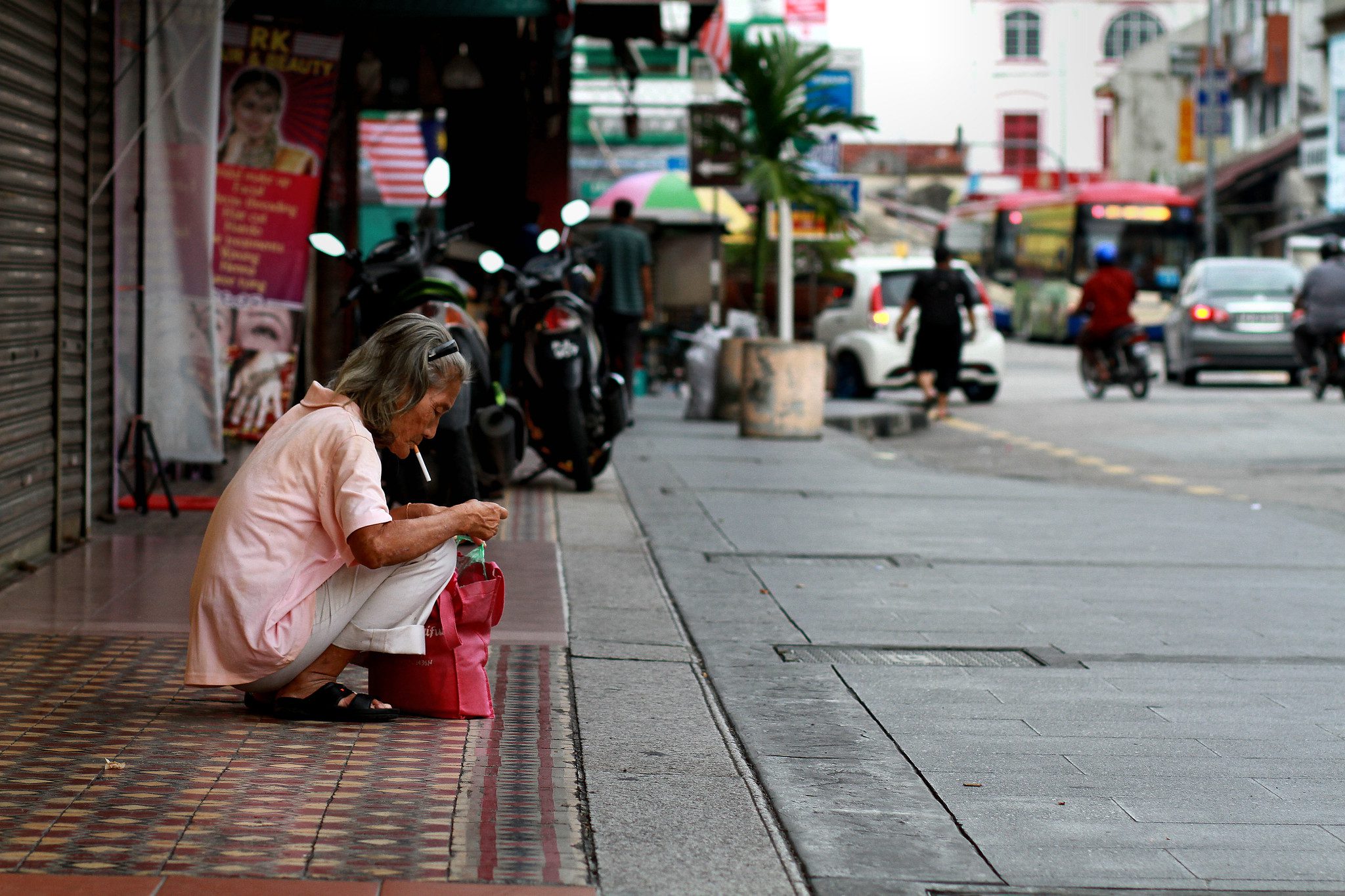
These annual consultations discuss data analytics as a pathway to better welfare systems; the implementation of the 2018 Global Compact on Refugees; the maintenance of moral, legal and safe aid to refugees; and UNHCR’s transition to an increasingly decentralized, local system.

Starting in 2018, the UNHCR has presented annual NGO innovation awards to celebrate NGOs they believe embody innovative practices required to truly integrate refugees into their new societies.

Honoring Partnerships and Connectivity in NGOs

Through the NGO Innovation Award, the UNHCR showcases exceptional NGOs with new kinds of solutions in refugee aid in order to inspire further innovation in the field. Recipient NGOs fall into two categories: inclusive partnerships and connectivity.

UNHCR describes previous winners of the partnership category as having people-centered, community-based, non-traditional and creative partnerships. Focusing on inclusion and diversity, these organizations drive solution-based, positive interventions in their environments.

In the category of connectivity, UNHCR looks for organizations that demonstrate creative and novel solutions to connectivity challenges of displaced people (e.g. literacy or access to finance).

The Winners Are Archetypes of Innovative NGOs

One of the 2018 winners was SINA Loketa (SINAL), a team of six Africans from different countries helping young refugees and marginalized youths become self-sustainable and self-actualized members of their (new) communities. Specifically, this NGO aims to help individuals from these two disadvantaged communities to design and launch social enterprises from their refugee camp and host community in Uganda.

Each year, SINA Loketa leads 90 new scholars through a personal and professional transformation based on project-based learning and hands-on experimentation. After being matched with a mentor, these individuals go through training covering team building, trauma healing, one-on-one life coaching, social innovation and entrepreneurship.

SINA Loketa envisions directly creating thousands of jobs by their startups and reducing Ugandan youth unemployment by three percent by 2028.

The second winner of the 2018 NGO Innovation award was Artemisszio, a charitable foundation based in Budapest, Hungary. It strives to build an open, tolerant society based on interculturality. Artemisszio focuses on young people disadvantaged by rural circumstances, incomplete schooling, Roma ethnicity and migration. This organization helps them integrate into the labor market and into society as a whole.

Artemisszio works with central members of these marginalized individual’s communities to create supportive relationships outside of the NGO. For example, the organization hosts classes for health care workers, educators, police and military personnel, about interculturality and stress management. Artemisszio also spearheads a multitude of other innovative outreach programs, including teaching at local primary and secondary schools.

An Archetype for Future NGO Innovation

The first two winners of the NGO Innovation Award, SINA Loketa and Artemisszio, engage disadvantaged members of society as well as society as a whole to create cohesion between them. Their multifaceted approach bridges what initially seems like a fixed divide between these two groups in both Hungarian and Ugandan communities.

UNHCR is calling for innovative solutions to issues that are constantly evolving. Each year they celebrate solutions that introduce refugees as positive influences in their new communities.

The answer to what is the NGO Innovation Award lies in the annual celebration of organizations that fill a need in their communities that had not been duly addressed previously. These two winners can serve as an inspiration for current and future NGOs to better their communities.

– Daria Locher
Photo: Flickr

August 7, 2019
https://borgenproject.org/wp-content/uploads/borgen-project-logo.svg 0 0 Kim Thelwell https://borgenproject.org/wp-content/uploads/borgen-project-logo.svg Kim Thelwell2019-08-07 12:09:372024-05-29 23:10:29What is the NGO Innovation Award?
Development, Global Poverty, Poverty, Poverty Reduction

Five Facts About China’s Poverty Alleviation Program

Five Facts About China’s Poverty Alleviation ProgramChina has contributed to more than 70 percent of poverty reduced globally, making it one of the countries with most people lifted out of poverty in the past four decades. China has also recently become one of the leading nations in poverty reduction efforts by implementing a poverty alleviation program. Here are five facts about China’s poverty alleviation program.

Five Facts About China’s Poverty Alleviation Program

  1. Main Goals: China’s main goals for this program are to address issues such as food security and clothing, compulsory education, basic medical care and housing. It wants to solve these issues by 2020. Additionally, by 2020 it wants to have a zero percent poverty rate in rural areas. Furthermore, the government wants to increase the income growth rate for farmers while also solving the regional poverty problem.
  2. Implementation of the Program: In order to achieve its goals, the government has focused on developing the economy through local industries, combating corruption within the poverty alleviation efforts and making changes to the education and healthcare systems as well. The Chinese government has registered the poor population in order to target the specific regions that need help the most while also tracking the progress being made. By targeting specific regions and having the entire poor population registered, the Chinese government can provide assistance to certain households or individuals. There are five parts of the poverty alleviation program which are being implemented to raise more people out of poverty and those are industrial development, relocation, eco-compensation, education and social security.
  3. Progress being made thus far:  As of 2019, more than “700 million people have been lifted out of poverty” according to the country’s national poverty line of $1.10 a day, which is more than 70 percent of the world’s poverty reduction efforts. When using the poverty line of $1.90 a day more than 850 million people have been lifted out of poverty between the years of 1981 and 2013. In 2016, more than 775,000 officials were sent out to different rural areas within the country in order to further development and aid the poor-stricken people living in the less-developed parts of China. This has proven successful given that, after this tactic was employed, the population living in rural areas that were still affected by poverty dropped to 30.46 million people. Additionally, the poverty incidence was also reduced to 3.1 percent. Although great progress has been made far ahead of the U.N.’s 2030 Sustainable Development Goals, China must still raise an additional 10 million people out of poverty in order to reach its 2020 goals of zero percent poverty.
  4. Citizens’ living conditions: China has worked closely with the International Labor Organization (ILO) to improve its citizens’ living conditions. It has done this by providing a better social security and welfare program which covers unemployment, pension, medical care, employment injury and maternity for urban employees. Additionally, this program includes what is known as the “Dibao,” the minimum living guarantee program, which ensures that even the poorest residents in either urban or rural areas would be supported by the government.
  5. Global impact: China’s poverty alleviation program is not only a domestic policy but also an international policy. It has benefitted many developing countries around the world. The Chinese government has provided about 400 billion yuan ($59 billion) in aid, which has benefitted 166 countries and international organizations. Additionally, more than 600,000 aid workers were sent overseas to contribute to the poverty-reduction efforts. China has also pledged $2 billion to the Assistance Fund for South-South Cooperation in order to support developing countries to reach the U.N.’s 2030 Sustainable Development Goals.

As a result of China’s poverty alleviation program, people countrywide are overcoming the challenges of poverty. Not only is the percentage of poverty globally declining because of China’s efforts but people are also thriving. China is the only country worldwide to have improved its citizens’ living conditions to such an extent in such a short period of time.

– Laura Rogers
Photo: Flickr

July 26, 2019
https://borgenproject.org/wp-content/uploads/borgen-project-logo.svg 0 0 Kim Thelwell https://borgenproject.org/wp-content/uploads/borgen-project-logo.svg Kim Thelwell2019-07-26 16:51:012019-11-07 15:48:56Five Facts About China’s Poverty Alleviation Program
Global Poverty, Technology

5 Ways Non-Military Drones Help People Globally

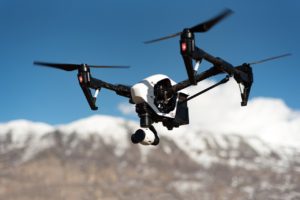
Non-military dronesIn the modern world, the term “drone” has developed two very different connotations. Media coverage about drones is either about the use of unmanned aerial vehicles in war zones or about the recreational use of drones for photography or entertainment. But what about drones being used for serious purposes, excluding military combat. Around the globe, people are using non-military drones for humanitarian purposes and to support global development. Here are five ways that non-military drones are saving lives across the globe:

5 Ways Non-Military Drones Help People Globally

  1. Transporting Medicine and Medical Equipment
    Often faster than helicopters and other traditional methods, drones are ideal for carrying blood, vaccines and small pieces of medical equipment. The South African National Blood Service (SANBS) plans to begin using drones to deliver blood to rural areas for blood transfusions, and Ghana is already doing so. In 2018, Vanuatu was the first country to use a drone to transport vaccines to rural areas. Norway has begun using drones to quickly bring defibrillators to the scene of emergencies. In medicine, time is of the essence, and quick delivery can save lives.
  2. Assessing Disaster Areas
    Drones are a relatively fast and inexpensive way to obtain images of natural disasters so that emergency responders are aware of the situation and well-equipped to act accordingly. In 2012, the International Organization for Migration (IOM) used drones to assess the aftermath of Hurricane Sandy in Haiti. According to the IOM, when they used drones “The complete analysis specifying which houses had been destroyed and damaged was available four days after the flooding event, on November 1. In comparison, satellite imagery requested at the same time from the United Nations Institute for Training and Research (UNITAR) Operational Satellite Applications Programme (UNOSAT) was not available until one week after the drone analysis.” In addition, to the advantage of their speed, drone images are clearer than satellite images and drones are able to fly below the cloud cover, enabling them to capture images that a satellite might miss due to cloud obstruction.
  3. Fighting Wildfires
    Fighting fires is a dangerous job, and every year firefighters die in the line of duty. In recent years, California has used drones to assist firefighters from the sky. Fighting fire aerially is not a new concept, but in the past planes and helicopters have been manned by a crew, which is also a dangerous job. NBC News reports that between 2006 and 2016, 24 percent of wildland firefighter deaths were due to plane and helicopter crashes. Unmanned aircraft are safer for firefighters, can operate for long stretches of time, and are not limited by conditions as much as helicopters and planes are.
  4. Tracking Mosquitoes That Spread Disease
    Mosquitos are a frequent carrier of malaria in Peru. In a 2019 study published in the journal PLOS Neglected Tropical Diseases, drones in Amazonian Peru were able to identify bodies of water containing mosquito larvae. With this knowledge, scientists can intervene in these sites to control the mosquito population in an effort to curb malaria transmission.
  5. Bringing Internet Access To Remote Areas
    In 2016, Facebook launched a project to use drones to provide internet access to people living in remote areas. The Aquila drone, powered by solar energy, would fly at 60,000 feet and help people in isolated regions connect with others around the globe. The Aquila project was shut down in 2018 as Facebook shifted to other projects, but the idea of drones being used to connect people in remote areas to the internet remains a compelling one. Airbus is reportedly working on a similar project, the Zephyr S, which includes the capabilities of providing internet access.

While unmanned aircraft are relatively new technology, it is already clear that non-military drones are making a difference around the globe. As such technology continues to advance, more talk of these innovative uses of drones should be expected.

– Meredith Charney
Photo: Flickr

July 22, 2019
https://borgenproject.org/wp-content/uploads/borgen-project-logo.svg 0 0 Kim Thelwell https://borgenproject.org/wp-content/uploads/borgen-project-logo.svg Kim Thelwell2019-07-22 09:50:402024-06-06 00:26:165 Ways Non-Military Drones Help People Globally
Health, Refugees, Women and Children

The Hidden Disability: Visual Impairment in Refugees

Visual Impairment in Refugees

Last year, there were an estimated 70 million forcibly displaced individuals in the world. NGOs and governments stepped up by providing funding for food, water, sanitation, education, and healthcare, but visual impairment in refugees is rarely ever prioritized.

Vision Impairment is a Major Life Obstacle

Eye care is something often overlooked when organizations are administering urgent medical treatment to refugees–in most cases, eye injuries are not considered life-threatening. While an eye injury may not be fatal, it can greatly reduce the quality of life. This was the case for 10-year-old, Hala Shaheen, who suffered retinal detachment before the outbreak of the Syrian War and was undergoing treatment to fix the issue. She required specialist care and regular check-ups.

However, when chaos and violence broke out in Syria, Hala and her family were forced to flee to the Rukban refugee camp between Syria and Jordan, where no eye care specialist could be found. Now Hala is blind in one eye and her vision in the other eye is continuing to deteriorate. When asked about her condition, she told reporters, “I don’t want to continue living with this level of pain and suffering.”

Refugees like Hala do not have the resources to prevent or tackle blindness, Hala could have retained her vision. Blindness prevents her from experiencing life fully. Since braille is not readily taught, getting an education is difficult. Hala’s condition forces her to be dependent on her family. When blindness presents itself in adult refugees, it stops them from being productive workers and the extra burden is placed on their family’s shoulders. Thankfully, some NGOs have identified this problem and are on their way to creating better conditions to fight visual impairment in refugees.

Bringing Clarity to the Visually Impaired

NGOs and charities are assembling coalitions all over the world to find solutions for visual impairment in refugees. The main mission is to provide diagnostic services and visual assistance to those who need it.

The International Agency for the Prevention of Blindness (IAPB) is working in Cox Bazar, a Rohingya refugee camp of over 900,000 people, has created an eye care plan to fight visual impairment in refugees. They plan to provide over 150,000 eyeglasses each year and deploy 30 optometrists and 30 ophthalmologists to conduct Rapid Assessment of Avoidable Blindness (RAAB) exams. These exams are vital in the prevention of blindness and vision loss, which can be the result of neglected chronic eye disease. In Cox Bazar, there is an estimated 30,000 at risk for diabetic eye disease and 70,000 at risk for glaucoma. If left untreated, it could result in a massive amount of vision loss.

There are numerous other coalitions like the IAPB. VisionSpring works with EYElliance in Ghana and Liberia to provide glasses to children and launch country-level initiatives to identify visual problems in refugees. SightGeist is an annual conference of companies and organizations from various sectors who come together and use their resources to provide visual assistance and preventative care to those affected by visual impairment. NGOs like Light for the World work together with Warby Parker, an eyewear company, and Aravind Eye Care System, a chain of hospitals in India, to come up with solutions to problems that are too large to tackle alone.

Gender and Visual Impairment

Another aspect of visual impairment in refugees is gender. Women and girls are disproportionately impacted by visual impairment, accounting for two-thirds of those with severe vision loss. This can be due to the impact of traditional female roles, like having to collect water and wash clothes. These duties put them at risk of being bitten by blackflies which transmit parasites that destroy vision. In developing countries, women are typically not in charge of finances, so they have less control over the budget and cannot pay for healthcare. Women are also often too busy taking care of the home and may not even know where to go to access eye care.

Visual impairment in refugees, particularly females, deepens their plight; those who are visually impaired are more likely to suffer sexual violence and shamed by their families. Programs like CATCH in Uganda and Lady Health Worker in Pakistan are reaching out to these women. CATCH conducts exams to detect visual impairment early and provide preventative care to women. The Lady Health Worker program empowers female workers to provide healthcare and eye care to women and children in their own communities. Simply bringing attention to eye care and reducing the stigma of visual impairment can vastly improve lives.

Visual health underpins many of the Sustainable Development Goals put forth by the U.N. It is up to these organizations now to spread the word and see to it that visual impairment in refugees and developing countries become a greater priority for donors.

– Julian Mok
Photo: Flickr

July 21, 2019
https://borgenproject.org/wp-content/uploads/borgen-project-logo.svg 0 0 Kim Thelwell https://borgenproject.org/wp-content/uploads/borgen-project-logo.svg Kim Thelwell2019-07-21 09:45:032019-07-21 09:45:03The Hidden Disability: Visual Impairment in Refugees
Page 20 of 44«‹1819202122›»

Get Smarter

  • Global Poverty 101
  • Global Poverty… The Good News
  • Global Poverty & U.S. Jobs
  • Global Poverty and National Security
  • Innovative Solutions to Poverty
  • Global Poverty & Aid FAQ’s
Search Search

Take Action

  • Call Congress
  • Email Congress
  • Donate
  • 30 Ways to Help
  • Volunteer Ops
  • Internships
  • Courses & Certificates
  • The Podcast
Borgen Project

“The Borgen Project is an incredible nonprofit organization that is addressing poverty and hunger and working towards ending them.”

-The Huffington Post

Inside The Borgen Project

  • Contact
  • About
  • Financials
  • President
  • Board of Directors
  • Board of Advisors

International Links

  • UK Email Parliament
  • UK Donate
  • Canada Email Parliament

Get Smarter

  • Global Poverty 101
  • Global Poverty… The Good News
  • Global Poverty & U.S. Jobs
  • Global Poverty and National Security
  • Innovative Solutions to Poverty
  • Global Poverty & Aid FAQ’s

Ways to Help

  • Call Congress
  • Email Congress
  • Donate
  • 30 Ways to Help
  • Volunteer Ops
  • Internships
  • Courses & Certificates
  • The Podcast
Scroll to top Scroll to top Scroll to top