6 Facts about the Ebola Outbreak in Congo
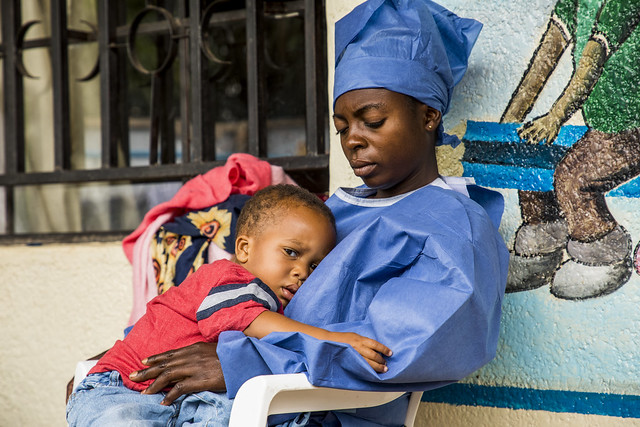
In August of 2018 the Democratic Republic of Congo declared an Ebola outbreak. The first case of the virus erupted in the city of Goma, located on the border of Rwanda. As the tenth Ebola outbreak in Congo within 40 years, the virus became a public health concern for the over 1 million people that call Goma home. Goma also acts as a popular transit hub for many people crossing the border into Rwanda putting the population at a heightened risk for the disease to spread. The International Health Regulations Emergency Committee has met four times following this initial Ebola case.
- A Widespread Disease: Congo’s ongoing Ebola outbreak is now the world’s second-largest. According to The World Health Organization (WHO), the virus has infected 2,512 people and killed 1,676. The largest Ebola outbreak on record took place in West Africa killing more than 11,300 people. WHO continues its efforts to stop the spread of the disease in Congo with its team of medical specialists. In the worst cases, death and uncontrollable bleeding have resulted from the viral hemorrhagic fevers of the disease.
- A Global Issue: On July 17, 2019 the World Health Organization (WHO) declared the Ebola outbreak in Congo a global health emergency. Following the first case of Ebola, intensive training for the prevention and control of the virus heightened for more than six months. News of a female traveller from Beni that contracted the virus, and then visited Uganda sparked growing concern in Uganda and Congo. Between June and July of 2019 an estimated 245 confirmed cases of Ebola were reported in the North Kivu and Ituri provinces of Congo. WHO makes the continuous effort to monitor the cases of those infected, as well as travel and trade measures in relation to the virus.
- Dangerous Territory: The Ebola response teams in the Democratic Republic of Congo face violent attacks. David Gressley, the United Nations’ secretary-general, became the deputy of the U.N. missions in Congo and witnessed it firsthand. Gressley requested a force of peacekeepers along with the health officials to assist him amid the attacks. The violent attacks often hinder the Ebola responders from treating people with the virus, and still no one knows the reasoning or people behind the attacks. The U.N. estimates that due to the attacks about 1,200 have been shot or slashed to death with machetes. One popular theory points to Congolese politicians orchestrating the attacks in order to undermine political rivals. On the other hand, the Congolese government blames the Mai Mai militia. Rumors continue to swirl that the U.N. responders fail to treat Ebola patients, and intentionally spread the virus which makes them even more susceptible to these attacks.
- Catching Ebola: Common diseases such as measles and malaria share initial symptoms of Ebola. Many medical specialists in Congo believe that to put a stop to this epidemic they first must isolate the disease. Most Ebola patients receive a diagnosis too late, and go through multiple health facilities before getting treatment. Response teams understand that controlling the transmission of Ebola, and catching the disease in its early stages has the potential to save an entire community.
- The Ebola Vaccination: More than 111,000 people have received the Ebola vaccination. Developed by Canadian scientists, the Ebola vaccine (also known as the rVSV-ZEBOV vaccine) consists of an animal virus that can wear a non-lethal Ebola virus protein, which results in the human immune system developing a pre-emotive defense to the disease. Health care professionals, and family members of Ebola patients are the majority of those vaccinated. Health care responders in Congo ensure that all the contacts of Ebola patients receive a vaccine to stop the epidemic. Reports show no deaths from individuals that developed Ebola symptoms more than 10 days after receiving the vaccination.
- Promoting a Disease-Free Environment: Medecins Sans Frontieres/Doctors Without Borders (MSF) promotes healthcare and community engagement in Congo. This organization sends teams to determine and assist the medical needs of populations in crisis with exclusion from healthcare. Among the Ebola outbreak in Congo, MSF continues to provide free healthcare for non-Ebola needs, such as malaria and urinary tract infections. First starting in the city Goma, the MSF has now shifted aid to the Ituri province to limit infections with sanitation activities, and provide access to clean water.
These six facts about the Ebola outbreak in Congo demonstrate global organization’s enthusiasm to assemble in times of crisis. Countless organizations continue to lend support to the Democratic Republic of Congo, and in due time the country will be at its best with a healthy population.
– Nia Coleman
Photo: Flickr
