• Link to X
  • Link to Facebook
  • Link to Instagram
  • Link to TikTok
  • Link to Youtube
  • About
    • About Us
      • President
      • Board of Directors
      • Board of Advisors
      • Financials
      • Our Methodology
      • Success Tracker
      • Contact
  • Act Now
    • 30 Ways to Help
      • Email Congress
      • Call Congress
      • Volunteer
      • Courses & Certificates
      • Be a Donor
    • Internships
      • In-Office Internships
      • Remote Internships
    • Legislation
      • Politics 101
  • The Blog
  • The Podcast
  • Magazine
  • Donate
  • Click to open the search input field Click to open the search input field Search
  • Menu Menu

Tag Archive for: Economic Growth

Information and news about economic growth

Posts

Global Poverty

Efforts Continue to Rebuild Infrastructure in Lebanon

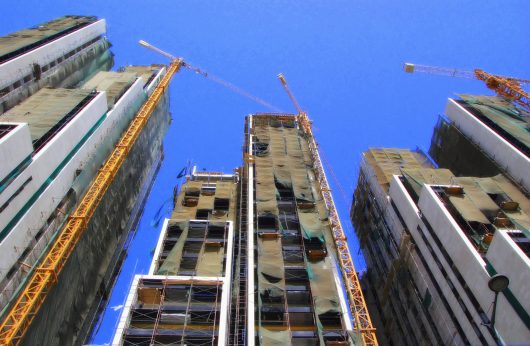
Infrastructure in LebanonThe country of Lebanon has experienced years of domestic instability and conflict. However, prior to the civil war that began in 1975, the former French colony was a luxurious tourist destination. Its capital, Beirut, was commonly known as the Paris of the Middle East. With the significant rebuilding of infrastructure in Lebanon, many hope that Beirut may once again be in the international spotlight.

Rebuilding Infrastructure in Lebanon

Following the 2005 peace agreement, Lebanon’s economy grew at an extraordinarily fast rate for a number of years. Growth exceeded 8 percent within a four-year period, from 2007 to 2010. However, even at that time, the country’s needs were immense.

Lebanon’s current gross domestic product is $47 billion, yet the 2010 estimate of necessary spending on infrastructure in Lebanon topped $20 billion. At that time, one government minister suggested that the most valuable development efforts would include projects to connect areas outside the capital with Beirut and the completion of a transportation corridor across the country’s north-south axis.

A 2013 report detailed the results of one $30 million program to repair and enhance infrastructure in Lebanon. Coordinated through the World Bank, the program resulted in the rehabilitation of 175 kilometers of roads as well as reconstruction of 17 public buildings. It benefitted an estimated 178 municipalities across the country.

Recent Developments

More recently, the country’s improved trajectory has been somewhat obstructed by the civil war in neighboring Syria. Lebanon has hosted the largest number of refugees from that conflict and this burden has strained the country’s resources.

As a result, economic growth has also slowed. Fortunately, growth has not turned negative, and some infrastructure projects continue as the international community addresses the refugee crisis. The United Nations Development Programme and the U.S. Agency for International Development each have numerous ongoing projects in Lebanon. Additionally, international travelers are again recognizing Lebanon as a desirable vacation destination.

Improved stability and rebuilding have the potential to return Lebanon to its former status as an international hub. Such an outcome would greatly improve the lives of its six million citizens. It could also make this Mediterranean nation, with historical ties to both Europe and the Arab world, a valuable trading partner in future years.

– Paul Robertson

Photo: Flickr

December 21, 2017
https://borgenproject.org/wp-content/uploads/borgen-project-logo.svg 0 0 Borgen Project https://borgenproject.org/wp-content/uploads/borgen-project-logo.svg Borgen Project2017-12-21 01:30:122024-05-29 22:29:54Efforts Continue to Rebuild Infrastructure in Lebanon
Development, Global Poverty

Development Projects in Yemen Bringing Security in Crisis

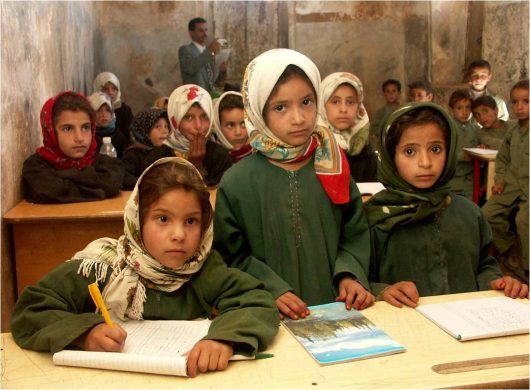
development projects in yemenThe crisis in Yemen has threatened the livelihoods of many people. When the conflict escalated in 2014 and 2015, the need for development projects in Yemen skyrocketed. The U.N. estimates that 21.2 million people in Yemen are in need of assistance, which is 82 percent of the population. This leaves only a small percentage untouched by the conflict.
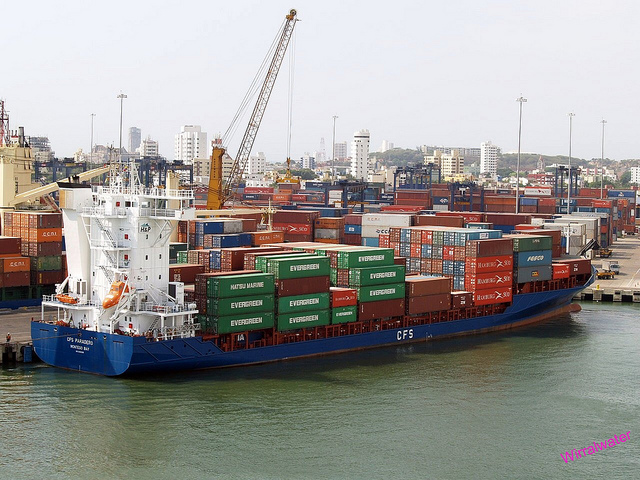
Mohammed Mansour Yahiya is a coffee farmer affected by the conflict that arose in Yemen. In 2015, the suspension of salaries due to the conflict worsened his chances of providing for his family. His work and livelihood found hope when the USAID contributed just over $15 million to the Yemen Emergency Crisis Response Project (YECRP). Through this USAID fund and implementation by the UNDP in partnership with the Social Fund for Development, small farmers found solace in the Small and Micro Enterprise Promotion Service intervention project. This project seeks out farmers to modernize technologies and methods of production. Mohammed Mansour Yahiya became one of 350 coffee farmers supported by this project, which enabled their coffee to reach markets. Development projects in Yemen such as this one restore hope to individuals.

The Yemen Multisector Humanitarian Response Programme follows the YECRP in providing humanitarian aid in the form of food security. This project partners with NGOs to seek out malnourished individuals, the most vulnerable in Yemen, and provides cash and voucher assistance. This program works to eradicate malnourishment and integrate prevention and treatment of the condition through three sectors: nutrition, sanitation and health. Progress is being seen via partnerships with CARE, ACTED and Oxfam.

The third development project within Yemen is the Integrated Urban Service Emergency Project, which restores access to crucial urban services. With $150 million alloted for this project, it aims to support the restoration of safe water, sanitation, transportation, energy and solid waste management, while using local resources to improve the economy and lives within Yemen through employment and self-sufficiency.

Continuing to build self-sufficiency and developing Yemenis’ skill base is the Smallholder Agricultural Restoration and Enhancement Project for Yemen. The project strives to increase the use of productive and nutrition-enhancing agricultural practices. It works to increase production, income and nutrition through strengthening the community land and water management and efficient and responsible animal husbandry.

Developing farming skills and agriculture techniques provides a basis to grow the economy, and with equal access to medical health and education the quality of life will increase. The Second Basic Education Development Project, with a budget of $66 million, trains 68,000 teachers, headmasters and supervisors in Yemen. The project’s efforts will build additional classrooms, train headmasters and recruit and hire 700 rural women as teachers. Also included in this project is funding for poor families in rural areas to assist with equal opportunities for girls to attend school.

These development projects in Yemen seek to close the economic gap between Yemen and other countries and to provide security during the crisis. These projects aim to help the people of Yemen and ensure that the basic needs of the most vulnerable populations are being met.

– Bronti DeRoche

Photo: Flickr

December 20, 2017
https://borgenproject.org/wp-content/uploads/borgen-project-logo.svg 0 0 Borgen Project https://borgenproject.org/wp-content/uploads/borgen-project-logo.svg Borgen Project2017-12-20 07:30:192024-05-29 22:29:54Development Projects in Yemen Bringing Security in Crisis
Global Poverty

Infrastructure in Jamaica: Developing a Road to Safety

infrastructure in jamaicaThe physical infrastructure in Jamaica consists of an aging network of roads spanning nearly 19,000 kilometers. Several issues are prevalent with these roads, as they are too narrow for large quantities of traffic and are also misaligned. Most of the road infrastructure in Jamaica was developed in the 1990s.

Two of Jamaica’s largest economic sectors — tourism and the transport of goods — rely on this inefficient, and often dangerous, road network. The condition of the roads in Jamaica has led to increased traffic congestion, accidents and rising travel costs. With a population of 2.7 million, infrastructure in Jamaica fails to meet modern engineering standards for road quality and safety.

The roads are rapidly deteriorating as the population continues to rise on this small island, which threatens Jamaica’s economic stability. The road infrastructure in Jamaica must be addressed if the country aims to retain success in its main economic sectors.

Programs Addressing the Road Infrastructure in Jamaica

According to the Minister of Finance and Public Service, Hon. Audley Shaw, the Ministry of Economic Growth and Job Creation recently obtained funding for the continuation of two programs aimed at rehabilitating and restructuring the road network during the 2017-2018 fiscal year.

The Major Infrastructure Development Project (MIDP), with a budget of $16 billion, will restructure a set number of main roads, bringing them up to modern safety standards. These roads will be realigned or widened where necessary to accommodate the estimated daily amount of tourist traffic. In addition, this program plans to build three new bridges to increase the efficiency of freight transport. The Ministry intends to complete this project by the end of September 2018.

A second project aimed towards improving infrastructure in Jamaica is the Rural Road Rehabilitation Project II which began in 2008. With a budget of $500 million, this project will continue to rework 57 kilometers of roads to support the industrial, agricultural and tourist sectors in St. Mary, St. Ann, and Westmoreland. Due to budgeting issues, this project has required many extensions.

The government is working steadily towards its goal of decreasing the number of fatalities from car accidents to be under 300 annually. The modernization of roads is the key, and with the successful completion of these two major projects, infrastructure in Jamaica will be significantly closer to achieving that goal.

– Kayla Rafkin

Photo: Flickr

December 19, 2017
https://borgenproject.org/wp-content/uploads/borgen-project-logo.svg 0 0 Borgen Project https://borgenproject.org/wp-content/uploads/borgen-project-logo.svg Borgen Project2017-12-19 01:30:522019-11-14 02:18:00Infrastructure in Jamaica: Developing a Road to Safety
Global Poverty

Water and Transport Infrastructure in Sudan

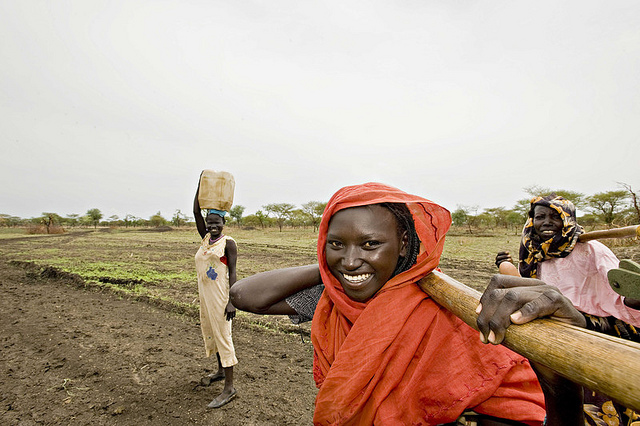
infrastructure in sudanAmong all of Africa’s countries, Sudan has one of the most selectively developed and underdeveloped infrastructures in the entire continent. The country’s population is so scattered, with only a few areas of significant economic activity, that developing infrastructure across the whole country has often been considered cost ineffective in the past. The greatest challenges to improving infrastructure in Sudan lie in the transport and water sectors.

Infrastructure in Sudan largely subsists around Khartoum, the country’s main hub, which acts as a direct connection between five major areas—Port Sudan, Egypt and North Africa, the Eritrean border, Kordofan and Ethiopia.  The rest of Sudan consists of disjointed highways, five international airports that are severely limited in their operational capacity due to financial constraints and a power infrastructure that only focuses on major urban areas.

All of these underdeveloped areas leave the outlying regions beyond Khartoum disconnected to the rest of the country and incapable of economic development or expansion. According to the Africa Infrastructure Country Diagnostic (AICD), infrastructure in Sudan will require $4.2 billion each year over the next decade to overcome some of its major failings.

Developing Water Infrastructure in Sudan

The main goal of developing water infrastructure in Sudan is to increase access to clean water and sanitation systems, as well as decrease the inefficacy of utilities and its subsequent drain on money resources. The challenge here is increasing resources while simultaneously decreasing contaminants, such as defecation in surface water and leakages from septic tanks.

The Dams Implementation Unit (DIU) plans to raise the number of dams in Sudan from six to nine and increase the water supply to populated areas of Sudan through irrigation systems, though it is considered a controversial idea. The Niles Basin Initiative advised the DIU against this plan in 2005, citing evidence from the scientific community that evaporation rates in Sudan are already too high and creating more dams would only increase them.

Another proposed solution to this issue is encouraging private-public partnerships (PPPs), which allows private businesses to invest in public infrastructure development projects for a tax incentive. Some major water infrastructure development projects in Sudan are projected to cost between $20-$100 million and overall could cost $1 billion over the next six years. Encouraging PPPs is vital to the development of water infrastructure in Sudan, which would increase access to water and sanitation supplies.

Sudan’s Transport Infrastructure

Transport infrastructure faces the challenge of enhancing road quality and transport efficiency. One topic of debate is how to connect the rural areas to the urban centers of Sudan. Increased investments through PPPs is possible in this sector as well, but still require a legal framework before they are agreed upon.

Sudan has already succeeded in adding roads to connect more urban centers together, as well as decreasing travel costs. It continues to work on developing a solution for efficient transport to rural areas.

Despite the challenges to improving infrastructure in the water and transportation sectors, with the help of private partners, Sudan could continue to address infrastructure inefficiencies throughout the country.

– Kayla Rafkin

Photo: Flickr

December 19, 2017
https://borgenproject.org/wp-content/uploads/borgen-project-logo.svg 0 0 Borgen Project https://borgenproject.org/wp-content/uploads/borgen-project-logo.svg Borgen Project2017-12-19 01:30:102024-05-29 22:29:53Water and Transport Infrastructure in Sudan
Global Poverty, Poverty Reduction

Strategies to Address Poverty in Northwest China

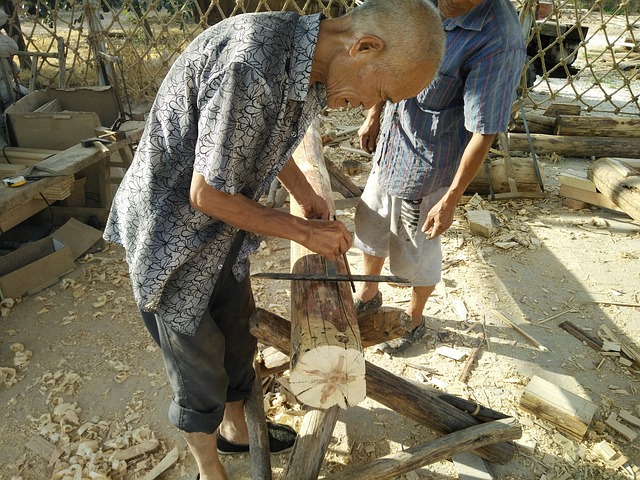
Poverty in Northwest ChinaNorthwest China is comprised of three provinces (Qinghai, Gansu and Shaanxi) and two autonomous regions (Xinjiang and Ningxia). The overall population of this region is about 100 million. The rates of poverty of all five of these administrative divisions rank among the top ten in mainland China. It was roughly estimated that by the end of 2016, 12 million people in this region were still living below the national poverty line of $348 in annual net income.

Major reasons for the high rate of poverty in northwest China include the harsh deserts, plateaus and mountains, dry climates and natural disasters. Many areas in this region lack resources and basic infrastructure. Many cities and counties are enduring insufficient power supply and inconvenient transportation. In addition, incomes remain low, and basic facilities for education, health and other public services are poor.

Recently, quite a few different measures have been implemented for alleviating poverty in northwest China. Officials in Xinjiang relocated about 26,100 persons living in poverty in 2016 and raised $627 million of relocation funds for poverty reduction in 2017. The government of Qinghai aims to further exploit the advantages of tourism on reducing poverty by pairing 10,000 villages with private companies within five years.

The All-China Women’s Federation offers direct assistance for poverty alleviation by training women to improve their working capabilities and handcraft skills. Projects in the Shaanxi and Ningxia regions were also proposed in China’s thirteenth five-year plan.

The poverty rate among most ethnic minorities is relatively high, which stems from factors such as attitudes toward girls’ education and dependence on government assistance. Hence, it is necessary to reinforce the importance of education and gender equality and to encourage local people to go out seeking better jobs.

An important issue is reforming the strategy of poverty alleviation, by gradually replacing the conventional aid model with the participatory anti-poverty model. Tim Harvey’s work in Ningxia emphasizes the rights of the poor to participate, respects their enthusiasm and motivations to get rid of poverty. This strategy aims to enhance their viability to survive and expand their legal rights to gain wealth.

Besides the measures mentioned above, the Chinese central government attaches great importance to the development of medical care and nutrition support in northwest regions with ethnic minorities. Meanwhile, protecting the local natural environment, reinforcing the guiding role of religious groups and implementing the strategy of sustainable development are all keynote strategies on reducing poverty in northwest China.

One typical example is the Yinchuan Minning Agriculture Project in Ningxia, from which 35,000 local villagers were benefited by relocation and opportunities for income growth.

Alleviating poverty in northwest China represents another long march at present. As a region with the highest rate of returning poverty, it requires intensive concerns on protecting the rights and opportunities for the poor. By gradually changing the methods of poverty reduction and allowing the vast majority of the poor to participate, greater achievements can be made in the long-term project.

– Xin Gao


December 18, 2017
https://borgenproject.org/wp-content/uploads/borgen-project-logo.svg 0 0 Borgen Project https://borgenproject.org/wp-content/uploads/borgen-project-logo.svg Borgen Project2017-12-18 07:30:502024-05-27 23:58:57Strategies to Address Poverty in Northwest China
Global Poverty

Improving Infrastructure in Belarus

infrastructure in belarusA common problem shared by many ex-Soviet states is aging infrastructure; the infrastructure in Belarus is no exception. Belarus sits strategically between Europe and Russia, bordering Poland to the west and Russia to the east. By being a conflict-free country, and providing one of the shortest trade routes, Belarus remains an important transit corridor between Europe and Asia.
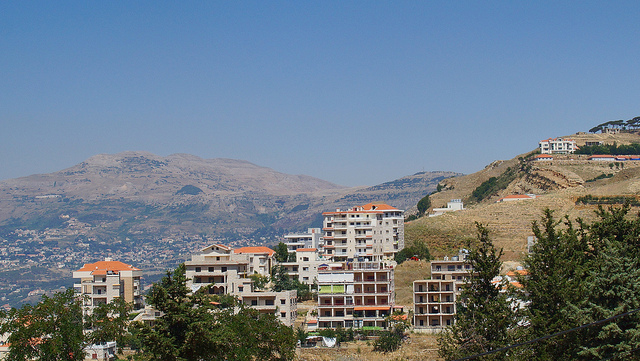
Due to its importance to trade, infrastructure in Belarus is not just a national issue but also an international issue. To preserve this stable trade corridor, Russia and the World Bank have stepped in to assist Belarus with maintaining and improving its existing infrastructure.

Russian Assistance to Improve Infrastructure in Belarus

In 1991, Belarus gained its independence from the USSR; in 1999, Russia and Belarus signed a special relations agreement, with the goal of maintaining close economic, political and security ties. Integration of the two countries is written into the framework of the agreement but other than simple economic assistance and international policy, not much progress has been made with regards to serious integration.

Russia and Belarus cooperate closely in the energy sector. After agreeing to pay over $720 million in debt to the Russian energy company Gazprom, Gazprom gave Belarus a discount on natural gas in 2018 and 2019. The maintenance of infrastructure in Belarus is important to maintaining the flow of natural gas from Russia to Gazprom’s European customers. This uninterrupted flow of natural gas through Belarus provides energy security within Europe.

Infrastructure Projects Implemented by the World Bank

Natural gas is not the only reason the world wants to improve the aging infrastructure in Belarus. The World Bank declared Belarus an important shipping corridor between Europe and Asia. As a result, the World Bank launched two projects to improve infrastructure in Belarus. The first project began in 2010 and was completed in 2016; its budget was $150 million. The project installed electronic tolling stations along the country’s M5 highway. Tolling stations were chosen to help Belarus improve its own road maintenance and expand the tolling stations to other roadways.

The second project is called the Transit Corridor Improvement Project. The project began in 2014 and has been allocated $250 million, but costs are estimated to exceed $270 million by its target end date in 2020. The goal of the project is to improve road conditions of the M6 highway, which connects the Belorussian capital of Minsk to the Polish border.

The project will first widen the highway between Minsk and the city of Grodno, which sits near the Polish border. Improving signage along the roadway and adding other safety measures is also part of this step. The second step is to improve traffic and roadside safety by constructing a safety coordination center. The third, and final, step is to improve Belarus’ ability to deal with cross-border traffic. By investing in and improving the infrastructure in Belarus, the World Bank helps to increase the stability and growth of the Belorussian economy.

Belarus finds itself in a fortunate situation due to its strategic location and international support. With the continued support of countries such as Russia and organizations such as the World Bank, Belarus will be able to further improve its infrastructure and grow its economy.

– Nick DeMarco

Photo: Flickr

December 18, 2017
https://borgenproject.org/wp-content/uploads/borgen-project-logo.svg 0 0 Borgen Project https://borgenproject.org/wp-content/uploads/borgen-project-logo.svg Borgen Project2017-12-18 01:30:292024-05-29 22:29:53Improving Infrastructure in Belarus
Global Poverty

Credit Access in Lebanon in Need of Improvement

Credit Access in LebanonThe country of Lebanon sits on the coast of the Mediterranean Sea and is bordered by Israel to the south, Syria to the west and Turkey to the north. Lebanon’s tumultuous history with its neighbors has hindered its economic growth and recovery. The last two decades have seen Lebanon wrapped up in wars and invasions from its neighbors.

Since 2011, over one million refugees from the Syrian Civil War have registered with the Lebanese government. These refugees live in camps, supported by the U.N., among the Lebanese population in major cities. The influx of one million people in six years has severely strained the economy of a country of only six million. A report by the World Bank claims that this influx has limited credit access in Lebanon.

Wars, occupations and bombardments have damaged Lebanon’s infrastructure. Although much of the damage was done to Lebanese cities, the countryside was not untouched. Any damaged farmland can significantly hurt credit access in Lebanon. Much of the rural population lives in poverty and already had difficulty gaining access to credit before the war in 2006; damaged fields and lower crop yields only made this more difficult.

To increase credit access in Lebanon, specifically to rural farmers, the International Fund for Agriculture Development (IFAD) launched a program targeting these farmers, called the Hilly Areas Sustainable Agricultural Development Project (HASAD). By organizing crop rotations, water access and soil conservation, the project aims to increase the productivity of the farmers. An increase in crop yield means higher profits for the farmers, which could, in turn, increase their access to credit.

Credit access in Lebanon is much easier to gain in urban areas, where more of the country’s wealth is located. After 16 years of civil war (1975-1990), people found that the banks could not offer sufficient credit. Kalafata was founded in 2000 to assist banks and help small businesses gain credit access in Lebanon. The organization is supported by the European Union, the World Bank and the Lebanese government.

Since the beginning of the refugee crisis, Lebanon’s economy has only grown by one to two percent each year. The refugees have increased the amount of available labor, but many Lebanese blame them for taking their jobs. This increase in labor could potentially help small businesses boom, which will hopefully increase the growth of the Lebanese economy.

Economic growth and credit access in Lebanon will continue to be hindered by the instability of the region. Unfortunately, regional stability does not look to be anywhere in sight. Recently the Prime Minister of Lebanon Saad al-Harir stepped down from power, claiming he feared for his life. This has sparked outrage from the Presidents of Lebanon and Iran. Both parties claim that this is interference from Saudi Arabia. The leader of Hezbollah has decried that this is an act of war against Lebanon.

Most recently, President Donald Trump declared that the United States will move its embassy in Israel from Tel Aviv to Jerusalem, increasing tensions in the Middle Eastern region and possibly hindering the further development of nations like Lebanon. Lebanon’s greatest hope for its future lies in itself and how it will continue to handle the refugee crisis. Perhaps allowing refugees access to work opportunities and credit in Lebanon will give the nation’s economy the boost it needs.

– Nick DeMarco

Photo: Flickr

December 18, 2017
https://borgenproject.org/wp-content/uploads/borgen-project-logo.svg 0 0 Borgen Project https://borgenproject.org/wp-content/uploads/borgen-project-logo.svg Borgen Project2017-12-18 01:30:122024-05-27 23:53:32Credit Access in Lebanon in Need of Improvement
Global Poverty

Infrastructure in Argentina Set for Steady Improvement

The Latin country of Argentina, tucked between Brazil and Chile, has had a long history of improving its infrastructure. In fact, the infrastructure in Argentina is ranked as one of the best among other Latin countries, but still requires many improvements.

In total, the country boasts over 130,000 miles of roads and highways. However, only a little over 39,000 miles of the roads are paved. Additionally, the country has an extensive rail system with almost 24,000 miles of tracks and 6,800 miles of navigable waterways. Argentina also has 1,300 airports, but only 142 have paved runways.

Despite having a solid infrastructure, the country still has a long road ahead of it. In order to address the problems of unpaved or damaged roads, ports and runways, the government has launched new projects. The government has offered several proposals for 2017 that will address improvements for 94 highways and roads, 62 airports, 27 railways, eight urban transports and five ports.

Many projects have already gone underway thanks to a number of aid packages to improve infrastructure in Argentina. The United States and the World Bank have even pitched in with their respective $7 million and $450 million donations for highway construction.

Beyond improving the quality of life for citizens by completing these projects, the improvements of the infrastructure in Argentina will also be boosting its economy. The main objective of the plans is to kick-start the economy and create more jobs. The long term plan is to boost the country’s competitiveness and lay the foundation for an export-led economic strategy.

The first step to bridge the infrastructure gaps in Argentina is to double the investment in the infrastructure sector compared to the levels of recent years, from three percent to six percent of GDP, increasing approximately $13.5 billion a year to $27 billion. The country has already resecured access to international capital markets with a $15 billion bond issue to address these issues.

As the government makes plans to improve infrastructure in Argentina, the rest of the country will see improvements too. Upgrades on roads, waterways, ports and runways will help increase the economy, create new jobs and improve the overall quality of life.

– Amira Wynn

Photo: Flickr

December 18, 2017
https://borgenproject.org/wp-content/uploads/borgen-project-logo.svg 0 0 Borgen Project https://borgenproject.org/wp-content/uploads/borgen-project-logo.svg Borgen Project2017-12-18 01:30:042024-05-29 22:29:54Infrastructure in Argentina Set for Steady Improvement
Global Poverty

5 Significantly Important Development Projects in Cote d’Ivoire

development projects in cote d'ivoire
Cote d’Ivoire is a sovereign nation in West Africa that originally was a serious coffee and cocoa producer, but in the 1980s went through an economic crisis. After that, the main export is agriculture, and has remained so well into the 21st century.

Here are 5 development projects in Cote d’Ivoire that will vastly improve their economy and national well-being. Hopefully it will bring them closer to a fully-functioning, independent society.

1. Gender-Based Violence Project

In 2001, a political crisis in Cote d’Ivoire severely diminished the role of and respect towards women, leading to a large growth in Gender-Based Violence (GBV); in fact, the GBV affected around 67 percent of all female citizens. Used as a weapon of war, survivors and victims of GBV had to grapple with the harsh affects of trauma and medical conditions without a judicial system that held the criminals accountable.

The Emerging From Conflict-Multisector Support Project started in December 2007 and focuses mainly on filling the aid gap that 17,000 social workers and crucial employees in this sector created by departing. To accomplish such a feat, the nation established many service centers that offered an package of medical, psychological, economic and legal help for GBV survivors. The GBV section of this project used around $3 million, and the nation has felt its impact since: it rehabilitated 8 social protection services, 16 health centers, trained 300 social workers in GBV treatment and care, and created a referral and counter-referral system that created more attention for GBV.

2. Urban Water Supply Project

Approved in June 2016, the Urban Water Supply Project will drastically change the daily life of many citizens. Through 2022, this $50 million program hope to improve water quality, and increase water accessibility in select urban areas. The main focus of the project, the water supply component, will focus on constructing water treatment plants, boreholes and other ways to receive water. It will also work on constructing tanks and water transmission lines.

3. Emergency Urban Infrastructure Project

Specifically in the cities of Abidjan, Bouake and other selected cities one of the 5 development projects in Cote d’Ivoire aims to increase the quality of urban structures and infrastructures. Finished in 2010 with the cost of $50 million, the project focuses on scaling-up basic urban services. It also hopes to strengthen management capacity and and extend network services in cities as well.

4. Electricity Transmission and Access Project

In March 2017, the World Bank approved a $325 million development project in Cote d’Ivoire for the Electricity Transmission and Access Project. The project plans to increase to electricity for the population in 10 regional capital cities and rural areas. The government’s planned “Electricity for All” program will reduce costs from $250 to $2 per household.

5. HKB Bridge

Considered the biggest civil engineering project in Cote d’Ivoire, the HKB bridge plans to cross the Ébrié Lagoon which divides Abidjan in two. Until recently, the city had two bridges, but with this creation, 80,000 vehicles per day can now cross at a much faster rate. Originally, traffic jams would cause the journey to be near 90 minutes on the most routine days, but at 7km long and a price of $270 million, this will become a much quicker journey.

With these five development projects in Cote d’Ivoire, the country will be able to grow and continue its upward progress towards stable economic development.

 – Nick McGuire

Photo: Flickr

December 17, 2017
https://borgenproject.org/wp-content/uploads/borgen-project-logo.svg 0 0 Borgen Project https://borgenproject.org/wp-content/uploads/borgen-project-logo.svg Borgen Project2017-12-17 07:03:332019-12-13 19:19:565 Significantly Important Development Projects in Cote d’Ivoire
Global Poverty

4 Projects to Improve Infrastructure in Kenya

infrastructure in kenyaIn 2016, Kenya became the country with the greatest number of large infrastructure projects in East Africa, accounting for 25.6 percent of the eleven projects implemented. Below are four projects for infrastructure in Kenya that will help improve the transport, real estate, shipping and ports and energy and power sectors.

Mombasa-Nairobi Railway

The Mombasa-Nairobi Standard Gauge Railway Project started in 2013 and began building a new standard gauge railway line for transportation between the cities of Mombasa and Nairobi. The completed railway would accommodate both passengers and cargo. Passengers’ travel time between the two cities would be cut from more than ten hours to just over four hours, while cargo would be transported in less than eight hours.

The project is said to be completed in December 2017. This project will not only decrease travel time but it will cut the costs of travel. With 40 stations to be built between Mombasa and Nairobi, the project offers an opportunity to create 30,000 new jobs with this development of infrastructure in Kenya.

Tatu City Project

Over $500 million is being invested for the creation of Tatu City’s industrial park. This park will include residential developments, businesses, a technology park, parks and playgrounds, hospitals and health facilities, schools and light industrial and warehousing facilities. With the addition of these different forms of infrastructure, thousands of jobs will be created. It will also lead to an approximate five percent decrease in Kenya’s housing deficit through the creation of more affordable homes.

Lamu Port Berths

The goal of the Lamu Port Berths project is to build 32 deep sea berths, which are places where ships will dock, and shipyards for the port at Manda Bay. There have been two berths constructed so far with the third being completed in 2018. The first three are economically covered by Kenya’s government. The rest of the 29 berths will be covered by private sector investors.

In the process of building each berth, there has been supporting infrastructure projects completed to assist in the building. Port headquarters, a police station and an electric power connection and water reticulation network have been constructed.

Lake Turkana Wind Power Project

With a vision of “providing reliable, low-cost energy to Kenya”, the Lake Turkana Wind Power Project has finished the development of a wind farm in the Loiyangalani District of Marsabit County. Since this area has temperature fluctuations daily that change wind forces, it is the optimal place to build a wind farm to generate energy. The wind farm includes 365 wind turbines that cover 40,000 acres. In July 2017, the wind farm was ready to provide 310MW of low-cost energy to Kenya’s national grid. This is the largest wind farm project in Africa and will transmit 428 km from Lake Turkana to Susua.

Infrastructure in Kenya is improving each year as the country works towards the goal of improving the livelihood of its residents. Their efforts have improved railway transportation, public building infrastructure, shipyards and energy farms. Overall, a better Kenya will be the ultimate goal of these projects.

– Brianna Summ

Photo: Flickr

December 17, 2017
https://borgenproject.org/wp-content/uploads/borgen-project-logo.svg 0 0 Borgen Project https://borgenproject.org/wp-content/uploads/borgen-project-logo.svg Borgen Project2017-12-17 01:30:582019-11-14 02:33:424 Projects to Improve Infrastructure in Kenya
Page 29 of 44«‹2728293031›»

Get Smarter

  • Global Poverty 101
  • Global Poverty… The Good News
  • Global Poverty & U.S. Jobs
  • Global Poverty and National Security
  • Innovative Solutions to Poverty
  • Global Poverty & Aid FAQ’s
Search Search

Take Action

  • Call Congress
  • Email Congress
  • Donate
  • 30 Ways to Help
  • Volunteer Ops
  • Internships
  • Courses & Certificates
  • The Podcast
Borgen Project

“The Borgen Project is an incredible nonprofit organization that is addressing poverty and hunger and working towards ending them.”

-The Huffington Post

Inside The Borgen Project

  • Contact
  • About
  • Financials
  • President
  • Board of Directors
  • Board of Advisors

International Links

  • UK Email Parliament
  • UK Donate
  • Canada Email Parliament

Get Smarter

  • Global Poverty 101
  • Global Poverty… The Good News
  • Global Poverty & U.S. Jobs
  • Global Poverty and National Security
  • Innovative Solutions to Poverty
  • Global Poverty & Aid FAQ’s

Ways to Help

  • Call Congress
  • Email Congress
  • Donate
  • 30 Ways to Help
  • Volunteer Ops
  • Internships
  • Courses & Certificates
  • The Podcast
Scroll to top Scroll to top Scroll to top