• Link to X
  • Link to Facebook
  • Link to Instagram
  • Link to TikTok
  • Link to Youtube
  • About
    • About Us
      • President
      • Board of Directors
      • Board of Advisors
      • Financials
      • Our Methodology
      • Success Tracker
      • Contact
  • Act Now
    • 30 Ways to Help
      • Email Congress
      • Call Congress
      • Volunteer
      • Courses & Certificates
      • Be a Donor
    • Internships
      • In-Office Internships
      • Remote Internships
    • Legislation
      • Politics 101
  • The Blog
  • The Podcast
  • Magazine
  • Donate
  • Click to open the search input field Click to open the search input field Search
  • Menu Menu

Tag Archive for: Economic Growth

Information and news about economic growth

Posts

Global Poverty

Infrastructure in Yemen in Precarious State Due to Civil War

Infrastructure in YemenIn 2014, a civil war broke out in Yemen, a country in the Middle East. Infrastructure in Yemen was already poor and underdeveloped prior to the civil war but has gotten worse since the war began. Due to a large fuel shortage, health services and water supplies were among the resources that were about to collapse only a year after the war began.

In 2016, out of the 3,652 facilities that provided vaccinations, 900 of them were no longer operating. The shutdown of these facilities took a toll on infrastructure in Yemen, leaving 2.6 million children at a higher risk of catching measles.

Lack of Water

The health of Yemeni people is at further risk because of the increased difficulty in accessing water. Many explosions in early 2016 left a water desalination plant close to Al-Mokha with a lot of damage. Over a million people in Taiz, a nearby city, no longer had access to their only dependable source of water.

Even Yemen’s capital city of Sana’a lacks piped water, though the city was known to experience water shortages prior to the war. This lack of resources causes water prices to increase in most areas. The exceptions are places such as Saada City, where the corporation of water is supported by the ICRC and the U.N.

In an effort to address the country’s issues with water, a new drilling technique was introduced to supply more water to meet the demand. The technique, however, caused too much water to be taken from Yemen’s aquifers, thus making water more scarce and expensive. The increase in water prices was also partially caused by increased petrol prices, which sparked protests in 2014.

Issues with Transportation

Given that it is one of the driest countries in the Middle East, Yemen’s lack of water is a pressing concern. However, the country experiences many other issues in its infrastructure. Only 4,785 miles of the 41,634 miles of road in Yemen are paved. The transportation situation has only worsened since the beginning of the civil war, during which many of the country’s key bridges have been bombed.

Overall, the war has caused almost $7 billion of damage to infrastructure in Yemen. This cost rises to over $14 billion when including the damage to the country’s economy.

Progress in Infrastructure

In an effort to help fix the country’s infrastructure, in February 2017, the U.N. began working on providing $2.1 billion in aid to Yemen. Additionally, a fund of $20 million has been devoted to the Financial Infrastructure Project in Yemen, which began in 2013 and closed in 2017. The project was coordinated by the World Bank, and they set even more goals for infrastructure in Yemen that they aim to complete by 2019. By focusing on meeting these goals, crucial infrastructure can be restored to the Yemenis who need it most.

– Haley Rogers

Photo: Flickr

December 29, 2017
https://borgenproject.org/wp-content/uploads/borgen-project-logo.svg 0 0 Borgen Project https://borgenproject.org/wp-content/uploads/borgen-project-logo.svg Borgen Project2017-12-29 07:30:272019-11-12 22:19:24Infrastructure in Yemen in Precarious State Due to Civil War
Global Poverty

The Future Looks Bright for Infrastructure in the Philippines

infrastructure in the philippinesThe Philippines has become one of the world’s fastest-growing economies. The poverty level has decreased from 25.2 percent in 2012 to 21.1 percent in 2015, although the rate of extreme poverty remains high at 12.1 percent. The nation’s future is looking bright, as plans are developed to upgrade aging infrastructure in the Philippines. Working toward creating more jobs, boosting competitiveness and attracting more foreign firms to influx its economy, this Southeast Asian country has received a lot of help and support to make these goals a reality.  
The 2015-2016 World Economic Forum (WEF) Global Competitiveness Report ranks the Philippines at 106 out of 140 countries in terms of infrastructure development. As part of the Infrastructure Initiative, with the Department of Commerce, this project is designed to help attract U.S. companies to participate in various infrastructure endeavors within the Philippines.

Between the countries high economic growth and rising population, its infrastructure has been strained and is in need of serious development.

In 2017, an interagency panel chaired by Philippines President Rodrigo Duterte approved four major infrastructure projects worth $7.5 billion, that included bridges, roads and the country’s first subway.

The Metro Manila Subway Project was the largest plan approved, funded by overseas aid from Japan. This major upgrade in infrastructure in the Philippines of its subway was urgently needed in order to solve the capitals notorious gridlock. Road expansions are also underway in the southern Philippines as well as the construction of bridges in Manila.

These major and important changes are all part of Duterte’s “golden age of infrastructure” six-year plan which will cost about $180 billion in modernizations of airports, roads, railways and ports.

Above all, the World Bank and Asian Development Bank have played a critical role in financing infrastructure in the Philippines, aiding in road improvement, water and sanitation, transportation, solid waste management, flood management projects and even energy-related projects.

The Export-Import Bank of the United States of America also offered a “financing package for up to $1 billion in guaranteed loans and direct-dollar loans to finance U.S. exporters in renewable energy and liquefied natural gas facilities in the Philippines.” In 2017, TRIP, the three-year rolling infrastructure program, was reinstated which assures continuous government funding for three years.

With these major banks and organizations at work, the Philippines is well on its way to becoming the fastest growing economy, and the hope is strong that this economic growth will eliminate poverty altogether.

– Kailey Brennan

Photo: Flickr

December 29, 2017
https://borgenproject.org/wp-content/uploads/borgen-project-logo.svg 0 0 Borgen Project https://borgenproject.org/wp-content/uploads/borgen-project-logo.svg Borgen Project2017-12-29 01:30:412024-05-29 22:30:00The Future Looks Bright for Infrastructure in the Philippines
Global Poverty

The Human Costs of Development Projects in North Korea

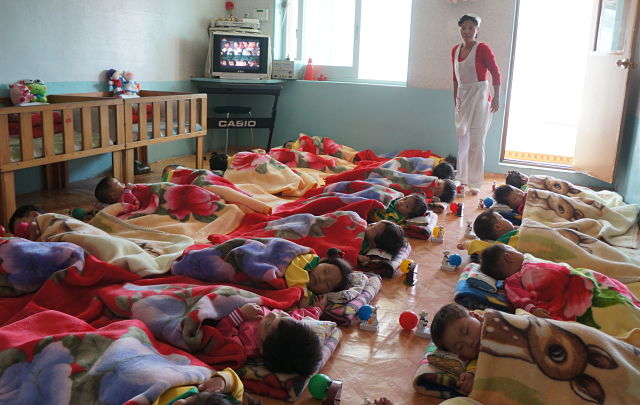
development projects in north koreaRuling out of fear and paranoia produces extreme tension in a state. North Korea remains one of the most oppressive authoritarian states in the world. Ruled by the Kim family and the Worker’s Party of Korea for seven decades, Kim Jong-Un continues the path of oppression through development projects in North Korea under the appearance of betterment and growth.
Development projects in North Korea do offer economic growth, some at the direct expense of citizens. These projects seek to establish an economy that is developed and thriving in order to boost its ability to be a key state in international affairs.

The Pyongyang missile development projects illustrate Kim Jong-Un’s desire to exercise extreme power by developing both nuclear missiles and military power. Creating a military powerful enough to defend borders against potential enemies allows North Korea to pursue self-sufficiency. Developing, testing and moving such missiles produces international tensions, provoking ideas of world wars.

Kim Jong-Un’s focus is not solely on military ventures but also on building orphanages, schools, ski resorts and building complexes. The project for building orphanages and schools was carried out in Wonsan. An additional 22 markets have been built and 60 renovated to grow the economy. In the five years Kim Jong-Un has ruled, the economy has increased by 1 percent to 5 percent per year.

Ten power plant projects have sprouted up to supply power to North Korea. China partnered with North Korea in order to complete two of the construction projects. Reforestation of land within North Korea shows signs of development to restore and recover timber for future logging. North Korea’s forests are used for timber exports and firewood for domestic energy. Reforestation allows for future economic growth in timber sales and exports.

These development projects in North Korea increase the pace of economic growth. However, the funding for such projects comes from bypassing sanctions set out by the U.N., manufacturers supplying funds for military expenses and North Korean workers forced to send wages home for economic projects.

Forced labor, arbitrary arrests, public executions and tightening borders to disallow people from seeking refuge in other countries are some of the harmful actions taken to fulfill development needs within North Korea. These development projects do not provide relief to the citizens but are fraught with corruption.

However, the U.N. Human Rights Council adopted a resolution to try and remedy the human rights abuses in North Korea. Through authorization, a group of independent experts was tasked to defend victims of human rights abuses. The council enacted the International Criminal Court as a mechanism to hold human right violators accountable.

North Korea is oppressive in its pursuit of economic growth, but with sanctions and accountability enacted by trade partners and organizations, the benefits from development projects in North Korea could possibly be more evenly dispersed among all citizens.

– Bronti DeRoche

Photo: Flickr

December 27, 2017
https://borgenproject.org/wp-content/uploads/borgen-project-logo.svg 0 0 Borgen Project https://borgenproject.org/wp-content/uploads/borgen-project-logo.svg Borgen Project2017-12-27 01:30:342019-11-12 22:25:46The Human Costs of Development Projects in North Korea
Global Poverty

Infrastructure in Papua New Guinea Making Critical Gains

Infrastructure in Papua New GuineaPapua New Guinea is just north of Australia and is home to 8.1 million people. With some 600 islands and a topography that rises from sea level to 4500 meters, improving infrastructure in Papua New Guinea is a significant challenge, especially in rural areas.

Paved roads are unequally distributed across Papua New Guinea (PNG), which creates a disparity in the economic opportunities available to the entire population. Coastal shipping services and aviation are common attempts to overcome these network gaps, but they are not cost-effective.

PNG’s National Transport Strategy considers maintenance and creation of paved roads its highest priority. PNG contains approximately 22,000 kilometers of roads, with the national road network comprised of 8738 kilometers of roads, only 40 percent of which are sealed.

Rural access to roads is limited, with only 68 percent of the rural population living within two kilometers of an all-season road. There are no main highways between the country’s biggest city, Port Moresby, and the Highland region, which is home to nearly half of the population.

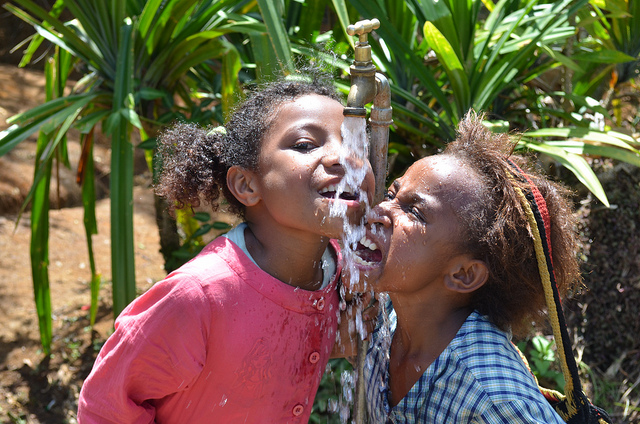
Papua New Guinea also has the lowest national water coverage of the Pacific region. This is a significant challenge for infrastructure in Papua New Guinea, as only the Marshall Islands has a lower percentage of piped coverage.

In November, PNG and the China Railway Group signed agreements for three projects worth around $4 billion, a quarter of the country’s gross domestic product. These agreements will upgrade 1,600 kilometers of highways and set PNG on a good pace toward developing a modern road network.

Also included in the deal is a $32 million project to improve water supply to PNG’s Eastern Highlands Province. Water supply is a major problem of infrastructure in Papua New Guinea, with 60 percent of the population living without a safe water supply. Papua New Guinea has the poorest access to clean water in the world, according to a study released by World Water Day.

Henry Northover, head of policy for WaterAid, said “This is not always an issue of scarcity—by and large we are dealing with a distributional crisis. It is fixable with clear and coherent government policies, and with the focused support of international agencies.”

The Water Supply and Sanitation Development Project is an initiative of the government of Papua New Guinea. It was formally agreed to in a ceremony marking World Water Day 2017, and the $70 million project will deliver access to clean and reliable water supply services for tens of thousands of people living in nine provincial towns and 10 rural districts.

These recent projects bode well for the future growth of infrastructure in Papua New Guinea. Continued focus on these areas can bring access to critical infrastructure to all of the nation’s people.

– Sam Bramlett

Photo: Flickr

December 24, 2017
https://borgenproject.org/wp-content/uploads/borgen-project-logo.svg 0 0 Borgen Project https://borgenproject.org/wp-content/uploads/borgen-project-logo.svg Borgen Project2017-12-24 07:30:182019-11-12 22:29:05Infrastructure in Papua New Guinea Making Critical Gains
Global Poverty

The Behno Standard: Factory Workers Transform into Humans

Behno StandardConsidering the work that millions of people do in factories around the world, progress is often valued not for the quality of the work but for how quickly the product can reach the market. If money is the primary objective, human beings can be endangered in the process. Without teamwork and employee wellbeing as priorities, products will not make it past production and the economic gains will not materialize. One solution to this culture is Shivam Punjya’s Behno Standard.
Punjya is a man who has sought to revolutionize the conditions in which factory workers operate, especially women. During a 2012 research trip on women’s health in India, he witnessed some extraordinary handmade textile work in rural villages. He was appalled to learn that 90 percent of these beautiful artworks were tailored by women who are paid less than $1 per day.

One year later, a tragedy would ultimately push him into advocacy. On April 13, 2013, the Rana Plaza garment factory in Bangladesh collapsed, killing more than 1,100 workers, the majority of whom were women. This incident brought intense awareness to factory conditions and the need to support workers.

Behno is a word used to describe love, harmony, and balance in its most beautiful connections with creative solutions. It is primarily an artistic expression used by communities full of like-minded individuals who strive for that harmony and balance with love. It is also the name used for the ethical fashion line that Punjya founded in New York.

Its central focus is on providing these factory workers with an environment to pursue their designs without their health being compromised. Through a partnership with a large nonprofit in rural Gujarat, India, called Muni Seva Ashram, Punjya began The Garment Worker Project. This was debuted in July 2016 as the first implementation of the Behno Standard through a collection of social programs.

The Behno Standard is broken into six categories: health, garment worker mobility, family planning, women’s rights, worker satisfaction and benefits and eco-consciousness. Its crucial emphasis is on offering a new meaning to the label ‘Made in India,’ often synonymous with unspeakable worker conditions. With the Behno Standard, Punjya strives to change that outlook and prove that a healthy working atmosphere leads to efficiency and high-quality products.

In Punjya’s own words, “Ethical fashion is such a collaborative space because the supply chain is massive and so convoluted. We encourage other brands to reach out to us, and we reach out all the time, to collaborate and utilize each others’ platforms.” Due to his inspiration for starting in the fashion business, he doesn’t want Behno to be a brand that tries to compete on the basis of profit. Instead, he wants his brand to be the unique type of team that collaborates with other companies.

Business doesn’t necessarily need to be a competition but can delve into a community goal. In that sense, the Behno Standard is transforming the connotations of factory work and joining together to revolutionize how the fashion business operates through human connections.

– Nicole Suárez

Photo: Wikimedia Commons

December 24, 2017
https://borgenproject.org/wp-content/uploads/borgen-project-logo.svg 0 0 Borgen Project https://borgenproject.org/wp-content/uploads/borgen-project-logo.svg Borgen Project2017-12-24 01:30:222024-05-29 22:29:15The Behno Standard: Factory Workers Transform into Humans
Global Poverty

Project Begins to Improve Road Infrastructure in Laos

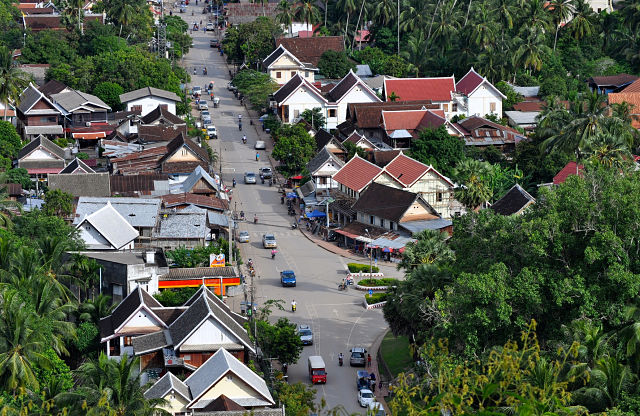
infrastructure in laosLaos is completely landlocked, with Vietnam standing between the small country and the Gulf of Tonkin. As a result, road transport is an essential form of transportation and the only means of improving economic development through infrastructure.
Unfortunately, road infrastructure in Laos is limited, underdeveloped and particularly vulnerable to extreme weather conditions. According to the World Bank, 50 percent of the roads observed were in fair or good condition and only 56 percent of the rural population in Laos has access to an all-season road.

In 2017, The World Bank and Laos Ministry of Finance signed an agreement to dedicate $25 million to the Second Road Sector Project in Laos, which is mainly designed to create climate-resistant road infrastructure and to improve road connectivity in parts of Laos that are susceptible to natural disasters.

As a country, Laos is no stranger to natural disasters such as landslides, floods, earthquakes and cyclones. For villagers in rural areas, floods are the biggest detriment to crops, which are not only a source of income but also a source of sustenance for many farm families.

The six provinces at the center of the Second Road Sector Project are particularly defenseless in the wake of natural disasters. The central provinces face issues with backwater flooding while the northern provinces are most susceptible to flash floods and landslides.

Ensuring climate resilience in these provincial roads involves routine road maintenance. Spot maintenance is also needed to improve the poorest sections of existing road infrastructure in Laos.

These maintenance changes include increasing drainage, decreasing or stabilizing large slopes, elevating low roads that are vulnerable to flooding and re-graveling existing roads. The upgrades aim to lessen the effects of different forms of flooding and will help maintain the accessibility of more roads following natural disasters so that people in the most rural areas may attend work and school and have access to important services.

On the institutional level, the project called for critical changes in policy and the public sector, such as providing training and technical assistance which ensure proper and timely implementation of the roadwork projects. In the case of the highly probable natural disaster, project proceeds are re-allocated to an emergency response for the poor northern and central provinces. The emergency response includes a specified list of goods, services and infrastructure work that are to be implemented following a natural disaster.

While the project was only implemented a year ago, the World Bank and the Lao Ministry of finance have made tangible steps toward progress. By October 2017, the World Bank collected a large amount of data on the conditions of road infrastructure in Laos and the climate-resilient road maintenance component is already in motion, making certain parts of Laos better prepared than they were in 2016 for the next flash flood or earthquake. The World Bank projects that these changes will give 57 percent of people access to all-season roads by 2022 with the hope that this number will continue to increase.

– Danielle Poindexter

Photo: Flickr

December 23, 2017
https://borgenproject.org/wp-content/uploads/borgen-project-logo.svg 0 0 Borgen Project https://borgenproject.org/wp-content/uploads/borgen-project-logo.svg Borgen Project2017-12-23 07:30:332024-06-07 05:07:52Project Begins to Improve Road Infrastructure in Laos
Development, Global Poverty

5 Development Projects in Sudan to Know About

development projects in sudan
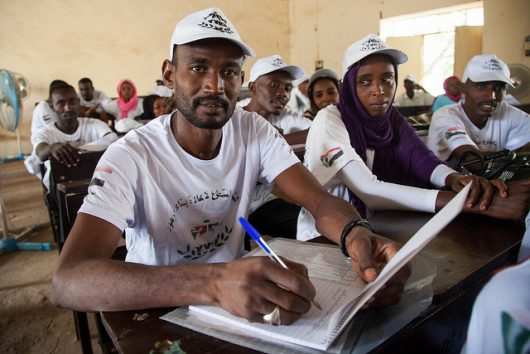
Sudan has been rife with conflict for most of its existence. The country is dealing with economic challenges, health concerns, a large population living below the poverty line and the ever-present threat of violent conflict. Many organizations are working in Sudan to help improve conditions for those living there, and progress is being made. As an example, the life expectancy in Sudan has risen from 58.4 in 2000 to 64.2 in 2015. Ahead are five development projects that are making a difference in Sudan.

  1. Earlier this year, the Sudanese government and the African Development Bank launched the ENABLE Youth Program. This project helps youth in the country get involved in agriculture and learn business skills that will help them make a living. This is an important step in diversifying Sudan’s economy and decreasing its reliance on oil.
  1. The Strengthening Sub-National Fiscal Policy Management project is seeking to promote greater equity in Sudan’s public resource use and increase government transparency. There is a large disparity in resource allocation between different regions within Sudan and this project is working to level the playing field.
  1. The second phase of the Sustainable Livelihoods for Displaced and Vulnerable Communities in Eastern Sudan project (SLDP2) is continuing to help people living in Sudan’s poorest region identify labor needs and find workers to complete these tasks. This creates new jobs that do not require a great deal of training and work toward the betterment of the community.
  1. The International Fund for Agricultural Development (IFAD) has made development projects in Sudan a priority since 1979. Today the organization focuses its programs on agriculture and livestock. It is working to enhance crop productivity and increase access to financial services in Sudan’s rural farming communities.
  1. The United Nations Development Project (UNDP) is confronting many key issues in Sudan. UNDP projects in Sudan focus on poverty reduction, establishing and stabilizing democratic institutions and fighting HIV, malaria and other diseases.

Development projects in Sudan have played an important role in improving the quality of life for those living in the country. With continued investment from the global community and regular evaluation of projects’ effectiveness, there is hope for a more stable and peaceful Sudan.

– Aaron Childree

Photo: Flickr

December 23, 2017
https://borgenproject.org/wp-content/uploads/borgen-project-logo.svg 0 0 Borgen Project https://borgenproject.org/wp-content/uploads/borgen-project-logo.svg Borgen Project2017-12-23 01:30:452024-05-29 22:29:565 Development Projects in Sudan to Know About
Global Poverty

Infrastructure in Senegal

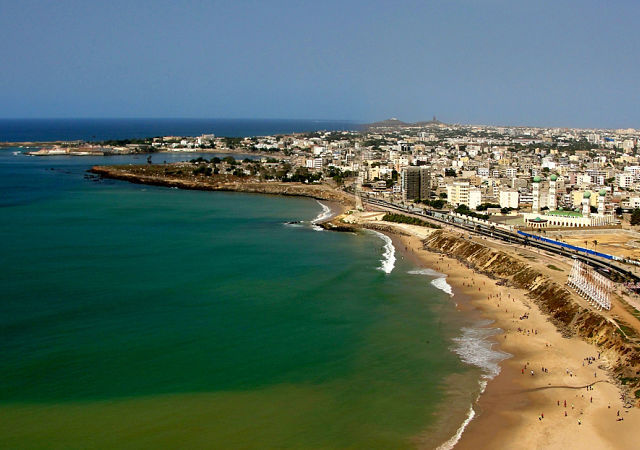
infrastructure in senegalInfrastructure in Senegal is on its way to being efficient and up-to-date. Senegal currently spends $911 million on infrastructure each year, but $312 million is wasted due to inefficiencies. According to the World Bank, Senegal cannot meet standards of efficiency because it has an annual funding gap of $578 million which could be closed by increased investment by the private sector.

In terms of physical infrastructure, Senegal has 19 airports, a total railway line length of 906 km and road connectivity of 0.07 kilometers per square kilometers of land. While these statistics are far better than a couple of decades ago, Senegal still falls behind the rest of the world. Senegal’s road connectivity of 0.07 is far below that of the world average of 0.46. Additionally, only 61 percent of the population has access to electricity.

In order for Senegal to catch up to the rest of the world, they will need major increases in funding. According to the World Bank’s Global Competitiveness Index (GCI), which assesses the “competitiveness landscape” of a country’s economy, Senegal came in with a score of 3.7 for the 2015-2016 year. The score is also an indicator of the level of transport, electricity and telephone infrastructure. Senegal compares poorly to other countries, but it must be noted that the highest-scoring countries are developed nations with access to greater funding.

A number of developmental agencies, such as the African Development Bank (AFDB) have projects in Senegal. Between 2008 and 2012, the AFDB conducted the Road Development and Transport Facilitation Project, which focused on improving road infrastructure in the Southern Bamako-Dakar Corridor between Senegal and Mali. While the main goal of the project was to make Senegal’s main port more accessible to Mali, the improved road has provided better access and transportation to the people of Senegal as well. Transportation has become much more convenient for villagers in the region, and there have been major reductions in flooding and erosion of the road.

Ultimately, infrastructure in Senegal is much better than that in other developing countries, but it still needs a lot of improvement. Most of this work cannot be completed without significant increases in funding that will have to come from private and foreign investment. Senegal has the potential to raise its GCI score through improvements to its infrastructure and should do what it can to garner more financial support from other nations and independent organizations.

– Liyanga de Silva

Photo: Flickr

December 22, 2017
https://borgenproject.org/wp-content/uploads/borgen-project-logo.svg 0 0 Borgen Project https://borgenproject.org/wp-content/uploads/borgen-project-logo.svg Borgen Project2017-12-22 07:30:592019-11-12 22:34:56Infrastructure in Senegal
Global Poverty

Infrastructure in Nepal: Gaps Between Mountains and Plains

infrastructure in nepalNepal’s landscape is shaped by the Himalayas, which run along the country. The snow mountains and blue skies are recurrent pictures in the land. These geographic conditions divide the country into three different regions: the plains, the elevated flatland and hills and the mountain region.

Infrastructure in Nepal is also shaped by these features, with gaps in infrastructure between the plains and the mountains. In some areas, it is difficult to build roads and provide citizens with basic services such as electricity and water.

These gaps are visible in water infrastructure. For instance, only 83 percent of the population in Nepal has access to basic water services. Even though most Nepalese have water access, the quality of water varies by region.

Terai, located in the plains, has good water access but in the Western hills region sanitation is the principal concern. Only 16 percent of Nepalese have access to higher/medium quality water service, a percentage which shows the main problem with water infrastructure in the country.

Regarding electricity, only 76 percent of the population has access to energy. The electrical power infrastructure has not improved since 2002. In addition, Nepal faces 18 hours’ load shedding a day, which means that energy generators have to be shut down in order to prevent malfunctions of the power system.

Communications infrastructure also has gaps between the plains and mountain regions. More than 60 percent of the road network in Nepal is concentrated in the lowland areas of the country, specifically in Terai. There are 29,031 km of roads, 53 percent of which are paved roads, and 1,952 bridges in the South Asian country.

This situation affects the Nepali industry and economy. In this way, Nepal’s infrastructure depicts a dual problem. Whereas just 20 percent of Nepal’s population lives in urban areas, Nepal also has the fastest urbanizing indicators with a growth rate of five percent on average since the 1970’s. With these parameters, Nepal has to start to improve its infrastructure in order to improve urbanization in most of the country’s regions.

The infrastructure of Nepal was impacted by an earthquake that occurred in 2015. Around eight million people were affected and 250,000 houses damaged. Despite that, Nepal’s government and the private sector are working to relieve infrastructure in Nepal.

Government capital expenditures in infrastructure have exceeded four percent of Nepali GDP since 2015. This money has gone towards water, communication, transportation and electricity infrastructure.

In addition, the private sector is contributing to upgrading the country’s infrastructure. Transportation and communication infrastructure received an investment of 365 billion Nepalese rupees this year. Whereas water and energy infrastructure got 48 billion Nepalese rupees.

International organizations are providing assistance to Nepal as well. Since the 1970’s the World Bank has founded 12 road projects and recently it has developed the Road Maintenance Groups (RMG) program that employs local Nepalese labor in road infrastructure tasks.

With these advances, Nepal looks to the future. With growing urban areas in the country, infrastructure in Nepal has to reduce the gaps it has in the mountains regions, where access is difficult. However, the government, the private sector and international organizations are all contributing money to the country in order to boost infrastructure in Nepal’s three regions.

– Dario Ledesma

Photo: Pixabay

December 22, 2017
https://borgenproject.org/wp-content/uploads/borgen-project-logo.svg 0 0 Borgen Project https://borgenproject.org/wp-content/uploads/borgen-project-logo.svg Borgen Project2017-12-22 07:30:212024-06-11 02:48:35Infrastructure in Nepal: Gaps Between Mountains and Plains
Global Poverty

Improving Infrastructure in Colombia

In 2013, the World Economic Forum reported that the infrastructure in Colombia was among the worst in Latin America. Colombia ranked 10th out of 12 Latin American economies considered in the infrastructure quality-gap index.

Many citizens believe that the lack of infrastructure is a danger to both Colombia’s domestic and international economic competitiveness. Colombia’s president, Juan Manuel Santos, elected in 2010, also recognizes that improving infrastructure in Colombia is key. Improvements to infrastructure would boost the country’s competitiveness. The threat posed by Colombia’s poor infrastructure led Santos to create the National Infrastructure Agency (ANI) during his first year in office.

The National Infrastructure Agency

The ANI was designed to catapult projects that are key to Colombia’s economic growth. Out of the 33 planned roads, the ANI awarded 32 concessions as of 2017. Given that most problems with the country’s infrastructure relate to the transport sector, this progress is notable.

To remedy some of the issues faced in Colombia’s transport sector, Law 385 was introduced by the Financial Sector Reform in 2009. The law allowed for up to $14 billion to be invested in the transport sector. However, less than $1 billion was actually invested. This number is much lower than the $9 billion allocated to other sectors, such as electricity and telecommunications.

Additional Improvements to Infrastructure in Colombia

The Fourth Generation (4G) investment program provides large investments for infrastructure projects. In particular, the investments provided by 4G are enough to nearly double the length of the roads throughout Colombia. This program is among the most ambitious investment programs in the country’s history. 4G includes a total of 47 projects, including the construction of 8000 kilometers of roadway in Colombia.

Further to the government’s focus on improving roadways is the project to better maritime transport. Colombia aims to improve this sector, with a goal to double its exports. In the future, Colombia aims to promote itself as a tourist destination for those who travel on cruise ships.

Despite the areas of infrastructure in Colombia that still require improvements, considerable progress has been made. In the first three years of Santos’ presidency, Colombia invested $11.7 million in infrastructure development. Its work does not stop there: in the next few years, Colombia’s government expects to spend over $1 billion on airport modernization projects alone.

– Haley Rogers

Photo: Flickr

December 21, 2017
https://borgenproject.org/wp-content/uploads/borgen-project-logo.svg 0 0 Borgen Project https://borgenproject.org/wp-content/uploads/borgen-project-logo.svg Borgen Project2017-12-21 01:30:232019-12-06 13:43:57Improving Infrastructure in Colombia
Page 28 of 44«‹2627282930›»

Get Smarter

  • Global Poverty 101
  • Global Poverty… The Good News
  • Global Poverty & U.S. Jobs
  • Global Poverty and National Security
  • Innovative Solutions to Poverty
  • Global Poverty & Aid FAQ’s
Search Search

Take Action

  • Call Congress
  • Email Congress
  • Donate
  • 30 Ways to Help
  • Volunteer Ops
  • Internships
  • Courses & Certificates
  • The Podcast
Borgen Project

“The Borgen Project is an incredible nonprofit organization that is addressing poverty and hunger and working towards ending them.”

-The Huffington Post

Inside The Borgen Project

  • Contact
  • About
  • Financials
  • President
  • Board of Directors
  • Board of Advisors

International Links

  • UK Email Parliament
  • UK Donate
  • Canada Email Parliament

Get Smarter

  • Global Poverty 101
  • Global Poverty… The Good News
  • Global Poverty & U.S. Jobs
  • Global Poverty and National Security
  • Innovative Solutions to Poverty
  • Global Poverty & Aid FAQ’s

Ways to Help

  • Call Congress
  • Email Congress
  • Donate
  • 30 Ways to Help
  • Volunteer Ops
  • Internships
  • Courses & Certificates
  • The Podcast
Scroll to top Scroll to top Scroll to top