• Link to X
  • Link to Facebook
  • Link to Instagram
  • Link to TikTok
  • Link to Youtube
  • About
    • About Us
      • President
      • Board of Directors
      • Board of Advisors
      • Financials
      • Our Methodology
      • Success Tracker
      • Contact
  • Act Now
    • 30 Ways to Help
      • Email Congress
      • Call Congress
      • Volunteer
      • Courses & Certificates
      • Be a Donor
    • Internships
      • In-Office Internships
      • Remote Internships
    • Legislation
      • Politics 101
  • The Blog
  • The Podcast
  • Magazine
  • Donate
  • Click to open the search input field Click to open the search input field Search
  • Menu Menu

Tag Archive for: Cost of Living

Posts

Food Insecurity, Global Poverty

Hunger in Northern Ireland

A collection of U.K. charities have united to advocate for better circumstances for U.K. residents in recipients of universal credit. This comes after a groundbreaking investigation into hunger in Northern Ireland by the Trussell Trust.

The Situation

This issue in Northern Ireland has attracted publicity due to the significant volume of people in the country experiencing hunger. This has gained attraction from multiple news outlets, such as the BBC, which reported that “one in six people in Northern Ireland face hunger or food insecurity.” In an interview with the BBC, Karen Mullan from the Foyle Food Bank said that the figures demonstrate a constant busyness within the food banks: “We have seen over the last couple of weeks and months a real rise in terms of food and energy costs, and inflation is affecting all areas of life.”

Karen Mullan mentioned that the sharp rise in inflation during the U.K.’s cost of living crisis is no coincidence with the rising number of people in hunger. Since 2021, the United Kingdom has been facing an unprecedented rise in inflation, and in October 2022 reaching 11.1% “its highest rate in 40 years.” This has led to a sharp increase in the cost of essentials, such as energy and food.

The Trussell Trust’s report found numerous contributing factors to the significant amount of hungry people in Northern Ireland. Firstly, the report found that 79% of food bank visitors had to rely on the network due to their income being too insufficient to support themselves. The investigation also found that difficulty in finding supportive jobs, especially for marginalized groups such as women and disabled individuals was a contributing factor to the financial hardships experienced.

The Affected Population

When investigating which groups accessed food banks the most in Northern Ireland, the Trussell Trust found that disabled people, women and households with children under the age of 16 are significantly overrepresented. Despite people with disabilities making up 30% of the Irish population, the Trussell Trust discovered that this group make up 61% of people who are referred to food banks (within the Trussell Trust network). This refers to a wider issue, where poverty and health, particularly, mental health correlate.

In addition to this, the investigation found that despite households with children under the age of 16 contributing to 34% of the general population of Northern Ireland, they make up 48% of people visiting these food banks within the network. One reason for this, suggested by the report, could be the financial demands that households with young children face, such as the prices of childcare, as well as higher costs of bills due to more people living in a house. Furthermore, the report found that women are twice as likely to refer to food banks as men. The report attributes this to gender inequalities regarding pay.

Brighter Days Ahead

Despite the findings of the Trussell Trust raising alarms, learning who is affected and why is a large step in combatting hunger in Northern Ireland. The report outlines key issues, such as the basic rate of universal credit being insufficient, gender pay inequality and the financial hardships that marginalized groups can be vulnerable to. Now that these findings have surfaced, there have been calls for urgent policy change to alleviate hunger in Northern Ireland, specifically an increase in universal credit to ensure that it is sufficient enough to support everyone, proposing an “Essentials Guarantee” in Northern Ireland.

The Essentials Guarantee would ensure that universal credit recipients receive adequate monetary support to live with the essentials, including food. According to the Joseph Rowntree Foundation (JRF), five in six households on universal credit are going without the essentials. JRF wants the government to back essential guarantees, particularly in families with mental health issues and single parents.

Amnesty International has also campaigned the guarantee, stating that this change is a basic human right, and necessary during times of inflation and for life after COVID-19. The JRW has stated that this guarantee will only positively benefit the economy.

– Ella Turner

Ella is based in St Helens, UK and focuses on World News for The Borgen Project.

Photo: Flickr

July 3, 2024
https://borgenproject.org/wp-content/uploads/borgen-project-logo.svg 0 0 Jennifer Philipp https://borgenproject.org/wp-content/uploads/borgen-project-logo.svg Jennifer Philipp2024-07-03 03:00:342024-07-26 09:28:02Hunger in Northern Ireland
Global Poverty

Hawaii’s Tourism Dilemma: Impact on Poverty

Hawaii’s TourismIn recent years, Hawaii’s tourism dilemma has come to the forefront, shedding light on the intricate balance between economic prosperity and environmental and socioeconomic concerns. Local voices have highlighted the trains on resources, rising costs of living and housing and cultural erosion caused by mass tourism. This exploration delves into Hawaii’s tourism dilemma, dissecting its multifaceted impacts and the possibility of a balanced future. 
Strains on Resources 

While tourism breathes life into Hawaii’s economy, it also exerts tremendous pressure on the islands’ resources. The demand for accommodations, water and energy strains already limited supplies. Due to the severe drought and the depletion of water supplies, West Maui residents and Upcountry villages were subject to mandatory water restrictions starting on June 30, 2022. The use of water for non-essential purposes, such as watering lawns or washing cars, might result in a $500 punishment and having their water meters taken away for locals from these regions. However, the tourist sector, which uses 44.7% of Hawaii’s water, is not subject to any water restrictions. This struggle for essential resources often forces residents to contend with water rationing and conservation efforts, affecting their quality of life.

Rising Costs and Widening Poverty Gaps 

The influx of tourists has brought with it rising costs that hit residents hard. The cost of living has surged, particularly in terms of housing and everyday essentials. From 2019 to 2022, Maui County’s housing prices rose by nearly 35%; they had already been rising since the financial crisis. Additionally, based on statistics from the Council for Community and Economic Research, Hawaii had the highest cost of living in 2022. 

Skyrocketing housing and high cost of living prices have led to displacement for many locals, as investors snatch up properties for vacation rentals. 

Cultural Erosion 

The cultural erosion brought about by mass tourism is a poignant concern. Native Hawaiians, who hold a deep spiritual connection to their land, often feel that their traditions and values are commodified for profit. The influx of visitors seeking superficial representations of Hawaiian culture can overshadow the authentic practices and beliefs of the local community, further eroding the island’s unique identity.

Tackling Hawaii’s tourism dilemma involves recognizing the importance of cultural preservation as a means to both attract visitors and empower local communities.

The Positive Impact 

Despite these challenges, the impact of tourism isn’t entirely negative. It has propelled economic growth, generating jobs, investment opportunities and revenue streams that support local infrastructure and services. A quarter of Hawaii’s GDP comes from the tourism industry. The tourism sector in 2019 supported a total of 216,000 jobs across the state. It also resulted in nearly $17.8 billion in tourist spending and contributed more than $2 billion in tax revenue for the state.  

Moreover, tourism provides a platform to showcase Hawaii’s rich cultural heritage and environmental significance to a global audience. By engaging visitors in educational experiences, the islands can foster a greater appreciation for their unique attributes.

Moving Toward a Balanced Future

Addressing Hawaii’s tourism dilemma requires a multi-faceted approach that takes into account the need to alleviate poverty, preserve culture and ensure a sustainable flow of visitors.

A key pillar to finding effective solutions to Hawaii’s tourism dilemma requires involving local communities in decision-making processes. Residents, who are the heart of Hawaii, possess a profound understanding of the islands’ needs and sensitivities. By giving them a voice in shaping tourism policies and regulations, the industry could become more attuned to the wishes and concerns of those who call Hawaii home. This collaborative approach fosters a sense of ownership and shared responsibility for the islands’ well-being. 

Balancing the scales of tourism also means supporting local businesses and economies. Encouraging visitors to explore lesser-known destinations and engage with off-the-beaten-path experiences redirects economic benefits to smaller communities. Promoting sustainable agriculture and indigenous crafts not only diversifies revenue streams but also safeguards Hawaii’s authenticity against a homogenized tourist culture. Additionally, encouraging tourists to explore less crowded areas will prevent damage to vulnerable cultural and natural sites. 

Dr. Agrusa asked hundreds of participating U.S. tourists what they would be prepared to do to make sure their visits benefited Hawaii and its residents. Around four out of 10 respondents stated they would be willing to pay 10% more at restaurants if it meant that local suppliers would profit more from the food supply chain and pay more during their stay to respect Hawaiian culture. 

Hawaii’s tourism challenge stands at a crossroads, casting both concerns and the need for a balanced future. As mass tourism on the islands causes strains on resources, vanishing cultural roots and increasing poverty levels, embracing community voices and fostering local economies emerges as a solution to foster sustainable tourism. 

– Hannah Klifa
Photo: Unsplash

October 25, 2023
https://borgenproject.org/wp-content/uploads/borgen-project-logo.svg 0 0 Yuki https://borgenproject.org/wp-content/uploads/borgen-project-logo.svg Yuki2023-10-25 01:30:122024-06-11 00:17:56Hawaii’s Tourism Dilemma: Impact on Poverty
Global Poverty, Homelessness

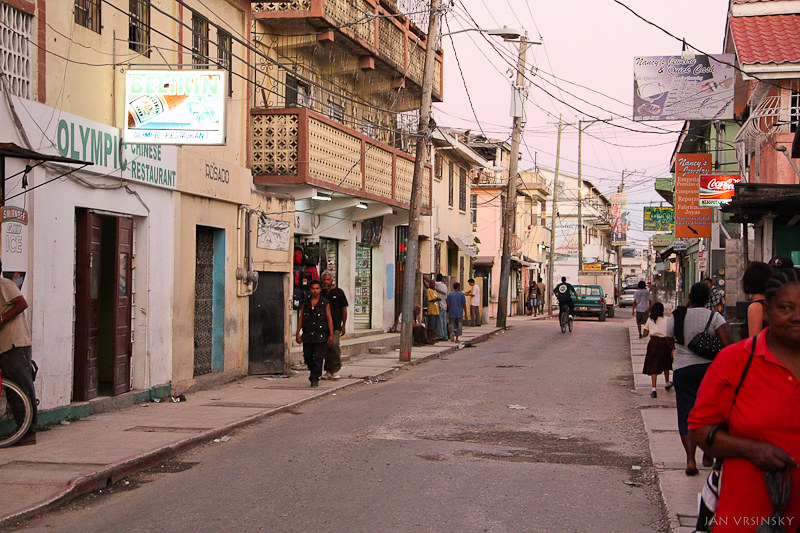
Homelessness in Belize

Homelessness in BelizeIn Belize, the rate of poverty hovers around 42%. Many Belizeans do not have the financial resources or means to access adequate clothing, shelter and food. Not surprisingly, most of Belize’s homeless population falls vulnerable to informal housing and shelter lacking appropriate plumbing, sanitary conditions and infrastructure. To address homelessness in Belize, outside organizations offer resources and assistance to vulnerable families, individuals and communities. 

Cost of Living 

For a typical family of four living in Belize, monthly expenses far outweigh income. Average monthly costs total around $2,500, without rent, while the average net salary comes in around $950 per month. Furthermore, the cost of housing can be relatively high compared to average incomes, contributing to affordability issues for low-income individuals and families. With an unemployment rate of 9.7% as of 2022, many Belizeans are plunged into poverty, unable to afford a roof over their heads. 

Furthermore, essential goods and services are becoming increasingly unaffordable and inaccessible, especially for rural communities. Urban centers present more comprehensive ranges of housing options, whereas rural areas provide limited options and aid for vulnerable people. As a result, there are a large number of informal settlements and unauthorized settlement areas, that lack the proper legal recognition, infrastructure and basic amenities. 

Impact on Children

Notably, children are the most vulnerable to homelessness. UNICEF finds that half of the children in Belize under the age of 15 are classified as poor. Homelessness among children means that the most vulnerable in society lack basic needs, threatening the development and nourishment of young, fragile livelihoods. In conjunction, UNICEF and ECLAC (United Nations Economic Commission for Latin America and the Caribbean) find that “6 out of 10 children in Belize lack at least one of these basic needs: adequate nutrition, clean drinking water, proper sanitation, adequate housing and access to education and information.”

A home is fundamental to properly care for and support a child. To alleviate the risks and adverse effects of homelessness on children, comprehensive support for the continuation and stability of a child’s education promotes positive outcomes. Addressing the unique needs of homeless families and children involves access to stable housing, nutritious food, health care, and targeted programs for mental health support.

Initiatives to Reduce Homelessness

Countering homelessness in Belize requires a combination of efforts, including affordable housing initiatives, rent subsidies, homelessness prevention programs and comprehensive poverty alleviation efforts. Here is a list of varying organizations and comprehensive plans fighting for people experiencing homelessness.

  • The Welcome Resource Centre – Since opening its doors in 2013, the Welcome Resource Centre continues to offer daily hot meals, hygiene facilities and a safe place for the homeless and mentally ill. With over 400 registered homeless, the center hosts over 50 persons per day. Furthermore, they provide educational guidance in pursuit of employment the homeless and opportunities to develop skills. In engagement with those suffering from mental illness, WRC hosts daily programs encouraging physical and mental involvement in purposeful, therapeutic activities. In addition, the organization sponsors counseling for individuals, groups and families. 
  • Hand in Hand – Hand in Hand is an organization rooted in Belize City, building homes for Belizean families. Working with the NGO Building for Change, volunteers work alongside impoverished families, creating not only a home but also cementing personal connections with the families. Since 2002, over 450 homes have been built, providing vulnerable families with the safety and shelter of a house.   
  • Remar Belize – In pursuit of their mission to “fight for disadvantaged people in Belize to relieve all suffering from poverty, social exclusion, sickness and particularly among people affected by substance addictions,” Remar Belize offers several programs and assistance to aid those struggling with homelessness. These initiatives include temporary/permanent shelter, personal hygiene, food, clothing, occupational skills training and pedagogical activities. Their work continues to evolve and serve the most vulnerable, most importantly acting as a hub for those who have no other option.
  • Hope Haven Belize – Hope Haven Belize, working in the San Pedro area, serves over 150 women and children. Their efforts primarily focus on supporting children, providing shelter and care for “children who have been abandoned, neglected or sexually and physically abused by their parents or guardians.” Hope Haven also supports Colleen’s Kitchen Food Bank, provides counseling services and hosts empowerment programs for youth and young women. 

Going Forward

The World Health Organization recognizes that “housing is a fundamental social determinant of Health and is recognized by the United Nations as a fundamental human right, and not a luxury, as many Belizeans still believe.” Through the work of several organizations, the homeless can access shelter and resources that invest and promote opportunities to re-introduce individuals into society and out of poverty. Reducing homelessness in Belize takes a multi-dimensional approach that requires collaboration between communities and organizations to establish positive solutions that empower all Belizeans.

– Emmalyn Meyer
Photo: Flickr

August 25, 2023
https://borgenproject.org/wp-content/uploads/borgen-project-logo.svg 0 0 Lynsey Alexander https://borgenproject.org/wp-content/uploads/borgen-project-logo.svg Lynsey Alexander2023-08-25 04:35:022023-08-30 04:34:58Homelessness in Belize
Education, Global Poverty

Top 10 Facts About Poverty in Poland

10. Top 10 Facts About Poverty in Poland
Poland’s future is in jeopardy. More specifically, the future of Poland’s youth is in jeopardy. While the country is dealing with difficult poverty issues, the youth of Poland face uncertainty in job perspective. Detailed in this list of the top 10 facts about poverty in Poland are the contributing factors to today’s crisis, as well as possible improvement in the future based on the projected increase of foreign aid to Poland.

Top 10 Facts About Poverty in Poland

  1. The CIA World Factbook estimates that 17 percent of Poland’s population is under the poverty line. The World Data Group defines the poverty line as earning anything below $1.90 per day. Poland’s total population is 37.95 million people, which means that there are 6.4 million people in poverty. To put this into perspective, that is the number of people that currently live in Indiana.
  2. According to the World Bank Data, unemployment in Poland is around 14 percent and among the young population, it is 25 percent. This level of unemployment was reached in small towns like Tarnobrzeg due to leaders prioritizing failed tourist attractions over the actual sources of employment and money. For example, the leaders of Tarnobrzeg shut down their mines to replace them with an artificial lake. The lake was only able to be used during the two warmest months of the year, hurting the town’s economy badly.
  3. While the average salary of Polish citizens is at an all-time high (around $963), the minimum wage is less than half of the average. Average rent across Poland ranges from $272 to $816.
  4. Many citizens give a large chunk of their paycheck to heating companies to stay warm during Poland’s harsh winters, resulting in a lesser amount of money to meet other survival needs. The average cost of heating in Poland is $180.
  5. Young people in Poland struggle to keep long-lasting employment because many agencies use temporary work. In the World Bank Data coverage of poverty in Poland, the story states that 27 percent of the young population faces “junk contracts” that do not help their living situations. “Junk contracts” are temporary contracts for workers that do not offer a stable income, a source of long-term financial stability or any health benefits. These job prospects are so terrible that around one million people between the ages of 15 and 24 travel abroad to earn higher wages. Between 2009 and 2011, only 40.3 percent of temporary workers were able to get permanent jobs, according to the Social Diagnosis survey.
  6. Education is becoming the important focus for young people in Poland. Despite 80 percent of the youth population attending schools that lead to higher education, future employers are uninterested in these dedicated students and fail to train them instead. Social Europe’s report on youth unemployment in Poland claims that less than 23 percent of Polish companies cooperated with a school or a center for practical training.
  7. World Bank Data claims that Poland’s economy grew 81 percent between 1990 and 2010. However, the wage gaps between the wealthy and those below the poverty line also grew. Scientific Research Journal found that “rising income inequalities were exacerbated as Poland’s economy grew and private ownership expanded”.
  8. Approximately 35 percent of children under the age of 17 rely on government assistance. Not only that, but World Socialist Web reports that 3 percent of families with more than one child cannot afford to feed all members of the family. The Polish government only plans on allowing approximately $220 million in government funding each year until 2020.
  9. In 2015, World Bank Data released a report claiming that spending programs in support of low-income families in Poland are well targeted and that they mostly benefit low-income households. While this is a great start, Poland must expand its assistance to the poor. World Bank Data stated that a solution to this problem would be for the government to investigate the causes of this high poverty level and start there. Some government assistance programs realize that this is an important step and have suggested the implementation of a family cash bonus entitled Rodzina 500+. This step will also look into how to restructure the system so that low-income families are the first to receive support.
  10. According to USAID, the U.S. gave Poland approximately $13 million in 2016. However, a large portion of the funding is going towards the military. The amount of aid going to Poland has substantially dropped in the last 15 years. On average, the U.S. gave between $50 million and $80 million until 2015. In 2016, $11 million went to military aid and a grand total of $6,400 went to maternal and child health.

Poland’s poverty crisis is not quite at a catastrophic level. The people are surviving and the government is acknowledging the crisis. These top 10 facts about poverty in Poland attempt to show the spectrum of issues and possible solutions for Poland. Poland’s government, as well as the U.S.’s foreign aid system, can help the underprivileged and prevent this situation from worsening.

– Miranda Garbaciak

Photo: Flickr

September 29, 2018
https://borgenproject.org/wp-content/uploads/borgen-project-logo.svg 0 0 Kim Thelwell https://borgenproject.org/wp-content/uploads/borgen-project-logo.svg Kim Thelwell2018-09-29 11:20:382024-05-27 09:34:22Top 10 Facts About Poverty in Poland
Global Poverty, Health

Causes of Poverty in Monaco Successfully Minimized

Causes of Poverty in Monaco

What are the causes of poverty in Monaco? This is a difficult question to answer. As of 2009, according to the World Health Organization, Monaco does not have any percentage of its population living below the national or international poverty line. So, there are essentially no causes of poverty in Monaco.

Monaco, a microstate located on France‘s southern coast, has a small population of 38,000 people. In 2015, Monaco had the highest per capita GDP in the world. Thus, it is not surprising that Monaco is home to some of the world’s wealthiest people and many popular, expensive tourist attractions such as Monte Carlo.

Furthermore, the cost of living is extremely high in Monaco; property costs $9,000 per square inch, which is approximately 50% more expensive than the average apartment in New York City. Monaco is roughly the size of Central Park, and so it is fairly difficult for a large number of people of low socioeconomic status to find a place to live.

In addition, the working class of Monaco is hardly even comparable to the working class of many developed countries like the United States. Workers are granted competitive, tax-free salaries and they do not suffer the same hardships and difficulties that part-time, minimum wage workers in the United States face.

Health outcomes are oftentimes linked to poverty rates and may provide meaningful insight into a country’s poverty rate. Underdeveloped countries, which experience higher incidence rates of communicable diseases, have higher poverty rates than developed countries like Monaco, which experience high incidence rates of non-communicable diseases. Infectious, communicable diseases that are oftentimes rampant among groups of low socioeconomic status do not have high incidence rates in Monaco.

For instance, diarrhea, which is a common indicator of infectious disease rates, was reported to have an incidence rate of 0.3 in 2009, which is comparable to the world’s lowest incidence rate of diarrhea of 0.2 at that time. Cardiovascular disease is an example of a non-communicable disease that has a fairly high incidence rate in developed countries. In Monaco, cardiovascular disease had an incidence rate of 2.1 in 2009, compared to the world’s lowest incidence rate of cardiovascular disease, 1.4, at that time.

Monaco’s health outcomes are comparable to those of developed countries rather than underdeveloped countries. These facts, combined with the protections for worker salaries and the many wealthy people that live there, mean that poverty is fortunately not an issue for the people of Monaco.

– Emily Santora

Photo: Flickr

October 18, 2017
https://borgenproject.org/wp-content/uploads/borgen-project-logo.svg 0 0 Kim Thelwell https://borgenproject.org/wp-content/uploads/borgen-project-logo.svg Kim Thelwell2017-10-18 01:30:452024-12-13 17:58:26Causes of Poverty in Monaco Successfully Minimized
Economy, Global Poverty

Inequality: Causes of Poverty in Liechtenstein

Immigrant In-Equality: Causes of Poverty in Liechtenstein

The Principality of Liechtenstein is a country located in Europe that is landlocked between Switzerland and Austria. It is a relatively wealthy country, containing one of the highest measures of GDP per capita in the world, a low inflation rate and the benefits of a monetary and economic union with Switzerland. It therefore has one of the highest standards of living across the globe, although it comes with the trade-off of an extremely high cost of living.

Much of the country’s wealth can be attributed to its status as a tax haven, though it has taken steps in recent years to regulate and rid itself of this image and to reposition itself as a legitimate financial center. Despite the country’s economic successes, there is still poverty to be found here.

The causes of poverty in Liechtenstein become evident when analyzing the immigration policies put in place by the country’s government. In 2013, many media outlets in Europe began to report that the growing immigrant population was composed of many low-income families. This is mainly due to the increased share of the population that are immigrants, with the incomes earned by these immigrants being lower than those of the native population. This has caused the overall income growth of Liechtenstein to be subjected to downward pressure in recent years.

The unemployment rate of immigrants in Liechtenstein is approximately twice as large as it is for national citizens that have lived in Liechtenstein for their entire lives. In terms of how this applies in practice, one in two unemployed persons living in Liechtenstein is an immigrant. Despite these concerns, compared to other European countries, Liechtenstein remains in a prosperous position and the unemployment rate in general is at a very low level. As of 2012, the average unemployment rate faced by the country was 2.4 percent, with the unemployment for national citizens being 1.7 percent, compared to immigrants, who had an unemployment rate of 3.5 percent.

This is the result of a restrictive immigration policy based on bilateral agreements and clear economic considerations, combined with the insatiable job demand of Liechtenstein’s economy. One of the essential guidelines for immigrants is that there is a requirement for the person immigrating to have the ability to support one’s own cost of living when applying for residence. This means that the onset of poverty usually occurs sometime after having immigrated, with the main reasons for poverty ultimately being unemployment, illnesses, death of an employed family member and excessive indebtedness.

A relevant quote by economist John Kenneth Galbraith rings true with poverty in Liechtenstein, in which he writes, “people are poverty-stricken when their income, even if adequate for survival, falls markedly behind that of the community.” This is one of the main causes of poverty in Liechtenstein and it illustrates an area that can be improved upon, leading to a greater equality of wealth between national citizens and immigrants and less poverty overall.

– Drew Fox

Photo: Flickr

October 11, 2017
https://borgenproject.org/wp-content/uploads/borgen-project-logo.svg 0 0 Kim Thelwell https://borgenproject.org/wp-content/uploads/borgen-project-logo.svg Kim Thelwell2017-10-11 01:30:082024-05-29 22:27:32Inequality: Causes of Poverty in Liechtenstein
Global Poverty

The Overall Low Cost of Living in Colombia

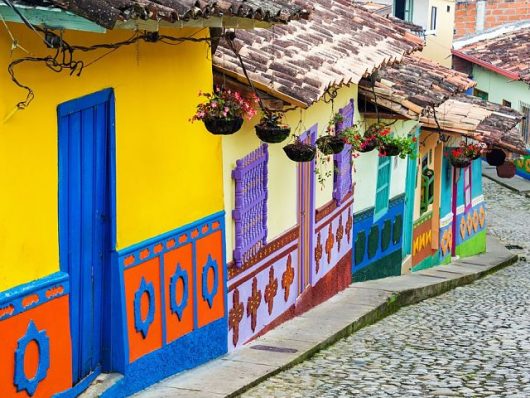
Cost of Living in ColombiaJust like many countries, the cost of living in Colombia varies depending on the location, but, overall, the small South American country delivers a low cost of living to its citizens, while offering all the amenities of a more expensive country.
The low prices can be seen across the country in everyday expenses. Real estate ranges from as high as $1,250 a month in a major city to $350 in a small town. The same goes for buying property in Colombia. Land can sell anywhere from $1 million to about $250,000. Additionally, residents spend an average of $75 on utilities such as water, electricity and gas.

Although on average, expenses are generally higher in Bogota, boasting a price index of 88 out of 100, most places in Colombia boast cheap everyday prices for residents. Additionally, compared to major cities in the U.S., the cost of living in Colombia is generally 50 percent cheaper.

Low costs on everyday items are essential for native Colombians, as 27.8 percent of the population lived below the poverty line in 2015. Colombia also faces a 9.2 percent unemployment rate, both of which are caused by the social imbalances and unequal distribution of government programs.

However, with poverty steadily declining, Colombian citizens are able to enjoy more services, such as health care. Health care in Colombia is substantially cheaper than in developed countries like the United States. In fact, Colombian health care is reported to having procedure costs between 50 and 90 percent less than in the United States.

In addition, Colombia is a leading coal exporter, ranking as the world’s fourth largest coal exporter. The country also leads as the second largest coffee and cut flower exporter and is Latin America’s fourth largest oil producer.

The country’s GDP growth averaged 4.7 percent each year in the last decade. While Colombia has seen a recent rise in food and energy prices and an inflation spike, the country is still experiencing a 1.9 percent industrial production growth rate while boasting a $688 billion GDP in 2016.

Additionally, as the peso continues to drop due to the overproduction of oil, in 2016, one U.S. dollar could give residents up to 3,288 pesos, a 25 percent increase from the year prior.

With an increase in certain industries, such as coal and oil, and with the coupling of cheap healthcare and a low cost of living in Colombia, along with improved infrastructure, Colombia is quickly transforming from a country burdened with a high rate of poverty to a rising low cost country with all the amenities of a much more expensive country.

– Amira Wynn

Photo: Pixabay

September 2, 2017
https://borgenproject.org/wp-content/uploads/borgen-project-logo.svg 0 0 Borgen Project https://borgenproject.org/wp-content/uploads/borgen-project-logo.svg Borgen Project2017-09-02 01:30:172024-06-05 02:12:16The Overall Low Cost of Living in Colombia
Global Poverty

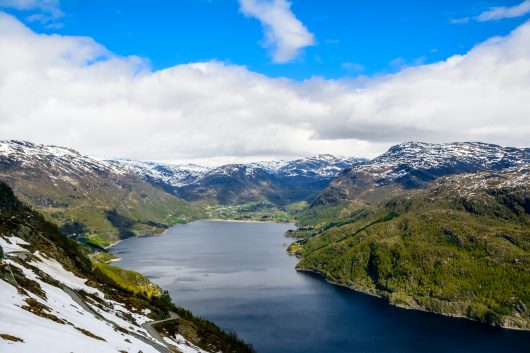
Why is the Cost of Living in Norway So High?

Why Is the Cost of Living in Norway So High?
With its capital, Oslo, ranked as the 59th most expensive city in the world, Norway is anything but cheap. The high cost of living in Norway is a result of its egalitarian social system, which relies on a value-added tax system and minimal variations between incomes among its citizens to sustain its unique economy and socioeconomic structure. However, the social welfare system provided by the Norwegian government as well as the low unemployment rate in Norway are the positive results of the pricey standard of living.

A key feature that defines the high cost of living in Norway is the increased tax rate. From income tax (starting at 28 percent) to value-added tax, Norway’s tax structure strengthens its egalitarian social system. One of the benefits of using this type of social system is that there is a very minimal differentiation between incomes in Norway. This prevents wage-gaps and renders social classes in Norway to practically nonexistent.

While inadequate pay for minimum wage is a problem among many developed countries, Norway has abandoned this concept all together. Most citizens in different employments sectors, from education to food service, earn a living wage. Although this boosts the price of common goods significantly, it also ensures that Norway’s working class does not become impoverished. This socioeconomic ideology is responsible for reducing Norway’s unemployment rate to a minuscule 3.4 percent.

Education, health care and transportation in Norway are all subsidized by the government. High taxes provide for quality public services. This is especially evident in health care for Norwegian families; cash-for-care benefits, as well as free prenatal visits, including maternal and paternal leave, are all covered by the Norwegian government.

Mutual functionalism between Norway’s citizens and government not only allows its economy to thrive but its democratic process too as well. By rewarding workforce participation with quality social welfare, the Nordic model is an economic solution to ensure societal development. Although the cost of living in Norway may seem inopportune at first glance, there is no doubt that the Norwegian social system provides exceptional benefits for its citizens.

– Kaitlin Hocker
Photo: Flickr

August 18, 2017
https://borgenproject.org/wp-content/uploads/borgen-project-logo.svg 0 0 Borgen Project https://borgenproject.org/wp-content/uploads/borgen-project-logo.svg Borgen Project2017-08-18 07:30:582019-12-18 10:17:11Why is the Cost of Living in Norway So High?
Global Poverty

Eight Important Facts About the Cost of Living in Italy

Cost of Living in Italy
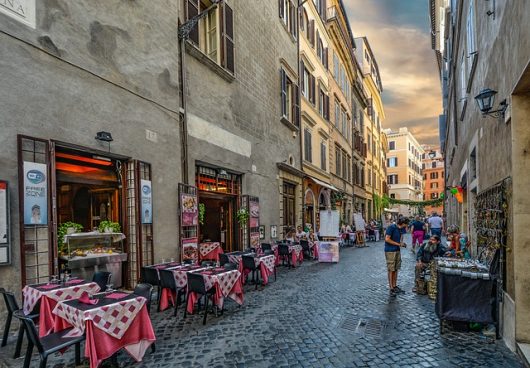
The cost of living in Italy can be rather high in some ways when compared to the U.S., but less costly in others. Whether the topic is food, clothing, housing or entertainment, living in Italy varies in its levels of expense.

Here are eight facts about the cost of living in Italy:

  1. In U.S. dollars, on average, the monthly rent for a 900-square foot apartment in Italy is around $1,079. A 480-square foot apartment in a cheaper area stands at around $732 per month. This varies from city to city.
  2. It costs around $444 to buy a 40″ flat screen TV in Italy. Depending on the brand, this is rather high compared to the cost of a 40″ flat screen TV in the U.S.
  3. The cost of living in Italy greatly depends on what area of Italy a person is living in. For example, renting an apartment in the city of Milan can cost up to double of what an apartment in Naples would cost.
  4. It is cheaper to buy locally in Italy, rather than to purchase imported items. This is not only beneficial in the aspect of saving money, but it is also a way to support the locals as well.
  5. Big Macs cost around $9.40 in Italy. This is almost $4 more than the cost in the U.S.
  6. Healthcare is free to people who live in Italy. Citizens have the option of paying extra for private healthcare options, but this is not required. This is certainly one of the biggest financial pros of living in Italy.
  7. A medicine that seems to be more expensive in Italy is ibuprofen. In Italy, one pill costs around $1.18, meaning that it costs around $28.32 to get a 24-count bottle of ibuprofen. Name brand 24-count ibuprofen sells for as low as only $3.48 in the U.S. and other countries.
  8. When it comes to travel expenses, citizens have to consider that there are a lot of tolls to pay when traveling by vehicle in Italy. This, combined with the costs of fuel, makes for a rather expensive automobile trip.

These facts about the cost of living in Italy show that there are both pros and cons when it comes to finances for those living in Italy. While some cities in this European country are more expensive than others, it still appears that the cost of living in Italy can be affordable thanks to larger perks such as its free health care benefits.

– Noel Mcdavid

Photo: Pixabay

August 17, 2017
https://borgenproject.org/wp-content/uploads/borgen-project-logo.svg 0 0 Borgen Project https://borgenproject.org/wp-content/uploads/borgen-project-logo.svg Borgen Project2017-08-17 07:30:312019-04-23 10:16:23Eight Important Facts About the Cost of Living in Italy
Global Poverty

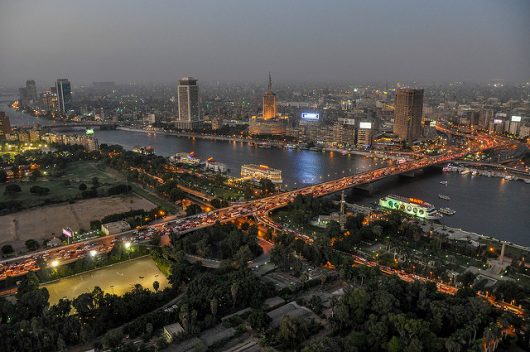
5 Things You Need to Know About the Cost of Living in Egypt

Cost of Living in EgyptAccording to XE, a website that tracks the exchange rates of countries worldwide using “live mid-market rates,” a single U.S. dollar equals E£ 17.86 (Egyptian Pounds). Given how said markets are alway liable to change, this information is accurate at the time of writing. Below are five aspects of Egyptian life and how much they cost.

1. Housing:
According to Expatistan, a website that compiles information provided by expatriates, rent for a furnished 900 square-foot apartment in Cairo costs E£ 5,700 ($319) in what is categorized as an expensive area. The same accommodations in a normal area go for about E£ 3,005 ($165) a month. Utilities for two tenants costs approximately E£ 596 ($33) per month.

2. Utilities: If someone wanted to live in a furnished studio (480 square feet), it would cost E£ 3,867 ($217) in an expensive area and E£ 1,651 ($92) in a regular area. A single tenant’s utility bill comes out to E£ 452 ($25). High-speed internet (8 MBps) costs E£ 277 ($16) a month.

3. Food:
Going by Expatistan’s index for the cost of living in Egypt, food prices are relatively inexpensive. They tend to hover around the E£ 7 (37 cents), which is the cost two pounds of potatoes up to E£ 55 ($3.06), which is the cost of a fast food combo meal. The most expensive items are lunch menu items in Cairo’s business district and a bottle of decent red table wine, E£ 124 ($7) and E£ 149 ($8), respectively.

4. Transportation:
In Egypt, a monthly bus pass runs at about E£ 245 ($14). Taking a five-mile taxi ride during a business day is E£ 34 ($1.89). If one would rather have more control over their transportation, they could purchase a new car for E£ 418,055 ($23,407), with a liter of gas costing E£ 3.92 (22 cents).

5. Schooling:
Egypt’s schooling system adheres to a 6+3+3 framework, meaning “6 years of primary school, 3 years of secondary school and 3 years of senior secondary school.” Education is mandatory for children aged six to fourteen and goes from grades one through nine.

According to Numbeo, another site that provides costs of living indexes for countries worldwide based on a multitude of submissions, private preschool costs E£ 2,114.84 ($118.48) a month for a single child. Yearly tuition at an international private school is listed as E£ 40,486.49 ($2,268.15) for one child.

Overall, the cost of living in Egypt seems relatively balanced. However, it is important to keep in mind that individuals determine affordability.

– Jada Haynes

Photo: Flickr

August 17, 2017
https://borgenproject.org/wp-content/uploads/borgen-project-logo.svg 0 0 Borgen Project https://borgenproject.org/wp-content/uploads/borgen-project-logo.svg Borgen Project2017-08-17 07:30:142020-06-12 09:41:485 Things You Need to Know About the Cost of Living in Egypt
Page 2 of 41234

Get Smarter

  • Global Poverty 101
  • Global Poverty… The Good News
  • Global Poverty & U.S. Jobs
  • Global Poverty and National Security
  • Innovative Solutions to Poverty
  • Global Poverty & Aid FAQ’s
Search Search

Take Action

  • Call Congress
  • Email Congress
  • Donate
  • 30 Ways to Help
  • Volunteer Ops
  • Internships
  • Courses & Certificates
  • The Podcast
Borgen Project

“The Borgen Project is an incredible nonprofit organization that is addressing poverty and hunger and working towards ending them.”

-The Huffington Post

Inside The Borgen Project

  • Contact
  • About
  • Financials
  • President
  • Board of Directors
  • Board of Advisors

International Links

  • UK Email Parliament
  • UK Donate
  • Canada Email Parliament

Get Smarter

  • Global Poverty 101
  • Global Poverty… The Good News
  • Global Poverty & U.S. Jobs
  • Global Poverty and National Security
  • Innovative Solutions to Poverty
  • Global Poverty & Aid FAQ’s

Ways to Help

  • Call Congress
  • Email Congress
  • Donate
  • 30 Ways to Help
  • Volunteer Ops
  • Internships
  • Courses & Certificates
  • The Podcast
Scroll to top Scroll to top Scroll to top