• Link to X
  • Link to Facebook
  • Link to Instagram
  • Link to TikTok
  • Link to Youtube
  • About
    • About Us
      • President
      • Board of Directors
      • Board of Advisors
      • Financials
      • Our Methodology
      • Success Tracker
      • Contact
  • Act Now
    • 30 Ways to Help
      • Email Congress
      • Call Congress
      • Volunteer
      • Courses & Certificates
      • Be a Donor
    • Internships
      • In-Office Internships
      • Remote Internships
    • Legislation
      • Politics 101
  • The Blog
  • The Podcast
  • Magazine
  • Donate
  • Click to open the search input field Click to open the search input field Search
  • Menu Menu

Tag Archive for: Cost of Living

Posts

Global Poverty

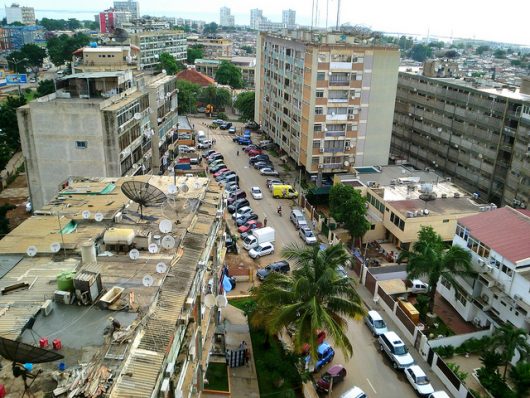
Low and Stable, the Cost of Living in Botswana

Cost of Living in Botswana
Botswana is a landlocked nation located in southern Africa, surrounded by South Africa, Namibia and Zimbabwe. Whilst having a small population of around 2.25 million it should not be underestimated as, according to the World Bank, “a development success story.”

Since its gaining of independence in 1966, Botswana has managed to have over four decades of uninterrupted civilian leadership, with progressive social policy and one of the fastest-growing economies in Africa. With all this and more, it is no wonder the Central Intelligence Agency (CIA) has called Botswana “the most stable economy in Africa.”

Now with Botswana gaining a middle-income status, one may wonder what is the cost of living in Botswana. According to the Mercer’s 2015 Cost of Living report, Botswana was ranked at 189 out of 207 countries. As a whole, Botswana is ranked on the lower end of one of the most expensive places to live in the world. The average price for a one-bedroom apartment in the city center costs around 3,000 Pula ($295) as opposed to living outside of the city center where rent would be 2,175 Pula ($214).

Naturally, the cost of living in Botswana changes depending on where a person is living, for example, according to ExpatsArrival, “For expats who choose to settle in Gaborone (the capital city), close proximity to local transport and schools pushes up the price of housing.”

However, we must also understand that while the cost of living may be comparatively small to other nations, the standard of living between the rich and poorer is visibly different. Botswana has a poverty rate of 19%, with the majority of poorer areas located in more rural areas. In addition, the unemployment rate in Botswana is 17.8%. As a consequence, the World Bank claims that Botswana’s income inequality “is among one of the highest in the world.”

The low cost of living in Botswana is just one of its several attractions. It has a great progressive political system, which has made leaps and bounds on its education system, educating more women and thereby decreasing the fertility rate in Botswana. It has a growing and stable economy much of which is attributed to its export of luxury goods in the form of diamonds. It’s no wonder InterNations claim that “Botswana holds plenty of opportunities for expatriates hoping to start a new life in Botswana.”

– Obinna Iwuji

Photo: Flickr

August 8, 2017
https://borgenproject.org/wp-content/uploads/borgen-project-logo.svg 0 0 Borgen Project https://borgenproject.org/wp-content/uploads/borgen-project-logo.svg Borgen Project2017-08-08 01:30:452024-05-24 23:56:54Low and Stable, the Cost of Living in Botswana
Global Poverty

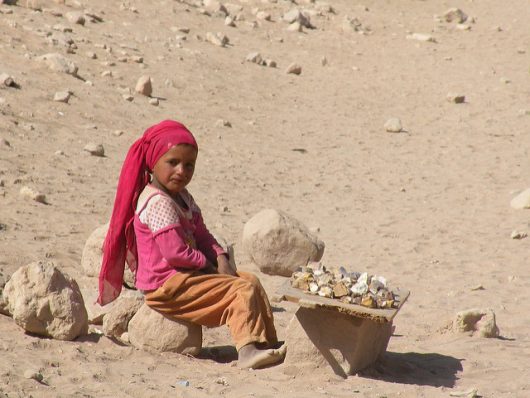
Incomes Affect Cost of Living in Jordan

Cost of Living in Jordan
It may not come as a surprise to many expats in the city to know that the cost of living in Jordan ranked globally in the top 50. Prices are abnormally high for imported products, particularly for alcohol and other foreign-made groceries.

According to the 2016 Mercer Cost of Living Survey, the cost of living in Jordan ranks right up with major European countries; it is number 50 out of 209 countries surveyed in total. In another report by The Economist Intelligence Unit, the cost of living in Amman ranked number one out of the Arab nations. For what is considered to be a developing country, these numbers may come as a surprise to the average American. However, these numbers are largely due to the gap in the average salary versus the average cost of products.

Compared to the staggering cost of living ranking, Jordan ranks number 65 in the world when it comes to the average monthly salary, according to an article in The Jordan Times. The average monthly salary is around $637. This is problematic for many considering that the average cost of rent is above $500, and utilities for two people averages $129.

For tourists visiting the country, it is important to note that although some products may look as though they are the same price, there is the currency exchange to take into account. In fact, the dinar is currently equivalent to $1.41. This means a meal that is 10 Jordanian dinars will really cost around $14.

However, there are ways to keep costs down, as noted in a site for expats. Outside of rent, it is usually cheaper to buy local products. When buying fresh fruit and vegetables, it is advised to buy products that are in season. This way, the products will not be imported and therefore more expensive.

As of 2017, the unemployment rate in Jordan has climbed to just under 20%. This means that even more people are without the means to meet the high cost of living in Jordan. It will be interesting to monitor Jordan in the years to come to see how citizens and government respond to this gap in salary, employment and cost of living.

– Sydney Roeder

Photo: Flickr

August 7, 2017
https://borgenproject.org/wp-content/uploads/borgen-project-logo.svg 0 0 Borgen Project https://borgenproject.org/wp-content/uploads/borgen-project-logo.svg Borgen Project2017-08-07 07:30:422020-07-15 07:52:24Incomes Affect Cost of Living in Jordan
Global Poverty

Cost of Living in Thailand

Cost of Living in ThailandThailand is one of the most popular countries in the world for expatriates. While the beauty of the natural environment is crucial, another important reason is the relatively inexpensive cost of living. In 2015, the International Living Magazine rated Thailand as the 10th best country in which to retire. While Thailand has experienced remarkable economic growth over the past few decades, the cost of living in Thailand still remains relatively low. According to Numbeo, an international price comparison website, the cost of living in Thailand is 36.73 percent lower than in the United States, and rent in Thailand is 58.53 percent lower than in the United States.

Public transportation

A bus fee ranges from approximately THB 8 to 30, depending on the type of the bus. Since one Thai Baht is worth about $0.03, public transportation can cost less than a dollar. Tuk-tuks, the three-wheeled taxis that are common in the country, normally cost THB 40 to 100 for a short ten-minute ride, which is also highly affordable. The base fare for metered taxis is THB 35.

Housing

Cheap rental and housing prices also contribute to the low cost of living in Thailand. Numbeo states that an expensive one-bedroom apartment inside the City Center in Bangkok costs around THB 14,317 (equivalent to approximately $430), which is much cheaper than the rent in major U.S. cities.

Food prices

The food prices in Thailand are also much less expensive than those in most developed countries. For example, the prices of most popular grocery items are as follows: a loaf of bread costs $1.12, which is only half of its average price in the United States, Additionally, a dozen eggs costs $1.65, compared to the average price of $2.23 in the United States.

The street foods are also known for their affordability. A simple meal consisting of rice, vegetables and meat on a single plate ranges from approximately THB 30 to 50, which equals to just more than one dollar. A fancier meal with a selection of dishes that may often include an entire fish would cost from THB 60 to 200 ($2 to $6).

The aforementioned factors are main contributors to the low cost of living in Thailand. However, the high possibility of continued economic growth would gradually increase the cost of living in Thailand.

– Minh Joo Yi

Photo: Flickr

August 6, 2017
https://borgenproject.org/wp-content/uploads/borgen-project-logo.svg 0 0 Borgen Project https://borgenproject.org/wp-content/uploads/borgen-project-logo.svg Borgen Project2017-08-06 01:30:592024-05-28 00:15:13Cost of Living in Thailand
Global Poverty

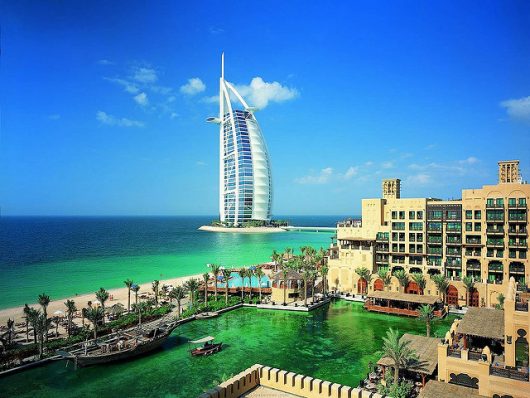
Cost of Living in the United Arab Emirates

Cost of Living in the United Arab Emirates
While people often banter about giving up their old lives and moving to a new, more exciting country, it’s important to explore the cost of living change that comes with it. It turns out that the cost of living in the United Arab Emirates, and Dubai especially, is higher than one might expect.

Business Insider ranks the United Arab Emirates as 10 points higher on the cost of living expense scale than the United States. Its closest neighbors in relation to the cost of living are countries such as the Bahamas and Norway.

This high cost of living is evident in everyday prices. For example, the average monthly rent for a 900-square-foot apartment is more than $2,654. An average lunch is $15 and a pair of jeans runs to around $82.

In comparison to the United States, even these daily expenses appear slightly steep. Going for lunch rings in around $14 and the same size apartment is estimated to be $2085. Jeans, by the same standards, cost $47.

Many people move to the United Arab Emirates for jobs in the oil industry and the country is known for its lack of income tax. Over the last 50 years, the nation has moved from being ranked 182 in the world for population size to 93. It continues to climb the ranks each year.

Surveys estimate that half of the expatriates, citizens of other countries living in the United Arab Emirates, consider moving elsewhere because of the high cost of living. They argue that their wages are remaining stagnant while the cost of living continues to rise.

Although the increased cost of living in the United Arab Emirates is a side effect of being one of the wealthiest nations in the world, the country remains a huge contributor to international foreign aid.

Since its establishment, the total international aid provided by the United Arab Emirates’ government and non-government organizations is estimated to total $47.4 billion. This includes a recently strong focus on finding cleaner and more sustainable energy sources, with particular regards to solar power.

As the country continues to flourish, the cost of living in the United Arab Emirates is expected to increase, but private sector companies pay close attention and work to keep wages high enough to counteract inflation.

– Emily Trosclair

Photo: Flickr

August 4, 2017
https://borgenproject.org/wp-content/uploads/borgen-project-logo.svg 0 0 Borgen Project https://borgenproject.org/wp-content/uploads/borgen-project-logo.svg Borgen Project2017-08-04 01:30:122020-07-13 09:09:51Cost of Living in the United Arab Emirates
Global Poverty

The Cost of Living in Ireland: Northern vs. The Republic


Ireland is an island that is split into two sections: Northern Ireland and the Republic of Ireland. Dublin is the capital of the Republic of Ireland, while Belfast is the capital of Northern Ireland, which is a part of the United Kingdom. These two sections have differences in not only currency (the pound in Northern Ireland, the euro in The Republic of Ireland), but in the cost of living in Ireland as well.

As of July 2017, the difference in currency comes out to 1.14 euros for every one British pound, which is considered a small difference. There are quite a few differences in the cost of buying everyday items in each part of the country as well. The cost of grocery items in Dublin is higher than in Belfast. The cost of alcohol, which includes wine and domestic and imported beer, is on average 42% higher in Dublin.

Although these two cities are about two hours apart, the Republic of Ireland is considered a more expensive city to live in.

The cost of living in Ireland is highly affected by tourism, commerce and currency exchange between the euro and the British pound. Since Northern Ireland is part of the United Kingdom, those countries also affect it as well, whereas the Republic of Ireland is independent.

Belfast’s economy was originally built on commerce, with Belfast Harbor flourishing by furthering trade in 1845. By the time the Titanic was built in 1912, it had become the largest shipyard in the world. Tourism also shapes Belfast’s economy; it is the second-most-visited city on the island.

Dublin thrives just as well as Belfast, if not more so, in tourism. In 2013, Dublin attracted 3.9 million overseas visitors, which generated 1.4 billion euros for the industry. Over 57% of the total number of international students studying in the country are located in Dublin, which also helps the economy.

According to Expatistan, as of July 2017, the cost of living in Belfast in 23 percent cheaper than Dublin. Consumer prices are listed at 29.65% higher in Dublin, with rent prices 151.10% higher in the city as well.

The cost of living in Ireland is even higher than the United States in consumer products, rent and restaurant prices, except groceries, which are 12.05% lower in the U.S. The U.S. does not have to import many grocery items, while Ireland does so quite often. Beer imports have also been greater in the United States, while Dublin is home to the Guinness Storehouse, and by beer production and tourism alone is there is a greater influx of money compared to breweries in the U.S.

Many factors influence these two capitals cities on the island of Ireland, such as commerce and tourism, and, for Belfast, the economy of the U.K.

– Stefanie Podosek

Photo: Flickr

August 2, 2017
https://borgenproject.org/wp-content/uploads/borgen-project-logo.svg 0 0 Borgen Project https://borgenproject.org/wp-content/uploads/borgen-project-logo.svg Borgen Project2017-08-02 01:30:252024-06-05 02:12:15The Cost of Living in Ireland: Northern vs. The Republic
Global Poverty

The High Cost of Living in Hong Kong

Cost of Living in Hong Kong
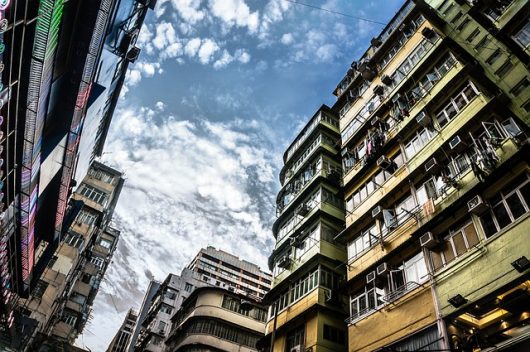
Just like its skyscrapers, the cost of living in Hong Kong is among the highest anywhere in the world. In a Mercer survey published in June 2017, Hong Kong was named the second most expensive city globally for expatriates to live and first among developed nations.

Hong Kong is a destination city for businesses and professionals alike, boasting over 4,000 individuals worth over $30 million each. Many businesses have found Hong Kong to be one of the most agreeable cities to reside in due to the low 16.5% corporate tax rate.

For the less fortunate, however, the cost of living in Hong Kong is confining– literally.

With a monthly wage of $2,652, the average Hong Kong citizen spends most of their earnings on rent alone. The smallest apartments in Hong Kong cost around $1,000 per month, with more spacious units ranging from $2,000-2,500 before utilities. Many Hong Kong residents work longer hours and split small flats into sleeping cubicles in order to save on rent.

With so much disposable income being eaten up by housing costs, many residents face the very real problem of food insecurity. Going out to restaurants has become a luxury, as many people must now rely on charitable donations and government assistance to eat.

For Hong Kong’s poorest, those living on less than $328 a month, the cost of rent in Hong Kong makes living in the city unsustainable. Over 30% of the city’s elderly population lives in poverty, while the wealthiest families make over 44 times what the average citizen makes.

Economists have urged the government of Hong Kong to institute universal incomes and pensions to prevent the wealth gap from widening. Efforts to address the growing wealth inequality in the country must be made with urgency for the sake of Hong Kong’s struggling citizens.

– Thomas James Anania

Photo: Pixabay

July 28, 2017
https://borgenproject.org/wp-content/uploads/borgen-project-logo.svg 0 0 Borgen Project https://borgenproject.org/wp-content/uploads/borgen-project-logo.svg Borgen Project2017-07-28 01:30:302020-06-29 07:30:38The High Cost of Living in Hong Kong
Global Poverty

The Cost of Living in Peru Versus the United States


In the United States, the first image of Peru that might come to mind is Machu Picchu or an equally stunning mountainous view. Stereotypes aside, those sorts of natural monuments mask the growing economy and standard of living in Peru.

Peru was listed as the 20th most free economy in the world as of 2015, progressing slightly slower than Chile, its southern neighbor. This is due to the decreasing value of copper, gold, silver and other major exports in Peru.

One characteristic of economic growth in poorer countries is that eventually places of historical and cultural values will begin to be preserved even at the expense of population growth or economic growth. For example, a new highway project in Lima was altered in order to prevent the destruction of a historical site.

Due to this growth, Peru is now in a sweet spot where the standard of living is decently high and the cost of living is low. Outside of Lima, $2,000 per month would cover one’s basic expenses. While living in Peru, international supermarkets cost more than grocery shopping at a local market. Interestingly enough, going out to eat at local restaurants often costs even less than shopping and cooking for oneself. You can get a three-course meal for three dollars at a local Picanteria.

One source puts costs of Peru and the United States against each other, and overall, consumer prices in Peru are 45.61% lower than in the United States. Paying rent is 60.37% lower than in the U.S. and paying for groceries is 50.71% lower than in the U.S. Living in Peru makes it easy to stick to a budget.

For anyone looking to retire in Peru, it’s possible to do so at $500 per month, though this makes extremely frugal living necessary. However, Peru is still one of the least expensive places to live in South America and one of the nicest.

– Ellen Ray

Photo: Flickr

July 26, 2017
https://borgenproject.org/wp-content/uploads/borgen-project-logo.svg 0 0 Borgen Project https://borgenproject.org/wp-content/uploads/borgen-project-logo.svg Borgen Project2017-07-26 07:30:442020-06-25 06:48:07The Cost of Living in Peru Versus the United States
Global Poverty

Cost of Living in Croatia Higher Than Neighboring Countries


The cost of living in Croatia is relatively steep in comparison to the minimum monthly wage, though expected growth in the region’s economy and hikes in the area’s minimum wage will benefit its residents trying to make ends meet.

This year alone, the country’s economy is expected to grow by 2.9%, according to the World Bank. In the following year, it is projected to increase by approximately 2.6%.

Items such as service exports, investments and personal consumption all contribute to the economy’s growth.

According to Wageindicator, as of March 2017, the minimum monthly wage in Croatia is just shy of $507. In comparison, approximate month-to-month living costs in Croatia total around $330.

Other expenses such as food, clothing and utilities often push the total cost of living over the minimum monthly wage. This fact means residents might resort to sharing a living space with multiple people, though these spaces are often not intended for more than one person.

According to an article from Croatia Week, in Zagreb, the country’s capital, the average resident will earn a little under $1,000 a month. Of these wages, just over $200 must be set aside for utility bills, according to the article.

A full week’s work is required to cover basic living costs in Zagreb. Approximately 38 hours of work per week are needed in Zagreb to cover the cost of utilities.

Compared to other European capitals, Zagreb has some of the highest utility rates, topping even that of London, one of the world’s most expensive cities.  The cost of living in Croatia is typically greater than that of its neighboring countries.

In recent years, a rise in tourism in the region has increased the cost of living in Croatia. Compared to other Eastern European countries, everyday costs are significantly higher in Croatia, though they are lower than in Western Europe and the U.S.

– Leah Potter

Photo: Flickr

July 26, 2017
https://borgenproject.org/wp-content/uploads/borgen-project-logo.svg 0 0 Borgen Project https://borgenproject.org/wp-content/uploads/borgen-project-logo.svg Borgen Project2017-07-26 07:30:312020-06-25 06:55:04Cost of Living in Croatia Higher Than Neighboring Countries
Global Poverty

The Relatively Low Cost of Living in Germany

Living in Germany
Germany is one of the more well-known countries in Europe and attracts people from around the world to visit or to live. With 81.4 million people living in Germany in 2015, and the number ever-increasing, it is one of the most populated countries in the world. Compared to other countries of its size, the cost of living in Germany is quite low.

According to Expatistan, a website dedicated to calculating the cost of living and ranking countries in order of cost of living, Germany ranks 24th in the world in terms of affordability. It is fairly affordable to live in Germany compared to many of the other larger countries around the world. As opposed to the United States, the average monthly salary in Germany is just below the U.S. by a few hundred dollars, at 2,172 euros a month.

As of July 2017, the euro is equal to $1.15. As far as living expenses go, in order to rent a one-bedroom apartment in an outside city, rent is approximately 656 euros or $748.07 per month. A three-bedroom apartment in a more populated city bumps up the price to 1,261 euros per month, which is still cheaper than most major cities in the United States. It is the less expensive option to live outside of the city and live in the suburbs than the major cities.

Some of the common food options that are available in Germany are cheaper than around the world as well. Milk is 0.70 euros (80 cents) and a loaf of bread sits at 1.27 euros ($1.45). Both bottled water and a bottle of Coca-Cola or Pepsi are both more expensive in Germany though, sitting at 1.68 euros ($1.92) and 2.07 euro ($2.36) respectively.

For upper schooling in Germany, the average person spends around 850 euros on living expenses, possible schooling fees and health insurance. This is much less than what others in Germany pay on average per month.

On the whole, the cost of living in Germany is inexpensive compared to many other spots around the world, including the United States. Germany’s markets and living expenses are cheaper than many other places around Europe.

– Brendin Axtman

Photo: Flickr

July 26, 2017
https://borgenproject.org/wp-content/uploads/borgen-project-logo.svg 0 0 Borgen Project https://borgenproject.org/wp-content/uploads/borgen-project-logo.svg Borgen Project2017-07-26 01:30:342024-05-28 00:03:21The Relatively Low Cost of Living in Germany
Global Poverty

The Cost of Living in Barbados: Figures from a Wealthy Nation

Cost of Living in Barbados
The island country of Barbados is known for its sun, clear beach water and for being Rihanna’s country of origin. The decent cost of living in Barbados and its wealth are also relatively well-known. At the time of publication, one Barbados Dollar (BBD) is worth 50 cents in U.S. currency.

Food
Numbeo is a database of user-submitted information detailing the costs of living in cities and countries worldwide. According to its indexes, the cost of food in Barbados is fairly inexpensive. In Bridgetown, the capital of Barbados, the most expensive market items are a gallon of milk ($23.08 BBD/$11.54 USD) and a mid-range bottle of wine ($32.50 BBD/$16.25 USD).

Housing
Housing prices vary greatly depending on whether or not the location is in or near a city center. Renting a one-bedroom apartment in the city center costs 1,083.33 BBD ($541.67) per month or 2,125 BBD ($1,062.50) for a three-bedroom apartment. Outside the city center, the prices drop down significantly to 830 BBD ($415) and 1,700.00 BBD ($850) for one- and three-bedroom apartments, respectively.

Monthly utilities (such as water, heat, gas, garbage and electricity) for a 915-square-foot apartment cost approximately 220 BBD ($110) per month. High-speed Internet access costs about 85 BBD ($42.50).

Transportation
Expatistan is a site devoted to giving expatriates reliable data for the costs of living. It lists the price of a new small car with no extra enhancements (specifically the Volkswagen Golf 1.4 TSI 150 CV) in Bridgetown as 81,881 BBD ($40,941).

A monthly pass for public transportation will run someone about 81 BBD ($40).

Education
In Barbados, education at government-run schools is mandatory and free through the secondary level (this includes children ages five to 16). Parents have the option of enrolling their children in a public school, but they will incur various fees, the most expensive of which is around 15,000.00 BBD per term (or $7,500).

Because of this education system, the country’s literacy rate is a stellar 99.7%.

Overall, the cost of living in Barbados is one element that earned the island country its status as the Eastern Caribbean’s most developed and wealthiest country.

– Jada Haynes

Photo: Flickr

July 25, 2017
https://borgenproject.org/wp-content/uploads/borgen-project-logo.svg 0 0 Borgen Project https://borgenproject.org/wp-content/uploads/borgen-project-logo.svg Borgen Project2017-07-25 07:30:512024-05-28 00:03:18The Cost of Living in Barbados: Figures from a Wealthy Nation
Page 3 of 41234

Get Smarter

  • Global Poverty 101
  • Global Poverty… The Good News
  • Global Poverty & U.S. Jobs
  • Global Poverty and National Security
  • Innovative Solutions to Poverty
  • Global Poverty & Aid FAQ’s
Search Search

Take Action

  • Call Congress
  • Email Congress
  • Donate
  • 30 Ways to Help
  • Volunteer Ops
  • Internships
  • Courses & Certificates
  • The Podcast
Borgen Project

“The Borgen Project is an incredible nonprofit organization that is addressing poverty and hunger and working towards ending them.”

-The Huffington Post

Inside The Borgen Project

  • Contact
  • About
  • Financials
  • President
  • Board of Directors
  • Board of Advisors

International Links

  • UK Email Parliament
  • UK Donate
  • Canada Email Parliament

Get Smarter

  • Global Poverty 101
  • Global Poverty… The Good News
  • Global Poverty & U.S. Jobs
  • Global Poverty and National Security
  • Innovative Solutions to Poverty
  • Global Poverty & Aid FAQ’s

Ways to Help

  • Call Congress
  • Email Congress
  • Donate
  • 30 Ways to Help
  • Volunteer Ops
  • Internships
  • Courses & Certificates
  • The Podcast
Scroll to top Scroll to top Scroll to top