• Link to X
  • Link to Facebook
  • Link to Instagram
  • Link to TikTok
  • Link to Youtube
  • About
    • About Us
      • President
      • Board of Directors
      • Board of Advisors
      • Financials
      • Our Methodology
      • Success Tracker
      • Contact
  • Act Now
    • 30 Ways to Help
      • Email Congress
      • Call Congress
      • Volunteer
      • Courses & Certificates
      • Be a Donor
    • Internships
      • In-Office Internships
      • Remote Internships
    • Legislation
      • Politics 101
  • The Blog
  • The Podcast
  • Magazine
  • Donate
  • Click to open the search input field Click to open the search input field Search
  • Menu Menu

Tag Archive for: Cost of Living

Posts

Development, Global Poverty, Housing Security

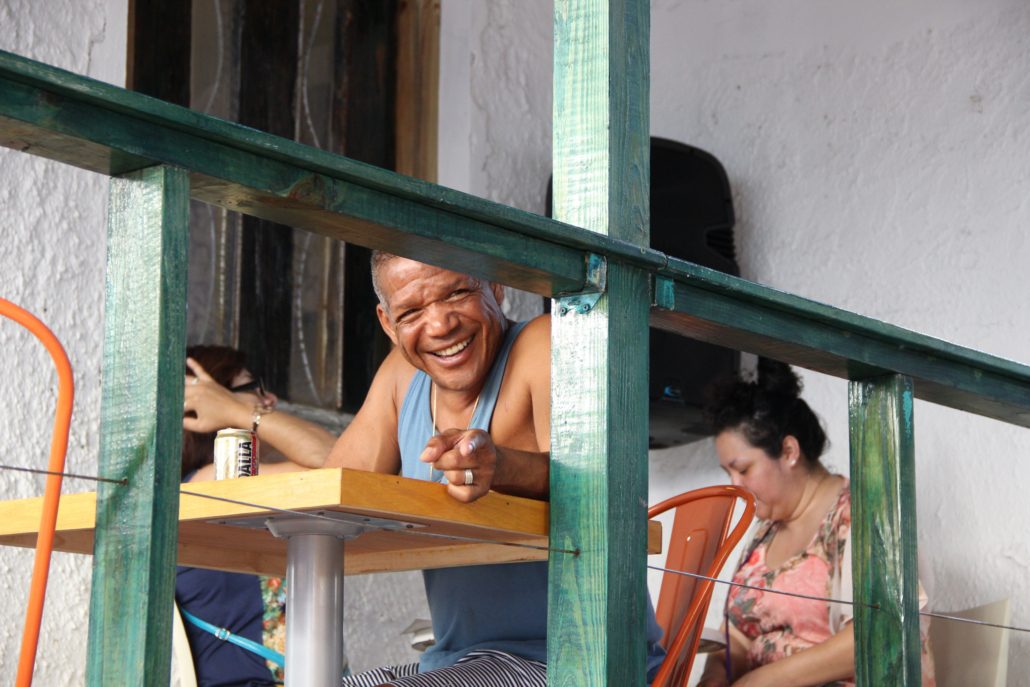
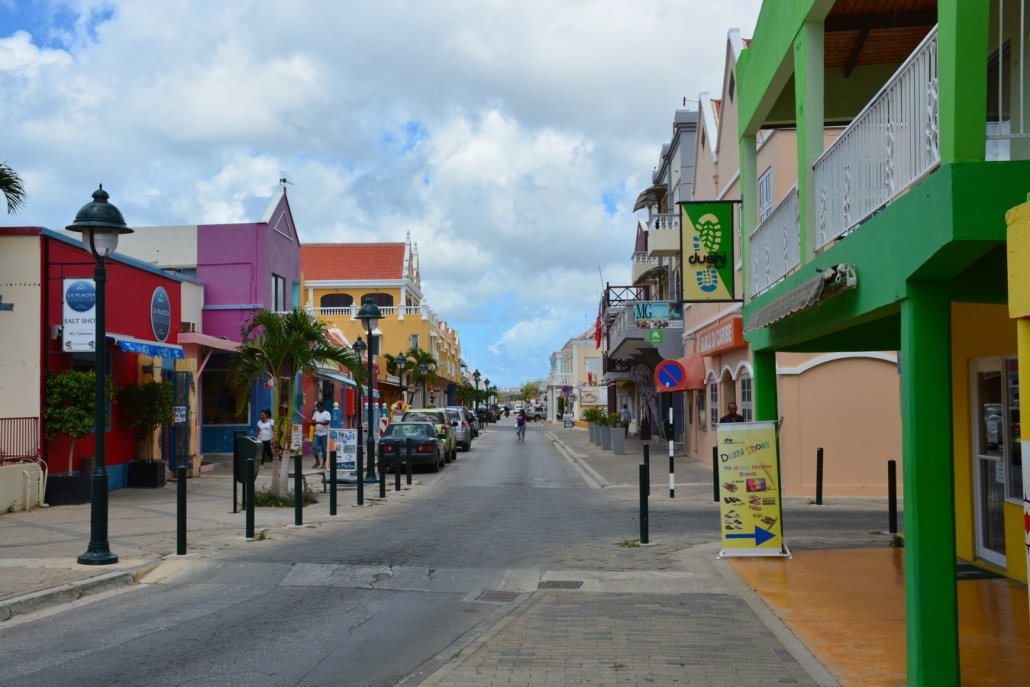
How High Living Costs in Bonaire Strain Working Families

High Living Costs in BonaireHigh living costs in Bonaire have become a daily problem for many individuals residing on the Dutch Caribbean island. Despite Bonaire being a special municipality of the Netherlands, many working-class residents still struggle to afford necessities for themselves and their families. Statistics Netherlands reported that 20% of Bonaire’s residents experienced difficulty making ends meet, while 25% of children under the age of 18 were at risk of poverty in 2022. 

Housing Costs Leave Little Room To Breathe

Housing has become one of the most obvious ways in which high living costs in Bonaire have affected daily life. A Dutch government advisory report from 2023 stated that the high cost of living on the island is partially due to the lack of substantial housing and that these costs particularly impact low-income people. The same report stated that Bonaire had 565 public-sector housing units available and around 1,000 families on the waiting list.

This leaves many lower-income residents dependent on an expensive private rental market or living in crowded multigenerational households. For working families, this can mean paying too much for rent while also giving up privacy, stability and peace of mind.

Food and Transport Turn Essentials Into Financial Stress

High living costs in Bonaire do not end with rent. The government’s advisory committee also found that almost all the food and drinks consumed in Bonaire are imported from other places, mainly the Netherlands, keeping their prices very high. Statistics Netherlands reported that the prices of goods in Bonaire were 36% higher in 2024 than in 2010, while food and non-alcoholic beverage prices were 51% higher than over a decade ago.

Transportation also adds another layer of pressure. The same government report stated that there is no public transportation on the island, meaning residents across income levels are often forced to rely on private options. For low-income families, this leads to consequences such as having to pay back costly loans, depending on rides from others and having fewer opportunities to work, receive education and run daily errands.

Work Does Not Always Protect Families From the Poverty Trap

High living costs in Bonaire are especially problematic, as many residents are employed in sectors that offer modest wages. CBS reported in late 2024 that average wages in Bonaire were lower than in neighboring islands such as Sint Eustatius and Saba during the 2011–2022 period. A large number of jobs in Bonaire pay close to or at the statutory minimum wage, especially in tourism-related, retail, construction and manufacturing industries.

Beginning in July 2024, the statutory minimum wage on these three Dutch Caribbean islands was $1,751 per month. Even with this increase, families facing high rents, transport costs and rising grocery bills find that full-time work leaves little money left for savings. Consumer goods and services in Bonaire were also 5.3% more expensive in the second quarter of 2025 compared with 2024, indicating that price pressure has not been fully resolved.

Dutch Measures and Local Housing Efforts Offer Some Relief

The responses that could help alleviate these severe pressures are still in development, but there are signs of improvement. CBS reported that minimum wages and social benefits in the Dutch Caribbean have been systematically increased at a rate exceeding inflation to help low-income families keep up with the rising cost of living. Housing is another area where officials are making progress, with the Executive Council of Bonaire and Hugo de Jonge, Minister for Housing and Spatial Planning, signing the housing deal for Bonaire in 2023.

The housing deal aims to deliver 2,124 affordable homes by 2030. About $11.7 million has been allocated for the first tranche (installment), which will fund the construction of the first 600 homes, including infrastructure, beginning in 2025. The 2023 advisory report also pointed out rental subsidy measures in Bonaire that have already reduced rent costs for some families. 

These efforts will not solve the problem overnight. However, they show that Dutch and locally based institutions are under pressure to respond with more than just temporary promises.

Conclusion

High living costs in Bonaire are not an issue that will disappear quickly, especially on an island where factors such as imported goods, limited housing and car dependence shape everyday life. Still, recent wage increases, subsidy efforts and affordable housing plans suggest that relief is possible if these measures continue and expand. For working families on Bonaire, real progress depends on whether policy changes can make ordinary necessities feel manageable again rather than out of reach.

– Ashirah Newton

Ashirah is based in Brooklyn, NY and focuses on Global Health for The Borgen Project.

Photo: Flickr

May 1, 2026
https://borgenproject.org/wp-content/uploads/borgen-project-logo.svg 0 0 Hemant Gupta https://borgenproject.org/wp-content/uploads/borgen-project-logo.svg Hemant Gupta2026-05-01 07:30:362026-05-01 11:01:46How High Living Costs in Bonaire Strain Working Families
Financial Instruments, Global Poverty

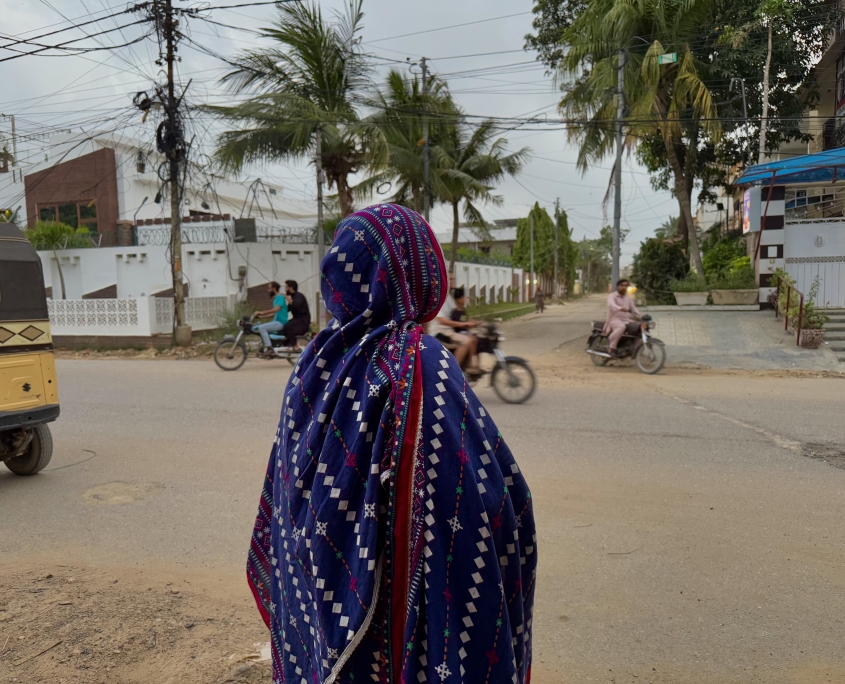
Surviving Poverty in Pakistan

Poverty in PakistanWhen Maryam was a little girl, she loved going to school.

“As I grew up, I became more fond of studying,” Maryam told The Borgen Project. “I thought that I would become a teacher, doctor, anything — but that I would study for sure.”

When Maryam was in fifth grade, she stopped going to school to work as a maid and help support her parents and three younger siblings. Her mother wanted her to continue her education, but her father did not think it was feasible.

“The circumstances did not allow it, so I had to stop studying,” she said. “There was no other adult to help out. I was the eldest. I saw that the situation at home was difficult, so I started working on my own.”

Now, Maryam is 26 and works as a maid for three households in Karachi, Pakistan. She lives with her husband, whom she married at 17, and their 4-year-old son in a small one-room apartment that has no gas, a leaky roof and a bathroom with no ceiling and a curtain as a door.

Poverty in Pakistan

Every month, Maryam earns Rs 30,000, equivalent to $150. Including her husband’s income as a rickshaw driver, there is just enough to cover their rent of Rs 15,000, rickshaw installment of Rs 20,000 and their son’s school fees and gas cylinder, both Rs 5,000, along with other monthly household expenses.

Maryam said she used to purchase groceries such as flour, sugar, oil, tea leaves, salt and pepper on a monthly basis for up to Rs 15,000, not including staples like rice or lentils. Currently, she buys her groceries in small amounts every day because it is cheaper.

For those living in poverty in Pakistan, sticking to a tight budget forces them to make sacrifices. When her son started school, Maryam said she sold her phone to pay for his uniform, school bag and stationery on top of tuition fees. She also recently purchased a small fridge for Rs 50,000, which cut into her budget for new Eid clothes, even though one of her employers loaned her Rs 37,000 to help pay for it.

“You have to kill your wishes,” Maryam said. “If I have an interest in something, then I have to look after the house first…either the child or the house, nothing else.”

She said her household usually runs well with her income, but she never has money left at the end of the month.

“I get really angry because I work for the whole month and as soon as some money comes into my hands, it all gets spent,” Maryam said. “If I had my own house, I would not have to pay rent or if I had my own rickshaw, I would have saved some of my income. But no, I never have any savings.”

Rising Cost of Living

Sometimes Maryam picks up extra cleaning jobs after work to pay for new shoes, clothes and educational expenses for her child.

“I work in three houses and I am not saving, so I feel like I should work more. But with time, I am losing my strength. I have been doing this work for so long, I get tired,” she said.

When Maryam managed to save some money, she put a down payment of Rs 120,000 on a 120-acre plot of land with the hope of owning a house and started paying monthly installments totaling Rs 170,000. However, she later found out that five other people were also paying for the same property. Although she was refunded her down payment, she lost the money she put toward the installments. Maryam said she did not pursue legal action, even if it would be free, because she is afraid someone will come after her family.

Another time, Maryam spent Rs 150,000 on a hysterectomy operation for her mother. The procedure required confirmation from an MRI scan, which costs Rs 16,000, an expense her family could not afford. Eventually, one doctor was willing to perform the surgery based on the results of an ultrasound.

Lack of Fair Pay

Maryam said her family only knows two professions: maid or rickshaw driver. The same applies to her relatives who completed their education at the matric, or 10th-grade, level.

“The boys are well-educated, but they still drive a rickshaw and the girls are also well-educated, but they still work,” she said. “It is very difficult to find a job in Pakistan.”

After Maryam married, she pursued a long-time interest and learned beauty work at a salon. Even then, she could not land a job because she had only one year of experience in the field. As a maid, Maryam completes various household tasks, including sweeping, mopping, dusting, ironing clothes, cooking, washing dishes and cleaning bathrooms.

One of her employers pays her Rs 9,000 per month, but Maryam said it should be closer to Rs 15,000 based on the size of the house. Another employer pays her Rs 7,000 per month when it should be Rs 18,000 given the workload. Once, Maryam mentioned her low pay to one of her employers but was told that someone else would do the work for less.

Poor Treatment

Maryam said the most challenging part of her job is not the work itself but tolerating insults from her employers.

“Everyone scolds me…. When people scold me, it makes me feel bad,” she said. “I cannot say anything. I stay quiet. I just cry.”

Whenever her employers feel she did not adequately complete a chore, Maryam said they require her to redo it without paying for the extra work.

“They are not paying me for free, nor am I working for free, so why should I have to listen to so many scoldings?” she said. “I am a human being too.”

Maryam said she does not share these struggles with her husband anymore because he would stop her from working, but her income keeps the peace in her home and pays for her child’s education.

Benazir Income Support Program

Maryam said many people in her husband’s family receive financial assistance from the government through the Benazir Income Support Program (BISP). Families living in poverty in Pakistan are eligible for this assistance if they have a monthly salary of less than Rs 50,000.

Every four months, qualified recipients receive Rs 13,000 in cash, which accounts for Rs 3,250 per month. To register, an individual brings their National Identity Card and children’s Child Registration Certificate to a BISP office and fills out a survey to complete the application, which is free.

However, Maryam said she has not signed up because it would be difficult for her to collect the payments. The address on her National Identity Card is for her family’s home in her village, not where she lives and works in Karachi.

“It costs Rs 3,000 to go to the village and again Rs 3,000 to come back. There is no point,” she said.

She was also told that registering for the program is expensive and lengthy. Maryam said her family members paid someone Rs 20,000 to collect their documents and enroll on their behalf. That person also pocketed the first payment her relatives received.

Saverya Foundation UK

Saverya Foundation, United Kingdom (U.K.), is a women’s empowerment charity that provides shelter and training to women living in poverty in Pakistan. Maryam said she may have heard of it but has not used its services.

The organization’s goal is to help women become financially independent by building skills that will allow them to work or start their own business from home. These skills range from computer education to beauty work, sewing, stitching and embroidery. The charity has helped more than 10,000 women in Pakistan.

The Future for Maryam

Maryam said that whenever she comes home tired from a long day at work, she often thinks about opening her own food stall.

“I really want to cook,” she said. “It is better than doing this job. I have to listen to everyone’s scolding here, but I will not have to [over] there. It will be my own work.”

As for her son, Maryam is determined that he stay in school.

“Whatever degree he wants to study, whatever it is, I will make sure that he can do it,” she said. “I could not fulfill my dreams, but my son will fulfill his.”

– Umaymah Suhail

Umaymah is based in Karachi, Pakistan and focuses on Good News and Global Health for The Borgen Project.

Photo: Umaymah Suhail

April 14, 2026
https://borgenproject.org/wp-content/uploads/borgen-project-logo.svg 0 0 Precious Sheidu https://borgenproject.org/wp-content/uploads/borgen-project-logo.svg Precious Sheidu2026-04-14 03:00:372026-04-27 07:07:04Surviving Poverty in Pakistan
Economy, elderly poverty, Global Poverty

Elderly Poverty in Slovenia

Elderly Poverty in SloveniaElderly poverty in Slovenia is becoming an increasingly pressing issue, despite the country’s reputation for strong social protection systems. A significant number of older adults struggle to afford necessities such as food, housing and health care due to rising living costs, population aging and limited pensions.

Pensions and Income Insecurity Among Older Adults

Most older people in Slovenia rely on their pensions as their primary source of income. However, they frequently do not keep up with inflation and rising living costs. The Organization for Economic Cooperation and Development (OECD) reports that many workers in Slovenia have net pension replacement rates below the OECD average, leaving retirees vulnerable to income instability.

Women, who frequently have interrupted work histories and lower lifetime earnings, are disproportionately affected by lower pensions. After retirement, the likelihood of falling into poverty rises sharply. According to the Statistical Office of the Republic of Slovenia, older individuals in Slovenia are more likely than the general population to experience poverty or social exclusion.

Due to fixed incomes and limited access to informal support networks, older single-person households are more likely to face financial strain.

Rising Living Costs and Housing Pressure

Poverty among older adults in Slovenia has worsened due to rising housing and energy costs. Although many seniors live in privately owned homes, they often struggle to pay for utilities, maintenance and heating. Income poverty and material deprivation are closely linked.

Eurostat reports that a significant share of Slovenia’s population cannot keep their homes warm enough. Older people with limited incomes are also heavily burdened by health care costs. Despite Slovenia’s universal health care system, long-term care services and prescription drugs can be costly.

Generally, older people with lower incomes are more likely to delay or forgo medical treatment due to financial constraints, increasing health risks and deepening poverty.

Social Isolation and Hidden Poverty

In Slovenia, social isolation and poverty among older people are closely related. Reduced social engagement is common among older adults with low incomes, which can worsen mental health outcomes and increase vulnerability. According to a European Commission report, poverty and insufficient income support are closely linked to social exclusion among older populations.

Policies and Programs Addressing Elderly Poverty

Energy subsidies for low-income households, social assistance supplements and minimum pension schemes are some of the policies the Slovenian government has implemented to reduce elderly poverty. Although there are still gaps for those with limited pension entitlements, the European Commission claims that these social transfers play a significant role in reducing poverty risks among older adults.

Long-term investments in adequate pensions, affordable health care and targeted social support are necessary to address elderly poverty in Slovenia. Ensuring financial security and dignity in later life can be achieved by strengthening income protection and expanding support for vulnerable older adults. In addition to improving individual well-being, reducing elderly poverty supports broader initiatives to reduce inequality and promote inclusive economic development.

– Honey Regev

Honey is based in Edinburgh, Scotland and focuses on Business and New Markets for The Borgen Project.

Photo: Pexels

February 20, 2026
https://borgenproject.org/wp-content/uploads/borgen-project-logo.svg 0 0 Hemant Gupta https://borgenproject.org/wp-content/uploads/borgen-project-logo.svg Hemant Gupta2026-02-20 01:30:212026-02-20 02:47:21Elderly Poverty in Slovenia
Global Poverty, Government

Beyond a Paradise: The Reality of Poverty in Seychelles

Poverty in SeychellesSeychelles is an idyllic tourist destination in the Western Indian Ocean off the coast of Africa, with its turquoise ocean water, luxury resorts and luscious landscapes. Underneath that is a persistent issue that the population of Seychelles faces: continued poverty. Many of the nation’s residents struggle daily with living costs, unemployment and basic services.

While Seychelles ranks lower than many countries with poverty on a global standard, the reality for many Seychellois is more complex than average statistics. 

The Reality and the Numbers

A report released in 2021 by the National Bureau of Statistics and the World Bank claimed that “25.3% of the population in Seychelles was living below the national poverty line in 2018.” The monetary amount they used to determine the poverty line was SCR 4,376 per month (about $206).

Aside from the monetary aspect, a Multidimensional Poverty Index (MPI) survey was done in 2019. It found that 11.88% of Seychellois are multidimensionally poor. Indeed, they’re not just deprived monetarily, they are being deprived of multiple areas like education, employment and health care.

Although these numbers are much lower than other poverty averages seen in many other nations, due to the small population, it is a reality for a big minority. Not only do money and unemployment add to the poverty line, but the rising cost of living and continued hardships affect many as well.

Who Is Most Affected

Larger family households are much more likely to be multidimensionally poor. The MPI counted more than 30% of large family households in this category, compared to under 5% of small family households.

The unemployed face very high vulnerability. More than 57% of those without employment were identified as multidimensionally poor. Populations with lower or no education have much higher rates of deprivation.

Government Safety Nets and Help

The Seychellois government has tried to arrange safety nets to address these issues and bring change:

  • Social Protection: In 2021, the World Bank gave Seychelles a $30 million credit to improve effectiveness and coordination in programs ranging from disability aid and pensions to welfare for orphans.
  • Welfare Assistance: The Agency for Social Protection (ASP) provides welfare to households unable to meet basic needs.
  • Increase in Benefits: In 2022, welfare allowances for families and individuals were increased to help with the rising cost of living.
  • Temporary Financial Aid: Workers earning below certain thresholds are eligible for extra monthly support, as are elderly individuals with electricity bills in their name.
  • Electricity Rebates: The ASP offers rebates on electricity tariffs for many low-income families and has simplified the application process by reducing documentation requirements.

Challenges and Limitations Remain

Despite NGOs and government support, poverty in Seychelles has not yet been solved. Many challenges and limitations remain:

  • Rising Cost of Living: Purchasing power is limited even with monetary assistance. Basic costs such as housing, utilities and food remain a struggle.
  • Fragmented Program Delivery: While many social programs exist, their implementation is fragmented, with varying levels of coordination, awareness and effectiveness.
  • Eligibility Gaps: Not everyone qualifies for assistance. Workers, particularly in the tourism sector, are excluded from certain benefits and were hit especially hard after COVID-19.

Conclusion

Poverty in Seychelles may be less visible than in many other nations. However, it remains a persistent issue for most of the population. While monetary poverty has declined and many live above extreme thresholds, multidimensional poverty is still widespread. The government’s safety nets are making important strides. However, until these programs adapt more effectively to rising costs and ensure equitable access, many people in Seychelles will continue to live in poverty.

– Brody L. Gates

Brody is based in Fort Worth, TX, USA and focuses on Good News and Politics for The Borgen Project.

Photo: Wikimedia Commons

September 30, 2025
https://borgenproject.org/wp-content/uploads/borgen-project-logo.svg 0 0 Hemant Gupta https://borgenproject.org/wp-content/uploads/borgen-project-logo.svg Hemant Gupta2025-09-30 07:30:172025-09-30 06:29:41Beyond a Paradise: The Reality of Poverty in Seychelles
Electricity and Power, Global Poverty

Top 3 Causes of Energy Poverty in Cyprus

Energy Poverty in CyprusEnergy poverty in Cyprus, an island in the Mediterranean, is at an all-time high. Energy poverty is when a household struggles to access reliable and affordable energy to fulfill daily needs such as heating, cooling, cooking and lighting.

More than 50% of the population in Cyprus experiences energy poverty. These are the top three reasons for energy poverty in Cyprus and ongoing solutions to bring affordable energy to the island.

Energy Isolation

Cyprus is the only country within the European Union (EU) that is not connected to energy networks. This isolation results in relying on imported fuel to power the country. Because importing fuel is expensive, the energy cost for consumers is high.

About 85% of Cyprus’s energy comes from imported oil and costs 35.7 PPS per 100 kilowatt-hours of electricity. Other countries in the EU pay as little as 14.33 PPS or 15.4 PPS.

Rising Costs of Living

Energy poverty in Cyprus is worsened by the high cost of living relative to the average monthly salary. More than half of Cypriots earn less than $2,214 per month, while apartment rental costs range from $821 to $1,994.

After covering expenses such as groceries, health insurance, car payments and student loan debt, little remains in household budgets for high electricity bills. Nearly 20% of Cypriots report being unable to afford to heat their homes.

Poorly Insulated Houses

Most homes and apartments are not properly insulated, creating difficulties in heating and cooling those spaces thoroughly. Electric bills are inevitably higher if homes cannot properly maintain a comfortable temperature without constant heater or air conditioning system interference.

Continuous use of heating or cooling systems also increases the wear and tear on those devices, leading to added repair costs. Health issues may arise for those who cannot afford to heat or cool their homes properly. Heat exhaustion, dehydration and even asthma attacks are possible.

Solutions to Energy Poverty in Cyprus

The Cypriot government is making progress toward solving energy poverty in Cyprus. It is also working to reduce the price of electricity through the Great Sea Interconnector and the Solar Energy for All Program. The Great Sea Interconnector is designed to electronically connect Cyprus, Greece and Israel to share power grids and access.

This plan would lower the price of electricity and reduce dependence on imported fossil fuels to meet energy needs. Electricity bills in Cyprus are expected to decrease significantly. Providing an accessible path to clean, renewable energy and eliminating Cyprus’s energy isolation will improve the quality of life for Cypriots.

The submarine electrical connection is anticipated to be one of the largest power transmission projects in the world. Cyprus will first be connected with Crete, a Greek island. After that connection is built, Israel will be linked in. The project is on track to be completed by the end of 2025.

The Solar Energy For All program assists with the funding necessary to install solar panels. With a budget of more than $35 million, the program will help 6,000 individuals afford the installation. Using solar panels will reduce reliance on imported oil, along with the price of electricity for users.

With both the Great Sea Interconnector and the Solar For All Project, the electrical costs for Cypriots will undoubtedly decrease soon. 

– Sydney Uhl

Sydney is based in Vancouver, WA, USA and focuses on Good News and Technology for The Borgen Project.

Photo: Flickr

September 23, 2025
https://borgenproject.org/wp-content/uploads/borgen-project-logo.svg 0 0 Hemant Gupta https://borgenproject.org/wp-content/uploads/borgen-project-logo.svg Hemant Gupta2025-09-23 03:00:072025-09-23 00:57:56Top 3 Causes of Energy Poverty in Cyprus
Economy, Global Poverty, Migration

Migration to Thailand: The New Land of Opportunity

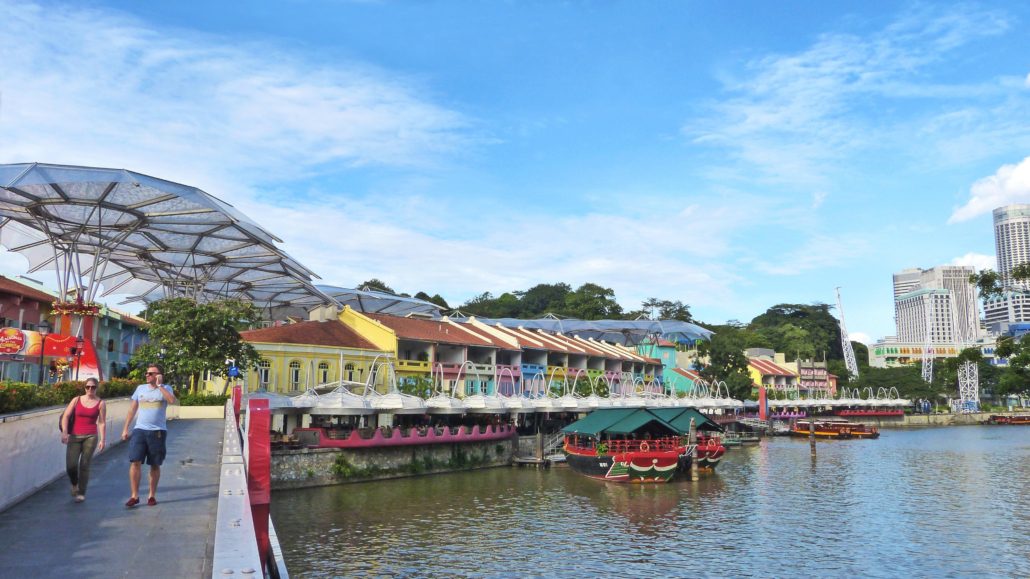
Migration to ThailandThailand is a popular subject on the topic of migration. The Southeast Asian country is beloved for its tropical climate, scenic beauty and historical sites. However, its beauty is not the sole reason for increased migration to Thailand.

Migration is an umbrella term involving the movement of people from one place to another, whether temporarily or permanently. Immigration, a sub-branch of migration, refers to people moving to a new country and settling there either semi-permanently or permanently. Both migration and immigration have increased in Thailand in recent years. Here are three reasons why people migrate to Thailand.

3 Reasons Why People Migrate to Thailand

  1. Economic Opportunities: Thailand has a moderately stable economy which is favorable to workers in neighboring countries. According to the International Organization for Migration (IOM), Thailand’s “sectors such as fishing, agriculture, hospitality, domestic work and manufacturing are heavily reliant on migrant workers for manpower.” The majority of workers migrating to Thailand are from Cambodia, Lao People’s Democratic Republic and Myanmar seeking better opportunities and higher wages than their respective countries.
  2. Refugee Migration: According to the 2024 Migration Report from the United Nations Thailand, “Thailand hosts at least 5.3 million non-Thai nationals, marking an 8 per cent increase compared to nearly 4.9 million” in the previous report. This sharp increase is due in part to intensifying conflict in Myanmar. Since 2019, Myanmar migrant populations in Thailand have doubled to 1.8 million, with an estimated 150,000 living in refugee camps on the Thai-Myanmar border. In response, the National Screening Mechanism (NSM) launched in 2023 to assist migrants in applying for “protected person” legal status to prevent deportation.
  3. Reduced Cost of Living: Western Expats from Europe and the United States have identified Thailand as a popular residential destination to escape high costs of living. From health care to groceries to living expenses, Thailand offers around a 50% reduction in average cost. With the popularization of the “Digital Nomad Visa” and other offerings, immigrants are able to enjoy reduced cost of living and increased financial flexibility, while contributing to Thailand’s economy.

Impacts of Migration to Thailand

Migration has a profound effect on Thailand’s economy. According to a report from the International Labor Organization (ILO), immigrant workers contribute to virtually all sectors and are “associated with an improvement of labor market outcomes of the native-born population.” Because a large percentage of this population has employment, the report estimates that income per capita will rise significantly. Of course, migrants and low-income, rural Thai residents still face hardships.

In a 2022 report, the World Bank noted that Thailand made “remarkable progress in reducing poverty from 58% in 1990 to 6.8% in 2020.” However, as that progress has slowed, large gaps in wealth equality are revealed, leaving nearly 80% of the poor population in rural areas earning an income that is only 68% of their urban counterparts. This income inequality disproportionately affects the recent and ongoing influx of migrants who take on roles involving fishing and agriculture.

Additionally, there is research that suggests a link between migration to Thailand and public health. In a research paper that BMC Public Health published, migrants “may impact public health by transmitting communicable diseases to the local population.” This impact depends on the type of disease in question. Yet, while a rise in migration is associated with more cases of respiratory and other infectious illnesses, it is also linked to a decline in diseases that can be prevented through vaccination. While health care in Thailand is free to all, regardless of legal status, NGOs have been crucial for migrant groups to secure equal access to health care. According to interviews that Human Rights Watch conducted, the Mae Tao Clinic is a hotspot for Myanmar nationals that offers primary care services to undocumented migrants.

Looking Ahead

Overall, migration to Thailand offers valuable and significant benefits to the growth and development of the country, and in return, migrants enjoy the benefits of improved economic conditions, refugee support and a manageable cost of living. Thailand’s approach to migration is unique and serves as an example to the world of how opening one’s border can lead to unexpected positive outcomes that challenge conventional views on migration.

– Jamaya Newton

Jamaya is based in Somerset, NJ, USA and focuses on Politics for The Borgen Project.

Photo: Unsplash
August 6, 2025
https://borgenproject.org/wp-content/uploads/borgen-project-logo.svg 0 0 Jennifer Philipp https://borgenproject.org/wp-content/uploads/borgen-project-logo.svg Jennifer Philipp2025-08-06 07:30:362025-08-06 03:21:17Migration to Thailand: The New Land of Opportunity
Economy, Global Poverty

Surviving the Arctic Struggles: Poverty in Greenland

Poverty in GreenlandGreenland, the world’s largest island, is known for its breathtaking landscapes and extreme climate, but beneath its icy beauty lies a pressing issue – poverty. Despite being part of the Kingdom of Denmark, Greenland faces economic hardship that disproportionately affects Indigenous communities.

Causes of Poverty

  1. Economic Dependence and Limited Industry. Greenland’s economy is heavily reliant on the fishing industry, which accounts for more than 90% of its exports. This makes the economy highly vulnerable to market fluctuations and limits job opportunities. The Danish government provides substantial financial support, with an annual block grant of about $585 million, making up more than 50% of government revenues and about 20% of Greenland’s gross domestic product (GDP).
  2. Geographical Isolation and High Cost of Living. While Greenland is a stunning country, its isolation in the far North makes it susceptible to high import costs for goods and services, driving up the cost of living. Necessities such as food and fuel are significantly more expensive than in mainland Denmark. For example, a family of four has estimated monthly expenses of about $5,726 without rent. These high costs make daily life unaffordable for many residents, contributing to growing economic stress and inequality.
  3. Social Challenges and Vulnerable Populations. Social issues such as alcoholism and mental health problems are deeply intertwined with poverty. The Indigenous Inuit communities are disproportionately affected, with high rates of substance abuse exacerbating economic hardship. Studies show a dramatic increase in alcohol consumption in Greenland, leading to severe health and social problems. These challenges often contribute to family breakdowns, unemployment, and domestic violence, creating a cycle of vulnerability. Limited access to health care and support services further worsens the situation, leaving many without essential help.

Tackling Poverty in Greenland

The Danish government’s financial support helps maintain Greenland’s public services, including health care and education. However, there is a growing movement to strengthen Greenland’s economy beyond this aid by investing in local industries such as mining and tourism.

Similarly, other organizations strive to help alleviate poverty, such as The Greenland Social Foundation, which provides food, shelter and educational programs to struggling families. The Red Cross Greenland also plays a crucial role in providing social welfare programs and mental health support.

Furthermore, institutions like Ilisimatusarfik University provide scholarships, with more than $21,000 awarded in April 2024, to help Greenlanders pursue higher education and secure stable employment. Community-driven initiatives are also promoting traditional practices like fishing and craftsmanship to create self-sustaining economic opportunities.

Ultimately, Greenland’s poverty crisis is driven by economic dependency on unstable income, high costs of living and social issues that disproportionately affect Indigenous communities. However, through a combination of government support, local initiatives and education programs, there is hope for a more resilient and self-sufficient future for Greenland’s people.

– Emina Bolic

Emina is based in Birmingham, UK and focuses on Good News for The Borgen Project.

Photo: Pexels

April 12, 2025
https://borgenproject.org/wp-content/uploads/borgen-project-logo.svg 0 0 Hemant Gupta https://borgenproject.org/wp-content/uploads/borgen-project-logo.svg Hemant Gupta2025-04-12 07:30:252025-04-12 02:42:38Surviving the Arctic Struggles: Poverty in Greenland
Food Insecurity, Global Poverty

Hunger in Northern Ireland

A collection of U.K. charities have united to advocate for better circumstances for U.K. residents in recipients of universal credit. This comes after a groundbreaking investigation into hunger in Northern Ireland by the Trussell Trust.

The Situation

This issue in Northern Ireland has attracted publicity due to the significant volume of people in the country experiencing hunger. This has gained attraction from multiple news outlets, such as the BBC, which reported that “one in six people in Northern Ireland face hunger or food insecurity.” In an interview with the BBC, Karen Mullan from the Foyle Food Bank said that the figures demonstrate a constant busyness within the food banks: “We have seen over the last couple of weeks and months a real rise in terms of food and energy costs, and inflation is affecting all areas of life.”

Karen Mullan mentioned that the sharp rise in inflation during the U.K.’s cost of living crisis is no coincidence with the rising number of people in hunger. Since 2021, the United Kingdom has been facing an unprecedented rise in inflation, and in October 2022 reaching 11.1% “its highest rate in 40 years.” This has led to a sharp increase in the cost of essentials, such as energy and food.

The Trussell Trust’s report found numerous contributing factors to the significant amount of hungry people in Northern Ireland. Firstly, the report found that 79% of food bank visitors had to rely on the network due to their income being too insufficient to support themselves. The investigation also found that difficulty in finding supportive jobs, especially for marginalized groups such as women and disabled individuals was a contributing factor to the financial hardships experienced.

The Affected Population

When investigating which groups accessed food banks the most in Northern Ireland, the Trussell Trust found that disabled people, women and households with children under the age of 16 are significantly overrepresented. Despite people with disabilities making up 30% of the Irish population, the Trussell Trust discovered that this group make up 61% of people who are referred to food banks (within the Trussell Trust network). This refers to a wider issue, where poverty and health, particularly, mental health correlate.

In addition to this, the investigation found that despite households with children under the age of 16 contributing to 34% of the general population of Northern Ireland, they make up 48% of people visiting these food banks within the network. One reason for this, suggested by the report, could be the financial demands that households with young children face, such as the prices of childcare, as well as higher costs of bills due to more people living in a house. Furthermore, the report found that women are twice as likely to refer to food banks as men. The report attributes this to gender inequalities regarding pay.

Brighter Days Ahead

Despite the findings of the Trussell Trust raising alarms, learning who is affected and why is a large step in combatting hunger in Northern Ireland. The report outlines key issues, such as the basic rate of universal credit being insufficient, gender pay inequality and the financial hardships that marginalized groups can be vulnerable to. Now that these findings have surfaced, there have been calls for urgent policy change to alleviate hunger in Northern Ireland, specifically an increase in universal credit to ensure that it is sufficient enough to support everyone, proposing an “Essentials Guarantee” in Northern Ireland.

The Essentials Guarantee would ensure that universal credit recipients receive adequate monetary support to live with the essentials, including food. According to the Joseph Rowntree Foundation (JRF), five in six households on universal credit are going without the essentials. JRF wants the government to back essential guarantees, particularly in families with mental health issues and single parents.

Amnesty International has also campaigned the guarantee, stating that this change is a basic human right, and necessary during times of inflation and for life after COVID-19. The JRW has stated that this guarantee will only positively benefit the economy.

– Ella Turner

Ella is based in St Helens, UK and focuses on World News for The Borgen Project.

Photo: Flickr

July 3, 2024
https://borgenproject.org/wp-content/uploads/borgen-project-logo.svg 0 0 Jennifer Philipp https://borgenproject.org/wp-content/uploads/borgen-project-logo.svg Jennifer Philipp2024-07-03 03:00:342024-07-26 09:28:02Hunger in Northern Ireland
Global Poverty

Hawaii’s Tourism Dilemma: Impact on Poverty

Hawaii’s TourismIn recent years, Hawaii’s tourism dilemma has come to the forefront, shedding light on the intricate balance between economic prosperity and environmental and socioeconomic concerns. Local voices have highlighted the trains on resources, rising costs of living and housing and cultural erosion caused by mass tourism. This exploration delves into Hawaii’s tourism dilemma, dissecting its multifaceted impacts and the possibility of a balanced future. 

Strains on Resources 

While tourism breathes life into Hawaii’s economy, it also exerts tremendous pressure on the islands’ resources. The demand for accommodations, water and energy strains already limited supplies. Due to the severe drought and the depletion of water supplies, West Maui residents and Upcountry villages were subject to mandatory water restrictions starting on June 30, 2022. The use of water for non-essential purposes, such as watering lawns or washing cars, might result in a $500 punishment and having their water meters taken away for locals from these regions. However, the tourist sector, which uses 44.7% of Hawaii’s water, is not subject to any water restrictions. This struggle for essential resources often forces residents to contend with water rationing and conservation efforts, affecting their quality of life.

Rising Costs and Widening Poverty Gaps 

The influx of tourists has brought with it rising costs that hit residents hard. The cost of living has surged, particularly in terms of housing and everyday essentials. From 2019 to 2022, Maui County’s housing prices rose by nearly 35%; they had already been rising since the financial crisis. Additionally, based on statistics from the Council for Community and Economic Research, Hawaii had the highest cost of living in 2022. 

Skyrocketing housing and high cost of living prices have led to displacement for many locals, as investors snatch up properties for vacation rentals. 

Cultural Erosion 

The cultural erosion brought about by mass tourism is a poignant concern. Native Hawaiians, who hold a deep spiritual connection to their land, often feel that their traditions and values are commodified for profit. The influx of visitors seeking superficial representations of Hawaiian culture can overshadow the authentic practices and beliefs of the local community, further eroding the island’s unique identity.

Tackling Hawaii’s tourism dilemma involves recognizing the importance of cultural preservation as a means to both attract visitors and empower local communities.

The Positive Impact 

Despite these challenges, the impact of tourism isn’t entirely negative. It has propelled economic growth, generating jobs, investment opportunities and revenue streams that support local infrastructure and services. A quarter of Hawaii’s GDP comes from the tourism industry. The tourism sector in 2019 supported a total of 216,000 jobs across the state. It also resulted in nearly $17.8 billion in tourist spending and contributed more than $2 billion in tax revenue for the state.  

Moreover, tourism provides a platform to showcase Hawaii’s rich cultural heritage and environmental significance to a global audience. By engaging visitors in educational experiences, the islands can foster a greater appreciation for their unique attributes.

Moving Toward a Balanced Future

Addressing Hawaii’s tourism dilemma requires a multi-faceted approach that takes into account the need to alleviate poverty, preserve culture and ensure a sustainable flow of visitors.

A key pillar to finding effective solutions to Hawaii’s tourism dilemma requires involving local communities in decision-making processes. Residents, who are the heart of Hawaii, possess a profound understanding of the islands’ needs and sensitivities. By giving them a voice in shaping tourism policies and regulations, the industry could become more attuned to the wishes and concerns of those who call Hawaii home. This collaborative approach fosters a sense of ownership and shared responsibility for the islands’ well-being. 

Balancing the scales of tourism also means supporting local businesses and economies. Encouraging visitors to explore lesser-known destinations and engage with off-the-beaten-path experiences redirects economic benefits to smaller communities. Promoting sustainable agriculture and indigenous crafts not only diversifies revenue streams but also safeguards Hawaii’s authenticity against a homogenized tourist culture. Additionally, encouraging tourists to explore less crowded areas will prevent damage to vulnerable cultural and natural sites. 

Dr. Agrusa asked hundreds of participating U.S. tourists what they would be prepared to do to make sure their visits benefited Hawaii and its residents. Around four out of 10 respondents stated they would be willing to pay 10% more at restaurants if it meant that local suppliers would profit more from the food supply chain and pay more during their stay to respect Hawaiian culture. 

Hawaii’s tourism challenge stands at a crossroads, casting both concerns and the need for a balanced future. As mass tourism on the islands causes strains on resources, vanishing cultural roots and increasing poverty levels, embracing community voices and fostering local economies emerges as a solution to foster sustainable tourism. 

– Hannah Klifa
Photo: Unsplash

October 25, 2023
https://borgenproject.org/wp-content/uploads/borgen-project-logo.svg 0 0 Yuki https://borgenproject.org/wp-content/uploads/borgen-project-logo.svg Yuki2023-10-25 01:30:122024-06-11 00:17:56Hawaii’s Tourism Dilemma: Impact on Poverty
Global Poverty, Homelessness

Homelessness in Belize

Homelessness in BelizeIn Belize, the rate of poverty hovers around 42%. Many Belizeans do not have the financial resources or means to access adequate clothing, shelter and food. Not surprisingly, most of Belize’s homeless population falls vulnerable to informal housing and shelter lacking appropriate plumbing, sanitary conditions and infrastructure. To address homelessness in Belize, outside organizations offer resources and assistance to vulnerable families, individuals and communities. 

Cost of Living 

For a typical family of four living in Belize, monthly expenses far outweigh income. Average monthly costs total around $2,500, without rent, while the average net salary comes in around $950 per month. Furthermore, the cost of housing can be relatively high compared to average incomes, contributing to affordability issues for low-income individuals and families. With an unemployment rate of 9.7% as of 2022, many Belizeans are plunged into poverty, unable to afford a roof over their heads. 

Furthermore, essential goods and services are becoming increasingly unaffordable and inaccessible, especially for rural communities. Urban centers present more comprehensive ranges of housing options, whereas rural areas provide limited options and aid for vulnerable people. As a result, there are a large number of informal settlements and unauthorized settlement areas, that lack the proper legal recognition, infrastructure and basic amenities. 

Impact on Children

Notably, children are the most vulnerable to homelessness. UNICEF finds that half of the children in Belize under the age of 15 are classified as poor. Homelessness among children means that the most vulnerable in society lack basic needs, threatening the development and nourishment of young, fragile livelihoods. In conjunction, UNICEF and ECLAC (United Nations Economic Commission for Latin America and the Caribbean) find that “6 out of 10 children in Belize lack at least one of these basic needs: adequate nutrition, clean drinking water, proper sanitation, adequate housing and access to education and information.”

A home is fundamental to properly care for and support a child. To alleviate the risks and adverse effects of homelessness on children, comprehensive support for the continuation and stability of a child’s education promotes positive outcomes. Addressing the unique needs of homeless families and children involves access to stable housing, nutritious food, health care, and targeted programs for mental health support.

Initiatives to Reduce Homelessness

Countering homelessness in Belize requires a combination of efforts, including affordable housing initiatives, rent subsidies, homelessness prevention programs and comprehensive poverty alleviation efforts. Here is a list of varying organizations and comprehensive plans fighting for people experiencing homelessness.

  • The Welcome Resource Centre – Since opening its doors in 2013, the Welcome Resource Centre continues to offer daily hot meals, hygiene facilities and a safe place for the homeless and mentally ill. With over 400 registered homeless, the center hosts over 50 persons per day. Furthermore, they provide educational guidance in pursuit of employment the homeless and opportunities to develop skills. In engagement with those suffering from mental illness, WRC hosts daily programs encouraging physical and mental involvement in purposeful, therapeutic activities. In addition, the organization sponsors counseling for individuals, groups and families. 
  • Hand in Hand – Hand in Hand is an organization rooted in Belize City, building homes for Belizean families. Working with the NGO Building for Change, volunteers work alongside impoverished families, creating not only a home but also cementing personal connections with the families. Since 2002, over 450 homes have been built, providing vulnerable families with the safety and shelter of a house.   
  • Remar Belize – In pursuit of their mission to “fight for disadvantaged people in Belize to relieve all suffering from poverty, social exclusion, sickness and particularly among people affected by substance addictions,” Remar Belize offers several programs and assistance to aid those struggling with homelessness. These initiatives include temporary/permanent shelter, personal hygiene, food, clothing, occupational skills training and pedagogical activities. Their work continues to evolve and serve the most vulnerable, most importantly acting as a hub for those who have no other option.
  • Hope Haven Belize – Hope Haven Belize, working in the San Pedro area, serves over 150 women and children. Their efforts primarily focus on supporting children, providing shelter and care for “children who have been abandoned, neglected or sexually and physically abused by their parents or guardians.” Hope Haven also supports Colleen’s Kitchen Food Bank, provides counseling services and hosts empowerment programs for youth and young women. 

Going Forward

The World Health Organization recognizes that “housing is a fundamental social determinant of Health and is recognized by the United Nations as a fundamental human right, and not a luxury, as many Belizeans still believe.” Through the work of several organizations, the homeless can access shelter and resources that invest and promote opportunities to re-introduce individuals into society and out of poverty. Reducing homelessness in Belize takes a multi-dimensional approach that requires collaboration between communities and organizations to establish positive solutions that empower all Belizeans.

– Emmalyn Meyer
Photo: Flickr

August 25, 2023
https://borgenproject.org/wp-content/uploads/borgen-project-logo.svg 0 0 Lynsey Alexander https://borgenproject.org/wp-content/uploads/borgen-project-logo.svg Lynsey Alexander2023-08-25 04:35:022023-08-30 04:34:58Homelessness in Belize
Page 1 of 41234

Get Smarter

  • Global Poverty 101
  • Global Poverty… The Good News
  • Global Poverty & U.S. Jobs
  • Global Poverty and National Security
  • Innovative Solutions to Poverty
  • Global Poverty & Aid FAQ’s
Search Search

Take Action

  • Call Congress
  • Email Congress
  • Donate
  • 30 Ways to Help
  • Volunteer Ops
  • Internships
  • Courses & Certificates
  • The Podcast
Borgen Project

“The Borgen Project is an incredible nonprofit organization that is addressing poverty and hunger and working towards ending them.”

-The Huffington Post

Inside The Borgen Project

  • Contact
  • About
  • Financials
  • President
  • Board of Directors
  • Board of Advisors

International Links

  • UK Email Parliament
  • UK Donate
  • Canada Email Parliament

Get Smarter

  • Global Poverty 101
  • Global Poverty… The Good News
  • Global Poverty & U.S. Jobs
  • Global Poverty and National Security
  • Innovative Solutions to Poverty
  • Global Poverty & Aid FAQ’s

Ways to Help

  • Call Congress
  • Email Congress
  • Donate
  • 30 Ways to Help
  • Volunteer Ops
  • Internships
  • Courses & Certificates
  • The Podcast
Scroll to top Scroll to top Scroll to top