• Link to X
  • Link to Facebook
  • Link to Instagram
  • Link to TikTok
  • Link to Youtube
  • About
    • About Us
      • President
      • Board of Directors
      • Board of Advisors
      • Financials
      • Our Methodology
      • Success Tracker
      • Contact
  • Act Now
    • 30 Ways to Help
      • Email Congress
      • Call Congress
      • Volunteer
      • Courses & Certificates
      • Be a Donor
    • Internships
      • In-Office Internships
      • Remote Internships
    • Legislation
      • Politics 101
  • The Blog
  • The Podcast
  • Magazine
  • Donate
  • Click to open the search input field Click to open the search input field Search
  • Menu Menu

Archive for category: NGOs

Aid, Children, Foreign Aid, Global Poverty, NGOs, Poverty, Poverty Reduction

QANDIL’s Humanitarian Efforts in Iraqi Kurdistan

QANDIL's Humanitarian Efforts
Sweden’s renown as a humanitarian superpower stems from its involvement in global aid initiatives. In 2018, the country devoted 1.04 percent of its gross national income (GNI) to overseas development, making Sweden the sixth-largest humanitarian aid contributor among the world’s countries and the largest one proportional to its Gross Domestic Product (GDP). From 1975 onward, Sweden’s humanitarian aid efforts have continually surpassed the U.N.’s minimum target of developed nations spending 0.7 percent of GNI on overseas development initiatives.

One of the most well-regarded Sweden-based NGOs is QANDIL. Established in Stockholm in 1991, QANDIL’s initiatives aim to foster lasting peace and development in Iraq. Beneficiaries of its aid range from refugees and returnees to internally displaced persons and local host communities. Since 2016, QANDIL has concentrated its efforts on development in the Kurdistan region, serving as the most prominent partner of UNHCR in this region. Below are seven facts about QANDIL’s humanitarian efforts.

7 Facts About QANDIL’s Humanitarian Efforts

  1. Economic Assistance — Two Cash-Based Intervention projects implemented in 2017 raised $2,695,280 for 3,829 families in need in the Kurdistan region’s Duhok governorate. In Erbil, QANDIL distributed $3,155,800 to 3,054 families in the Erbil governorate, while $648,290 went to 1,900 families in the Sulaymaniyah governorate. Ultimately, QANDIL distributed $6,499,370 to 8,783 refugees and IDP families within three of the Kurdistan region’s governorates. This provides a foundation by which these uprooted people may become economically stable and productive.
  2. Shelter — Through the Shelter Activities Project, QANDIL supported uprooted people in search of shelter, which included 7,246 families. Among QANDIL’s successes in providing shelter-based aid is the implementation of 25 major shelter rehabilitation initiatives, encompassing five camps in the Sulaymaniyah governorate. This helped resolve the long-term problem of incomplete and hazardous structures allotted to displaced persons.
  3. Legal Services — The Outreach Project, operating in the Erbil and Duhok governorates, offers legal services to IDPs and refugees. With the participation of volunteers from both the displaced and host communities, QANDIL’s efforts have granted legal assistance to 319,773 IDPs and refugees and outreach services to 19,894 persons in the Erbil governorate alone. In the Duhok governorate, beneficiaries included 69,093 refugees and IDPs. Furthermore, in 2017, QANDIL participated in an initiative to provide mobile magistrates to administer court-related matters for displaced persons.
  4. Assistance for Gender-Based Violence Victims — With the participation of UNFPA, QANDIL commits resources to finance and submitting reports to seven local NGOs that operate 21 women’s social centers. These centers function in both responsive and preventative capacities for women both within and outside camps. Services that these centers offer include listening, counseling, referrals to other institutions, distribution of hygiene kits and even recreational activities. In total, this program has assisted 67,108 women and girls in the Duhok governorate, 11,021 in the Erbil governorate and 43,797 in the Sulaymaniyah governorate.
  5. Youth Education — Starting in 2017, QANDIL devised an educational initiative targeting Syrian refugee students, funded at approximately $271,197. The soft component of this initiative provided funding and resources for recreational activities and catch-up classes, as well as teacher capacity building training and the maintenance of parent-teacher associations, in schools enrolling refugee students in the Sulaymaniyah governorate. The initiative’s hard component comprises aid for special needs students at seven refugee schools in the Sulaymaniyah governorate.
  6. Skills Training — In collaboration with the German development aid organization GIZ, QANDIL embarked on a vocational and educational initiative aiming to benefit displaced persons residing at Debanga camp. These individuals received access to skills training and qualifications certification, ranging from plumbing and electricity to language and art, in three-week courses offering free tuition. As a whole in 2017, the vocational and educational training centers that QANDIL supported with funding from GIZ have improved the employment prospects for 1,756 individuals, out of which 546 were women.
  7. Immediate Response in Crisis Situations — With an upsurge in regional conflict on Oct. 16, 2017, came an increase in IDPs in Tuz Khurmatu, a city 88 kilometers south of Kirkuk. This event tested the efficacy and efficiency of QANDIL’s humanitarian aid efforts. By Oct. 24, QANDIL’s Emergency Response Committee began dispensing out emergency kits to persons that the conflict escalation affected. Included in these packages were necessities, food and non-food items alike. By Oct. 25, QANDIL parceled out 1,237 emergency kits to aid-seekers distributed over 25 locations in the Sulaymaniyah and Garmian regions. That same day, 600 aid-seekers received aid packages in the Erbil and Koya regions, while the rest of the aid made its way to other camps in the Sulaymaniyah area.

From education to vocational training to sanitation and hygiene and shelter and legal services, QANDIL’s humanitarian efforts in the Kurdistan region of Iraq continue to make a difference for the lives of thousands of displaced and settled people alike. Thus, QANDIL serves as an ambassador for Sweden’s humanitarian aid mission. Whether in the course of sustained initiatives or responses to imminent crises, QANDIL persists in its constructive humanitarian aid role in an unstable region. It is through the tireless efforts of such NGOs as QANDIL that Sweden continues to serve as a model in humanitarian aid initiatives to the rest of the world.

– Philip Daniel Glass
Photo: Flickr

October 10, 2019
https://borgenproject.org/wp-content/uploads/borgen-project-logo.svg 0 0 Kim Thelwell https://borgenproject.org/wp-content/uploads/borgen-project-logo.svg Kim Thelwell2019-10-10 02:34:252019-12-16 10:29:06QANDIL’s Humanitarian Efforts in Iraqi Kurdistan
Children, Development, Global Poverty, Health, NGOs

10 Health Costs of the Syrian Civil War

Health Costs of The Syrian Civil War
The Syrian civil war, which began in 2011, has led to a monumental refugee crisis, hundreds of thousands of deaths, the rise of the Islamic State of Iraq and Syria (ISIS) and destabilization in the Middle East. Yet another devastating effect of the war is the health consequences for people still living in Syria. Civilian doctors and nurses in active war zones face significant challenges not encountered in peacetime. These include a massive amount of trauma victims, shortages of medical equipment and personnel, infectious disease epidemics and breaches in medical neutrality. Here are 10 health costs of the Syrian civil war for the Syrian people.

10 Health Costs of the Syrian Civil War

  1. Because of the war, Syrian life expectancy has plummeted by 20 years from 75.9 years in 2010 to 55.7 years through the end of 2014. The quality of life in Syria has also worsened. As of 2016, 80 percent of Syrians are living in poverty. Moreover, 12 million people depend on assistance from humanitarian organizations.
  2. The civil war devastated Syria’s health care infrastructure, which compared to those in other middle-income countries prior to the war. By 2015, however, Syria’s health care capabilities weakened in all sectors due to the destruction of hospitals and clinics. The country faced a shortage of health care providers and medical supplies and fear gripped the country.
  3. The Syrian Government has deliberately cut vital services, such as water, phone lines, sewage treatment and garbage collection in conflict areas; because of this government blockade, millions of Syrian citizens must rely on outside medical resources from places like Jordan, Lebanon and Turkey. In 2012, the Assad regime declared providing medical aid in areas opposition forces controlled a criminal offense, which violates the Geneva Convention. By the following year, 70 percent of health workers had fled the country. This exodus of doctors worsens health outcomes and further strains doctors and surgeons who have remained.
  4. The unavailability of important medications presents another health cost of the civil war. Due to economic sanctions, fuel shortages and the unavailability of hard currency, conflict areas face a severe shortage of life-saving medications, such as some for noncommunicable diseases. Commonly used medicines, such as insulin, oxygen and anesthetic medications, are not available. Patients who rely on inhaled-medications or long-term supplemental oxygen often go without it.
  5. A lack of crucial medications has led to increased disease transmission of illnesses, such as tuberculosis. Furthermore, the conditions Syrians live in, for instance, the “tens of thousands of people currently imprisoned across the country… offer a perfect breeding ground for drug-resistant TB.”  Indeed, the majority of consultations at out-patient facilities for children under 5 were for infectious diseases like acute respiratory tract infections and watery diarrhea. According to data from Médecins Sans Frontières-Operational Centre Amsterdam  (MSF-OCA), the largest contributor to civilian mortality was an infection.
  6. In addition to combatant deaths, the civil war has caused over 100,000 civilian deaths. According to the Violation Documentation Center (VDC), cited in a 2018 Lancet Global Health study, 101,453 Syrian civilians in opposition-controlled areas died between March 18, 2011, and Dec 31, 2016. Thus, of the 143,630 conflict-related violent deaths during that period, civilians accounted for 70.6 percent of deaths in these areas while opposition combatants constituted 42,177 deaths or 29.4 percent of deaths.
  7. Of the total civilian fatalities, the proportion of children who died rose from 8.9 percent in 2011 to 19.0 percent in 2013 to 23.3 percent in 2016. As the civil war went on, aerial bombing and shelling were disproportionately responsible for civilian deaths and were the primary cause of direct death for women and children between 2011 and 2016. Thus, the “increased reliance on the aerial bombing by the Syrian Government and international partners” is one reason for the increasing proportion of children killed during the civil war according to The Lancet Global Health report. In Tal-Abyad’s pediatric IPD (2013-2014) and in Kobane Basement IPD (2015–2016), mortality rates were highest among children that were less than 6 months old. For children under a year old, the most common causes of death were malnutrition, diarrhea and lower respiratory tract infections.
  8. The challenges doctors and clinicians face are great, but health care providers are implementing unique strategies that emerged in previously war-torn areas to meet the needs of Syrian citizens. The United Nations (the U.N.) and World Health Organizations (WHO) are actively coordinating with and international NGOs to provide aid. The Syrian-led and Syrian diaspora–led NGOs are promoting Syrian health care and aiding medical personnel in Syria as well. For instance, aid groups developed an underground hospital network in Syria, which has served hundreds of thousands of civilians. These hospitals were “established in basements, farmhouses, deserted buildings, mosques, churches, factories, and even natural caves.”
  9. Since 2013, the Médecins Sans Frontières-Operational Centre Amsterdam (MSF-OCA) has been providing health care to Syrians in the districts of Tal-Abyad in Ar-Raqqa Governorate and Kobane in Aleppo Governorate, which are located in northern Syria close to the Turkish border. The health care MSF-OCA provided included out-patient and in-patient care, vaccinations and nutritional monitoring.
  10. New technologies have enabled health officials to assist in providing aid from far away. For instance, telemedicine allows health officials to make remote diagnosis and treatment of patients in war zones and areas under siege. One organization that has used this tool is the Syrian American Medical Society, which “provides remote online coverage to nine major ICUs in besieged or hard-to-access cities in Syria via video cameras, Skype, and satellite Internet connections.” Distance learning empowers under-trained doctors in Syria to learn about disaster medicine and the trauma of war from board-certified critical care specialists in the United States.

Conditions on the ground in Syria make it more difficult for Syrian citizens to receive vital medical aid from health care workers. Many people and organizations are working diligently to help injured and sick Syrians, however. These 10 health costs of the Syrian civil war illuminate some of the consequences of war that are perhaps not as storied as the refugee crisis. While aiding refugees is an undoubtedly worthy goal for international NGOs and governments, policymaker’s and NGOs’ agendas should include recognizing and alleviating the harm to those still living in Syria.

– Sarah Frazer
Photo: Flickr

October 8, 2019
https://borgenproject.org/wp-content/uploads/borgen-project-logo.svg 0 0 Kim Thelwell https://borgenproject.org/wp-content/uploads/borgen-project-logo.svg Kim Thelwell2019-10-08 01:30:502019-12-04 13:47:5710 Health Costs of the Syrian Civil War
Developing Countries, Education, Global Poverty, Health, NGOs

Top 5 Causes of Global Poverty

5 Causes of Poverty
Of the population of the world, over 3 billion people live on less than $2.50 a day. This is a staggering number that begs the question, why? What are the causes of global poverty? There is a multitude of reasons as to why poverty devastates countries, but here are the top five causes of global poverty.

5 Causes of Global Poverty

  1. War: A country that goes to war can impact poverty greatly. There are several factors to consider when looking at how war contributes to poverty. There is the destruction of the infrastructure wherever the conflict rages. Fierce fighting can destroy power facilities, buildings and roads and usually take years to rebuild. The disruption of trade can have a devastating impact on the goods that people rely on. The halt to production in factories, growing of crops and work in mines can bring a country’s economy to almost a complete stop. The human cost is the most devastating out of every impact that war can bring. Not only is there the number of dead to consider, but also the number of people fleeing the conflict zones. Large numbers of a country’s workforce are fleeing the conflict zones looking for peace in a different country. Today, 71 million people have been displaced because of war and violence in countries all over the world. Since the creation of organizations such as the United Nations, countries are more willing to talk to each other and keep the peace rather than fight.
  2. Little to No Education: Often, when a country is in poverty, there is very little to no education available for its citizens.  Nearly 1 billion people came into the 21st century not knowing how to write their names or read a book. When a nation lacks in education, they become an untrained workforce for an impoverished nation. Families in these countries often cannot afford to send their children to school, and frequently require them to work to support their families. By the year 2000, it was possible to send every child in the world to school and in order to do that, the world would have only had to spend less than 1 percent of what it does on weapons. However, this obviously did not happen. Even though 1 billion people or 18 percent of the population could not read or write at the start of the century, this statistic is still an improvement from 1980 when the world illiteracy rate was 30 percent.
  3. Corruption: One can blame poverty in a country on the leaders as well as any outside factors. A country with corrupt leadership can have a devastating impact on the well being of its people. Corruption can divert much-needed resources and funds away from those that need them. Every country may have some level of corruption, however, the most poverty-stricken countries often show the most corruption. According to Transparency International’s Corruption Index, out of the 177 nations it ranked, 118 had a score of 50 or less. A score of 100 means that the country is free of corruption. Meanwhile, the least developed nations in the world have a score of 28. Fortunately, many countries are creating offices to hold their leaders accountable. Cuba, for example, has started the Ministry for Auditing and Control that aims to fight corruption within the country.
  4. Inflation: Countries’ economies can fluctuate from extreme highs to lows. Venezuela is a current example of a country going through this type of hardship. The South American country was able to prosper from an economic boom from its oil industry. When that began to regress, the country’s economy began to take a turn for the worse. Inflation ruined the country, making goods almost impossible to afford. There was also a lack of necessary supplies such as food and medicine. The current poverty rate in Venezuela sits at 90 percent out of a population of 32 million. Because of the economic hardship, 4 million people have left Venezuela as refugees. Despite Venezuela’s struggles, there are examples of countries that have faced terrible economic times and turned things around. Norway had one of the worst economies at the turn of the 20th century, but through foreign aid and resources, it is now one of the richest nations in the world.
  5. Natural Disasters: A natural disaster can have an overwhelming impact on a country’s livelihood and the well-being of its people. There is very little that anyone can do to stop natural disasters from happening. Earthquakes, tsunamis, hurricanes, landslides, volcanic eruptions and tornadoes can destroy areas and leave whole regions to pick up the pieces. Countries that are already in poverty struggle to recover and frequently sink deeper into poverty. According to the World Bank, over 26 million people enter poverty each year because of natural disasters. By the end of 2018, the world lost $225 billion as a result of natural disasters globally. As technology improves, countries become better prepared for natural disasters and have more warning.

No matter what the causes of global poverty are, there is always a solution to fix them. Whether it is through international aid or a change in legislation around the world, people can eliminate those causes, or at the very least, limit the devastation of poverty.

– Sam Bostwick
Photo: Pixabay

September 30, 2019
https://borgenproject.org/wp-content/uploads/borgen-project-logo.svg 0 0 Jennifer Philipp https://borgenproject.org/wp-content/uploads/borgen-project-logo.svg Jennifer Philipp2019-09-30 11:32:262024-06-06 00:26:27Top 5 Causes of Global Poverty
Migration, NGOs

Five Questions About African Immigration to Spain

African Immigration to Spain
While Eastern and Central Europe have been dealing with the brunt of the refugee crisis—thanks to conflicts in Syria and the rest of the Middle East—Western Europe is far from unaffected. However, a large number of immigrants in Spain originate from West Africa, and they come to Spain for a variety of different reasons; both as refugees, and in search of economic opportunity unavailable to them in their home countries. This article takes a look at the causes of African immigration to Spain, as well as the living conditions immigrants experience in their new host country.

Five Questions and Answers

1. Why are People from Western and Central Africa Leaving their Home Countries?

The short answer is a variety of reasons. While the overall volume of immigrants to Europe has dropped to pre-2015 levels, African immigration to Spain is still spurred by more than just garden-variety economic migration—though that certainly still plays a large role. The reasons for migration vary greatly by gender, with most men emigrating for economic reasons while most women are leaving due to threats of violence.

2. Why Spain?

Spain has a labor shortage and is more welcoming to migrants than other European countries. While geography is a major factor in emigration from Spain to Africa (the Strait of Gibraltar is slightly over seven nautical miles from the African mainland to Spain), Spain has—until very recently—been a notable exception to the anti-immigrant sentiment overtaking much of Europe. The current Spanish government is center-left, with over 80 percent of adult poll respondents saying that they would be in favor of taking in irregular refugees. New agricultural sectors in the south of Spain—mainly greenhouse farming—have also created an unskilled economy that few Spaniards find attractive, but looks promising to refugees.

3. How do Immigrants get There?

Refugees arrive in Spain either by the Spanish enclaves in Morocco or the dangerous crossings of the Mediterranean. The most immediate destination for African immigration to Spain is the enclave city of Ceuta, which is politically Spanish and geographically Moroccan but is governed more or less autonomously, like Catalonia or the Basque Country. Some also arrive via ship, in the infamously choppy Mediterranean. The first decision of Prime Minister Pedro Sanchez’s administration was to admit the Aquarius, a ship of more than 600 migrants, into Spain after Italy turned it away.

4. What Kind of Life is Waiting for Immigrants Once they Arrive?

“Nobody talks about what it’s really like.” Many of the African migrants in Spain live in the southern regions, doing seasonal agricultural work. This is especially true for the men who emigrated to Spain for economic reasons, trying to send money back home to their loved ones. Despite the supposed greater economic opportunity that comes from a Eurozone nation, many of the African migrants in Spain live in ramshackle chabolas, makeshift shacks comprised of wood and plastic leftover from agricultural scrap. In these settlements, more migrants have mobile phones than access to a toilet or kitchen.

5. Is Spain’s Generosity Towards Migrants Coming to an End?

The short answer is yes. The majority of African immigration to Spain comes through Morocco and the Strait of Gibraltar, but the path of many migrants does not end there. Recently, Spain has come under fire from other European leaders for being the exception to an otherwise-ubiquitous tight border policy, which has put pressure on the Spanish government to somehow stem the tide. In response, Spain has outsourced its border security to Morocco, the country that processes most migrants to Spain. This has alarmed left-leaning political groups and human rights NGOs, who claim that Morocco’s human rights record is inadequate.

While Spain has upheld the Sanchez government’s initial promise of being more accepting of migrants, large-scale African immigration to Spain and pressure from other European leaders has prompted a tightening of the flow of migrants through Morocco and the Mediterranean. While the conditions African migrants find in Spain are far from luxurious, the work is good enough for them to continue to migrate. What Spain ultimately decides to do in regard to the influx of immigrants from Africa could either continue to serve as a lone exception to the rest of Europe or join the continent in its increasing anxiety over immigration.

– Rob Sprankle
Photo: Flickr

September 14, 2019
https://borgenproject.org/wp-content/uploads/borgen-project-logo.svg 0 0 Kim Thelwell https://borgenproject.org/wp-content/uploads/borgen-project-logo.svg Kim Thelwell2019-09-14 01:30:482024-05-29 23:09:57Five Questions About African Immigration to Spain
Global Poverty, NGOs

How Conflict in Venezuela is Affecting the Poor

Conflict in Venezuela
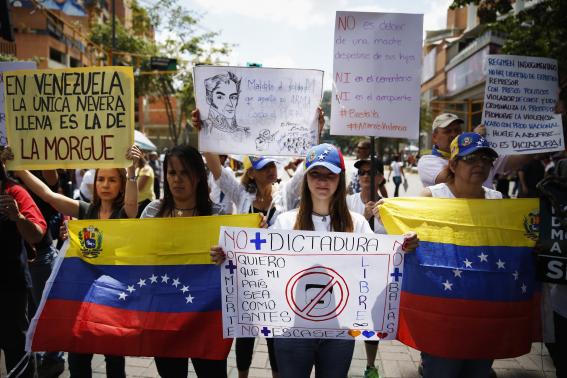
In January 2019, Nicolás Maduro won the Venezuelan presidential election, bringing him into his second term as president. Citizens and the international community met the election results with protests and backlash, which has only added to the conflict in Venezuela. The National Assembly of Venezuela went so far as to refuse to acknowledge President Maduro as such. Juan Guaidó, an opposition leader and president of the National Assembly, declared himself interim president almost immediately after the announcement of the election results, a declaration that U.S. President Donald Trump and leaders from more than 50 nations support. Russia and China, however, have remained in support of President Maduro.

During his first term as president and beginning in 2013, Maduro has allowed the downfall of the Venezuelan economy. His government, as well as his predecessor, Hugo Chávez’s government, face much of the anger regarding the current state of Venezuela. Continue reading to learn how the conflict in Venezuela is affecting the poor in particular.

How Conflict in Venezuela is Affecting the Poor

Maduro’s aim was to continue implementing Chávez’s policies with the goal of aiding the poor. However, with the price and foreign currency controls established, local businesses could not profit and many Venezuelans had to resort to the black market.

Hyperinflation has left prices doubling every two to three weeks on average as of late 2018. Venezuelan citizens from all socio-economic backgrounds—but particularly those from lower-income households—are now finding it difficult to buy simple necessities like food and toiletries. In 2018, more than three million citizens fled Venezuela as a result of its economic status to go to fellow South American countries such as Colombia, Brazil, Panama, Ecuador, Peru, Chile and Argentina. However, nearly half a million Venezuelans combined also fled to the United States and Spain.

Venezuela is currently facing a humanitarian crisis that Maduro refuses to recognize. The opposition that is attempting to force Maduro out of power is simultaneously advocating for international aid. As a result, local charities attempting to provide for the poor are coming under fire from Maduro’s administration, as his government believes anything the opposition forces support is inherently anti-government.

In the northwestern city of Maracaibo, the Catholic Church runs a soup kitchen for impoverished citizens in need of food. It feeds up to 300 people per day, and while it used to provide full meals for the people, it must ration more strictly due to the economic turmoil. Today, the meals look more like a few scoops of rice with eggs and vegetables, and a bottle of milk. While the Church’s service is still incredibly beneficial, it is a stark contrast from the fuller meals it was able to provide just a few years prior.

The political and economic conflict in Venezuela is affecting the poor citizens of the country in the sense Maduro’s administration is ostracizing local soup kitchens and charities. A broader problem facing the poor is that because Maduro refuses to address the humanitarian crisis, international organizations like the International Committee of the Red Cross (ICRC), UNICEF and the World Food Programme (WFP) are unable to intervene and provide aid.

Project HOPE

There are non-governmental organizations (NGOs) that are making an effort to help Venezuelans suffering as a result of this crisis. One of the easiest ways they can be of service is by providing aid and relief to citizens who have fled to other countries. Project HOPE is an organization that currently has workers on the ground in Colombia and Ecuador to offer food, medical care and other aid to those escaping the conflict in Venezuela. Project HOPE is also supporting the health care system in Colombia in order to accommodate the displaced Venezuelans there.

The current conflict in Venezuela is affecting the poor, but it is also affecting the entire structure of the nation. It is difficult to know what the outcome of this conflict will look like for Venezuelans and for the country as a whole. What is important now is to continue educating people about the ongoing crisis so that they can stay informed. Additionally, donating to Project HOPE and other NGOs working to provide aid to Venezuelans in neighboring countries would be of great help. With that, many Venezuelan citizens will know that people support them and are fighting to see progress.

– Emi Cormier
Photo: Flickr

September 7, 2019
https://borgenproject.org/wp-content/uploads/borgen-project-logo.svg 0 0 Kim Thelwell https://borgenproject.org/wp-content/uploads/borgen-project-logo.svg Kim Thelwell2019-09-07 01:30:502024-05-29 23:01:03How Conflict in Venezuela is Affecting the Poor
Global Poverty, NGOs

International Partnerships Fight Scourge of Violence in Uzbekistan

Violence in Uzbekistan

The former Soviet Republic of Uzbekistan contains approximately 33 million people and is the largest nation in Central Asia. Despite its surveillance apparatus, Uzbekistan struggles with various forms of violence that contribute to its high poverty rate of 12.8 percent. Terrorism and drug trafficking associated with the Afghanistan border spur fear and international concerns. Widespread domestic violence in the poor countryside hinders women’s rights and blocks economic productivity. However, important international partnerships with the U.N., U.S. and non-governmental organizations are working to create more responsible governance and halt violence in Uzbekistan.

Violent Triad

Uzbekistan’s unrest centers on three main areas:

1. Drug Trafficking: Uzbekistan is a thoroughfare for opiates originating in Afghanistan. Authorities routinely capture narcotics en route to Europe and have burned 54 tons of drugs since 1994. Addiction is a major problem that is at least 10 times as prevalent as official statistics display, according to the Overseas Security Advisory Council. Narcotics trafficking often involves organized crime, which spawns corruption and human trafficking as well.

2. Terrorism: Terrorism used to be quite severe in Uzbekistan. Suicide bombings killed 50 people in the cities of Tashkent and Bukhara in 2004. Attacks within the nation have lessened in recent years, but the radical Islamic Movement of Uzbekistan still resides on the Afghan border. A larger problem is the amount of Uzbek terrorists committing attacks on other countries. A 2017 State Department report showed multiple instances of this, the most severe being when an Uzbek man massacred 39 people in an Istanbul nightclub.

3. Domestic Violence: The most prevalent type of violence in Uzbekistan is spousal abuse. An extensive 2001 Human Rights Watch report displayed domestic violence was viewed as a private matter by village council, or mahalla, officials. Even in a case where beatings caused one woman to have four miscarriages, nothing was done. In 2019, Uzbekistan still lacks domestic violence legislation and abuse is culturally acceptable to 41 percent of women. An Organization for Economic Cooperation and Development report showed that 61 percent of women distrusted the justice system, particularly because mahallas focus on lowering divorce statistics rather than protecting women.

UNODC Partnership

The United Nations Office on Drugs and Crime has worked in Uzbekistan since 1993 to fight illegal narcotics. Today, Uzbekistan is the headquarters of UNODC’s Central Asia Program, a $70 million initiative that hopes to increase anti-drug regional cooperation over five years. UNODC also stops the related crime of human trafficking across the Afghanistan border and administers antiretroviral treatment to those infected with HIV from drug needles. The U.N. helped 12,000 Uzbeks receive ARVs in 2015.

The Paris Pact Initiative is another program run by UNODC. It combines the efforts of 80 countries and organizations to combat the flow of opiates from Afghanistan. Uzbekistan is one of 11 nations hosting Paris Pact Research and Liaison personnel, who conduct narcotics research in the field. The success of the program’s first three phases garnered it a $6.7 million budget between 2013 and 2017.

U.S.-Uzbekistan Military Partnership

Stronger ties between the American and Uzbek militaries will counteract terrorism while promoting government reforms in the country. President Trump met with President Shavkat Miromonovich Mirziyoyev of Uzbekistan on May 16, 2018 to commit to a bilateral relationship that would ensure security in the region. Both leaders agreed to the first ever “Five-Year Plan of Military Cooperation” and condemned terrorism in Afghanistan. Trump encouraged Mirziyoyev to pursue more human rights reforms for his people as the American military became involved.

The Department of Defense highlighted the progress of the Five-Year Plan in early July 2019, when Uzbekistan’s Defense Minister, Bakhodir Kurbanov, visited America. Kurbanov witnessed the effectiveness of officer exchange programs and American training curriculum in fighting violence in Uzbekistan. One Uzbek pilot will be training with Americans in Columbus Air Base’s Aviation Leadership Program in 2020.

International-Local NGO Partnerships

International NGOs focus on empowering Uzbek organizations to combat domestic violence. ACTED is one of the most influential NGOs providing support in the country, and its social media campaign dispels domestic violence myths among youth. It funds and trains local women’s NGOs in a society where they are traditionally blocked from operating. The Oydin Nur Center is one successful project supported by ACTED. Since 2000, the center has counseled 5,155 abused women and assisted 9,000 women over a hotline.

The Marta Resource Center for Women is another international NGO educating groups on violence in Uzbekistan. Originally fighting domestic abuse in Latvia, Marta expanded to Uzbekistan in 2009 to address similar problems. It specifically targets the mahallas and teaches them the importance of stopping domestic violence. Marta also recognizes the stifled economic potential of abused women. In an interview, Marta’s founder Iluta Lāce discussed how a partnership with the Italian Chamber of Commerce, Craft and Agriculture helps women discover independence by founding small businesses.

Much work remains in the fight against violence in Uzbekistan. Legislation against abuse is still nonexistent, and conflict resonates throughout the region. There is a long road ahead. However, the above international partnerships display that Uzbekistan does not travel that road alone.

– Sean Galli
Photo: Wikimedia

September 5, 2019
https://borgenproject.org/wp-content/uploads/borgen-project-logo.svg 0 0 Kim Thelwell https://borgenproject.org/wp-content/uploads/borgen-project-logo.svg Kim Thelwell2019-09-05 15:16:272024-06-06 00:26:22International Partnerships Fight Scourge of Violence in Uzbekistan
Activism, Food & Hunger, Global Poverty, NGOs

Top Five People Who Fight Poverty Globally

People who Fight Poverty
Poverty is a global issue that affects at least 80 percent of the world’s population. The number seems frightening and can intimidate any person who might want to help. Some come together to fight as a united front and tackle the worldwide issue due to the sheer magnitude of the dilemma. Either way, every solution starts with a single person and a single idea. Below describes the top five people who fight poverty today, who they are and what they do (or did) to combat poverty.

Top Five People Who Fight Poverty

  1. Suzanna Mayo Frindt Empowers Rural Communities
    She is the current President and Chief of Staff of The Hunger Project, a nonprofit organization which aids countries in South Asia, Latin America and Africa. The organization provides aid through the establishment of self-reliance within the community. The Hunger Project begins by encouraging women to take active roles within the locale by training them to obtain leadership positions. Then, it enforces self-reliance. It does this by having individuals mobilize their peers through local government to take action and improve the conditions of the area. Finally, The Hunger Project works closely with these governments to ensure it is aiding the people. This system helps bring entire communities out of poverty. As President, Frindt is in a powerful position to fight poverty. She earned her position through 25 years of experience in the field as she worked in impoverished areas, like Peru. Additionally, she co-founded the firm, 2130 Partners. The firm is another organization that dedicates itself to guidance and education. Though these are just a few of her accomplishments, these key points showcase why Frindt is one of the top five people who fight poverty.
  2. Ellen Gustafson Feeds the Hungry
    This woman is an entrepreneur, activist, author and speaker whose primary cause is to work to eliminate world hunger. She focuses on hunger of particularly impoverished areas where the problem is most prominent. Gustafson co-founded FEED Projects, a charity which provides food for people around the world. As of 2019, it has provided 60 million meals to schools around the world. She has also tackled the issue of obesity through educational activism. Overall, Ellen Gustafason’s goals may center around food, but her work has improved the lives of impoverished people in places where they often need help the most.
  3. Bono Advocates Against Poverty
    He is an American musician and frontman of the popular music group, U2. Bono’s infamy stems not only from his musical persona but also from his philanthropic efforts. The singer is the founder of ONE, an advocacy organization that works to raise awareness of poverty and fight against the issue. Similar to The Borgen Project, ONE addresses its cause through legislation and lobbying of governments. ONE focuses on reducing poverty in Africa’s poorest areas. It is just one of the few organizations Bono supports with a target against poverty. This fact showcases the musician’s dedication to both his art and beliefs.
  4. Anthony Lake Leads UNICEF in the Fight Against Poverty
    He has been the director of UNICEF (United Nations Children’s Fund) since 2010. He earned his role through a longstanding career as a foreign policy advisor to various presidential candidates and officers of the United States. During the office of President Bill Clinton, Lake served as National Security Advisor. His political career prepared him well to undertake the leadership position of UNICEF, the organization responsible for a significant amount of the world’s humanitarian aid. Specifically, it focuses on the needs of children in over 190 countries. As Lake has taken directorship, his prominence in the fight against poverty has risen immensely.
  5. Bill Gates Shares His Financial Success with Developing Countries
    People primarily know Bill Gates as a technological innovator and a record-breaking billionaire. Through the creation of Microsoft, he has amassed substantial financial benefits. People also know Gates as an impressive philanthropist who gears his saving towards aid programs. Specifically, he has established the Bill and Melinda Gates Foundation, a joint project between him and his wife. The program receives a significant amount of his donations. Since its establishment in 2000, the foundation has “spent more than $36 billion to fund work in global health, emergency relief, education, [and] poverty,” as reported by Business Insider. The organization is using some of that money to fight malaria and ebola outbreaks in developing countries.

From political professionals to celebrities, these five people who fight poverty show that stepping up for the world’s poor does not require a designated hero. Anyone, with the right drive and ambition, can make a change for the better. The list features only a few prominent people who fight poverty, though it does not have to end there.

– Eleanora Kamerow
Photo: Flickr

September 4, 2019
https://borgenproject.org/wp-content/uploads/borgen-project-logo.svg 0 0 Kim Thelwell https://borgenproject.org/wp-content/uploads/borgen-project-logo.svg Kim Thelwell2019-09-04 06:39:562024-05-29 23:10:10Top Five People Who Fight Poverty Globally
Global Poverty, NGOs, World Hunger

What Can Be Done About Rising World Hunger

Rising World Hunger

According to a recent report regarding world hunger trends in 2018, titled “The State of Food Security and Nutrition in the World, ” over 820 million people worldwide are undernourished, up from 811 million in 2017. This is continuing a fairly recent trend of rising world hunger since 2016 when the number increased for the first time in over 10 years. Prior to that, world hunger had been decreasing at a fairly consistent, slow rate since 1992. This marked a trend of over 20 years.

History of Rising World Hunger

Overall, this is not the first time there has been an increase. From 2000 to 2005, numbers began increasing for the first time since 1992, before decreasing again. That trend continued for about ten years, decreasing at a solid rate until 2015. In 1992, the number of individuals undernourished in the world was just over one billion.

In 2015, the number was 784 million. Likewise, over 200,000 people were freed from hunger during this time. This is about a 22 percent decrease in the number of hungry people. This was all accomplished over the span of 25 years.

Why Rising World Hunger Is a Cause for Concern

Considering the history of overcoming an increase in world hunger, is this recent increase cause for concern? According to the UN report, it is still a cause for alarm.

The report details that world hunger is rising due to multiple supplemental factors. For one, the global economic downturn of 2008-2009 caused uneven recovery. It has also led to unstable GDP growth. Reliance on global commodities, which were disrupted around that time, has caused volatility and unpredictability in the economies of those countries. Due to these events, households often experience a decrease in purchasing power. As a result, they cannot purchase as much food.

What Can Be Done?

Economic stability would alleviate hunger for many people, so what can be done to increase economic stability in these countries? According to the UN, this has much to do with socioeconomic inequalities. In the report, economic growth is not always enough to ensure the reduction of poverty and hunger. Even if a country’s GDP is rising, inequality means that those of lower socioeconomic standing will not see nearly as much of the positive impacts.

The report ultimately calls for countries experiencing severe hunger problems to implement policy change in protecting the income of those living in poverty. Additionally, it identifies the need for diversification of economies to avoid over-dependence on global commodities. Reliance on more unstable commodities does provide massive short-term profits and boons for the GDP. However, that reliance damages the integrity of those economies in the long-term run.

Overall, the Food and Agriculture Organization of the UN believes there are ways to fight rising world hunger. Tackling inequalities via effective policy and strengthening the consistency of individual economies will be the keys to reversing this trend.

A Number of Efforts

Other nonprofit organizations such as Rise Against Hunger, The Hunger Project, and Heifer International are also taking the approach of targeting long-term stability in order to reverse the trend that world hunger is rising. For instance, Rise Against Hunger has initiatives in countries such as the Philippines, Vietnam, Cambodia, Nicaragua, Mali and Senegal. Each initiative focuses on giving impoverished communities the tools to become more economically stable. All of these organizations have their own similar initiatives which follow the UN report.

Ultimately, with the continued effort on the part of the UN, nonprofit organizations and individual action, world hunger can be overcome. Though world hunger is rising, the trend is still reversible. The fight is far from over.

– Jade Follette
Photo: Flickr

August 6, 2019
https://borgenproject.org/wp-content/uploads/borgen-project-logo.svg 0 0 Kim Thelwell https://borgenproject.org/wp-content/uploads/borgen-project-logo.svg Kim Thelwell2019-08-06 01:30:462019-12-16 13:59:43What Can Be Done About Rising World Hunger
NGOs, Refugees

How to Help North Korean Refugees

How to Help North Korean Refugees
The Democratic People’s Republic of Korea, also known as North Korea, remains one of the most severe dictatorial regimes in the world, and about 24 million people live under the control of its secretive and repressive government. Since the creation of North Korea in 1948, many have fled the country for political, ideological, religious, economic or personal reasons. As the country has become an important piece in East Asian politics and the dire situation in the country has continued, here are some facts about its situation as well as how to help North Korean refugees.

North Korean Refugees

People also call North Korean refugees “North Korean defectors” because of the political weight the cold war between North and South Korea caused. This other term, “defectors,” is important to know, as there is a constant stream of articles and news stories about North Korean defectors. As of 2017, some sources estimate that over 1,000 North Koreans escape every year.

From the end of the 20th century to today, one of the main causes of North Korean defection has been the lack of food. The drastic lifestyle change from North Korea to their new countries often shocks refugees. One refugee living in Seoul was so hungry as a child that he could not even find the words to describe it, but today has almost any food imaginable available with a quick online order.

Reports in 2017 showed that 85 percent of North Korean refugees were women. Women made up 71 percent of refugees in South Korea, a very common destination for North Korean refugees. According to South Korea’s Ministry of Unification, there have been about 31,000 North Korean refugees that have fled to South Korea’s capital city of Seoul and the surrounding region of Gyeonggi.

However, the majority of North Korean refugees go to China. Some sources estimate that between 50,000 and 200,000 North Korean refugees are currently living in China. For some refugees, China is the first stop of their journey to other Asian countries. After all, China is North Korea’s main ally, and the Chinese border is much easier to cross than the heavily-monitored DMZ with South Korea. However, under Kim Jong-un’s heightened border security and crackdowns on smugglers, the number of refugees successfully escaping the country has decreased in recent years. While there were 2,706 defections to South Korea in 2011, this number dropped to 1,127 in 2017.

Challenges of Leaving North Korea

Sex trafficking is a big issue for female North Korean refugees in areas such as China, South Korea and Russia. In China, traffickers traffick about 80 percent of female refugees through black markets for the purpose of becoming North Korean brides. With the vast majority of refugees being female, entering a new country when going to the police or other authorities likely means repatriation back to North Korea, these women are extremely vulnerable to human trafficking and abuse.

Leaving North Korea is incredibly hard. Even travel within the country receives strict regulation, and leaving the country is an act of treason, with the punishment being a minimum of seven years at a North Korean concentration camp. These concentration camps, with estimated 80,000-120,000 prisoners, systematically starve, torture and work people to death. The journey of a successful North Korean defector is extremely hard and takes a great number of risks.

In 2016, approximations determined that up to 30,000 half-North Korean children living in China were the result of forced marriages between North Korean refugees and Chinese men through sex trafficking. Many mothers end up arrested or dead, and the often poor Chinese fathers struggle to provide resources to support their children. These children, struggling to survive in their own unfortunate circumstances, are vulnerable to abuse without any immediate family to care for them. Organizations, such as Crossing Borders, work to help these children gain a stable life.

Organizations Helping North Korean Refugees

Crossing Borders is a Christian nonprofit based in China, which commits itself to helping refugees live a better life by securing safety and stability for them. Refugees’ delicate legal status leaves them in a position to suffer exploitation, trafficking and even murder, but Crossing Borders is determined to provide support to them. Crossing Borders has two main programs to help North Korean refugees: Refugee Care and Orphan Care. These have provided safety, medicine, financial aid and counseling to North Korean refugees in China.

Liberty in North Korea is an organization committed to getting North Koreans to safety through charitable donations. It has gathered information about escape routes throughout China and Southeast Asia and has formed relationships with individuals that will help move refugees safely across borders. It has rescued 1,000 refugees so far. Its team includes individuals located in the U.S., South Korea and Southeast Asia.

Based on the Korean peninsula, Helping Hands Korea works to raise awareness of North Korean refugees and help refugees in crisis. Helping Hands Korea has delivered food, medicine and clothing to vulnerable groups in North Korea and has assisted children separated from their mothers by providing foster care or money to grandparents to help care for them.

While fewer North Koreans are successfully escaping the country today, their desperate situation continues to draw concern and aid. For those who want to know how to help North Korean refugees, supporting and donating to organizations such as Crossing Borders, Liberty in North Korea and Helping Hands Korea will help ensure that these people are safe and living in stable conditions.

– Natalie Chen
Photo: Flickr

July 28, 2019
https://borgenproject.org/wp-content/uploads/borgen-project-logo.svg 0 0 Jennifer Philipp https://borgenproject.org/wp-content/uploads/borgen-project-logo.svg Jennifer Philipp2019-07-28 14:00:212020-01-28 14:14:22How to Help North Korean Refugees
Developing Countries, Education, Global Poverty, NGOs, Water

5 Fieldwork NGOs Fighting Global Poverty

Fieldwork NGOs Fighting Global PovertyFieldwork NGOs are non-government organizations that fight against global poverty directly within areas of need. Whether it be by building wells, establishing schools or educating local farmers, fieldwork NGOs take a hands-on approach to improve poverty-stricken communities worldwide. While there are countless organizations doing amazing work to fight against global poverty, this list highlights just a few. Here is a list of five fieldwork NGOs fighting global poverty.

5 Fieldwork NGOs Fighting Global Poverty

  1. The Water Project
    The Water Project provides clean drinking water to communities across sub-Saharan Africa. Importantly, the group focuses on creating reliable sources of clean water that are easy to access in terms of proximity. This includes building wells for groundwater, constructing dams to create larger local deposits and other similar processes. Once a resource is built for a community, the Water Project also makes sure to do maintenance checks to keep that resource functional. Currently, the Water Project is maintaining 1,294 clean water resources across sub-Saharan Africa. Today, the organization’s efforts are impacting 462,000 people worldwide.
  2. Child Empowerment International
    Child Empowerment International brings education to wartorn areas of civil unrest. This NGO makes its intent clear on its website: “Our Mission [is] to reduce poverty through education and empowerment.” To achieve this mission, Child Empowerment International establishes schools in areas of need, teaching leadership skills and ways to contribute to their local communities. Child Empowerment International primarily focuses on children in areas traumatized by war. So far, its efforts have been stationed across Sri Lanka and Uganda, with the intention of spreading aid elsewhere as the NGO grows. In Sri Lanka alone, there are 80 CEI schools and programs teaching more than 6,800 children in need. In Uganda, CEI programming provides 300 students with quality education services.
  3. Build Health International
    Build Health International is an NGO that builds health infrastructures in impoverished communities worldwide, all within the constraints of locally available resources. Build Health International creates architectural plans for hospitals, designing them to be cost-efficient while still high quality. In addition, this NGO focuses on using renewable resources, such as solar panels, to keep facilities energy efficient. While Build Health International primarily focuses on building hospitals, it also aids local workforces by providing short-term construction jobs. Build Health International emphasizes the importance of maintaining close relationships with assisted locals, adjusting health infrastructures to best suit community dynamics. Today, Build Health International has completed over 50 major projects across African, Haiti and Latin America.
  4. One Acre Fund
    One Acre Fund addresses the irony of a global phenomenon — that the majority of the world’s hungriest people are farmers. In remote communities across sub-Saharan Africa, the One Acre Project has a multi-step process in eradicating hunger and empowering rural communities. One Acre Fund not only provides seeds and tools to communities in need but also educates local farmers on agricultural techniques and market facilitation practices. This hands-on approach builds up communities for long term success, setting them on a self-sustaining path for sustenance and a chance for economic prosperity. Through the One Acre Fund’s aid, 809,900 rural families were assisted in 2018; as for 2019, the project number of families assisted is 925,000.
  5. Mercy Corps
    Mercy Corps is an NGO that applies an array of fieldwork to in-need communities all over the globe. This NGO was originally founded as the Save a Refugee Fund, determined to assist Cambodian refugees fleeing from the nation’s war and genocide. Over the course of nearly four decades, Mercy Corps has assisted over 220 million people worldwide. Mercy Corps educates farmers about agriculture and self-sustaining methods, helps local communities start and maintain viable businesses, provides programs to decrease inequality between women and men, and many, many more outlets for assistance. Mercy Corps provides these services to over 40 countries across the globe, from the islands of the Philippines to the war-torn regions of Iraq.

With thousands of NGOs providing fieldwork aid to communities worldwide, these five mentioned are just a small fraction of the overall picture. Improving one’s quality of life is a multi-faceted effort, as seen by these fieldwork NGOs fighting global poverty.

– Suzette Shultz
Photo: Wikimedia

July 23, 2019
https://borgenproject.org/wp-content/uploads/borgen-project-logo.svg 0 0 Kim Thelwell https://borgenproject.org/wp-content/uploads/borgen-project-logo.svg Kim Thelwell2019-07-23 01:30:492019-11-06 11:15:455 Fieldwork NGOs Fighting Global Poverty
Page 14 of 15«‹12131415›

Get Smarter

  • Global Poverty 101
  • Global Poverty… The Good News
  • Global Poverty & U.S. Jobs
  • Global Poverty and National Security
  • Innovative Solutions to Poverty
  • Global Poverty & Aid FAQ’s
Search Search

Take Action

  • Call Congress
  • Email Congress
  • Donate
  • 30 Ways to Help
  • Volunteer Ops
  • Internships
  • Courses & Certificates
  • The Podcast
Borgen Project

“The Borgen Project is an incredible nonprofit organization that is addressing poverty and hunger and working towards ending them.”

-The Huffington Post

Inside The Borgen Project

  • Contact
  • About
  • Financials
  • President
  • Board of Directors
  • Board of Advisors

International Links

  • UK Email Parliament
  • UK Donate
  • Canada Email Parliament

Get Smarter

  • Global Poverty 101
  • Global Poverty… The Good News
  • Global Poverty & U.S. Jobs
  • Global Poverty and National Security
  • Innovative Solutions to Poverty
  • Global Poverty & Aid FAQ’s

Ways to Help

  • Call Congress
  • Email Congress
  • Donate
  • 30 Ways to Help
  • Volunteer Ops
  • Internships
  • Courses & Certificates
  • The Podcast
Scroll to top Scroll to top Scroll to top