• Link to X
  • Link to Facebook
  • Link to Instagram
  • Link to TikTok
  • Link to Youtube
  • About
    • About Us
      • President
      • Board of Directors
      • Board of Advisors
      • Financials
      • Our Methodology
      • Success Tracker
      • Contact
  • Act Now
    • 30 Ways to Help
      • Email Congress
      • Call Congress
      • Volunteer
      • Courses & Certificates
      • Be a Donor
    • Internships
      • In-Office Internships
      • Remote Internships
    • Legislation
      • Politics 101
  • The Blog
  • The Podcast
  • Magazine
  • Donate
  • Click to open the search input field Click to open the search input field Search
  • Menu Menu

Archive for category: NGOs

Education, Global Poverty, NGOs

Shining a Spotlight on Restore Haiti

Restore Haiti
Restore Haiti aims to reduce global poverty through a child sponsorship program and relationship building in regions of Haiti. This nonprofit organization founded and formed through friendship continues to change communities through relationships.

How it Started

In 1997, Restore Haiti founder Philip Peters went on a mission trip to Jamaica. There he met Gerald Lafleur, a student on the island. They quickly became friends over the trip and the two stayed in touch through letters. In 2004, Peters took a team of 12 to visit Lafleur. There, Lafleur shared his vision to help his homeland of Haiti with Peters. The two wasted no time and a year later Peters took a team of six to visit a local community in Haiti. “After seeing the need, I knew that the little that I had and the resources that I had were something I could use, and a long-term commitment was birthed,” said Peters. With the help of mentors and the local church, Peters gathered clothes and shoes to donate to the community.

“I want[ed] to live life with them,” said Peters. “When I saw the look in their eyes, I knew a relationship was starting to develop and I wondered what could happen as those relationships went deeper and deeper.” Go deeper the organization did, as Peters and Theresa Swain, Restore Haiti’s Executive Director, partnered with others in the U.S. and Haiti to create a child sponsorship program.

Morne Oge

Restore Haiti serves in three main locations, Morne Oge, Matador and Carrefour. All three communities operate five days a week providing education and hot meals for students through the child sponsorship program. In the Morne Oge region, where the nonprofit originated, it partners with Restoration Ministries to provide food, education and medical care to those in the sponsorship program. In addition, this program equips over 700 elementary, secondary and university/trade school students with sponsorship for their education. A medical clinic within walking distance from the feeding program gives students access to health care. The Restore Center located a short distance away in downtown Jacmel houses a computer lab for both students and staff.

The Matador Region

The nonprofit’s work in the Matador region, located on the outskirts of Jacmel a few miles from Morne Oge, serves 240 children who attend elementary school. These students suffered malnutrition and the community had no funds to pay teachers. In 2016, Restore Haiti extended scholarship opportunities to students in this region to help cover tuition to keep the school open. The nonprofit also extends hot meals and medical care to students in this region.

Carrefour

Restore Haiti’s location in Carrefour near Port-Au-Prince provides education and food for the children in this region. Additionally, this region focuses on mentorships with students, life skills training and character building. “In Carrefour, they are receiving English lessons and art classes at this time,” Juli Wendt, the Director of International Service for Restore Haiti, told The Borgen Project. In an area where most youth join gangs or live troubled lives, providing food, education and life skills gives the necessary foundation for change in this community. According to the Overseas Security Advisory Counsel’s Haiti 2019 Crime & Safety Report, gang on gang violence has risen along with homicides, which totaled 757 in the Port-au-Prince region approximately four miles from Carrefour.

Reynold Yordy, President of Restore Haiti, reported that “[The people of Haiti] need a hand up, not necessarily a handout. That is what I am excited to see us do as an organization…having people mentor someone.” With a dedication to see relationships built and mentorship continue, Restore Haiti changes the community.

Restore Haiti’s Accomplishments

Restore Haiti has several accomplishments. Along with a child sponsorship program, the nonprofit focuses on disaster relief providing water and re-establishing agriculture for local farms. In addition, Restore Haiti provides supplies and tuition for 60 schools, drills wells for clean water and prepares students for universities and trade schools.

Restore Haiti employs over 50 Haitians who serve over 1,000 students in these three communities. Juli Wendt told The Borgen Project that “38 students have graduated with the majority being female, 30 girls and eight males. We motivated the girls more to succeed as they were the most vulnerable group and it clearly paid off.” An education impacts earnings, childbearing, population growth, health, nutrition, well-being and personal decision making for girls according to a Global Partnership Study.

This cultural shift also comes from the students giving back. For instance, Larry John, a graduate of the Restore Haiti program, got to attend school and university through the sponsorship program. “We children [had] a place every day to go to school, reduc[ing] the consequences we have here in Haiti,” he said. Reducing those consequences by providing students with education and food gives them an opportunity to live life. Now he works for Restore Haiti as a photographer in the program and lives the life he dreamed. “The program gave me a monthly salary which allowed me to get married,” he said. In addition to having a life of his own, he gets to give back hope to his community.

The Future for Restore Haiti

In an interview with The Borgen Project, Philip Peters said that “As Restore Haiti has been in existence for 15 years, we…started with wanting to see [kids] eat, have access to medical care and go to school. As those students have grown up, it is our desire to continue to offer [them] opportunities for life. That could be enrolling in university, pinpointing skills and having them get a job, get married and build a life of their own.” When asked how Restore Haiti can help graduates and the community going forward, Peters said that “With the program, we currently offer over 50 jobs, from medical staff, cooks, teachers and now creating photography, video and social media teams. We are committed to dream, find jobs, opportunities and team up with people to help us provide jobs as we see more and more [students] move into adulthood.”

– Danielle Beatty
Photo: Flickr

October 5, 2020
https://borgenproject.org/wp-content/uploads/borgen-project-logo.svg 0 0 Jennifer Philipp https://borgenproject.org/wp-content/uploads/borgen-project-logo.svg Jennifer Philipp2020-10-05 14:24:332024-12-13 18:02:15Shining a Spotlight on Restore Haiti
Global Poverty, NGOs

Civil Society Response to HIV in South Africa

civil society response to HIV in South AfricaAccording to the Joint United Nations Program on HIV/AIDS (UNAIDS), South Africa has the largest population of people infected with HIV globally. One of the first countries afflicted with the epidemic in the 1980s, South Africa holds one eighth of the world’s AIDS population. One in nine South Africans and one in four adults are infected. The civil society response to HIV in South Africa has been crucial in addressing the virus and encouraging the government to take action as well.

Government Inaction

South Africa’s HIV statistics are staggering, even in comparison to other countries with large numbers of infected people, like Brazil and India. The problem of HIV in South Africa results from the government’s inadequate response to the epidemic until 2008. Manto Tshabalala-Msimang, the nation’s health minister from 1999 to 2008, refused to promote efficacious treatments such as antiretroviral therapy (ART). He called the antiviral treatments, widely endorsed by the global scientific community, “poison.” Tshabalala-Msimang instead promoted unscientific and largely ineffective treatments such as vitamins, beetroot and garlic. None of these have been shown to protect the health of people who are fighting the effects of the virus.

The year 2002 marked a turning point for the civil society response to HIV in South Africa. AIDS activists and others pushed back against a government policy that attempted to stifle access to effective treatments. In a historic judgment that initiated the fall of Tshabalala-Msimang, the South African courts ruled in favor of the activists. The ruling forced the government to take a more proactive role in fighting the epidemic. Later in 2006, the South African government established a national policy addressing HIV/AIDS following court processes instigated by AIDS activists. This policy broadened the distribution of life-saving drugs such as ART, addressed the shortage of healthcare workers and improved the treatment of HIV in pregnant women.

HIV/AIDS Activism

The South African government’s policies of misinformation and its ill-advised public health approaches to the epidemic worked to downplay the virus as a pressing threat. Because of Tshabalala-Msimang’s respectability and position of power, his rhetoric only fueled AIDS deniers. Still, South African scientists, medical professionals and activists banded together to challenge the government’s deadly inaction with the civil society response to HIV in South Africa.

From the onset of the epidemic, NGOs, CBOs, faith-based groups and activist groups took action to promote the treatment and prevention of HIV/AIDS. This civil society response to HIV in South Africa effectively addressed the acute inadequacy of the government’s response. These groups understood the importance of comprehensive responses to HIV even before international agencies drew connections between the various moving parts associated with the virus. For example, they emphasized the importance of condoms, bringing a wide range of issues into the public eye. Additionally, the groups stressed information, education and communication (IEC) initiatives to stop the spread of HIV/AIDS.

AIDS Foundation South Africa

A large part of the civil society response to HIV in South Africa, AIDS Foundation South Africa (AFSA) was the first registered AIDS NGO in South Africa, and it is currently one of the largest. The organization recognizes the complexity of the virus and the need to address it in a comprehensive way. AFSA focuses on a combination of treatment, prevention, child protection, food security, education and access to basic services. Additionally, AFSA recognizes that different communities have different needs when it comes to AIDS treatment and prevention. As such, the organization serves as a liaison for smaller organizations that might require research, funding, strategies and general aid.

In 2012, for example, AFSA conducted a program in KwaZulu-Natal to engage in work that supported various community programs. These programs included AIDS education and testing, childhood development, community care programs and food security endeavors. The organization is currently on track to meet its 2020 goal of 90% of all people living with HIV to know their status. It also aims to have 90% of all people diagnosed with HIV receiving ART and 90% of people receiving ART having viral suppression, a sign of the treatment’s efficacy.

New Administration

The importance the civil society response to HIV in South Africa is especially clear with the resignation of President Mbeki as well as Tshabalala-Msimang. Elected in 2009 by a large majority, President Jacob Zuma ran on a campaign that acknowledged the urgency of stopping the spread of HIV/AIDS in South Africa. Once elected, Zuma appointed Dr. Aaron Motsoaledi as minister of health. Motsoaledi turned the government’s focus to HIV response.

During Zuma’s term, which ended in 2018, South Africa launched a massive national HIV counseling and testing campaign (HCT), and Zuma himself publicized his HIV test. This campaign also included large-scale medical male circumcision (MMC), which mitigates the spread of the virus in many cases. By the end of 2010, more than half of adults and a third of children eligible for ART were receiving the treatment. Furthermore, the average price of HIV drugs decreased by more than 40% between 2010 and 2014.

Moving Forward

South African society has made monumental strides in addressing HIV/AIDS. However, stigma against several groups particularly afflicted by the disease stands in the way of a truly holistic response. For example, transgender women in South Africa are two times as likely to have HIV than men who have sex with men, but they are routinely excluded from studies and comprehensive care. Additionally, HIV among sex workers is as high as 71.8% in Johannesburg. Because sex work is criminalized in South Africa, AIDS treatment and potentially life-saving health information are less accessible. To more fully address HIV/AIDS, South Africa will have to turn to these issues next.

– Kate Ciolkowski-Winters
Photo: Flickr

September 12, 2020
https://borgenproject.org/wp-content/uploads/borgen-project-logo.svg 0 0 Kim Thelwell https://borgenproject.org/wp-content/uploads/borgen-project-logo.svg Kim Thelwell2020-09-12 07:12:472020-09-12 07:12:47Civil Society Response to HIV in South Africa
COVID-19, Global Poverty, NGOs

How NGOs Have Evolved in the Midst of COVID-19

NGOs Have Evolved
Non-governmental organizations, or NGOs, have worked to assist those in the most need around the world. With the development of a global pandemic, COVID-19, however, multiple NGOs have had to reform multiple aspects of their organizations’ systems, changing elements from distribution of services to availability of staff around the world. Despite the coronavirus, however, many NGOs and large companies have collaborated in order to further their missions and goals, while still maintaining strict protocols for staff in order to minimize the development of the negative effects associated with COVID-19. This article will explain how NGOs have evolved amidst the COVID-19 pandemic.

What is an NGO?

According to the United Nations, a “non-governmental organization,” most commonly referred to as an “NGO,” is defined as, “a not-for-profit, voluntary citizen’s group that is organized on a local, national, or international level to address issues in support of the public good.” NGOs often aim to address certain issues faced by vulnerable individuals, including those who are living in poverty or are disabled. NGOs are crucial in international development, often receiving funding from individuals in relatively richer countries and bilateral development agencies as well. In addition, while some NGOs focus on pursuing an individual policy objective, others uphold a more multifaceted approach, promoting various policy objectives, such as homelessness eradication or the reduction of global hunger.

Changes to the Ford Foundation During the COVID-19 Pandemic

With the recent development of the prevalence of the coronavirus pandemic around the world, NGOs have evolved with both minor and drastic changes to the implementation of their services while also ensuring the safety of their processes. Elizabeth Knup, the regional director in China for the Ford Foundation, explained that staff has primarily been working from home as a result of the fact that the organization is deemed non-essential with regard to the maintenance of the economy. According to Knup, approximately 40% of what the Ford Foundation does includes getting together with grantees, paying visits to their locations and taking part in their events. However, much of the work of the Ford Foundation has experienced severe limitations due to the necessity to maintain social distancing and personal quarantining measures, along with the prevention of government events, during the COVID-19 pandemic.

Despite this, the Ford Foundation has decided to partner with one of its grantees to better promote volunteerism among individuals with white-collar jobs. Such a decision to pursue volunteerism has also involved the government making it increasingly possible for more and more individuals to partake in volunteering services. In addition, in this way, the government is working to enhance its ability to conduct effective organization of volunteers. The Ford Foundation has also been collaborating with one of its other grantees in order to enhance a platform for domestic Chinese foundations to fuse their particular resources and be stronger and more supported as a larger network. When questioned about the likelihood that civil society NGO roles would increase in the aftermath of the coronavirus pandemic, Knup explained that, in crises, NGOs have provided a large amount of aid to those in the most need, not only with regard to relief but also in the case of continued aid post-crisis.

Other NGOs

In addition to the Ford Foundation, however, other NGOs have evolved to further their missions with the aid of others. For example, the United Nations Office for the Coordination of Humanitarian Affairs, also known as OCHA, has been contributing funds to NGOs around the world in order to further the positive effects of their services. As a result of this funding, for example, CARE Sudan has been able to develop isolation centers in the South Kordofan State and provide training to about 150 volunteers to kickstart awareness campaigns regarding the coronavirus.

Meanwhile, the Humanitarian Fund in Yemen collaborated with the Abyan Youth Foundation in order to incorporate coronavirus education measures into its programs. In addition to making prevalent such information, however, the organizations have also worked to distribute hygiene kits to populations in the most need. The Kachin Baptist Convention in Myanmar has served as one of multiple NGOs that has consistently been working to ensure that individuals resulting in camps for internally displaced people (IDP) are able to access clean water in order to prevent themselves from contracting coronavirus. With such funding, the NGO has also ensured that over 2,400 vulnerable individuals would take the necessary hygiene protocols to minimize the prevalence of COVID-19.

Globally, COVID-19 has negatively impacted aspects of society, including increasing violence among workers, bringing about the sudden development of outbreaks as a result of missed vaccinations, global remittances getting squeezed as a result of business shutdowns and being observed to increase the number of individuals facing a food crisis dramatically. With these warnings in mind, however, NGOs like those previously mentioned, have evolved and are working tirelessly to enact positive change globally, bringing hope to those who need it most. From collaborating with other NGOs and companies to working independently with the aid of funding from other resources, NGOs have brought about massive reform to their structures of service in order to function more efficiently. Although the future of NGOs is uncertain as a result of the current global pandemic, it is evident that many are becoming increasingly aware of how to restructure in ways they most likely have never imagined. With this in mind, then, NGOs seem poised to emerge from this pandemic stronger than ever.

– Aprile Bertomo
Photo: Flickr

September 11, 2020
https://borgenproject.org/wp-content/uploads/borgen-project-logo.svg 0 0 Jennifer Philipp https://borgenproject.org/wp-content/uploads/borgen-project-logo.svg Jennifer Philipp2020-09-11 15:50:192024-05-30 07:52:34How NGOs Have Evolved in the Midst of COVID-19
Global Poverty, NGOs

Innovations in Poverty Eradication in Spain

poverty eradication in Spain
While Spain is officially classified as a high-income country, it is not exempt from unceasingly high rates of poverty. Philip Alston, a U.N. expert, recently commented that poverty rates in Spain are “appallingly high” and among the highest in all of Europe. However, efforts to achieve eventual poverty eradication in Spain are underway.

Context

In 2018, over 26% of people in Spain were at high risk of poverty or social exclusion. Moreover, poverty particularly affected children (minors under the age of 18) — with nearly 33% of them either currently living in poverty, or at-risk. A contributing factor in the lingering poverty within these communities is the perpetuation of social immobility among citizens. According to Forbes, Spanish citizens born into families of wealth earn 40% more than people who are born into low-income households. The opportunities these people have to rise out of poverty on their own are nearly non-existent.

The Spanish government and nonprofit organizations are becoming increasingly aware of the issue of high poverty rates within the country. The government, along with other organizations are employing strategic innovations and other strategies every day to address poverty eradication in Spain. 

Government Innovations & Strategies

In March 2019, the National Strategy to Prevent and Combat Poverty and Social Exclusion passed as a new poverty-reduction movement. With its effective timeline lasting through 2023, the strategy includes four key components: (1) the reduction of current poverty, (2) raising social investment in education and employment, (3) increased social protections for at-risk citizens and (4) improving the effectiveness of public policies surrounding poverty eradication in Spain. This movement serves as an important step for the country’s government because it creates a space to address poverty eradication in Spain on a federal level — catering to the nation’s poorest and most vulnerable.

Spain has recently made vast improvements to its minimum income scheme. With the goal of bringing 1.6 million people out of poverty, the new plan will ensure that families have an income between $514 and $1,130 per month, depending on their eligibility. The social program will take into account the number of children per household, single-parent households, annual income and finally, assets. In the words of Deputy Prime Minister Pablo Iglesias, this poverty reduction strategy has birthed “a new social right in Spain” and looks to dissolve deeply ingrained social inequalities among its people.

Nonprofit Initiatives

The Spanish government is not the only body taking action to alleviate poverty. Organizations such as SOS Children’s Villages are actively working on lifting communities out of poverty. While the organization recognizes that Spain is actively working to address national poverty at large, it believes there is more to do in supporting individual families. Spain has the third highest childhood poverty rate in all of Europe and SOS Children’s Villages primarily targets these vulnerable and at-risk children through their many day centers and homeless villages. In hopes of creating more safe and secure Spanish households, it also focuses on psychological counseling for families and works to aid unemployed citizens in finding work. With ongoing humanitarian work in eight locations within mainland Spain and the Canary Islands, SOS Children’s Villages is an example of an organization that is actively working towards poverty eradication in Spain.

Implications

On both the public (federal) and private levels, Spain is developing new innovations and strategies to address its crippling poverty rates. The government’s plans to improve social programs and safety nets while ensuring income guarantees will potentially affect millions of people in struggling Spanish communities. Supplemented with the aid of nonprofit organizations such as SOS Children’s Villages, the goals of these programs hold promises of a better, more secure future for millions of people.

– Karli Stone
Photo: Flickr

September 10, 2020
https://borgenproject.org/wp-content/uploads/borgen-project-logo.svg 0 0 Jennifer Philipp https://borgenproject.org/wp-content/uploads/borgen-project-logo.svg Jennifer Philipp2020-09-10 11:40:562020-09-10 11:40:56Innovations in Poverty Eradication in Spain
Food Insecurity, Global Poverty, Government, NGOs

Hunger in Israel: NGO and Government Response

Hunger in Israel
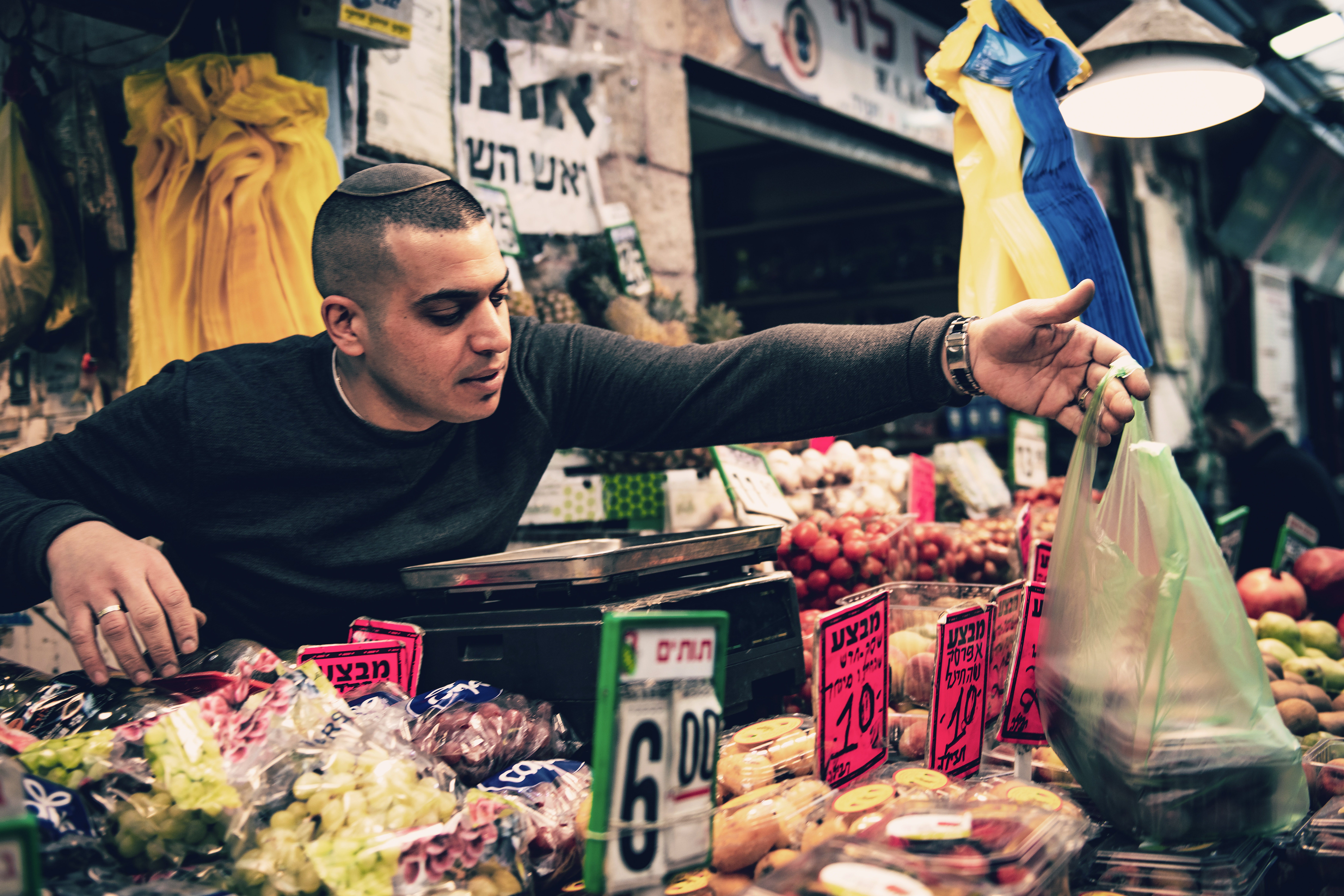
Despite being a high-income country, Israel has one of the highest rates of hunger and poverty in the developed world. Many citizens experience hunger and have relied on NGOs to provide food. They are also asking for the government to take further action, especially during the COVID-19 pandemic.

Israel is a small country located in the Middle East with an estimated population of 8.7 million people. Lebanon, Syria, Jordan and Egypt border it. Established as an independent country in 1948, its gross domestic product (GDP) has grown significantly over time. This has made Israel a high-income country.

Food Insecurity in Israel

Despite Israel having the categorization of a high-income country, about 25% of individuals living in Israel experience food insecurity, and up to 40% are living with extreme hunger. According to the Poverty and Social Gaps Annual Report by the National Insurance Institute of Israel, Israel has one of the highest rates of hunger in the developed world. In particular, food insecurity and poverty tend to disproportionately affect:

  1. Orthodox Jewish communities
  2. Arab communities
  3. Single mothers
  4. Elderly individuals
  5. Families
  6. Children

There is adequate food available in the country as a whole. However, there is a notable discrepancy between income levels and nutritious food available. The risk of hunger in Arab and Orthodox Jewish families attributes to potentially larger families and lower employment levels. For ultra-Orthodox Jews, 50% of men and 73% of women do not have employment. Additionally, more than 800,000 children were living in poverty as of 2016. This has resulted in almost one-third of Israeli children experiencing hunger on a regular basis.

The Response of the Israeli Government

In response to hunger in Israel, nonprofit organizations have taken the large responsibility to provide for people in the country. On the other hand, the response of the Israeli government in regard to this issue has left many dissatisfied.

In an interview with Channel 12 in Israel, Minister Tzachi Hanegbi made controversial remarks. He said people in Israel who claim to struggle with food insecurity are talking “nonsense” and are not actually starving. He has since apologized, stating that he intended to convey that “[his interviewers’] extreme and gross criticism of the government creates fear amongst the public, instead of hope,” and that “the government that I am part of works day and night to put Israel back on the track of a healthy and flourishing economy.” Hanegbi’s initial comments have caused public disbelief and outrage in Israel and around the world.

Response of NGOs

Recently, the COVID-19 pandemic has introduced new economic hardships that further complicate efforts to reduce inequality and provide adequate food. Many expect that a major food crisis will occur as a result of the pandemic. GDP in the country has fallen 1.7% in the first quarter of 2020, while it had previously been rising.

As a result, there has been an increasing reliance on NGOs. Leket Israel, the largest food rescue program in the country, fed over 175,000 people in need before the COVID-19 pandemic. In response to the pandemic and resulting economic situation, it began a new program that delivers food directly to homes. With this program, it sent over 700,000 meals to people, many of whom never needed food assistance before the pandemic.

Other NGOs like Latet and Mazon made significant impacts regarding combating hunger in Israel and providing food to lower-income citizens. Latet is a large NGO that fights food insecurity in Israel and is partnered with 180 other local organizations in the country. It provides monthly assistance to 60,000 families, according to its website.

Policies and Government Efforts

The amount of policies toward the reduction of poverty has increased by 3.4% in 2016 in comparison to the previous year. This demonstrates the importance of continued governmental support.

The Israeli Forum for Sustainable Nutrition has been campaigning for changes toward better nutrition, improved health and environmental sustainability. Some of its projects include creating a data center for public use about nutrition and the environment, counseling municipalities, advancing research and holding the government accountable for advertising misinformation about food and the environment. It holds annual conferences and has had over 60 professional seminars with government officials, policymakers, academic experts and others.

In 2017, there was an increase in the minimum wage. It went from NIS 5,000 per month at the beginning of the year to NIS 5,300 by the end. In addition, in 2016, 80% of households had employment. This has resulted in a reduction in poverty and hunger for elderly individuals, Arab communities and immigrants in Israel. However, since COVID-19, unemployment has again increased within a month from under 4% to nearly 25% in April 2020 and leaving more than 1 million people without jobs. While there is continual progress, the government still relies mostly on NGOs and third-party organizations. Overall, more change must occur to improve the issue of hunger in Israel and support a more balanced world.

– Sydney Bazilian
Photo: Unsplash

August 6, 2020
https://borgenproject.org/wp-content/uploads/borgen-project-logo.svg 0 0 Kim Thelwell https://borgenproject.org/wp-content/uploads/borgen-project-logo.svg Kim Thelwell2020-08-06 15:14:432020-08-06 15:14:43Hunger in Israel: NGO and Government Response
Education, Global Poverty, NGOs

Top 5 NGOs Bringing Opportunity to Brazil’s Favelas

bringing opportunity to Brazil's favelas
Brazilian favelas, or slum neighborhoods, are Brazil’s historically impoverished and overlooked communities. Typically located on the outskirts of the country’s largest cities, the favelas are especially prevalent in the greater São Paulo and Rio de Janeiro areas. An estimated 1.5 million people live in these favelas, lacking proper infrastructure and water systems. Crime and police killings within favelas are rampant, relative to Brazil’s affluent neighborhoods. In addition to favelas’ dangerous and unhygienic conditions, their low-income residents often lack opportunities for socio-economic growth; this is largely due to the neighborhoods’ marginalized nature. Recently, however, organizations throughout the world have brought resources to help people living in the favelas.

5 NGOs Bringing Opportunity to Brazil’s Favelas

  1. The Favela Foundation funds and collaborates with countless educational initiatives throughout Rochina and Rio de Janeiro’s slums. The foundation recognizes the lack of government action, realizing the importance of grassroots initiatives to assist vulnerable youth. Further, the foundation has played a major role in the success of literacy projects in favelas, launching a teacher training program specifically geared toward children in these areas.
  2. Catalytic Communities, or CatComm, is an NGO based in Rio de Janeiro that is dedicated to empowering favela communities through strategic advocacy, research and education. These efforts are made to ensure that impoverished residents are treated as equal citizens. A recent project, the “Casa Technology Hub,” offers internet access to these communities. The group also launched a website that publicizes the voices of favela residents who are often excluded from mainstream media. By offering funded assistance to these communities, CatComm’s initiatives have been effective in bringing opportunity to Brazil’s favelas.
  3. Community in Action focuses its efforts on education development in Rio de Janeiro, working to elevate the lives of both children and adults in the favelas. Programs include extracurricular sporting events, childcare and vocational training for adults trying to enter the workforce. Since 2004, the NGO has offered these individual and group programs, resulting in countless foreign volunteers serving more than 10,000 people living in favelas.
  4. ActionAid is a UK-based NGO that aims to empower women and girls. The organization has made significant efforts in Brazil’s favelas, recognizing that female inhabitants are a marginalized group within an already marginalized community. They are often the victims of violence and sexual exploitation within favelas, as many young girls resort to prostitution to improve their circumstances. ActionAid provides therapy and educational courses to empower these women and give them the skills they need to enter the workforce. Each of ActionAid’s programs works toward its greater mission of gender equality, one favela at a time.
  5. The Brazil Foundation has raised $53 million for over 625 grassroots organizations throughout hundreds of Brazilian cities, since its founding in 2000. In addition to partnering with and funding NGOs that promote social and economic opportunity in Brazil, the Brazil Foundation offers each organization unique training to ensure the sustainability of its projects. The foundation’s thematic approach categorizes the organizations it supports in categories ranging from socio-economic development to health. This makes certain that the foundation distributes its funding and assistance to diverse groups in an organized and effective manner.

Since the turn of the century, these five organizations have worked tirelessly to bring opportunity to Brazil’s favelas. They aim to counteract the inequality and opportunity gaps between Brazil’s wealthiest citizens and regions, and impoverished favela inhabitants. With about one in every 20 Brazilians living in a favela, the role of these NGOs is growing and becoming more vital to bringing opportunity to Brazil’s favelas.

– Breana Stanski

Photo: Flickr

July 30, 2020
https://borgenproject.org/wp-content/uploads/borgen-project-logo.svg 0 0 Kim Thelwell https://borgenproject.org/wp-content/uploads/borgen-project-logo.svg Kim Thelwell2020-07-30 15:49:512024-05-29 23:18:15Top 5 NGOs Bringing Opportunity to Brazil’s Favelas
Global Poverty, NGOs

5 Organizations Fighting Poverty in Sudan

Poverty in Sudan
Sudan is one of the poorest developing countries in the world with over 40% of its citizens living below the poverty line. Poverty in Sudan results from a combination of factors ranging from the country’s location in the Sahara desert to rampant government corruption.

The History of Poverty in Sudan

Around 80% of the country’s rural population relies on subsistence agriculture. However, due to inconsistent rainfall and a lack of conservation measures, many of these vulnerable populations end up landless and jobless due to desertification and flooding. As a result of these conditions, more than 2.7 million children are acutely malnourished. Further, estimates determine that 5.8 million people in Sudan are food insecure.

Additionally, since its independence in 1956, Sudan has faced continued political unrest. The dictator Omar Hassan al-Bashir banned nongovernmental organizations, which inhibited humanitarian assistance and led to the persecution of the Christian minority in the country. Although circumstances looked hopeful in 2019 as a result of the overthrow of Omar Hassan al-Bashir and the shift of Sudan into a transitional democratic government, the scars of Bashir’s 30-year regime remain. Sudan still faces an economic crisis due to the loss of two-thirds of its oil revenues with the succession of South Sudan during Bashir’s rule. Additionally, Sudan has over 2 million internally displaced people.

These conditions have left Sudan in a humanitarian crisis. However, many organizations are combatting the issues and providing relief to the Sudanese people. Here are five organizations fighting poverty in Sudan.

5 Organizations Fighting Poverty in Sudan

  1. UNICEF Sudan: Around 65% of the Sudanese population is under 25 years old, and UNICEF Sudan is the leading agency dedicated to providing long-term humanitarian and developmental assistance to these vulnerable children and adolescents across the country. The organization has allocated an aggregate budget of $47,125,000 from regular resources and $193,925,000 in other resources to Sudan’s country program from 2018 to 2021. UNICEF Sudan established its Policy, Evidence and Social Protection program to help strengthen the national and local governmental agencies in Sudan by redistributing budget allocations to improve holistic conditions for children in aspects ranging from health, nutrition, water and sanitation, education and social protection. One of UNICEF Sudan’s objectives in 2020 is to provide treatment for 300,000 children between the ages of 6 to 59 months who experience severe acute malnutrition.
  2. The World Food Programme (WFP): The World Food Programme works to improve conditions in Sudan by providing food, economic resources and educational programs to the Sudanese people experiencing continuous internal conflicts. In 2019, the organization implemented a four-tier plan that will last until 2023 and aims to respond to imminent emergencies and other persistent issues such as malnutrition, food insecurity and lack of access to humanitarian resources. In 2019, there were 3,810,110 beneficiaries of the program. The program also delivered 153,698 mt of food to the country. The World Programme is currently working to install a solar power plant to reduce carbon emissions in Sudan.
  3. Save the Children: Save the Children began its work in Sudan in 1984. This organization aims to help displaced women, children and families by providing assistance in the areas of education, health and related programs. Although Bashir’s rule in 2009 revoked Save the Children U.S., its partnership with Save the Children Sweden and the help of donations and sponsors allowed this organization to continue to affect change by protecting 38,342 children from harm and providing 185, 009 children vital nourishment.
  4. Mercy Corps: Mercy Corps began humanitarian and development assistance in Sudan in 2004. It operates primarily in the South Darfur and South Kordofan states to provide resources for food, health care, education and other humanitarian efforts. In addition, Mercy Corps also helps Sudan manage conflict and disasters with the hope of providing long-term stability and resourcefulness to the Sudanese people. Specifically, Mercy Corps hopes to maintain stability through its establishment of 10 community-based organizations that provide emergency preparedness, response and coordination in South Kordofan states. Mercy Corps has impacted hundreds of thousands of Sudanese people to date by providing clean drinking water to 265,000 individuals and assisting 23,000 local farmers.
  5. Plan International: Plan International has provided humanitarian relief to Sudanese women and children since 1977. Plan Sudan focuses on the following program areas: children’s health, water and sanitation; hygiene; learning for life and economic security. One can see the success of its efforts through its sponsorship of 31,419 Sudanese children.

Though the country requires a lot more work to eliminate poverty in Sudan, these organizations provide hope for its people. Through continued efforts, hopefully, Sudan will overcome the systemic poverty and internal corruption that has long plagued the country.

– Kira Lucas
Photo: Flickr

July 22, 2020
https://borgenproject.org/wp-content/uploads/borgen-project-logo.svg 0 0 Borgen Project https://borgenproject.org/wp-content/uploads/borgen-project-logo.svg Borgen Project2020-07-22 03:39:462024-12-13 17:51:295 Organizations Fighting Poverty in Sudan
Global Poverty, NGOs, Slums

5 NGOs Fighting COVID-19 in Argentina’s Slums

Argentia's slums, Buenos Aires slums
Argentina is the fifth-highest country with the most COVID-19 cases in South America, with 111,000 recorded cases by mid-July. Moreover, Argentina’s COVID-19 related death toll has nearly doubled since June, surpassing 5,000 cases. Confirmed illnesses continue to be on the rise, with more than half concentrated in the urban hotspot of Buenos Aires City. Approximately 88% of all cases in Argentina are reported from within Buenos Aires, its impoverished slums or its surrounding regions.

COVID-19 in Argentina

While the federal government acted early to contain the virus, including imposing a strict nightly curfew since March, Argentina’s most impoverished remain extremely susceptible to COVID-19 and its dire economic consequences. For example, within Buenos Aires’ slums, families often have to sell their homes to afford meals for their families.

Nearly half of all Buenos Aires cases were estimated to be in its slums in late May. In some instances, outbreaks became so alarming that the government would enforce security and fences around these neighborhoods to ensure residents do not spread the virus—at the expense of residents’ increased impoverishment.

Regional non-governmental organizations (NGOs) within Argentina recognized these hardships faced by low-income Argentinians and are currently working to mitigate the health and economic consequences. Here are five NGOs battling COVID-19 in Argentina’s slums.

5 NGOs Fighting COVID-19 in Argentina’s Slums

  1. Chequeado, Spanish for “Checked,” is an online journalism platform that fact-checks public information on Argentinian politics and society. The organization’s website has recently launched a new COVID-19 section to keep citizens informed about the fact-based science behind the virus. The section also covers COVID-19 cases and newly implanted preventative measures. Headlines range from the effectiveness of spraying items with alcohol to the evidence surrounding the transmission of COVID-19 by air. Given the growing number of slum residents having access to the internet due to Argentina’s globalization efforts, this news outlet is accessible to slum residents who would not have access to the information otherwise.
  2. International Organization for Migration, or IOM, works with state and non-state actors to assist migrants through various means, ranging from counter-trafficking to resettlement support. During the COVID-19 pandemic, IOM is working with the Argentine Red Cross to provide food and cleaning supplies to vulnerable migrants. The organization is also ensuring all migrants understand COVID-19 precautions, translating public information to French for migrants from Haiti and Senegal, as well as English for migrants from Jamaica.
  3. Pequeños Pasos, translating to “small steps,” aims to bring sustainable development to the lives of Argentina’s impoverished. While the NGO focuses on missions ranging from education to employment, health and nutrition have been at the forefront of its efforts. Given the looming issue of extreme food insecurity due to COVID-19, Pequeños Pasos has launched an emergency food project to feed more than 12,500 people at risk of hunger in Buenos Aires slums. For a year, the NGO will provide monthly emergency food bags to vulnerable families.
  4. Asociación Civil Ingeniería sin Fronteras Argentina is a civil engineering organization that has taken on the project to quadruple the capacity of ventilators in Argentine hospitals. This solution aims to alleviate the possibility of ICU units reaching over-capacity and providing a sufficient number of ventilators for COVID-19 patients. The project aims to raise $7,015 to expand Argentina’s existing ventilator capacity, potentially saving thousands of Argentine lives. As a disproportionate number of slum-dwellers are contracting the virus, this aid will help them overcome the effects of COVID-19.
  5. Las Tunas is an education-based NGO that offers children and adolescents various educational resources, including scholarships and arts empowerment classes. In light of the socio-economic effects of COVID-19, the organization has expanded its efforts to help families remain economically stable. New website resources include a “Monitoring, Accompaniment and Early Detections” program that helps set up productive quarantine routines for families. The NGO also has a unique “Economic Development” program, which provides families with business strategies and training materials to increase household incomes. Original educational programs for youth are now also delivered online.

Looking Ahead

While COVID-19 cases in Argentina have overwhelmingly affected the country’s impoverished populations, diverse civil society organizations are working to combat the effects of COVID-19 in Argentina’s slums. Whether through economic empowerment or preventing misinformation on COVID-19, these five NGOs aim to stabilize Argentina’s most marginalized’s living conditions during the pandemic.

—Breana Stanski
Photo: Flickr

July 16, 2020
https://borgenproject.org/wp-content/uploads/borgen-project-logo.svg 0 0 Kim Thelwell https://borgenproject.org/wp-content/uploads/borgen-project-logo.svg Kim Thelwell2020-07-16 10:01:522024-05-30 07:53:065 NGOs Fighting COVID-19 in Argentina’s Slums
Global Poverty, NGOs

NGO Working to Reduce Maternal Mortality in Nigeria

Marie Stopes International Nigeria recently donated almost 1,500 units of the medication misoprostol to the Nigerian state Nasarawa. This donation will hopefully reduce maternal mortality in Nigeria, which, in Nasarawa, is higher than average. The donated misoprostol cost one million Nigerian Naira altogether, approximately $2,580.

What is Marie Stopes International?

Dr. Tim Black founded the current Marie Stopes International in 1976 when he purchased and revitalized the Marie Stopes Clinic in London, named after the late Dr. Marie Stopes. A year later, Dr. Black and his wife opened a clinic in Dublin, followed by another in New Delhi.

MSIN first came to Nigeria in 2009. These clinics provide ultrasounds, testing for pregnancy and sexually transmitted infections, counseling, and other related forms of reproductive healthcare. As of 2018, the Non-Governmental Organization has helped more than three million women in Nigeria alone, and Marie Stopes has opened clinics in 37 countries around the world. The NGO’s Nasarawa State Clinical and Training Officer Nathaniel Oyona praised Marie Stopes’s decision to “support the government by assisting pregnant women especially those that cannot afford to pay their bills.”

Why is Maternal Mortality in Nigeria So High?

A study from 1985 to 2001 at the University of Jos found that hemorrhage after delivery caused most maternal deaths, followed by sepsis and eclampsia. Furthermore, in 2015, Nigeria registered around 58,000 maternal deaths resulting in a maternal mortality ratio of more than 800 maternal deaths per 100,000 live births. By comparison, the WHO cited that the 46 most developed countries in the world had a maternal mortality ratio of 12 deaths per 100,000 live births in the same year.

As of 2017, childbirth causes the deaths of 7% of women in Nasarawa each year. Nasarawa’s shortage of medical staff, equipment and medicine means that many women do not trust the birth centers. Instead, many women choose to give birth at home without a doctor present. However, home births can pose problems if complications arise, such as a postpartum hemorrhage. Unfortunately, this situation leaves many pregnant women without proper access to much needed medical care.

How Does Misoprostol Help Maternal Mortality in Nigeria?

Misoprostol is an oral medication with multiple uses that can lower the chance of hemorrhage after childbirth. Various studies have found that misoprostol can reduce postpartum bleeding by 24% to 47%. Because misoprostol is taken orally, it is easy to distribute and administer. Heat exposure will also not negatively impact misoprostol’s effectiveness. Misoprostol’s versatility makes it useful for women who choose to have a home birth or lack access to birth centers.

MSIN specified that the 1,497 packs donated are earmarked for women without the means to afford postnatal care. The Commissioner for Health in Nasarawa confirmed the misoprostol will be distributed accordingly.

What Are the Next Steps to Fight Maternal Mortality in Nigeria?

Though the donation of misoprostol is a welcome short-term solution, long-term reform is needed to reduce maternal mortality in Nigeria. Since 2011, the government of Nasarawa has shifted to the Nigerian State Health Investment Project, in hopes of rebuilding trust with clinics and hospitals and giving better care to patients. The government has since granted multiple facilities in Nasarawa updated medical equipment and a better supply of necessary drugs. These reforms have caused a positive change in clientele and productivity.

As for Marie Stopes International, the NGO will continue to open clinics worldwide and train local people to provide reproductive healthcare. Through their social franchise networks, MSIN staff train Nigerian doctors and nurses to provide better reproductive healthcare and counseling in their facilities. Once local healthcare providers complete their program, MSIN gives them the medicine and other materials they may need for their practice. In Nigeria, 200 franchisees have completed the MSIN training program.

Though more work is necessary to combat maternal mortality in Nigeria, misoprostol has proven to be an accessible and effective tool to help prevent postpartum hemorrhage in women. This is one step in a larger plan to rebuild trust in the healthcare system and reduce maternal deaths in Nigeria.

– Jackie McMahon
Photo: Flickr

July 7, 2020
https://borgenproject.org/wp-content/uploads/borgen-project-logo.svg 0 0 Jennifer Philipp https://borgenproject.org/wp-content/uploads/borgen-project-logo.svg Jennifer Philipp2020-07-07 01:30:312024-05-29 23:18:14NGO Working to Reduce Maternal Mortality in Nigeria
Global Poverty, NGOs

Ongoing Poverty in Democratic Republic of the Congo

Poverty in DRC
The Democratic Republic of the Congo (DRC) is a nation in Central Africa with a population of nearly 80 million people, the vast majority of whom live below the global poverty line. While statistics are hard to come by due to the nature of the DRC, there are estimates that 73% of the country’s population lives in extreme poverty. The DRC consistently ranks as one of the world’s poorest, least stable and most underdeveloped countries.

How Has This Happened?

The DRC’s current poverty and instability are rooted in its decades-long history of violence, mismanagement and corruption. This dates back to the colonial era when millions died due to the abuses that the Belgian colonial administration committed. Immediately after declaring independence from Belgium, the so-called Congo Crisis caused more woes for the nation. Even the DRC’s independence would not stop interference from Europe.

Mobutu Sese Seko took power after the Congo Crisis. He made the country into a one-party dictatorship with widespread corruption, funneling money out of the DRC and into his own inner circle. Poverty in the DRC grew significantly worse as Seko and his inner circle grew wealthier. His cult of personality and Cold War foreign aid, both of which dried up in the 1990s, kept his regime afloat. This “drying up” resulted in two devastating wars, both of which increased poverty in the DRC.

The Longevity of Poverty in the DRC

The country began reconstruction in the mid-2000s in an effort to tackle the growing poverty following the Congo Wars. Despite poverty reductions in some areas of the country – particularly urban ones – recovery efforts did not reduce the overall poverty levels in the country between 2005 and 2012. Roughly two-thirds of the population of the DRC remained in poverty.

Today, the DRC is one of the world’s poorest nations, with stunted economic growth and poor development. According to the World Bank, poverty in the DRC is so severe that roughly half of children grow up malnourished, with most lacking access to education. The longevity of this poverty has resulted in a scarcity of drinking water and limited access to proper sanitation. These conditions are even more prevalent in rural areas. The present COVID-19 epidemic has only made the situation in the DRC more hazardous, especially for those in poverty.

NGO Work in the DRC

While poverty in the DRC may seem insurmountable, there are hundreds of nonprofit agencies working to help in the region. The Cooperative for Assistance and Relief Everywhere, or CARE, is a nonprofit NGO (non-governmental organization), dedicated to reducing poverty worldwide. It works alongside the Congolese government to provide aid.

With 12.8 million Congolese in need of urgent assistance, NGO work is more important than ever. In a country like the DRC, where poverty is so extreme, the humanitarian actions of CARE have made an important difference. This NGO has provided food security to thousands of people and assisted thousands of women to gain access to economic and health resources.

CARE is one of the hundreds of NGOs operating in the DRC that rely on donations to make a difference. Poverty in the DRC is too massive for any singular NGO to tackle. The combined efforts of multiple groups are necessary. When poverty is so widespread, a widespread response is essential.

– Matthew Bado
Photo: Flickr

June 18, 2020
https://borgenproject.org/wp-content/uploads/borgen-project-logo.svg 0 0 Kim Thelwell https://borgenproject.org/wp-content/uploads/borgen-project-logo.svg Kim Thelwell2020-06-18 13:30:362024-05-29 23:17:32Ongoing Poverty in Democratic Republic of the Congo
Page 12 of 15«‹1011121314›»

Get Smarter

  • Global Poverty 101
  • Global Poverty… The Good News
  • Global Poverty & U.S. Jobs
  • Global Poverty and National Security
  • Innovative Solutions to Poverty
  • Global Poverty & Aid FAQ’s
Search Search

Take Action

  • Call Congress
  • Email Congress
  • Donate
  • 30 Ways to Help
  • Volunteer Ops
  • Internships
  • Courses & Certificates
  • The Podcast
Borgen Project

“The Borgen Project is an incredible nonprofit organization that is addressing poverty and hunger and working towards ending them.”

-The Huffington Post

Inside The Borgen Project

  • Contact
  • About
  • Financials
  • President
  • Board of Directors
  • Board of Advisors

International Links

  • UK Email Parliament
  • UK Donate
  • Canada Email Parliament

Get Smarter

  • Global Poverty 101
  • Global Poverty… The Good News
  • Global Poverty & U.S. Jobs
  • Global Poverty and National Security
  • Innovative Solutions to Poverty
  • Global Poverty & Aid FAQ’s

Ways to Help

  • Call Congress
  • Email Congress
  • Donate
  • 30 Ways to Help
  • Volunteer Ops
  • Internships
  • Courses & Certificates
  • The Podcast
Scroll to top Scroll to top Scroll to top