• Link to X
  • Link to Facebook
  • Link to Instagram
  • Link to TikTok
  • Link to Youtube
  • About
    • About Us
      • President
      • Board of Directors
      • Board of Advisors
      • Financials
      • Our Methodology
      • Success Tracker
      • Contact
  • Act Now
    • 30 Ways to Help
      • Email Congress
      • Call Congress
      • Volunteer
      • Courses & Certificates
      • Be a Donor
    • Internships
      • In-Office Internships
      • Remote Internships
    • Legislation
      • Politics 101
  • The Blog
  • The Podcast
  • Magazine
  • Donate
  • Click to open the search input field Click to open the search input field Search
  • Menu Menu

Archive for category: Migration

Global Poverty, Migration, Refugees

Migration to Bangladesh – The Rohingya Crisis

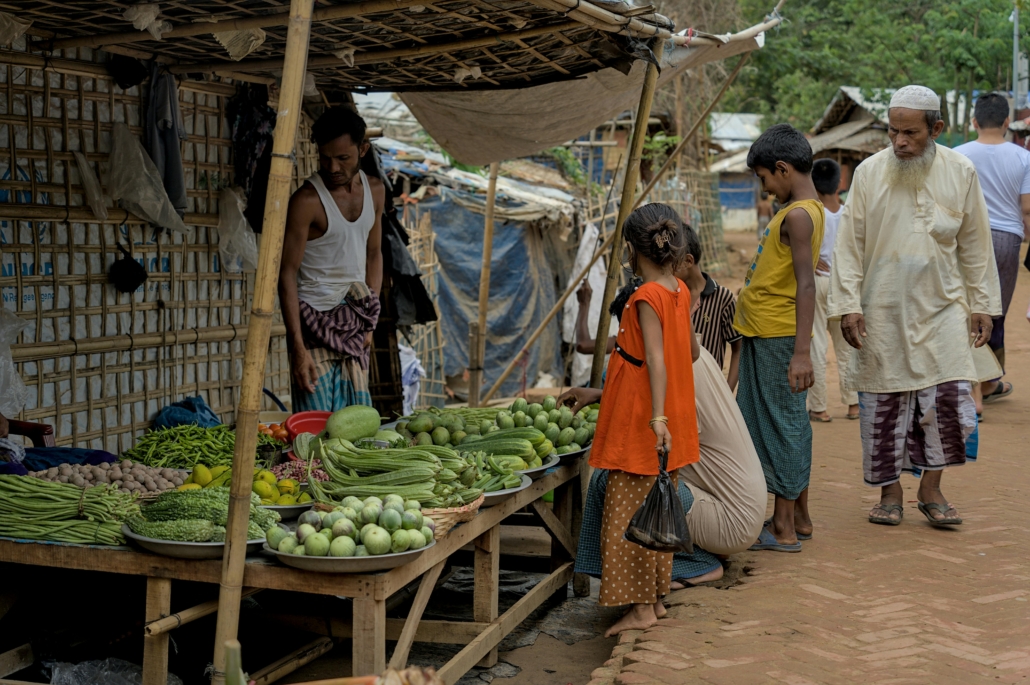
Migration to BangladeshThe Rohingya remain one of the most displaced people in the world, with more than a million Rohingya currently living as refugees outside of Myanmar and more than 3 million internally displaced. Fearing persecution, many have sought refuge in neighboring countries, including in Cox’s Bazar, the world’s largest refugee camp, in Bangladesh where they continue to face dire living conditions. Here is more information about the Rohingya and migration to Bangladesh.

Who Are the Rohingya?

The name Rohingya refers to an indigenous Muslim ethnic minority who were living in the Arakan Kingdom, which Burma, now known as Myanmar, invaded in 1784. 

Historically, Burma fell under the colonial occupation of the British during which time, the Rohingya people remained in Arakan and maintained their language and community while living alongside the Buddhist Rakhine, who resented their presence in the region. 

Disputes between the Muslim Rohingya and the Buddhist Rakhine intensified through the Japanese invasion during World War II and continued on after Myanmar gained its independence in 1948. From then on, the Myanmar government has continuously denied the Rohingya people their right to citizenship and launched systematic persecution against the Rohingya, which lasts to this day. 

The situation got drastically worse in 2017 and drove nearly half a million Rohingya out of their home country resulting in a large Rohingya migration to Bangladesh. The Rohingya people remain stateless to this day. 

Migration to Bangladesh

As of 2025, more than 1 million Rohingya refugees reside in the world’s largest refugee camp, Cox’s Bazar, in Bangladesh where living conditions are precarious. Aside from overcrowding, refugees currently face other humanitarian challenges such as:

  • Poor access to water and food 
  • Poor access to healthcare
  • Poor access to education
  • Malnutrition and spread of infections
  • Risk of exploitation and insecurity

UNICEF noted more than 235,000 refugee children between the ages of 5-17 have no access to schools, leaving them vulnerable to child trafficking and labor. Furthermore, Rohingya refugees do not have a legal right to leave the camp or to work on their own terms. On top of this, the Rohingya people are left to navigate their trauma on their own and many children are born in limbo. Currently, the Rohingya crisis is being addressed at the International Court of Justice.

Remaining Hopeful

As court proceedings unravel, many organizations continue to work on the ground to meet the needs of the Rohingya people in refugee camps. 

  • International Rescue Committee (IRC): The IRC is working to bring lifesaving aids to refugees in Cox’s Bazar, including a recently launched measles response to a major outbreak in April 2026, which includes vaccinations and other health services for 20,000 children aged 6 months to 5 years in Rohingya refugee camps. The IRC also provides child protection and education programs in the refugee camps, with more than 400 staff operating across 33 camps in Bangladesh.
  • Médecins Sans Frontières (MSF): MSF is working to provide healthcare support on the ground, including mental health support and maternity care to refugees not only in Cox’s Bazar, but all around the world. With an increasing influx of refugees arriving to Cox’s Bazar, there are increased risks of infections, which MSF staffs are helping to alleviate. In 2025, MSF launched a “test and treat” campaign, which addresses the alarming rate of hepatitis C infections among the Rohingya refugees. Of 2,136 individuals who were positive for hepatitis C, MSF has already treated 2,102 individuals.
  • UNHCR The UN Refugee Agency: Migration to Bangladesh comes with various challenges, especially weather hazards. From May to October, Bangladesh faces the monsoon season, which comes with heavy rainfall and storms. This poses an immediate threat to refugees living tents not designed to withhold such extreme weather conditions. The UNHCR has a monsoon response where staffs provide practical assistance to families impacted by the monsoon. In anticipation for the monsoon season, the UNHCR staffs provide tie-down kits to as many as 40,000 households to help them upgrade their shelters.

Looking Ahead

With recent cuts in foreign aid in the U.S. and the U.K., humanitarian efforts supporting the Rohingya community proving more challenging, the work does not stop. However, with the help of individual donors around the world, aid workers are able to continue helping refugees. The good news is that the Rohingya people now have their voices being heard at the International Court of Justice, so the world can no longer turn away.

– Marine Baume

Marine is based in London, UK and focuses on Good News and Global Health for The Borgen Project.

Photo: Pexels

May 29, 2026
https://borgenproject.org/wp-content/uploads/borgen-project-logo.svg 0 0 Jennifer Philipp https://borgenproject.org/wp-content/uploads/borgen-project-logo.svg Jennifer Philipp2026-05-29 03:00:422026-05-28 12:10:02Migration to Bangladesh – The Rohingya Crisis
Aid, Global Poverty, Migration

Migration to Chad: The Program Aiding Migrants Returning to Chad

Migration to ChadReturning migrants, or ‘returnees’ refers to individuals who move back to their country of origin. Many migrants return to Chad involuntarily and face numerous challenges as they try to reintegrate into society.

Chad’s Humanitarian Crisis 

Armed conflict, the climate crisis and food insecurity have worsened Chad’s humanitarian crisis. In 2022, 44.8% lived in poverty and rises to 50% for those living in rural areas. Migration to Chad from Sudan, the Central African Republic and Cameroon have added 1.8 million refugees to an already struggling nation. This has placed further strain on limited and stretched resources.

The Challenges of Returnees 

According to the World Bank, more than 120,000 people fled Chad in 2025. But many migrants choose to return due to risks of trafficking, detention, forced deportation and family separation. A lack of opportunities and additional difficulties in the country of transit or destination has also contributed to the decision for returning migration to Chad. More than 300,000 Chadians have gone back to the eastern part of the country due to the Sudanese conflict. 

Returnees often face unique challenges to other forms of migration to Chad. Many accumulate debt to fund their journeys and return to no assets or employment and no way to repay what they owe. This can lead to animosity from those they are indebted to. Some communities shun or shame individuals for their ‘failed’ migration attempt and competition over limited resources can create additional tensions. This can make it particularly difficult for individuals to resume the life they left behind.

The Sahel Integrated Climate Resilience and Migration Programme

The International Federation of Red Cross and Red Crescent Societies (IFRC) launched the Sahel Integrated Climate Resilience and Migration Programme in 2024 to address issues returnees face across the region. The program seeks to improve access to employment opportunities, life skills training, social protection measures such as housing and education, and mental health support.

Many migrants returning to Chad experience acute psychological difficulties, such as anxiety, feelings of failure, isolation and fear. The IFRC seeks to help national societies provide counselling and support before and after migrants return to assist with reintegration. 

The programme also aims to strengthen social cohesion. Initiatives such as mothers’ clubs and farmers field schools are intended to encourage positive relationships between local communities. Returnees will also receive job opportunities, vocational training schemes and micro-entrepreneurships to empower those returning to Chad and the communities who receive them. 

Cash-based assistance will be a key aspect of the initiative. Allowing individuals and families to decide where funds are best spent creates a sustainable system in which migrants returning to Chad are encouraged to reach financial independence and stability and local economies are stimulated.

Conclusion

Migrants returning to Chad often face major reintegration challenges, including poverty, debt, stigma and limited access to resources, alongside psychological stress and social isolation. These difficulties are intensified by wider pressures such as conflict, food insecurity, and the changing climate. The Sahel Integrated Climate Resilience and Migration Programme supports returnees in their reintegration into Chadian society to help them to re-establish the lives they left behind. 

– Louise Nethercott

Louise is based in Vienna, Austria and focuses on Good News and Global Health for The Borgen Project.

Photo: Flickr

May 28, 2026
https://borgenproject.org/wp-content/uploads/borgen-project-logo.svg 0 0 Jennifer Philipp https://borgenproject.org/wp-content/uploads/borgen-project-logo.svg Jennifer Philipp2026-05-28 07:30:252026-05-28 11:32:57Migration to Chad: The Program Aiding Migrants Returning to Chad
Global Poverty, Migration

Support Networks for Indigenous Migrants in Mexico City

Indigenous Migrants in Mexico CityMexico City can hold out the promise of opportunity, but for many families arriving with little money or stability, it can also be difficult to navigate without proper support or infrastructure. Housing is expensive, work can be insecure and basic services are not always easy to reach. For indigenous migrants in Mexico City, those pressures could often come with another layer of difficulty, as many try to hold on to language, identity and community while adjusting to a fast-moving urban environment. Support networks can ease that transition while helping families maintain community and culture. They offer shelter, food, education and practical help. Just as importantly, they can offer the reassurance that a family is not alone in a city of more than 9 million.

Education That Makes Staying Possible

One part of that support comes through the Indigenous Education Support Program, which helps Indigenous children and young people continue their studies by providing lodging, food and support that also strengthens cultural identity. The program is especially important for students who do not have the option of continuing school in their own communities. Poverty is not only a question of income. It also shapes whether a child stays in school, eats properly and can imagine a future without being away from everything familiar. Educational support combined with daily stability gives families more room to hold things together. It also gives younger people a better chance of moving forward without losing touch with their cultural identities.

A Place to Regain Stability

A second kind of support comes through shelters such as Casa Tochán, which works with people in migration in Mexico City. Its work includes housing, medical and psychological care, job support and cultural activities, all of which give people a greater sense of stability while they try to build or rebuild their lives. Families living with poverty or displacement often need more than emergency relief. They need somewhere to rest and somewhere that makes ordinary life possible again. That sense of dignity comes through strongly in Gaby Hernández’s words when she says, “this is how we change how people migrate,” by “making others feel valued and helping them resolve the issue of work.” Shelter alone is not enough; people also need the stability that allows them to preserve dignity and cultural identity while rebuilding their lives.

The wider shelter network in Mexico City suggests that these pressures are not isolated. Shelters like CAFEMIN work with women, children and family groups arriving in the city under increasingly difficult conditions. Sister Magda’s description of current arrivals as “forced migration” shaped by violence rather than only economic need helps clarify the conditions many families are now moving through. Many are arriving after being uprooted, and that instability continues long after they reach the city. In that situation, shelter, legal support and day-to-day care are what make any kind of stability possible.

The Effects of Support

These support networks respond to need where it is actually felt. They help make sure a child can remain in school, a parent can find temporary stability and a family can avoid the stress of uncertainty. In a city as demanding as Mexico City, these are not small gestures, they are often what keeps hardship from deepening further. Support Networks for Indigenous Migrants in Mexico City is not only a story about vulnerability, but also about local and sustaining care and support. Programs and organisations may not solve every structural cause of poverty or displacement, but they can create the conditions in which indigenous migrants in Mexico City are able to hold on, rebuild and move forward with greater confidence.

– Elliott J Carter

Elliott is based in Mexico City, Mexico and focuses on Good News for The Borgen Project.

Photo: Unsplash
May 26, 2026
https://borgenproject.org/wp-content/uploads/borgen-project-logo.svg 0 0 Naida Jahic https://borgenproject.org/wp-content/uploads/borgen-project-logo.svg Naida Jahic2026-05-26 07:30:362026-05-25 12:05:32Support Networks for Indigenous Migrants in Mexico City
Global Poverty, Migration, Refugees

Migration to Peru: How Venezuelans Are Rebuilding Their Lives

Migration to PeruMigration to Peru has dramatically changed in recent history. Many Peruvians have left the country for better economic opportunities, but Peru has now become one of South America’s major destinations for Venezuelans in search of safety, work and a new life. According to the U.N. Refugee Agency, Peru had 530,369 Venezuelans asylum-seekers and 4,957 formally recognized refugees as of June 2025. These numbers show how migration to Peru has become an important humanitarian and economic issue for the country.

Why Venezuelans Are Migrating to Peru

Venezuela’s economic collapse became one of the main reasons for migration to Peru. In 2017, Venezuela’s annual inflation rate was 438.1%, according to the International Monetary Fund (IMF), making goods and services harder to afford and wages less stable. Inflation, shortages of food, medicine and essential services pushed many Venezuelans to migrate in search of safety and economic stability. Peru became an attractive destination where they could work and have a chance at a new life.

Challenges After Arrival

Despite many Venezuelans arriving in Peru with strong educational backgrounds, many have found it difficult to find jobs that match their qualifications. The Joint Data Center on Forced Displacement reports that 30% of Venezuelans in Peru have a tertiary education, compared with 21% of Peruvians. However, many Venezuelans are working low-productivity jobs, with 40% working in elementary occupations and 26% working in sales and services. This information shows that many Venezuelans are overqualified for their jobs, yet they still cannot find positions that match their degree.

One reason for this mismatch is that many Venezuelans cannot validate their degrees or professional credentials in Peru. The Joint Data Center reports that only 8% of highly educated Venezuelan migrants had validated their educational degrees, with the main barrier being the cost of the process. As a result, skilled Venezuelans may end up in lower-paying or informal work. Some have turned to digital jobs, including food delivery, where Venezuelans make up an estimated 53% of delivery workers.

Discrimination can also make the integration process harder. The Joint Data Center reports that almost one-third of Venezuelans in Peru have experienced some form of discrimination, and the percentage is higher among those with higher levels of education. Public perception can influence access to employment, including false ideas that Venezuelans are taking jobs or increasing crime. These obstacles show that migration to Peru is not only about arrival but also about access to work, legal recognition and social acceptance.

Organizations Helping Migrants Integrate

Organizations such as the U.N. Refugee Agency and Education Cannot Wait have made efforts to support Venezuelans. The U.N. Refugee Agency helps Venezuelans by providing legal protection, documentation and access to basic services. Through protection spaces and partner organizations, UNHCR provides guidance on rights, refugee status, migration procedures and available services. It has also connected Venezuelans with health services, education and employment support. As of 2025, UNHCR had assisted 39,029 people, supported 557 families with case management and provided legal assistance to 2,885 people. These efforts have helped Venezuelans move from emergency survival toward long-term integration in Peru.

Education Cannot Wait has also helped Venezuelans in Peru by supporting children’s access to education. Since 2019, ECW has supported the Government of Peru and national partners through $1.8 million in emergency grants and a $7.4 million Multi-Year Resilience Programme. These programs helped refugee, migrant and host-community children access education, recover from COVID-19 learning loss and stay safe in schools. Its 2024–2027 Multi-Year Resilience Programme aims to reach 50,850 children and adolescents in Metropolitan Lima and La Libertad. The program supports learning recovery, school materials, teacher training, children with disabilities and violence-prevention efforts, helping Venezuelan children continue their education while making schools more inclusive for migrants and local communities.

Looking Ahead

Venezuelans have made Peru their second home, even while facing challenges such as low-productivity jobs, discrimination and difficulty validating their degrees. However, support from the Peruvian government, UNHCR, ECW and other organizations has helped expand access to documentation, education and safer communities. With continued support, migration to Peru can become not only a story of displacement, but also one of recovery, integration and rebuilding lives.

– Mateo Alcocer

Mateo is based in West Hills, CA, USA and focuses on Good News and Politics for The Borgen Project.

Photo: Flickr

May 24, 2026
https://borgenproject.org/wp-content/uploads/borgen-project-logo.svg 0 0 Jennifer Philipp https://borgenproject.org/wp-content/uploads/borgen-project-logo.svg Jennifer Philipp2026-05-24 03:00:092026-05-24 10:45:39Migration to Peru: How Venezuelans Are Rebuilding Their Lives
Employment, Global Poverty, Migration

The Reality of Immigrant Credential Recognition in Canada

Immigrant Credential RecognitionAhmad Salem and his family arrived in Winnipeg in December 2016. He was less than a year away from earning a degree in English-to-Arabic translation when war forced them to leave. They escaped to begin a new life in Canada.

Many highly trained immigrants arrive in Canada expecting to continue the same jobs they were trained for in their home country. However, upon arrival, they face unexpected challenges. Immigrant credential recognition is not assured in Canada. This is what happened to Salem. 

Barriers in Canada’s current credential recognition system mean many immigrants cannot work in the fields for which they were trained before coming to the country. This system failure has adverse effects on individuals, the workforce and the broader economy. Salem’s story is not unique.

Data from Statistics Canada shows that only 44% of people who immigrated to Canada in the last decade work in jobs that match their training.

How Immigrant Recognition Works in Canada

In Canada, immigrant credential recognition is the process of evaluating education and professional qualifications received outside Canada. A British Columbia-based website describes it as a program “funded by the Federal Government of Canada to help Skilled Newcomers get back into their professional fields or alternative related career fields.”

The immigrant credential recognition system is complex and decentralized. Although the federal government supports the integration of newcomers into the workforce, provincial regulatory bodies control licensing. This creates an inconsistent, fragmented system. Depending on provincial regulations, immigrants may need additional exams, Canadian work experience, bridging programs or further education before they can practice in their fields, particularly in health care, engineering and teaching.

Salem’s goal was to become an English teacher. He had nearly finished his university education in Syria and assumed he could complete it in Canada. This didn’t happen. He was told he needed to complete four years of high school to be eligible to apply to a university education program. None of his courses at a Syrian university was recognized. 

“That’s too much! It’s going to take me forever to do that. So, I decided, no, I’m going to start something new and related to helping youth and young kids at the same time,” he told The Borgen Project in an interview.

Barriers Affecting Immigrants in Canada

Systemic barriers, as those Salem faced, delay and even prevent the recognition of immigrants’ credentials. As in Salem’s situation, it can take years for an immigrant to pass the required regulatory exams or meet provincial licensing requirements. Immigrants must also compete with local candidates for jobs regardless of their work experience from their countries of origin.

These barriers result in social and economic consequences: first and foremost, underemployment. Data from the 2021 census shows that more than 25% of immigrants with foreign degrees worked in jobs that required only a high school diploma or less, compared with 10.6% among Canadian-educated workers. Financial consequences for underemployed immigrants include frustration, loss of professional identity and lack of career advancement. 

Canada recruits skilled immigrant workers but cannot fully utilize their experience. This means that, despite the many talented immigrants entering the country, sectors such as health care, skilled trades and engineering still face shortages. These shortages ultimately affect the entire Canadian population in the long term.

Salem chose not to pursue the eight years of training required to obtain his education degree. Instead, he found a related job working with children and youth through Child and Family Services. He plans to pursue a degree in social work through an online program at the University of Victoria. 

“I think I was just lucky that I had the chance to find a path that was connected to what I know back home. I… was supported by the Manitoba Jobs and Employment Organization… I was open to anything I could find here. So that helped me, but at the same time, I didn’t do what I wanted to do before, teaching,” he said.

The Cost of Overqualification for Immigrants in Canada

Overqualified workers in the workplace often have lower productivity and less job satisfaction. Highly educated immigrants are more likely to be overqualified than Canadian-born workers. A study by the C.D. Howe Institute found that 22% of family-class immigrants and 19% of refugees are overqualified, compared to 16% of economic immigrants.

Because of barriers in the immigrant credential recognition system and language difficulties, immigrants tend to enter the workforce and advance more slowly in their careers than Canadian-born workers. In fact, 40%–44% of immigrants say these challenges are the main reasons for their slower career progress. 

Underutilizing immigrants’ skills carries significant economic consequences for Canada. According to Generation1.ca, underemployment of immigrants results in a minimum annual loss of $12.7 billion in earnings for employers. In addition, the Government of Canada has calculated that immigrant underemployment results in a $50 billion loss in GDP, equivalent to 2.5% of the economy.

Closing Remarks

Canada’s immigration policy is contradictory: it selects skilled immigrants but limits their ability to use those skills. Despite efforts to improve foreign credential recognition, structural and interprovincial challenges remain. Immigrants need better pre-arrival guidance on licensing and streamlined regulatory systems. When successful, skilled immigrants make valuable contributions to research, entrepreneurship and technology.

Salem came to Canada hoping to become a teacher. However, like many skilled newcomers, he was forced to change course when his credentials weren’t recognized. His story reflects a broader systemic problem: a complex, fragmented process that prevents immigrants from working at their full potential, despite recent efforts to improve coordination and prearrival information.

The impact goes beyond individual setbacks. When skilled immigrants can’t work in their fields, Canada loses talent, productivity and innovation. A more streamlined credential recognition system could help newcomers integrate faster. Furthermore, this would strengthen key sectors and build stable careers—reducing the gap between the promise of immigration and its reality.

– Caleb Dueck

Caleb is based in Winnipeg, Manitoba, Canada and focuses on Good News and Politics for The Borgen Project.

Photo: Freepik

April 26, 2026
https://borgenproject.org/wp-content/uploads/borgen-project-logo.svg 0 0 Hemant Gupta https://borgenproject.org/wp-content/uploads/borgen-project-logo.svg Hemant Gupta2026-04-26 01:30:452026-04-25 09:10:25The Reality of Immigrant Credential Recognition in Canada
Global Poverty, Migration, NGOs

Migration to Puerto Rico

Migration to Puerto RicoOutward migration long defined Puerto Rico, as hundreds of thousands of residents left the island over the past two decades. Between 2010 and 2020, Puerto Rico’s population declined by 11.8%, falling from about 3.7 million to 3.3 million residents. Following Hurricane Maria, migration accelerated, with approximately 97,000 people leaving the island in 2017 alone. These sustained outflows reduced the labor force and contributed to long-term economic challenges, including workforce shortages and declining tax revenue.

In recent years, migration to Puerto Rico has begun to shift, although outmigration still exceeds inflows. In 2024, about 25,000 people moved to Puerto Rico from the mainland United States, while approximately 38,000 residents left, showing a continued but narrowing population loss. Return migration has increased as Puerto Ricans relocate from states such as Florida and New York, while migrants from across Latin America and the Caribbean also arrive seeking economic stability. These changing migration patterns now play a growing role in shaping labor markets, housing demand and public services.

Who Is Migrating to Puerto Rico?

Many groups contribute to migration to Puerto Rico, each with distinct economic impacts. Puerto Ricans returning from the mainland often bring savings, remote income or professional experience. Migrants from the Dominican Republic and Venezuela frequently seek employment in construction, tourism and domestic labor, where wages tend to be lower and job security limited. According to the Migration Policy Institute, these sectors rely heavily on migrant labor to meet workforce demand, particularly during post-disaster reconstruction and tourism expansion.

Mainland U.S. investors and remote workers have also increased migration to Puerto Rico under Act 60. These individuals often relocate to high-demand areas, contributing to rising property values and increased housing demand. While this investment supports economic growth, it can also increase housing costs for local residents, particularly in coastal and urban regions.

Migration to Puerto Rico and Poverty

Migration to Puerto Rico has helped address labor shortages, but poverty remains widespread. According to the World Bank, Puerto Rico’s income inequality remains high, with a Gini index above 0.54, one of the highest among U.S. jurisdictions. Many workers in tourism, construction and service industries earn wages that do not keep pace with the cost of living, increasing financial vulnerability even among employed individuals.

Housing demand has increased alongside migration, placing pressure on affordability. Research from Harvard DRCLAS identifies rising property values and short-term rental growth as key drivers of displacement in communities such as San Juan. Reports from Foundation for Puerto Rico also show that tourism development has increased demand for housing, particularly in coastal areas, making it more difficult for low-income residents to secure stable housing.

Language barriers, limited documentation and restricted access to services further affect migrants. These challenges limit access to health care, education and stable employment, increasing the likelihood of long-term economic hardship.

Economic Growth, Tourism and Inequality

Puerto Rico’s economy has expanded over time, but growth remains uneven. According to the World Bank, GDP growth data shows consistent long-term expansion in economic output, measured in constant 2015 U.S. dollars. Migration supports industries such as construction, tourism and services, which contribute to job creation and economic activity. However, GDP growth does not account for income distribution or cost-of-living differences.

Tourism plays a major role in employment. In 2024, visitors spent approximately $7.1 billion in Puerto Rico, supporting more than 115,000 jobs in hotels, restaurants and leisure services. Economic forecasts from the Puerto Rico Oversight Board indicate that while tourism remains strong, overall economic growth has slowed, with projections showing flat or modest growth in the near term. The labor market remains stable, but part-time employment has increased and younger workers face higher unemployment rates.

Despite this activity, inequality persists. Inflation in essential goods continues to outpace wage growth, and federal disaster recovery funding—while significant—has faced delays in distribution. These conditions limit the extent to which economic growth improves living standards for low-income households.

Organizations Supporting Migrants and Low-Income Families

The Hispanic Federation has operated in Puerto Rico since 2017, investing more than $54 million in recovery and resiliency efforts. The organization has supported more than 250 solar energy installations across schools and community centers and provided disaster assistance following multiple hurricanes. Its programs focus on housing, energy access and community development, directly benefiting migrants and low-income families.

The Community Foundation of Puerto Rico supports economic development through grants, small business funding and workforce programs. The foundation invests in community-based initiatives that help residents—including migrants—access employment, develop businesses and improve long-term financial stability.

Catholic Extension leads a large-scale rebuilding effort that includes restoring more than 600 churches, schools and community facilities across Puerto Rico. These projects create jobs, strengthen infrastructure and support long-term community recovery in areas experiencing natural disasters.

Following Hurricane Fiona, the FEMA provided approximately $574 million in assistance to more than 712,000 households. Disaster recovery centers and outreach programs helped residents access housing support, legal aid and rebuilding resources.

Caritas Puerto Rico serves approximately 75,000 people annually across 60 municipalities, providing food distribution, disaster relief, counseling and community support services. Its programs support migrants and vulnerable populations by addressing both immediate needs and long-term development.

Conclusion

Migration to Puerto Rico continues to reshape the island’s economic and social landscape. Migration supports labor markets and economic activity, particularly in tourism, construction and service industries. However, rising housing costs, persistent income inequality and limited access to services continue to affect both migrants and long-term residents.

Targeted policies that expand affordable housing, improve workforce development and strengthen social services can help ensure that migration to Puerto Rico supports economic stability rather than deepening inequality.

– Kianna Hines

Kianna is based in Brooklyn, NY, USA and focuses on Global Health for The Borgen Project.

Photo: Flickr

March 30, 2026
https://borgenproject.org/wp-content/uploads/borgen-project-logo.svg 0 0 Jennifer Philipp https://borgenproject.org/wp-content/uploads/borgen-project-logo.svg Jennifer Philipp2026-03-30 01:30:152026-03-29 12:57:41Migration to Puerto Rico
Foreign Aid, Global Poverty, Migration

Investment in Africa: How the UK Aims To Reduce Migration

Investment in AfricaThe U.K. has recently seen a rise in politicians attempting to decrease migration into the country, especially via small boats, which are often unsafe for passengers and can lead to fatalities. A part of these efforts involves investment in Africa, with the intention of creating job opportunities. This initiative is currently focused on Ethiopia.

The British foreign ministry stated that almost a third of people traversing the English Channel on “small boats over the past two years” had departed from the Horn of Africa, which Ethiopia is a part of.

UK Foreign Minister’s Visit to Ethiopia

During a visit to Ethiopia, the U.K. Foreign Secretary met with Safaricom, a company supported by British International Investment. Safaricom provides technological connectivity and mobile money services across East Africa and has helped improve health, employment and education in Kenya. One of its subsidiaries, focused on Ethiopia, supported the country’s “digital transformation” in 2022.

During the visit, the secretary signed a Joint Development Agreement with Gridworks to proceed with two projects, which will cost more than $400 million. The Foreign Secretary also pledged financial support toward aid efforts in Africa, totaling $23.91 million. The aim is to improve access to health care, clean water and food, as well as to tackle women’s and children’s malnutrition.

Gridworks, which is also a British International Investment-backed organization, aims to increase investment in Africa from companies and businesses by providing electrical access. In Africa, “around 600 million people have no access to electricity.” This is a major barrier to economic growth because businesses must use diesel generators to supplement the lack of electricity in the area.

Safaricom and Its Impacts

Safaricom provides technological connectivity in Kenya, providing “2G, 3G, 4G and 5G in aggregate covering [more than] 99% of Kenya’s population.” It currently enables 32 million people to access and use mobile banking. This has lowered financial exclusion in the area to 16% of the adult population.

The organization is also committed to gender equality and sustainable climate practices; it wishes to have “50:50 senior management gender parity by 2025” and achieve net-zero carbon emissions by 2050. Safaricom has two foundations: the M-PESA Foundation and the Safaricom Foundation.

The former is responsible for the Citizens of the Future project, which has contributed hugely to education in Kenya. The project has helped more than 2.5 million students and teachers across more than 2,500 schools. The Citizens of the Future project has also helped renovate schools, improve ICT and provide scholarships.

Furthermore, it involves local communities in its work so they can understand changes made within the school. One beneficiary of the Citizens of the Future project, Mrs. Rebecca Asiko, Acting Head of Institution at Ekwanda Primary School, told Safaricom, “The state-of-the-art ICT hub means we can now teach our learners digital skills and the modern kitchen will ensure that we provide clean meals to the children, who need good nutrition to grow and concentrate in class.”

The Safaricom Foundation invests in health, education and economic empowerment. Its health focus is on “Maternal, Newborn, Adolescent and Child Health (RMNCAH) services.” It helps provide screenings for cardiovascular diseases, cancers, respiratory diseases and diabetes to “enable early detection, treatment and management.”

Its educational goals are similar to those of the M-PESA Foundation: improving teacher capacity and vocational and technical education. Through “enterprise development,” it aims to improve livelihoods and empower Kenyans economically. Improving education is also likely to increase investment in Africa, as a more educated workforce attracts more businesses to the region.

It also opens up more opportunities for employment for the population, which further improves the local economy as residents begin to have disposable income that they can then spend at local businesses.

Gridworks and Its Impacts

The Joint Development Agreement will allow Gridworks to create two transmission projects. These projects aim to meet Ethiopia’s industrial energy demand and, if successful, would help fuel its economy by attracting more investment from businesses in Africa. It would also improve its relations with neighboring countries and promote interconnectedness.

Gridworks has also succeeded with projects like the Moyi Power initiative in the Democratic Republic of Congo, which brought renewable energy to three previously isolated cities. Within five years, the project is expected to provide electricity to 37,000 households and businesses.

Conclusion

While these projects aim to attract investment to Africa and strengthen local economies, foreign aid still matters. Foreign investment not only makes these projects possible but also supports humanitarian work across the region.

UNICEF, which has assisted Ethiopia for more than 70 years, has played a major role in shaping the country’s economy. Its work focuses on children’s survival, health, social policy, protection, education, development and nutrition.

The U.K. Foreign Secretary recognizes the need for continued aid and has pledged to keep supporting organizations such as UNICEF while also investing in economic-focused projects.

– Ryan Cowen

Ryan is based in Brighton, UK and focuses on Good News and Politics for The Borgen Project.

Photo: Flickr

March 22, 2026
https://borgenproject.org/wp-content/uploads/borgen-project-logo.svg 0 0 Hemant Gupta https://borgenproject.org/wp-content/uploads/borgen-project-logo.svg Hemant Gupta2026-03-22 01:30:172026-03-21 13:51:54Investment in Africa: How the UK Aims To Reduce Migration
Global Poverty, Migration

Community Support for Migrants in Mexico

Migrants in MexicoCommunity support for migrants in Mexico continues to play a critical role amid financial and policy challenges that have strained humanitarian assistance services. As Mexico hosts hundreds of thousands of displaced people seeking asylum or protection, coordinated action by international nonprofits, local shelters and grassroots partners helps sustain essential services. These services include food distribution, temporary housing, legal aid and economic support.

Funding Reductions and Service Gaps

Mexico’s 2025 federal budget projects about $460 billion in revenue and modest economic growth. However, cuts to foreign aid, particularly programs affected by the expanded Mexico City Policy, have reduced funding for health, food assistance and legal support that nonprofits rely on to assist migrant populations. These reductions have increased pressure on humanitarian networks already managing high service demand.

In 2025, the U.N. refugee agency (UNHCR) in Mexico lost approximately 60% of its operating budget due to cuts in foreign assistance. This led to the closure of four offices and slower asylum processing, resulting in longer wait times for individuals awaiting decisions. These delays have contributed to overcrowding in shelters and increased vulnerability among migrants in cities such as Tapachula and Tijuana.

Nonprofits at the Frontline

Despite these challenges, community support for migrants in Mexico persists through coordinated efforts by both international and local organizations. The International Rescue Committee (IRC) has operated in Mexico since 2019, providing emergency assistance, including food distribution, cash support, hygiene kits and legal guidance, to displaced individuals in cities such as Tijuana and Ciudad Juárez. By partnering with community groups and local shelters, the IRC helps extend reach and facilitate access to asylum procedures.

In many cases, these organizations act as primary connectors between migrants and essential services. For example, shelters supported by international and local nonprofits continue to offer temporary housing, daily meals and referral services for medical and legal needs, often operating beyond capacity. Volunteers and community donations remain integral to sustaining these operations amid funding uncertainty.

Food Assistance and Local Partnerships

Nutrition support is a critical component of humanitarian care. World Central Kitchen has provided regular meal distributions at shelters and mobile feeding sites, helping ensure that displaced families receive adequate nourishment even amid limited resources. These efforts often collaborate with local kitchens and community centers to reach larger populations.

Food redistribution networks like food banks play a complementary role. They collect surplus food from donors and redistribute it to shelters, community kitchens and vulnerable migrant households. These partnerships strengthen food security and reduce waste, reinforcing community engagement in humanitarian response.

Faith‑based organizations and local civic groups also contribute, offering space, supplies and volunteer support. Many churches, community centers and educational facilities open additional shelter space during peak demand periods. This highlights the essential role of local partnerships in sustaining community support for migrants in Mexico.

Economic Barriers and Long-Term Stability

Access to stable employment remains challenging for many migrants in Mexico due to restrictive work authorization policies and lengthy asylum processing. Without legal employment opportunities, many remain dependent on humanitarian services. They are forced into informal labor markets with lower wages and fewer protections. 

These conditions increase the risk of poverty, exploitation and housing instability. In addition, limited access to health care, education and financial services compounds challenges faced by displaced families. This creates a cycle of economic vulnerability that requires sustained intervention from humanitarian organizations and policy frameworks supporting legally authorized employment pathways.

Challenges and Continued Resilience

Humanitarian organizations report ongoing challenges, including funding shortfalls, staffing limitations and increasing demand for services. A survey of civil society groups working with asylum seekers found that more than half of legal and psychosocial support providers are at risk of reducing services or closing operations without additional resources. This heightens pressure on frontline shelters and assistance programs.

Despite these obstacles, community support for migrants in Mexico remains adaptive and resilient. Through collaboration among international nonprofits, local shelters, food relief partners and volunteer networks, essential services such as shelter, meals and legal support continue to reach displaced populations. These combined efforts help sustain humanitarian care while promoting long‑term stabilization and economic inclusion for migrants navigating complex displacement challenges.

– Kianna Hines

Kianna is based in Brooklyn, New York, USA and focuses on Global Health for The Borgen Project.

Photo: Flickr

March 11, 2026
https://borgenproject.org/wp-content/uploads/borgen-project-logo.svg 0 0 Hemant Gupta https://borgenproject.org/wp-content/uploads/borgen-project-logo.svg Hemant Gupta2026-03-11 01:30:102026-03-10 12:35:11Community Support for Migrants in Mexico
Global Poverty, Humanitarian Aid, Migration

How Aid Groups Support Migrant Domestic Workers in Lebanon

Migrant Domestic Workers in LebanonIn Lebanon, migrant domestic workers (MDW) experience multidimensional poverty on an exacerbated level. More than 250,000 migrant domestic workers in Lebanon predominantly come from “African and Asian countries” under the kafala system, a sponsorship system that is described as “modern-day slavery.” Women are most affected by this system. According to U.N. Women, women make up 76% of all migrant workers and 99% of MDW who come to Lebanon.

The Kafala System

The Lebanese state excludes MDW from the Labor Law, leaving them without basic legal protections. Instead, they are in a contractual relationship with their employer, who is responsible for their “legal status and visa.” Employers frequently confiscate passports and restrict movement, shaping their daily lived reality. 

U.N. Women reports that “94% of employers withheld the worker’s passport and 61% of employers did not allow the worker to engage in social or learning activities with NGOs.” Working conditions for MDWs under the kafala system are extremely difficult. They are subject to long hours with little to no time off. 

MDWs report “verbal and psychological abuse and physical violence” inflicted on them by their employer. U.N. Women has documented that 22.5% of Lebanese employers “always or sometimes lock their domestic worker inside the house.”

Racialized Labor and Social Discrimination Against MDWs

Racism underpins the treatment of MDWs in Lebanon. Migration patterns document that the majority of MDWs in Lebanon are from Ethiopia. As a result, the term “El-Ethiopiyye,” meaning “The Ethiopian,” is a derogatory label used to refer to all MDWs, regardless of what their actual nationality is. 

Furthermore, health care access remains severely restricted for them. Hospitals and doctors turn MDWs away for “not having legal documents, or simply because they’re not Lebanese.” Many MDWs avoid seeking health care because they fear deportation and lack the financial means to pay for the treatment. 

The combination of poor working conditions and inability to access health care is prevalent in the increasing number of cases in psychiatric consultations. Doctors Without Borders reports that from 2023 to 2024, “psychiatric consultations in the Bourj Hammoud clinic doubled.” 

Economic Collapse, COVID-19 and Armed Conflict

Economic collapse, the COVID-19 pandemic and armed conflict have intensified the vulnerability of MDWs in Lebanon. Following COVID-19, the Lebanese lira depreciated, leading to wage cuts for MDWs. A worker who was able to send their family $200 is now only able to send $120, subject to fluctuating exchange rates.

The 2024 Israel bombing of Lebanon left MDWs extremely vulnerable. Many employers fled Beirut, leaving their workers behind. Doctors Without Borders reports that employers abandoned MDWs on the streets or locked them inside their homes as they fled for safety.

Doctors Without Borders

Doctors Without Borders is an international medical humanitarian organization that delivers lifesaving aid to people in crisis worldwide. The organization operates in more than 75 countries, including Lebanon. Since its founding in 1971, it has been working to deliver care, including surgery, vaccination, nutrition support and mental health support.

The charity has a clinic in the northern Beirut suburb of Bourj Hammoud. Here, the organization responds to medical needs through consultations, sexual and reproductive health services and mental health services. Its clinic also covers any life-threatening referral costs from hospitalization.

To break down barriers for migrant workers accessing health care in Lebanon, it offers translators for medical appointments. This decreases the risk of migrant workers being unable to access appropriate health care due to language barriers. The organization expands its medical care to encompass meeting migrant workers’ basic needs. To support this, it has social workers who refer patients to services that provide basic needs such as food and shelter.

Following the Israeli bombing of Lebanon, the initiative set up a mobile clinic from which it donated essential relief items and delivered medical care. During this aid effort, the organization delivered 400 kits of basic relief items to shelters, which included hygiene materials and mattresses. The organization further provided mental health outreach for those affected by the bombing.

Beatrice’s Story

Doctors Without Borders has helped hundreds of migrant workers, including Beatrice. It documented that on October 6, 2024, Lebanon was under bombardment by Israel and Beatrice had been left locked inside the house alone. To flee her employer’s home, Beatrice jumped from the balcony and broke her ankles.

The organization interviewed Beatrice, who stated: “My friends called an organization to see if they could support me with the treatment. That organization, along with Doctors Without Borders, covered my surgery, medication and the two-month recovery period.” Without the aid of the charity, Beatrice would have suffered her injuries without hope of medical attention.

Hope Beyond Kafala

While the kafala system continues to exploit migrant domestic workers in Lebanon, the work of humanitarian organizations offers a powerful counter-narrative of hope and resilience. Groups such as Doctors Without Borders demonstrate that access to health care, dignity and protection is possible even within deeply unequal structures. 

– Lucy Kerr 

Lucy is based in Coventry, UK and focuses on Good News and Politics for The Borgen Project.

Photo: Flickr

March 3, 2026
https://borgenproject.org/wp-content/uploads/borgen-project-logo.svg 0 0 Hemant Gupta https://borgenproject.org/wp-content/uploads/borgen-project-logo.svg Hemant Gupta2026-03-03 03:00:532026-03-02 23:45:05How Aid Groups Support Migrant Domestic Workers in Lebanon
Economy, Global Poverty, Migration

How Remittances to Mexico Are Helping Its Population

Remittances to MexicoAs families talk over FaceTime with their loved ones thousands of miles away, Mexican migrants continue to support their families living in Mexico. The decision to leave Mexico for a better life is an important and impactful decision for millions of Mexican families. With more Mexicans living abroad, remittances to Mexico have increased and helped millions of Mexican families.

What Are Remittances?

Remittances are money transfers that Mexican nationals living abroad send back to their families living in Mexico. For the last decade, “remesas” (remittances in Spanish) have been a fundamental source of income for families with family members working abroad. Families across Mexico have used these money transfers to afford necessities and foster development in their communities.

Remittances’ Impact in Mexico

Mexico has a long history of using remittances as a major source of income for its citizens. For years, Mexico has been the second-largest recipient of remittances globally, just behind India. In 2023 alone, Mexico received 7.5% of global remittances, representing $63.3 billion distributed to millions of Mexicans across the country.

Remittances to Mexico account for roughly 4.5% of its total GDP. To put into perspective, remittances account for more of Mexico’s GDP than Foreign Direct Investment (FDI), tourism and manufacturing. Furthermore, remittances are transferred directly to the population, allowing families to spend this money on what they need. Many families use this money to pay rent, afford weekly groceries, or other daily expenses. Others save this money for future expenses, pay for their children’s education, or invest in their home.

In 2024 alone, remittances helped more than 1.1 million people escape multidimensional poverty across all of Mexico. Without remittances, the number of people living in poverty would increase from 38.5 million to 39.9 million.

Remittances to Mexico not only have short-term benefits for families, but they also have long-term positive impacts on the overall economy. Remittances increase the purchasing power of millions of Mexicans, which in turn increases the consumption of products that benefit local businesses. They are also used to send the younger generations to school, which can have positive impacts in the future as education levels increase nationwide.

Government Involvement

The Mexican government has recognized the positive impact of remittances across the country and has taken steps over the last year to protect these money transfers, helping millions of Mexicans.

In July of 2025, the Mexican government introduced the “FINABIEN” card and “FINABIEN” app, an electronic card that allows migrants to send money back to Mexico more safely and reliably. This new system will facilitate money transfers for migrants living abroad, decreasing the cost of sending money to their families.

Living abroad can be a difficult experience, with families having to talk online to stay in contact with their loved ones. However, living abroad has positive benefits for migrants and their families through remittances. Remittances have allowed millions of families in Mexico to improve their lifestyle and invest in their future, contributing to Mexico’s long-term development.

– Rodrigo Salgado

Rodrigo is based in Boulder, CO, USA and focuses on Good News and Politics for The Borgen Project.

Photo: Unsplash
March 1, 2026
https://borgenproject.org/wp-content/uploads/borgen-project-logo.svg 0 0 Jennifer Philipp https://borgenproject.org/wp-content/uploads/borgen-project-logo.svg Jennifer Philipp2026-03-01 01:30:162026-02-28 23:45:48How Remittances to Mexico Are Helping Its Population
Page 1 of 14123›»

Get Smarter

  • Global Poverty 101
  • Global Poverty… The Good News
  • Global Poverty & U.S. Jobs
  • Global Poverty and National Security
  • Innovative Solutions to Poverty
  • Global Poverty & Aid FAQ’s
Search Search

Take Action

  • Call Congress
  • Email Congress
  • Donate
  • 30 Ways to Help
  • Volunteer Ops
  • Internships
  • Courses & Certificates
  • The Podcast
Borgen Project

“The Borgen Project is an incredible nonprofit organization that is addressing poverty and hunger and working towards ending them.”

-The Huffington Post

Inside The Borgen Project

  • Contact
  • About
  • Financials
  • President
  • Board of Directors
  • Board of Advisors

International Links

  • UK Email Parliament
  • UK Donate
  • Canada Email Parliament

Get Smarter

  • Global Poverty 101
  • Global Poverty… The Good News
  • Global Poverty & U.S. Jobs
  • Global Poverty and National Security
  • Innovative Solutions to Poverty
  • Global Poverty & Aid FAQ’s

Ways to Help

  • Call Congress
  • Email Congress
  • Donate
  • 30 Ways to Help
  • Volunteer Ops
  • Internships
  • Courses & Certificates
  • The Podcast
Scroll to top Scroll to top Scroll to top