6 Things to Know About Hunger in Guinea-Bissau
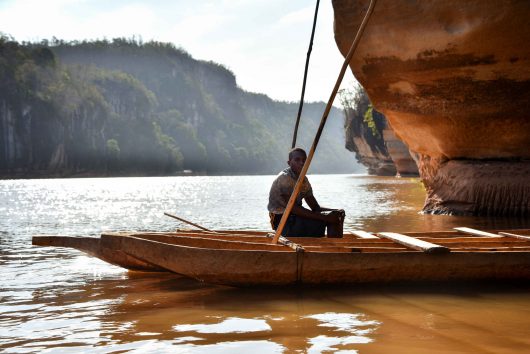
Located on the Atlantic coast of West Africa, the Republic of Guinea-Bissau lies between Senegal and Guinea. Since establishing independence from Portugal in 1974, the fledgling nation has struggled to maintain a stable government, most recently experiencing a military coup in 2012. Constant infighting among the country’s leading political factions and the Civil War of 1998, have exacerbated issues of hunger in Guinea-Bissau.
6 Things to Know About Hunger in Guinea-Bissau
- Since Guinea-Bissau gained its independence more than 40 years ago, no elected leader has served a full term. Military coups and constant political upheaval have plagued the fragile democracy. Without a steady government, promises to eradicate poverty and hunger, like the one made by current President José Mário Vaz in a speech following his election win in 2014, have gone unfulfilled.
- Sixty-nine percent of Bissau-Guineans live below the poverty line used by the World Bank and over a quarter of the population suffers from chronic malnutrition. According to UNICEF, chronic malnutrition is a form of growth impediment that occurs over a long period of time, showing how persistent food insecurity and hunger in Guinea-Bissau has led to harmful long-term effects for its residents.
- In addition to subsistence farming in Guinea-Bissau, agriculture is the main source of income for approximately 85 percent of the population, with cashew nuts as the primary crop. Since many Bissau-Guineans depend on farming for income, irregular rainfall and volatility in the cashew market lead to periods of severe food insecurity.
- According to the World Food Programme, 11 percent of homes in Guinea-Bissau are food insecure, meaning they lack reliable access to proper nutrition. Issues of food insecurity in Guinea-Bissau are worsened by political instability, which disrupts governmental nutrition programs.
- In coordination with the government of Guinea-Bissau, the U.N. implemented a strategic five-year plan in 2015, aimed at promoting government and community collaboration in programs that improve nutrition and food security. The U.N. program is part of the Zero Hunger Challenge and the World Food Programme’s Regional Roadmap for West Africa.
- To support local agriculture production, the World Food Programme subsidizes the production of fresh vegetables like spinach and okra, and purchases locally produced rice for school meals. This support makes farmers less vulnerable to volatile price changes.
In 2014, Guinea-Bissau held its first elections since the military coup in 2012, and former finance minister José Mário Vaz won easily. As long as he is leading the country, foreign aid will be vital in keeping President Vaz committed to his people and solving hunger in Guinea-Bissau.
– Yosef Gross
Photo: Flickr
