• Link to X
  • Link to Facebook
  • Link to Instagram
  • Link to TikTok
  • Link to Youtube
  • About
    • About Us
      • President
      • Board of Directors
      • Board of Advisors
      • Financials
      • Our Methodology
      • Success Tracker
      • Contact
  • Act Now
    • 30 Ways to Help
      • Email Congress
      • Call Congress
      • Volunteer
      • Courses & Certificates
      • Be a Donor
    • Internships
      • In-Office Internships
      • Remote Internships
    • Legislation
      • Politics 101
  • The Blog
  • The Podcast
  • Magazine
  • Donate
  • Click to open the search input field Click to open the search input field Search
  • Menu Menu

Archive for category: Foreign Aid

Foreign aid coverage and information.

Foreign Aid, Global Poverty

How the US Benefits from Foreign Aid to Sierra Leone

U.S. Benefits from Foreign Aid to Sierra Leone
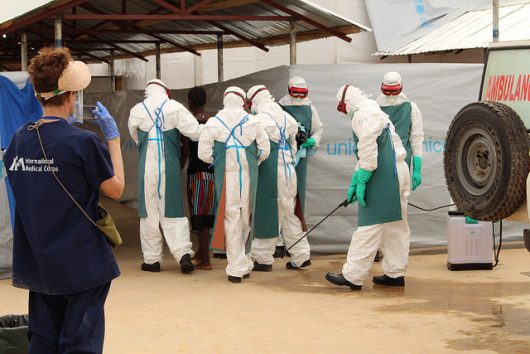
In May 2014, West Africa was struck by a deadly Ebola epidemic. By the epidemic’s end, more than 11,000 people had lost their lives and close to 28,000 total cases were reported. Among the West African countries most affected was Sierra Leone. Prior to the May 2014 outbreak, the Sierra Leonean economy was growing rapidly and democratization had begun to wash over the country. 

Although the Ebola epidemic seriously stunted economic growth for a time, Sierra Leone has begun to vigorously bounce back. In addition to domestic reform, continued aid from the U.S. has aided greatly in improving the lives of Sierra Leonean citizens. However, this aid is not one-sided; the U.S benefits from foreign aid to Sierra Leone as well.

Containment of Infectious Diseases

According to U.S. foreign assistance statistics, Sierra Leone will receive $14.4 million in foreign aid from the U.S. in 2019. The majority of the aid will focus primarily on providing medical care for those affected by malaria. Even though malaria continues to be a major issue in Sierra Leone, the overall mortality rate attributed to malaria cases has fallen dramatically in recent years. Sierra Leone has pledged to reduce malaria-based infections by 40 percent by 2020.

If this goal were achieved, Sierra Leoneans would see increased life expectancy, a lower infant mortality rate and fewer cases of pregnancy complications in women. Increasing resistance to epidemics like Ebola or infectious diseases like malaria is a key way in which the U.S. benefits from foreign aid to Sierra Leone. The risk of regional epidemics becoming global ones is of great importance to ensuring global security and health. 

Promoting Democracy and Good Diplomatic Relations

Sierra Leone has seen progress in its democratic institutions since the end of a brutal civil war in 2002. In 2007, Sierra Leone experienced its first peaceful transition of power since the conflict through a democratic election. Approximately $2 million in U.S. foreign aid will be directed towards encouraging democracy, respect for human rights and good governance. Strengthening ties with another democratic ally in West Africa is one way that the U.S. benefits from foreign aid to Sierra Leone.

Sierra Leone’s poverty rates remain quite high and the majority of those living in poverty are girls and women. Due to stagnant economic growth during the Ebola epidemic and traditional cultural norms, women have been denied access to high-quality healthcare and education. As the Sierra Leonean government continues to root out entrenched corruption and institute economic reform, poverty rates across the country have begun to slowly decline.

Trade a Major Way the U.S. Benefits from Foreign Aid to Sierra Leone

Bilateral relations between the U.S. and Sierra Leone remain relatively strong. According to the State Department, “U.S. exports to Sierra Leone include transportation equipment, agricultural products, machinery and chemicals, while its imports from Sierra Leone include minerals, metals, machinery and agricultural products.” Having a strong economic partner in Africa increases the U.S.’ competitiveness with countries such as China, who has been investing heavily in Africa in recent years. Having a strong partner in trade is another way that the U.S. benefits from foreign aid to Sierra Leone. 

With the Ebola crisis in Sierra Leone contained and the country experiencing economic growth, the future looks quite bright for the small West African country. To see continued progress in strengthening its ties with Sierra Leone, the U.S. must continue to pledge its support in the form of foreign aid. 

– Dalton Westfall
Photo: Flickr

May 16, 2018
https://borgenproject.org/wp-content/uploads/borgen-project-logo.svg 0 0 Borgen Project https://borgenproject.org/wp-content/uploads/borgen-project-logo.svg Borgen Project2018-05-16 01:30:342024-05-29 22:42:26How the US Benefits from Foreign Aid to Sierra Leone
Aid, Foreign Aid, Global Poverty

How the US Benefits From Foreign Aid to Niger

How the US Benefits From Foreign Aid to NigerIn a January 2018 report, Reuters writes of Niger’s increasing issues with terrorist activity. The report states that Nigerien military personnel were attacked by suspected Boko Haram militants “in an area plagued by attacks by the Islamist militant group during its eight-year-old bid to create a caliphate in and around its Nigerian base.”
In recent years, attacks such as these have plagued Niger and lead to growing extremist activity. In the case of Niger, Boko Haram has been the largest opponent of the Nigerien government’s forces. 

How Does the U.S. Benefits From Foreign Aid to Niger?

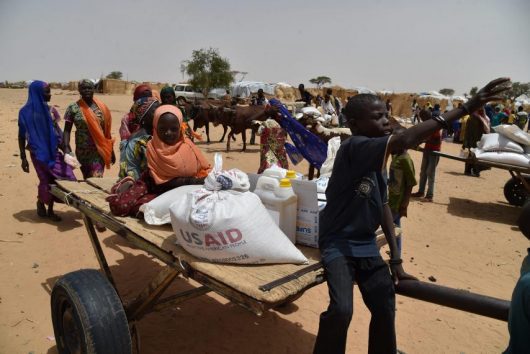
The United States provides foreign aid to troubled African countries such as Niger, and in addition to significantly aiding their foreign partners, the U.S. also benefits from foreign aid to Niger. The United States has invested heavily in curtailing extremist activity across the globe. According to the State Department, “U.S. foreign assistance to Niger plays a critical role in preserving stability in a country vulnerable to political volatility, and food insecurity and regional instability.”

As the United States ratchets up counter-terrorism activity, countries like Niger become major partners who promote U.S. initiatives. The State Department goes further to mention that Niger’s agricultural sources are at risk due to continued droughts and conflict. Currently, the country faces a food crisis as crops continue to disappear. U.S. policy aims to strengthen African nations against extremist groups, and with their continued support, this is how the U.S. benefits from foreign aid to Niger. 

What Does Funding for Niger Do?

Niger is projected to receive $34 million in foreign assistance from the U.S. for Fiscal Year (FY) 2019. Forty-four percent of that total sum is being invested in Nigerien health. One hundred percent of the health investment is geared towards fighting malaria, which has affected a significant portion of the population.

An additional 5 percent of the funds are being earmarked for peace and security. However, economic development and promoting democratic values are also being largely focused on.

Alleviating Poverty in Niger

Describing the poverty crisis in Niger, the World Bank’s statistics show that roughly 44 percent of the population lives in poverty. In fact, from 1960 to 2016, Niger’s population exploded from roughly 3 million people to 20 million! As the population continues to grow, the current food crisis deepens. During the drought of 2010, the U.N. wrote that 17 percent of children were actually malnourished.

While the situation may seem dire, U.S. assistance to Nigeria has yielded positive results. Prior to 2014, close to 50 percent of Niger’s population was living on less than a dollar a day. Niger has also entered into an assistance program — the Security Governance Initiative (SGI). 

By joining the SGI, Niger has become an important target for U.S. foreign assistance programs. Adding another strong partner in Africa is how the U.S. benefits from foreign aid to Niger. If the Nigerien government successfully addresses the food crisis and adopts democratic values, Niger’s poverty crisis could possibly be addressed for good.

For now, the U.S. continues to inject aid assistance into the Nigerien treasury in an effort to promote stability — stability which the United States desperately needs. These are just a few of the reasons how the U.S. benefits from foreign aid to Niger. 

– Colby McCoy
Photo: Google

May 12, 2018
https://borgenproject.org/wp-content/uploads/borgen-project-logo.svg 0 0 Borgen Project https://borgenproject.org/wp-content/uploads/borgen-project-logo.svg Borgen Project2018-05-12 01:30:182024-05-29 22:42:20How the US Benefits From Foreign Aid to Niger
Foreign Aid, Gender Equality, Global Poverty

Canadian Foreign Aid Increasing as It Targets Gender Equality

Canadian Foreign Aid
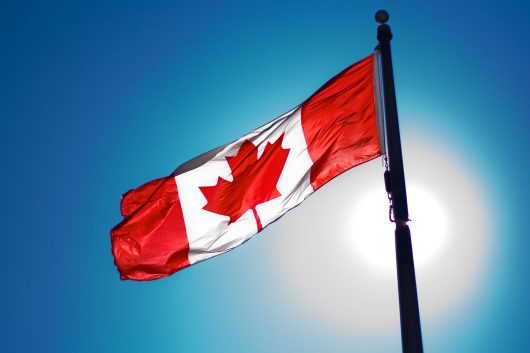
People in the U.S. generally know little about their northern neighbor, Canada. Its parliamentary system, federal system and until recently, its leader remained unknown. But Prime Minister Justin Trudeau has changed that. The charismatic gentleman held the spotlight, at least for a time, in the press. However, many of his international supporters may find a surprise waiting for them across the border. According to the BBC, Canadian foreign aid spending is ranked last among its peers.

According to the CBC, a year after Prime Minister Trudeau took office in 2015, Canadian foreign aid shrank by 4.4 percent. Now, this could be attributed to the prior government. It is difficult to rearrange an entire government’s budget overnight; it is difficult to do it even in a year. For comparison, the 29 other members of the Development Assistance Committee, a part of the Organization for Economic Co-operation and Development, agreed to a minimum of 0.7 percent of a nation’s gross national income. Canada allocated 0.28 percent, or $3.9 billion. Unfortunately, in 2016, only six countries in OECD met their goal.

There is some hope for an increase in Canadian foreign aid in the future. According to Canadian Financial Minister Bill Morneau, Canada will add $2 billion to its foreign aid budget in 2018. This comes at a time when the prime minister has decided to adopt a feminist international assistance policy. Within the same five years that Canada will increase its foreign aid budget, it will also change and narrow its target. The prime minister set a goal that 95 percent of Canadian foreign aid will be aimed at gender equality. The money will be used to fund educational programs and charities in particular. This increase in funding is the largest in 16 years and has earned praise from charities throughout Canada and from U2 frontman and philanthropist Bono.

Private Sector Partnerships a Part of Canadian Foreign Aid

Nations around the world, especially the U.S. and the U.K., use private sector partnerships to boost economic development in certain areas. These are areas where the private sector partner can also turn a profit. These partnerships are controversial because of the unpredictable social, economic and environmental impacts they have on the local area and population. However, they have also had positive results in many communities.

In Burkina Faso, for example, the material wealth of the people working in the mines improved after Canadian company Iamgold partnered with the Canadian government to open the largest mine in West Africa. Housing was built, utilities improved and schools and medical centers were constructed. Due to Canada’s mining expertise (the country is home to more than 60 percent of the world’s mining companies), the government has decided to focus on mines. Prime Minister Trudeau intends to include these private sector partnerships in his new plan.

It seems that Canada’s new prime minister means well and wants to expand Canada’s positive global impact. It can take many years for a nation to adjust the course of its spending, and Canadian foreign aid is slowly heading in a positive direction. Prime Minister Justin Trudeau used “Canada is back” as a slogan during his campaign in 2015. In 2018, Canada will begin its increase in foreign aid and its new feminist program. It will also host the G7 summit in June. This year is the year that Justin Trudeau can prove Canada is back.

– Nick DeMarco

Photo: Flickr

May 11, 2018
https://borgenproject.org/wp-content/uploads/borgen-project-logo.svg 0 0 Borgen Project https://borgenproject.org/wp-content/uploads/borgen-project-logo.svg Borgen Project2018-05-11 07:30:192024-05-27 09:28:28Canadian Foreign Aid Increasing as It Targets Gender Equality
Foreign Aid, Global Poverty

How the U.S. Benefits from Foreign Aid to Montenegro

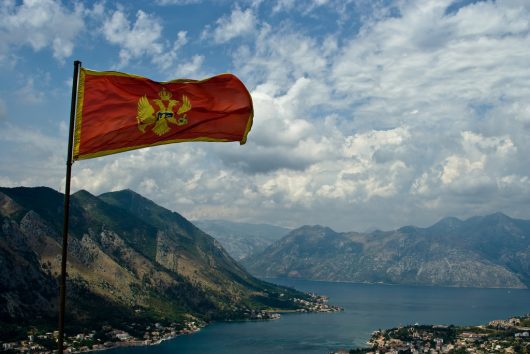
In comparison to other partners of the United States, such as Saudi Arabia and China, Montenegro appears to be quite small and insignificant. It is true that Montenegro’s total population is less than a million people. Furthermore, the country itself is slightly smaller than the state of Connecticut. However, Montenegro has proven to be a sturdy economic and military partner to both the United States and European Union. The overall goal of this piece will be to explore how the U.S. benefits from foreign aid to Montenegro. 

History and Renewed Relations

U.S.-Montenegrin relations officially began in 1905 and lasted until 1920. Montenegro eventually became a part of the Socialist Federal Republic of Yugoslavia until its dissolution in 1992. Montenegro wouldn’t achieve independence again until May 2012. In a referendum, rough 55 percent of the population voted for independence from the state union of Serbia-Montenegro. As a result, the United States re-established relations with Montenegro in 2006.

Quoting the U.S. Department of State on current relations with Montenegro, “The relationship between the U.S. and Montenegro has promoted peace and prosperity in the region and around the world.” For the FY 2019 budget, Montenegro is earmarked to receive $2.5 million in U.S. foreign assistance. Of that, 35 percent is geared towards bolstering democracy, human rights, and governance. The remaining 65 percent will be invested in peace and security.

Benefit: Influence in the Balkans

As aid continues to Montenegro, the U.S. gains a foothold in the Balkan region and can further promote its agenda. In recent years the U.S. has aimed for Montenegro to achieve Atlantic-Euro integration. On June 5, 2017, Montenegro became the 30th member to join NATO. In addition, Montenegro entered into accession negotiations with the E.U. to become a full member.

As a potential member of the E.U. and a part of NATO, Montenegro is of strategic significance to the U.S., particularly in reducing Russian influence and aggression in the Balkans. To reduce crime, the U.S. has sought to increase Montenegro’s ability to fight organized crime and corruption. If U.S. assistance continues as such, Montenegro has the potential to become a stronger economic and military partner which, in turn, affects greater U.S. influence and support in the region. This is a major example of how the U.S. benefits from foreign aid to Montenegro. 

Benefit: Foreign Investment

Montenegro’s low corporate tax rates and business-friendly policies have enticed foreign investment from the U.S. and E.U. The U.S. Department of State explains that Montenegro has enacted the following incentives to potential investors:

  • a business-oriented economic system
  • a high level of economic freedom
  • a stable currency (euro)
  • macroeconomic predictability
  • and openness to incentivized tax structures.

If Montenegro enters the E.U. it has the potential to gain increased investment from U.S. companies.

U.S. foreign assistance and economic investment in Montenegro has proven to be both beneficial and successful. Montenegro’s unemployment rate has decreased noticeably as U.S. and E.U. investment has increased. The country has also become a full member of NATO and is projected to enter the E.U. in 2022. As Montenegro strengthens, U.S. interests are further protected in the Balkans which is essential in limiting Russian influence. Overall, Montenegro has helped protect U.S. economic and strategic interests in the region. These two serious factors prove how much the U.S. benefits from foreign aid to Montenegro.

– Colby McCoy

Photo: Flickr

May 10, 2018
https://borgenproject.org/wp-content/uploads/borgen-project-logo.svg 0 0 Borgen Project https://borgenproject.org/wp-content/uploads/borgen-project-logo.svg Borgen Project2018-05-10 07:30:222024-05-29 22:42:16How the U.S. Benefits from Foreign Aid to Montenegro
Foreign Aid, Global Poverty

How the US Benefits from Foreign Aid to African Countries

U.S. Benefits from Foreign AidSince the end of the Second World War in 1945, the United States has been one of the largest contributors of foreign aid globally owing to its massive economic resources. The country has proved to be an important player and mediator especially in the geopolitics of North Africa and the Middle East.
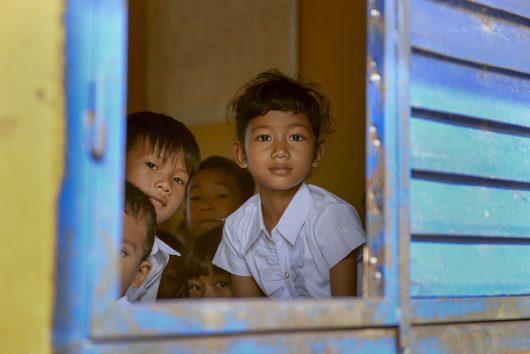
At the same time, the U.S. benefits from foreign aid include financial, humanitarian and economic benefits like an expansion of trade. Also, given the widespread influence that other key global flourishing economies like China, India and Russia continue to have, it is imperative for the United States to take advantage of its existing assets and finances.

U.S. foreign aid is imperative during economic and political crises or natural disasters. Aid is usually given in the form of bilateral, multilateral, humanitarian, political and developmental assistance, which includes the provision of knowledge, resources, advice and other goods and services. It is managed mainly by the U.S. Agency for International Development (USAID) and the Department of Defense.

However, with the recent rise of populism in the United States, the regressive policy proposals of the Trump Administration and the current international climate, there is a lot of skepticism surrounding the U.S. benefits from foreign aid. The U.S. State Department is concerned with trade, national security, dependency and corruption. Contrary to conventional belief, foreign aid accounts for only 1 percent of the federal budget.

Moreover, another misconception that overlooks the U.S. benefits from foreign aid is that it can potentially diminish economic self-sufficiency for developing countries. Yet, it can be argued that sustainable aid can build a strong foundation for future economic and social progress in countries. Aid of this nature is a worthwhile investment as it has the capability to effectively spearhead poverty alleviation efforts.

The United States can also capitalize on the flourishing growth and development of other expanding economies, especially as growth in the sub-Saharan region is projected to continue to increase. For instance, supporting emerging economies like South Africa could potentially help the U.S. expand into uncharted territory and new markets, especially for consumer and capital goods.

In 2015, U.S. exports to sub-Saharan Africa was $17.8 billion, a 75 percent increase compared to 2005. U.S. trade in goods to the 49 countries in the region generated more than 121,000 jobs in 2014.

In this way, there are U.S. benefits from foreign aid because the country gets access to more trade routes and can improve trading relationships. U.S. businesses and enterprises also gain more outlets for their goods and services.

On another front, health and humanitarian aid account for over 80 percent of U.S. aid to African nations. For example, the country contributes to 35 percent of healthcare funding for malaria. There is significant headway being made in finding important solutions to pressing healthcare concerns among many communities globally.

Additionally, the Department of Health and Human Services is executing a number of healthcare initiatives like the President’s Emergency Plan for AIDS Relief (PEPFAR). The U.S. Treasury is spearheading economic reform in poorer nations with the help of organizations like the Millennium Challenge Corporation, the Peace Corps and the African Development Foundation. As a result, a number of government institutions are integrating and working collaboratively with their counterparts.

To conclude, due to the number of U.S. benefits from foreign aid to African countries, the country will continue to be a staunch supporter of existing and future initiatives. The next few years remain essential for the continued economic growth, development and prosperity for the region.

– Shivani Ekkanath
Photo: Flickr

May 9, 2018
https://borgenproject.org/wp-content/uploads/borgen-project-logo.svg 0 0 Borgen Project https://borgenproject.org/wp-content/uploads/borgen-project-logo.svg Borgen Project2018-05-09 01:30:522019-08-01 10:12:59How the US Benefits from Foreign Aid to African Countries
Foreign Aid, Global Poverty

How the US Benefits from Foreign Aid to Malaysia

U.S. Benefits from Foreign Aid to Malaysia
Last year, President Donald Trump proposed to cut U.S. foreign aid, offering even less money to go towards helping other countries. Any cuts to aid would have a major impact on recipient countries, considering that only about 1 percent of the United States’s federal budget goes to foreign aid. When discussing how much or how little the U.S. should be giving to help other countries, the question is often raised of how the U.S. benefits from foreign aid.

There are a few overall benefits that the U.S. receives when giving foreign aid to countries, such as promoting democracy and good governance, providing access to clean water, improving learning environments and helping end maternal and child mortality. The U.S. has a planned foreign assistance budget of $2 million for Malaysia in 2019. What are the U.S. benefits from foreign aid to Malaysia specifically?

A focus of the Department of State’s relations with Malaysia is promoting peace and security. Within Malaysia specifically, the U.S. hopes to strengthen cooperation on law enforcement, nonproliferation, counterterrorism, rule of law and expand military ties. The U.S. benefits from foreign aid to Malaysia by helping to strengthen regional and global institutions, creating better allies in Malaysia. David Miliband, president of the International Rescue Committee, remarked that global terrorist threats such as ISIS “grow out of poverty, instability and bad governance”. In giving foreign aid to countries like Malaysia, the U.S. benefits by combating major terrorist threats before they can even form, along with creating allies if and when terrorism does develop.

The U.S. Benefits from Foreign Aid to Malaysia Through Unique Manufacturing Partnership

Along with creating strong allies to fight against terrorism, the U.S. benefits from foreign aid to Malaysia as a partner in manufacturing. By promoting economic development through aid, Malaysia can further develop its production services, which provide many advantages and savings for American companies.

In a recent interview, vice president of global electronics company Flextronics Mark Shandley noted that many of the company’s customers felt more comfortable manufacturing their products in Malaysia than in other countries such as China. Shandley noted that this may be because of the “perception of intellectual protection” found in Malaysia, which is notably missing in China. Along with this, he noted that it could be more cost-effective to manufacture in Malaysia. China has a value-added tax, which is charged to non-Chinese companies and can be as high as 4 percent. However, Shandley notes that this is noticeably missing from Malaysia, resulting in lower production costs.

The U.S. benefits from foreign aid to Malaysia by forming close ties between the two countries’ militaries and in the production of goods. U.S. foreign aid helps create partnership diplomatically and helps spread democracy within the country. This, in turn, helps create allies when needed and helps lessen the birth and spread of terrorist groups. Along with this, the U.S. can develop a strong production partnership that may be even more beneficial than the already existing alliance with China. All of these benefits reinforce the advantages of continued foreign aid, in Malaysia and all over the world.

– Marissa Wandzel

Photo: Flickr

May 5, 2018
https://borgenproject.org/wp-content/uploads/borgen-project-logo.svg 0 0 Borgen Project https://borgenproject.org/wp-content/uploads/borgen-project-logo.svg Borgen Project2018-05-05 07:30:492024-05-29 22:42:08How the US Benefits from Foreign Aid to Malaysia
Aid, Foreign Aid, Global Poverty

How the US Benefits From Foreign Aid to Morocco

U.S. benefits from foreign aid to Morocco
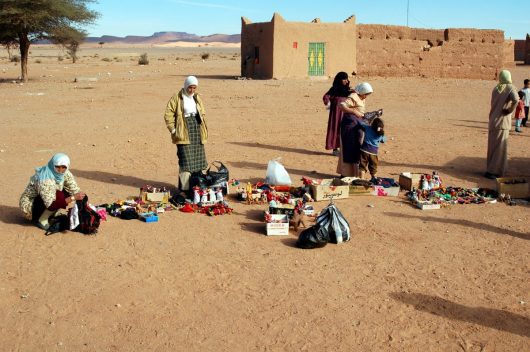
Morocco is an African country full of vibrant colors and vast potential. The U.S. has a planned budget of $15.9 million for Moroccan foreign aid in 2019. This money is spent advancing the U.S.’s development goals in Morocco, which include: maintaining peace and security, democracy, human rights and governance, economic development, education and social services within the country. So what are the U.S. benefits from foreign aid to Morocco?

U.S. Benefits from Foreign Aid to Morocco: Security

First, and arguably the most important of the U.S. benefits from foreign aid to Morocco, comes from the increase of security. By sending foreign aid to Morocco, the U.S. minimizes terrorist threats in the country. More than $8 million will be spent on counter-terrorism efforts, combating weapons of mass destruction, stabilization operations and security sector reform. While Morocco might seem distant, its security is of importance to the U.S.

The U.S. actively works to fight terrorism and combat extremist groups throughout the globe. Sending foreign aid to Morocco is one way to continue fighting terrorism. Foreign aid in Morocco is also sent to benefit democracy, human rights and governance. The Department of State breaks this into two spending categories: Rule of Law and Human Rights and Good Governance.

U.S. Benefits from Foreign Aid to Morocco: Economy

The aid that is sent in an effort to support good governance works to increase public participation and enforcement of the separation of powers through a checks and balances system. Keeping Morocco (and any country for that matter) politically stable and transparent benefits the U.S. ethically, economically and politically.

Economically, the Department of State has allocated $2.5 million in 2019 for economic development in Morocco. This aid aims to improve policies, laws and regulations within the private sector in an effort to give Morocco the ability to compete nationally and internationally. This improves trade and international policies for all states involved, including the U.S.

U.S. Benefits from Foreign Aid to Morocco: Education

Lastly, the U.S. benefits from foreign aid to Morocco by improving Moroccan education and social services. Education, as a universal human right, should be ensured in every nation and benefits the entire world. Education is crucial in improving economic stability and increasing annual gross domestic product within a country. Within the U.S., education has been an important part of the country’s foreign assistance strategy for decades.

The U.S. benefits from foreign aid to Morocco by supporting peace and stability within their security efforts, advocating for good governance ethically, advancing trade and international policies economically and by improving education and social service strategies.

– Haley Hine

Photo: Pxhere

May 4, 2018
https://borgenproject.org/wp-content/uploads/borgen-project-logo.svg 0 0 Borgen Project https://borgenproject.org/wp-content/uploads/borgen-project-logo.svg Borgen Project2018-05-04 19:30:472024-12-13 17:58:43How the US Benefits From Foreign Aid to Morocco
Foreign Aid, Global Poverty

How the US Benefits from Foreign Aid to Tanzania

How the U.S. Benefits from Foreign Aid to TanzaniaIn 1961, the U.S. established diplomatic relations with Tanzania. This partnership is characterized by mutual respect, shared values and aspirations for a more peaceful and prosperous future. Planned aid funding for Tanzania in 2019 is estimated to be $553.08 million and covers the categories of democracy, human rights and governance, education and social services, peace and security, environment and economic development.
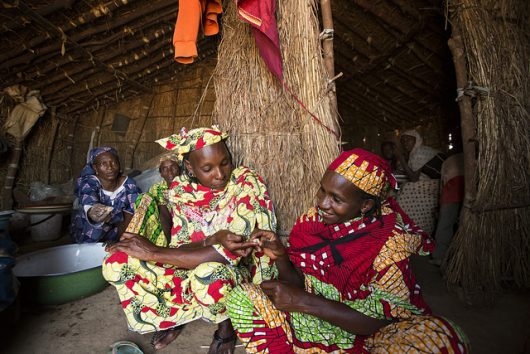
The U.S. government is Tanzania’s largest bilateral donor, with Tanzania being a recipient of numerous presidential initiatives, including the President’s Emergency Fund for AIDS Relief, the President’s Malaria Initiative, the Sustainable Financing Initiative, Power Africa, Trade Africa, Feed the Future, the Global Climate Change Initiative and Let Girls Learn. From these developments, the U.S. benefits from foreign aid to Tanzania in a number of ways. The implementation and successes of these programs have been widespread, with notable relational improvements building.

The U.S. Benefits from Stability and Security

The U.S. benefits from foreign aid to Tanzania can be seen through continued commitment to strengthening Tanzania’s democracy. After U.S. officials described the country as a model of democracy in East Africa, the countries’ relationship suffered during Tanzania’s 2015 elections, which revealed a decidedly undemocratic streak. Responses to the electoral crisis included an indefinite suspension of the Millennium Challenge Corporation and a meeting between U.S. ambassador Mark Childress and Tanzanian president John Magufuli. The meeting concluded with a reaffirmation of the countries’ strong partnership and a promise for continued investment of $400 million annually in development assistance, with more money being aimed at supporting the ruling party’s development plans.

The promotion of democracy within Africa has always been a professed commitment of the U.S., with repeated stress that support for democracy and inclusive governance has a place of pride among its interests and engagement in Africa. By aiding Tanzania in the stabilization of its democracy, the U.S. hopes to avoid violent extremism and militancy. It has been generally accepted wisdom in Washington that an enduring sense of injustice and political marginalization are powerful drivers of such extremism.

Further U.S. benefits from foreign aid to Tanzania can be seen with the growth of military-to-military relations. These ties now include capacity building and training in coastal water surveillance, international peacekeeping, military health and humanitarian projects. The U.S. Africa Command, in collaboration with other U.S. agencies, has supported the U.S.-Tanzania Canine Detection Program, an elite unit of U.S. Customs and Border Protection-trained Tanzanian Police Force handlers who work to detect ivory and narcotics at Tanzania’s ports of entry. Through the securitization of customs and borders, both countries are able to help end this illegal trafficking.

U.S. Benefits from Foreign Aid to Tanzania Include Economic Growth

Benefits from aid can also be seen in bilateral economic relations, most importantly Tanzania’s exports to the U.S. Under the African Growth and Opportunity Act, which offers tangible incentives for African countries to continue their efforts to open their economies and build free markets, Tanzania is eligible for preferential trade benefits. Exports are primarily agricultural commodities, minerals and textiles, while imports from the U.S. include items such as wheat, agricultural/transport equipment, chemicals, used clothes and machinery.

Strong trade relations between the U.S. and Tanzania have resulted in mutual economic benefits and have left both countries better off. Gains from aid to Tanzania by the U.S. are extensive and visible. Through aid, Tanzania has been able to become a more well-rounded country and the U.S. has been able to strengthen relations and improve its economic and security position.

– Ashley Quigley

Photo: Flickr

May 4, 2018
https://borgenproject.org/wp-content/uploads/borgen-project-logo.svg 0 0 Borgen Project https://borgenproject.org/wp-content/uploads/borgen-project-logo.svg Borgen Project2018-05-04 07:30:242024-05-29 22:42:07How the US Benefits from Foreign Aid to Tanzania
Foreign Aid, Global Poverty

How the US Benefits from Foreign Aid to Cameroon

U.S. Benefits from Foreign Aid to CameroonCameroon is a country in Central Africa known for its cultural and geographic diversity. The United States and Cameroon established economic relations in 1960 and have shared a somewhat positive relationship since. U.S.-Cameroon relations have hit turbulence in recent years due to concerns over human rights violations and a lack of change to political and economic conditions.

Regardless of the speed of progress, both countries share a desire to reduce threats to the region, improve the living conditions of the people and promote economic conditions. This work means that there are many ways the U.S. benefits from foreign aid to Cameroon.

Despite Cameroon’s economic growth, health standards have not seen the expected growth rates that generally rise with economic conditions. Life expectancy, child mortality and maternal mortality are below the regional average. The rate of HIV/AIDS infection in Cameroon is roughly 4.3 percent, which is among the highest in Western and Central Africa. Of the people that live in Cameroon, close to 40 percent live below the poverty line.

In order to combat this problem, the U.S. Agency for International Development provides a multitude of programs benefitting Cameroon, managed mainly through its regional office in Ghana. As well as USAID, the Centers for Disease Control and Prevention provides U.S. aid to Cameroon in order to prevent and fight the spread of HIV/AIDS. The U.S. State Department, in conjunction with USAID, also provide funds for refugees, civic engagement in elections, democratization, counter-extremism and education.

USAID also supports the promotion of human rights and the democratization process through the Cameroon Peace Promotion Project which utilizes radio programming to increase awareness of violence in the region and increase community unity towards a safer Cameroon. The program supports local moderate voices promoting tolerance and opportunities for dialogue on the events happening in Cameroon.

In order to support humanitarian intervention in the conflicts of Cameroon, the U.S. funnels aid to Cameroon through the Office of Foreign Disaster Assistance and the Food for Peace Program. This office, as well as this program, assist those harmed or displaced by regional conflicts. This U.S. aid to Cameroon goes to help feed those affected by malnutrition, provide healthcare to those in need and provide cash for work opportunities which help put food on the table and train local citizens better practices.

As well as providing material assistance, these programs provide safe spaces for women and children affected by violence and knowledge on how to resist and mitigate future violence in the region. These efforts are also attempting to promote more independence in the region and provide knowledge to citizens in order to increase self-sufficiency.

The U.S. benefits from foreign aid to Cameroon by promoting health standards in Cameroon which in turn prevents the spread of disease to the U.S. The United States, as the leading investor in the region, also supports the development of trade with Cameroon for good and services.

Cameroon exports goods such as petroleum, rubber, timber and coffee to the United States, while Cameroon imports goods such as machinery, aircraft, vehicles and plastics from the United States. The open trade made possible by U.S. foreign aid dollars facilitates a mutually beneficial relationship and allows for Cameroon to develop products to trade not only with the U.S. but with many other countries around the world as well.

In conclusion, Cameroon is a region in which economic development has not been as successful in efforts to end poverty. With the help of the United States Agency for International Development and programs such as Food for Peace, Cameroon is on track to begin down the road to poverty eradication. The people of Cameroon are gaining the skills and materials needed to become a more self-sufficient and democratic country, and the U.S. benefits from foreign aid to Cameroon as well.

– Dalton Westfall
Photo: Flickr

May 3, 2018
https://borgenproject.org/wp-content/uploads/borgen-project-logo.svg 0 0 Borgen Project https://borgenproject.org/wp-content/uploads/borgen-project-logo.svg Borgen Project2018-05-03 07:30:052024-05-29 22:42:15How the US Benefits from Foreign Aid to Cameroon
Foreign Aid, Global Poverty

How the US Benefits from Foreign Aid to American Samoa

U.S. Benefits from Foreign Aid to American SamoaAmerican Samoa is a small group of islands in the Pacific Ocean south of Hawaii. As a U.S. territory, American Samoa upholds the fundamental rights of the constitution, and its citizens are considered U.S. nationals.  The territory status of American Samoa keeps it from receiving foreign aid from other developed nations as the U.S. is the only nation to send foreign aid. The U.S. benefits from foreign aid to American Samoa in many ways such as:

  1. Dedication to the reduction of carbon emissions
  2. Rebuilding coral reefs
  3. Economic growth through trade

Reduction of Carbon Emissions

The U.S. benefits from foreign aid to American Samoa as the territory works diligently to improve environmental conditions.

In January 2018, the U.S. Environmental Protection Agency awarded a total of $10.7 million to the American Samoa Environmental Protection Agency. The aid provided will go to strengthening its capacity to protect human health, the environment and vital water infrastructure. American Samoa has many projects to utilize the aid, benefiting and improving the lives of U.S. citizens as well as the U.S. nationals living on the islands.

American Samoa plans on severely reducing its carbon emissions and the emissions from diesel fuels, aiming for 100 percent renewable energy generation for the outer islands’ electric power system by 2040. In an interconnected world, the reduction of one nation’s carbon emissions can improve the air and water quality of the entire world in a global strategy for combatting climate change.

The Paris Agreement, currently supported by 175 countries, highlights the importance of every nation reducing carbon emissions. According to the U.N., carbon emissions from human activities are driving climate change which now affects every nation on the planet through: changing weather patterns, rising sea level, and the increased presence of more extreme weather events.

Health of Coral Reefs

The importance of coral reefs to the ecosystem and every human being’s quality of life cannot be understated. Often overlooked, coral reefs are responsible for protecting coastlines from flooding during tropical storms, providing vital marine life with shelter and assisting in carbon and nitrogen fixing.

The diversity of sea life is essential to the fishing industry in the United States. Many fish spawn in coral reefs. Juvenile fish spend a large portion of their time there before making their way to the open sea. Without coral reefs, the global economy would suffer huge losses of $375 billion annually from Australia to Florida.

Without the presence of thriving coral reefs, it is expected that more than 4,000 species of marine life that call the reef home face extinction. Among the multitude of species at risk are tuna, sea turtles, spiny lobsters and dolphins.

The U.S. benefits from foreign aid to American Samoa as American Samoa plans to use substantial portions of the foreign aid to revitalize these essential marine life and ocean ecosystems directly benefiting the lives of all U.S. citizens.

Economy and Trade

The economy of American Samoa is intricately linked with the U.S. economy. American Samoa conducts most of its commerce with the U.S. through imports and exports. American Samoa today is one of the world’s largest exporters of canned tuna, canned pet food and fish meal.

Home to the Chicken of the Sea and Starkist Samoa tuna canneries, American Samoa faces nearly zero tariffs when importing goods to the United States. This effectively works to keep costs low for consumers. Furthermore, American Samoa is exempt from the federal law prohibiting foreign commercial fishing vessels from offloading tuna at U.S. ports. It is estimated the tuna canning supplied to the U.S. is worth $500 million a year.

The economy of the U.S. benefits from foreign aid to American Samoa in more than just exports. American Samoa is also a consumer of U.S. goods generating $27.9 million in imports for 2016. Including American Samoa, the U.S. accounts for more than 25 percent of Samoan exports, while 10 percent of Samoa and American Samoa’s imports come from the United States.

The benefits of foreign aid are symbiotic. Through providing funds to empower American Samoa to take on environmental initiatives, grow local businesses and create valuable trade partnerships, the U.S. benefits from foreign aid to American Samoa.

– Kelilani Johnson
Photo: Flickr

May 2, 2018
https://borgenproject.org/wp-content/uploads/borgen-project-logo.svg 0 0 Borgen Project https://borgenproject.org/wp-content/uploads/borgen-project-logo.svg Borgen Project2018-05-02 01:30:202024-06-06 00:07:57How the US Benefits from Foreign Aid to American Samoa
Page 30 of 61«‹2829303132›»

Get Smarter

  • Global Poverty 101
  • Global Poverty… The Good News
  • Global Poverty & U.S. Jobs
  • Global Poverty and National Security
  • Innovative Solutions to Poverty
  • Global Poverty & Aid FAQ’s
Search Search

Take Action

  • Call Congress
  • Email Congress
  • Donate
  • 30 Ways to Help
  • Volunteer Ops
  • Internships
  • Courses & Certificates
  • The Podcast
Borgen Project

“The Borgen Project is an incredible nonprofit organization that is addressing poverty and hunger and working towards ending them.”

-The Huffington Post

Inside The Borgen Project

  • Contact
  • About
  • Financials
  • President
  • Board of Directors
  • Board of Advisors

International Links

  • UK Email Parliament
  • UK Donate
  • Canada Email Parliament

Get Smarter

  • Global Poverty 101
  • Global Poverty… The Good News
  • Global Poverty & U.S. Jobs
  • Global Poverty and National Security
  • Innovative Solutions to Poverty
  • Global Poverty & Aid FAQ’s

Ways to Help

  • Call Congress
  • Email Congress
  • Donate
  • 30 Ways to Help
  • Volunteer Ops
  • Internships
  • Courses & Certificates
  • The Podcast
Scroll to top Scroll to top Scroll to top