Facts About Poverty in Morocco
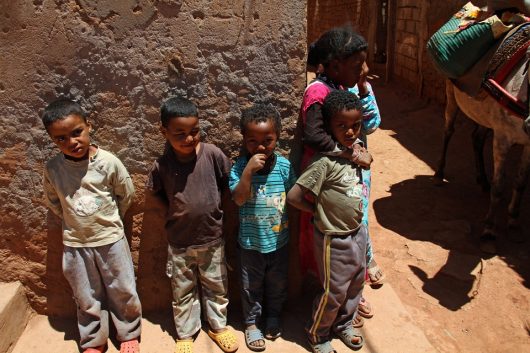
Morocco’s low labor costs and proximity to Europe have allowed the nation to move toward a diverse market-oriented economy. Despite its economic progress, as of 2022, 19% of those in Morocco remain in poverty and live on less than $4 a day. Poverty in Morocco remains an issue. Recognizing the poverty crisis in Morocco is essential to alleviating it; this feat is possible by providing the public with facts about poverty in Morocco.
- Morocco announced the National Human Development Initiative Support Project (INDH) in 2005. The project’s $1 million budget and five-year timeline are intended to improve citizens’ living conditions, reduce poverty throughout the country, assist vulnerable demographics and support families in dire need.
- Geographical divisions significantly contribute to poverty in Morocco. Approximately 36% of individuals living in rural areas experience inadequate living conditions, compared to 24% in urban areas.
- Reduced poverty rates stem from slowed population growth, remittances from Moroccans living abroad, economic stability and involvement of nongovernmental organizations (NGOs).
- Three factors impede Morocco’s development: illiteracy, financial inequality and economic volatility. It is difficult for Moroccans to transition out of poverty, with more than 20% of the country’s adult population being illiterate. Regarding financial inequality, the richest 10% of the population hold approximately 32% of the national income. The country’s dysfunctional educational system, limited participation of women in the workforce, unequal access to health care and regressive tax system contribute to this issue. Furthermore, Morocco’s economy largely depends on agriculture, which accounts for nearly 15% of its gross domestic product (GDP) and 45% of its jobs. However, Morocco’s agriculture sector is incredibly volatile; only 18% of the country is arable and this sector is prone to changing weather conditions.
- In November 2017, 17 people were killed and more than 40 injured in a stampede for food stamps; of the 17 victims, 15 were women. The stampede occurred while a local philanthropist distributed food stamps to needy families in Sidi Boulalam of the Essaouira province.
- The Essaouira stampede highlights the suffering Moroccans experience as a result of the current drought, increased food costs, skyrocketing unemployment and fixed incomes. Economist and 2015 Nobel Prize-winner Angus Dayton pointed out the role globalization and technology play in creating millions of jobs and subjecting a large number of people to unemployment, which thus widens the gap between the rich and the poor.
- Improved literacy levels can reduce poverty in Morocco. Education lifts families out of poverty and prevents them from falling back into it. Children who receive an education attain skills that render them a vital component of the workforce.
- Promoting volunteering among young change-makers and international organizations is essential to solving Morocco’s poverty crisis. Entrepreneurship could create innovative solutions and accelerate efforts to help those in need.
Future Steps in Morocco
Several nonprofits are actively working to reduce poverty in Morocco. Notably, the High Atlas Foundation (HAF), an NGO founded in 2000, has established organic fruit tree nurseries across seven provinces in Morocco, helping farmers gain agricultural skills. Additionally, HAF offers women literacy courses and professional training and links marginalized communities to governmental and international agencies.
Another organization working to reduce poverty in Morocco is the International Fund for Agricultural Development (IFAD), which focuses on improving the incomes and living conditions of impoverished rural people. Since its inception in the country, IFAD has impacted 727,045 households and implemented 16 projects. With the aid of these nonprofits and government efforts, the lives of those in Morocco will significantly improve.
– Carolyn Gibson
Photo: Pixabay
Updated: May 27, 2024
