• Link to X
  • Link to Facebook
  • Link to Instagram
  • Link to TikTok
  • Link to Youtube
  • About
    • About Us
      • President
      • Board of Directors
      • Board of Advisors
      • Financials
      • Our Methodology
      • Success Tracker
      • Contact
  • Act Now
    • 30 Ways to Help
      • Email Congress
      • Call Congress
      • Volunteer
      • Courses & Certificates
      • Be a Donor
    • Internships
      • In-Office Internships
      • Remote Internships
    • Legislation
      • Politics 101
  • The Blog
  • The Podcast
  • Magazine
  • Donate
  • Click to open the search input field Click to open the search input field Search
  • Menu Menu

Archive for category: Extreme Poverty

Information and news about poverty

Developing Countries, Development, Extreme Poverty, Foreign Aid, Foreign Policy, Technology

Obama Pledges $6.5 Billion for Electricity in Africa

Obama Electrify Africa
According to the International Energy Agency, all developing nations lack adequate access to electricity. This amounts to 1.3 billion people living in the dark worldwide. According to the same source, an investment of $1 trillion USD would be needed to remedy this. Currently, poverty and hunger take center stage. Food is of more use to a starving child than is a night light, but Westerners often take for granted how valuable the power of light can be to a community in poverty.

Not only does electricity make lives easier on a personal level, it helps to mechanize farming operations, which can be a great boost to a company’s agricultural productivity. Natural disasters often become less deadly when people are warned about them ahead of time, which can be accomplished with electric monitoring systems. Socially, populations are less marginalized with improved means of communication and information.

President Barack Obama said during his recent trip to South Africa, “Access to electricity is fundamental to opportunity in this age. It’s the light that children study by, the energy that allows an idea to be transformed into a real business. It’s the lifeline for families to meet their most basic needs, and it’s the connection that’s needed to plug Africa into the grid of the global economy.” President Obama then pledged almost $7 billion USD to help provide electricity for Africa.

The White House stated that The Export-Import Bank will carry most of the financial weight of the program, donating $5 billion, and the U.S. Oversees Private Investment Corporation will provide another $1.5 billion.

The funds will go toward preventing the frequent blackouts that plague the Sub-Saharan part of the continent, as well as helping the 85% percent of people in the region without electricity gain access to it. Kenya, Uganda, Ethiopia, Liberia, Nigeria, Tanzania and Mozambique will be the first countries to benefit from the program as it is developed at preliminary stages.

The investment is a great step toward solving the problem, but in all, Africa alone will need $300 billion to achieve universal electricity by 2030. The Alliance for Rural Electrification, a non-government organization, is another ally in combating this issue. As champions of universal electrification, ARE focuses on renewable energy such as solar, which much of Africa is a strong candidate for. This is especially relevant for areas that are geographically isolated where extending the reach of an existing power grid is not feasible.

– Samantha Mauney

Source: ARE, Scientific American, CNN
Photo: Business Insider
July 16, 2013
https://borgenproject.org/wp-content/uploads/borgen-project-logo.svg 0 0 Borgen Project https://borgenproject.org/wp-content/uploads/borgen-project-logo.svg Borgen Project2013-07-16 04:48:452020-07-02 12:07:03Obama Pledges $6.5 Billion for Electricity in Africa
Developing Countries, Extreme Poverty, Global Poverty, Poverty Reduction

Zambia: Poverty and Promising Signs

poverty-in-zambia-borgen-project-poverty-and-promising-signs_opt
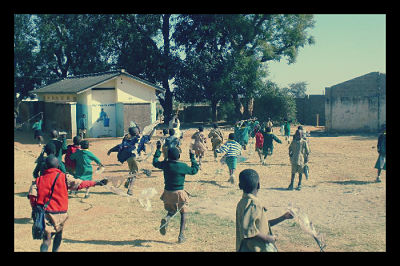
Known for its stunning natural beauty and variety of wildlife, the country of Zambia draws thousands of global travelers seeking adventure and awe-inspiring views in its world-renowned state parks, along the mighty Zambezi River, and at the famous Victoria Falls, a UNESCO world heritage site.  More than half of the country’s 752,000 square kilometers is arable land, and the country is rich in natural resources, especially copper, one of its major exports. Compared to many of its neighboring countries, Zambia has also been somewhat stable politically. Zambia made relatively peaceful transition from British colonial rule in 1964, and the country has been spared the kind of serious civil war that countries like the Democratic Republic of Congo have faced in recent years.

Zambia’s natural beauty and great agricultural capacity are a stark contrast to the economic problems facing the country today, however. According to World Bank figures, an estimated 60% of the country’s 13.8 million people live below the poverty line, with most of those in Zambia’s many rural areas. Life expectancy for the average Zambian is 49 years, in part because of the HIV/AIDS pandemic, which has ravaged the population. Just over 12% of Zambians ages 15-49 are infected with the virus, and UN figures show that about 1 million people were living with the disease in 2011.  One-third of the population is without access to clean water, and more than 25% of the country’s schools do not have access to clean water and proper sanitation.  The country is reportedly on track to meet Millennium Development Goal #2, but enrollment in primary schools is just under 72%.

Efforts to combat widespread poverty and its attendant health and social effects in Zambia have been comprehensive, involving a coalition of private and public, national and international organizations. Through USAID, the United States recently launched two new health programs aimed at addressing poverty and HIV/AIDS by empowering small farmers with new tools to make their farms viable and profitable. The programs have drawn praise from the Zambian government. Zambia is also making progress toward its Millennium Development Goals, reducing child mortality from 191 per 1,000 births in 1992, to 119 per 1,000 in 2007.  Extreme poverty in the country declined from 58% to 51% over the same period, and in 2002 the country eliminated school fees for basic education, taking an important step toward universal primary education. These indicators are promising signs that progress is indeed being made toward relieving the misery of poverty and disease in Zambia. They also suggest, however, that there is much more work to be done. 

– Délice Williams

Source: Lonely Planet, UNAIDs, UNICEF, World Bank
Photo: Presentation Primary Terenure

July 14, 2013
https://borgenproject.org/wp-content/uploads/borgen-project-logo.svg 0 0 Borgen Project https://borgenproject.org/wp-content/uploads/borgen-project-logo.svg Borgen Project2013-07-14 05:00:142024-05-25 00:00:31Zambia: Poverty and Promising Signs
Advocacy, Developing Countries, Extreme Poverty, Human Rights

Mercy Corps

Mercy Corps
Mercy Corps works to save and improve lives in some of the most impoverished places on earth. Since it was founded in 1979, the NGO has worked in war-torn and poverty-ridden countries to turn crises into opportunities. 95% of their staff are local residents working in nations like Somalia, Afghanistan, the Congo and Iraq.

The countries in which Mercy Corps works have several things in common. Usually children’s lives are at risk, women’s education is ignored, and there is little chance for economic growth. The organization helps to provide and build food security and create educational and economic opportunities. Their method is to listen to the locals and prioritize urgent needs first. They look at long-term and innovative solutions that bring systemic change.  Through taking responsible risks and thinking big, the organization is able to help large numbers of individuals.

Mercy Corps believes communities work best when they work for their own growth and change. They believe local markets provide sustainable recovery and good governance is the foundation to success. They focus their work on places in transition either from conflict, natural disasters, or political upheaval. They start with emergency relief and move to long-term goals to create communities that can withstand future shocks.

To get involved with Mercy Corps, check out their website at www.mercycorps.org.  They have lots of opportunities from donating money to fundraising to attending events or visiting their office in Portland. They also have a list of open positions and offer internships for those interested in a longer or more permanent position.

It is evident that the organization is making a difference in some of the toughest places on earth. Lives are being saved and communities are being changed through the work Mercy Corps does.

– Amanda Kloeppel
Source: Mercy Corps

July 13, 2013
https://borgenproject.org/wp-content/uploads/borgen-project-logo.svg 0 0 Borgen Project https://borgenproject.org/wp-content/uploads/borgen-project-logo.svg Borgen Project2013-07-13 04:00:412021-12-13 09:56:56Mercy Corps
Developing Countries, Development, Extreme Poverty, Global Poverty

Japan’s Foreign Aid Efforts in Africa

shinzo_AbE_africa_japan_opt
In the past, Japan has mostly focused its foreign aid budget on areas in East Asia and Southeast Asia. However, this trend is changing as the country has turned its attention to Africa. Japan altered its foreign assistance policies after creating the Tokyo International Conference on African Development in 1993 and slowly began to increase aid to the region.

Japan’s foreign assistance to Africa has now reached an annual contribution of $400 million in “technical cooperation” and $800 million in “concessionary loans,” an amount that accounts for 40% of Japan’s total aid budget.

The concessionary loans are given for African countries to improve their infrastructure by building new ports, railways and other power stations. Japan also emphasizes health and education. The recipient countries must build schools, vocational school and teacher training programs as well as new hospitals with the grant money.

These grants and loan vary between countries. Many South African countries are ineligible, but those that do meet Japan’s criteria are giving aid based on individual needs and circumstances. Some countries struggle more agriculturally, while others may need advanced assistance in infrastructure, health or education sectors.

The recipient African countries are given concessionary loans at interest rates as low as 0.1% and have a ten year grace period followed by a 40-year time frame to re-pay the loans. The concessionary loans are mainly offered for large, high budget projects while the grants are given for smaller development projects.

So far, Japan’s foreign aid money has trained 800,000 math and science teachers as well as 220,000 healthcare workers in Africa. Japanese companies located in Africa have created about 150,000 jobs for local people. These numbers will continue to increase as Japan sends more money to the region. Japan’s foreign aid budget for Africa has doubled in the past five years, reaching $1.8 billion annually. By focusing on “development, energy production, good governance and human security,” Japan hopes to turn Africa into a flourishing trade partner while improving the lives of thousands of people.

– Mary Penn

Source: Engineering News
Photo: Bloomberg

July 3, 2013
https://borgenproject.org/wp-content/uploads/borgen-project-logo.svg 0 0 Borgen Project https://borgenproject.org/wp-content/uploads/borgen-project-logo.svg Borgen Project2013-07-03 17:26:522021-06-25 13:00:48Japan’s Foreign Aid Efforts in Africa
Aid Effectiveness & Reform, Developing Countries, Extreme Poverty

Bread For The World Institute

Bread For The World Institute

Finding up-to-date information on research concerning hunger, poverty, and agriculture can be a difficult task.  To make this easier, the Bread for the World Institute compiles all their research into easy-to-understand formats. Bread for the World Institute is the research arm of Bread for the World. The institute focuses on research in several key areas including U.S. hunger and poverty, trade and agriculture, the Millennium Development Goals, maternal and child nutrition, immigration, global hunger and poverty, foreign assistance to reduce poverty, and climate change and hunger.  The staff work on policy analysis focused on hunger and strategies to end it. They use their research to educate world leaders, policymakers, and the public about hunger in the United States and abroad.

Within each research area, working papers can be found highlighting current research and findings happening. In addition, the institute is committed to the idea that development assistance does indeed work. They have a section of seven short essays telling stories and providing facts relating to the results of effective development aid. The essays are available for use by anyone from activists to politicians to Sunday school teachers. The essays serve to help individuals get a better picture of the fight against global hunger and extreme poverty.

The Bread for the World Institute also has a blog that provides current updates on what is going on within the fight to end world hunger and extreme poverty. The blog breaks down some of the information into a more comprehensible format. The goal of the institute and the research is to help people become informed and take action in the fight.

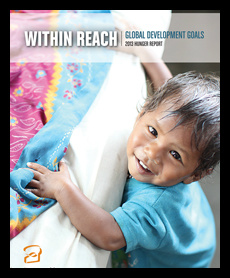
The 2013 Hunger Report is also produced by the Bread for the World Institute. The Hunger Report looks at issues surrounding global hunger such as malnutrition and food insecurity. The 2013 edition calls for a final push towards meeting the Millennium Development Goals.  Overall, the Bread for the World Institute is an excellent resource for information and facts on global hunger and on the fight to end it.

– Amanda Kloeppel
Source:Bread for the World Institute,Hunger Report

July 2, 2013
https://borgenproject.org/wp-content/uploads/borgen-project-logo.svg 0 0 Borgen Project https://borgenproject.org/wp-content/uploads/borgen-project-logo.svg Borgen Project2013-07-02 16:29:462024-06-04 02:43:54Bread For The World Institute
Extreme Poverty, Global Poverty

Israel Has the Highest Poverty Rate in the Developed World

Israel Has the Highest Poverty Rate in the Developed WorldA study by the Organization for Economic Cooperation and Development (OECD) reported that out of 34 developed countries, Israel has the highest poverty rate. The newspaper disclosed that 20.9% of Israeli citizens are currently living in poverty. In addition to staggeringly high numbers of impoverished people, Israel also has one of the largest inequality gaps in the developed world.
The OECD speculates that these struggling economic times have greatly contributed an increase in poverty rates as well as a greater gap between the rich and poor. The organization notes that the inequality gap grew more in the past three years than in the twelve years before then.

As expressed in OECD’s report, “With higher unemployment and lower returns from capital, the crisis not only weighted heavily on incomes from work and capital but also made their distribution more unequal.” There are only a few other countries that are rated higher than Israel in income inequality: Chile, Mexico, Turkey, and the United States.

Israeli Prime Minister Benjamin Netanyahu has recently been under scrutiny over his prodigal spending habits with taxpayer money. Among his expenses have been an 80% pay raise for himself and a $127,000 cabin for a trip to London. The struggling Israeli population heavily criticized his actions. The Prime Minister also plans to cut funding for benefits and child allowance, which is likely to put even more families below the poverty line.

Israel is among those developed countries that are particularly struggling with a massive inequality gap. The Israeli government must step in and create policies that will bring these people out of poverty and shorten the gap between the rich and poor.

– Mary Penn

Source: Huffington Post
Photo: Christoin

July 2, 2013
https://borgenproject.org/wp-content/uploads/borgen-project-logo.svg 0 0 Borgen Project https://borgenproject.org/wp-content/uploads/borgen-project-logo.svg Borgen Project2013-07-02 04:18:162020-08-21 10:52:13Israel Has the Highest Poverty Rate in the Developed World
Children, Development, Extreme Poverty, Health, Sanitation

Slums, Sanitation and Misery

Slums, Sanitation and Misery

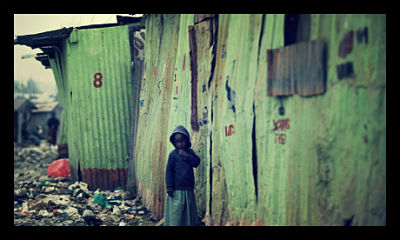
For the people living in the Korogocho slums in Nairobi, Kenya, life can be a constant struggle. The threat of disease and unclean drinking water looms in the minds of those who have no other options but to live in areas with broken sewage pipes and “flying toilets.” These unsanitary conditions put the people in Korogocho at risk for health problems and leave them vulnerable to exploitative water companies.

The typical day for someone living in the slums may involve the use of a flying toilet, a plastic bag used to dispose of human waste. While there are some pay-toilets, most people cannot afford the money to use one. As a result, these plastic bags can be found discarded in the streets of the slums among the broken sewer lines.

As the population in Nairobi grows, more slums are popping up. In Kenya, the number of people without access to toilets has risen to 20%. Access to piped water is even lower in urban areas, 38.4% (and 13.4% of the rural population). These numbers are likely to mimic the sanitation circumstances in Nairobi.

The health implications of unsanitary water systems are illnesses including malnutrition, diarrhea, cholera and typhoid fever. When water mixes with sewage, it creates a breeding ground for inimical viruses and germs. International health organizations and Kenya’s government are eager to improve sanitation in order to save lives. Currently, one in five African children dies from diarrhea before the age of five.

Simple ways to improve the sanitation system in Korogocho include mobile toilets, bucket removal, and dry composting toilets. However, even these solutions can result in human remains ending up in the Nairobi River. The Kenyan population is expected to increase by one million people every year, which will further exacerbate the struggling water and sanitation system. Until these problems are seriously addressed, Kenyans will continue to endure preventable illnesses.

– Mary Penn

Source: IRIN News
Photo: The Guardian

July 1, 2013
https://borgenproject.org/wp-content/uploads/borgen-project-logo.svg 0 0 Borgen Project https://borgenproject.org/wp-content/uploads/borgen-project-logo.svg Borgen Project2013-07-01 11:20:262020-07-12 20:50:34Slums, Sanitation and Misery
Developing Countries, Development, Extreme Poverty, Global Poverty

Camel Milk: The Future of Nutrition in Ethiopia?

Camel_milk_USAID

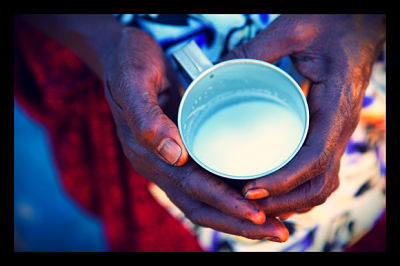
USAID is partnering with Somalia groups to form the Camel Milk Value Chain Development project. This project is part of the U.S. President’s Feed the Future Initiative in Ethiopia. Feed the Future is a project started by the Obama Administration that focuses on helping countries become self-sustainable through agriculture reforms and improvements. The goal of the Camel Milk Development project is to improve the production of camel milk and to make it more marketable and competitive in Ethiopian communities.

The camel milk initiative is projected to benefit 50,000 “targeted households” in the country. Abdifatah Mohamud Hassan, Somali Regional State Vice President, said, “The Camel Milk Value Chain Development project is an innovative project that addresses cultural wealth of the pastoralists and contributes to the Ethiopia Agricultural Growth and Transformation Plan.”

Once the project is underway, local farmers will be educated on camel productivity, which includes breeding, better feed, and improvements to the camels’ health. The last aspect of this strategy to increase productivity will be a main focus as USAID trains more animal health care workers. Another goal of the organization is improved camel milk quality. This will happen through extensive trainings that teach workers about proper sanitation.

Finally, USAID hopes to create a better market for camel milk by connecting local milk markets with larger milk networks. This will generate a more stable market for farmers, negating some of the uncertainty and stress that goes along with the agriculture sector. Along with a stronger market, USAID will improve hygiene, food safety standards, and infrastructure.

Given Somalia’s unpredictable weather patterns that often include drought, camels could prove to be a vital source of nutrients for a majority of the country. The USAID Ethiopia Mission Director, Dennis Weller, has even called camels the “animal of the future.” As camel milk becomes more common, those living in Somalia will experience better food security as well as economic independence.

– Mary Penn

Source: USAID
Photo: Mercy Corps

July 1, 2013
https://borgenproject.org/wp-content/uploads/borgen-project-logo.svg 0 0 Borgen Project https://borgenproject.org/wp-content/uploads/borgen-project-logo.svg Borgen Project2013-07-01 10:25:082024-05-24 23:52:05Camel Milk: The Future of Nutrition in Ethiopia?
Extreme Poverty

Drugs and Poverty in Tajikistan

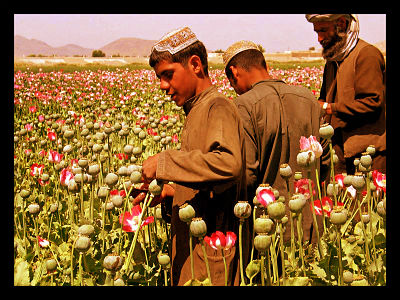
Tijikastan_heroinEvery year, $33 billion worth of heroin is funneled into Russia and Western Europe from a few provinces in southern Afghanistan. This robust heroin trade in the countries of the former Soviet Union thrives in part because of the terrible economic conditions precipitated by the fall of the USSR. In this volatile economic environment, organized crime groups have flourished, facilitating a heroin trade that has seriously harmed nations in Central Asia, particularly Tajikistan.

According to the United Nations Office on Drugs and Crime 2012 World Drug report, heroin is “the illicit drug most highly associated with a single source” with “90% of the world’s heroin coming from opium grown in just a few provinces in Afghanistan.”

Since 2006, Afghanistan has produced more than 12,000 tons of opium, which the UNODC amounts to two years’ worth of the global demand. It is very clear that drug lords in Afghanistan are making a lot of money through the production and export of heroin. There is also evidence suggesting that terrorist organizations such as Al-Qaeda and the Islamic Movement of Uzbekistan are reaping benefits of the trade as well.

Unfortunately, this illicit drug trade has affected the people of nations outside of Afghanistan’s borders. According to the UNODC, Tajikistan has suffered immensely because of its position on the Northern trade route that transports heroin to Russia. Heroin dependency has devastated the Tajik population and has resulted in the spread of lethal diseases such as HIV and hepatitis-C. In addition, the position of Tajikistan along a primary drug trade route has promoted the rise of organized crime groups and warlords in the fledgling nation.

In Tajikistan, the direct influence of Afghan heroin can be witnessed in its purest form. In a nation economically ruined by the demise of the Soviet Union, a single substance has threatened not only the social fabric of the society but also the entire governmental structure of the newly independent nation. Tajikistan illustrates the way in which the illicit trade of heroin has devastated Central Asia. The people of Tajikistan have all been affected by the adverse consequences of heroin addiction and the diseases that so often accompany intravenous drug abuse. In addition to addiction and disease, the very framework of the state in Tajikistan is threatened by warlords who have grown fat on the profits of the drug. As criminals get richer, however, Tajikistan’s people, especially its poor, are left even more vulnerable to violence and political instability.

– Josh Forgét

Source: UNODC World Drug Report 2012,Johan Engvall
Photo: RFERL

June 29, 2013
https://borgenproject.org/wp-content/uploads/borgen-project-logo.svg 0 0 Borgen Project https://borgenproject.org/wp-content/uploads/borgen-project-logo.svg Borgen Project2013-06-29 04:00:442020-08-21 12:05:38Drugs and Poverty in Tajikistan
Developing Countries, Development, Extreme Poverty

The Butterfly Effect

The Butterfly Effect
Often, consumers in the developed world assume that the greatest impact they can have on developing countries is philanthropic: by choosing certain products, certain brands and certain charities, they can improve the lives of citizens far away. It is a widely held belief that the developed world’s major interaction with the developing is that of a benevolent elder sibling: offering advice and help when necessary, while also attending to their own, separate affairs.

A recent report by The Atlantic once again highlights how incorrect this idea is. Indeed, the activities of the first world often have profound consequences for the developing world as they bear the brunt of paying for the sins of those who are more advantaged.

From the 1960s to the 1980s, a famine devastated parts of northern Africa, leaving 100,000 dead and upward of 700,000 relying on foreign food aid for survival. Infamous across the world, photos of starving cattle marching across dusty plains and children with shriveled arms and distended bellies still remain burned in many minds. Initially, this was blamed on poor farming practices leading to desertification. New research by scientists, however, shows that the drought which caused the famine was triggered by the number of factory emissions from Western Europe and the United States of America. The release of sulfate aerosols, which cool the climate around them, disrupted rainfall patterns for decades until clean-air laws were passed in the industrialized countries.

It is an uncomfortable reality that the world is interconnected and that the decisions of one country will undoubtedly have ramifications for another. More than ever in today’s connected and globalized world, countries have to work in sincere cooperation, not just for individual benefit, but for the good of the international community.

The developed world, having such power, also carries an immense amount of responsibility in wielding it. To a large extent, it is failing at that responsibility: smartphones continue to fly off the shelves, despite the myriad controversies surrounding them, including Apple’s suicidal factory workers and the conflict minerals necessary for production. Fairtrade products are still pushing to be the norm, and clean energy bills struggle to be passed.

Too often, citizens rely on governments to take the initiative in social progress. As we continue to dive deeper and deeper into climate change and growing levels of inequality, however, the average citizen has to start harnessing their individual power. The old saying goes that a butterfly flapping its wings can cause a hurricane; while this may be an exaggeration, one must ask themselves what the potential impact of human life can be, even the most ordinary one, across the globe.

– Farahnaz Mohammed
Source: Science Daily,The Atlantic
Photo: The Guardian

June 28, 2013
https://borgenproject.org/wp-content/uploads/borgen-project-logo.svg 0 0 Borgen Project https://borgenproject.org/wp-content/uploads/borgen-project-logo.svg Borgen Project2013-06-28 04:00:272020-07-06 18:34:49The Butterfly Effect
Page 7 of 10«‹56789›»

Get Smarter

  • Global Poverty 101
  • Global Poverty… The Good News
  • Global Poverty & U.S. Jobs
  • Global Poverty and National Security
  • Innovative Solutions to Poverty
  • Global Poverty & Aid FAQ’s
Search Search

Take Action

  • Call Congress
  • Email Congress
  • Donate
  • 30 Ways to Help
  • Volunteer Ops
  • Internships
  • Courses & Certificates
  • The Podcast
Borgen Project

“The Borgen Project is an incredible nonprofit organization that is addressing poverty and hunger and working towards ending them.”

-The Huffington Post

Inside The Borgen Project

  • Contact
  • About
  • Financials
  • President
  • Board of Directors
  • Board of Advisors

International Links

  • UK Email Parliament
  • UK Donate
  • Canada Email Parliament

Get Smarter

  • Global Poverty 101
  • Global Poverty… The Good News
  • Global Poverty & U.S. Jobs
  • Global Poverty and National Security
  • Innovative Solutions to Poverty
  • Global Poverty & Aid FAQ’s

Ways to Help

  • Call Congress
  • Email Congress
  • Donate
  • 30 Ways to Help
  • Volunteer Ops
  • Internships
  • Courses & Certificates
  • The Podcast
Scroll to top Scroll to top Scroll to top