In 2000, the largest gathering of world leaders ever assembled met in New York City and agreed to a time-frame for ending global poverty and addressing the top issues facing the world. They agreed to eight goals aimed at improving the human condition for those born into abject poverty.

The Goals World Leaders Agreed to…
Goal 1: Cut extreme poverty and hunger in half
Goal 2: Achieve universal primary education
Goal 3: Promote gender equality and empower women
Goal 4: Reduce child mortality
Goal 5: Improve maternal health
Goal 6: Combat HIV/AIDS, malaria, and other diseases
Goal 7: Ensure environmental sustainability
Goal 8: Develop a global partnership for development
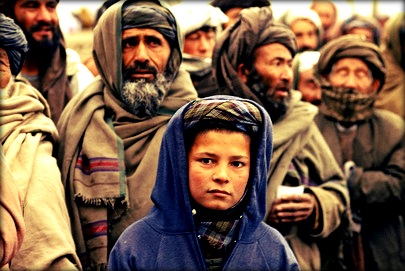

U.N. Millennium Development Goals
Year agreed to: 2000
Number of countries signing: 191
Location of summit: New York City
Biggest obstacle to achieving: Leadership from the world’s agenda-setter (Congress and the White House).
How you can help: Make weekly congressional calls to your leaders telling them that you want the U.S. working to achieve the Millennium Goals.
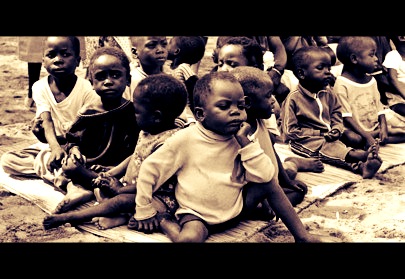
Estimated Cost of Achieving
$120-$190 billion: Annual shortfall to achieve the Millennium Goals before 2015.
(United Nations)
Comparatively…
$663 billion: U.S. Military Spending
(DoD)
191 Countries Agreed to the Plan to End World Hunger
Key Points
- It’s now possible to end global poverty (those living on less than $1 day).
- In 2000, nearly every nation on earth, including the U.S. agreed to the Millennium Goals, a measurable timeframe for ending global poverty by 2015.
- Leadership from the world’s agenda-setter, the United States, has been lackluster in efforts to achieve the Millennium Goals. Far too many U.S. citizens and congressional leaders alike have never heard of the Millennium Goals, let alone been part of the international effort.
- An international agreement, signed by nearly every nation on earth would have been impossible during the Cold War. For strategic as well as humanitarian purposes, the United States should leverage and lead this international co-operation.
$190 billion: Annual shortfall to achieve the Millennium Goals.
$663 billion: U.S. Military Spending
