• Link to X
  • Link to Facebook
  • Link to Instagram
  • Link to TikTok
  • Link to Youtube
  • About
    • About Us
      • President
      • Board of Directors
      • Board of Advisors
      • Financials
      • Our Methodology
      • Success Tracker
      • Contact
  • Act Now
    • 30 Ways to Help
      • Email Congress
      • Call Congress
      • Volunteer
      • Courses & Certificates
      • Be a Donor
    • Internships
      • In-Office Internships
      • Remote Internships
    • Legislation
      • Politics 101
  • The Blog
  • The Podcast
  • Magazine
  • Donate
  • Click to open the search input field Click to open the search input field Search
  • Menu Menu

Archive for category: Development

Information and stories on development news.

Developing Countries, Development, Global Poverty, Health

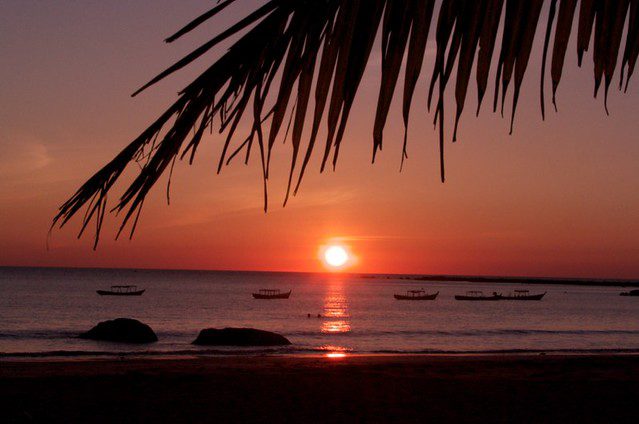
Efforts to Improve Water Quality in Myanmar

Water Quality in Myanmar
Myanmar, formerly known as Burma, is a nation with 32.1 percent of the population living below the poverty line, according to 2015 data.

Accessing water in Myanmar has always been difficult, despite the country’s natural resources. It once was recognized to have the fourth-richest supply of groundwater in the world, holding more than 19,000 square meters per capita. This is 16 times the available levels of Myanmar’s neighboring country, Bangladesh.

A typical summer season in the last few years would introduce water shortages in only central Myanmar, but now, deforestation – as a result of urbanization – and hot temperatures contribute to water shortages in other additional areas of the country, leaving hundreds of thousands in danger.

However, recent changes to the water system have significantly improved water quality in Myanmar:

Fixing the Irrigation Systems

Myanmar’s agriculture industry provides jobs for 60 percent of workers, so it is crucial that irrigation systems are functional. In the past, Myanmar struggled with irrigation upkeep and water distribution, so The Pyawt Ywar Pump Irrigation Project stepped in to improve irrigation infrastructure, reform water management and provide education to farmers. Since its implementation, farmers and the government have worked together to make sure water distribution is fair and regulated, and farmers have learned how to use land efficiently to increase crop growth. The agriculture industry has improved as a result: the gross domestic product for agriculture increased from 12,316,081.8 MMK mn to 13,964,771.2 MMK mn in just five years.

Purifying Wastewater has Increased Access to Water

Proctor & Gamble’s Children Safe Drinking Water program and World Vision teamed up to give Myanmar residents a tool to clean non-potable water: a powder mixture invented by the Centers for Disease Control and Prevention. The powder transforms 10 liters of contaminated water into clean, drinkable water in just half an hour, providing a day’s worth of resources for a five-member family. This means that poor families living in Myanmar can purify water from rivers and streams instead of spending a lot of money on bottled water. P&G has helped with improving Myanmar’s water since 2008, and the water purification tool has helped 200,000 people gain access to safer water.

Decreasing Illness

Dengue fever, a mosquito-borne disease, is a common occurrence in Myanmar because of people’s tendency to collect water in their homes. Stored water attracts mosquitoes and creates a large breeding ground for the disease. Myanmar is labeled as a high burden dengue country, and citizens take preventative measures by learning how to protect their water against mosquitoes and to keep their spaces dry and clean. In 2015, there were 42,913 cases of dengue, but after a year of water education and awareness, the number dropped to 10,770.

Looking Ahead

Access to clean water has increased in the last 15 years, but there is still more to be done. In 2000, 47.31 percent of citizens in rural areas had access to potable water, and that number has increased to 59.85 percent as of 2015, but it is still low. The Joint Monitoring Program for Water Supply, Sanitation and Hygiene plans for universal access to water by 2030, and improving water quality in Myanmar may be achieved with increased awareness and action.

– Katherine Desrosiers
Photo: Flickr


August 9, 2019
https://borgenproject.org/wp-content/uploads/borgen-project-logo.svg 0 0 Kim Thelwell https://borgenproject.org/wp-content/uploads/borgen-project-logo.svg Kim Thelwell2019-08-09 07:36:022024-05-29 23:10:43Efforts to Improve Water Quality in Myanmar
Children, Development, Education, Global Poverty

Child Poverty in Spain Among a Booming Economy

child poverty in spain
Since the end of Spain’s economic recession in 2014, the country is the largest grower in the EU, with a GDP almost twice that of the average European country. Despite a six-year recession that impacted both the entire population and other countries in the Eurozone, the economy seems to have recovered. However, despite Spain’s economic recovery, the rate and likelihood of children in poverty have increased exponentially. Curiosity arises as to how an issue like poverty could arise in a country as developed as Spain.

The Problem

The rise of child poverty in Spain despite the recovery of the economy seems counterintuitive. However, studies show that one in three children are likely to be impoverished or socially excluded, according to the EU’s latest figures. As the results of their studies show, a lack of income does not only encumber Spanish children but also a lack of socialization. This means that child poverty in Spain is multidimensional; this means a lack of proper education, nutrition, future employment and social time on top of the financial crisis that has remained in many middle and low-class families despite the national economic recovery. Impoverished families are unable to prevent their children from reaching the same fate because the turn of the recession has resulted in a job market that provides no opportunity for even the most qualified candidates.

This issue is most dominant in middle and low-class families, and the middle class is already dangerously small. The trademark economic concept of the rich getting richer and the poor getting poorer is true in the Spanish socioeconomic classes and results in the stretching and thinning of the middle class. These larger socioeconomic effects are only symptoms of child poverty in Spain. The reason why the focus of the recession is on children is that they are the most at-risk demographic; when parents experience impact, it extends to their children.

The Larger Issue

Child poverty in Spain has adverse effects on the rest of society, including senior citizens, young adults and parents. The growing number of impoverished children puts pressure on the social pension systems that account for one of the fastest aging populations in Europe. Children trapped in poverty will grow to be adults who remain reliant on social and governmental assistance. Many young adults avoided higher education due to attractive employment opportunities before the recession, leaving a large population of eager, unaccredited workers in a job market that no longer needs it. Because of the lack of opportunity in the job market, parents are reliant on unemployment benefits or the pension of their parents.

Effects of the Problem

Because child poverty in Spain is a multidimensional issue, the effects correspond to different areas. In terms of education, Spain has experienced a dropout rate 23% higher than the EU average since the beginning of the recession in 2008. In general, Spain’s dropout and unemployment rates are high, specifically among those of disadvantaged socioeconomic backgrounds.

Studies show that even very brief bursts of intense poverty can impact child development for the rest of their lives. Economists and child development specialists predict that if this poverty persists, the adults of the future will have experienced stunted development due to their reliance on pensions.

Solutions

Even Sevilla, the fifth most populated city in Spain and a huge tourist destination, falls victim to increasing child poverty rates. There are many gaps in the welfare system that people have not accounted for, which are essential to the development of children. For example, because of limited monthly income but the need to continue to feed their children, families are buying enough food for everyone, but without the necessary nutrients for developing bodies. As such, children in Spain are not necessarily hungry, but they are in poverty. As a result, NGOs like Save the Children fill in the gaps in children’s diets by providing nutrient-rich meals.

Save the Children works in several domains that benefit the needs of at-risk or impoverished Spanish children, including nutrition, health and education. By filling in the dietary and academic gaps in these children’s lives, their families will have some security. In 2014, Save the Children reached 14,889 children and 5,635 adults through programs that combat educational poverty, social exclusion and workshops that prevent the issue from furthering. The hope is that as the recovery continues, economic reform will result in a balancing of socioeconomic classes and the disparity will vanish. Until then, NGOs like Save the Children will continue to try and cover up the remaining holes in the system that the recession left in the hopes that the children they serve will grow up to lead a generation where poverty is the exception, not the expectation.

Hope for the Future

Child poverty is a major issue because these children will grow up to be the leaders of their nation. The increased rate of child poverty in Spain is an alarming problem that an economic crisis and a weak social infrastructure have fueled. Child poverty in Spain is different than in other countries. Spanish children are not poor in the traditional sense. They receive food and have access to education.

The nature of poverty is more nuanced than a lack of resources. Children in Spain receive food but are often malnourished, and even though they have access to school, they often drop out. The other key issue is the lack of socialization among peers. However, with NGOs like Save the Children who provide programs to areas in need, this issue can perhaps disappear. With directed efforts towards these specific problems and programs that are tailored towards the specific nature of these issues, child poverty can undergo eradication, securing Spain’s future prosperity.

– Andrew Yang
Photo: Flickr

August 7, 2019
https://borgenproject.org/wp-content/uploads/borgen-project-logo.svg 0 0 Kim Thelwell https://borgenproject.org/wp-content/uploads/borgen-project-logo.svg Kim Thelwell2019-08-07 07:30:412022-03-31 20:10:42Child Poverty in Spain Among a Booming Economy
Development, Education, Global Poverty, Poverty

Top 10 Facts about Living Conditions in Austria

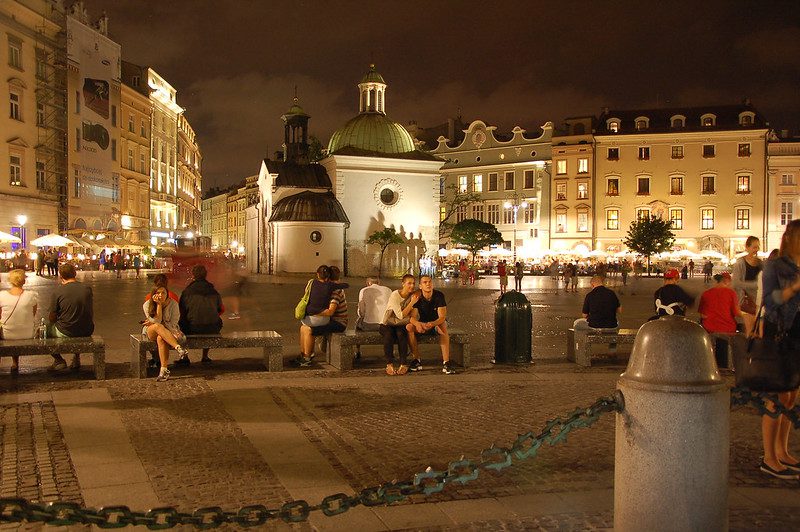
Living Conditions in AustriaAs a landlocked nation, Austria works closely with other countries in the European Union (EU) on different issues. Therefore, Austria has a well-developed economy that is closely tied to Germany and other powerful EU nations. Austria is a confederation of nine autonomous states with sound industrial and agricultural economic sectors. Here are the top 10 facts about living conditions in Austria.
Top 10 Facts About Living Conditions in Austria

  1. Wealth Gap: There is a rising wealth gap in Austria. Between 1990 and 2011, the share of the economy that the poorest 20 percent held dropped by 47 percent while the share that the richest 1 percent held rose by 16 percent. Experts believe that the biggest factor in the rising wealth gap is an increasing education gap between the rich and the poor. In Austria, children with college-educated parents are 2.5 times more likely to attend college themselves. Increased postsecondary education leads to higher wages as citizens earn 5.4 percent more money with each additional year of schooling past what their country mandates.
  2. Gender Inequality: Gender differences are evident in Austrian society. While women tend to have more education, they still earn 23.4 percent less per hour than their male counterparts. Women also tend to own less property than men. On average, a single, male household holds 40 percent more wealth than a single, female household. One of the main reasons driving this economic inequality is the Austrian welfare system, which helps promote traditionalist values through its benefit programs.
  3. The Welfare System: Austria has an extensive, two-tiered welfare system. The first tier covers personal insurance for employed citizens during instances of sickness, accident, sudden unemployment and parental leave. The second tier provides for those who are struggling with employment and offers federal, provincial and municipal benefits. There are a few benefits that are accessible to the entire population including family allowance and child tax credit, childcare allowance and health insurance. A family receives the family allowance based upon the number and age of children as well as a family’s income.
  4. Health Care: Austria has a socialized health care system. The current system covers 99 percent of citizens and accounts for 7 percent of the country’s GDP. Many citizens gain insurance through their employers, but these plans identify 25 percent of citizens as co-dependents. Furthermore, access to medical care is widespread and easily available. Currently, there are 64,000 hospital beds that span across 267 different hospitals. One of the main benefits accessible to all is the Patient Safety Guide, which informs citizens of standard procedures before visits, allowing visits to doctors to be as productive as possible.
  5. Religion: Religion plays a major role in living conditions in Austria. Austria has acknowledged religious freedom as a right since the Patents of Tolerance signed in 1871. Today, the Austrian legal system qualifies itself as religiously-neutral and churches have a great deal of autonomy when dealing with internal affairs. Because of their autonomy, churches receive funding through required member’s fees. Also, the right of an individual to choose his or her own religion remains sacred. At the age of 14, citizens can choose a Church, or none at all, without parental notification or consent. As a whole, Austria is a very religious nation as 88 percent identify themselves as a member of a church (compared to 77 percent in the United States). According to 2011 statistics, 64 percent of Austrian identify as Roman Catholic, making it the largest church in the country.
  6. Education: Austrians have access to free public education. Currently, the government mandates nine years of schooling for every child and schools offer vocational and university tracks. The university tracks lead to an additional one to four years of education at a secondary or post-secondary school. All funding for the schools, at any level, comes from the Federal Ministry of Education. However, even with education opportunities, Austria still lacks in literacy scores when compared to the rest of the EU. Only 13 percent of young adults (ages 25 to 34) have achieved high scores on the Survey of Adult Skills. The reason behind this is most likely the low graduation rate among those attending secondary or post-secondary universities and colleges. While 83 percent of young citizens attend some sort of secondary education, only 38.9 percent will actually graduate. Furthermore, of those pursuing secondary education, 76 percent attend vocational schools.
  7. Water: All Austrians have access to clean water, which helps greatly with living conditions in Austria. Austria ties with 21 other countries for first in the Environmental Performance Index for water and sanitation. One hundred percent of citizens have access to improved water sources — those that have protection from outside contamination. Fifty percent of water comes from springs while the other 50 percent is from various groundwater sources. One of the main reasons for Austria’s success in this category is its adoption of the EU Water Framework Directive, which helps to set specific environmental goals regarding surface water, analyzing characteristics of river basins and the effect human activity has on water sources. All of this work has helped Austria prevent its water from becoming contaminated.
  8. Poverty Rate: Poverty rates are low but impact children the most. Only 4 percent of Austrians live below the poverty line, which is measured as half of the median household revenue of the population. Less than 1 percent of the population lives on less than $1.90 a day, meaning the majority of citizens live comfortably in Austria. However, children are the most at-risk for poverty. Around 9 percent of children live in households that fall below the poverty line. Additionally, these children are the most at-risk for bullying in schools. Many (17.5 percent) children from poor households report that others have bullied them because of their family’s income level.
  9. Crime: Crime rates remain low in Austria. As of 2016, the murder rate in Austria was 0.7 per 100,000 inhabitants. The rape rate stood at 9.7 per 100,000 inhabitants. The total number of homicides in 2016 was 57. For comparison, there were 57 in Slovakia, 65 in the Czech Republic, 202 in Turkey and 17,250 in the U.S.
  10. Cost of Living: The cost of living in Austria remains relatively low. Compared to the United States, it is 1.87 percent more expensive to live in Austria. However, rent is roughly 30 percent cheaper in Austria. In comparison to the EU, Austria falls somewhere in the middle. The average salary is roughly 1,900 euros per month, which ranks in the top 10 of all the EU. Common items and transportation prices are also middling in comparison to the EU. For example, a bottle of water tends to cost 2.09 euros, which is in the middle of the 1.20 to 2.50 EU range. Local transportation, like buses and taxies, costs roughly 2.40 euros. This is toward the higher end of the 2.20-2.50 EU range, but still not incredibly expensive.

These top 10 facts about living conditions in Austria give an insight into what life is like for its citizens. Those who live in Austria have easy access to health along with a wide variety of social benefits. As a whole, Austria is a stable nation with a strong economy and a healthy population.

– Andrew Edwards
Photo: Flickr

August 6, 2019
https://borgenproject.org/wp-content/uploads/borgen-project-logo.svg 0 0 Kim Thelwell https://borgenproject.org/wp-content/uploads/borgen-project-logo.svg Kim Thelwell2019-08-06 10:30:142024-05-29 23:13:51Top 10 Facts about Living Conditions in Austria
Development, Global Poverty

Africa50 Innovation Challenge Tackles Internet Access


Nearly 63 percent of people living in Africa lack internet access. In contrast, 11 percent of North Americans, 13 percent of Europeans and 48 percent of Asians lack internet access. In response to this issue, Africa50, an infrastructure investment organization, has launched an innovation challenge asking for modern innovators to submit their original ideas on how to provide internet to under-served areas in Africa.

The Africa50 Innovation Challenge began May 14, after it was announced at the Transform Africa Summit held in Kigali, Rwanda the same month.

The submitted solutions will be piloted in Rwanda, which Africa50 CEO Alain Ebobissé said was the ideal place to implement and test the solutions.

Rwanda: A Country Evolving in ICT

Ebobissé described the country as having a thriving Information, Communications and Technology (ICT) sector. Cooperation between the challenge and the co-development of the Kigali Innovation City, a project Africa50 invested $400 million in 2018, is evidence of this ICT boom.

Rwanda has increased its internet access to 29 percent, as of 2019. The increase is a marked improvement compared to the less than 1 percent who had access in 2000. This development can, in part, be accredited to the National Information Communication Infrastructure (NICI) policy the country adopted in 2000.

The policy defines four separate stages of increasing internet and communication in Rwanda. The country has already prepared the ICT groundwork and is currently in the fourth and final stage; enhancing the infrastructure and improving the service delivery.

The goal of the final stage is to increase technological skills, develop the community and private sector and enhance the government’s use of the internet and cyber-security. The policy is planned to end in 2020.

The ideas will be implemented more broadly across the continent once the pilot phase in Rwanda is complete.

Winning Criteria and Perks

The judges will be looking for six main criteria in the proposals submitted to the Africa50 Innovation Challenge:

  • Innovation and originality
  • Ability to be implemented on a large scale
  • Affordability for both implementors and consumers
  • Sustainability for the environment
  • Readiness to be piloted in Rwanda
  • Adaptability of the solution for a variety of circumstances

The finalists will be announced mid-October and they will present their solutions at AfricaCom the following month.  Those selected will be announced at the 2020 Transform Africa Summit, but the organization does not specify how many winners will be chosen.

The winners will be awarded a cash prize or project development funding, connections to investors and exposure as an innovator.

If these solutions are implemented, economic growth and job creation are a few of the newfound benefits that may come to these countries. Companies can grow and have an improved role in the competitive market if they have access to the internet.  As a result, these solutions allow them to reach more consumers, labor pools and raw materials, according to a 2012 report by the International Telecommunication Union.

ICT Progress in Other African Countries

There will certainly be interesting proposals from this year’s Africa50 Innovation Challenge entries,  but there are already solutions that have worked in other African countries.

For example, Kenya has had a considerable jump in their internet speed and bandwidth — which increased 43 percent from 2016 to 2017. This increase can be attributed to the National Broadband Strategy for Kenya. Additionally, Nigeria has increased its number of internet users from 72 million in 2017, to 92 million in 2018.

Nigeria’s fiber network, 21st Century, is partnering with Google Station and anticipates the installation of 200 Wi-Fi hotspots by the end of 2019, according to Fortune.

Africa50 aims to spread high-speed internet and improve opportunities for those living in under-served communities, whatever the solution.

– Makenna Hall
Photo: Flickr

August 5, 2019
https://borgenproject.org/wp-content/uploads/borgen-project-logo.svg 0 0 Kim Thelwell https://borgenproject.org/wp-content/uploads/borgen-project-logo.svg Kim Thelwell2019-08-05 08:10:162024-05-29 23:09:59Africa50 Innovation Challenge Tackles Internet Access
Development, Global Poverty

Everything You Need to Know about NEPAD

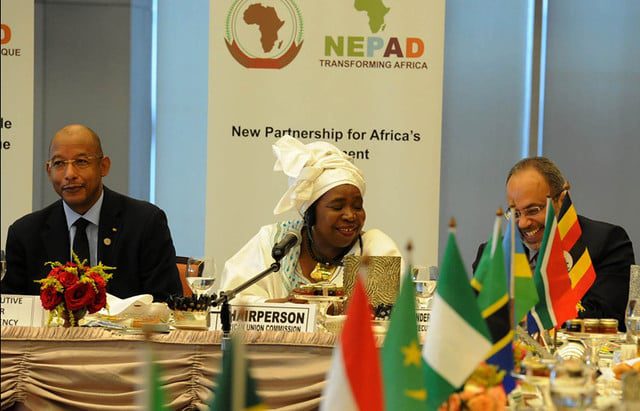
NEPADThe New Partnership for Africa’s Development (NEPAD) aims to reduce poverty through sustainable development and empowering women. In 2001, African Heads of State and Government of the Organisation of African Unity (OAU) adopted NEPAD. A year later, the African Union ratified the framework for pan-African socio-economic development.

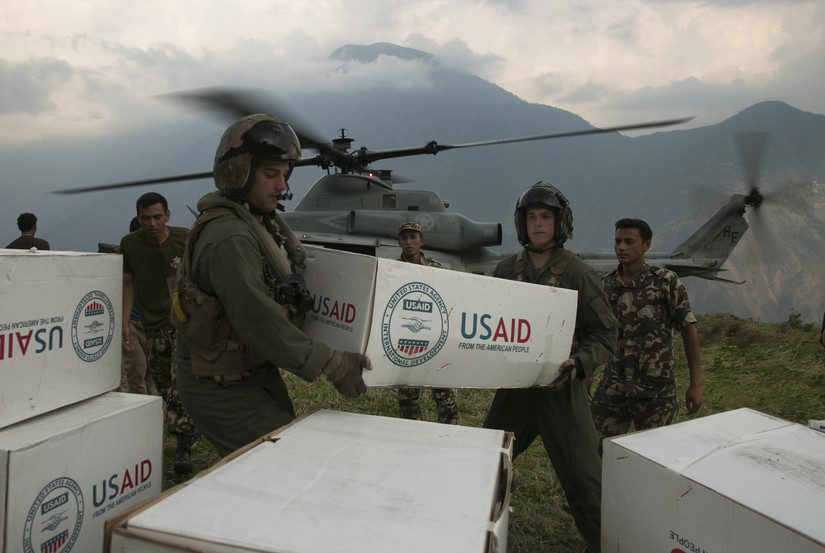
In 2008, the United Nations drafted a resolution to ensure that the Member States were committing to addressing and assisting with the developmental needs of Africa. The resolution includes specific recommendations on addressing and implementing these commitments.

Main Goals of NEPAD

There are six “themes” to these recommendations, and since the implementation, several changes have been made, significantly improving life for millions across Africa. The themes and some of their benefits are as follows:

  1. Improving agriculture and food security- At the 24th summit of the African Union, held in 2014, NEPAD committed to doubling agricultural productivity on the continent. At the same summit, NEPAD launched the Africa Climate-Smart Agriculture Alliance. This program aims to help 25 million farmers learn about sustainable agricultural practices.
  2. Managing natural resources– NEPAD has given $1.2 billion to help preserve land in Africa. Since the launch of this partnership, half of all African countries have pledged to conserve and protect at least 10 percent of their land. This helps provide environmental stability in various regions. In fact, two-thirds of African countries have either completed an action plan to ensure environmental stability or are in the process of completing it. This will lead to a decrease in natural disasters and hope for integration and infrastructure.
  3. Integrating the region and expanding infrastructure- NEPAD has given over 70 grants to improve transportation, energy, technology, and water management. The plan is to connect Niger, Nigeria, Benin and Burkina Faso, as well as Burundi and Rwanda, Benin, Togo and Ghana, Kenya and Uganda and many more. This would make it significantly easier for states to interact with each other and exchange goods.
  4. Increasing human development- NEPAD is investing in improving access to health care and treatment of HIV/AIDS. This is being facilitated by making information about the diseases more readily available and by providing nevirapine, a life-saving medication for prevention and treatment of the diseases. The future of Africa lies with its children, therefore it is critical to improving access to education. NEPAD is working to redistribute government funds ensuring that children and schools remain a priority. It also aids in equipping schools with clean water and sanitation systems.
  5. Protecting economic growth and fair governance- Over the past decade, several diverse partners have joined in efforts to improve the African economy. Since the implementation of NEPAD, African economies have begun receiving significant financial aid globally. Aid comes from countries like Brazil, Russia, India, China, Korea and Turkey. The Netherlands, Denmark, Luxembourg and Norway are huge supporters of NEPAD. These countries invest 0.7 percent of their gross national income towards U.N.-led development efforts. NEPAD has set the standard that 70 percent of the population in any given African country must view its governments as impartial and free of corruption.
  6. Assisting with cross-cutting issues (like creating gender parity, capacity development and technology)- sub-Saharan Africa was reported to have some of the lowest rates of gender parity in the world. However, NEPAD implements programs focusing on reforming laws, making education more accessible to women and women, social and economic justice. Through these programs, thousands of women have become politically active and aware in all areas of their lives. In addition, thousands of aspiring scientists have been able to receive a higher education thanks to NEPAD funds. This is critical to the future of the continent, as increasing knowledge of technology can allow for cut back on reliance on natural resources; therefore allowing them to compete with more developed nations.

Charlie Fiske, a former officer with the Peace Corps, praises the efforts of NEPAD, especially in its investments in infrastructure. However, he also stresses the importance of expanding upon these efforts. Fiske told The Borgen Project, “NEPAD is an excellent start to creating sustained stability in Africa, but it’s not nearly enough. I cannot stress enough how important it is to provide aid to the people of Africa. There are over a billion people on that continent, a billion lives that could be just drastically improved by some simple funding.”

– Gillian Buckley
Photo: Flickr

August 5, 2019
https://borgenproject.org/wp-content/uploads/borgen-project-logo.svg 0 0 Kim Thelwell https://borgenproject.org/wp-content/uploads/borgen-project-logo.svg Kim Thelwell2019-08-05 05:57:122024-05-29 23:10:04Everything You Need to Know about NEPAD
Activism, Advocacy, Development, Global Poverty

The Northern Triangle Enhanced Engagement Act

United States-Northern Triangle Enhanced Engagement Act
On July 15, 2019, the United States House of Representatives unanimously passed the United States-Northern Triangle Enhanced Engagement Act. The bill, announced by New York Representative Eliot L. Engel and Texas Representative Michael McCaul, seeks to provide greater safety and security for the Northern Triangle countries. The highest volume of immigrants from South America come from Honduras, El Salvador and Guatemala. It is the hope of the United States Congress that increasing aid and promoting a stronger economy and sense of security in these nations will address the root causes of the current migration crisis. This bipartisan legislation outlines several ways the United States may assist the Northern Triangle nations.

Details About The Bill

Firstly, the bill details a five-year program which focuses on economic development, the strengthening of democratic institutions and anti-corruption efforts. Because the insecurity of these countries’ economies is driving so many to seek refuge in foreign nations, enhancing market-based internal solutions for Honduras, El Salvador and Guatemala is a priority of this plan. Furthermore, it will implement institutions and programs that will allow these places to remain resilient in the wake of frequent natural disasters.

In order to support the integrity of the democratic institutions of the Northern Triangle, this bill intends to provide support to ensure free, fair elections and the continuation of an independent media. This measure is to prevent the spread of political propaganda and to make the democratic process accessible to all.

This bill includes many measures to support and fund anti-corruption efforts, which is so important when so many migrants from these countries are leaving to escape the prevalent gang violence. It provides support for such efforts as faith-based organizations for at-risk youth. Many young people have no choice but to engage in violent gang activities in order to protect themselves or their families.

Funding From The United States

The United States-Northern Triangle Enhanced Engagement Act is allotting $577 million dollars in monetary aid to these three countries for the 2020 fiscal year but includes strong conditions as to how the countries must use the funding.

The bill also includes measures to protect the safety of not only those native to Guatemala, Honduras and El Salvador but also the many American people who have concerns regarding immigration into the United States. The act calls for visa bans and asset freezes for corrupt individuals in an effort to halt some of the corruption in government and drug trafficking which are making these nations unsafe.

This bipartisan legislation will also provide increased support for development efforts in southern Mexico. The hope is that there will be more peaceful relations between Mexico and the Northern Triangle nations to diminish some of the reasons for the mass exodus from these countries.

Lastly, Congress has mandated that the State Department and USAID provide reports regarding the root causes of migration in the Northern Triangle countries after the implementation of the United States’ aid. The bill mentions some of the root causes including drug trafficking, human trafficking, extortion, corruption, gender-based violence, gang activities and the forcible recruitment of children into gang activities. These reports will allow Congress to determine how aid from the United States and the implementation of social services has altered the social and political climate of the Northern Triangle.

A Promising Victory

With so much ever-heightening concern regarding the immigration crisis, the unanimous, bipartisan passing of the United States-Northern Triangle Enhanced Engagement Act, which the Borgen Project supports, is a victory for the current state of poverty amongst immigrants. If this bill officially becomes law, it is the hope of Congress that the United States’ assistance and aid to the Northern Triangle countries will target the many causes of immigration and allow people to remain in their homes with a sense of security.

– Gina Beviglia
Photo: Flickr

August 5, 2019
https://borgenproject.org/wp-content/uploads/borgen-project-logo.svg 0 0 Kim Thelwell https://borgenproject.org/wp-content/uploads/borgen-project-logo.svg Kim Thelwell2019-08-05 01:30:502024-05-29 23:10:20The Northern Triangle Enhanced Engagement Act
Activism, Development, Women and Children, Women and Female Empowerment, Women's Empowerment, Women's Rights

Hajiya Amina Ahmed Empowers Women in Nigeria

women's empowerment in nigeria
Hajiya Amina Ahmed inspires women all over Nigeria to become more involved in making decisions that affect their daily lives. She believes that women should have a role in decision-making processes concerning peace and security. Women in Nigeria are often on the receiving end of conflict situations, but people do not give them a voice in rectifying such situations. Ahmed is a voice that empowers women in Nigeria; she acts against the inequality that women face by empowering women and building communities across religious and ethnic lines.

A Long Way Toward Women’s Empowerment

Achieving women’s empowerment in Nigeria is a very difficult task, especially considering that Nigeria has been violently divided by sex for so long that even some women are against complete equality. There are prominent women in Nigeria who believe that men and women should be different, but equal. Some believe that women should have careers, but that men are the heads of the house and are in control of their wives in the home. Ahmed is counteracting the notion that men and women cannot have equal rights in Nigeria.

Some believe that men and women cannot be completely equal thinking as it will not end gender-based and may increase it. This is why education is the most important aspect of Ahmed’s initiative to involve women and girls in their communities.

Ahmed’s Work

Ahmed is the Executive Director of the Women Initiative for Sustainable Community Development in Plateau State, Nigeria. She has been working in peace and conflict transformation since the 2001 ethno-religious crisis in Plateau State. Since 2001, the recurring communal violence in Plateau State has killed at least 4,000 people.

Ahmed’s work involves countering this violence, specifically the violence against women and girls, as well as promoting their involvement in development processes. She believes that the more women and girls involve themselves, the more they will want to continue and be a voice in their communities. The end goal is for men and women to have equal voices in their communities. Slowly, but surely, she is seeing the difference that she is making as she empowers women in Nigeria.

Ahmed, along with her co-workers, also believes that the most important aspect of women bridging the gap between men’s and women’s roles in their communities is education. When women know what is at stake and what could be different about their lives, they are much more likely to take action and to become models of their communities.

The Nigerian Parliament

In Nigeria, men are disproportionately in control of leadership positions. Even though women make up 49 percent of the Nigerian population, they do not make up even close to 49 percent of Nigerian leadership positions. There are seven female senators out of a total of 109 senators and there are 22 female representatives in the House of Representatives out of 360 total. Nigerian women are trying their best to be a part of their government, but it is difficult when others force them into their cultural and religious obligations of ceding governance to men. Ahmed’s work is an important aspect in giving women more of a say in the Nigerian government.

Ahmed’s Impact

Ahmed is one of the many women who contributed to the Promoting Women’s Engagement in Peace and Security in Northern Nigeria Programme. The E.U. funds the program and supports the Nigerian government strengthening women’s leadership, gender equality and protection of women and children from violence. This program exists in three northern Nigerian states, including Ahmed’s home state of Plateau. Women that are tired of conflicts in which innocent people have perished are leading and carrying out this plan.

Nigeria’s government lacks female representation, but Ahmed, along with her fellow peacemakers, is making a difference by achieving women’s empowerment in Nigeria. Hopefully, more people will join the cause in making Nigeria a country that men and women lead equally. Peacemakers are the starting point of making Nigeria a country that does not divide itself based on sex.

– Megan Maxwell
Photo: Flickr

August 3, 2019
https://borgenproject.org/wp-content/uploads/borgen-project-logo.svg 0 0 Kim Thelwell https://borgenproject.org/wp-content/uploads/borgen-project-logo.svg Kim Thelwell2019-08-03 07:02:542024-05-29 23:11:02Hajiya Amina Ahmed Empowers Women in Nigeria
Aid, Development, Foreign Aid, Global Poverty, Government, USAID

Understanding US Foreign Aid Spending


Every year Congress must approve the fiscal budget, which includes a request for foreign aid spending from the current Secretary of State. By examining the proposals for foreign aid spending through the United States Agency for International Development (USAID) from 2008 to 2020, it highlights the United States’ international goals and concerns. A common thread amongst all three budgets is a concern of national security and instability within foreign nations.

The 2008 Congressional Budget Justification – Secretary Condoleezza Rice

In the 2008 Congressional Budget Justification, Secretary of State Condoleezza Rice outlined the international concerns of the Bush Administration. As a whole, Secretary Rice requested $36.2 billion in funding from Congress for the 2008 fiscal year, as well as $6 billion in supplemental funding in 2007 for, as she details, additional expenses from the wars in Afghanistan and Iraq.

Secretary Rice stated that the overarching goal of this budget for foreign aid spending is to “mobilize our [the U.S.] democratic principles, our diplomacy, our development assistance and our compassion to win what will be a generational struggle.” As a result of this priority, much of the outlined spending in the report focused on the allocation of funds to programs that support democracy-building programs, peacekeeping, diplomacy and child-health programs. The United States, Secretary Rice details, ought to shift from a historically paternalistic relationship towards other nations in the world and, rather, act in partnership with foreign countries in the hope that it can establish positive and lasting change.

The 2016 Congressional Budget Justification – Secretary John Kerry

In the 2016 Congressional Budget Justification, Secretary of State John Kerry expressed concerns that were similar to those of Secretary Rice under the Bush Administration. In 2016, the international sphere continued to face uncertainty. He places emphasis on this by asking that Congress “begin by understanding what is at stake – by realizing that our overseas actions, the alliances and partnerships that we form, the cooperation we engender, and the investments we make have a direct bearing on the safety of our citizens and the quality of life enjoyed by our people.” The budget that Secretary Kerry requested $50.3 billion from Congress, a marked increase from the proposal of Secretary Rice in 2008.

Despite a change in the party — from Republican to Democrat — the concerns of each administration are the same. In the 2016 proposed budget for foreign aid spending, Secretary Kerry expresses concern on behalf of the Obama Administration for the stability of Afghanistan, Iraq and Pakistan, as well as for the health, education and safety of families around the world. Secretary Kerry asked for the allocation of $7 billion to Overseas Contingency Operations (OCO), which works to establish stable political environments in volatile regions in which the U.S. involves itself. Also included in this budget is $5.6 billion in humanitarian aid for Migration and Refugee Assistance, International Disaster Assistance and food assistance. On a similar note to the 2008 proposal, Secretary Kerry states that “the United States will continue to do its part to ease suffering and prepare the groundwork for recovery.”

The 2020 Congressional Budget Justification – Secretary Michael Pompeo

The 2020 Congressional Budget Justification from Secretary of State Michael Pompeo strikes a different note from the previous two administrations. While a concern towards international security remains, Secretary Pompeo focuses on foreign aid spending with a more exclusionary approach to international relations.

At the start of his proposal, Secretary Pompeo outlines the concerns for international security that lie in the denuclearization of North Korea as well as the “great-power competition against China and Russia.” Secretary Pompeo currently has requested $40 billion in foreign aid spending, a decrease from the amount requested in 2016. He states that the funds will be “to protect our diplomats and our borders, recruit and develop our workforce, and continue to modernize our IT infrastructure.” The funding for democracy strengthening programs as well as health and education in poor nations continues, but a tone of gradual withdrawal from direct involvement in global affairs persists in the language used by Secretary Pompeo throughout the proposal.

Funding to international organizations has faced cuts with a decrease of $141.46 billion to approximately $2.15 billion. Overseas programs have also faced cuts with a decrease of $69.33 billion to approximately $1.52 billion and requested funding for border security is $3.75 billion. To conclude his budget request, Secretary Pompeo states that “we must continue to put U.S. interests first and be a beacon of freedom to the world.”

Throughout all three administrations, a concern for the changing and uncertain status of the international sphere is present. Foreign aid spending peaked under the Obama administration, but both the Bush and Obama administrations focused on direct U.S. involvement in world affairs as a means of spreading peace and democracy, while the Trump administration appears to have turned its focus on protecting the U.S. from threats abroad.

– Anne Pietrow
Photo: Media Defense

August 2, 2019
https://borgenproject.org/wp-content/uploads/borgen-project-logo.svg 0 0 Kim Thelwell https://borgenproject.org/wp-content/uploads/borgen-project-logo.svg Kim Thelwell2019-08-02 15:20:562024-05-29 23:10:49Understanding US Foreign Aid Spending
Development, Global Poverty

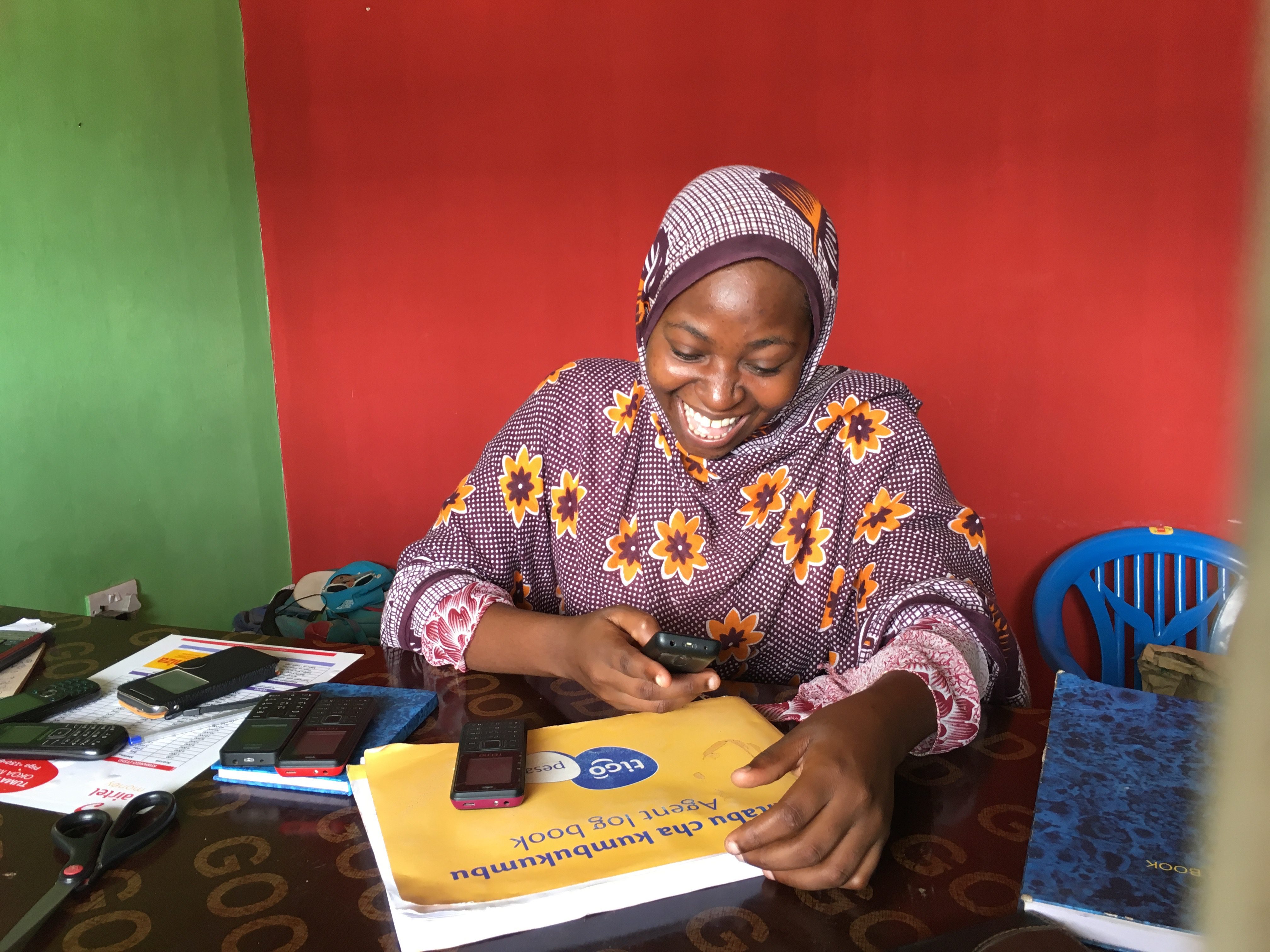
The Future of Microfinancing in Africa

microfinancing in africaAt the turn of the 21st century, new ways of combatting poverty grew in popularity. Microfinancing, a system of banking created by Mohamed Yunus, offers small loans and financial services to those without access to traditional banking means, such as the extremely impoverished and those living in rural villages. Today, many organizations such as Grameen Bank offer microfinancing services across the world. According to The U.N. African Renewal project, most microfinancing clients are in Asia, but the African sector continues to grow. Microfinancing has the potential to transforms the lives of citizens without traditional banking services across the countries of Africa, but the overall effectiveness of this relatively new financial practice is still under hot debate.

The Bright Side of Microfinancing

To proponents of microfinancing practices, the new fiscal theory provides a fresh, grassroots fix to a deeply entrenched problem that requires new solutions. The Grameen Bank, founded by Yunus, still stands by the fiscal theories created by its founder. Microfinancing from Grameen bank is called “Grameencredit” and according to the bank itself, its aim is to help poor families overcome poverty by helping themselves. It is also targeted to help poor women. The premise of microfinancing operates on the idea that with more economic independence, at-risk individuals and communities can become more powerful and self-sufficient against problems such as corruption, poverty, and women’s rights issues. To proponents of microfinance, microfinancing in Africa will allow rural villages and impoverished people to gain economic independence, which will allow them to take advantage of education opportunities and health care services.

What Needs Work

Skepticism centers around a lack of concrete data and a distrust of anecdotal evidence. The U.N. finds that current data on microfinancing shows how it can be hard to measure how micro-finance affects poverty. Proponents of microfinance usually rely on case studies and anecdotal evidence. The same UN report also cited that some question the efficacy of microfinance because small businesses don’t contribute much to the economy’s productive capabilities or structural changes. Offering small loans to poor communities will do little to move the needle in terms of a countries gross domestic produce and it won’t address federal or state-level corruption. While offering microfinancing in Africa will help families on a case by case basis, the overall effects on regional or domestic economies have yet to show conclusive evidence of structural change beneficial to the poor.

Microfinance Today

To combat the shortcomings of microfinance, many institutions that give out micro-finance loans also offer other forms of aid and assistance. The Foundation for International Community Assistance (FINCA) has operated micro-finance operations since the 1980s and continues to do so today. Along with offering traditional banking services to the poor, FINCA also provides other services as well such as mobile banking. According to FINCA financial services are not always available in developing countries, but cellphones are becoming more common. Mobile banking services provide people in rural areas the opportunity to access banking services through FINCA that were previously unavailable. Along with mobile financing options, FINCA also operates banks with “POS [point of sale] terminals equipped with biometric recognition, otherwise known as fingerprint scans. These provide better security for clients accessing their FINCA accounts. Thus, modern technologies improve access to banking institutions while also ensuring secure transactions.

Along with offering baking services that require payment such as loans, FINCA also invests money into local markets in need of attention. FINCA also invests in energy, education and agriculture through FINCA Ventures in Africa. FINCA Ventures operates a specific type of investing called impact investing, where those receiving investment need to meet certain requirements set out by the investing institution. FINCA Ventures invests in startups with clear goals and plans to make a deep social impact and create a customer base using FINCA’s network. Those that FINCA invests in must offer a service that betters a community while also giving them access to FINCA’s banking and investing services. One such company is Amped Innovation, which offers affordable solar energy powered home systems and appliances. By augmenting microfinancing in Africa with other services, FINCA can affect larger systemic issues that traditional microfinancing ignores.

Microfinance Going Forward

FINCA, as well as other microfinance firms such as Grameen Bank, try to combat the shortcomings of microfinance by offering services and investments that aim at fixing systemic problems in impoverished communities such as infrastructure and banking security. Microfinance is still in its infancy and needs to find solutions to shortcomings of the past. With additional services and time to prove its worth, microfinancing in Africa will be an effective tool in the fight against poverty.

– Spencer Julian
Photo: Flickr

August 1, 2019
https://borgenproject.org/wp-content/uploads/borgen-project-logo.svg 0 0 Kim Thelwell https://borgenproject.org/wp-content/uploads/borgen-project-logo.svg Kim Thelwell2019-08-01 08:46:412019-09-14 05:15:37The Future of Microfinancing in Africa
Development, Global Poverty

Improving Sierra Leone’s Urban Mobility


improvingsierraleonesurbanmobilitySierra Leone is a country in Western Africa that borders the North Atlantic Ocean. It contains four pronounced physical regions: the coastal swamp, the Sierra Leone Peninsula, the interior plains and the interior plateau and mountain region. Currently, about 62 percent of people in Sierra Leone live in a rural area. These villages center most of their economic activity around rice farming while Sierra Leone as a country obtains most of its economic growth through mining, primarily iron ore. By improving Sierra Leone’s urban mobility, the country will be able to increase its economy.

Many of these villages, as well as the country itself, are still recovering from the civil war that dismantled many of their institutions. In the 1980s, the government of Sierra Leone initiated a program to modernize their road system, which had been used as a railway until 1975. However, the new road system was also a victim of the aforementioned civil war. Organizations like the World Bank are improving Sierra Leone’s urban mobility by improving infrastructure.

The Integrated and Resilient Urban Mobility Project

On June 13, 2019, The World Bank introduced the Integrated and Resilient Urban Mobility Project for Sierra Leone. Their objectives are to “improve quality public transport, address climate resilience, improve road safety in selected areas and enhance institutional capacity in the transport sector.” The Integrated and Resilient Urban Mobility Project is comprised of five main sections:

  1. Modernization and Professionalization of Public Transport Services: This section will “focus on Maximizing Finance for Development (MFD) in the sector”: This section will include a bus fleet renewal scheme with private operators in order to make improvements upon the current informal operator system as well as a bus to school program. The World Bank will be providing technical assistance to strengthen the Sierra Leone Road Transport Corporation, improve capacity building and training for transport operators and install ancillary facilities.
  2. Strategic Resilient Mobility Investments: These investments will be used to “improve access, climate resilience and road safety.” With this section, the World Bank hopes to improve the connection to international markets and the ferry for pedestrians and vehicles. It also plans to improve road conditions, drainage capacity, traffic management, signalization, parking and more while taking into account the country’s strategic city plans.
  3. Building Human Capital and Institutional Capacity: Here, the aim is “to promote public transport reform and operationalize the MFD agenda.” This section focuses on enhancing logistics and strategies for the country in the long term. The World Bank plans to improve road safety and road safety databases, enhance climate resilience by assisting pre-existing sectors as well as improve academic capacity, women’s empowerment and citizen engagement.
  4. Project Management: This sector aims to improve funding for “goods and services to support project management, financial auditing, data collection, monitoring and evaluation (M&E) and operating cost.” This section will also aid in refining project management, social and environmental safeguards, grievance redress mechanisms, response to sexual exploitation and abuse efforts and mitigation of gender gaps.
  5. Contingent Emergency Response Component (CERC): CERC will “enable the rapid reallocation of funding among project components following an emergency.” With a CERC, the World Banks hopes to strengthen disaster preparedness, both natural and manmade, and strengthen the response to conflicts, epidemics and economic shocks.

The Freetown Urban Transport Authority

One way to improve urban mobility in Sierra Leone is by improving infrastructure in the country’s capital, Freetown. The World Bank is working with Adam Smith International, an award-winning global company that specializes in the delivery of projects that improve economic growth and government reform initiatives. They created a six-month project in line with the current Integrated and Resilient Urban Mobility Project, which will improve urban mobility.

Together, they developed a fully integrated mobility plan that updates regulation and planning in the urban center of Goderich and Hastings. It will work to create the Freetown Urban Transport Authority. They are working to rebuild and refurbish new and existing infrastructure to make it more sustainable and improve the roads in Freetown, the Capital of Sierra Leone.

As a country with an initially weak infrastructure and poor economy, Sierra Leone has struggled to adapt its foundation to modern needs. As a country with a higher percentage of rural areas than urban, Sierra Leone has had trouble with their transportation system. However, organizations such as the World Bank and Adam Smith International are working towards improving Sierra Leone’s urban mobility in order to provide more functional and safer streets and easier access to economic and travel centers.

– Jade Thompson
Photo: Flickr

August 1, 2019
https://borgenproject.org/wp-content/uploads/borgen-project-logo.svg 0 0 Kim Thelwell https://borgenproject.org/wp-content/uploads/borgen-project-logo.svg Kim Thelwell2019-08-01 01:30:542024-05-24 23:57:54Improving Sierra Leone’s Urban Mobility
Page 81 of 163«‹7980818283›»

Get Smarter

  • Global Poverty 101
  • Global Poverty… The Good News
  • Global Poverty & U.S. Jobs
  • Global Poverty and National Security
  • Innovative Solutions to Poverty
  • Global Poverty & Aid FAQ’s
Search Search

Take Action

  • Call Congress
  • Email Congress
  • Donate
  • 30 Ways to Help
  • Volunteer Ops
  • Internships
  • Courses & Certificates
  • The Podcast
Borgen Project

“The Borgen Project is an incredible nonprofit organization that is addressing poverty and hunger and working towards ending them.”

-The Huffington Post

Inside The Borgen Project

  • Contact
  • About
  • Financials
  • President
  • Board of Directors
  • Board of Advisors

International Links

  • UK Email Parliament
  • UK Donate
  • Canada Email Parliament

Get Smarter

  • Global Poverty 101
  • Global Poverty… The Good News
  • Global Poverty & U.S. Jobs
  • Global Poverty and National Security
  • Innovative Solutions to Poverty
  • Global Poverty & Aid FAQ’s

Ways to Help

  • Call Congress
  • Email Congress
  • Donate
  • 30 Ways to Help
  • Volunteer Ops
  • Internships
  • Courses & Certificates
  • The Podcast
Scroll to top Scroll to top Scroll to top