• Link to X
  • Link to Facebook
  • Link to Instagram
  • Link to TikTok
  • Link to Youtube
  • About
    • About Us
      • President
      • Board of Directors
      • Board of Advisors
      • Financials
      • Our Methodology
      • Success Tracker
      • Contact
  • Act Now
    • 30 Ways to Help
      • Email Congress
      • Call Congress
      • Volunteer
      • Courses & Certificates
      • Be a Donor
    • Internships
      • In-Office Internships
      • Remote Internships
    • Legislation
      • Politics 101
  • The Blog
  • The Podcast
  • Magazine
  • Donate
  • Click to open the search input field Click to open the search input field Search
  • Menu Menu

Archive for category: Development

Information and stories on development news.

Developing Countries, Development, Global Poverty, Health

Poverty and Health in Argentina

Poverty and health in argentina

Though Argentina does not suffer from the same issues of illiteracy and income inequality that other countries do, the South American nation has other problems to focus on, namely national health issues and their intersection with poverty. According to 2017 estimates, about one in every four Argentinians lives below the poverty line.

This means that many in Argentina do not have access to proper medical personnel or equipment, as well as medicine. Though this number may seem fairly standard compared to other South American countries, Argentina’s largely agrarian communities suffer from extremely limited access to sufficient education or medical facilities. As a result, even those not considered impoverished may not have the proper means to receive medical treatment, thus creating a vicious cycle of poverty’s effect on health in Argentina.

An Unstable System

Argentina’s health system is in part to blame for this issue. Argentina created a system comprised of a public and a private sector, the former of which is meant to provide all Argentinians with universal healthcare and free coverage. In theory, this seems like an advantageous idea as it is meant to directly address everyday health issues for every citizen. However, it actually perfectly exemplifies poverty’s effect on health in Argentina. The reality is that problems like regional socioeconomic disparities have caused the system to work inefficiently, meaning that those in less educated, more rural areas do not usually receive the same quality of care and coverage as those in wealthier urban communities. This unfortunate issue is quite cyclical since poorer communities simply do not have a viable way to resolve it.

Local Perspectives

Zack Tenner, a Pre-Med university student who spent a month earlier this summer working in Argentina with Child Family Health International, commented on Argentina’s health and poverty issues in an interview with The Borgen Project. “Argentina prides itself on a universal healthcare system which guarantees the ability for all citizens and tourists to see a doctor without cost. Despite its attempts to create a working and efficient system, Argentina’s emergency departments are overburdened,” said Tenner.

“The homeless and impoverished populations do not have enough access to education on how to properly use the system to their benefit, meaning that they end up being stuck with the same limited healthcare and access to medicine as before. This is definitely a timely issue that should be one of Argentina’s top priorities, as national health is a huge factor in so many different facets of everyday life.”

Rural Challenges

The flawed healthcare system is not helping poverty’s effect on health in Argentina. In more rural and agrarian communities, Argentinians are exposed to more risks of disease and injury as well. Aside from the constant risk of minor injuries from agriculture and operating machinery, diseases and viruses like Typhoid and even Zika occur in Argentina.

In other words, the Argentinians with probably the highest risk of injury or disease and subsequent healthcare and medicine are also the citizens with the least sufficient access to viable sources of healthcare. Argentina is on the right track in terms of creating a universal healthcare system.

That said, the South American nation needs to implement a more complete system that truly affords people from all walks of life with adequate medicine and treatment. Otherwise, poverty’s effect on health in Argentina will continue and, with it, a seemingly inescapable cycle.

NGO Involvement

All that in mind, there are still several NGOs focused on improving the healthcare and treatment situations in Argentina. Child Family Health International, for example, aims to increase awareness of primary care and treatment issues in Argentina by bringing in students and doctors from other countries to work with Argentinian physicians and patients. Aside from that, other larger entities such as the World Health Organization are also working to increase awareness of health issues in Argentina. This organization provides pertinent data and information regarding Argentina’s healthcare and coverage system to incite activism and aid for the South American nation.

As for organizations focused on more specific health-related issues, the AIDS Healthcare Foundation has worked since its creation in 2013 to provide support for testing and treatment of HIV/AIDS in Argentina. In fact, the organization supports seven Argentinian clinics and their nearly 12,000 patients and has performed more than 120,000 HIV tests for citizens in the last six years.

As long as organizations like these continue to create awareness and provide assistance, the healthcare and treatment situations will continue to improve, thus lessening poverty’s effect on health in Argentina.

– Ethan Marchetti
Photo: Flickr


September 1, 2019
https://borgenproject.org/wp-content/uploads/borgen-project-logo.svg 0 0 Kim Thelwell https://borgenproject.org/wp-content/uploads/borgen-project-logo.svg Kim Thelwell2019-09-01 14:12:072024-05-29 23:10:41Poverty and Health in Argentina
Children, Developing Countries, Development, Global Poverty

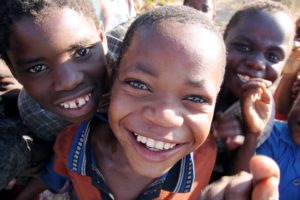
What is the Malawi Project?

The Malawi Project

Malawi Project, Inc. is a 501(c)(3), Christian, nonprofit, humanitarian organization that focuses primarily on improving the physical and spiritual health of men, women and children in Malawi. Founded in 1999 and headquartered in Indianapolis, Indiana, the Malawi Project has provided aid to Malawi in areas as diverse as education, medicine, famine relief, agriculture and community development. The Borgen Project had the opportunity to speak with Richard Stephens, co-founder of the organization about the Malawi Project’s impact to date.

The Borgen Project: Is the Malawi Project the biggest provider of humanitarian aid to Malawi?

Richard Stephens: First, allow me to give some background about the nation and people of Malawi. According to USAID, More than one-half of the country’s 17 million people live below the poverty line, and more than one-third consume less than the required daily calories, contributing to the stunting of nearly one-half of children under 5 years of age.

The agency notes, “Malawi continues to score poorly on major health indicators for maternal, infant and under-5 mortality. Eighty-five percent of households engage in agricultural activities and most rely almost exclusively on rain-fed subsistence farming that is particularly vulnerable to cyclical droughts.

These challenges are compounded by threats from the highest rates of deforestation and population growth in the region.” Only 50 percent of children complete primary school, and of those, only 60 percent successfully pass the exam to access public secondary school; only 15 percent of girls are enrolled in secondary school.” However, the Malawi Project would not be the largest provider of humanitarian aid to Malawi.

TBP: What is the organization’s biggest accomplishment?

RS: According to Dambisa Moyo, a recognized Zambian economist, in her book “Dead Aid,” developed nations delivered over $1 trillion in aid to Africa over the past 50 years. The result? Moyo notes that from 1970 to 1998 when that aid was at its peak, the unemployment picture went from a low of 11 percent in 1970 to a high of 66 percent in 1998. 

Obviously, something was wrong in the way aid was administered. The Malawi Project is proud of its stance of supplying its aid packages in such a way as to inspire creative thinking among the recipients, development of oversight and management by in-country local management, and the creation of an infrastructure to carry out their own work with little or no outside oversight or management.

The Project supports grassroots development of businesses, churches and community groups that will build up and develop the nation from within. Action for Progress is an example. Made up of business, church and community leaders from all three regions of Malawi, this not-for-project organization is taking the lead in the identification of specific need areas and the successful distribution and follow up reporting on nearly all of the aid currently being delivered to Malawi by the Malawi Project.

In the past 26 years, more than 375 forty-foot shipping containers have delivered over $300 million in aid from the Malawi Project. This aid has been delivered to every region, every religion and every walk of life. Additionally, more than 800 people have traveled to Malawi with Project teams to assist the citizens.

More than $3 million in cash infusion has been delivered in the form of locally purchased food, and through a food processing plant constructed under the sponsorship of [our organization] employing more than 100 people, purchasing raw food materials from over 1,000 Malawi farmers, and feeding over 60,000 people a day — as well as an agricultural village, inspired by the Malawi Project, is training 50 farm families a year in current agricultural practices. Additionally, a five-building, 110-bed medical complex serves the needs of people north of the capital and a 27-building childcare center takes care of more than 160 parentless children. These programs are now working independently of support from the Malawi Project and many others are in the development stage of creating this same independent approach to their future.

TBP: Does the Malawi Project ever collaborate with other humanitarian organizations? If so, could you provide some examples?

RS: Yes, the Malawi Project has teamed up with Feed the Children, Nourish the Children, USAID and the governments of Canada, Sweden, Israel, Holland and Germany to supply food and medical assistance to Malawi. Organizations such as Universal Aid and Compassionate Resources in Canada, World Emergency Relief, Amigo International, Breedlove Foods in the U.S. have supplied food, medical assistance and agricultural assistance through the Malawi Project. Hoffnung fur kinder in Germany, Children’s Hope Fund in Hong Kong and Aid to Africa in Washington D.C. have all given financial assistance. Healing Hands International has supplied technical expertise in areas of food processing and agricultural development. Proctor and Gamble, Adidas and Nike are but a sampling of corporations that have extended assistance through the donations of various products.

TBP: How many Malawians have been helped by the Malawi Project?

RS: “The number would be impossible to estimate, but one can note that medical supplies have gone into every district of the nation, to some 600 medical facilities, and school supplies and textbooks have been delivered to well over 1,000 schools and colleges throughout the nation.”

The scope of the Malawi Project work and the impact it has made in Malawi make it an excellent humanitarian organization. In fact, GreatNonprofits recognized the organization as a top-rated nonprofit in both 2017 and 2018. Yet, Stephens’ answers reveal that there is still great need throughout Malawi. Thus, he and the rest of the Malawi Project have no desire to end their work in this country any time soon.

– Jacob Stubbs
Photo: Wikimedia

August 30, 2019
https://borgenproject.org/wp-content/uploads/borgen-project-logo.svg 0 0 Kim Thelwell https://borgenproject.org/wp-content/uploads/borgen-project-logo.svg Kim Thelwell2019-08-30 01:30:452024-05-29 23:11:11What is the Malawi Project?
Development, United Nations

Top 6 Facts About Living Conditions in Palau

top 10 facts about living conditions in palau

The Republic of Palau is a tropical island country made up of more than 300 islands, of which only nine are inhabited. With the surrounding blue waters, Palau’s marine environment is among the largest and most diverse in the world. This is why supporting the life of these ecosystems is critical for healthy living conditions in Palau. The country has a relatively high standard of living compared to other Pacific Island countries but the greatest risks to living conditions are increasing impacts of climate change, such as rising sea levels. The following top six facts about living conditions in Palau concern the environment, economy and society.

Top 6 Facts About Living Conditions in Palau

  1. The government of Palau collaborated with the U.N. and created the Advancing Sustainable Resource Management to Improve Livelihoods and Protect Biodiversity in Palau project to enhance the management of sustainable resources, improve livelihoods of citizens and protect biodiversity in Palau. The project, which began in 2017 and will conclude in 2021, supports ecosystems in the context of small island life. Many national partners support the project and stakeholders from different industries can share different approaches to developing sustainable strategies.
  2. Palau is specifically dependent on foreign grants. In Palau, banks do not lend much domestically and instead, invest most of their assets abroad. A report on Palau by the International Monetary Fund, in conjunction with Palauan government officials, stated that in 2017, the loan to deposit ratio remained low at 12.2 percent. Credit to the private sector stood at 11.9 percent of GDP, despite an increase in domestic credit of 15.4 percent.
  3. Palau is an independent and sovereign state but is in free association with the U.S., which provides Palau with defense, funding and access to social services. Though this has helped levels of development in the country, the dependency could pose a risk if Palau stopped receiving foreign assistance. To manage the economy more closely, the government established the first Palauan financial bodies in the early 21st century.
  4. Education is mandatory for children in Palau between the ages of 6 and 14. The Ministry of Education has created a Palau College and Career Access Program that assists Palauan kids with college and career planning. For example, it hosts a database, Kuder, which allows students to explore different career pathways based on their interests and skills.
  5. The Palau Ministry of Education, both independently and in accordance with the U.S., offers scholarships and grants to Palauans who want to further their education abroad since the country has no higher education institutions. Additionally, the Palau National Scholarship Board created the Palau Fellowship Program to encourage Palauan university students to return to help the Republic and become leaders in their community. In 2019, 26 students were awarded the fellowship to intern at a Palauan organization relevant to each student’s career interests.
  6. Rural communities depend on small-scale agriculture, fishing and selling goods to sustain their livelihoods. Nonprofits like the Palau Conservation Society work to sustain both the citizens and the environmental heritage of Palau. One of its programs, the Conservation and Protected Areas Program, trains Palauans in community-based action to establish management plans and manage conservation sites of their own.

These top six facts about living conditions in Palau present the many challenges the Republic faces but also the solutions and strategies that have been created as a result. As Palau moves into the future, its government, in collaboration with the U.S., is making strides, especially in protecting the country from possible ecological threats and in offering more opportunities to young Palauan students.

– Melina Benjamin
Photo: Flickr

August 30, 2019
https://borgenproject.org/wp-content/uploads/borgen-project-logo.svg 0 0 Kim Thelwell https://borgenproject.org/wp-content/uploads/borgen-project-logo.svg Kim Thelwell2019-08-30 01:30:212024-05-29 23:11:03Top 6 Facts About Living Conditions in Palau
Development, Global Poverty

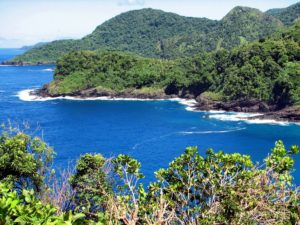
3 Projects That Reduce Poverty In Samoa

Projects Reducing Poverty in Samoa
A little more than 18% of the Samoan population lives below the national poverty line. However, poverty in this nation is relative, with many suffering from the poverty of opportunity. Those living in rural areas are less likely to have access to education, clean water and health care. This lack of resources heavily contributes to poverty in Samoa. However, the country has made significant strides in the past decade. The poverty rate continues to fall from a high of 26.9% in 2008 with the help of projects that reduce poverty in Samoa.

3 Projects That Reduce Poverty in Samoa

  1. Catalyzing Women’s Entrepreneurship: The United Nations Economic and Social Commission for Asia and the Pacific (ESCAP) helped launch a five-year effort to support the growth of women entrepreneurs. This strategy will aid poverty reduction, social well-being and sustainable economic growth. Currently, an estimated 24% of women in Samoa are involved in entrepreneurial activities. Yet, female entrepreneurs still face many obstacles to starting and operating their businesses. Access to finance is limited, and many women lack knowledge of the registration and tax procedures necessary to start or formalize their business. Identifying and overcoming these barriers will be vital to catalyzing women’s entrepreneurship in the country.
  2. Pacific Adaptation to Climate Change and Resilience Building (PACRES): Beyond the stunning natural beauty of the Pacific Islands, these countries are battling their fair share of economic and environmental issues, many of which are directly related to their status as Small Island Developing States (SIDS). SIDS are particularly vulnerable to natural disasters such as cyclones, floods and landslides. With most of the population and assets concentrated along the coastline, any one of those events can threaten both human lives and fragile economies. Climate change is exacerbating the situation, bringing more frequent and intense weather events, higher temperatures and rising sea levels. Pacific Island Forum Leaders have repeatedly identified climate change as the single greatest threat to the livelihoods, security and well-being of the peoples of the Pacific. Samoa is one of 15 pacific island countries that are a part of this project under the Intra-African Caribbean Pacific (ACP) Global Climate Change Alliance Plus (GCCA+) Program. The group aims to strengthen adaptation and mitigation measures at the national and regional level and support partner countries in climate negotiations. Additionally, the project efforts will improve information sharing and develop national capacity to address environmental challenges and build disaster resilience through enhanced training, studies and research opportunities. Finally, PACRES will strengthen networks, share knowledge and engage the private sector to address changing weather and build disaster resilience.
  3. Samoa Agriculture Competitiveness Enhancement Project: Across the Pacific, people’s diets have changed dramatically over recent years. Fast food, flour and fizzy drinks are common on restaurant tables and supermarket shelves. Corned beef, imported cereals and fatty meat imports have become staple parts of the local diet. Aside from significant public health concerns, high dependence on food imports can come at a heavy expense, particularly given the distance of pacific island countries from larger markets. High dependence on global commodity markets to meet basic needs also leaves people vulnerable when global prices spike. However, in Samoa, there are signs that things are slowly changing. More restaurants in Apia—one of Samoa’s major cities—seem to be taking pride in selling traditional Samoan cuisine with local produce. A recent recipe book, produced at the request of the Prime Minister, features an array of healthy Samoan dishes, while health promotion efforts look to inspire a growing interest in the origins of the food on people’s plates. Sponsored by the World Bank Group, the Samoa Agriculture Competitiveness Enhancement Project is working with farmers not only to increase their income but also to ensure that local produce captures a growing share of the domestic food market. It seems that the market is ripe for high-quality local food that is distinctly Samoan. With the right support, and with partners such as the Small Business Enterprise Centre and the Development Bank of Samoa, the project aims to ensure farmers can take advantage of open opportunities to connect with buyers, improve the value of their goods; and increase the market for fresh, healthy and ultimately local produce.

Together these projects that reduce poverty in Samoa are good for the economy and ultimately good for Samoa and could set an important precedent for greater self-sufficiency in Pacific island countries.

– GiGi Hogan
Photo: Pixabay

August 30, 2019
https://borgenproject.org/wp-content/uploads/borgen-project-logo.svg 0 0 Kim Thelwell https://borgenproject.org/wp-content/uploads/borgen-project-logo.svg Kim Thelwell2019-08-30 01:30:132024-05-29 23:12:263 Projects That Reduce Poverty In Samoa
Developing Countries, Development, Education, Global Poverty, Health

6 Facts About Brazil’s Indigenous Population

 Brazil’s indigenous population

Brazil’s indigenous population includes nearly 900,000 people and more than 300 unique groups. They face a litany of issues including discrimination, threats to their native lands and extreme poverty. Here are six facts about Brazil’s indigenous population.

6 Facts About Brazil’s Indigenous Population

  1. Indigenous people can be found living in areas ranging from Brazil’s cities to remote regions of the Amazon rainforest. Totaling over 300 groups, they represent a diverse and varying subsect of the Brazilian population. Depending on a group’s culture, history or location, they encounter different problems and require separate solutions. This is essential to keep in mind when discussing issues facing Brazil’s indigenous population as a whole.
  2. Indigenous Brazilians endure severe forms of discrimination and prejudice. As recently as the 1960s, there was a coordinated effort to eradicate Brazil’s indigenous population entirely. The “Figueiredo report” details the genocide, torture, rape and enslavement of indigenous people during a 30 year period. Today, the period’s brutal legacy lives on. “It’s a shame that the Brazilian cavalry wasn’t as efficient as the Americans, who exterminated their Indians,” Brazil’s recently elected president Jair Bolsonaro once said.
  3. Due to discrimination, Brazil’s indigenous population’s access to education and health care is limited compared to their non-indigenous compatriots. A 2008 United Nations report highlighted the low education and health standards endured by this population. Additionally, reports allege that they are often denied care by public health services due simply to their affiliation with indigenous groups.
  4. Many of Brazil’s indigenous population have been crowded into reservations that are constantly shrinking in size. Brazilian businesses and the government have partnered to continue deforestation of the Amazon, which is home to many indigenous tribes. The largest tribe left is the Guarani, with roughly 51,000 members, but most of their land has been replaced by cattle farms and sugar cane plantations. Armed bands of “grileiros” have recently launched attacks on indigenous communities, pushing them further into the Amazon, burning the rainforest, and planting grass for cattle. The NGO Repórter Brasil published a report in 2019 that found that 14 indigenous communities are currently being invaded or are seriously threatened by one.
  5. These conditions have led to a reality where many of Brazil’s indigenous population live in extreme poverty. While no official count exists, it is widely maintained that indigenous groups face poverty at a much higher rate than the rest of Brazil.
  6. NGOs such as Survival International and Cultural Survival provide hope for Brazil’s struggling indigenous population. These NGOs attempt to lobby international organizations and human rights groups on issues of indigenous concern, such as the issues outlined above. Both groups identify international action as the only viable path left for indigenous Brazilians. Cultural Survival works with indigenous groups to develop media and advocacy projects; thus far, the organization has invested $2.5 million into indigenous groups. Further, the team actively trains members to become community radio journalists, allowing for indigenous groups to have a voice in the media.

Pushed from native lands and facing serious threats to life, many members of indigenous groups are doing what they can to survive in a nation often hostile and violent towards them. “Today, we are seeing the biggest attack on our rights in Brazilian history,” said indigenous lawmaker Joênia Wapichana.

– Kyle Linder
Photo: Flickr


August 29, 2019
https://borgenproject.org/wp-content/uploads/borgen-project-logo.svg 0 0 Jennifer Philipp https://borgenproject.org/wp-content/uploads/borgen-project-logo.svg Jennifer Philipp2019-08-29 09:13:582024-05-29 23:12:556 Facts About Brazil’s Indigenous Population
Development, Economy, Global Poverty, Women's Rights

Five Facts About Development in Tajikistan

development in Tajikistan

Tajikistan is a country located on the frontiers between Europe and Asia. This largely unheard of, mountainous country has a population of more than 8.6 million with an average GDP per capita of around $3,200, placing it near the bottom of the global ranking. However, over the past few years, the GDP of Tajikistan has grown between 6 and 7 percent. This article will address five facts about development in Tajikistan, including the challenging areas and opportunities that the country faces.

Five Facts About Development in Tajikistan

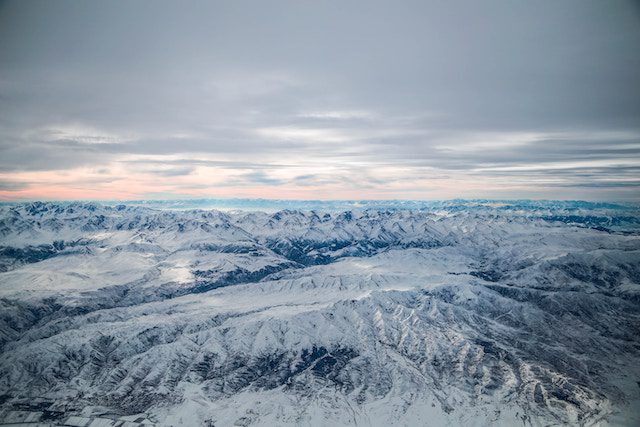
  1. Geography: Tajikistan’s geography is impugning its development since more than 90 percent of the country is mountainous. If fact, much of the land lies above 3,000 meters in altitude. Subsequently, the population is largely rural and widely dispersed, complicating infrastructural developments. However, as a result of this landscape, the majority of Tajikistan’s electricity production comes from hydroelectric power. The system is still largely inefficient though, especially in winter months. Users reporting shortages up to 70 percent of the time in winter months. Recent efforts have sought to address the gaps in provisions. In March 2019, the World Bank agreed to finance the rehabilitation of the Nurek Hydropower Plant, which generates 70 percent of the country’s energy demand. The rehabilitation should increase the plant’s winter generation by 33 million kWh, allowing it to meet winter energy demands and become a net exporter of energy in summer periods.
  2.  Government Policy: According to the U.S. State Department, Tajikistan is a country of ‘high risk’ but ‘high reward’ investment. Despite its consistent low ranking on the Freedom House Index, which measures civil and political rights, continual economic reforms have increased its Economic Freedom and promoted more investment. These reforms helped Tajikistan officially join the WTO at the end of 2013 after the changes made in property and investor rights. The 2019 ‘Doing Business’ World Bank report stated that Tajikistan had increased its rank overall by taking steps to participate more in the regional economy. Through the Simplified Customs Corridor agreement, Tajikistan has improved customs clearance with Uzbekistan. Based on the international classification, the poverty rate is projected to fall to 12.5 percent by 2020.
  3. Labor Migration: Due to the lack of employment opportunities, Tajikistan has a negative net migration rate, meaning that there are more people leaving the country than entering it. Most of the migrants are working-age men going to work in Russia. In 2015, worker’s remittances accounted for around 29 percent of Tajikistan’s GDP. But, this dependency means that Tajikistan’s fiscal health dropped from 95.8 percent to 60.3 percent in the period from 2016 to 2017 as a result of Russia’s economic downturn. To increase the opportunities for the workforce, the International Labour Organization has launched a pilot project aimed at strengthening National Skills Development systems as part of the ‘G20 Training Strategy’. Although it only has 1,460 participants so far, the updated frameworks could help increase Tajikistan’s current low productivity.
  4. Gender Disparities: In Tajikistan, women face a number of barriers to succeed economically, gain access to education, find employment or receive healthcare. They receive fewer years of schooling than their male counterparts and earn approximately 60 percent of what men do. However, with a migrating male workforce, female participation in the economy could be beneficial for economic development in Tajikistan. With help from funding from U.N. Women, the Tajikistan National Business Association for Women runs a number of training programs to improve employment opportunities for women. From 2015 to 2018, 3,200 women received training in business and 2,200 women received training in vocational areas. The organization also runs a bi-annual women-only entrepreneurship competition, which received more than 700 applications in both 2016 and 2018.
  5. Border Problems: Tajikistan shares a 750-mile long border with Afghanistan, one of the world’s largest opium producers. Consequently, illegal drug trafficking in Tajikistan is estimated to be worth around 30 percent of the GDP. However, the Project for Livelihood Improvement in Tajik-Afghan Cross-border Areas (LITACA) is one of a number of projects seeking to enhance cross-border cooperation between Tajikistan and Afghanistan, especially for women entrepreneurs. The Government of Japan finances this initiative, and the UNDP Tajikistan implements it in order to add stability and security to the region and ease border tensions. This program introduced around 25 socio-economic projects between 2014 and 2017, boosting economic growth to 45,000 people on both sides of the border. The project improved direct access to “schools, hospitals, irrigation, drinking water, energy supply, roads and bridges” for more than 388,000 people.

Tajikistan faces a number of barriers to its economic development. However, these five facts about development in Tajikistan show that important work is being done. There are many opportunities for growth. Economic reforms and continued investment could change the lives of the hundreds of thousands affected by poverty.

– Holly Barsham
Photo: Unsplash

August 29, 2019
https://borgenproject.org/wp-content/uploads/borgen-project-logo.svg 0 0 Kim Thelwell https://borgenproject.org/wp-content/uploads/borgen-project-logo.svg Kim Thelwell2019-08-29 07:30:382024-12-13 18:01:53Five Facts About Development in Tajikistan
Development, Global Poverty

The Impact of Feed the Future in Kenya

Feed the Future in Kenya
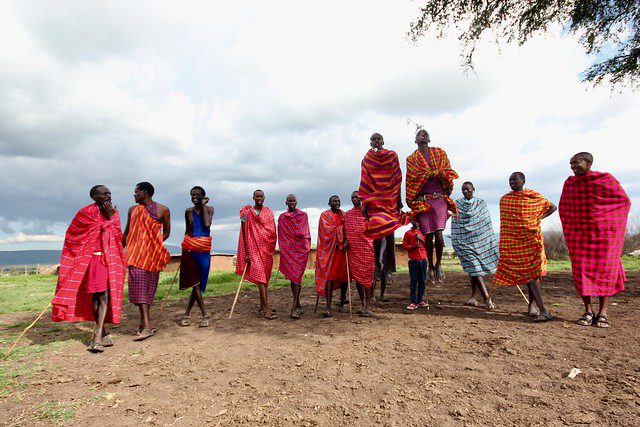
As of 2018, the Republic of Kenya had a total population of around 51 million people with a growth rate of 2.6 percent. About 25 percent of the nation’s population lives in urban areas and major cities while the majority of Kenyans live in rural and sub-urban areas. Because of this, one would assume agriculture would provide a steady income for most families, but the agricultural sector in Kenya hosts a variety of challenges.

Kenya’s Employment Challenges

While agriculture does contribute one-third of the nation’s GDP, many issues prevent farmers from turning a decent profit. Aside from the fact that only 9.5 percent of Kenya’s total land area is arable, many Kenyans simply lack the monetary resources to expand their businesses. In fact, Oxford University’s poverty index finds that around 50 percent of Kenyans live below the poverty line.

Rural Kenyans, like citizens of many other African countries, rely on subsistence farming—meaning they farm just to feed themselves and their families. In times of crop failure, even simply feeding one’s household can be a challenge, much less producing viable crops to sell. In spite of this, Kenya’s entrepreneurial middle-class keeps growing, and many nonprofits and aid assistance programs are jumping at the chance to see that that growth continues.

Feed the Future in Kenya

One such organization is USAID’s Feed the Future program; the Feed the Future initiative, as described on their website, “brings together partners from across various sectors and the U.S. Government to use each of our unique skills and insights in a targeted, coordinated way to help countries that are ripe for transformation change the way in the way their food systems work.”

Nkamathi Farm Products

An example of how Feed the Future in Kenya has positively impacted the nation’s population can be found in the success of Nkamanthi Farm Products. The founder of the company, Lydia Kanyika, saw how poverty and low education limited opportunities for young people in her community to find meaningful work. Hoping to create positive change in her world, she applied to and won a Feed the Future business development grant. The grant is awarded to select businesses based on four key elements: their marketing plans, ability to create markets, ability to generate employment opportunities and their ability to increase productivity along the livestock value chain in Northern Kenya.

Kanyika used her grant to expand her small business by upgrading her wooden chicken house to a modernized coop. This simple change has not only allowed her to increase the number of chickens she kept from 300 to 2,500 but also grow her farm’s production by 243 percent. Perhaps most amazing of all is how contagious her success was on her community.

The Ripple Effects

Through the expansion of her company, Kanyika has mentored more than 50 young Kenyans and provided them with employment opportunities that help them support their families. One of her employees, Martin Mwenda, gladly shared his business success with representatives from Feed the Future in Kenya. When he first began earning income from distributing eggs from Kanyika’s chickens, he told the project that he only sold five cartons of eggs each day. As Nkamanthi Farm Products grew, so did his clientele; he now sells 25 cartons daily, which provides him with a steady and consistent revenue.

“I want to expand the egg business,” he told Feed the Future. “I will then use the business to create employment opportunities for fellow youth, especially those who have migrated from rural areas to Isiolo town to make ends meet, like I did.”

The Future of Agriculture

While Kenya’s middle class continues to struggle for more open markets and trade, investment and financial freedoms, aid programs like Feed the Future are slowly but surely helping Kenyans expand their personal businesses, which in turn spreads more employment opportunities across the country.

– Haley Hiday
Photo: Flickr

August 28, 2019
https://borgenproject.org/wp-content/uploads/borgen-project-logo.svg 0 0 Kim Thelwell https://borgenproject.org/wp-content/uploads/borgen-project-logo.svg Kim Thelwell2019-08-28 01:30:452019-10-23 14:14:07The Impact of Feed the Future in Kenya
Advocacy, Developing Countries, Development, Global Poverty

Financial Inclusion Through Technology

financial inclusion through technologyIn 2018, 1.7 billion adults worldwide, nearly 1 adult out of 3, still live without basic financial transaction accounts.

For the 1.2 billion people who did open financial accounts between 2011 and 2018, the problem is that many do not actively use their account. For example, in India’s initiative of financial inclusion in the early 2010s, nearly 90percent of the 100 million accounts opened are dormant, unused, or closed.

These are some of the daunting statistics that pose key challenges for universal financial inclusion by 2020 set by the World Bank. The goal is clear: getting people to open and maintain financial accounts.

Why Financial Inclusion?

Before discussing the mechanics of reaching universal financial inclusion, particularly for impoverished people in developing countries, why the push for financial inclusion at all?

The World Bank has released several studies that closely link poverty reduction, economic growth, and access to digital or physical financial services. In particular, for developing countries, empowering small farmers, merchants, and villages through financial stability and services can significantly improve their livelihood and economic security.

Additionally, financial inclusion, particularly through less formal means such as through microfinance or rotating savings and credit associations, has a key role in reducing social inequality for rural, poorer populations and women in developing countries.

What Are The Solutions?

Particularly in Southeast Asian countries, such as Indonesia and the Philippines, digital solutions to financial inclusion prove most successful. For example, a financial company in the Philippines, PayMaya, has opened doors to people across the country to allow new, emerging payment methods using QR codes. WeChat pay have partnered with a variety of businesses and mom-and-pop styled stores.

This strategy has worked, in part, due to the prevalence of smartphones in Philippines. The number of mobile phone users in the Philippines reached 74.2 million (out of a population 108.2 million), around 70 percent of the country’s population. PayMaya has also utilized the network of local vendors and merchants in the Philippines, which makes their service convenient and credible to impoverished populations who trust local merchants they have been going to for years.

Success in Indonesia

Indonesia is another success story of digital financial inclusion. For example, by making their G2P programs digital, welfare recipients receive payments directly to their digital accounts, which demonstrates the power that technology can have in reducing transaction costs and increasing convenience for those in need. Indonesia also has the regulatory framework to house a thriving banking industry and network of mobile operators. Indonesia has identified that 119 million adults are still excluded from financial services, but that, 100 million out of the 119 are smartphone users. So, the continued path forward for financial inclusion in Indonesia will be increased digitization of financial services.

What Is The Future of Financial Inclusion?

The examples of Indonesia and the Philippines shed light on broader discussions about financial inclusion from governmental organizations like the World Bank and companies like the International Finance Corporation. The success of Indonesia’s and the Philippines’ financial inclusion depends on lowering regulatory barriers, making financial options attractive and convenient, especially to poorer populations, and establishing strong social networks throughout the country.

Significant Barriers

These are exactly the barriers to reaching the last 1.7 billion excluded people, who are predominantly in developing countries. These populations often do not have enough money to open a bank account, lack the financial literacy to maintain a bank account, or simply do not trust brick and mortar institutions that do not have particular incentives to penetrate rural markets. Less formal means, such as microfinance or rotating savings and credit associations (ROSCAs), are more attractive because these systems pool money between trusted individuals, often friends or family, and allow people to save and borrow smaller amounts of funds that would not be enough to open a bank account.

World Bank Efforts

The World Bank has targeted several categories to develop over the coming years, such as creating a regulatory environment to enable access to transaction accounts, drive government-based solutions and programs for transaction accounts, focus on the disadvantaged, such as rural families and women, and digitize payments. The World Bank has identified 25 priority countries where nearly 70 percent of all financially excluded people live worldwide and are on track to reach 1 billion opened accounts by 2020.

From a corporate standpoint, PayMaya shows that financial inclusion offers a new, emerging market for financial and fintech companies, who have an economic incentive and profit motive for tapping into developing countries and helping to improve access to financial services. Digital finance has the potential to reach over 1.6 billion new retail customers in developing countries, with potential profits from the aggregate market estimated to be an astounding $4.2 trillion.

With both political will and economic incentive, the way forward seems clear: invest in digital solutions that partner with local networks and that work to tailor to the preferences of poorer populations, who may have low financial literacy and may mistrust large, corporate institutions.

– Luke Kwong
Photo: Flickr

August 26, 2019
https://borgenproject.org/wp-content/uploads/borgen-project-logo.svg 0 0 Kim Thelwell https://borgenproject.org/wp-content/uploads/borgen-project-logo.svg Kim Thelwell2019-08-26 12:54:442019-09-08 09:36:38Financial Inclusion Through Technology
Development, Global Poverty

Fighting Poverty Through Sustainable Energy in Africa

sustainable energy in africaSustainable energy has become one of the most significant challenges and focuses worldwide over the past several decades. As most of the world begins to shift away from traditional biofuels, like coal and gasoline, other sources of energy, such as wind, solar and hydropower, have taken up a more significant share of the world’s energy production. The share of traditional sources has decreased from its peak of 81 percent in 2000 to roughly 65 percent by 2016; meanwhile, the share of wind energy has increased from 0.2 percent in 2000 to closer to 6 percent. Though this is a slow rate of progression, it demonstrates that most of the world is steadily moving further towards renewable energy sources. Sustainable energy in Africa is growing as governments push for more sustainable energy and is helping impoverished communities by increasing employment.

Pushing for Sustainability

Sustainable energy in Africa has seen significant boosts in recent years. One country making particularly significant strides in sustainable energy in Africa is Kenya. With a renewable energy rate of about 73 percent, Kenya is making efforts to retain sustainability. In fact, the largest wind farm in Africa just recently completed construction in Lake Turkana, Kenya. The facility has been under construction since 2014, and with a total of 365 wind turbines, it will mark a significant boost toward sustainable energy both in Kenya and in Africa as a whole.

In fact, Kenya is making an official, concerted effort towards becoming 100 percent green energy powered by 2020. Kenya’s president, Uhuru Kenyatta, has made clear his commitment to expanding renewable energy in Kenya and has gained support from other developed nations to help invest in those projects in Kenya. Investments have led to increases in wind, solar and hydroelectric power projects over the past 10 to 15 years, with many such facilities doubling in number. Reliance on low-emission geothermal energy has also risen sharply, with Kenya ranking ninth in the world in how much power it generates from geothermal energy.

Sustainable Energy and Fighting Poverty

Aside from being environmentally conscious, renewable energy facilities also markedly increase employment. More sustainable energy in Africa can help people out of poverty. Kenya’s pushes towards wind and solar energy have led to the direct employment of 10,000 workers. Not only that, but access to electricity from these projects has also allowed some 65,000 additional people to seek out and obtain jobs elsewhere, which they could not have found without the use of electricity. The number of workers employed in the sustainable energy sector is also expected to increase by 70 percent by 2022-2023. Similarly, in Nigeria, it is expected that sustainable energy will create 52,000 jobs by that same timeframe.

It is evident that sustainable energy in Africa will drive the future of countries like Kenya and Nigeria, and assist with uplifting people both directly via increased employment and indirectly due to expanded access to clean electricity. These industries will increase not only sustainable sources of energy, but will create a sustainable economy and a sustainable population that will not succumb to the negative impacts of unemployment and poverty.

– Jade Follette
Photo: Flickr

August 26, 2019
https://borgenproject.org/wp-content/uploads/borgen-project-logo.svg 0 0 Kim Thelwell https://borgenproject.org/wp-content/uploads/borgen-project-logo.svg Kim Thelwell2019-08-26 01:30:482019-09-04 14:21:53Fighting Poverty Through Sustainable Energy in Africa
Development, Global Poverty, Health

7 Facts About Overpopulation in Brazil

ethnically and culturally diverse country

Brazil is located in South America and neighbors every country within the continent except for Chile and Ecuador. It has the largest number of Portuguese speakers in the world and is known as one of the most ethnically and culturally diverse countries in the world. Since the 1930s, immigrants from many countries have become the backbone of Brazil. Although the country’s growth does not necessarily cause poverty, there is a correlation between overcrowdedness and population growth in specific regions of the country that are poor. Here are seven facts about overpopulation in Brazil.

7 Facts About Overpopulation in Brazil

  1. Brazil is currently the most populous country in South America and the fifth-most populated country in the world with 212.41 million people. The current growth rate is 0.75 percent per year. Although the population is dense on the east coast, the central and western parts of Brazil are vastly less populated than these regions. Brazil is ranked sixth in the world in population density with about 24 people per unit area.
  2. Brazil is home to the most expensive cities in the Americas. In addition, São Paulo is ranked as the world’s 10th most expensive city and Rio de Janeiro is ranked as the 12th most expensive city in the world. Of note, 81 percent of Brazil’s population lives in urban areas. Purchasing an apartment in urban Brazil is estimated at $4,370 per square meter. Owning an apartment in these areas is more expensive than owning one in New York City, which is ranked as the 32nd most expensive city.
  3. More than 50 million Brazilians live in inadequate housing. São Paulo is the most populous city in Brazil, South America, the western hemisphere and is even the 12th most populous city in the world. Forty percent of Sao Paulo’s population experience poor living conditions and the poverty rate stands at 19 percent.
  4. There are about 1,600 favelas, or slums, in São Paulo and more than 1,000 in Rio de Janeiro. Rocinha is the largest favela community within Rio de Janeiro. Although the 2010 census reports only 69,000 people living in Rocinha, there are actually between 150,000 and 300,000 inhabitants. The population density in Rocinha is crammed with 100,000 people per square kilometer compared to Rio de Janeiro’s city proper 5,377 people per square kilometer.
  5. Communities like Rocinha in Rio de Janeiro also have high crime rates. There are roughly 37 murders per 100,000 people. In comparison, cities such as London have less than two murders per 100,000 people.
  6. In Brasilia, there are 25 million people who lack access to improved sanitation. Although the country possesses 20 percent of the world’s water, there are still 5 million people who lack access to safe drinking water. In addition, 83 million people who are not connected to sewage systems which have caused many odors and health risks. Habitat Brazil has been working to improve access to clean water for those families who live in extreme poverty. In order to solve this problem, Habitat Brazil is repairing and enlarging roofs and building cisterns for collecting and storing water. This will provide access to safe and usable water for hundreds of families. In addition, Habitat Brazil has constructed 30 water reservoirs. Each reservoir stores 16,000 liters of water. This makes it possible to capture the 200mm of rainwater that falls during the year.
  7. One of the top facts about overpopulation in Brazil happens to be the housing deficit which stands at between 6 and 8 million houses. Low-income families account for 73.6 percent of the housing deficit population. Projects such as the Sustainable Social Housing Initiative Project (SUSHI) and the My House, My Life Brazil Project (Habitat for Humanity) are fighting the country’s sustainability crisis. My House, My Life has already provided 2.6 million housing units for 10.5 million low-income Brazilians. It is currently building 685 houses in two states of Brazil. It is also expected that 100 families in Sao Paolo will have their houses repaired and improved through Habitat Brazil.

– Francisco Benitez
Photo: Flickr

August 25, 2019
https://borgenproject.org/wp-content/uploads/borgen-project-logo.svg 0 0 Kim Thelwell https://borgenproject.org/wp-content/uploads/borgen-project-logo.svg Kim Thelwell2019-08-25 01:30:032024-05-29 22:42:367 Facts About Overpopulation in Brazil
Page 79 of 163«‹7778798081›»

Get Smarter

  • Global Poverty 101
  • Global Poverty… The Good News
  • Global Poverty & U.S. Jobs
  • Global Poverty and National Security
  • Innovative Solutions to Poverty
  • Global Poverty & Aid FAQ’s
Search Search

Take Action

  • Call Congress
  • Email Congress
  • Donate
  • 30 Ways to Help
  • Volunteer Ops
  • Internships
  • Courses & Certificates
  • The Podcast
Borgen Project

“The Borgen Project is an incredible nonprofit organization that is addressing poverty and hunger and working towards ending them.”

-The Huffington Post

Inside The Borgen Project

  • Contact
  • About
  • Financials
  • President
  • Board of Directors
  • Board of Advisors

International Links

  • UK Email Parliament
  • UK Donate
  • Canada Email Parliament

Get Smarter

  • Global Poverty 101
  • Global Poverty… The Good News
  • Global Poverty & U.S. Jobs
  • Global Poverty and National Security
  • Innovative Solutions to Poverty
  • Global Poverty & Aid FAQ’s

Ways to Help

  • Call Congress
  • Email Congress
  • Donate
  • 30 Ways to Help
  • Volunteer Ops
  • Internships
  • Courses & Certificates
  • The Podcast
Scroll to top Scroll to top Scroll to top