Everything You Need to Know about NEPAD
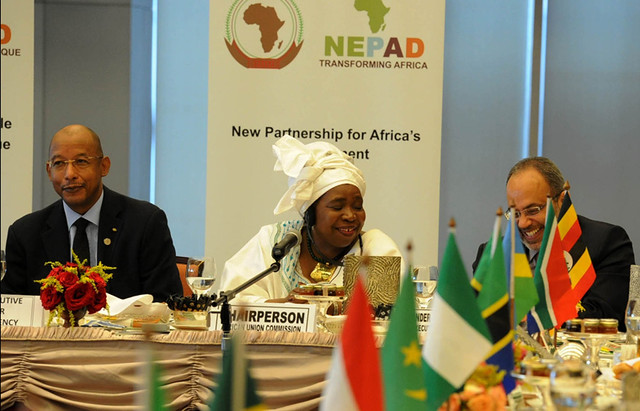 The New Partnership for Africa’s Development (NEPAD) aims to reduce poverty through sustainable development and empowering women. In 2001, African Heads of State and Government of the Organisation of African Unity (OAU) adopted NEPAD. A year later, the African Union ratified the framework for pan-African socio-economic development.
In 2008, the United Nations drafted a resolution to ensure that the Member States were committing to addressing and assisting with the developmental needs of Africa. The resolution includes specific recommendations on addressing and implementing these commitments.
Main Goals of NEPAD
There are six “themes” to these recommendations, and since the implementation, several changes have been made, significantly improving life for millions across Africa. The themes and some of their benefits are as follows:
- Improving agriculture and food security- At the 24th summit of the African Union, held in 2014, NEPAD committed to doubling agricultural productivity on the continent. At the same summit, NEPAD launched the Africa Climate-Smart Agriculture Alliance. This program aims to help 25 million farmers learn about sustainable agricultural practices.
- Managing natural resources– NEPAD has given $1.2 billion to help preserve land in Africa. Since the launch of this partnership, half of all African countries have pledged to conserve and protect at least 10 percent of their land. This helps provide environmental stability in various regions. In fact, two-thirds of African countries have either completed an action plan to ensure environmental stability or are in the process of completing it. This will lead to a decrease in natural disasters and hope for integration and infrastructure.
- Integrating the region and expanding infrastructure- NEPAD has given over 70 grants to improve transportation, energy, technology, and water management. The plan is to connect Niger, Nigeria, Benin and Burkina Faso, as well as Burundi and Rwanda, Benin, Togo and Ghana, Kenya and Uganda and many more. This would make it significantly easier for states to interact with each other and exchange goods.
- Increasing human development- NEPAD is investing in improving access to health care and treatment of HIV/AIDS. This is being facilitated by making information about the diseases more readily available and by providing nevirapine, a life-saving medication for prevention and treatment of the diseases. The future of Africa lies with its children, therefore it is critical to improving access to education. NEPAD is working to redistribute government funds ensuring that children and schools remain a priority. It also aids in equipping schools with clean water and sanitation systems.
- Protecting economic growth and fair governance- Over the past decade, several diverse partners have joined in efforts to improve the African economy. Since the implementation of NEPAD, African economies have begun receiving significant financial aid globally. Aid comes from countries like Brazil, Russia, India, China, Korea and Turkey. The Netherlands, Denmark, Luxembourg and Norway are huge supporters of NEPAD. These countries invest 0.7 percent of their gross national income towards U.N.-led development efforts. NEPAD has set the standard that 70 percent of the population in any given African country must view its governments as impartial and free of corruption.
- Assisting with cross-cutting issues (like creating gender parity, capacity development and technology)- sub-Saharan Africa was reported to have some of the lowest rates of gender parity in the world. However, NEPAD implements programs focusing on reforming laws, making education more accessible to women and women, social and economic justice. Through these programs, thousands of women have become politically active and aware in all areas of their lives. In addition, thousands of aspiring scientists have been able to receive a higher education thanks to NEPAD funds. This is critical to the future of the continent, as increasing knowledge of technology can allow for cut back on reliance on natural resources; therefore allowing them to compete with more developed nations.
Charlie Fiske, a former officer with the Peace Corps, praises the efforts of NEPAD, especially in its investments in infrastructure. However, he also stresses the importance of expanding upon these efforts. Fiske told The Borgen Project, “NEPAD is an excellent start to creating sustained stability in Africa, but it’s not nearly enough. I cannot stress enough how important it is to provide aid to the people of Africa. There are over a billion people on that continent, a billion lives that could be just drastically improved by some simple funding.”
– Gillian Buckley
Photo: Flickr
