• Link to X
  • Link to Facebook
  • Link to Instagram
  • Link to TikTok
  • Link to Youtube
  • About
    • About Us
      • President
      • Board of Directors
      • Board of Advisors
      • Financials
      • Our Methodology
      • Success Tracker
      • Contact
  • Act Now
    • 30 Ways to Help
      • Email Congress
      • Call Congress
      • Volunteer
      • Courses & Certificates
      • Be a Donor
    • Internships
      • In-Office Internships
      • Remote Internships
    • Legislation
      • Politics 101
  • The Blog
  • The Podcast
  • Magazine
  • Donate
  • Click to open the search input field Click to open the search input field Search
  • Menu Menu

Archive for category: Development

Information and stories on development news.

Children, Developing Countries, Development, Education, Global Poverty, Health

The Vietnamese Water Crisis

vietnamese water crisis
Vietnam, a southeastern Asian country whose coastline stretches 12 nautical miles, imminently struggles with providing clean water to those living there. The country has over 2360 rivers and about two-thirds of its population resides near one of Vietnam’s three water basins. Even so, most of this aquatic supply is unusable and undrinkable. The ongoing Vietnamese water crisis is so threatening that it is a focal point of national policy and international concern.

Background

Both government and industrial issues exacerbate the Vietnamese water crisis. Poor regulation coupled with irresponsible handling of waste has led Vietnam’s ponds, lakes, and canals to shortages and contamination.

In March of 2018, the Coalition for Clean Water and the Centre for Environment and Community Research released a report detailing how industry has altered the water quality in Vietnam. The report revealed that about 70 percent of waste released from industrial parks is directly released into the environment. These tainted waters carry dangerous chemicals and cause illnesses.

The World Bank’s estimations concerning the crisis show that it is no diminutive issue. The organization notes that rising threats against Vietnam’s water supply could reduce the nation’s GDP by six percent by the year 2035. Pollution presents itself as the biggest hazard to water basins, which drain into water outlets all over the country. In the most highly polluted areas, wastewater has poisoned the air to the point that it has become odorous and toxic.

Impacts of the Crisis

Those living in rural areas suffer the most from water sanitation issues. Only 39 percent of rural individuals have access to clean water. Furthermore, most of these individuals must use water wells that tap into underground aquifers to compensate for the lack of a clean water source at the surface.

The absence of clean water does not only deprive rural Vietnamese of their basic needs, but it also affects their ability to efficiently participate in the economy. Agricultural production is a precious monetary asset that takes up 80 percent of Vietnam’s water supply. The infrastructure needed to transport clean water to farms is unstable.

The Vietnamese water crisis has created national health issues, as well. The Ministry of Natural Resources and Environment estimates that up to 80 percent of diseases in Vietnam is directly caused by water pollution. Nearly six million citizens have contracted a waterborne illness, the most rampant being cholera, typhoid, dysentery, and malaria.

Impacts on Children

Children are the main concern for the international community as dirty water affects the growth and development of a new generation.

UNICEF reports that more than 9.5 million Vietnamese still release excreta into their surroundings, further contaminating the water supply. Children lack the matured immune system needed to fight off the problems generated by this unhygienic practice, such as diarrhea, pneumonia, and parasitic infection. Diarrhea is responsible for nearly 10 percent of the deaths of children under the age of five.

USAID Intervention in the Ha Lam Commune

USAID has routinely provided donations and grants to the Vietnamese government to solve humanitarian issues. A recent project launched on March 30, 2019, is aimed at assuaging the problems perpetrated by water pollution.

The project, called the Vietnam Local Works for Environmental Health, focuses on the Ha Lam commune in the Thanh Hoa province. Small scale water supply systems are currently being entrenched in the region to provide clean water to kindergarten, primary, and secondary schools. The new infrastructure is estimated to benefit over 20,000 individuals living in this northern province.

The Ha Lam commune, however, is not the only area where children are at risk. Education institutions in other parts of Vietnam are also in need of effective water supply systems, as more than 80 percent of schools around the nation lack fully operating water sanitation facilities.

Looking Ahead

Due to the awareness and concentration on the Vietnamese water crisis, it is possible that this problem will soon be overcome. By 2025, the Vietnamese government hopes to attain the clean water standards needed to revive an unhealthy public and a feeble economic production. Specifically, the government has launched a national plan directed at hindering the open defecation that so commonly contaminates the country’s water supply.

With six years to go until Vietnam’s standard is hopefully achieved, it is imperative that this issue remain persistent in the global mind. The government and participating groups must remain resilient through the growing population and industry in Vietnam that work to destabilize existing plans. Clean water is required if the human and environmental body is to exist comfortably.

– Annie O’Connell
Photo: Flickr

June 8, 2019
https://borgenproject.org/wp-content/uploads/borgen-project-logo.svg 0 0 Kim Thelwell https://borgenproject.org/wp-content/uploads/borgen-project-logo.svg Kim Thelwell2019-06-08 15:15:492024-05-29 23:10:42The Vietnamese Water Crisis
Developing Countries, Development, Economy, Global Poverty

The Role of STEM in Developing Countries and Potential Benefits

Role of STEM in Developing CountriesScience, Technology, Engineering and Mathematics are important for building and maintaining the development of any successful country. From the medical scientists, who develop treatments for diseases, to the civil engineers, who design and build a nation’s infrastructure, every aspect of human life is based on the discoveries and developments of scientists and engineers. The importance of STEM today should not be underestimated as its role is becoming increasingly significant in the future. The technology produced today is altering people’s lives at a rate faster than ever before. Consequently, it is vital for countries seeking to reduce their poverty levels to adopt new scientific research and technology. In doing so, these countries can improve their economy, health care system and infrastructure. As this impacts all aspects of society, the role of STEM in developing countries is of significant importance.

STEM and Economic Progress

STEM education fosters a skill set that stresses critical thinking and problem-solving abilities. This type of skill set encourages innovation among those who possess it. Similarly, a country’s economic development and stability are dependent on its ability to invent and develop new products. Technological innovation in the modern age is only obtainable through the expertise of specialists with knowledge of recent STEM research. Therefore, the role of STEM in developing countries is important because a country’s economy is completely dependent on new developments from technology and science.

Overall, the economic performance of metropolises with higher STEM-oriented economies is superior to those with lower STEM-oriented economies. Within these metropolises, there is lower unemployment, higher incomes, higher patents per worker (a sign of innovation), and higher imports and exports of gross domestic products. According to many experts, this holds true at a national level as well. The world’s most successful countries tend to efficiently utilize the most recent scientific developments and technologies.

In recent years, there is a major increase in the number of science and engineering degrees earned in India. India now has the largest number of STEM graduates in the world, putting the country on the right track for economic development. This has led to widespread innovation in India and a consistent increase in its gross domestic product. The role of STEM in developing countries can thus improve its economy. As of early 2019, India has seen an increase of 7.7 percent in its total GDP.

STEM and Health Care

Over the past 50 years, the Western world has made remarkable progress in medical science. With new breakthroughs developed through vaccinations and treatment, many serious diseases in developing countries are now curable. Common causes of death for children in developing countries are diseases such as malaria, measles, diarrhea and pneumonia. These diseases cause a large death toll in developing countries, but they have been largely eradicated from developed countries through proper vaccinations. As a result, these diseases take a large toll on the children of developing countries. In developing countries, a high percentage of the population is under 15 years of age. As such, it is important to prevent diseases that affect children under 15.

Lately, Brazil has seen an epidemic level of yellow fever which has resulted in numerous deaths. Brazil has addressed this by implementing a mass immunization campaign. In particular, this program will deliver vaccines to around 23.8 million Brazilian citizens in 69 different municipalities. The role of STEM in developing countries with preventable diseases will be vital to improving health and life expectancy rates.

Engineering and Infrastructure

Engineers build, create and design machines and public works to address needs and improve quality of life. Engineers construct and maintain a nation’s infrastructure, such as its fundamental facilities and systems. This includes roads, waterways, electrical grids, bridges, tunnels and sewers. Infrastructure is vital to a country, as it enables, maintains and enhances societal living conditions.

Subsequently, poor infrastructure can seriously hinder a nation’s economic development. This is the case in many African countries. Africa controls only 1 percent of the global manufacturing market despite accounting for 15 percent of the world’s total population. Ultimately, poor infrastructure, such as transportation, communications and energy, stunts a country’s ability to control a larger share of the national market.

Afghanistan has improved its energy infrastructure, using a large portion of the assistance received from the U.S. Through this effort, they have been able to reduce electricity loss from 60 percent to 35 percent. Consequently, they have improved long term sustainability and created a reliable energy system for their citizens. The role of STEM in developing countries is important on a large scale, improving infrastructure to impact their citizens’ daily lives.

STEM and the Future of the World

Societies seeking new scientific knowledge and encouraging creative and technological innovations will be able to properly utilize new technologies, increase productivity, and experience long term sustained economic growth. The developing societies that succeed will be able to improve the living standards of its population. As our world becomes more interconnected, countries prioritizing STEM education and research will make significant advances in alleviating poverty and sustaining economic, cultural and societal growth. Undoubtedly, the role of STEM in developing countries is of significant importance, just as it is in our modern world.

– Randall Costa
Photo: Flickr

May 31, 2019
https://borgenproject.org/wp-content/uploads/borgen-project-logo.svg 0 0 Kim Thelwell https://borgenproject.org/wp-content/uploads/borgen-project-logo.svg Kim Thelwell2019-05-31 06:06:292019-05-31 06:06:29The Role of STEM in Developing Countries and Potential Benefits
Development, Global Poverty, Health, Water, Water Quality, Water Sanitation

How to Provide Clean Water to the Poor

provide clean water to the poorWater is the source and sustainer of life everywhere, but that does not mean it is readily available everywhere. Developing countries and communities often have limited or difficult access to water, and even then it may not be clean enough to safely drink. With so many people needing help, and the situation different in each community, the question remains: what are some available ways to provide clean water to the poor? Fortunately, many have explored this question
The Water Project

The Water Project is an organization that builds sustainable sources of clean water for poor communities. In March 2019, they improved an existing well in the village of Lungi in Sierra Leone and the well provides clean water today. The well was initially completed in 2000, but did not provide water from March to July. During those months, people relied on a nearby swamp for water. The swamp was unhygienic and far away. After deepening the well and giving it a new hand pump, 333 people had access to water year-round. The Water Project also provided hygiene training, which included teaching the community how to create hand-wash stations using a jerry can, string, and some sticks.

Another method for cleansing water of pathogens before consumption is solar disinfection, referred to as SODIS, where water is placed in a clear plastic bottle and left in sunlight to disinfect. When done correctly, it is a zero cost method of purifying water. In a project that lasted from 2013 to 2015, HELVETAS, a Swiss organization, introduced the SODIS method to the region of Benin. The method was taught at schools and brought to the local government and it resulted in 66,000 people learning how to disinfect their water.

AtmaGo

Other ways to provide clean water to the poor come from technological innovation, such as AtmaGo. Initially launched in Indonesia as a website, it has since become an Android app for originally for building a web of information about water prices. Families in some areas could spend 10 percent of their income on clean water from a vendor, not knowing that better prices could be found nearby. With AtmaGo, this knowledge became more readily available, allowing clean water to become a safe part of a family’s budget. AtmaGo has since taken on other functions, including disaster relief and preparedness. Now, more than one million people in Indonesia use the app.

Hippo Water Roller

Simple innovations can also provide clean water to the poor. A prime example is the Hippo Water Roller, a barrel that can be filled with water, and then rolled long distances via handle. It helps people more much more water than is possible with the containers most communities use, and rolling a barrel is easier than carrying a container. It is a significant boon for communities that have to travel long distances for their water supply.

This has been useful to the communities of Tanna Island in Vanuatu. World Vision International distributed Hippo Rollers to communities in Southwest Tanna, where many live on narrow ridges away from the ocean and cannot rely on wells. The result is a journey of 100 to 300 meters down to rivers, creeks or the sea. The containers often held only 20 liters of water for transport at a time. The Hippo Roller, by contrast, holds 90 liters of water and can be transported more easily. As a result, Tanna communities have easier access to clean water, which means more time for the children who help with water collection to study.

Wide-scale installation, increased communication and simple innovation are all ways to provide clean water to the poor, and anyone can help implement them. New, more efficient methods of water preservation and transportation are always in demand. The organizations undertaking these efforts require constant funding and a steady supply of manpower. Thanks to dedicated organizations and people from all walks of life, solutions that provide clean water to the poor remain plentiful.

– Mason Sansonia
Photo: Flickr

May 30, 2019
https://borgenproject.org/wp-content/uploads/borgen-project-logo.svg 0 0 Kim Thelwell https://borgenproject.org/wp-content/uploads/borgen-project-logo.svg Kim Thelwell2019-05-30 09:21:492024-05-29 23:10:36How to Provide Clean Water to the Poor
Development, Global Poverty

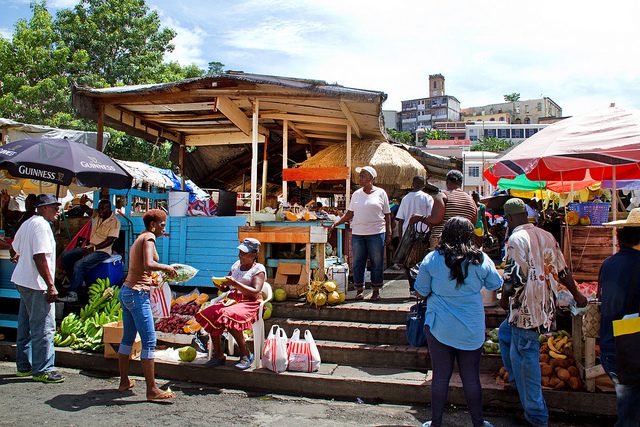
Credit Access in Grenada

Credit Access in Grenada
Grenada is a small, densely populated island located in the southern Caribbean. The country is often nicknamed “Spice Isle” for its legacy of exceptional spice production. In recent years, Grenada has had stable economic growth averaging more than 5 percent annually, making it one of the fastest growing economies in the region. However, its location within the hurricane belt and its heavy reliance on commodity exports make the country vulnerable to economic shocks caused by natural disasters and market fluctuations.

Financial Infrastructure

Grenada has two main bodies regulating its financial operations. The Eastern Caribbean Central Bank (ECCB) is a regional body established in 1983 in order to maintain the stability of the eastern Caribbean currency and the integrity of the banking system. The ECCB serves as Grenada’s central bank, setting the country’s monetary supplies, lending rates and enforcing regulations upon the banking sector. A second body, the Grenada Authority for the Regulation of Financial Institutions (GARFIN), was introduced in 2007 by an act of parliament for the regulation of the non-bank financial sector that includes insurance agencies, credit unions, pension schemes and other financial services.

Credit Access Constraints

In addition to having a firm regulatory system, Grenada currently has five commercial banks and 10 credit unions operating in the country that offer a range of credit options for individuals and businesses. However, with around 65 percent of the country’s population living outside of urban settings, along with unattractive interest rates and a risk-averse corporate climate, credit access in Grenada remains an obstacle to equal and sustainable development. In fact, a recent report by the World Bank ranked Grenada 130th out of 189 countries in terms of access to credit. Similarly, a 2013 report by the Caribbean Development Bank cites lack of access to credit as one of three widely recognized constraints to the development of the private sector.

Grenada Development Bank

Being aware of the lingering issues, the government established the Grenada Development Bank (GDB) in a concentrated effort to improve credit access in Grenada. Overseen by GARFIN, the development bank was created to serve five core purposes:

  • Expand the development enterprises.
  • Assist with high education costs.
  • Foster the development of capital markets.
  • Mobilize and coordinate resources for financing industrial and agricultural projects.
  • Provide loans for home construction and renovation.

The bank operates under close government oversight to ensure it is guided primarily by Grenada’s development needs. Although in existence since 1976, GDB has undergone a series of structural revisions and has recently seen significant improvements to both its profits and its lending contributions. In an interview with the OECS Business Focus magazine, GDB Managing Director, Mervyn Lord, said the role of the bank is to finance the gap in the economy, thereby providing the only financing option for a whole range of Grenadians who do not qualify for commercial or credit union loans.

For instance, GDB offers mortgages to homebuyers who can demonstrate their ability to make monthly repayments even though they do not have the available funds to pay a deposit. Lord also added that GDB tries to accommodate borrowers by reducing red tape requirements and accepting any source of capital (rather than just cash) to secure business loans.

Future of Credit Access in Grenada

While many development indicators are pointing in the right direction for Grenada, there are still steps that need to be taken to safeguard its recent growth. A 2018 IMF report commends the Grenadine authorities for strengthening the financial system but advises that GARFIN improves its data monitoring and stress-testing system. Although a sign of improved credit access in Grenada, the rapid uptick seen in credit union lending could lead to high default rates if not closely monitored and regulated.

– Jamie Wiggan

Photo: Flickr

March 31, 2019
https://borgenproject.org/wp-content/uploads/borgen-project-logo.svg 0 0 Borgen Project https://borgenproject.org/wp-content/uploads/borgen-project-logo.svg Borgen Project2019-03-31 10:15:102024-05-29 22:59:27Credit Access in Grenada
Development, Global Poverty

Top 10 Facts About Living Conditions in Finland

Top 10 Facts About Living Conditions in Finland
Finland is a Northern European nation bordering Sweden, Norway and Russia. Since joining the EU in 1995, the country has overcome an economic downturn and its universal healthcare system has been cited by prominent political leaders as a positive example. The unemployment rate is at 7.6 percent, slightly higher than the EU average of 6.8 percent.

Attractions include the views of the Northern Lights, which can be seen best between September and April. and Finland is the EU’s third most expensive country. The nation administers universal healthcare and utilizes income, property and sales tax to cover the cost. Here are 10 facts about living conditions in Finland.

Top 10 Facts About Living Conditions in Finland

  1. In Finland, about 83 percent percent of people say that they feel safe walking alone at night. In fact, Finland’s homicide rate is 1.4 percent.
  2. The life expectancy for women is 83.5 years and 77.5 years for men. Twenty-one percent of Finland’s population is over the age of 65, and the lower life expectancy for men is attributed to men declining medical help for conditions, and for lifestyle choices that lead to cardiovascular disease. There is also a high death rate due to alcohol-related deaths among men.
  3. The child mortality rate in Finland is 4 percent, one of the lowest in the world. It was not always this way; in the 1930s, one in ten children died in their first year of life. This caused the government to provide maternity packages in 1949. These resource bundles contained baby supplies such as clothes, toys and blankets. Today, maternity clinics are available to all people, regardless of income.
  4. One in 10 young families with small children reported being food insecure. While they have access to stores, this family demographic reports being unable to afford groceries. The income level is statistically lower in families whose parents have completed less education. In 2015 and 2017, the country decreased its allotment for child allowances, which is a stipend that goes toward every legal resident in Finland until age 17.
  5. Sixty-nine percent of people aged 15 to 64 are employed. Around four percent of employees work very long hours. Finland has high completion rates: 88 percent of adults aged 25-64 have completed upper secondary education. In this regard, Finland’s possesses one of the most accomplished education systems in the world, as its standardized test scores are among the highest of the European nations.
  6. Finland spends less than 7 percent of its gross national product on healthcare. This expenditure is one of the lowest rates among EU members. The public sector finances 76 percent of total healthcare costs through tax dollars. With this resource, every resident citizen of Finland receives free healthcare.
  7. In 2017, the country began a two-year-long basic income experiment. The government provided unemployed participants with 560 euros per month for the duration of the experiment. Initial results suggested the experiment left people happier, but still unemployed, and their impetus for finding a job may have been removed. The full report of results will be available within the next year.
  8. In 2017, the country allotted 10 million euros to help train 2,500 immigrants to find skilled labor jobs within three years. Despite this success, local residents argue that Finland can improve the integration of migrant women and children into its workforce and society to boost the economy and social standards.
  9. Finland’s average monthly salary is 3,300 euros. Meanwhile half of working people in Finland earn less than the median of 2,900 euros per month.
  10. On March 8, 2019, Finland’s entire government resigned due to an inability to achieve welfare and healthcare reform. With its aging population, it is difficult for the nation to maintain the current policies — a decision that “hugely disappointed” Prime Minister Juha Sipila. However, Antti Kaikkonen, a senior member of the Center Party, showed support of the decision, saying it is an example of “political responsibility.” The current government will remain in office in a low capacity until the general elections in April.

Promoting a High Quality of Life

Finland has been a leader among the EU in experimental policies — such as the basic income experiment — maternity packages and child allowance. The recent resignation of their government is another example of their willingness to deviate from the norm in support of ensuring the best living conditions for Finnish people.

– Ava Gambero
Photo: Flickr

March 25, 2019
https://borgenproject.org/wp-content/uploads/borgen-project-logo.svg 0 0 Kim Thelwell https://borgenproject.org/wp-content/uploads/borgen-project-logo.svg Kim Thelwell2019-03-25 01:30:182019-12-17 14:38:07Top 10 Facts About Living Conditions in Finland
Development, Poverty Reduction

Poverty in South Africa: Progress Since Apartheid

Poverty in South Africa
Known today as the “rainbow nation,” South Africa has a fast-paced economy with a pluralistic and diverse culture and history. However, the ramifications of the apartheid regime still continue to be an impediment to social and economic development and alleviating poverty in South Africa due to its impacts on the social structure, security nets and family life.

Poverty Statistics

Due to the apartheid legacy, income inequality remains prevalent with 1% of the population owning nearly 70.9% of the nation’s wealth. The unemployment rate currently stands at nearly 28% due to the recessionary conditions in the country.

According to a report by the Children’s Institute (CI) at the University of Cape Town, 6 million children still continue to live below the food poverty line. Despite the efforts of the organizations like Child Support grant, the administration in South Africa struggles to deal with the implementation of care arrangements for these children especially those who live in more remote and rural communities.

Failed Economic Reforms

Since the collapse of apartheid in the country, the African National Congress (ANC) party has embarked on a variety of neo-liberal and market reforms to liberalize the trade and commerce of the economy to avoid a potential poverty trap. Yet, these policies exacerbated disparities and inequalities in the economy and cast a great degree of skepticism about mainstream economics and neo-liberal policies centered around deregulation and privatization. Unregulated market approaches to financial flows and capital were a breeding ground for corruption and bribery among top levels of state and private institutions in the country, particularly during the era of President Jacob Zuma.

Government Actions

However, along with the continued efforts from the Child Support Grant and similar outreach programs, a deeper collaboration between families and the state is being recommended as a solution to the problem. Under the policy, more than 12 million children benefit every month. Access to more information about relevant childcare arrangements and health care programs will also be effective in improving awareness among families.

Moreover, state income support is being recommended to decrease inequalities measured in Gini values from 0.69 to 0.6 and to decrease the number of people who live on a monthly income lower than $30 from 39% to zero. The implementation of the National Development Plan (NDP) is a government agenda that aims to address poverty in South Africa by allocating budgets and improving public services and infrastructure by 2030.

Chances for Growth

Under the administration of new President Cyril Ramaphosa, the country is implementing investments in more ambitious infrastructure projects. Expectations have determined that foreign investment from countries like China, Saudi Arabia and the United Arab Emirates could be worth a collective $100 billion.

Furthermore, education reform is vital to not only address poverty in South Africa but also to help townships progress from the apartheid-era Bantu education system, which was an aspect of the law that enforced racial segregation in schools. Yet, efforts to change the current situation are underway, with an increase in pre-school enrollment and the number of university graduates.

In 2011, the multidimensional poverty index emerged to better analyze poverty in South Africa and recommend sustainable solutions for remediating some of its associated issues. One can now assess a combination of social indicators like education, health care and quality of life. Fortunately, under this poverty index, there was a decline in poverty by more than 13% between the years 2001 and 2011. The sample could improve further by combining a series of other factors like financial, transport and other assets as well.

To conclude, even though South Africa continues to be a modern economically developing country grappling with problems from a complicated history, a strong foundation will yield good progress in the long run and help the country overcome its many economic and social challenges.

– Shivani Ekkanath

Photo: Flickr

March 24, 2019
https://borgenproject.org/wp-content/uploads/borgen-project-logo.svg 0 0 Kim Thelwell https://borgenproject.org/wp-content/uploads/borgen-project-logo.svg Kim Thelwell2019-03-24 13:30:012022-03-31 13:42:23Poverty in South Africa: Progress Since Apartheid
Development

Development of Lebanon: National Economic Vision 2025

Infrastructure in Lebanon
According to the 2018 Lebanon Economic Vision report, Lebanon’s economy has been stuck in a vicious cycle. Despite periods of prosperity, the economy has been highly unpredictable. Any substantial monetary influx is mostly channeled into less productive sectors and into financing a fiscally irresponsible administration. Combined with high levels of corruption and minimal legislative productivity, the resulting unhealthy business environment, second-rate infrastructure and poor development of Lebanon come as no surprise. Job creation and productivity are limited, hurting employment rates and continuing an economic cycle where no incremental wealth is generated. But can things change? 

Power and Electricity

Lebanon has consistently ranked in the top four worst world nations in terms of quality of electricity supply. The country even ranked as the last in the world in this segment from 2012 to 2014. The main electricity producer, Electricité du Liban, is so inconsistent that citizens are forced to purchase a private generator or subscribe to a different network. This means paying the double cost for electricity, and those who cannot afford this are sometimes forced to go without it for hours. However, the Ministry of Economy has presented a plan called the National Economic Vision 2025 to reform this sector and other sectors once and for all. The country aims to shrink non-technical losses by 2025 and to become more reliant on sustainable and renewable resources which would seriously impact the development of Lebanon.

Health Care

The Lebanese health care system is considered to be the best in the region and on-par with European quality standards, a good indicator of the development of Lebanon. Citizens boast a high average life expectancy and low neonatal mortality rates, as around 7.5 percent of GDP is allocated to health care expenditures. Nonetheless, a significant portion of the Lebanese population remains uninsured because of low wages and high insurance rates.

This commonly forces citizens to pay out-of-pocket fees for medical services. Despite these factors, Lebanon is on track to improve coverage and performance under new governance by the Ministry of Public Health. Under this new leadership, the sector will be driven by evidence-based decisions for monetary compensation, meaning more fiscal support goes to hospitals and patients who need it.

Education in Lebanon

Lebanon continues to invest 7.6 percent of GDP on education, a sector that is growing faster than the base economy itself. The country has one of the highest literacy rates in the Arab world. Academia is the sixth largest employer in the country, with about 161,000 employees. Nonetheless, while Lebanese universities continue to hold a strong reputation, the performance of the primary and secondary education system is declining. To combat this, the National Economic Vision plan proposes updates and enforcement of curriculum standards at the primary and tertiary level. Promoting Lebanese universities to attract international students, and increasing technological investments into this sector are also key factors for this plan.

Agriculture

Lebanon has approximately 658,000 hectares of biodiverse agricultural land that ensures the production of more than 60 types of crops and over 10 livestock products. In 2016, the agricultural sector contributed about 3 percent to GDP, or about $1.5 billion. However, over the past decade, growth has been particularly stagnant. The use of land for low-value crops, competition from imports, poor infrastructure and development of Lebanon and limited support for good farming practices are all contributing factors. Nonetheless, a plan to prioritize crops with high export growth potential and to finance technology to modernize farming would offer this sector the stability it is lacking. A focus on sustainable water practices is also a key concern.

Industry

Industry is a top contributor to the Lebanese economy, accounting for 10 percent of GDP and employing around 194,000 people. However, between 2010 and 2016, the sector had a steep decline in productivity, reducing its contribution to GDP by about 2 percent every year. This devastating decline can be attributed mainly to the poor quality and consistency of power supply and an unhealthy business climate.

To combat this decline, plans to expand the international market by adopting and enforcing compliance with industry quality standards has been detailed by the National Economic Vision plan. In addition, investing in specific subsectors that play on the country’s strengths, like jewelry or pharmaceuticals, would help grow the sector as a whole and ensure redevelopment.

Lebanon has distinct economic and social characteristics that could successfully be harnessed for positive change. The National Economic Vision 2025 proposes not only tools for rectification, but also hope for a better future. Investing in infrastructure in Lebanon, enforcing new fiscal rules and increasing revenue would generate job opportunities and stabilize a once volatile economy. A proposed strategy and plan would offer Lebanon a chance to become the prosperous nation it once was and improve quality of life for all of its citizens.

– Natalie Abdou
Photo: Flickr

March 23, 2019
https://borgenproject.org/wp-content/uploads/borgen-project-logo.svg 0 0 Kim Thelwell https://borgenproject.org/wp-content/uploads/borgen-project-logo.svg Kim Thelwell2019-03-23 19:30:022019-12-16 11:37:33Development of Lebanon: National Economic Vision 2025
Development, Global Poverty

The Economic Effects of Tourism on World Heritage Sites

World Heritage Sites
Chew Jetty is a small town in Malaysia’s George Town that achieved Unesco World Heritage status in 2008. On Penang Island, the town contains wooden piers that used to belong to a bustling seafront hub and represents the vitality and dynamic nature of one of the last intact bastions of Malaysia’s old Chinese settlements. After World War II and Japanese occupation, the piers decayed immensely until the settlement’s economy was hardly able to sustain itself. In a final attempt to preserve the economy and the once-vivacious settlement, the town made a bid to Unesco for protection.

Chew Jetty Tourism

When Chew Jetty was awarded World Heritage status, the change was not at all what the residents had expected. Two of the clan enclaves had been demolished to create new housing complexes. Additionally, flocks of tourists infiltrated historical homes, vendors installed flashy commercial stalls and encroaching developers urged locals to alter important structures to make room for new developments. Suddenly, Chew Jetty’s status as a Unesco World Heritage site attracted thousands of tourists by the boatload, effectively uprooting the culture and traditions once held sacred to the old Chinese settlement.

And yet, receiving its status as a World Heritage site seemed to be the only measure of action that prompted Chew Jetty out of its declining economic state. Therein lies the dichotomy in in Unesco’s attempt to benefit economies and its detrimental effect on the local population.

Anti-Tourism Conundrum

This anti-tourism sentiment can be seen worldwide. In 2017, local communities in Venice and Barcelona gathered together in an outburst of anti-tourism marches, complaining about rising rents, overcrowding, and the increase in pollution due to cruise ships. Local residents and activists are demanding authorities to alter the management of tourism, as it has significantly altered their normal daily lives and actually increased the cost of living for them.

At first glance, the influx of tourists is interpreted as an increase in the tourist economy and consequently an increase in the state economy. However, upon a further breakdown of this effect on the locals of any given city, the influx of tourists increase costs and overcrowding, making living conditions more difficult and less affordable for local residents. This could, in turn, actually increase poverty rates among the citizens who once inhabited these locations.

World Heritage Sites

There are 1,052 World Heritage sites across the world, and most of these locations struggle with the same conflict of striking a balance between tourism and the preservation of culture. Several organizations, including Unesco itself, have been working towards a solution to this problem. The World Tourism Organization (UNWTO) has stated that the goal should not be to limit the number of tourists visiting these cities, but rather to better manage the flow of tourism by perhaps redirecting them away from main city centers and city attractions and formulating a more sustainable form of tourism.

Additionally, the Unesco World Heritage Tourism Program has identified the adverse effects of tourism on World Heritage sites and is making active efforts to thwart the increasingly adverse effects of tourism on the local population. For instance, the Program is implementing appropriate tourism management workshops for its annual conventions and adopting a new set of standards and principles relating to sustainable tourism at World Heritage sites.

While there are negative socio-cultural and economic effects on World Heritage sites, there are several movements that are working together to bring a more sustainable form of tourism and enhancement of a city’s economy without sacrificing the well-being of the locals.

– Shefali Kumar
Photo: Flickr

March 18, 2019
https://borgenproject.org/wp-content/uploads/borgen-project-logo.svg 0 0 Kim Thelwell https://borgenproject.org/wp-content/uploads/borgen-project-logo.svg Kim Thelwell2019-03-18 07:30:482024-05-29 22:58:12The Economic Effects of Tourism on World Heritage Sites
Development, Global Poverty

The White Rose Organization & The Power of Education in Tanzania

Education in Tanzania
Tanzania faces many challenges, including environmental pollution and poverty. The country has seen development in recent years, and poverty rates have declined by around one percent every year since 2007, according to a World Bank report. However, poverty remains high compared to neighboring countries, as 22.8 percent of Tanzania‘s population lives below the poverty line. Furthermore, 48 percent of children in Tanzania are deprived, even if they do not live in households that are monetarily poor.

Approximately 26 percent of youth in Tanzania have not completed primary education, as poverty is a barrier that keeps many children from going to school. The disparity between the richest and poorest children is stark — with the average primary school attendance rate being 68 percent for the poorest quantile of children and 90.5 percent attendance for the wealthiest quintile. Education in Tanzania still has room for improvement, and many regions and public schools lack qualified teachers and materials.

The White Rose: Hope for the Future of Education in Tanzania

The White Rose is a nongovernmental organization that believes fostering education in Tanzania is the key to tackling the nation’s problems and creating lasting social and economic change. The organization’s focus is on primary education, where children learn how to behave and form the mindset that will guide them throughout their lives. The organization works in several small villages in the Arusha region (Sanawari, Ilboru and Olturoto) located in the northern region of Tanzania.

The White Rose relies on volunteers to help fill in some gaps and bring a new and international perspective to local pupils. Nikolay Nedyalkov, a volunteer who completed a program with the White Rose organization, told The Borgen Project:

“There were a few differences between the children from the public school and the private school. Whenever I walked into my classroom at the private school, the students would already be seated and waiting for the teacher. What surprised me the most was how eager they were to learn… The students at the public school were a little more distracted, but their later class sessions were held after a regular class load … Besides these time-of-day attention span differences, both public and private school pupils were extremely curious and asked me questions in geography, sports, history and always wanted to play football.”

Nedyalkov’s experience illuminates another challenge in Tanzania’s education system. The government declared primary education free in 2001, and by 2016, 1.3 million students had enrolled. This high enrollment caused the student-to-classroom ratio to soar to  77:1. Private primary schools, on the other hand, are unattainable for a large portion of the population, with annual fees ranging from $1000 to $17,000. Therefore, while the White Rose provides the opportunity for its volunteers to teach in both public and private schools, the organization suggests that those volunteering for more than three weeks do so in a public school.

The White Rose volunteers teach a variety of subjects (ranging from English to geography) to primary school students. The organization currently operates in four private schools, two public schools, and a public library. Additionally, the Global Partnership for Education, UNICEF, and USAID have made strides to improve access to education for Tanzanian students. Tusome Pamoja, which translates to “let’s read together,” is USAID’s flagship program in coordination with Tanzania’s government. The program’s scope ranges from assisting with policy issues to coordinating teacher training and student materials; it seeks to benefit nearly 1.4 million children over the course of five years.

While the education system in Tanzania faces obstacles, the involvement of organizations like the White Rose and its team of volunteers are making a significant positive impact. With contributions of a multitude of aid organizations and the international community, the state of education in Tanzania is likely to improve.

– Aleksandra Sirakova
Photo: Flickr

March 5, 2019
https://borgenproject.org/wp-content/uploads/borgen-project-logo.svg 0 0 Kim Thelwell https://borgenproject.org/wp-content/uploads/borgen-project-logo.svg Kim Thelwell2019-03-05 07:30:032024-05-29 22:58:08The White Rose Organization & The Power of Education in Tanzania
Advocacy, Children, Developing Countries, Development, Education, Refugees, Refugees and Displaced Persons

Ways the World Can Foster Special Education in Refugee Camps

Special Education in refugee camps
Lack of education is a contributing factor to the cycle of poverty. The 1989 ‘Convention on the Rights of the Child’ and the 1951 ‘Refugee Convention’ emphasizes the fact that access to education is a basic human right. However, approximately half of the world’s refugee children are out of schools. Access to schooling becomes increasingly difficult when countries enter conflicts and develop refugee camps.

The United Nations passed the ‘Convention on the Rights of Persons with Disabilities’ in 2006. The declaration clearly stated disabled peoples’ right to an education. This right is only accessible in 28 percent out of 193 states, and although there are many initiatives to support special education in refugee camps, further support is needed to help refugees with disabilities obtain and maintain the education they need.

Classification of Disabilities

Disability can be categorized into two branches: mental disability and physical disability. A mental disability is any mental disorder that affects the everyday life of an individual, and examples include post-traumatic stress disorder (PTSD), depression, intellectual disabilities and schizophrenia. A physical disability is an impairment of the body and/or a person’s motor abilities. These are either acquired at birth or as a result of a traumatic experience and include cerebral palsy, spina bifida, muscular dystrophy and amputations.

Obstacles Faced by Refugee Children

Special education in refugee camps is not an easy task to accomplish, and there are many obstacles that refugee children with disabilities must face in order to receive an education. The first obstacle is very simple to notice — the challenge of getting to school. In many large refugee camps, there are typically no more than a few schools that children can go to and children usually walk to school. For people with physical disabilities, transportation can pose a great problem, especially as most infrastructure is not built to accommodate disabilities. For example, an 8-year-old girl named Hayam lives in the Za’atari refugee camp in Jordan and suffers from muscular dystrophy. Hayam had to take a quarter-mile walk to her school every day, and her illness made this very difficult.

Another obstacle for people with disabilities is the misunderstanding of physical and mental disabilities in many communities. In many cases, people are taught to fear and look down on people who have disabilities. There are situations in which parents of able-bodied children do not want to have students with disabilities in the same classroom as their child for fear that their child’s education will be harmed.

Furthermore, integration into schools for refugee students can be a difficult task due to political, cultural, religious or linguistic differences. It can be extremely hard for schools to deal with these differences and misconceptions if they lack necessary resources, and such status is incredibly harmful to refugee children with disabilities as it can make it very difficult for them to receive schooling. Refugees are also likely to have PTSD and other related mental disorders due to witnessed trauma, and such effects can harshly affect education if there are no treatments for mental disorders that make it difficult for children to pay attention in class or attend school at all.

Organizational Support

UNICEF and Mercy Corps helped 100 students in the Za’atari refugee camps in Jordan. The two organizations have given wheelchairs to students who have physical disabilities and cannot walk. In another part of the world, the Karen Women Organization (KWO) works in Burma to support special education in refugee camps and rights for the disabled. Not only does KWO aim to ensure increased levels of education, but the organization also aims to support and expand care to children who have disabilities and educate the community.

In 2003, the KWO started the Special Education (SE) Project that runs in every Karen refugee camp. SE Project gives instruction to teachers in the schools and families at home to fully maximize the disabled child’s well-being and reach their goal of integration into society. KWO also helps to combat the misconceptions by creating various activities and workshops for those who are able-bodied and those who are not.

A nongovernmental organization helping refugees receive mental healthcare is the International Medical Corps (IMC). The IMC knows that mental illness is a huge limiting factor for education and they work to make sure there are ways that refugee children can acquire treatment. The group works with local partners in refugee camps to create spaces to talk and provide activities for children and adolescents to develop healthy habits and create relationships. IMC connects children to local youth support and sets up sustainable mental healthcare.

An Unalienable Right

Education is an unalienable right of every person, and special education in refugee camps is crucial for enabling the most endangered people to achieve this right. It is critically important that various organizations and governments continue to build systems that support the abilities of all, especially those most vulnerable.

– Isabella Niemeyer

Photo: Flickr

February 18, 2019
https://borgenproject.org/wp-content/uploads/borgen-project-logo.svg 0 0 Kim Thelwell https://borgenproject.org/wp-content/uploads/borgen-project-logo.svg Kim Thelwell2019-02-18 01:30:072024-05-29 22:58:02Ways the World Can Foster Special Education in Refugee Camps
Page 83 of 163«‹8182838485›»

Get Smarter

  • Global Poverty 101
  • Global Poverty… The Good News
  • Global Poverty & U.S. Jobs
  • Global Poverty and National Security
  • Innovative Solutions to Poverty
  • Global Poverty & Aid FAQ’s
Search Search

Take Action

  • Call Congress
  • Email Congress
  • Donate
  • 30 Ways to Help
  • Volunteer Ops
  • Internships
  • Courses & Certificates
  • The Podcast
Borgen Project

“The Borgen Project is an incredible nonprofit organization that is addressing poverty and hunger and working towards ending them.”

-The Huffington Post

Inside The Borgen Project

  • Contact
  • About
  • Financials
  • President
  • Board of Directors
  • Board of Advisors

International Links

  • UK Email Parliament
  • UK Donate
  • Canada Email Parliament

Get Smarter

  • Global Poverty 101
  • Global Poverty… The Good News
  • Global Poverty & U.S. Jobs
  • Global Poverty and National Security
  • Innovative Solutions to Poverty
  • Global Poverty & Aid FAQ’s

Ways to Help

  • Call Congress
  • Email Congress
  • Donate
  • 30 Ways to Help
  • Volunteer Ops
  • Internships
  • Courses & Certificates
  • The Podcast
Scroll to top Scroll to top Scroll to top