• Link to X
  • Link to Facebook
  • Link to Instagram
  • Link to TikTok
  • Link to Youtube
  • About
    • About Us
      • President
      • Board of Directors
      • Board of Advisors
      • Financials
      • Our Methodology
      • Success Tracker
      • Contact
  • Act Now
    • 30 Ways to Help
      • Email Congress
      • Call Congress
      • Volunteer
      • Courses & Certificates
      • Be a Donor
    • Internships
      • In-Office Internships
      • Remote Internships
    • Legislation
      • Politics 101
  • The Blog
  • The Podcast
  • Magazine
  • Donate
  • Click to open the search input field Click to open the search input field Search
  • Menu Menu

Archive for category: Children

Information and stories addressing children.

Children, Developing Countries, Education, Global Poverty, Health, Women, Women and Children

Building Schools Using Recycled Plastics

Building Schools Using Recycled Plastics
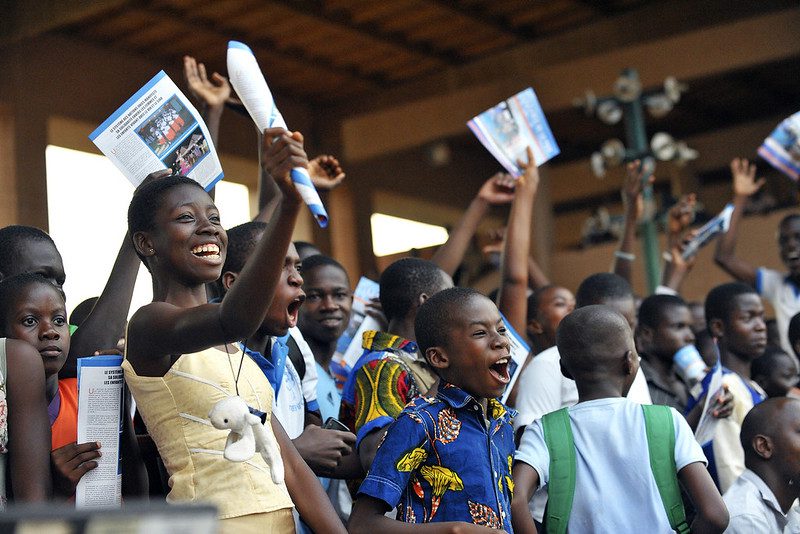
Education in Cote d’Ivoire continues to be a major challenge in the country which has had a literacy rate of 53.02 percent among 15 to 24-year-olds as of 2014. In fact, more than 2 million children are out of school due to a lack of infrastructure. Classrooms are often full beyond capacity with more than 100 students. Fortunately, West Africa is building schools using recycled plastics as a ground-breaking initiative to change the status quo.

The Fighting Women

Abidjan, a city in Cote d’Ivoire, produces about 288 tons of plastic waste every day. The country recycles only 5 percent of the waste, and when it is, it is usually women that do so informally. These women recover the waste and use it to make money.

A women’s group called The Fighting Women makes a living from collecting plastic and selling it for recycling. However, The Fighting Women is now a part of a project that will not only clean up the environment but will also help improve education. The Fighting Women is an organization of 200 women that collect plastic. A woman named Mariam Coulibaly runs the organization and she has been collecting trash for 20 years. Coulibaly’s organizational skills are what made the project possible. The plastic that these women collect go into bricks in order to build schools.

Conceptos Plasticos

UNICEF in Cote d’Ivoire has partnered with Conceptos Plasticos, a for-profit plastic recycling Colombian company that will turn plastic to bricks and build schools for children. This project will help reduce the issue of overcrowded classrooms and give children the opportunity to attend school.

In 2018, the first African recycled plastic classroom emerged in Gonzagueville. It only took five days to build this classroom as opposed to the nine months it would take to build traditional classrooms. In addition, within the first year, two small farming villages, Sakassou and Divo, constructed nine demonstration classrooms. These new classrooms included bricks that are cheaper and lighter than traditional ones, and also last longer.

Before the new plastic classrooms, children would go to school in traditional mud-brick and wood buildings. The mud-brick would erode from the sun and rain, and require repairs constantly. However, the newly built plastic classrooms are way better and longer-lasting. The classrooms are fire retardant and stay cool in warm weather. In addition, the classrooms are waterproof, have excellent insulation and can fight off the heavy wind. UNICEF and Conceptos Plasticos are planning to build 500 classrooms for more than 25,000 children with the most urgent need in the next two years.

Further Success of the Project

On July 29, 2019, a plastic converting factory opened in Cote d’Ivoire, which is also the first of its kind. This factory produces easy to assemble, durable and low-cost bricks others can use to build classrooms. The factory will solve a lot of major education challenges that children in West Africa face. According to UNICEF, kindergarteners from poor areas will be able to join classrooms with less than 100 students for the first time. Once the factory is fully functioning, it will recycle 9,600 tons of plastic waste a year and provide a source of income for women that collect trash. Moreover, there are plans to expand this project to other countries where there is a high percentage of children that are out of school.

Now, children are able to sit comfortably in classes that were once too overcrowded. This project of building schools using recycled plastics has not only constructed classrooms, but it has also reduced plastic waste in the environment. Although there is still a large number of children out of schools, this innovative project to help build schools in West Africa has been tremendously successful and has impacted the lives of many women and children.

– Merna Ibrahim
Photo: Flickr

August 28, 2019
https://borgenproject.org/wp-content/uploads/borgen-project-logo.svg 0 0 Kim Thelwell https://borgenproject.org/wp-content/uploads/borgen-project-logo.svg Kim Thelwell2019-08-28 11:37:152019-10-18 12:37:09Building Schools Using Recycled Plastics
Children, Developing Countries, Education, Global Poverty

Beca 18: An Educational Program that Brings Hope

scholarships
Lack of educational opportunity is one of the principal reasons why people may get stuck in the cycle of poverty. In many places, people are at least required to have a high-school level of education to get a minimum wage job. Most high-paying positions, however, expect people to have a college degree education, something that for many low-income Peruvians, is very hard to obtain.

In the year 2015, Peru ranked 64 out of 70 on the International Programme for Student Assessments: A standardized test that measures student’s performance on academics. The problems don’t lie within the lack of teachers or a good infrastructure; it lies within the fact that most Peruvians don’t have access to a decent education. Most of the most competitive schools and colleges are in major cities, and with usually high tuition costs.

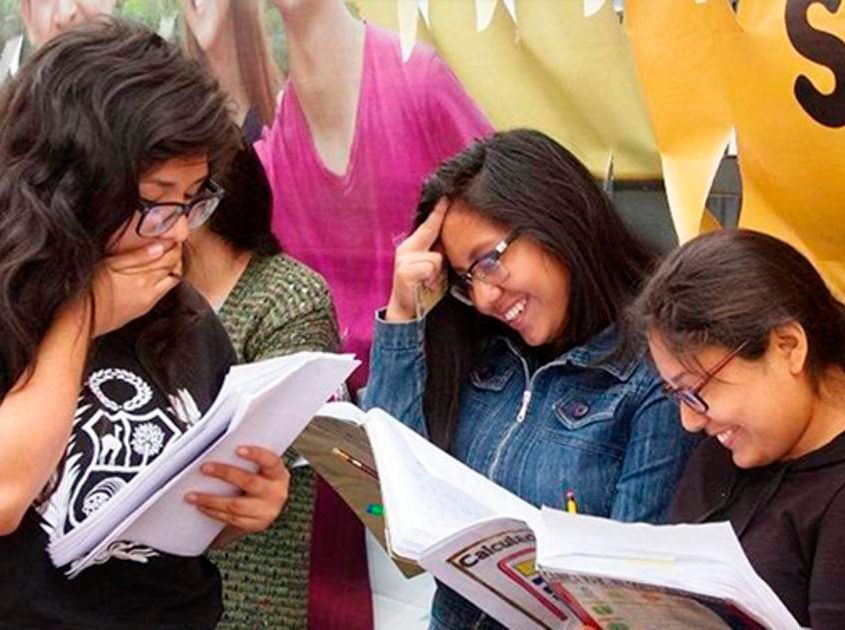
This difference is prevalent in the countryside where some children have to walk for hours to go to school. In the Peruvian Andes, children are less likely to go beyond high-school education and much less pursue a college degree. As of the year 2017, only 16 percent of young adults were pursuing a college degree, principally because of the inability to pay the high tuition. Fortunately, a governmental program called Beca 18 (Scholarship 18) may soon change that.

The Story of Beca 18

Beca 18 is not the first program that has given scholarships to well-deserved students. The National Institute of Scholarships and Educational Loans, was founded in 1972 and lasted until 2007. While they did offer necessary scholarships and loan payments, they only centered in Lima. After 2007, the new Office of Scholarships and Educational Loan opened, with a more polished selection of students and with a clear focus on trying to reach scholars located on problematic areas of the country, but by all merit have achieved academic excellence.

The Office of Scholarships and Educational Loan worked until 2012, the year on which the former president Ollanta Humala “upgraded” it, becoming the National Program of Scholarships and Educational Loans, also known as Beca 18. The program works as an administrative unit of the Peruvian Ministry of Education with 24 regional offices, giving around 52 236 scholarships around 25 regions from 2012 to 2016. Most of the students that benefited were living in extreme poverty.

How the Program Works

The first thing that applicants have to know is if they meet all the appropriate requirements. For Beca 18, a student’s living conditions have to be below the poverty line, attending the last year of high school or have recently graduated and been on the honor roll. The Scholarship has other ramifications that cater to different students, like Beca Albergue, that centers around students that lived in foster care.

After meeting the requirements, the next step is applying to the National Exam, which can be done by just accessing the scholarships webpage during the call-up time, that happens around December each year. Each student needs to present their essential legal documentation; however, depending on what portion of Beca 18 the student is interested in they may submit additional paperwork. After taking the exam, hosted by many public and private schools around the country, each student receives guidance to get into their desired college. Once accepted, the process of applying for the Scholarship can begin, only students with satisfactory grades on both the National Exam and their college entrance exam, are granted the scholarships.

What Costs Are Covered

Depending on each of the holder’s family and economic situations, the scholarships cover the costs of the admissions exam, full tuition and other work materials, such as a laptop. If needed, the awards include accommodations, transportation, and pocket money. A private tutor is also an option but only for public universities, as privates often offer that service to its students. These, of course, help students that either came from the Andean of Rainforest Regions of the country or lived in an extreme poverty situation.

Famous Recipients

As mentioned before, Beca 18 is an excellent opportunity for many people that couldn’t afford higher education but had exceptional academic abilities. Like Omar Quispe, a recipient that now is a developer for ElectroPeru. He is currently working on a project that could bring good quality electricity to his native Huaylas, a district surrounded by extreme poverty. Another famous case is of Abel Rojas Pozo, that upon graduation started to help local guinea pig farmers spend their business. These efforts were to make his hometown one of the centers of guinea pig exports.

With an educated population, the chances of escaping poverty are higher. And like the recipients of Beca 18, they can use their new-found knowledge to help their families and their communities.

– Adriana Ruiz
Photo: Wapa

August 26, 2019
https://borgenproject.org/wp-content/uploads/borgen-project-logo.svg 0 0 Kim Thelwell https://borgenproject.org/wp-content/uploads/borgen-project-logo.svg Kim Thelwell2019-08-26 15:12:562019-09-14 05:48:20Beca 18: An Educational Program that Brings Hope
Children, Global Poverty, Homelessness

Ending Child Witch Hunts in Nigeria

Child Witch HuntThree priests stand around Joy, a 15-year-old girl, pinching and slapping her. Joy, like many other children, is a victim of the child witch hunts in Nigeria. “My grandmother was sick, and her leg became very swollen. She said I was the one responsible, that I was a witch,” Godbless told Al-Jazeera. Now he is one of the many street children on the outskirts of Calabar, scouring dumpsites for plastic bottles and cans to cash-in for food.
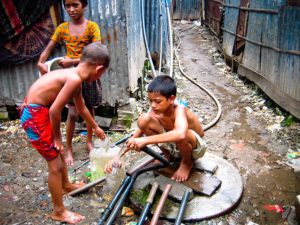
Child witch hunts are not exclusive to Nigeria. Cases have been documented in Tanzania, the Democratic Republic of the Congo, Bolivia, Guatemala, India, Iran, Saudi Arabia and even communities in Europe and the United States.

The “Simple” Answer to Complicated Problems

In some regions, witchcraft has become a way to explain misfortune and hardships, such as death, divorce or illness in families and communities. A part of the problem is limited knowledge about illnesses, which when coupled with strong cultural beliefs, prompts people to search for metaphysical answers. Children who seem aggressive, solitary or have physical deformities are more likely to be accused, as well as orphans raised by relatives, such as Godbless.

Children and even babies have been branded witches, and cases of abuse include being ostracized, chained, starved or beaten. Some children are even set on fire and are beheaded. Humanitarian organizations have reported an increase in accusations of witchcraft over the past 10 years and especially against children.

In the Niger Delta, child witch hunts are a manifestation of severe socio-economic problems, such as poverty, conflict and HIV/AIDS. Although the region has an abundance of natural resources it remains crippled by economic underdevelopment, inequality and environmental degradation, with up to 46 percent of the population living in poverty. The average daily wage is a little more than a dollar. Economic pressure and misfortunes make children in the Delta an easy scapegoat for familiar problems. In the Congo, the first cases of child witchcraft came with the rise of urbanization due to poverty and war, and the emergence of religious sects.

Homelessness is a Common Outcome

In 2010, researchers found that 85 percent of street children in Akwa Ibom, a state in Nigeria, were accused of witchcraft. An earlier report estimated that 15,000 children in Akwa Ibom and Cross River were accused. In Kinshasa, the capital of the Democratic Republic of the Congo, more than 20,000 street children were victims of the child witch hunt phenomenon. In 2017, 640 boys and more than 1,000 girls between the ages of 6 and 17 were accused of witchcraft in the Congo and subjected to violent exorcisms.

Examples of Solutions

Despite these concerning statistics, today, there are numerous local and international organizations dedicated to protecting victims, raising awareness of child abuse and improving education, legislation and law enforcement.

Nigeria’s criminal code and 2003 Child Rights Act outlaws abuse and accusations of witchcraft, although implementing the law at the state level has been slow. Only three-quarters of Nigeria’s states have domesticated the law. The charity, Safe Child Africa, however, was able to persuade the Akwa Ibom state government to make child witchcraft accusations illegal. By investing in sheltering and educating alleged child witches, Akwa Ibom is the only state that is specifically providing for the abuse of children accused of witchcraft.

In Cross River, UNICEF has been working with the ministry of sustainable development and social welfare to address their version of the Child Rights Act, which does not explicitly outlaw witch-branding. Cross River’s 2018 budget included shelter for children at risk of being accused of witchcraft.

The orphanage DINNoedjaelp – founded by the Danish humanitarian Anja Ringgren Loven – provides medical care, food and education to over 30 alleged child witches. “Right now, Nigeria is the African country with the most children out of school. When the Nigerian government does not use agents to inform and educate, we must through our educational work try to stop the superstition,” Loven told People Magazine.

Reuniting Families

The small Nigerian volunteer organization, Today for Tomorrow, meets street children near the Lemna dumpsite in Calabar – where Godbless now lives – to provide food and health care. Way to Nations, DINNoedhjaelp and other Nigerian organizations do not only rescue children but try to reunite them with their families as part of restoring and educating communities.

“Home visits is the most important part in our advocacy program. When children, who were previously accused of being witches come back to their family and village again, and look healthy, strong, speak good English, have gotten their confidence and hope back, that gives the whole village something to think about,” Loven said of reuniting the children with their families.

Ending child witch hunts requires education just as much as addressing widespread poverty. After government agencies held a series of meetings regarding the issue of child witches and abuse, religious and civil liberty organizations began working to end the hysteria, including several Nigerian Pentecostal churches, who mobilized people through sermons, print media and film. According to Dr. Utibe Effiong, churches have started producing movies that highlight the damage these accusations cause.

Although change is happening, the fight is far from over. Providing a stable future for children in Nigeria and beyond means alleviating poverty by revitalizing economies and educating the masses, so cultural and economic change can happen.

– Emma Uk
Photo: Flickr

August 26, 2019
https://borgenproject.org/wp-content/uploads/borgen-project-logo.svg 0 0 Kim Thelwell https://borgenproject.org/wp-content/uploads/borgen-project-logo.svg Kim Thelwell2019-08-26 01:30:192024-05-29 23:12:19Ending Child Witch Hunts in Nigeria
Children, Global Poverty, Health

How Oral Rehydration Therapy is Saving Lives

Oral Rehydration TherapyDiarrhea is both preventable and treatable, yet 1.6 million children die a year from diarrheal disease. Survivors are more susceptible to malnutrition, stunted growth and learning disabilities. In direct relation to poor sanitation, inadequate access to clean water and limited education, diarrhea has a particularly devastating impact in impoverished areas.
Background

Children in impoverished countries are diagnosed with dehydrating diarrhea approximately four times per year. Most cases of diarrheal diseases can be prevented with proper hygiene, sanitation and access to clean water. However, when prevention efforts fail, oral rehydration therapy has proven to be an effective treatment option for diarrhea.

Treatment

Oral rehydration therapy (ORT) uses available fluids such as breastmilk or rice water mixed with salt to rehydrate the ill. Oral rehydration solutions or ORS is a specific way of delivering ORT. Discovered in the 1970s, ORS is a mixture of sugar, salt and water that can be made at home to replenish electrolytes. In 2001, a new version of ORS, with reduced sodium and glucose, was packaged and distributed in powdered form.

The 2001 low-osmolality ORS reported decreases in stool volume and vomiting by 25 and 30 percent, respectively. Since the implementation of ORT in the 70s, it has saved 50 million lives at an individual cost of less than 30 cents per package. Further, supplementary zinc treatments have proven to reduce the duration and recurrence of diarrheal illness, and provide strong supplementation to oral rehydration solutions.

However, ORT use between 1992 and 2005 decreased in 23 developing countries because they had no knowledge nor access to oral rehydration solutions. The World Health Organization (WHO) estimates that ORT has the potential to save an additional 300,000 children’s lives each year with ORT and zinc supplementation, but, currently, only 42 percent of children in prioritized countries are receiving ORT treatment. Further, only 7 percent receive both ORS and zinc.

Even though oral rehydration solutions sell for only 25 cents, impoverished families living on less than $1 a day cannot afford these costs. Additionally, there are common misconceptions in poor, less educated, communities that those suffering from diarrhea should be restricted from the consumption of food and fluids including oral rehydration solutions.

Solution

The Global Maternal, Child Health Network and the American Public Health Association have worked together to create a strategy involving international policymakers and health organizations with four main components:

  1. They must appoint a U.S. agency within one year to assume the role of global “children’s champion.” Their job is to coordinate efforts among United States’ and international, public and private, organizations.
  2. The WHO and UNICEF must update their 2004 recommendation for diarrhea treatment to include new information about oral rehydration therapy and zinc. Additionally, they should provide training for local health providers, and fund maternal education and community case management programs.
  3. They must refocus efforts to improve health standards for children under five with a coordinated strategy across many organizations, so no children die from a preventable disease such as diarrhea.
  4. Funding for diarrhea treatment and prevention must be allocated under universal health coverage. Funding should include the co-packaging of zinc and ORS as home-based diarrheal treatment.

While prevention efforts such as improving hygiene and sanitation should remain a priority, it is not always possible to address the consequences of poverty. Approximately, 58 percent of diarrhea fatalities in low and middle-income countries is a result of poor sanitation and inadequate access to clean water. This problem cannot be fixed overnight, however, if provided to everyone, oral rehydration therapy is an affordable treatment that could prevent 93 percent of diarrhea deaths.

– Haley Myers
Photo: Flickr

August 25, 2019
https://borgenproject.org/wp-content/uploads/borgen-project-logo.svg 0 0 Kim Thelwell https://borgenproject.org/wp-content/uploads/borgen-project-logo.svg Kim Thelwell2019-08-25 01:30:022024-05-29 23:10:25How Oral Rehydration Therapy is Saving Lives
Children, Global Poverty, Hunger

Children’s Hunger Fund Provides Meals to Families


Located on the junction of the Interstate 5 and Highway 14 is Children’s Hunger Fund (CHF), which nestles between the yellow, brownish foothills that lead to Santa Clarita. The drive to CHF ends in an industrial, office-complex space along northern Balboa Boulevard, in what people know as Sylmar, which is about 30 miles northwest of downtown Los Angeles.

Yet the heart and work of this organization belie its rather nondescript location. CHF is a Christian nonprofit with the mission of delivering hope to suffering children by equipping local churches for gospel-centered mercy ministry. Per its name, Children’s Hunger Fund most tangibly fulfills its mission through the delivery of meals to families in need and equipping local churches in an international network in order to build relationships and support communities for those families.

The Numbers

CHF operates in at least 24 mercy-network countries. There are seven countries in North and Central America, two countries in South America, seven countries in Africa, four in Eastern Europe and four in Asia. Since its founding in 1991, CHF served approximately 1,055 churches. In 2017 alone, the nonprofit delivered approximately 44.1 million meals across 503 international churches and 271 domestic churches in the organization’s network.

The Volunteers

At the nucleus of CHF’s worldwide impact is its volunteers who put in over 70,000 hours and packed over 90,000 Food Paks in 2017. Each food packs can provide up to 48 meals worth of food. Besides packing boxes of food, volunteers help with a variety of projects, such as packing bags of beans, macaroni and lentils in a packing facility at Children’s Hunger Fund’s headquarters. They also sort through gift-in-kind (GIK) products from Costco to give to local churches.

Volunteers, led by Children’s Hunger Fund staff, come in for two-hour-long shifts between Wednesday and Saturday, whether they come on their own or with their church, school or business. Volunteers can serve in a variety of ways, especially if they do not live near CHF headquarters in California or Texas.

For example, around 100 high school and college students in Johnson City, New York met at their local K&K The Old Tea House for bubble tea, music, board games and socializing. Organizers of the event sold wristbands and donated proceeds to Children’s Hunger Fund.

In August 2019, volunteers from Zion Lutheran Church in Texas organized a project to package approximately 3,000 boxes providing around 144,000 meals. Children’s Hunger Fund achieved that calculation from the fact that $0.25 translates to one donated meal.

The International Mission

With over $80 million in donations and gifts-in-kind, Children’s Hunger Fund generates and distributes Food Paks that start a relationship. The Food Paks specifically offer churches an open door to pray, serve and minister to these families and invite them into the network of support and hope. The hope is that these Food Paks can start the process of providing for the material, social and spiritual needs of those in poverty and hunger.

Education through the Poverty Encounter

Beyond its work and mission, CHF’s most recent development is the Poverty Encounter, which provides visitors with an interactive encounter with poverty around the globe. The 90-minute tour takes visitors through four different countries including Guatemala, Haiti, Nepal and Romania. In each room, visitors receive experiential education on four different aspects of poverty. Learning about hunger in Guatemala, visitors follow the life of a young boy living in a landfill. To explore disaster in Haiti, children share stories in the wreckage of the earthquake in 2010. The injustice in Nepal shows through children slaving away in brickyards. Finally, visitors witness hope in Romania, where children must live in the sewer systems of cities. The tour ends with giving visitors the opportunity to volunteer, packaging beans or macaroni in CHF’s packaging facility.

CHF’s international work, its army of volunteers, partnerships with corporations and ventures into poverty education all speak to its overarching mission to FACE poverty. FACE stands for feed, aid, connect and equip where it feeds families in need; aids those families with hygienic, educational or other material supplies; connects those families to a local church and support network and equips churches to meet these families needs.

Children’s Hunger Fund is always looking for volunteers. These efforts show that sometimes it only takes 25 cents to make an impact. Anyone can join the fight against poverty and hunger.

– Luke Kwong
Photo: Flickr

August 24, 2019
https://borgenproject.org/wp-content/uploads/borgen-project-logo.svg 0 0 Jennifer Philipp https://borgenproject.org/wp-content/uploads/borgen-project-logo.svg Jennifer Philipp2019-08-24 15:10:542024-05-29 23:12:38Children’s Hunger Fund Provides Meals to Families
Children, Education, Global Poverty, Health

Improving Conditions for Children in India

Children in India
Conditions in India are constantly improving and the country has one of the highest rates of poverty reduction. Between the years 2005-06 and 2015-16, India transformed into a lower-middle-income economy by decreasing the number of poor people from 630 million to 360 million. By improving the standard of living, bettering nutrition and increasing public expenditure, India became home to the largest number of people coming out of poverty. While this improvement has greatly boosted India’s economy, children have also undergone positive changes that improved their lives in many aspects.

There are multiple issues children in India face, and although the challenges continue today, many children live a better life than they did 10 years ago. Here are some of the main problems children in India face and the ways in which the conditions have improved.

Education

Due to poverty, overcrowding and the lack of teachers, less than 50 percent of children receive a proper education. However, in the past two decades, the government has worked toward putting more children into schools. For example, India’s Education For All program has helped educate 200 million children, making it one of the biggest elementary education programs in the world. Additionally, this program has put around 20 million children into primary school since 2001. The government hopes to enroll all children in school regardless if they live in urban or rural areas. Ideally, students would complete school up until grade eight. Hundreds of millions of children would be uneducated and not have the opportunities they have now without the help of the government and the program.

Health Issues

Health has always been a serious issue in India, especially up until the 21st century. The gap between the rich and poor caused the poor to have little medical support which, in turn, increased the spreading of diseases. Private sectors, as well as the government, have set out to reduce the spreading of diseases and, so far, it has eliminated yaws, leprosy, Guinea worm and polio. Infant mortality rate, another serious health problem, has been steadily declining over the past decade. The National Family Health Survey taken in 2015-16 indicated that since the previous survey (2005-06), 57 children out of 1,000 died before reaching the age of one. Now, the number has decreased to 41 deaths out of 1,000. The improvements in underweight children younger than five years have also decreased from 42.5 percent in 2005-06 to 35.7 percent in 2015-16. These health improvements are continuing to help the lives of many children and families.

Violence

Inequality between males and females has caused violence to emerge toward women and girls alike. Violence, abuse and exploitation are all serious struggles faced by many, and UNICEF, along with many other programs and organizations, has been acting to prevent such brutality. The Protection of Children from Sexual Offences Act (POCSO) has begun to standardize the response to sexual violence. The government has also recently launched the Integrated Child Protection Scheme (ICPS) which protects all children in the country.

A lack of education, health issues and violence continue to threaten the wellbeing of children in India, but through government legislation and the work of NGOs, these conditions have been improving. If all goes well, they will continue to improve.

– Veronica Bodenstein
Photo: Flickr

August 23, 2019
https://borgenproject.org/wp-content/uploads/borgen-project-logo.svg 0 0 Kim Thelwell https://borgenproject.org/wp-content/uploads/borgen-project-logo.svg Kim Thelwell2019-08-23 07:30:322024-05-29 23:10:53Improving Conditions for Children in India
Children, Developing Countries, Development, Global Poverty, Health

Kerala’s Innovative Health Policy

health policyKerala, a state within India, is renowned for its effective policies in education, literacy, and healthcare. Kerala has the second-lowest rate of poverty in India, and that figure has been steadily declining since 1994. Health policies that provide affordable and accessible healthcare to the state’s low-income populations have been critical in its success defeating poverty, but relatively high levels of inequality and emerging health challenges, including an aging population and lifestyle diseases like diabetes, remain policy challenges for Kerala moving forward.
Kerala’s Current Health Needs

One of Kerala’s most pressing healthcare challenges is caring for its rapidly aging population. Kerala’s population over the age of 60 is expected to double by 2050, and as a larger proportion of people are retired, the state needs a healthcare infrastructure designed to support the health needs of the elderly.

A trustee of an NGO focused on healthcare for the underprivileged in Kerala, who wished to remain anonymous, pointed out changing lifestyles as the cause of some of Kerala’s growing health issues. Non-communicable diseases are on the rise; cancer and diabetes have become the two largest causes of death in the state.

While infectious diseases remain under control compared to other parts of India, re-emergence of certain diseases have led to rather high morbidity in some areas. Additionally, despite significant efforts on the part of the state to place healthcare in the hands of local authorities, and what the NGO trustee says is the highest ratio of doctors to the public in rural areas of any state in India, rural parts of Kerala still do not receive the same quality of care as do urban areas. Likewise, although Kerala has the lowest infant mortality and maternal mortality rates of any Indian state, the government still aims to reduce these rates further.

Policy Solutions

Because healthcare in India is managed at the state level, Kerala’s state government is responsible for formulating its own comprehensive healthcare policy. The state has a history and culture of providing health services to the public; as early as 1879, vaccinations were made mandatory for specific subsets of the population. Since India’s independence in 1947, Kerala has worked to expand easy, community-based access to primary care, prevention services, and specialized treatments.

Kerala’s decentralized healthcare model is a key component of its success in providing affordable and accessible care. After a statewide movement towards expensive private healthcare in the 1980s due to a lack of resources in the public health sector, in 1996, Kerala’s state government decentralized public healthcare through the People’s Campaign for Decentralized Planning. Decentralization shifted approximately 40 percent of state healthcare funding to local governments, prioritizing creating community-based services that are accessible to all regardless of income or caste, as a private-dominated system was consistently barring the poor from accessing care across Kerala.

Looking to the Future

Another key element of Kerala’s healthcare successes has been its willingness to generate policies anticipating future healthcare needs. As the state’s population ages rapidly, policy is already being generated to combat this coming issue. Senior care facilities are already being constructed across the state, existing facilities are being made more equipped for geriatric care, and the Pain and Palliative Care Policy of 2008 has increased the amount of home-based care at the local level.

Likewise, to combat the re-emergence of infectious diseases like diarrhea, typhoid, and Dengue fever, Kerala has invested in information-gathering at the household level in order to observe the spread of such illnesses. As diabetes, cancer, and cardiovascular disease came to account for more than half of all deaths in Kerala, the National Programme for Prevention of CVD, Diabetes, Cancer and Stroke (NPCDCS) was introduced in Pathanamthitta district in 2010 and has since been expanded statewide.

This year, Kerala’s government passed a policy for comprehensive healthcare reform. This new policy seeks to reshape the state’s health services to better account for an aging population, re-emerging infectious diseases and non-communicable lifestyle diseases like diabetes and cardiovascular disease, and to expand mental healthcare. It will increase public spending on healthcare more than eightfold in order to further lower the price of public health services as well as providing treatment guidelines to ensure a more even quality of treatment across the state. This comes at the same time as the state is expanding its public health insurance coverage.

Impact on Poverty

Despite the government’s continued efforts to decrease the cost of healthcare and the fact that privatized healthcare services are still largely inaccessible to the poor, Kerala has accomplished several significant victories in providing affordable and accessible healthcare. According to the NGO trustee, no one needs to travel more than 10 kilometers to a primary health centre (PHC), and medicines are provided for free at PHCs across Kerala. Decentralization of healthcare has cut costs significantly, and the state’s new health policy seeks to encourage subsidized public healthcare even further while increasing insurance coverage.

Certainly, Kerala’s innovative health policy is a critical component of its low and steadily decreasing poverty rate. However, underprivileged individuals–including the poor, those in rural areas, women, and the elderly–continue to receive lower quality care and less of it. That is why NGOs and nonprofits like the trustee’s organization must continue to exist, and why the government continues its fight for constant improvement of Kerala’s health policy.

– Macklyn Hutchison
Photo: Flickr


August 22, 2019
https://borgenproject.org/wp-content/uploads/borgen-project-logo.svg 0 0 Kim Thelwell https://borgenproject.org/wp-content/uploads/borgen-project-logo.svg Kim Thelwell2019-08-22 14:41:182024-05-29 23:10:42Kerala’s Innovative Health Policy
Child Labor, Children, Developing Countries, Global Poverty

10 Facts About Child Labor in Morocco

10 Facts About Child Labor in MoroccoOutside of tourists’ eyes, child labor still operates throughout Morocco in the form of forced labor and agricultural work. Little choice resides in the child, his or her guardians signing the contract instead. Some children, however, do make a choice to enlist themselves, previously working at younger ages and unable to find another way to make a living. Below are 10 facts about child labor in Morocco describing its harshness and prevalence.

10 Facts About Child Labor in Morocco

  1. Worst Forms of Child Labor: The Worst Forms of Child Labor Convention (Convention No. 182) established a list of the worst activities a child could work. Some categories this list included were forced domestic work and begging. UNESCO data shows that 4.5 percent of children ages 10 to 14 work, which equates to 150,178 children. These kids participate in the listed worst activities including working in illegal sand extraction, restaurants or houses and begging for food and money.
  2. Female Child Labor and Sex Trafficking: The families of rural Moroccan girls between the ages of 6 and 15 often send them to work in homes in Morocco and other African countries. They are often vulnerable to abuse in these situations, and in some cases, commercial sexual exploitation.
  3. Lack of Education: Besides the unfortunate act of trafficking, children in Morocco face other blockages that prevent them from obtaining a fulfilling education. Living long distances from established schools, including a lack of security and fees for attending school limits the inclusiveness of rural or disabled children. The requirement of a present birth certificate for higher schooling adds to the blockade. This lack of education forces children into labor.
  4. Domestic Work Provides Loopholes for Employers: The Morocco Labor Code allows a maximum of 44 hours a week; however, this limit does not cover domestic workers. In interviews with the Human Rights Watch (a nonprofit organization that investigates human rights), girls reported that they sometimes work 100 hours a week with no breaks or days off. One even detailed a task from 6 a.m. until midnight. Parents and middlemen often lie to the girls, presenting the employers as kind people and working conditions as favorable.
  5. Salaries Almost Never go to the Kids: Interviews that the Human Rights Watch conducted with children showed that parents and employers negotiated almost all agreements to work. Most children received no wages at all, with all wages going to the parents or guardians. Furthermore, the monthly salary that the children in domestic work earned totaled only $61 on average. In Morocco’s industrial sector, salaries reach up to $261 per month.
  6. Self-Employed Children Do Not Follow the Labor Code: Similar to domestic work, Morocco cannot enforce the 44-hour limit for children who work as artisans or ones who even tend to private farms. These children risk exploitation and some may even feel obligated to work overtime in their self-employed job to cover expenses for their families.
  7. Work in Other Industries Can Also be Dangerous: Besides domestic work, some children operate in carpentry or repairing automobiles. Children use dangerous tools daily, exposing them to dust, chemicals and loud noise. Cutting trees, another option for work, involves the use of dangerous equipment and tools as well. Meanwhile, fishing presents a danger for children because they could drown. While some jobs are less binding than others, children still unwittingly expose themselves to constant risks.
  8. Morocco’s Trafficking Spreads to Other Countries: Reports detail that child prostitution not only occurs in local cities but in the capital and coastal ones as well, Rabat and Casablanca among the list. Both boys and girls fall victim to sex tourism in sites attracting customers from the Persian Gulf and Europe. Traffickers send children to these countries for forced labor or sexual exploitation. Children put themselves up for prostitution, usually previous victims of domestic service unable to find shelter.
  9. Labor Inspectors May Solve Some Dilemmas: One challenge is that there is a lack of people to monitor the working conditions of children. The Human Rights Watch suggested effective methods including identifying and removing underage children from households and studying the conditions of those with appropriate age. These recommendations have yet to gain traction, though. With these, however, investigators could enforce the law, and fine or arrest employers that do not follow limitations set in place.
  10. The Situation is Improving…Somewhat: In 2017, the government supported the Law on Setting Up Employment Conditions of Domestic Workers. This passed bill restricts the recruitment of children between the ages of 16 and 18 for domestic work. Morocco’s government also supports the Tayssir Conditional Cash Transfer Program, which directly sends financial aid to families with kids unable to meet school criteria. These improvements are restricting an increasing number of children from dangerous work and causing the issuing of fines for violations of child labor.

While the solutions that these 10 facts about child labor in Morocco present only slightly reduce the overarching problem, child labor should lessen as the issues that people associate with it reach the spotlight of the media. Human Rights Watch suggests that the government take direct action to protect children.

Domestic workers and government actions are currently helping end contracts in houses across Morocco. The steps to ending child labor have only begun, yet the future looks promising. Programs such as the Cash Transfer Program reached 2 million children, allowing kid’s shoes to pass through the school gate. Other social programs give assistance to children at-risk for entering child labor with vocational training.

– Daniel Bertetti
Photo: Flickr

August 22, 2019
https://borgenproject.org/wp-content/uploads/borgen-project-logo.svg 0 0 Jennifer Philipp https://borgenproject.org/wp-content/uploads/borgen-project-logo.svg Jennifer Philipp2019-08-22 10:30:212020-01-28 12:18:0810 Facts About Child Labor in Morocco
Child Soldiers, Global Poverty, Slavery

10 Facts About Child Labor in Niger

10 Facts About Child Labor in Niger
Niger, a country in Western Africa, is one of the most impoverished nations in the entire world. While its economy is growing, many children enter harsh jobs to provide for their families. Here are 10 facts about child labor in Niger.

10 Facts About Child Labor in Niger

  1. Niger has the highest fertility rate in the world. On average, a woman from Niger will have around seven children. The high fertility rate has led to consistent population growth and large family sizes. It is quite common for large families in Niger to hire underage girls as housemaids where they receive poor treatment and make as little as $6 a month. According to UNICEF, “three out of five girls are working in an environment considered as prejudicial to their health and development.” The high fertility rate has led to consistent population growth and large family sizes which makes it difficult for families to sustain themselves solely off their own farming.
  2. The main form of agriculture in Niger is subsistence farming, however, only 11 percent of the land is arable. Even the arable land is extremely dependent on rainfall, with droughts leading to widespread food shortages. When food becomes scarce, Nigerien children, like 12-year-old Oumar Soumana, must drop out of school and look for work to support their families: “It is a painful job for me… I spend the whole day walking. I do not really rest because I have to sell and bring the money back.”
  3. Roughly 48 percent of Niger’s population is 14 or younger. Niger’s population is increasing so fast, its median age is an alarming 15 years old. Food production is not matching the increasing population of Niger. Lack of consistent rainfall makes it very difficult for rural families to avoid malnourishment. When it does rain, families use their children for labor to try and maximize their food production. This is back-breaking work includes hand planting seeds in rough soil during extreme heat.
  4. According to a report by UNESCO, 42.9 percent of Nigerien children between five and 14 are working instead of going to school. This, coupled with only 70 percent of children in Niger completing elementary school, greatly limits their educational opportunities. Article 23 of Niger’s constitution provides free public education, but experts claim that instituting compulsory education would help keep even more children in schools.
  5. The insurgent Islamist group Boko Haram has contributed to Niger’s child labor crisis with its kidnapping of Nigerien children. Boko Haram uses children mainly for menial labor like cooking and cleaning, but in the past, they have used children for suicide bombings. While Boko Haram agreed to stop using children in 2017, there are still thousands of children missing. Additionally, children who formerly worked as child soldiers receive discrimination at an alarming rate.
  6. Many of the children who do not attend school and enter the workforce experience harsh working environments. “Uneducated, these children grow up in very miserable conditions: long working hours, low wages, no food. Furthermore, they run the risk of becoming victims of prostitution, discrimination, abuse, etc.” Additionally, children whose parents did not register them at birth and “lack the appropriate official papers, are not recognized as members of society and cannot exercise their rights.” These children are severely unprotected from life-threatening situations because their rural families were not aware of Niger’s birth registration law.
  7. Part of the reason why child labor in Niger is so prevalent is that the government either lacks regulation prohibiting these practices or it fails to adequately enforce its laws. In 2017, Niger took a significant step forward in combatting its child labor crisis by increasing the minimum age for hazardous work to 18 and increasing the number of jobs under the hazardous label. People under 18 can no longer work at jobs like quarrying, mining, welding and construction.
  8. While article 14 in Niger’s constitution outlaws forced labor, ethnic minorities like the Touaregs have a history of enslavement. Certain Nigerien traditions effectively endorse child slave labor. Whether it be the purchasing of young girls to serve as fifth wives or Wahaya, or koranic teachers forcing their pupils to beg on the streets and surrender their earnings, slavery is still prevalent in Niger.
  9. Niger is not ignoring the unfortunate truth that slavery still exists. With the help of the group Anti-Slavery International, Niger has successfully prosecuted men engaging in the fifth wife practice. This group also joined forces with a local Nigerien organization called Timidria and opened six elementary schools for descendants of slaves.
  10. These 10 facts about child labor in Niger illuminate the issue of child labor that the country must solve. Social programs funded by the Nigerien Government and other nongovernmental organizations like UNICEF are attempting to combat the crisis. In 2017, both of these groups ran 34 centers tasked with providing “food, shelter, education, and vocational training to street children, many of whom are victims of child labor.”

While most of these 10 facts about child labor Niger are disheartening, there is evidence that the situation is improving. For instance, a 45-year-old Nigerien woman named Tatinatt was a slave for the majority of her life, but today she is free and her youngest children are the first ones in her family who are attending school instead of entering the workforce. Hopefully, exposure to this crisis will galvanize more groups into focusing their resources on ending child labor in Niger.

– Myles McBride Roach
Photo: Flickr

August 21, 2019
https://borgenproject.org/wp-content/uploads/borgen-project-logo.svg 0 0 Jennifer Philipp https://borgenproject.org/wp-content/uploads/borgen-project-logo.svg Jennifer Philipp2019-08-21 11:29:102024-05-25 00:38:4010 Facts About Child Labor in Niger
Advocacy, Children, Global Health, Global Poverty, Homeless, Homelessness

Abandoned Infants in Pakistan: Unfinished Business

 Abandoned Infants in Pakistan

At just over a month old, Fatima was given away on live television. Fatima is just one of many children orphaned in Pakistan after being abandoned in trashcans and dirty alleyways. Placed in piles of rubbish, these infants are dying by the hundreds every year. On his show, “Amaan Ramzan,” Dr. Aamir Liaquat Hussain famously gives away cars and other luxury items to families in need. However, the show made world news after giving Fatima and another baby girl to a family who are unable to have children. As he explains, “These children are not a part of garbage, are not a part of trash, so we took these children from the garbage, from the trash and delivered them to the needy people, the needy parents.” Fatima’s new mother, Tanzeem Ud Din, said that she hopes the show will help encourage others to adopt children in need.

While the cause of the trend to abandon children remains unknown, many have their theories. One father who adopted two of these afflicted children and wishes to remain unnamed said, “it could be people not wanting children, women on their own or a couple that did not go through with an abortion.” He says religious belief plays a great roll in this. Many perish in the litter before they can be rescued. The lucky ones make it to orphanages dedicated to helping abandoned children. The father described his visit to the orphanage he adopted from sites of children with fear on their faces, crying because they had been dropped off two days ago when their mother died and their father left to remarry. Many of the children here live without a birth certificate or any paperwork for identification.

While the situation is horrific, many are working on solutions that will help save these children’s lives.

  1. Improvements to legislation: According to Director of the Imkaan Welfare Organization, Tahera Hasan, “Solutions don’t lie with philanthropic institutions and they never will. We are literally a drop in the ocean as far as the larger landscape is concerned.” In 2016, the Upper House of Parliament passed its first-ever bill to help abandoned children. Un-attended Orphans Rehabilitation and Welfare Act was written to protect the rights of orphaned children and ensure housing, education and healthcare.
  2. Decreasing poverty rates throughout Pakistan: According to the Economic Survey of Pakistan 2015–2016, 39 percent of the population lives in poverty. In contrast, the country has a total fertility rate of 2.55, according to the CIA Factbook, putting it at number 76 for world fertility rates. As a comparison, the United States is 142 on this list. Ahsan Iqbal, Minister for Planning, Development and Reforms says poverty reduction is one of the main objectives of Pakistan’s Vision 2025.
  3. Improving adoption services: According to Hasan, “There is no formal structure for adoption in place here, it is not recognized by the state.” Hansan is dedicated to the support of families adopting in Pakistan with the Imkaan Welfare Organization. Adoption remains mainly unregulated in Pakistan, with no paperwork for these children.

Social worker Ramzan Chippa said, “Parents who are adopting babies want healthy babies.” However, many orphaned children are described as severely mentally ill, one father even noticing a boy tied up in his orphanage to prevent him from taking bites out of his own arm. As a result, organizations such as Imkaan Welfare Organization are necessary to help these children become adoptable and find homes to be placed in.

The unnamed adoptive father referred to the child crisis in Pakistan as “unfinished business.” For countless children abandoned in dumpsters and litter, that is what their life is. Until Pakistan can adequately care for the thousands of unwanted children born every year, their existence will seem unfinished as they are homeless, purposeless and without a family.

– Maura Byrne
Photo: Flickr

August 20, 2019
https://borgenproject.org/wp-content/uploads/borgen-project-logo.svg 0 0 Jennifer Philipp https://borgenproject.org/wp-content/uploads/borgen-project-logo.svg Jennifer Philipp2019-08-20 10:53:142024-05-29 23:12:54Abandoned Infants in Pakistan: Unfinished Business
Page 79 of 137«‹7778798081›»

Get Smarter

  • Global Poverty 101
  • Global Poverty… The Good News
  • Global Poverty & U.S. Jobs
  • Global Poverty and National Security
  • Innovative Solutions to Poverty
  • Global Poverty & Aid FAQ’s
Search Search

Take Action

  • Call Congress
  • Email Congress
  • Donate
  • 30 Ways to Help
  • Volunteer Ops
  • Internships
  • Courses & Certificates
  • The Podcast
Borgen Project

“The Borgen Project is an incredible nonprofit organization that is addressing poverty and hunger and working towards ending them.”

-The Huffington Post

Inside The Borgen Project

  • Contact
  • About
  • Financials
  • President
  • Board of Directors
  • Board of Advisors

International Links

  • UK Email Parliament
  • UK Donate
  • Canada Email Parliament

Get Smarter

  • Global Poverty 101
  • Global Poverty… The Good News
  • Global Poverty & U.S. Jobs
  • Global Poverty and National Security
  • Innovative Solutions to Poverty
  • Global Poverty & Aid FAQ’s

Ways to Help

  • Call Congress
  • Email Congress
  • Donate
  • 30 Ways to Help
  • Volunteer Ops
  • Internships
  • Courses & Certificates
  • The Podcast
Scroll to top Scroll to top Scroll to top