• Link to X
  • Link to Facebook
  • Link to Instagram
  • Link to TikTok
  • Link to Youtube
  • About
    • About Us
      • President
      • Board of Directors
      • Board of Advisors
      • Financials
      • Our Methodology
      • Success Tracker
      • Contact
  • Act Now
    • 30 Ways to Help
      • Email Congress
      • Call Congress
      • Volunteer
      • Courses & Certificates
      • Be a Donor
    • Internships
      • In-Office Internships
      • Remote Internships
    • Legislation
      • Politics 101
  • The Blog
  • The Podcast
  • Magazine
  • Donate
  • Click to open the search input field Click to open the search input field Search
  • Menu Menu

Archive for category: Children

Information and stories addressing children.

Children, Global Poverty

Virgil Abloh: Designer of Fashion and Philanthropy

Virgil Abloh
Virgil Abloh—designer, disc jockey, engineer and architect—has made major strides in the fashion world. His designs have also helped bring awareness and assistance to people in need.

Who is Virgil Abloh?

Virgil Abloh was appointed Louis Vuitton’s men’s artistic director in March 2018. Prior to his appointment, Abloh was running his own clothing line called Off-White. He launched Off-White in 2013 as a follow up to his streetwear project, Pyrex Vision, which he had started at Kanye West’s design agency, DONDA. His career as a designer serves as an homage to his mother, who used to be a seamstress, despite receiving a bachelor’s degree in civil engineering and a master’s in architecture.

Abloh’s Philanthropic Efforts for Solar Power

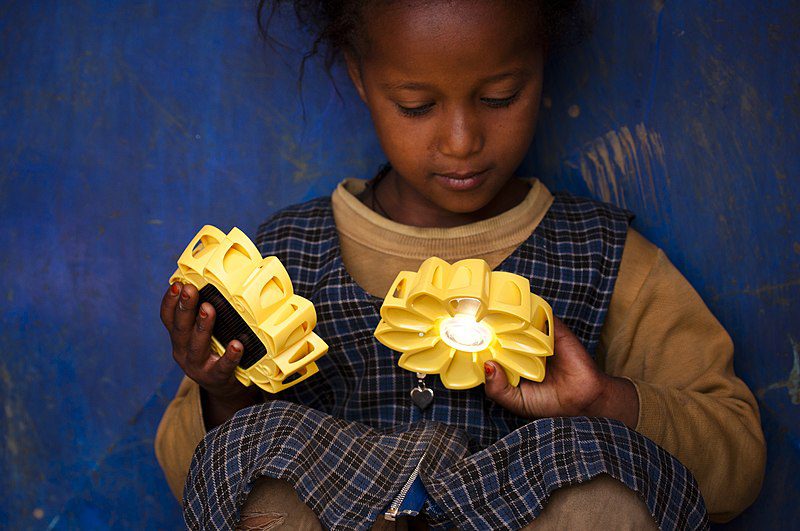
Abloh participated in the Copenhagen International Fashion Fair – Spring/Summer 2019 Edition by joining model Naomi Campbell, graphic designer Peter Saville and photographer Nick Knight in bringing awareness to the Little Sun Foundation, a program focused on the use of solar power. He designed a poster in which the main focus was a solar-powered lamp that comes with a strap so that it can be removed from its stand and worn around the neck like a torch.

This lamp is especially important in areas like sub-Saharan Africa, where electricity is not readily available. People usually light their homes with kerosene lamps, which release toxic fumes that are extremely detrimental to the environment and those around it. When kerosene lamps are replaced with solar-powered lamps, users notice improvements in their health, which also results in better school attendance for school-age children.

The Little Sun Foundation was founded by artist, Olafur Eliasson, whose goal is to provide solar energy to those communities that lack electricity. The foundation also trains youth through solar-education programs. The programs “aim to provide children with tools and knowledge that empower them to shape a sustainable future for themselves and for the planet,” the foundation’s website says.

Without proper lighting, refugee camps can seem like a scary and dangerous place to live, especially for women and children. Wearing the solar-powered lamp helps users feel more at peace about their surroundings. Not to mention, the lamps provide extra light to students who need it to perform well on their homework.

Abloh’s Philanthropic Efforts for Children of War

Abloh contributed his talents in FAMILY’s creative charity initiative to design a graphic t-shirt collection with proceeds going to War Child. War Child is an organization that provides education and a safe space for children and families who have been displaced by war. They also train victims of war to be able to provide for themselves after suffering the loss of their homes and jobs. Their services are offered in Uganda, Sudan, South Sudan, the Democratic Republic of Congo, Kenya, Iraq, Afghanistan and Jordan.

With his role at Louis Vuitton, Abloh hopes to accomplish great things, not just in the fashion industry, but in an ever-changing, diverse society.

“I want to use Louis Vuitton’s history with travel to really look at different cultures around the world to help make all our humanity visible. When creativity melds together with global issues, I believe you can bring the world together,” Abloh said.

– Sareen Mekhitarian
Photo: Wikimedia Commons

September 6, 2019
https://borgenproject.org/wp-content/uploads/borgen-project-logo.svg 0 0 Kim Thelwell https://borgenproject.org/wp-content/uploads/borgen-project-logo.svg Kim Thelwell2019-09-06 13:20:202019-10-31 08:27:39Virgil Abloh: Designer of Fashion and Philanthropy
Children, Global Poverty

Single Motherhood in South Africa

Single Motherhood in South Africa
Poverty in South Africa disproportionately affects women, a phenomenon people know as the feminization of poverty. Despite efforts by the South African government to combat severe female poverty and disadvantage, the feminization of South African poverty remains an important issue today. Single motherhood in South Africa is a huge problem because it puts a severe psychological and financial strain on both mothers and children. As of 2015, more than half of the South African population was living under the official poverty line, and homes headed by black African women are at greatest risk of impoverishment.

Despite government efforts to alleviate race-and-gender-skewed poverty with state-sponsored health care, free housing programs and subsidized basic services like water and electricity, poverty in South Africa remains overwhelmingly black and female. Half of South African children grow up in fatherless households, and the number of single mother households in the country has grown over the past several decades. Women must increasingly raise and support children alone, which increases a family’s risk of living under the poverty line.

Single-Mother Households and Poverty

The link between single-mother households and poverty is undeniable, impacting even the world’s most affluent nations. In Europe, single-mother households generally have more than double the poverty rate of two-parent households. Single-parent households are bound to bring in less money than married couples because they only have one source of income. As a result, children living in single-parent homes are three times as likely to be poor as children living with married parents.

South African women earn an average of 28 percent less than men, partly accounting for the disproportionate poverty of female-led households. Women also have a harder time finding jobs than men; almost 30 percent of working-age women are unemployed, compared to 25.2 percent of men. Women are also more likely to work in the informal, unregulated sector or do unpaid work. Other vulnerabilities, like domestic abuse, sexual assault, unwanted pregnancy and HIV prevent South African women from supporting themselves and their families.

There are psychological consequences for children in fatherless households as well as financial strains. Research has found that boys who grow up with absent fathers are more likely to display aggression and other hyper-masculine behaviors, which increases their risk for unhealthy relationships, crime and addiction. Fatherless girls are more likely to engage in high-risk sexual behaviors, experience an unwanted pregnancy or find themselves in an abusive relationship. These consequences propagate the cycle of fatherless homes.

Why is Single Motherhood in South Africa Common?

For almost 50 years, South Africa’s white-supremacist government crystalized systematic inequality on the basis of race through the system of Apartheid. Now, only 25 years into liberation, the South African people still feel these legacies deeply. One of the main contributing factors is the urban-rural divide. Apartheid relegated black South Africans were often in rural homelands far from metropolitan centers and, subsequently, jobs. Thousands of black men had to migrate to cities to find work. They lived in male-only hostels or townships, making low wages and sending money back to their families, who could not leave the homelands to join them.

Some argue that the destruction of the black family structure by the Apartheid regime contributed to patterns of male family-abandonment and neglect. This phenomenon may have had a hand in the recent increase in single-mother households.

Additionally, the vast gap in access to good education, well-paying jobs and respect in society created socio-economic inequalities in South Africa. Black South Africans remain poorly educated, and cyclical, persistent poverty traps many of them, leaving them unable to pull themselves out. In addition, 13 percent of all pregnancies in the country are teen pregnancies, which prevent mothers from finishing school and focusing on a career, resulting in continuous poverty.

The South African government recognizes the scope and seriousness of poverty in single-mother households and has adopted the National Development Plan: Vision 2030 to raise living standards, provide public services and reduce severe poverty and inequality. The policy outlines a plan to invest in education, health services, public transport, housing and social security, as well as welfare policies directed specifically at women and children, like a national nutrition program for pregnant women and a plan to increase women’s enrollment in schools, especially in rural areas. Single motherhood in South Africa is a dangerous phenomenon, and in order to alleviate this problem, women need better access to education, resources and job opportunities.

– Nicollet Laframboise
Photo: Flickr

September 6, 2019
https://borgenproject.org/wp-content/uploads/borgen-project-logo.svg 0 0 Kim Thelwell https://borgenproject.org/wp-content/uploads/borgen-project-logo.svg Kim Thelwell2019-09-06 04:43:512024-06-11 23:17:16Single Motherhood in South Africa
Children, Clean Water Access, Global Poverty, Sanitation

Splash: Helping Children in Urban Poverty Receive Safe Water

Children in Urban Poverty
Children who drink unclean water or expose themselves to poor sanitation and hygiene face seriously heightened health risks. Young children are the first to get sick and die from waterborne illnesses such as diarrhea and malaria. Out of the 2.2 million diarrheal deaths each year, the majority are children under the age of five. In areas with unsafe water and inadequate sanitation, children are also at risk for parasitic illnesses such as guinea worm and trachoma. Health outcomes range from child weakness to blindness and death. Poor hygiene increases the likelihood of these diseases and this occurs frequently among children in urban poverty.

Splash

Splash emerged in 2007 to bring water, sanitation and hygiene (WASH) programs to children in urban poverty around the world. Splash’s 1,779 program sites in schools, orphanages, hospitals and shelters support over 400,000 kids every day in eight countries. This includes Nepal (101,149 kids), China (84,234), Ethiopia (73,622), Cambodia (71,234), India (49,404), Bangladesh (20,603), Thailand (10,385) and Vietnam (18,365).

Splash focuses on harnessing the technology, infrastructure and supply chains already in use in large cities for solutions that serve the poor. The nonprofit’s founder, Eric Stowe, saw that hotels and restaurants had access to clean water, but the children in poor schools and orphanages across the street did not. Stowe saw this as an easy problem to fix by leveraging the existing economies and infrastructure.

Safe Water

Everything Splash does begins with ensuring access to safe water. Its water purification system removes 99.9999 percent of bacterial pathogens. Splash has the water regularly checked for quality which has reduced costs and maintained reliability. Splash’s point-of-use filtration is much more cost-effective and durable than typical approaches. Well-digging projects are often expensive, time-consuming and do not always work for urban areas. Additionally, Splash’s stainless steel taps last infinitely longer than plastic ones.  This approach to clean water is very sustainable. No new chemicals add to the environment and people reuse contaminated water in a gray water system.

Hygiene Education and Behavioral Change

Splash believes it is not enough for a child to drink safe water. It also encourages long-term behavioral change and improved hygiene through student hygiene clubs, child-to-child training and school events. It provides hygiene training for teachers and conducts soap drives at every school. Five-hundred and forty schools have received hygiene education, hygiene education has impacted 328,666 kids and people have donated 145,241 bars of soap.

In addition to installing high-quality filtration systems, Splash provides colorful, child-friendly drinking and handwashing stations that have been field-tested to make sure kids are excited to use them. Often children in urban poverty must drink and wash their hands from the same spigot; however, Splash separates drinking fountains and hand-washing taps to reduce the risk of water re-contamination. Splash uses fun, kid-centered learning materials to teach kids how to properly wash their hands with soap and develop good personal hygiene.

Improved Sanitation

By leveraging the clean water supply chain, Splash works to improve bathrooms in public schools to meet global standards for safety, privacy, cleanliness and accessibility. It ensures safe and secure toilets, water for flushing, gender-segregated toilets and bins for menstrual hygiene management. So far, Splash has reached 48,802 children in urban poverty in Ethiopia, Nepal and India with improved sanitation through 91 sites. Mirrors, colorful facilities and information are helping to motivate behavioral change and encourage proper toilet use by girls and boys.

Goals for the Future

Splash is a unique nonprofit because it aims to become “irrelevant”, “obsolete” and “unnecessary” by 2030.  Just as everything begins with clean water, Splash aims to complete all projects with a sustainable and strategic exit.

The ultimate goal is ensuring local success on its own time, its own terms, through its own talent and with its own funding. This is why Splash designs each program to have local roots, and be economically stable and enduring. It intends the solutions to live on as the ownership transitions from Splash staff to local owners.

As of 2016, Splash was on track for each of its ambitious goals. This includes WASH program coverage for all 650 public schools in Kathmandu, Nepal by 2020 and all 400 public schools in Addis Ababa, Ethiopia by 2022.

Splash is a great example of a forward-thinking international nonprofit with a clear vision to develop long-lasting WASH solutions for children in urban poverty. The world requires lots of work to ensure affordable and clean water, sanitation and hygiene for the urban poor, but organizations like Splash are making progress.

– Camryn Lemke
Photo: Flickr

September 4, 2019
https://borgenproject.org/wp-content/uploads/borgen-project-logo.svg 0 0 Kim Thelwell https://borgenproject.org/wp-content/uploads/borgen-project-logo.svg Kim Thelwell2019-09-04 05:51:402024-05-27 23:54:07Splash: Helping Children in Urban Poverty Receive Safe Water
Children, Development, Education, Food & Hunger, Global Health, Global Poverty, Health, Life Expectancy

10 Facts About Life Expectancy in Chile

Life Expectancy in Chile
Located on the southwest edge of South America, Chile‘s international poverty rate is 1.3 percent. This number is fairly low compared to other nations, but Chilean poverty is on the rise as the nation’s international poverty rate increased from 0.9 percent in 2015. Today, 234,083 Chilean people remain impoverished and currently survive on less than $1.90 a day. Despite this descent in economic prosperity, poverty has not negatively affected the country’s life expectancy as it is has risen from 73.6 in 1990 to 79.1 in 2018. Here are 10 facts about life expectancy in Chile.

10 Facts About Life Expectancy in Chile

  1. Female Life Expectancy: While the overall average life expectancy in Chile evens out at 79.1 years, according to the Central Intelligence Agency (CIA), women tend to live longer. Women have an average lifespan of 82.2 years while most men live to the age of 76. Despite this gap in longevity, Chilean citizens generally live long lives as the country ranks 51st among 222 other global nations.
  2. Living Conditions: Overcrowding has long been an issue in Chile. Not only does it reflect the economic fragility of the region but it also harms the physical and mental health of citizens subjected to it. When the Chilean government implemented the Social Housing Recovery of 2014, the health of the country’s citizens increased and their life expectancy increased as a result. Today, the average Chilean home houses 1.2 people per room, which is better than the Organisation for Economic Co-operation and Development’s (OECD) average of 1.8. Thanks to the Social Housing Recovery initiative, Chileans not only experience a higher standard of living, but they also received their right to better health and longer lives.
  3. Obesity: Obesity is one of Chile’s leading health issues. According to the CIA, nearly one-third of all Chilean adults suffer from obesity. Chile’s obesity rates ranked number 32 globally with 34.4 percent of adults and 44.5 percent of children suffering from the condition. Because of obesity, a large number of the nation’s citizens have an increased risk of other diseases including cardiovascular diseases, cancer and diabetes, some of the nation’s leading causes of death.
  4. Public Health Interventions: The Bono Auge Programme of 2010 created a universal health care program for Chile’s people. By providing a private health care voucher when public sector care is unavailable, more Chilean citizens are able to receive health care. Following its implementation, the program reduced the patient waiting list by 113,556 in 2010 to 50,780 the following year. The program also prioritizes those with high mortality pathological conditions and sets a two-day time limit on their waiting period for care. Patients who do not see a health care provider in this time frame receive a voucher so that another provider will see them. Equal health care increases the life expectancy of the Chilean people, as faster care and treatment not only saves lives but also extends them.
  5. Cancer: According to the OECD, Chile’s cancer mortality rate is high in comparison with its level of occurrence. Of the 35 percent of cases diagnosed, 23.8 percent end in death. This number makes up 24 percent of Chile’s national mortality rate and shortens the expected life span of its people. While the country has ways to treat the disease, much of this treatment is unequal and not enough. While it has created good screening procedures for cervical and breast cancers, it lacks large quantities of the equipment necessary to perform the job. Consequently, it is unable to reach a large number of people, and many people’s cancers go undetected. Unequal and limited proper testing hold Chile’s life expectancy back, as many of the country’s people die of cancers they are not aware they even have.
  6. Child Mortality: Ranked 163 in comparison with other countries, Chile’s infant mortality rate is fairly low. With an average of 6.4 deaths per 1,000 births and an under-5 mortality rate of 7.4 out of 1,000 during 2017, the country’s numbers prove themselves unalarming. Also, Chile’s infant mortality rate is on the decline, as the country’s under-5 mortality has dropped from 33.10 in 1980 to 7.4 in 2017.
  7. Air Pollution: Chile’s high concentration of air pollutant particles has a negative effect on the nation’s life expectancy. With 16.03 micrograms per cubic meter polluting Chilean air, the country fails to meet the 10 microgram standard that the World Health Organization set. The issue with polluted air is that it increases the risk for other diseases, such as lung cancer, which can eventually lead to death. Also, many expect that polluted air will be the leading cause of environmental premature death by 2050, meaning that without intervention, the country’s air quality will not only shorten the lives of people in the present, but it will also hurt the citizens of Chile’s future.
  8. Access to Health Care: While Chile has made strides towards equalizing its health care, care inequality is still a large issue. Socioeconomic status is the main determinant of the amount and quality of health care Chilean citizens receive. Chile’s indigenous citizens are statistically more impoverished, as they have a 35.6 percent poverty rate in comparison to their non-indigenous counterparts whose poverty rate rests at 22.7 percent. With a lower economic status, indigenous individuals have a higher risk of death, especially within their first year of life. In Mapuche, Chile, the children indigenous to Araucania have a 250 percent higher risk of death in their first year than those non-indigenous to the region. Without proper and equal access to health care, Chile’s impoverished people have a lower life expectancy merely because of economic status.
  9. Tobacco Consumption: According to the Pan American Health Organization, 20.2 percent of Chilean adolescents aged 19 to 25 participate in tobacco use. This number rises to 49.1 percent when assessing those citizens aged 26 to 34. This popularity in tobacco use not only increases the country’s risk of death from lung-related diseases, but it accounts for a large chunk of its lung cancer diagnoses. Chile is doing work to combat the issue, as it has implemented many anti-smoking policies, such as prohibiting smoking in public. As a result of these legislations, the prevalence of the nation’s total tobacco use has decreased from 42.6 percent in 2006 to 34.7 percent in 2014.
  10. Maternal Mortality: As of 2014, parasites and infections are the largest contributors to maternal deaths in Chile, as they make up to 25 percent of the total causes. While the maternal mortality rate has decreased, as deaths per 100,000 live births have dropped from 39.9 in 1990 to 22.2 in 2015. Improving Chilean poverty and prioritizing Chilean health care would improve the maternal death rate even more, as parasitic and infectious diseases are more prevalent among poverty-stricken regions.

These 10 facts about life expectancy in Chile show that by working towards ending Chilean poverty, the country’s total life expectancy will rise as a result. With poverty increasing the risk of many factors that contribute to Chilean mortality, such as decreased access to health care, reduced health literacy, higher risk of disease and higher prevalence of destructive behavior, a fight against poverty is a fight for all Chilean life.

– Candace Fernandez
Photo: Flickr

September 3, 2019
https://borgenproject.org/wp-content/uploads/borgen-project-logo.svg 0 0 Kim Thelwell https://borgenproject.org/wp-content/uploads/borgen-project-logo.svg Kim Thelwell2019-09-03 15:39:552024-05-29 23:12:2710 Facts About Life Expectancy in Chile
Child Soldiers, Children, Global Poverty

Rescued Child Soldiers Find Peace Through Art

Rescued Child Soldiers
At the age of seven, Judith became an accomplice to a murder. The Lord’s Resistance Army (LRA) raided her village and forced Judith to participate in the killing of her mother. The LRA then kidnapped Judith and her siblings and forced them to serve Joseph Kony. Thousands of children share Judith’s story. Today, the rescued child soldiers in Africa are finding healing and restoration through art.

The Rise of Joseph Kony and the Lord’s Resistance Army

The World Economic Forum found that poverty, social marginalization and political disenfranchisement were fertilizers for extremist groups to take root and grow. In the 1980s, poverty, social marginalization and political disenfranchisement hit Uganda hard. Estimates determined that one-third of the population lives below the poverty line.

Uganda government officials did little to improve the dire situation. As a result, rebel groups and organizations began to pop up throughout the country. The Holy Spirit Movement, a militaristic and spiritual rebel group, formed to fight against the oppression of the people in northern Uganda. Joseph Kony joined the movement in the mid-1980s. After the Holy Spirit Movement’s defeat in 1988, Kony kept the organization. He renamed the group the Lord’s Resistance Army. Kony used religion and traditional beliefs to continue the support of the people living in northern Uganda. His operation expanded to the nearby countries of South Sudan, the Democratic Republic of the Congo and the Central African Republic. The tactics Kony and the LRA used became more violent over time.

Kony and the LRA caused the displacement of more than 1.9 million people. Authorities issued a number of arrest warrants for Kony and leaders of the LRA on counts of war crimes and crimes against humanity. The LRA raided villages, burned down homes and murdered or mutilated thousands of people.

Child Soldiers in Africa

Kony lacked support for his cause and army. As a result, he abducted children and forced them into his service. Estimates state that the LRA kidnapped between 30,000 and 60,000 children. The LRA trained males to be child soldiers and females to be sex slaves. Fear was a major driver for children to remain in the LRA. Many children, like Judith, had to kill their parents and other loved ones for survival.

Art Is Restoring Peace to Rescued Child Soldiers

The U.N. called the LRA crisis the “most forgotten, neglected humanitarian emergency in the world.” A 29-minute film became the most effective tool in mobilizing the world into taking action against Kony and the LRA.

Art and social media were the key components of the success of the film “KONY 2012.” The U.S. advocacy group, Invisible Children, launched a digital campaign with the release of the film. The campaign’s goal was to make the infamous warlord famous in order to mobilize world leaders to stop him. The film garnered over 100 million views in six days. Public outcry and celebrity support increased the pressure for global leaders to take action against Kony. Eventually, authorities sanctioned a universal manhunt to capture Kony and put an end to the LRA. People have rescued many of the child soldiers in Africa but Kony still remains at-large. Today, the LRA has reduced to a group of fewer than 300 members.

Art has also been an effective tool for healing and restoration for the child victims of the LRA crisis. For many of the rescued child soldiers in Africa, there were some elements in their story that were too painful to put into words. Art became an avenue for those children to confront the past and face the future. Exile International, a nonprofit organization, has been providing healing to war-affected children through art-focused trauma care since 2008.

Recently, Exile International partnered with award-winning photographer and artist Jeremy Cowart to share the faces and powerful stories of child survivors. The Poza Project utilized the children’s art and Cowart’s talent to create a healing opportunity for the children to tell their own story of survival. Unique photographs and mixed art media created by the children were available for purchase. All the proceeds helped provide art therapy and holistic rehabilitation to children survivors of war. The Poza Project showcased a dozen children including Judith.

Judith spent nearly two years in captivity before being rescued. Today, she is back in school and working to become a psychiatric doctor. With the help of The Poza Project, Judith is one step closer to her dream of helping the other victims of Kony and the LRA.

– Paola Nuñez
Photo: Flickr
September 3, 2019
https://borgenproject.org/wp-content/uploads/borgen-project-logo.svg 0 0 Kim Thelwell https://borgenproject.org/wp-content/uploads/borgen-project-logo.svg Kim Thelwell2019-09-03 07:46:522019-09-03 07:46:52Rescued Child Soldiers Find Peace Through Art
Children, Global Poverty

10 Facts About Child Labor in India

Child Labor in India
India is the second most populated country in the world with around 1.3 billion inhabitants and the seventh-largest country in terms of size. It is also a prominent figure in the United Nations and other international deliberative assemblies. The country’s top exports include petroleum, medicaments, jewelry, rice and diamonds with major imports consisting of gold, petroleum, coal and diamonds. India’s main trade partners are the United States, Saudi Arabia, China, Switzerland and the United Arab Emirates (UAE). While the country wields power as a major partner in worldwide trade and holds the title of the 17th largest export economy, many Indians still struggle to make ends meet. Indian children, in particular, must carry the heavy burden of supplying for their families far more often than any child should. The following are 10 facts on the reality of child labor in India and what the country is doing to improve these children’s quality of life.

10 Facts About Child Labor in India

  1. Poverty is the main driving cause of child labor in India. There is often an increased reliance on child labor in India due to the need to provide a necessary income contribution to one’s household or out of an obligation to fund a family debt, especially considering the susceptibility of Indian families to enter poverty. In some cases, a child’s income amounts to 25 to 40 percent of a total household income.
  2. A lack of quality education also causes children—particularly girls—to turn to work. Girls are two times more likely to take on domestic jobs like cleaning, cooking and general housekeeping if out of school. Also, even though India’s 2009 Right to Education Act made education for 6 to 14 year-olds compulsory, it did little to improve the educational infrastructure across all of India. A 2006 survey found that 81,617 school buildings lacked blackboards to display class content on and that around 42,000 state-supported schools conducted classes and academic activities without an actual building.
  3. Child labor affects 5 to 14 year-olds disproportionately and is present in some of India’s most unsafe industries. Almost 60 percent of all working five to 14-year-olds are located in five of India’s 29 states. The latest available census found that of the 10.1 million children in India between the ages mentioned above, 2.1 million live in Uttar Pradesh, 0.1 million in Bihar, 0.84 million in Rajshahi, 0.7 million in Madhya Perish and 0.72 million in Maharashtra. Around 20.3 percent of Indian children work in hazardous industries such as mining gemstones and construction — even in spite of the existence of laws that are supposed to prohibit this activity in India.
  4. Indian legal rulings on child labor have brought about unorganized trade, called the informal sector–an area of trade that has little to no regulation on the production of goods. Though it is not the greatest source of GDP growth in India, the informal sector still constitutes 90 percent of the workforce in the country. Because of the nature of child labor and the need to often choose work over education, the majority of child laborers work in this unskilled sector. Government-mandated inspections are infrequent, and employers rarely uphold legal rights for workers and do not enforce minimum wage standards.
  5. Production work in India can range from seemingly harmless to very harmful. Many children at work in India take part in “bangle-making, stainless-steel production, bidi-making, hotels, and small automobile garages and workshops.” However, some of these workers experience serious health issues as a result of their involvement. One such sector is incense production, which causes respiratory tract problems. The ILO finds that girls are more likely to work in this sector, and as such, are often more susceptible to these health issues.
  6. A decades-old child labor law in India requires amendments to solve the issue of loopholes. The Child and Adolescent Labour (Prohibition and Regulation) Act of 1986 defines a child as a person of 13 years of age or younger. This ruling prohibits children from working or from employers putting them to work. Adolescents are of age 14 or older, and may work in unhazardous occupations. The law, however, does not outline all types of work that can become unsafe after an extended period. The penalties for violating this rule are also not enough to encourage employers to move away from adolescent work.
  7. Maintaining child labor in India is detrimental to the country’s economy. Investing time and funding in children’s education upfront might feel like an economically unwise choice, but in the words of Frans Roeselaers, ILO International Programme director on the Elimination of Child Labour, “ [childhood education investment] gives enormous, almost astronomical returns in terms of both productivity and increased wages once the child grows up and becomes a worker.” Not only do companies benefit from more educated workers, but individual households will also experience an improved quality of life thanks to the higher salaries of the jobs more educated people can obtain. As a result, the government would also benefit from those higher salaries in the form of greater tax returns.
  8. India has made or is in the process of making various efforts to establish institutional unity and solve the child labor crisis. The state of Andhra Pradesh, India is working on an economic model that would eliminate the need for child labor and urge other Indian states to follow suit or use as its example as inspiration for similar approaches. The Universal Alliance of Diamond Workers (UADW) is working to establish the involvement of children in the gemstone industry as unsuitable in many respects. Also, the M. Venkatarangaiah Foundation in India has strategized different and adaptable approaches to “prevent early drop-out and involvement in child labor, by motivating parents, easing enrolment problems and bridging the gap between home and school.” The initiative utilizes groups of government teachers, officials elected to represent their community at a higher governmental level and other community members who have counsel to provide based on experience and observation. As this effort grew in acceptance and implementation, 85 villages rid their industries and establishments of any opportunity to utilize child labor.
  9. Recent updates to rules on child labor in India have resulted in improvement. As of 2017, the Indian government moved to ratify both ILO Convention 182 and Convention 138–two improved standards of labor laws that the country hopes to introduce as status quo in years to come. India’s leaders also devised a new National Plan of Action for Children that establishes the National Policy for Children. This policy focuses on helping improve the conditions and tolerance for continued child labor and child trafficking.
  10. There are several organizations already working to address India’s child labor crisis specifically. Groups like CHILDLINE India Foundation, Save The Children India and SOS Childen’s Villages India are all working to combat child labor in India.

Although India has a long way to go to eradicate child labor, it is making serious steps towards its goal. The help of various NGOs and the improvement of existing laws should help reduce child labor in India.

– Fatemeh-Zahra Yarali
Photo: Flickr

September 3, 2019
https://borgenproject.org/wp-content/uploads/borgen-project-logo.svg 0 0 Kim Thelwell https://borgenproject.org/wp-content/uploads/borgen-project-logo.svg Kim Thelwell2019-09-03 06:58:412024-05-29 23:10:2710 Facts About Child Labor in India
Children, Education, Global Poverty

Top 8 Facts about Education in Slovenia

Education in Slovenia

Lying in central Europe is Slovenia, a country known for its mountainous terrain and as the land which once made up Yugoslavia. A small country, Slovenia is rather young and hasn’t made a large splash in global discussion yet. Still, it’s a country with classic European sights and environments that are perfect for an adventurous spirit. The country also has a more industrial side. Its society moves forward through the years and is powered by a productive education system. Here are eight facts about education in Slovenia that show what’s beyond the mountains.

Top 8 Facts About Education in Slovenia

  1. Slovenia has three options for secondary education. They are vocational, technical and general programs. Vocational education specializes in skills that go directly towards the workforce and the degree takes approximately two to three years to complete. Technical education degrees take about four years to complete and vary in topic. General education refers to academic pursuits that precede the international baccalaureate degree.
  2. The education system as a whole is split into three levels. The first is basic education, which is a required foundational portion for all Slovenia citizens and lasts from age six to age 15. At the end of the basic level, students must pass a nationwide exam to move into the next tier, secondary education. The secondary level is split into three groups with only two of them actually taking students further in their academic journey. If they chose one of these options—either general or vocational programs—then they can take another exam and, should they pass, partake in higher education, the final level of the system. Depending on the student’s choice they can participate in either vocational college or university.
  3. The educational system is primarily managed by the National Education Institute of Slovenia (NEI). The organization works with the Ministry of Education to efficiently run the schooling network. The NEI’s primary goal is to improve and maintain the quality, results and overall education for the students. The institute hopes to achieve this through the monitoring of various aspects of the schools themselves, from the encouragement of professional development to regimented operational conditions.
  4. The basic public elementary schooling in Slovenia is fully obtainable by all children due to the country’s compulsory education laws. Tuition is free and includes health insurance and medical examinations. Transportation is provided for younger children if they live within four kilometers of the school building. The schools are also required to provide meals for cost, though children from lower-income families can purchase the food at a reduced cost.
  5. Slovenia’s overall number of students in tertiary education—schooling post the high school level—has dropped in recent years. According to the Republic of Slovenia Statistical Office, the 2016-17 academic year presented 79,547 enrolled students. This is a drop of about 1,000 students from the prior year and a drop of nearly 36,000 students in the last decade. These numbers are similar to the 1998-99 academic year, which shows this trend won’t necessarily continue forward; rather, there could be an uptick in the next ten years, should history repeat itself.
  6. As previously mentioned, tertiary education is split between two categories, vocational and academic schooling. The tuition of this level, in both fields of study, is fully paid for native students. Part-time, post-graduate and foreign students have to pay separate tuition fees. Both vocational and academic study offer a variety of financial aid options, though student loans are not among these choices.
  7. Completion of secondary education, or general high school level, is rising in Slovenia. As of 2003, the completion rate itself was at 90.7 percent and that same year showed that 76.8 percent of all adults aged 25 to 64 had completed high school in their lifetime. The secondary education system prepares a student for two paths: the vocational route and the general studies route. As previously mentioned, general studies refer to academic pursuit of higher education, or in other words, university. The vocational route focuses more on practical skills and prepares a student for more labor-intensive work.
  8. The percentage of women in tertiary education has always been high for Slovenia. In the past ten years, female participation in higher education has increased by 16 percent, going from 40 to 56. Comparatively, the percentage of men has increased 13 percent in the same time span, from 20 to 33. As is evident with the numbers, there are more women in higher education than men—which showcases an empowering trend for women in the system.

Slovenia, despite being a smaller country, has a high functioning education system. The compulsory primary education pushes students out the door and offers opportunities in the exploration of knowledge. The split between vocational and academic study encourages both intelligence and industrialization within the country. As education is fully affordable, students are given the best chances possible to succeed in life. If one were to visit Slovenia, they might be more interested in the sights than the society—but one look at their schooling showcases an up-and-coming force in the world which one ought to pay attention to.

– Eleanora Kamerow
Photo: Flickr

September 2, 2019
https://borgenproject.org/wp-content/uploads/borgen-project-logo.svg 0 0 Kim Thelwell https://borgenproject.org/wp-content/uploads/borgen-project-logo.svg Kim Thelwell2019-09-02 13:53:212024-06-04 01:17:53Top 8 Facts about Education in Slovenia
Children, Global Poverty

Protecting the Children of Foreign Fighters in Syria

Children of Foreign Fighters
The children of foreign fighters, specifically those in Syria, are among the most vulnerable groups in the world. Estimates state that there are close to 29,000 foreign children in Syria, most of them under the age of 12. Around 20,000 are from Iraq and more than 9,000 are from 60 other countries. According to UNICEF, these children live in appalling conditions and have little family support; most of them live stranded with their mothers or other caregivers and many live entirely alone.

Unfortunately, many countries have refused to repatriate their citizens, including those born in the conflict zones. Repatriation includes accompanying children back to their legal countries and reintegrating them into their extended families. So far, countries have repatriated only a fraction of them. Non-receiving countries usually give reasons that involve security concerns and often pass judgment on young children who have suffered from blatant manipulation or the decisions of their caretakers.

Most children of foreign fighters started their lives in or traveled to Islamic State-controlled conflict areas, but many are also young boys who armed groups manipulated into support. UNICEF’s call to action urges that countries maintain the international standards for a fair trial, especially with children over the age of criminal responsibility. Receiving countries should work to prevent the harsh scrutinization of foreign fighters’ children who have not committed serious crimes.

Working to Protect Stateless Children

There are also a number of Syrian refugees and children of foreign fighters who are stateless, meaning that they possess no civil documentation to prove their nationality. Without documentation, it is difficult for refugees to build their lives beyond reintegration. When it comes to stateless children, most of them are born abroad after their parents have fled conflict and estimates determine that parents do not register 70 percent of them at birth. According to the U.N., a stateless child is born every 10 minutes.

Many large organizations are working to counter statelessness. UNICEF has pressed outlying nations to prevent the children of foreign fighters from becoming stateless and to provide all citizens with civil documentation. In 2014, the U.N. launched the 10-year I Belong global campaign to rid the world of statelessness. Currently, there are over 96,000 signatures on the U.N.’s petition to end statelessness.

Importance of Mental Health Care

Successful reintegration requires more than placing the children of foreign fighters into schools and providing housing and jobs. Nearly half of all Syrian children display symptoms of PTSD and a quarter face intellectual and developmental challenges. By living in conflict zones, children are at high risk for depression, anxiety and other forms of mental illness. This includes making them vulnerable to radicalization due to post-conflict distress and anger.

Furthermore, the unfamiliar surroundings, foreign languages and a lack of familial support during repatriation can worsen symptoms. One study on reintegrated children in Sierra Leone showed that children abducted at younger ages were less likely to return to school. The study also found immense psychological challenges when trying to reintegrate children into schools; children would often have heightened symptoms resembling traumatic stress in reaction to war and grief.

There are a number of health care NGOs working to help those the war affected. The International Psychosocial Organization is training counselors in Syria’s conflict zones. In Palestine, the Médicins San Frontières partnered with Al-Najah University to establish a graduate psychology program, with its main purpose to bolster the mental health workforce in Syria.

Right now, the world has received an opportunity to counter violent extremism by helping women and the children of foreign fighters reintegrate into their original communities. The damage done to the three million children born since the beginning of the Syrian War will be present for many years, requiring a multilayered and multinational response. In this complicated and brutal war, it is incredibly important to help protect these children and return them to their intended families and communities.

– Isadora Savage
Photo: Flickr

August 30, 2019
https://borgenproject.org/wp-content/uploads/borgen-project-logo.svg 0 0 Kim Thelwell https://borgenproject.org/wp-content/uploads/borgen-project-logo.svg Kim Thelwell2019-08-30 13:07:212019-12-16 14:14:20Protecting the Children of Foreign Fighters in Syria
Children, Foreign Aid, Global Poverty, Migration

How Foreign Aid Can Stop the Migrant Crisis

Stop the Migrant Crisis
Circulating the United States news cycle as of late is the migrant crisis at the border. From the conditions in which authorities hold migrants to the bills Congress is pushing, such as the Keeping Families Together Act and the Dignity for Detained Immigrants Act, migrants from Central America have captivated the news as well as the minds of most Americans. One might wonder why so many Central Americans are making their way to the border. This article will explore how increasing foreign aid may stop the migrant crisis.

The Migrant Crisis

The majority of migrants at the border are coming from Central America, specifically El Salvador, Guatemala and Honduras, or the Northern Triangle of Central America. These are some of the most dangerous countries, with each of them being on the top 10 list of most homicides in the world. People in these regions face violence, such as gender-based violence and gang violence, political instability and extreme poverty, which makes the perilous journey to the United States seem like the most optimistic of options.

These countries face factors that can help explain why people are fleeing their home countries at such a rate. Studies have found that for every 10 homicides in these all three countries, six children wish to enter the United States. In 2018, there were 51 homicides per 100,000, with around 3,340 homicides in El Salvador. Police attributed these murders to the two prominent gangs in El Salvador called MS13 and the Barrio 18. Guatemala had a homicide rate of 22.4 per 100,000 and Honduras had a homicide rate of 40 per 100,000, both being extremely high compared to the homicide rate of other Central and South American countries.

What Caused the Crisis?

One can possibly attribute the recent influx of migrants from these countries to the foreign aid cuts that the current administration has made. According to the State Department, the 2019 fiscal year cut nearly $700 million in funding to these countries. Some believe that these cuts would force people to stay in their countries while others believe that keeping the cuts would allow people to save their money and use it to immigrate to the United States.

The money the United States gave to Central America funds social programs in order to build these countries up and tackle the root causes of their problems. Some of these root causes are violence, lack of education, food insecurity and poverty. The money mainly funds social programs or government reform that would improve living conditions, incentivizing citizens to stay. These programs include after-school programs, programs to create jobs and programs that help strengthen police forces and the court systems.

How Foreign Aid Helps

In these cases, the foreign aid funding these programs and helping different social agencies and NGOs does in fact work. For example, in El Salvador, a United States funded program trains children for employment. The area that implemented this program saw that homicide rates lowered by 78 percent. The United States Global Leadership Commission also breaks down what the funding in each country does and the different programs it funds. In El Salvador, the commission focuses on improving the rule of law and citizen security. However, in Guatemala, funding focuses on fighting poverty, and in Honduras, funding goes towards fighting corruption. In all of these different endeavors, funding has made a positive difference and helped improve living conditions for citizens. This further shows that to stop the migrant crisis, the United States must increase foreign aid.

Conclusion

Using funding for these social programs allows Central Americans and their countries to grow, thrive and prosper. When a country succeeds and gives its citizens ample opportunities to be successful and live their life to the fullest, those citizens may want to stay in said country. Therefore, it seems that the only way to stop the migrant crisis would be an increase in foreign aid to give the Northern Triangle people a reason to stay in their homes and enjoy a better life in their own countries.

– Sydney Toy
Photo: Flickr

August 30, 2019
https://borgenproject.org/wp-content/uploads/borgen-project-logo.svg 0 0 Jennifer Philipp https://borgenproject.org/wp-content/uploads/borgen-project-logo.svg Jennifer Philipp2019-08-30 11:30:372020-01-03 14:15:04How Foreign Aid Can Stop the Migrant Crisis
Children, Developing Countries, Development, Global Poverty

What is the Malawi Project?

The Malawi Project

Malawi Project, Inc. is a 501(c)(3), Christian, nonprofit, humanitarian organization that focuses primarily on improving the physical and spiritual health of men, women and children in Malawi. Founded in 1999 and headquartered in Indianapolis, Indiana, the Malawi Project has provided aid to Malawi in areas as diverse as education, medicine, famine relief, agriculture and community development. The Borgen Project had the opportunity to speak with Richard Stephens, co-founder of the organization about the Malawi Project’s impact to date.

The Borgen Project: Is the Malawi Project the biggest provider of humanitarian aid to Malawi?

Richard Stephens: First, allow me to give some background about the nation and people of Malawi. According to USAID, More than one-half of the country’s 17 million people live below the poverty line, and more than one-third consume less than the required daily calories, contributing to the stunting of nearly one-half of children under 5 years of age.

The agency notes, “Malawi continues to score poorly on major health indicators for maternal, infant and under-5 mortality. Eighty-five percent of households engage in agricultural activities and most rely almost exclusively on rain-fed subsistence farming that is particularly vulnerable to cyclical droughts.

These challenges are compounded by threats from the highest rates of deforestation and population growth in the region.” Only 50 percent of children complete primary school, and of those, only 60 percent successfully pass the exam to access public secondary school; only 15 percent of girls are enrolled in secondary school.” However, the Malawi Project would not be the largest provider of humanitarian aid to Malawi.

TBP: What is the organization’s biggest accomplishment?

RS: According to Dambisa Moyo, a recognized Zambian economist, in her book “Dead Aid,” developed nations delivered over $1 trillion in aid to Africa over the past 50 years. The result? Moyo notes that from 1970 to 1998 when that aid was at its peak, the unemployment picture went from a low of 11 percent in 1970 to a high of 66 percent in 1998. 

Obviously, something was wrong in the way aid was administered. The Malawi Project is proud of its stance of supplying its aid packages in such a way as to inspire creative thinking among the recipients, development of oversight and management by in-country local management, and the creation of an infrastructure to carry out their own work with little or no outside oversight or management.

The Project supports grassroots development of businesses, churches and community groups that will build up and develop the nation from within. Action for Progress is an example. Made up of business, church and community leaders from all three regions of Malawi, this not-for-project organization is taking the lead in the identification of specific need areas and the successful distribution and follow up reporting on nearly all of the aid currently being delivered to Malawi by the Malawi Project.

In the past 26 years, more than 375 forty-foot shipping containers have delivered over $300 million in aid from the Malawi Project. This aid has been delivered to every region, every religion and every walk of life. Additionally, more than 800 people have traveled to Malawi with Project teams to assist the citizens.

More than $3 million in cash infusion has been delivered in the form of locally purchased food, and through a food processing plant constructed under the sponsorship of [our organization] employing more than 100 people, purchasing raw food materials from over 1,000 Malawi farmers, and feeding over 60,000 people a day — as well as an agricultural village, inspired by the Malawi Project, is training 50 farm families a year in current agricultural practices. Additionally, a five-building, 110-bed medical complex serves the needs of people north of the capital and a 27-building childcare center takes care of more than 160 parentless children. These programs are now working independently of support from the Malawi Project and many others are in the development stage of creating this same independent approach to their future.

TBP: Does the Malawi Project ever collaborate with other humanitarian organizations? If so, could you provide some examples?

RS: Yes, the Malawi Project has teamed up with Feed the Children, Nourish the Children, USAID and the governments of Canada, Sweden, Israel, Holland and Germany to supply food and medical assistance to Malawi. Organizations such as Universal Aid and Compassionate Resources in Canada, World Emergency Relief, Amigo International, Breedlove Foods in the U.S. have supplied food, medical assistance and agricultural assistance through the Malawi Project. Hoffnung fur kinder in Germany, Children’s Hope Fund in Hong Kong and Aid to Africa in Washington D.C. have all given financial assistance. Healing Hands International has supplied technical expertise in areas of food processing and agricultural development. Proctor and Gamble, Adidas and Nike are but a sampling of corporations that have extended assistance through the donations of various products.

TBP: How many Malawians have been helped by the Malawi Project?

RS: “The number would be impossible to estimate, but one can note that medical supplies have gone into every district of the nation, to some 600 medical facilities, and school supplies and textbooks have been delivered to well over 1,000 schools and colleges throughout the nation.”

The scope of the Malawi Project work and the impact it has made in Malawi make it an excellent humanitarian organization. In fact, GreatNonprofits recognized the organization as a top-rated nonprofit in both 2017 and 2018. Yet, Stephens’ answers reveal that there is still great need throughout Malawi. Thus, he and the rest of the Malawi Project have no desire to end their work in this country any time soon.

– Jacob Stubbs
Photo: Wikimedia

August 30, 2019
https://borgenproject.org/wp-content/uploads/borgen-project-logo.svg 0 0 Kim Thelwell https://borgenproject.org/wp-content/uploads/borgen-project-logo.svg Kim Thelwell2019-08-30 01:30:452024-05-29 23:11:11What is the Malawi Project?
Page 78 of 137«‹7677787980›»

Get Smarter

  • Global Poverty 101
  • Global Poverty… The Good News
  • Global Poverty & U.S. Jobs
  • Global Poverty and National Security
  • Innovative Solutions to Poverty
  • Global Poverty & Aid FAQ’s
Search Search

Take Action

  • Call Congress
  • Email Congress
  • Donate
  • 30 Ways to Help
  • Volunteer Ops
  • Internships
  • Courses & Certificates
  • The Podcast
Borgen Project

“The Borgen Project is an incredible nonprofit organization that is addressing poverty and hunger and working towards ending them.”

-The Huffington Post

Inside The Borgen Project

  • Contact
  • About
  • Financials
  • President
  • Board of Directors
  • Board of Advisors

International Links

  • UK Email Parliament
  • UK Donate
  • Canada Email Parliament

Get Smarter

  • Global Poverty 101
  • Global Poverty… The Good News
  • Global Poverty & U.S. Jobs
  • Global Poverty and National Security
  • Innovative Solutions to Poverty
  • Global Poverty & Aid FAQ’s

Ways to Help

  • Call Congress
  • Email Congress
  • Donate
  • 30 Ways to Help
  • Volunteer Ops
  • Internships
  • Courses & Certificates
  • The Podcast
Scroll to top Scroll to top Scroll to top