• Link to X
  • Link to Facebook
  • Link to Instagram
  • Link to TikTok
  • Link to Youtube
  • About
    • About Us
      • President
      • Board of Directors
      • Board of Advisors
      • Financials
      • Our Methodology
      • Success Tracker
      • Contact
  • Act Now
    • 30 Ways to Help
      • Email Congress
      • Call Congress
      • Volunteer
      • Courses & Certificates
      • Be a Donor
    • Internships
      • In-Office Internships
      • Remote Internships
    • Legislation
      • Politics 101
  • The Blog
  • The Podcast
  • Magazine
  • Donate
  • Click to open the search input field Click to open the search input field Search
  • Menu Menu

Archive for category: Advocacy

Information and news on advocacy.

Activism, Advocacy, Global Poverty

NGO Profile: CARE

CARE
Care about what? Care about ending global poverty. CARE is an organization that works with other businesses, schools, communities, and more to help extract people from the condition of poverty. They have main office headquarters in Atlanta, as well as an office in each of the 84 countries in which they work.

The U.S. government, European Union and United Nations help support CARE financially as well as individual donations from over 100,000 people each year. CARE works to help young girls and women become self sufficient, sustain business opportunities and escape a life of severe poverty.

All of the financial records of CARE’s use of donations and resources are available online for public viewing. A huge reason why CARE is such a great organization in terms of aid and effectiveness is that they enhance local economies whenever possible.

Instead of accepting clothes or tangible items from donors, they attempt to buy these supplies locally to help the countries they are working with. When recruiting people to help execute programs and fundraising events, the CARE staff also tries to hire locally from residents of the nations in which they are currently holding the events.

The focus on women and girls stems from the impact that gender inequality has on the cycle of poverty. More often than not, men are afforded jobs and opportunities for education and a better future through manual labor or schooling that women are not. Denying females career options and land ownership as well as many other civil rights only serves to perpetuate the timeline of poverty. A population cannot be pulled from such bleak conditions if the men are the only ones with the ability to break free.

The CARE website is designed with excellence and provides tons of information on how the organization works, as well as how and when people can participate. One section brings viewers to learn more about the history, founders, and partnership network of CARE, while other sections promote newsworthy stories of people whose lives have been changed for the better. Links are provided to financial records, success stories, and the CARE Twitter feed.

The most recent twitter campaign was called #IamCourage and encouraged people to tweet their personally courageous photos to the CARE Twitter feed, @Care. Another recent campaign involves getting supplies to the south of Sudan before aid is blocked by the rain season and planes can no longer deliver food, clothes, or medicine due to the poor visibility conditions.

The country is in desperate need of help and the UN has been trying to generate contributions because they are concerned about a possible severe food shortage in Sudan next year. CARE helps not only the residents of nations in need, but other organizations who are also trying to help. They work to inspire others to not only care about saving people from global poverty but to actually take action and do something about it.

– Kaitlin Sutherby

Sources: CARE, Twitter, UN South Sudan, UN in South Sudan
Photo: Primary Care UK

March 5, 2014
https://borgenproject.org/wp-content/uploads/borgen-project-logo.svg 0 0 Borgen Project https://borgenproject.org/wp-content/uploads/borgen-project-logo.svg Borgen Project2014-03-05 11:49:312024-06-04 03:01:16NGO Profile: CARE
Advocacy, Developing Countries, Global Poverty, Hunger

Julia Roberts Backs Clean Cookstoves Initiative

julia roberts
When people think of the needs of the hungry in the developing world, their supply of proper cookware is not always the first thing that comes to mind. More common are thoughts of the need for immediate food supplies and ways to promote agriculture. However, there is a definite need in the developing world for proper cookware. Estimates say three billion people around the world rely on open-air stoves, an inefficient and sometimes dangerous way of cooking food.

The Global Alliance for Clean Cookstoves was organized in 2010 by then-Secretary of State Hilary Clinton and the United Nations Foundation to raise awareness about the challenges that so many face in cooking their food from open-air flames. In 2011, Julia Roberts joined the Alliance as a global ambassador and became a key spokesperson for the group. In a statement soon after her decision, she said, “I was inspired to join the Global Alliance for Clean Cookstoves because its core mission is saving lives – especially children’s lives.”

It is believed that two million people a year are killed due to the smoke coming from the cooking done on unclean cookstoves. Up to a million of those killed are children. In the necessity for parents to provide for their children they inadvertently put them at risk. This shows the necessity for governments in the developed world to step in, and shows the necessity of groups like the Borgen Project to encourage this type of support.

Fires cooked over open-air flames take the terrible human toll that have resulted in the millions of deaths around the world. They also take a toll on the environment, raising concerns about the future of humans on this planet. In order to supply these open-air flames, the people using them are contributing to the global deforestation problem. The flames from the stoves, just as they release carcinogens that can harm the cooks, can also release dangerous greenhouse gases that harm the environment. Studies have shown that fires contribute to emissions of methane, carbon monoxide and black carbon.

The goal of the Global Alliance for Clean Cookstoves is to change the landscape of cooking in the developing world by 2020. Goals have been set to establish 100 million clean stoves by that year. Julia Roberts describes the “effective solutions, which can save lives, improve livelihoods… and combat climate change.”

This is a fight worth taking up, one that could have large impacts on the global stage. With more efficient stoves, the health costs spent combating smoke-related diseases could be used towards the upkeep of a productive family. As more families have these funds freed up, a significant impact on the global economy could follow.

Human lives being lost in the search for a good meal should not be the case anywhere in the world. The meals people cook everyday at home are an unheralded luxury we enjoy. If citizens take the time at every meal to think of how they can make it easier for those abroad to healthily enjoy their meals, it may contribute to a global effort to save lives.

– Eric Gustafsson

Sources: Kiva, Clean Cookstoves, Guardian, PBS
Photo: TV Guide

March 5, 2014
https://borgenproject.org/wp-content/uploads/borgen-project-logo.svg 0 0 Borgen Project https://borgenproject.org/wp-content/uploads/borgen-project-logo.svg Borgen Project2014-03-05 04:00:502017-11-30 10:56:29Julia Roberts Backs Clean Cookstoves Initiative
Advocacy, Developing Countries, Development, Disease, Food & Hunger, Food Aid, Food Security, Global Health, Global Poverty, Health, Human Rights, Hunger, Inequality, Sanitation, Water

5 Facts About Hunger in Rwanda

hunger_rwanda
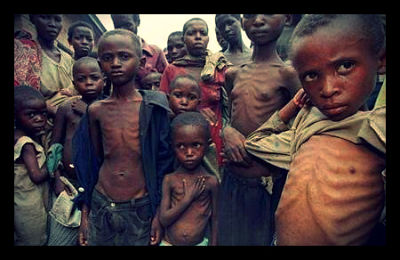
The Republic of Rwanda is a small sovereign state in the Eastern part of Central Africa. Rwanda ranked at 166 of 187 countries on the UNDP Human Development Index in 2011. Rwanda also has the highest population density in the region with 416 people per square kilometer.

Low income, limited natural resources, and food and water insecurity pose a problem for citizens in Rwanda every day. In the years following the Rwandan Genocide in 1994, international rebuilding efforts have been on the ground trying to make sustainable changes to alleviate some of the hunger and water issues.

Here are five facts that explain the state of hunger in Rwanda and how it may change in the coming years:

  1. The 1994 Rwandan Genocide marked the end of the ceasefire signed the year before that stopped the fighting of the Rwandan Civil War. The war began between two ethnic groups the Hutu and Tutsi. The Genocide began when the plane carrying the Hutu supported president Juvenal Habyarimana was shot down and he, along with several other members of the government, were killed. The genocide lasted 100 days and an estimated 800,000 to 1,000,000 people were killed. The fallout from the Rwandan Genocide is the cause for much of the instability in the region that lasts today.
  2. Secondary school attendance in Rwanda is one of the lowest in the world and the literacy rate is 55%.
  3. Approximately 65% of the population has access to safe, clean drinking water
  4. 45% of children under 5 years of age are malnourished.
  5. Over 67,000 refugees from neighboring countries currently reside in Rwanda.

Even though there is a lot of strain on the country today, organizations have been working with the government to address one of Rwanda’s major problems: food insecurity. Agriculture was the country’s main sector before the genocide, and since then, major efforts have been made to make it profitable one more.

Updating the agricultural practices is what the World Food Programme credits with directly reducing the number of food insecure people.

The country hopes that with the reliance on agricultural programs it will improve its GDP to US$900 by the year 2020, up US$380 from its current GDP. Rwanda was also the first country to sign the Comprehensive Africa Agriculture Development Programme (CAADP), meaning that addressing malnutrition and food insecurity is one of the government’s main priorities.

Even though Rwanda still has a long way to go, the government has been taking steps in the right direction that could provide a template for other countries in the region to follow.

– Colleen Eckvahl

Sources: World Food Programme, World Vision
Photo: Rising Continent

February 26, 2014
https://borgenproject.org/wp-content/uploads/borgen-project-logo.svg 0 0 Borgen Project https://borgenproject.org/wp-content/uploads/borgen-project-logo.svg Borgen Project2014-02-26 22:20:472024-05-24 23:56:425 Facts About Hunger in Rwanda
Advocacy, Developing Countries, Development, Global Poverty, Human Rights, Inequality, Nonprofit Organizations and NGOs, Violence Against Women, Women, Women & Children

Conditions for Garment Workers in Bangladesh

garment_workers_bangladesh
When people buy from brands like Nike and shop at stores like H&M and Gap, they do not pay much attention to how the products arrived at the stores. In many cases, these clothing products are produced in sweatshops in developing countries like Bangladesh, Cambodia, and Indonesia. Almost half of the population in Bangladesh lives off of less than a dollar a day.

Garment workers in Bangladesh toil day after day under extremely harsh conditions for low wages, sometimes handling dangerous chemicals with their bare hands and inhaling toxic fumes due to poor ventilation in many factories.

In April of 2013, an eight story building in Bangladesh called Rana Plaza collapsed leaving over 100 dead and over 2,000 injured.

The poor conditions of the factory itself and the lack of safety precautions taken to ensure its workers’ well-being were neglected and therefore led to the collapse. In addition to this incident, there has been a history of factory mishaps over the past couple of years in Bangladesh. In November of 2012, the Tazreen garment factory in Bangladesh caught fire and killed 112 of its workers.

At this time, the factory was producing goods for Walmart.

Besides the incidents themselves, it is also important to focus on the working conditions and the violations of human rights that happen daily in factories like these. According to the Institute for Global Labor and Human Rights, workers in the Tazreen factory work 72-81 hours per week. Their salary depends on their sewing skill; senior sewing operators earn at minimum 23 cents per hour and junior sewing operators earn 21 to 22 cents an hour.

As a majority of the workers are women, abuse is common and some are even denied maternity leave — blatant violations of human rights that have been occurring for years. Even after one tragedy, further precautions are not taken to ensure the safety of the workers.

An article from the Daily Mail accounts a Canadian journalist who worked undercover in Bangladesh and witnessed the atrocities of one of the smaller garment factories. She reported that when she first arrived at the sweatshop, a nine-year-old girl named Meem was in charge of training her.

The article also noted that there were “no fire extinguishers, only one exit – the front door – and little more than a hole in the ground, down a rat-infested hall, for the toilet.” These accounts present the harsh reality for many garment workers in Bangladesh.

Violations of human rights are happening elsewhere too—most recently in Cambodia. Workers there have started protesting in the city Phnom Penh for higher wages.

Sometimes people take things for granted because they are easily accessible. Organizations like the Clean Clothes Campaign have been established to spread awareness of this issue and to help those who have been detained for protesting for higher wages and better conditions. By not purchasing products from companies who outsource their work unfairly to other countries, a better future can be created for garment workers whose human rights have been violated.

– Kenneth W. Kliesner

Sources: BBC News, The New York Times 1, The New York Times 2, The Epoch Times
Photo: Demotix

February 26, 2014
https://borgenproject.org/wp-content/uploads/borgen-project-logo.svg 0 0 Borgen Project https://borgenproject.org/wp-content/uploads/borgen-project-logo.svg Borgen Project2014-02-26 22:19:382024-06-04 01:17:34Conditions for Garment Workers in Bangladesh
Activism, Advocacy, Global Poverty, Philanthropy, Poverty Reduction

6 Gates Foundation End of Poverty Quotes

end of poverty
At the beginning of this year, there was a huge reaction to the 2014 Annual Gates Foundation letter as Bill Gates predicted the end of poverty by focusing on three myths about poverty. With that in mind, here is a look back at six end of poverty quotes from the foundation. Each quote demonstrates the hope and passion the Gates Foundation has in their mission to make the world a better place and demonstrates how tirelessly they will continue to work for the cause in the future.

1. In 2009, Gates states the observations he has made regarding the world’s economic crisis and his opinion about the wealth gap. In light of Oxfam’s recent report about the inequity between the rich and poor, it is clear that Gates believes the wealthy have a responsibility to help those who are less fortunate.

“I am impressed by individuals who continue to give generously even in these difficult times. I believe that the wealthy have a responsibility to invest in addressing inequity. This is especially true when the constraints on others are so great. Otherwise, we will come out of the economic downturn in a world that is even more unequal, with greater inequities in health and education. There is no reason to accept that, when we know how to make huge gains over the long term.”

2. In 2010, Gates highlights the importance of innovation as a way to help people out of poverty. He discusses the “bleak” outcomes that can be avoided when innovation becomes a priority and when people choose to believe in innovation as a solution.

“With vaccines, drugs and other improvements, health in poor countries will continue to get better, and people will choose to have smaller families. With better training, and access to markets, farmers in poor countries will be able to grow more food. The world will find clean ways to produce electricity at a lower cost, and more people will lift themselves out of poverty.”

3. In 2011, Gates made a compelling argument for the importance of foreign aid and the responsibility of society as a whole to take care of its people, as this will produce a more stable, healthier and better world. During the year, Gates focused on providing vaccines by working with pharmaceutical companies, like GAVI, who raised over $3 billion and saved millions of lives.

“I believe it is the rich world’s enlightened self-interest to continue investing in foreign aid. If societies can’t provide for people’s basic health, if they can’t feed and educate people, then their populations and problems will grow and the world will be a less stable place. Whether you believe it a moral imperative or in the rich world’s enlightened self-image, securing the conditions that will lead to a healthy, prosperous future for everyone is a goal I believe we all share.”

4. In 2012, Gates showed his dedication to helping the poor become self-sufficient, especially in terms of the foundation’s global development and global health programs.

“The world faces a clear choice. If we invest relatively modest amounts, many more poor farmers will be able to feed their families. If we don’t, one in seven people will continue living needlessly on the edge of starvation. My annual letter this year is an argument for making the choice to keep on helping extremely poor people build self-sufficiency.”

5. In 2013, Gates looked forward to the continued innovation and success in making the lives of the poor even better.

“The lives of the poorest have improved more rapidly in the last 15 years than ever before, yet I am optimistic that we will do even better in the next 15 years. After all, human knowledge is increasing.”

6. And finally in 2014, Gates calls all who want to join him in changing the world. He, furthermore, predicts that there will not be any more poor nations by 2035, the year that Gates will turn 80.

“We all have the chance to create a world where extreme poverty is the exception rather than the rule, and where all children have the same chance to thrive, no matter where they’re born. For those of us who believe in the value of every human life, there isn’t any more inspiring work under way in the world today.”

– Julie Guacci

Sources: Gates Foundation: Annual Letter 2009, Forbes: Gates’ Life’s Goal, Gates Foundation: Conclusion, Forbes: Gates’ Second Coming, Gates Foundation: Annual Letter 2013, Gates Foundation: Annual Letter 2012, Gates Foundation: Annual Letter 2011, Gates Foundation: Annual Letter 2010
Photo: Gates Foundation

February 26, 2014
https://borgenproject.org/wp-content/uploads/borgen-project-logo.svg 0 0 Borgen Project https://borgenproject.org/wp-content/uploads/borgen-project-logo.svg Borgen Project2014-02-26 16:37:562019-12-11 12:29:286 Gates Foundation End of Poverty Quotes
Advocacy, Children, Development, Global Poverty, Human Rights

Young Migrants Focus of UN Report

young migrants
On February 14th, the UN Department of Economic and Social Affairs (DESA) released the 2013 World Youth Report, aimed at addressing the significant impact of young migrants on both origin and destination countries. The report also highlights the specific concerns, challenges and successes faced by migrants across the globe.

Whether it be for work, study or family reasons, voluntary migration continues to increase every year. The UN estimates that there are 232 million international migrants worldwide, representing 3.2% of the world’s total population. More than 30% of these migrants are considered youth migrants under the age of 29 and approximately half of these are female.

Youth migration has a significant impact on not only individual lives, but also global economies. Many young migrants leave their country of origin in search of better job opportunities and often send remittances home to benefit their families. These individuals improve their financial situations while engaging in economic transactions that will benefit their destination country.

However, countries of origin often suffer the negative effects of “brain drain,” or human capital flight. This is the process by which professionals, often in the fields of health or education, leave developing countries in search of a higher salary and better living conditions.

The report also goes into detail about the specific struggles and opportunities that young migrants can face.

In the preparatory stage, migrants cited the difficulties they faced in obtaining accurate information about their intended destination, as well as in obtaining needed documents and making travel accommodations.

On arrival, migrants noted experiencing both culture shock and loneliness. Often communication barriers had to be overcome and in the long term, many faced both stereotyping and discrimination.

The report notes some recommendations made by migrants to ease the transition from origin to destination country. Among these is the development of tools to assess the readiness of a migrant and to help facilitate decision-making and planning. They recommended peer-to-peer initiatives, pre-departure orientation programs, and awareness-raising campaigns.

Despite these challenges, many young migrants have become exemplary examples of what can be achieved in the face of adversity.

As the report notes, “their capacity as agents of social change and development should not be underestimated.”

– Mollie O’Brien

Sources: UN News Centre, United Nation Regional Information Centre for Western Europe
Photo: Caritas

February 26, 2014
https://borgenproject.org/wp-content/uploads/borgen-project-logo.svg 0 0 Borgen Project https://borgenproject.org/wp-content/uploads/borgen-project-logo.svg Borgen Project2014-02-26 16:36:442024-06-05 01:57:10Young Migrants Focus of UN Report
Activism, Advocacy, Global Poverty

Dr. King’s Poor Peoples’ Campaign

Poor peoples' campaign
There are few people in history that are recognized to the degree of Dr. Martin Luther King Jr. His monumental work in activism defined the civil rights movement and was integral to establishing social equality.

King’s activism came in a time of extensive social unrest within the prime of the civil rights movement addressing racial segregation. Although he widely famous for his work in establishing racial justice and equality, King was also known as a strong advocate for the poor and an avid critic of capitalist society.

King was integral in planning a campaign for the impoverished to take place in the spring of 1968 in Washington, D.C. The campaign aimed to be a peaceful gathering of low-income individuals from across the United States, congregating with the goal of having anti-poverty legislation passed.

The Poor Peoples’ Campaign (PPC) advocated for prioritizing the impoverished by introducing “a $30 billion anti-poverty package that included a commitment to full employment, a guaranteed annual income measure and more low-income housing.”

To the shock and dismay of the world, King was assassinated weeks before the PPC was expected to take place. Although he was unable to be there for the campaign, the movement continued to pick up where King had left off.

On March 12, 1968, thousands of people came together in Washington, D.C. to protest American poverty and income inequality. The protesters camped out on the National Mall for six weeks and failed to make any substantial political or legislative accomplishments.

However, the Poor Peoples’ Campaign was ultimately considered far from failure and was even able to be very successful in some regards. On the day of action, 50,000 people showed up to march against the perpetuation of low-income society. The movement opened America’s eyes to its rapidly increasing impoverished population. After the campaign, the awareness also led to then-President Lyndon Johnson’s proclamation of waging war on poverty in 1964.

Although not much progress has been made to address poverty in the U.S. since the PPC, a movement towards income equality has sparked not only in America, but across the globe. Calls for minimum wage increases and lowering the gap between lower and upper socio-economic classes are now ringing as loudly as they were during King’s time.

In remembrance of King’s PPC and Johnson’s war on poverty, 2014 is shaping up to be a landmark year in addressing the expanding income inequality and the impoverished population of the world.

– Jugal Patel

Sources: American Friends Service Committee, NPR, The Huffington Post
Photo: Black Youth Project

February 26, 2014
https://borgenproject.org/wp-content/uploads/borgen-project-logo.svg 0 0 Borgen Project https://borgenproject.org/wp-content/uploads/borgen-project-logo.svg Borgen Project2014-02-26 12:25:062024-05-26 23:15:02Dr. King’s Poor Peoples’ Campaign
Advocacy, Developing Countries, Disease, Gender Equality, Global Health, Global Poverty, Health, Human Rights, Violence Against Women, Women

Female Genital Mutilation and Poverty

Female Genital Mutilation
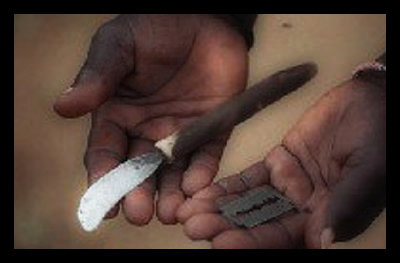
Female Genital Mutilation (FGM) ruins countless lives every day. FGM is a humiliating torturous cutting of the female genitalia carried out by various groups of the community, including health practitioners, elderly people and female relatives. According to the World Health Organization (WHO,) four types of FGM procedures exist:

Clitoridectomy

The partial or complete removal of the clitoris.

Excision

Involves removal or partial removal of clitoris, as well as labia.

Infibulation

Narrowing of the vaginal opening.

Other

This includes other forms of FGM not classified above, such as, burning, piercing or scraping. Any one of these types of FGMs is carried out on a female at any time in her life.

Millions of cases of FGM are reported each year. According to the WHO, over 100 million women and girls have had their human rights violated.

FGM is considered a human rights violation because it inflicts unnecessary pain and harm to unwilling women and girls. Laws against FGM practices have been created in 18 African countries. If caught sentences from three months up to life in prison are given.

There are also 12 industrialized nations that have passed laws criminalizing FGM.

An 8-year-old girl from Djibouti died from the effects of FGM. She was held down by friends and neighbors while a “practitioner” subjected her to FGM. Her clitoris, labia minora and labia majora, all external genitalia, was cut away causing uncontrollable bleeding.

After the procedure was done the girl’s legs were tied shut to promote “healing” and she was refused water because the need to pass urine was thought to introduce bacteria to the wounds. The young helpless girl continued to bleed throughout the evening and sob uncontrollably due to pain.

Eventually the girl was taken to the hospital and given a blood transfusion. Sadly, it was too late to save her life.

FGM has been reported in 28 African countries and various Asian countries.

According to data from the WHO, seven countries: Djibouti, Egypt, Eritrea, Guinea, Mali, Somalia and Sudan have a FGM prevalence rate affecting 85 percent or more women. Other African countries have only slightly lower prevalence rates; a large portion of the African continent has not received FGM rates.

FGM is most likely performed in lower class poverty-stricken communities. This is due in part to the fact women and girls do not know FGM is against the law. Most believe that it is there duty as a woman to have FGM performed and if they refuse, they will be harshly criticized and shamed. These are the ones who are not held down and forced against their will.

Several campaigns to eradicate FGM from the world are underway. One government organization, the United Nations, has been tackling it as one of the world’s Millennium Development Goals. Also, Women against Female Genital Mutilation leads campaigns to increase awareness of FGM laws and harmful health and psychological effects of FGM on females.

The continuation of advocacy for women and girls suffering from Female Genital Mutilation needs to last until FGM prevalence is zero. People should continue to call their congressmen, write their legislature, and advocate for worlds helpless.

Hopefully, through the increased awareness, global campaigns, and laws FGM will become a thing of the past and no female will have to endure torturous inhumane pain ever again.

– Amy Robinson

Sources: World Health Organization, All Africa, WHO, UNICEF, Center for Reproductive Rights
Photo: International Business Times

February 25, 2014
https://borgenproject.org/wp-content/uploads/borgen-project-logo.svg 0 0 Borgen Project https://borgenproject.org/wp-content/uploads/borgen-project-logo.svg Borgen Project2014-02-25 22:21:082024-05-26 23:13:47Female Genital Mutilation and Poverty
Activism, Advocacy, Global Poverty, Nonprofit Organizations and NGOs, Technology

What is Social Change?

Social_Change
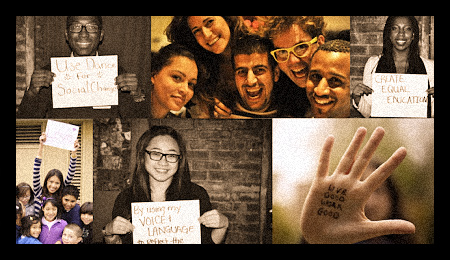
Social change is defined as “the alteration of mechanisms within the social structure, characterized by changes in cultural symbols, rules of behavior, social organizations or value systems.”  Such changes affect our way of life on both a macro and micro level, with the former involving major social institutions, and the latter our value and belief systems.

Collaborative efforts between groups or organizations are becoming major sources of social change by establishing social solidarity, pooling of resources and empowering larger scale and more long-term efforts for reaching specific goals.

A multitude of factors can cause social change, including:

  • technological and economic changes
  • social structure/modernization/urbanization
  • bureaucratization and institutions
  • conflict and competition
  • political and legal power
  • ideas/ideologies/attitudes/values
  • physical environment
  • population changes
  • isolation/contact

Activists for social change are no longer relegated to traditional outlets such as television, radio and newspaper.

Some use direct grassroots avenues such as “state and local ballot initiatives, electoral politics, lobbying and advocacy, direct action, media events and litigation.”  Others are achieving previously impossible endeavors by reaching millions of people globally through online and social media activism.

For example, Breakthrough, a United States and India-based non-profit human rights organization, uses “media, arts, pop culture and technology to reach mass audiences, challenge norms and make human rights real and relevant.”  Among its unique projects for social change was the launch of “America 2049” via Facebook games.

The game pits the player into the role of a special agent tasked with capturing a fugitive.

The player then faces a series of events forcing him or her to make tough decisions about pressing international issues.  The fugitive is played by Harold Perrineau, an American actor most known for his role in the television series “Lost.”  Perrineau talks about the importance of America 2049’s message, stating, “I hope that through playing America 2049, young people in particular will be inspired to help stop institutionalized hatred and intolerance – today.”

Alternately, there are those who are bringing social change by “injecting market principles into funding” and utilizing the strength of the business and economic sectors.

Toby Eccles, founder and development director of Social Finance, has pioneered such business models for change.  Social Finance is a United Kingdom-based non-profit organization that operates under the belief that “if social problems are to be tackled successfully, organizations seeking to solve them need sustainable revenues and investment to innovate and grow.”

Eccles developed innovative outcomes-based contracts known as Social Impact Bonds and, more recently, Development Impact Bonds.  In a talk he gave at Technology Entertainment Development Global in June 2013, Eccles said, “If you make the economic case, then the value of doing something would be completely compelling.”

Social Impact Bonds (SIBs) “aim to improve the social outcomes of public services by making payment for those services conditional on achieving independently measurable outcomes.”

The bonds allow for private investments to provide upfront funds for prevention and early intervention services to be delivered by seasoned service providers; the public sector only pays back if the intervention is successful.  Development Impact Bonds are the newest SIB spinoffs, where instead of governments being responsible for paying back investors, the onus is placed on international donors or development agencies.

– Rifk Ebeid

Sources: TED Talks, Encyclopedia Britannica, Sociology Guide, Social Finance, Salon
Photo: Be Social Change

February 25, 2014
https://borgenproject.org/wp-content/uploads/borgen-project-logo.svg 0 0 Borgen Project https://borgenproject.org/wp-content/uploads/borgen-project-logo.svg Borgen Project2014-02-25 04:00:502024-05-26 23:12:55What is Social Change?
Advocacy, Global Poverty

Malala Yousafzai Promotes Education in Syria

Malala_Yousafzai_education
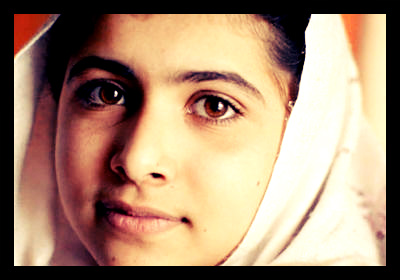
Malala Yousafzai has become one of the world’s most prominent advocates for children’s education, following an assassination attempt against her from the Taliban. This young girl, who almost died standing up for her right to learn, who lived to tell the tale of being shot in the head for simply going to school, has become a symbol for the dignity of an education.

At least three million children have been displaced as a result of the current conflict in Syria, according to United Nations High Commissioner for Refugees estimates. On average, these children are likely to spend 10 years in refugee camps or in temporary shelters. The right to receive an education or to be educated upon reaching adulthood and to experience childhood with dignity and hope for the future cannot wait.

Malala is making efforts to ensure that the masses of Syrian children are afforded these basic rights. On February 18, the 16-year-old girl visited the Zaatari refugee camp in Jordan in an effort to raise money for children’s education in the camp.

“When I think of these children, I can feel what they would be feeling now and what they are suffering through. So that’s why I think that it’s a responsibility to protect these children,” Malala said.

Currently, 50,000 students are educated in only three schools. Despite the tremendous difficulties facing refugee camps, such as food, shelter and adequate hygiene, Malala expresses the importance of education for young children coming from violent circumstances. Whereas aggression and brutality can negatively influence a child’s behavior, education and school environments help teach children to work in groups and solve problems in a healthy manner.

In Lebanon, some schools are going on double shift in efforts to equip Syrian refugee children with a proper education. The double shifts allow more lessons for more students without requiring any new facilities. Within weeks, these institutions have shown results that children have started to recover from their traumatic experiences.

Malala Yousafzai has taught the world that an education is something worth fighting for. Home or no home, all children deserve to learn.

– Jaclyn Stutz

Sources: CNN, New York Daily News, NPR
Photo: Should-Know

February 25, 2014
https://borgenproject.org/wp-content/uploads/borgen-project-logo.svg 0 0 Borgen Project https://borgenproject.org/wp-content/uploads/borgen-project-logo.svg Borgen Project2014-02-25 04:00:212017-10-04 12:27:08Malala Yousafzai Promotes Education in Syria
Page 58 of 77«‹5657585960›»

Get Smarter

  • Global Poverty 101
  • Global Poverty… The Good News
  • Global Poverty & U.S. Jobs
  • Global Poverty and National Security
  • Innovative Solutions to Poverty
  • Global Poverty & Aid FAQ’s
Search Search

Take Action

  • Call Congress
  • Email Congress
  • Donate
  • 30 Ways to Help
  • Volunteer Ops
  • Internships
  • Courses & Certificates
  • The Podcast
Borgen Project

“The Borgen Project is an incredible nonprofit organization that is addressing poverty and hunger and working towards ending them.”

-The Huffington Post

Inside The Borgen Project

  • Contact
  • About
  • Financials
  • President
  • Board of Directors
  • Board of Advisors

International Links

  • UK Email Parliament
  • UK Donate
  • Canada Email Parliament

Get Smarter

  • Global Poverty 101
  • Global Poverty… The Good News
  • Global Poverty & U.S. Jobs
  • Global Poverty and National Security
  • Innovative Solutions to Poverty
  • Global Poverty & Aid FAQ’s

Ways to Help

  • Call Congress
  • Email Congress
  • Donate
  • 30 Ways to Help
  • Volunteer Ops
  • Internships
  • Courses & Certificates
  • The Podcast
Scroll to top Scroll to top Scroll to top