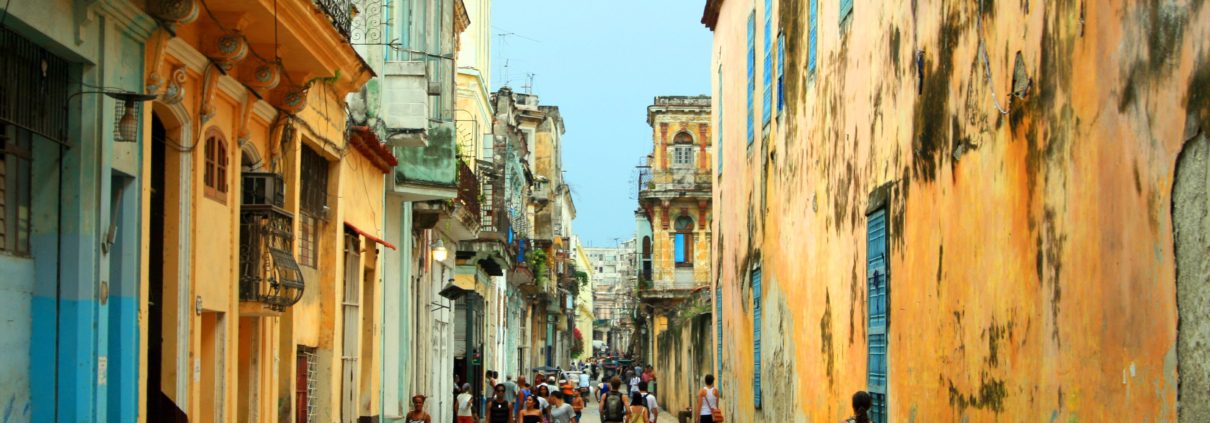
 Motivated by a desire for the island’s government to change regimes, U.S. President Donald Trump signed Executive Order 14380 on January 29th, 2026, authorizing the imposition of heavy tariffs upon oil provisions sent to Cuba and delivering a huge blow to the progress made toward SDG 1 in Cuba.
The island is one of Latin America’s poorest countries and had already been struggling with an energy crisis before Trump’s tariffs were put into place. With 12% experiencing unemployment and an astonishing 89% living in extreme poverty, Cuba’s citizens are suffering under the weight of food shortages and medicine shortages, blackouts and poor wages.
While the island has long endured social problems, as of 2026, the poverty rate has soared by 49% since 2025, with the island now suffering from blackouts, a lack of drinkable water and outbreaks of mosquito-borne and hygiene-related illnesses, creating a nation-wide poverty crisis that is driving 78% of people living on the island to make emigration plans. Here are three ways that the U.S. fuel blockage on Cuba is threatening the United Nations’ Sustainable Development Goal (SDG) 1: no poverty in Cuba:
1. Debilitated Healthcare System
Cuba’s hospitals are unable to function effectively due to frequent power outages, leading to thousands of patients awaiting surgeries that are unable to be performed without sufficient water and electricity. Despite relying on generators during the reoccurring blackouts, hospitals and other important institutions are grappling to optimize the few hours of electricity provided each day, with laboratories shortening their workdays from five to two hours every week in order to preserve fuel.
A spike in hygiene-related and mosquito-borne illnesses, which the heaps of rubbish now piling on the streets of Cuba have caused, is putting the healthcare system under further strain. The Cuban Government responded to the fuel shortage with rationed waste collection in an attempt to save fuel, resulting in garbage piles being burned as citizens desperately scramble to get rid of the piles of waste marinating in the streets.
Health officials report that the flux of stagnant water left inside discarded waste has led to an increase in reproduction of the Aedes aegypti species. With a large number of vectors swarming inside homes and public areas, the transmission of mosquito-borne illnesses has drastically increased, resulting in countless new cases of diseases like chikungunya, which causes significant pain and often debilitating symptoms in patients.
Rubbish piles further raise concern, as parents struggle to monitor their children in streets filled with waste that can cause serious health issues if consumed out of hunger or inhaled during a burning. With so few resources available, hospitals struggle to care for their rapidly increasing number of patients.
2. Grid Collapse
A preexisting energy crisis, which the fuel blockade has made worse, has left schools with no choice but to reduce the number of classes delivered to students each day, resulting in online classes and even cancellations, and businesses unable to operate, forcing them to shut down and leave workers unemployed.
A cessation of fuel deliveries to the Antonio Guiteras Thermoelectric Power Plant has led to frequent breakdowns and left the island powerless in the resulting outages. Without power for lights and technological devices, schools and businesses are unable to run as usual. However, it is speculated that, due to the crumbling public transport system, attendance would be low even if there was power. With a lack of fuel affecting the everyday commutes of students and workers alike, and a high prevalence of blackouts, the Cuban workforce is paralyzed, leaving countless unemployed and jeopardizing SDG 1 in Cuba.
The interruption to studies has even prompted students at the University of Havana to conduct a sit-down protest in March, angered by officials’ lack of action when the U.S. first began enforcing the blockade. A rare occurrence, the protest was responded with force, until Higher Education Vice Minister Modesto Ricardo Gomez called off university security, claiming their voices had a right to be heard and taken seriously.
3. Limited Access To Clean Water
A water shortage caused by frequent blackouts over the island has left Cubans panicked. Due to fuel shortages, the island is experiencing voltage fluctuations. This causes delays in pumping schedules and damages to machinery, thus affecting the regular delivery of clean water to citizens. With no reliable access to clean drinking water, citizens have resorted to collecting water from tanker trucks and relying on aid vessels for supplies.
The lack of clean water is leading to an increase in hospital patients, with people suffering from dehydration in the summer heat. Low water supply also means there is little to be spared for showers and cleanliness, leaving citizens vulnerable to illnesses due to poor hygiene and unsanitary food. There is very little water that can be boiled to wash dishes or cook food, therefore creating an environment where sickness can thrive.
Here is some information about aid being delivered to combat the poverty crisis in Cuba:
The Nuestra América Convoy
In 2015, the United Nations developed a 2030 vision, outlined by 17 SDGs, the first goal being no poverty. While the U.S. fuel blockade threatens to impede SDG 1 in Cuba, there are several organizations taking action to help citizens. The Nuestra América Convoy, for example, mobilized hundreds of volunteers from more than 30 countries to deliver aid to the island in the form of critical medical and food supplies.
Aiming to aid, and stand in solidarity with, the citizens of Cuba, the delegation of Cuban Americans partnered with the International Association of Democratic Lawyers, National Lawyers Guild and U.S. Peace Council to visit Hospital Hermanos Ameijeiras and Parque Maceo, which is one of the more affected parts of Cuba.
On March 21st, the group delivered around 20 tons of humanitarian aid to a drop point in Havana, providing significant humanitarian relief to the Cuban people. Now returned from their trip, having successfully helped hospital patients and residents of the area, volunteers plead for change and emphasize that the blockade will only make the situation in Cuba, as well as the island’s relationship with the U.S., worse.
The US’s Offer of Aid
While Cuba’s leader, Miguel Díaz-Canel, had previously rejected the offer, Cuba is now accepting the U.S. government’s $100 million in humanitarian aid. Secretary of State, Marco Rubio, has met with Pope Leo XIV to discuss the delivery of aid to Cuba, planning to distribute the provisions through the Catholic Church. The Cuban government claims it will accept assistance from the U.S., but explains that the island’s citizens may be confused by an offer of help by the same government that has made the poverty crisis significantly worse.
Achieving the United Nations’ SDG 1 in Cuba is critical to saving countless lives, as well as improving the living conditions of the island’s 10,899,951 residents. These three consequences of the U.S. fuel blockade, however, are not only delaying, but drastically reversing the progress made towards achieving this goal. The aid that volunteers are delivering to the island helps counteract these issues, but it is unclear whether it will be enough to combat the ever-growing poverty rate in Cuba.
– Ruby Fraser
Ruby is based in Cannes, France and focuses on Global Health and Politics for The Borgen Project.
Photo: Pixabay

How Smart Irrigation in Morocco is Changing Agriculture
The Irrigation Challenge
Agriculture accounts for 85% of Morocco’s water consumption, yet much of it still relies on traditional irrigation practices inadequate to today’s climate realities. In many regions, farmers continue to use flood irrigation or fixed watering schedules, applying water regardless of soil conditions or weather forecasts.
This leads to significant inefficiencies. Large quantities of water are lost through evaporation, runoff and over-irrigation, particularly during hot and dry periods. As climate change intensifies, rainfall patterns have become more erratic, making it harder for farmers to rely on seasonal cycles. The result is a growing mismatch between water supply and agricultural demand.
In a country already facing structural water scarcity, these inefficiencies are no longer sustainable. They threaten not only agricultural productivity but also long-term food security.
Smart Irrigation in Morocco
AI-powered irrigation systems offer a way to move beyond approximation by introducing precision and adaptability. These technologies rely on real-time data to determine when and how much water crops actually need.
One of the key tools is soil moisture sensing. Sensors placed in the ground continuously monitor moisture levels, allowing farmers to irrigate based on actual conditions rather than assumptions. This prevents both under-watering, which stresses crops, and over-watering, which wastes resources.
Another important feature is the integration of weather forecasts. AI systems can analyze upcoming rainfall and adjust irrigation schedules accordingly. If rain is expected, watering can be delayed, reducing unnecessary water use.
Automation further enhances efficiency. Smart systems can operate independently, delivering water at optimal times — typically early morning or late evening — when evaporation is lower. This ensures that more water reaches plant roots, maximizing its impact.
Benefits of AI-Powered Irrigation
The advantages of these systems are both immediate and long-term. One of the most significant is water conservation. By aligning irrigation with actual crop needs, farmers can reduce water consumption substantially, in some cases by up to 70%. In Morocco’s water-scarce context, such reductions are significant.
Improved irrigation precision also boosts agricultural performance. Crops receive consistent and adequate hydration, leading to higher yields and better-quality produce. This can enhance farmers’ competitiveness in both domestic and export markets.
Cost savings are another key benefit. Using less water reduces expenses linked to pumping, storage and distribution. Over time, these savings can offset the cost of adopting new technologies.
Beyond these measurable gains, digitalization is reshaping daily farm management. Tasks that were once time-consuming and labor-intensive can now be automated. In Sefrou province, a farmer growing vegetables and olives described how this shift has affected his routine: “Automating and remotely managing my irrigation system has freed up time. I now dedicate one day each week to another business activity that generates additional income.” For many farmers, this flexibility opens the door to new economic opportunities.
Where AI Has the Greatest Impact
The potential for smart irrigation in Morocco is particularly high in traditional farming systems. These account for around 85% of cultivated land and consume roughly 70% of irrigation water.
Because these systems are often the least efficient, they offer the greatest scope for improvement. Precision irrigation technologies could reduce water use in this area, representing a significant shift in resource management. By contrast, more controlled systems such as greenhouse or urban agriculture, are already relatively efficient, leaving less room for substantial gains.
Startups and Digital Innovation
A growing number of startups and initiatives are driving the adoption of smart irrigation in Morocco. Agrilink, originally founded in Europe, has developed Internet of Things (IoT)-based solutions that connect soil sensors, irrigation systems and mobile applications. This allows farmers to monitor and control water use remotely, in real time.
SOWIT is another key player, combining climate data and agronomic expertise to deliver tailored recommendations. The initiative aims to bridge the gap between technology and sustainable employment by enabling young people in rural areas to gather actionable agricultural data, enhance production efficiency and support better outcomes for farmers. It targets two key groups: 280 women engaged in agriculture who are being trained in the use of precision farming technologies, and 100 independent field agents providing advisory support and expanding client networks across eight regions.
These initiatives are contributing to the emergence of a digital agricultural ecosystem, creating new opportunities for both efficiency and employment.
Looking Ahead
The expansion of AI in agriculture is closely aligned with Morocco’s Green Generation 2020–2030 strategy, which aims to modernize the sector and improve its resilience. A central objective is to connect up to 2 million farmers to digital platforms by the end of the decade.
As adoption increases, AI-powered irrigation could play a key role in conserving water, stabilizing yields and strengthening food security. Challenges remain, particularly in ensuring that smallholder farmers can access and effectively use these technologies. Addressing these barriers will require continued investment in infrastructure, training and digital literacy.
– Riccardo Chiaraluce
Photo: Flickr
3 Ways the US Fuel Blockade Challenges SDG 1 in Cuba
The island is one of Latin America’s poorest countries and had already been struggling with an energy crisis before Trump’s tariffs were put into place. With 12% experiencing unemployment and an astonishing 89% living in extreme poverty, Cuba’s citizens are suffering under the weight of food shortages and medicine shortages, blackouts and poor wages.
While the island has long endured social problems, as of 2026, the poverty rate has soared by 49% since 2025, with the island now suffering from blackouts, a lack of drinkable water and outbreaks of mosquito-borne and hygiene-related illnesses, creating a nation-wide poverty crisis that is driving 78% of people living on the island to make emigration plans. Here are three ways that the U.S. fuel blockage on Cuba is threatening the United Nations’ Sustainable Development Goal (SDG) 1: no poverty in Cuba:
1. Debilitated Healthcare System
Cuba’s hospitals are unable to function effectively due to frequent power outages, leading to thousands of patients awaiting surgeries that are unable to be performed without sufficient water and electricity. Despite relying on generators during the reoccurring blackouts, hospitals and other important institutions are grappling to optimize the few hours of electricity provided each day, with laboratories shortening their workdays from five to two hours every week in order to preserve fuel.
A spike in hygiene-related and mosquito-borne illnesses, which the heaps of rubbish now piling on the streets of Cuba have caused, is putting the healthcare system under further strain. The Cuban Government responded to the fuel shortage with rationed waste collection in an attempt to save fuel, resulting in garbage piles being burned as citizens desperately scramble to get rid of the piles of waste marinating in the streets.
Health officials report that the flux of stagnant water left inside discarded waste has led to an increase in reproduction of the Aedes aegypti species. With a large number of vectors swarming inside homes and public areas, the transmission of mosquito-borne illnesses has drastically increased, resulting in countless new cases of diseases like chikungunya, which causes significant pain and often debilitating symptoms in patients.
Rubbish piles further raise concern, as parents struggle to monitor their children in streets filled with waste that can cause serious health issues if consumed out of hunger or inhaled during a burning. With so few resources available, hospitals struggle to care for their rapidly increasing number of patients.
2. Grid Collapse
A preexisting energy crisis, which the fuel blockade has made worse, has left schools with no choice but to reduce the number of classes delivered to students each day, resulting in online classes and even cancellations, and businesses unable to operate, forcing them to shut down and leave workers unemployed.
A cessation of fuel deliveries to the Antonio Guiteras Thermoelectric Power Plant has led to frequent breakdowns and left the island powerless in the resulting outages. Without power for lights and technological devices, schools and businesses are unable to run as usual. However, it is speculated that, due to the crumbling public transport system, attendance would be low even if there was power. With a lack of fuel affecting the everyday commutes of students and workers alike, and a high prevalence of blackouts, the Cuban workforce is paralyzed, leaving countless unemployed and jeopardizing SDG 1 in Cuba.
The interruption to studies has even prompted students at the University of Havana to conduct a sit-down protest in March, angered by officials’ lack of action when the U.S. first began enforcing the blockade. A rare occurrence, the protest was responded with force, until Higher Education Vice Minister Modesto Ricardo Gomez called off university security, claiming their voices had a right to be heard and taken seriously.
3. Limited Access To Clean Water
A water shortage caused by frequent blackouts over the island has left Cubans panicked. Due to fuel shortages, the island is experiencing voltage fluctuations. This causes delays in pumping schedules and damages to machinery, thus affecting the regular delivery of clean water to citizens. With no reliable access to clean drinking water, citizens have resorted to collecting water from tanker trucks and relying on aid vessels for supplies.
The lack of clean water is leading to an increase in hospital patients, with people suffering from dehydration in the summer heat. Low water supply also means there is little to be spared for showers and cleanliness, leaving citizens vulnerable to illnesses due to poor hygiene and unsanitary food. There is very little water that can be boiled to wash dishes or cook food, therefore creating an environment where sickness can thrive.
Here is some information about aid being delivered to combat the poverty crisis in Cuba:
The Nuestra América Convoy
In 2015, the United Nations developed a 2030 vision, outlined by 17 SDGs, the first goal being no poverty. While the U.S. fuel blockade threatens to impede SDG 1 in Cuba, there are several organizations taking action to help citizens. The Nuestra América Convoy, for example, mobilized hundreds of volunteers from more than 30 countries to deliver aid to the island in the form of critical medical and food supplies.
Aiming to aid, and stand in solidarity with, the citizens of Cuba, the delegation of Cuban Americans partnered with the International Association of Democratic Lawyers, National Lawyers Guild and U.S. Peace Council to visit Hospital Hermanos Ameijeiras and Parque Maceo, which is one of the more affected parts of Cuba.
On March 21st, the group delivered around 20 tons of humanitarian aid to a drop point in Havana, providing significant humanitarian relief to the Cuban people. Now returned from their trip, having successfully helped hospital patients and residents of the area, volunteers plead for change and emphasize that the blockade will only make the situation in Cuba, as well as the island’s relationship with the U.S., worse.
The US’s Offer of Aid
While Cuba’s leader, Miguel Díaz-Canel, had previously rejected the offer, Cuba is now accepting the U.S. government’s $100 million in humanitarian aid. Secretary of State, Marco Rubio, has met with Pope Leo XIV to discuss the delivery of aid to Cuba, planning to distribute the provisions through the Catholic Church. The Cuban government claims it will accept assistance from the U.S., but explains that the island’s citizens may be confused by an offer of help by the same government that has made the poverty crisis significantly worse.
Achieving the United Nations’ SDG 1 in Cuba is critical to saving countless lives, as well as improving the living conditions of the island’s 10,899,951 residents. These three consequences of the U.S. fuel blockade, however, are not only delaying, but drastically reversing the progress made towards achieving this goal. The aid that volunteers are delivering to the island helps counteract these issues, but it is unclear whether it will be enough to combat the ever-growing poverty rate in Cuba.
– Ruby Fraser
Photo: Pixabay
Migration to Peru: How Venezuelans Are Rebuilding Their Lives
Why Venezuelans Are Migrating to Peru
Venezuela’s economic collapse became one of the main reasons for migration to Peru. In 2017, Venezuela’s annual inflation rate was 438.1%, according to the International Monetary Fund (IMF), making goods and services harder to afford and wages less stable. Inflation, shortages of food, medicine and essential services pushed many Venezuelans to migrate in search of safety and economic stability. Peru became an attractive destination where they could work and have a chance at a new life.
Challenges After Arrival
Despite many Venezuelans arriving in Peru with strong educational backgrounds, many have found it difficult to find jobs that match their qualifications. The Joint Data Center on Forced Displacement reports that 30% of Venezuelans in Peru have a tertiary education, compared with 21% of Peruvians. However, many Venezuelans are working low-productivity jobs, with 40% working in elementary occupations and 26% working in sales and services. This information shows that many Venezuelans are overqualified for their jobs, yet they still cannot find positions that match their degree.
One reason for this mismatch is that many Venezuelans cannot validate their degrees or professional credentials in Peru. The Joint Data Center reports that only 8% of highly educated Venezuelan migrants had validated their educational degrees, with the main barrier being the cost of the process. As a result, skilled Venezuelans may end up in lower-paying or informal work. Some have turned to digital jobs, including food delivery, where Venezuelans make up an estimated 53% of delivery workers.
Discrimination can also make the integration process harder. The Joint Data Center reports that almost one-third of Venezuelans in Peru have experienced some form of discrimination, and the percentage is higher among those with higher levels of education. Public perception can influence access to employment, including false ideas that Venezuelans are taking jobs or increasing crime. These obstacles show that migration to Peru is not only about arrival but also about access to work, legal recognition and social acceptance.
Organizations Helping Migrants Integrate
Organizations such as the U.N. Refugee Agency and Education Cannot Wait have made efforts to support Venezuelans. The U.N. Refugee Agency helps Venezuelans by providing legal protection, documentation and access to basic services. Through protection spaces and partner organizations, UNHCR provides guidance on rights, refugee status, migration procedures and available services. It has also connected Venezuelans with health services, education and employment support. As of 2025, UNHCR had assisted 39,029 people, supported 557 families with case management and provided legal assistance to 2,885 people. These efforts have helped Venezuelans move from emergency survival toward long-term integration in Peru.
Education Cannot Wait has also helped Venezuelans in Peru by supporting children’s access to education. Since 2019, ECW has supported the Government of Peru and national partners through $1.8 million in emergency grants and a $7.4 million Multi-Year Resilience Programme. These programs helped refugee, migrant and host-community children access education, recover from COVID-19 learning loss and stay safe in schools. Its 2024–2027 Multi-Year Resilience Programme aims to reach 50,850 children and adolescents in Metropolitan Lima and La Libertad. The program supports learning recovery, school materials, teacher training, children with disabilities and violence-prevention efforts, helping Venezuelan children continue their education while making schools more inclusive for migrants and local communities.
Looking Ahead
Venezuelans have made Peru their second home, even while facing challenges such as low-productivity jobs, discrimination and difficulty validating their degrees. However, support from the Peruvian government, UNHCR, ECW and other organizations has helped expand access to documentation, education and safer communities. With continued support, migration to Peru can become not only a story of displacement, but also one of recovery, integration and rebuilding lives.
– Mateo Alcocer
Photo: Flickr
5 Things to Know About the Gender Wage Gap in Suriname
5 Facts About Gender Wage Gap in Suriname
Solutions
Despite these challenges, Suriname joined the World Bank Group’s International Development Association in late 2024 to achieve long-term social and economic goals and build “a more sustainable and prosperous future for all Surinamese.” Further, Suriname’s Ministry of Economic Affairs, Entrepreneurship and Innovation and several NGOs work to promote full economic equality between men and women in Suriname.
In early 2026, Suriname’s Director of Entrepreneurship, Ms. K. Mathoera, met with WINI UMU ABW movement leaders to discuss ways to promote their shared goals of supporting and expanding women’s entrepreneurship in the country. WINI UMA ABW focuses on promoting women’s economic empowerment through training, networking and strategic mentorships.
Further, the Nationale Vrouwen Beweging (NVB) is an active NGO that promotes women’s entrepreneurship and socio-economic equality in Suriname. The NVB successfully established Ilse Henar Hewitt Juridische Bijstand voor Vrouwen, a foundation which protects women’s rights, provides legal aid to Surinamese women who are victims of discrimination or violence and advocates in favor of non-discrimination policies. The NVB and the Ilse Henar Foundation have successfully advocated in favor or legislation to protect women from sexual harassment and intimidation in the workplace, thus lessening one factor inhibiting women’s participation in the workforce. The organization also works with the EU and the UNDP to support women farmers to develop innovative new ways to cultivate the land and raise livestock in the face of changing weather patterns.
Looking Ahead
As more women receive access to education, legal assistance and other aid from NGOs and governmental organizations promoting gender equality, Suriname is making promising progress toward political, social and economic equality for women.
– Melody Hubbard
Photo: Unsplash
How South Korea’s Rice Donation Is Supporting Families in Syria
WFP officials said the donation will strengthen ongoing food assistance operations in Syria, where many households remain dependent on humanitarian aid for daily meals. The partnership also reflects growing international cooperation aimed at addressing hunger in conflict-affected regions.
Why Food Insecurity Remains a Crisis in Syria
Syria continues to face one of the world’s most severe humanitarian emergencies. More than a decade of conflict has damaged infrastructure, disrupted agricultural production and weakened the country’s economy. These challenges have made it harder for families to access affordable food, stable employment and essential public services.
The United Nations Office for the Coordination of Humanitarian Affairs (OCHA) reports that more than 15 million Syrians still require humanitarian assistance, including food aid, health care and shelter support. Economic instability and inflation have further increased pressure on households already dealing with displacement and poverty.
WFP has also warned that food insecurity remains widespread across Syria, with many families reducing meal sizes or skipping meals entirely due to high food costs. Humanitarian agencies say vulnerable households are often forced to make difficult financial choices between food, medicine and other necessities. Despite these ongoing challenges, international food assistance programs continue providing support to communities facing the greatest need.
How the Rice Donation Will Support Families
South Korea’s rice donation will be distributed through the WFP-established humanitarian network inside Syria. WFP operates large-scale food assistance programs designed to reach communities affected by poverty, displacement and supply shortages. Using existing distribution systems enables aid organizations to deliver support to vulnerable populations more efficiently.
Humanitarian experts say staple foods such as rice are especially valuable during emergencies because they provide reliable nutrition and can support families when local markets become unstable or unaffordable. Food assistance programs also help reduce immediate pressure on households struggling to secure regular meals. For many Syrian families, receiving food aid can also create financial breathing room.
When households spend less on food, they may be able to redirect their limited income toward school expenses, transportation, medical costs or housing costs. Relief organizations say this type of support can help families maintain stability during prolonged crises. Humanitarian assistance programs are also important for protecting children and vulnerable populations from worsening malnutrition and poverty.
Supporting Long-Term Recovery Efforts
The Food and Agriculture Organization (FAO) has reported that Syria’s agricultural sector continues to face major setbacks, including damaged irrigation systems, shortages of farming supplies and reduced crop production. These conditions have slowed local recovery efforts and increased dependence on international humanitarian assistance. Food aid alone cannot fully resolve Syria’s economic and humanitarian challenges, but it can help stabilize communities while recovery efforts continue.
Humanitarian organizations say emergency food support works best when combined with programs focused on rebuilding agriculture, restoring livelihoods and improving local food production.
Global Cooperation Remains Essential
South Korea’s rice donation to Syria reflects the broader role international partnerships play in addressing global hunger. Organizations such as WFP rely heavily on support from governments and humanitarian donors to maintain food assistance operations in crisis-affected regions. As humanitarian needs persist across Syria, global cooperation remains essential to help relief agencies deliver consistent support to vulnerable communities.
Aid officials say donations like this provide practical, immediate assistance while helping families navigate difficult economic conditions and ongoing uncertainty.
They also emphasize that continued international support can help prevent worsening food insecurity in already fragile communities. Reliable food assistance programs provide families with regular meals while enabling humanitarian organizations to respond more quickly during emergencies.
In Syria, where many households continue rebuilding after years of instability, international aid remains an important source of relief and support for millions of people facing daily economic challenges.
– Angela “Phoenix” Garrett
Photo: Picryl
The Monsoon’s Aftermath: Structural Reforms in Bangladesh
Transitional Power
Even before the Monsoon Revolution, Bangladesh was experiencing momentum in economic growth. Implementing trade reforms and export diversification helped to sustain growth as inflationary pressure eased and external conditions improved.
However, that was off the back of 15 years of consolidated power, weakening civilian institutions and using force to suppress critics and opposition members of the government.
Now that the regime had been ousted and the new interim government put in its place, it was immediately faced with the structural pressures a less-than-peaceful transition of power brings about.
The new prime minister laid out a roadmap centered on reform of the financial sector and economic stabilization. Policies such as restoring the independence of the Bangladesh Bank, deregulating the financial market and accelerating reforms to improve revenue mobilization were implemented. These reforms are intended to ensure a gradual ease in doing business in the country and macroeconomic stabilization.
The new ruling Bangladesh Nationalist Party has also made other reforms part of its platform, including combating corruption with a stated zero-tolerance policy. The party has addressed the disparity between the rich and poor, looking to create an Economic Reform Commission to address the gap through the “equitable distribution of growth benefits, upholding equality, human dignity, and social justice.” The party also plans to bring fair wages for the working class and reform labor laws to create better working environments.
Looking Ahead
Since the July Uprising, Bangladesh has been in a state of transition across its economy, politics and standard of living. With structural reforms being passed and plans laid out to address the systemic issues in Bangladesh, the effectiveness of the new government’s approach will become clearer over time.
– Alexander Petrov
Photo: Flickr
Updates on SDG 9 in Brazil
Solar Energy in Rural Communities
In remote parts of the Brazilian Amazon, many communities still rely on expensive diesel generators and unreliable electricity systems. According to the Global Energy Alliance for People and Planet, nearly 1 million Brazilians live without electricity, with more than 95% located in the Amazon. An additional 2 million people rely on polluting and unreliable diesel fuel for energy access. Limited electricity access may also restrict economic opportunities, food preservation and access to education, contributing to long-term poverty in isolated communities. According to the Brazilian Institute of Geography and Statistics (IBGE), the highest proportions of people living below the poverty line in 2023 were concentrated in the North and Northeast regions of Brazil, where access to infrastructure and public services is often more limited.
Recent updates on SDG 9 in Brazil include renewable energy initiatives aimed at expanding electricity access in underserved regions. In 2026, the Global Energy Alliance reported that students in Nossa Senhora do Livramento, also known as Uixi, received solar panels that replaced unstable diesel-generated electricity. The project improved electricity access for the local school while reducing dependence on diesel fuel.
Renewable energy infrastructure can also support poverty reduction by strengthening local economic activity. Families in Uixi rely on fishing, açaí harvesting and Brazil nut production for income. The Global Energy Alliance is working with Brazil’s government in a five-year partnership to bring renewable energy, green jobs and economic opportunity to remote Amazon communities.
Wind Energy and Economic Development
Wind energy projects have also supported development in northeastern Brazil. The region concentrates almost 90% of the country’s wind capacity, according to Brazil’s Energy Research Office. Renewable energy expansion has made northeastern Brazil an important area for infrastructure investment and economic development.
In 2023, Brazil’s minister of mines and energy said transmission investments could unlock between R$180 billion and R$200 billion in wind and solar energy projects in northeastern Brazil. The transmission auction aimed to expand infrastructure needed to move renewable electricity from the Northeast to other parts of the country. Northeastern Brazil has historically faced higher poverty rates than other regions of the country, making renewable energy investment particularly significant for local economic development.
Recent updates on SDG 9 in Brazil also include the expansion of large wind energy projects across northeastern states. In Bahia, the Serra do Assuruá wind complex reached full commercial operation in 2025. The project includes 24 wind farms, 188 turbines and 846 MW of installed capacity, according to ENGIE Brasil. During construction, the project generated approximately 3,000 direct and indirect jobs.
Renewable Infrastructure and Future Progress
Despite recent progress, many rural communities in Brazil still face limited access to reliable electricity and infrastructure. Expanding renewable energy systems in isolated regions remains challenging due to geographic barriers and limited transmission networks. However, recent investments in solar and wind energy have already improved electricity access in underserved communities.
Recent updates on SDG 9 in Brazil demonstrate how renewable energy projects can support infrastructure development and poverty reduction. Improved electricity access can strengthen schools, health services and local businesses while creating new economic opportunities in vulnerable regions. Continued investment in renewable infrastructure can help Brazil expand sustainable development while improving living conditions for rural communities.
– Natalia Fleith Gelasko
Photo: Unsplash
Everything To Know About Hunger in Jordan
According to the World Food Programme (WFP), nearly 3 million people in Jordan have required humanitarian assistance since 2024. The country also hosts the second-largest number of refugees per capita worldwide. According to the WFP, around 77% of these refugees face food insecurity in Jordan. Refugees from Syria, Iraq and Palestine continue to increase pressure on food systems and public services. Rising food prices have also made basic necessities harder to afford for Jordanian families living below the poverty line.
Why Hunger in Jordan Continues
Several economic and environmental factors contribute to rising hunger in Jordan. Jordan ranks among the world’s most water-scarce countries in the world which limits agricultural production and increases dependence on imported food. The World Bank reported that food inflation and unemployment have especially affected young people and low-income households in recent years.
The Syrian refugee population in Jordan especially faces severe food insecurity. Jordan hosts more than 427,000 registered Syrian refugees, according to the United Nations High Commissioner for Refugees (UNHCR). Many refugee families struggle to secure stable employment and thus rely on food aid to survive.
Organizations Fighting Hunger on The Ground
Several organizations continue to address hunger in Jordan through food assistance and development programs. The WFP launched one of the country’s largest food assistance programs providing monthly cash-based food support to vulnerable Jordanians and refugees. In 2023 alone the organization assisted more than 1.7 million people in Jordan.
The Jordan Hashemite Charity Organization also works with local and international partners to distribute food parcels and emergency aid across the country. During Ramadan campaigns and emergency response efforts, the organization reaches thousands of families facing food insecurity.
Tikeyet Um Ali has become one of Jordan’s leading anti-hunger nonprofit organizations. Since its founding in 2003, the organization has provided sustainable monthly food support to thousands of families living in extreme poverty. Tikeyet Um Ali also runs awareness campaigns and community programs aimed at reducing hunger nationwide. Everything to know about hunger in Jordan especially includes recognizing the role local nonprofits play in creating long-term support systems for vulnerable families.
Looking Ahead
Although hunger in Jordan remains a major issue humanitarian organizations and local initiatives continue to provide critical support for vulnerable communities. These organizations continue expanding programs that provide emergency meals, nutritional support and financial assistance to vulnerable individuals and unemployed households across Jordan. Increased international aid, stronger economic opportunities and sustainable food programs could help reduce food insecurity in the years ahead. Everything to know about hunger in Jordan points toward one reality: long-term investment and community-based solutions remain essential in the fight against hunger.
– Masa Qasim
Photo: Flickr
Partnerships Rebuilding Education in South Sudan
Organizations such as the Global Partnership for Education and UNICEF are working alongside the government of South Sudan, local communities and humanitarian partners to improve educational opportunities for children affected by the crisis. Through coordinated support, these partnerships are helping create a more resilient and inclusive education system in one of the world’s most fragile contexts.
Expanding Access to Education
Access to education remains a major challenge across South Sudan, particularly in rural and conflict-affected areas. Flooding, displacement and insecurity have forced many schools to close temporarily, while some communities lack functioning classrooms altogether, resulting in 2.8 million children unable to access education as of 2021. According to Global Partnerships for Education, many girls often experience greater barriers to education, including child marriage, which can prevent them from continuing their studies.
To address these barriers, international education partnerships, such as Education Cannot Wait, are supporting the construction and rehabilitation of schools, temporary learning spaces and sanitation facilities. These efforts are helping children return to safe learning environments even during periods of instability. Programs funded through global education partnerships are also helping provide learning materials and expand enrolment opportunities for displaced children and vulnerable families.
By collaborating directly with local communities, aid organizations such as UNICEF ensure that education support reflects local needs and priorities. Community involvement has become essential to maintaining schools and encouraging attendance in areas heavily impacted by conflict and climate emergencies.
Improving Teaching Quality
Alongside expanding access, improving the quality of education has become a key priority. South Sudan continues to face a severe shortage of qualified teachers, particularly in remote regions. Many educators have limited formal training and often work in difficult conditions with few resources.
In response, several international partnerships are helping strengthen teaching quality by supporting teacher training initiatives, professional development programs and curriculum improvement efforts. Training programs focus on child-centered teaching methods, classroom management and inclusive education practices that better support vulnerable students. These initiatives are also helping teachers respond to the emotional and psychological needs of children affected by violence and displacement.
In fragile settings, schools often provide more than just education; they can offer stability, protection and a sense of normalcy to children living through crisis. Strengthening the teaching workforce is critical to improving long-term learning outcomes. By investing in teachers, development partners are helping to build a stronger national education system that can better withstand future challenges.
Supporting Inclusive and Resilient Learning
Partnership-driven education programs are increasingly emphasizing inclusion. Girls, children with disabilities and displaced learners often face the greatest obstacles to education in South Sudan. Social barriers, economic hardship and safety concerns continue to prevent many children from attending school consistently.
Collaborative initiatives are working to create safer and more inclusive learning environments through gender-sensitive policies, school feeding programs and improved water and sanitation facilities. In many communities, these measures help reduce dropout rates and encourage families to keep children in school. Importantly, these partnerships are also aligning humanitarian response efforts with long-term development goals.
Rather than focusing solely on emergency education support, organizations are investing in sustainable systems that strengthen government capacity and local leadership.
Final Remarks
By working across sectors and alongside community organizations, international partners like UNICEF and Education Cannot Wait are helping South Sudan move beyond short-term crisis response toward lasting education recovery. While significant challenges remain, coordinated support is giving more children the opportunity to learn and helping lay the foundation for a more stable future.
As South Sudan continues to navigate conflict, displacement and climate-related pressures, sustained investment in education will remain essential. Through strong partnerships and locally driven solutions, rebuilding education is becoming an important step toward long-term resilience and development for future generations.
– Annie Hodgkinson
Photo: Flickr
8 Facts About The World Bank’s New Water Forward Program
Background
The Water Forward initiative aims to improve water access for 1 billion people worldwide. The World Bank has predicted their independent investment in Water Forward should improve water access for over 400 million people by 2030. To supplement this, other multilateral developmental banks have also pledged their resources to access an additional 600 million people. An impact this size would provide an incredible amount of improvement for the world’s water-scarce populations.
Water Forward looks to expand and protect 1.7 billion water-related jobs. The increased investment in national large-scale water projects will not only create new local jobs in water-related sectors, but also improve the conditions of existing professions. Within affected nations, job growth is expected in sectors like agriculture, water system manufacturing, energy and maintenance.
Investment
Many different developmental banks are helping with funding the Water Forward program. The new initiative displays great examples of international collaboration, with a total of 10 multilateral developmental banks involved. Some of these banks include the Asian Development Bank, the Council of Europe Development Bank, the Inter-American Development Bank, the Islamic Development Bank and the OPEC Fund for International Development, among others.
The initiative aims to double worldwide private investment in water. Public investment dominates capital expenditure in water, with a whopping 90% of capital investment coming from governments. However, the World Bank claims that it believes private investment can be increased to 20% within the next 10 years. They claim this is partly due to tightening government budgets and a rising need for water pricing to reflect its essentiality to life. To attract private investment, the World Bank will seek to create safer water projects with the potential for higher returns.
Water Compacts
Fourteen countries have already announced their water compacts under the initiative. Water compacts exist as commitments from nations to the Water Forward plan, with outlines for how they can best help improve water availability within their respective nations. The 14 nations are Albania, Angola, Bolivia, Cambodia, Cameroon, Côte d’Ivoire, Jamaica, Jordan, Kenya, Democratic Republic of the Congo, Senegal, Sierra Leone, Uzbekistan and Vietnam. These commitments symbolize the willingness of these nations to follow the World Bank’s guidelines and improve water availability in their nations.
Examples
Kenya started their expanded water access program 13 years ago and looks to expand it with the help of the World Bank. Kenya has been implementing the World Bank-financed “Water Security and Climate Resilience Project” since 2013. This program has increased access to irrigation water and enhanced institutional frameworks for water security. As of 2025, thousands of farmers have gained access to improved irrigation systems as a result of the program.
Uzbekistan’s Water Forward compact aims to provide water security for 3.8 million people and improve irrigation access for 2.2 million people. Uzbekistan, one of the most recent issuers of a water compact, has pledged to install water-saving technology within 1.1 million hectares of land, which should reduce irrigation losses by 25%. Furthermore, it hopes to modernize almost 11,000 km of the main canal, digitalize farm water intake points, and achieve 100% coverage of clean drinking water and modern sanitation by 2030.
– Luca Napolitano
Photo: Flickr