Eradicating Extreme Poverty in Brazil: Brasil Sem Miséria
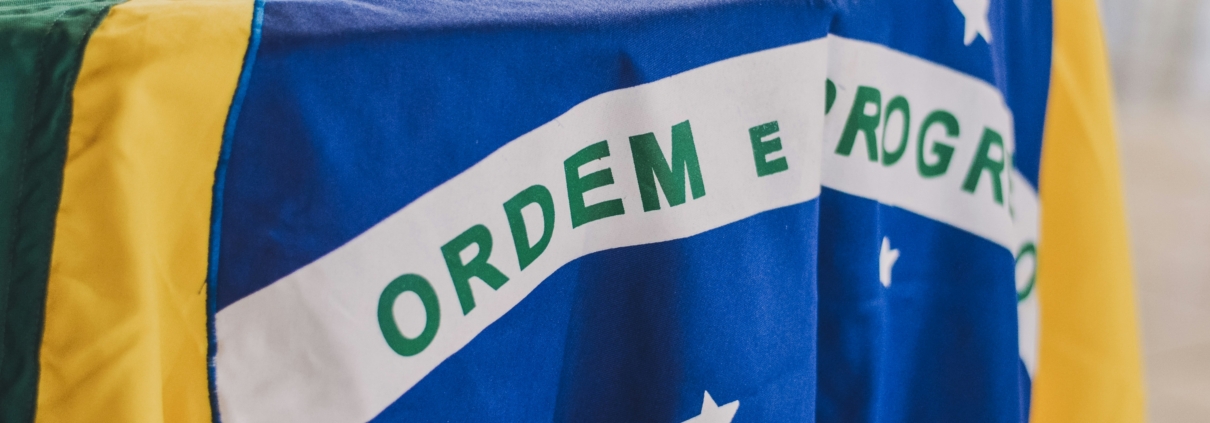 Brazil is a country situated in South America, consisting of 26 states and is home to the official language, Portuguese. With a population of 211,140,729 as of 2023, according to the World Health Organization (WHO), it occupies nearly half of South America. A governmental social program named Brasil Sem Miséria, created in 2011, aims to lift a large proportion of the country suffering from extreme poverty. Some focuses include providing access to social services for individuals and improving rural production for farmers. The scheme has primarily been targeted in the Northeast region of the country.
Poverty in the Northeast of Brazil
The Northeast of Brazil is the largest region in Latin America suffering from rural poverty. According to the World Bank, 5.4 million of the 45 million people living in the Northeast live on around $1 a day. The area suffers from geographical struggles, such as frequent severe droughts and unequal distribution of land, causing individuals to be reluctant to engage in social programs and government assistance.
It comprises nine states, including Maranhão, Piauí, Ceará, Rio Grande do Norte, Paraíba, Pernambuco, Alagoas, Sergipe and Bahia, as well as Fernando de Noronha. According to ScienceDirect, more than 70% of farmers in the Northeast Region are classed as poor or extremely poor. The agricultural sector is a significant income generator for a large number of people in rural areas. Farmers, especially, are reliant on their income from agricultural work, and climate change and prolonged periods of drought have and continue to result in fluctuating markets due to the unpredictability of price, supply and demand.
Brasil Sem Miséria
Brazil Without Extreme Poverty, also known as Brasil Sem Miséria, consists of various social programs to lift Brazil from extreme poverty. Created in 2011 by President Dilma Rousseff, the program was designed to support a large number of individuals. Some targets include:
- Targeting children
- Full-time education
- Access to jobs
- Rural food production and farmers
Accomplishments So Far
- Targeting Children. Children must learn the foundations of human development, relating to their health, intellectual mind and physical well-being, especially for those living in poverty. According to World Without Poverty (WWP), Brasil Sem Miséria provided investment worth R$450 million in 2013 to enable children to stay well-fed and motivated as they grow.
- Full-Time Education. The program consisted of expanding school days through Brasil Sem Miséria to strengthen learning and reduce inequalities. The policy has been adopted by nearly 30,000 schools. The Ministry of Education (MEC) invested and aimed to increase the number of full-time schools in Brazil from 32,000 to 46,000.
- Access to Jobs. Free courses were available through the Brasil Sem Miséria job program, called the Plan’s Access to Technical Learning and to Jobs National Program. To date, there are 481 choices of profession, oriented to various sectors, including industry, trade, agriculture and cattle farming. More specific courses include computing, electrician, receptionist, etc.
- Rural Food Production and Farmers. To maintain Brazil’s rich agricultural economy, Brasil Sem Miséria intended to work with rural families to enhance their production rates so the quality, quantity and value of produce increase, contributing to increasing income for family farmers. The Technical Assistance and Rural Extension (Ater) was hired to support 260,000 families, according to World Without Poverty (WWP).
Looking Ahead
Extreme poverty in the Northeast rural region of Brazil remains and continues to impact a large proportion of the population. However, government social programs, like Brasil Sem Miséria, have and will continue to lift various individuals out of poverty. Young children, farmers and rural families have already experienced progress by stabilizing healthier lives for the future.
– Zara Ashraf
Zara is based in London, UK and focuses on Good News for The Borgen Project.
Photo: Unsplash
