Migration to Peru: How Venezuelans Are Rebuilding Their Lives
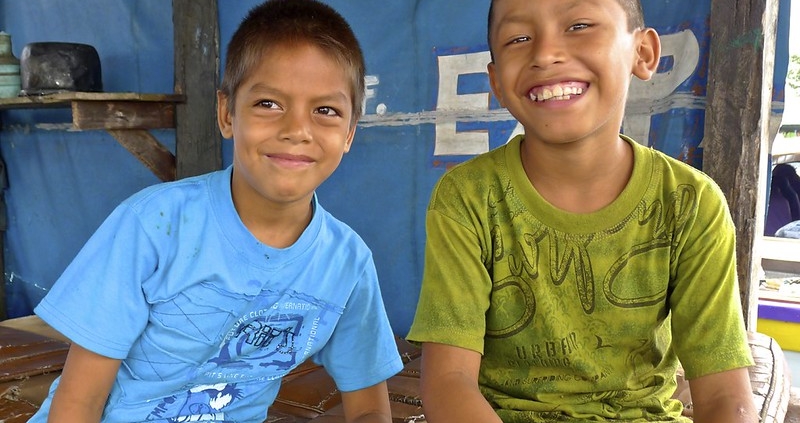 Migration to Peru has dramatically changed in recent history. Many Peruvians have left the country for better economic opportunities, but Peru has now become one of South America’s major destinations for Venezuelans in search of safety, work and a new life. According to the U.N. Refugee Agency, Peru had 530,369 Venezuelans asylum-seekers and 4,957 formally recognized refugees as of June 2025. These numbers show how migration to Peru has become an important humanitarian and economic issue for the country.
Why Venezuelans Are Migrating to Peru
Venezuela’s economic collapse became one of the main reasons for migration to Peru. In 2017, Venezuela’s annual inflation rate was 438.1%, according to the International Monetary Fund (IMF), making goods and services harder to afford and wages less stable. Inflation, shortages of food, medicine and essential services pushed many Venezuelans to migrate in search of safety and economic stability. Peru became an attractive destination where they could work and have a chance at a new life.
Challenges After Arrival
Despite many Venezuelans arriving in Peru with strong educational backgrounds, many have found it difficult to find jobs that match their qualifications. The Joint Data Center on Forced Displacement reports that 30% of Venezuelans in Peru have a tertiary education, compared with 21% of Peruvians. However, many Venezuelans are working low-productivity jobs, with 40% working in elementary occupations and 26% working in sales and services. This information shows that many Venezuelans are overqualified for their jobs, yet they still cannot find positions that match their degree.
One reason for this mismatch is that many Venezuelans cannot validate their degrees or professional credentials in Peru. The Joint Data Center reports that only 8% of highly educated Venezuelan migrants had validated their educational degrees, with the main barrier being the cost of the process. As a result, skilled Venezuelans may end up in lower-paying or informal work. Some have turned to digital jobs, including food delivery, where Venezuelans make up an estimated 53% of delivery workers.
Discrimination can also make the integration process harder. The Joint Data Center reports that almost one-third of Venezuelans in Peru have experienced some form of discrimination, and the percentage is higher among those with higher levels of education. Public perception can influence access to employment, including false ideas that Venezuelans are taking jobs or increasing crime. These obstacles show that migration to Peru is not only about arrival but also about access to work, legal recognition and social acceptance.
Organizations Helping Migrants Integrate
Organizations such as the U.N. Refugee Agency and Education Cannot Wait have made efforts to support Venezuelans. The U.N. Refugee Agency helps Venezuelans by providing legal protection, documentation and access to basic services. Through protection spaces and partner organizations, UNHCR provides guidance on rights, refugee status, migration procedures and available services. It has also connected Venezuelans with health services, education and employment support. As of 2025, UNHCR had assisted 39,029 people, supported 557 families with case management and provided legal assistance to 2,885 people. These efforts have helped Venezuelans move from emergency survival toward long-term integration in Peru.
Education Cannot Wait has also helped Venezuelans in Peru by supporting children’s access to education. Since 2019, ECW has supported the Government of Peru and national partners through $1.8 million in emergency grants and a $7.4 million Multi-Year Resilience Programme. These programs helped refugee, migrant and host-community children access education, recover from COVID-19 learning loss and stay safe in schools. Its 2024–2027 Multi-Year Resilience Programme aims to reach 50,850 children and adolescents in Metropolitan Lima and La Libertad. The program supports learning recovery, school materials, teacher training, children with disabilities and violence-prevention efforts, helping Venezuelan children continue their education while making schools more inclusive for migrants and local communities.
Looking Ahead
Venezuelans have made Peru their second home, even while facing challenges such as low-productivity jobs, discrimination and difficulty validating their degrees. However, support from the Peruvian government, UNHCR, ECW and other organizations has helped expand access to documentation, education and safer communities. With continued support, migration to Peru can become not only a story of displacement, but also one of recovery, integration and rebuilding lives.
– Mateo Alcocer
Mateo is based in West Hills, CA, USA and focuses on Good News and Politics for The Borgen Project.
Photo: Flickr
