8 Facts About The World Bank’s New Water Forward Program
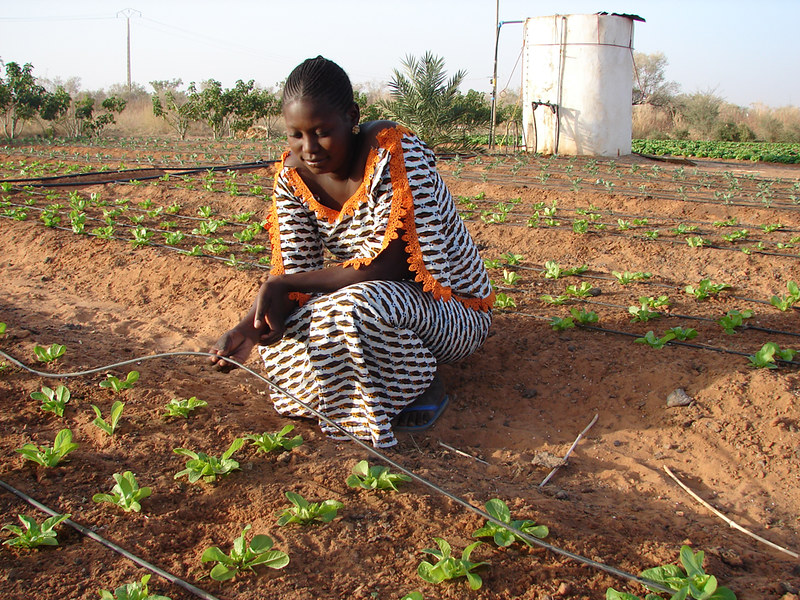 Approximately 4 billion people worldwide are victims of water scarcity. To combat this, the World Bank recently announced its newest program, “Water Forward,” in collaboration with many other multilateral developmental banks. This initiative will target assisting water-stressed nations, particularly in Asia and Africa, by limiting water leakage, modernizing national irrigation systems, modernizing the nation’s water usage data collection and improving how wastewater is reused. Here are eight facts about the new program.
Background
The Water Forward initiative aims to improve water access for 1 billion people worldwide. The World Bank has predicted their independent investment in Water Forward should improve water access for over 400 million people by 2030. To supplement this, other multilateral developmental banks have also pledged their resources to access an additional 600 million people. An impact this size would provide an incredible amount of improvement for the world’s water-scarce populations.
Water Forward looks to expand and protect 1.7 billion water-related jobs. The increased investment in national large-scale water projects will not only create new local jobs in water-related sectors, but also improve the conditions of existing professions. Within affected nations, job growth is expected in sectors like agriculture, water system manufacturing, energy and maintenance.
Investment
Many different developmental banks are helping with funding the Water Forward program. The new initiative displays great examples of international collaboration, with a total of 10 multilateral developmental banks involved. Some of these banks include the Asian Development Bank, the Council of Europe Development Bank, the Inter-American Development Bank, the Islamic Development Bank and the OPEC Fund for International Development, among others.
The initiative aims to double worldwide private investment in water. Public investment dominates capital expenditure in water, with a whopping 90% of capital investment coming from governments. However, the World Bank claims that it believes private investment can be increased to 20% within the next 10 years. They claim this is partly due to tightening government budgets and a rising need for water pricing to reflect its essentiality to life. To attract private investment, the World Bank will seek to create safer water projects with the potential for higher returns.
Water Compacts
Fourteen countries have already announced their water compacts under the initiative. Water compacts exist as commitments from nations to the Water Forward plan, with outlines for how they can best help improve water availability within their respective nations. The 14 nations are Albania, Angola, Bolivia, Cambodia, Cameroon, Côte d’Ivoire, Jamaica, Jordan, Kenya, Democratic Republic of the Congo, Senegal, Sierra Leone, Uzbekistan and Vietnam. These commitments symbolize the willingness of these nations to follow the World Bank’s guidelines and improve water availability in their nations.
Examples
Kenya started their expanded water access program 13 years ago and looks to expand it with the help of the World Bank. Kenya has been implementing the World Bank-financed “Water Security and Climate Resilience Project” since 2013. This program has increased access to irrigation water and enhanced institutional frameworks for water security. As of 2025, thousands of farmers have gained access to improved irrigation systems as a result of the program.
Uzbekistan’s Water Forward compact aims to provide water security for 3.8 million people and improve irrigation access for 2.2 million people. Uzbekistan, one of the most recent issuers of a water compact, has pledged to install water-saving technology within 1.1 million hectares of land, which should reduce irrigation losses by 25%. Furthermore, it hopes to modernize almost 11,000 km of the main canal, digitalize farm water intake points, and achieve 100% coverage of clean drinking water and modern sanitation by 2030.
– Luca Napolitano
Luca is based in Boston, MA, USA and focuses on Good News and Politics for The Borgen Project.
Photo: Flickr
