How South Korea’s Rice Donation Is Supporting Families in Syria
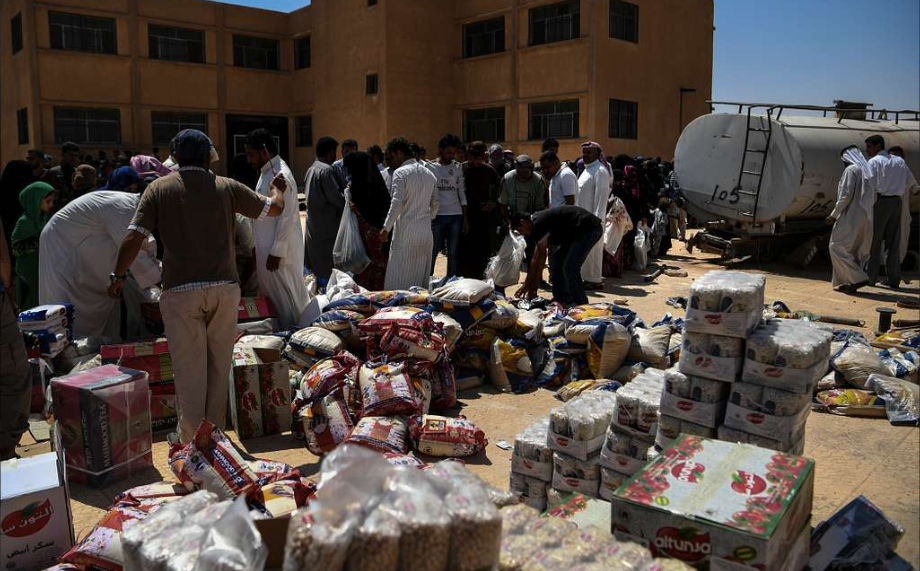 South Korea has donated 2,400 tons of rice to the United Nations World Food Programme (WFP) to support food-insecure families in Syria. The contribution comes as humanitarian agencies continue responding to widespread hunger and economic hardship across the country. Through WFP distribution programs, the rice will help provide meals and nutritional support to vulnerable households, including displaced families and communities struggling with rising food prices.
WFP officials said the donation will strengthen ongoing food assistance operations in Syria, where many households remain dependent on humanitarian aid for daily meals. The partnership also reflects growing international cooperation aimed at addressing hunger in conflict-affected regions.
Why Food Insecurity Remains a Crisis in Syria
Syria continues to face one of the world’s most severe humanitarian emergencies. More than a decade of conflict has damaged infrastructure, disrupted agricultural production and weakened the country’s economy. These challenges have made it harder for families to access affordable food, stable employment and essential public services.
The United Nations Office for the Coordination of Humanitarian Affairs (OCHA) reports that more than 15 million Syrians still require humanitarian assistance, including food aid, health care and shelter support. Economic instability and inflation have further increased pressure on households already dealing with displacement and poverty.
WFP has also warned that food insecurity remains widespread across Syria, with many families reducing meal sizes or skipping meals entirely due to high food costs. Humanitarian agencies say vulnerable households are often forced to make difficult financial choices between food, medicine and other necessities. Despite these ongoing challenges, international food assistance programs continue providing support to communities facing the greatest need.
How the Rice Donation Will Support Families
South Korea’s rice donation will be distributed through the WFP-established humanitarian network inside Syria. WFP operates large-scale food assistance programs designed to reach communities affected by poverty, displacement and supply shortages. Using existing distribution systems enables aid organizations to deliver support to vulnerable populations more efficiently.
Humanitarian experts say staple foods such as rice are especially valuable during emergencies because they provide reliable nutrition and can support families when local markets become unstable or unaffordable. Food assistance programs also help reduce immediate pressure on households struggling to secure regular meals. For many Syrian families, receiving food aid can also create financial breathing room.
When households spend less on food, they may be able to redirect their limited income toward school expenses, transportation, medical costs or housing costs. Relief organizations say this type of support can help families maintain stability during prolonged crises. Humanitarian assistance programs are also important for protecting children and vulnerable populations from worsening malnutrition and poverty.
Supporting Long-Term Recovery Efforts
The Food and Agriculture Organization (FAO) has reported that Syria’s agricultural sector continues to face major setbacks, including damaged irrigation systems, shortages of farming supplies and reduced crop production. These conditions have slowed local recovery efforts and increased dependence on international humanitarian assistance. Food aid alone cannot fully resolve Syria’s economic and humanitarian challenges, but it can help stabilize communities while recovery efforts continue.
Humanitarian organizations say emergency food support works best when combined with programs focused on rebuilding agriculture, restoring livelihoods and improving local food production.
Global Cooperation Remains Essential
South Korea’s rice donation to Syria reflects the broader role international partnerships play in addressing global hunger. Organizations such as WFP rely heavily on support from governments and humanitarian donors to maintain food assistance operations in crisis-affected regions. As humanitarian needs persist across Syria, global cooperation remains essential to help relief agencies deliver consistent support to vulnerable communities.
Aid officials say donations like this provide practical, immediate assistance while helping families navigate difficult economic conditions and ongoing uncertainty.
They also emphasize that continued international support can help prevent worsening food insecurity in already fragile communities. Reliable food assistance programs provide families with regular meals while enabling humanitarian organizations to respond more quickly during emergencies.
In Syria, where many households continue rebuilding after years of instability, international aid remains an important source of relief and support for millions of people facing daily economic challenges.
– Angela “Phoenix” Garrett
Angela is based in Chicago, IL, USA and focuses on Good News for The Borgen Project.
Photo: Picryl
