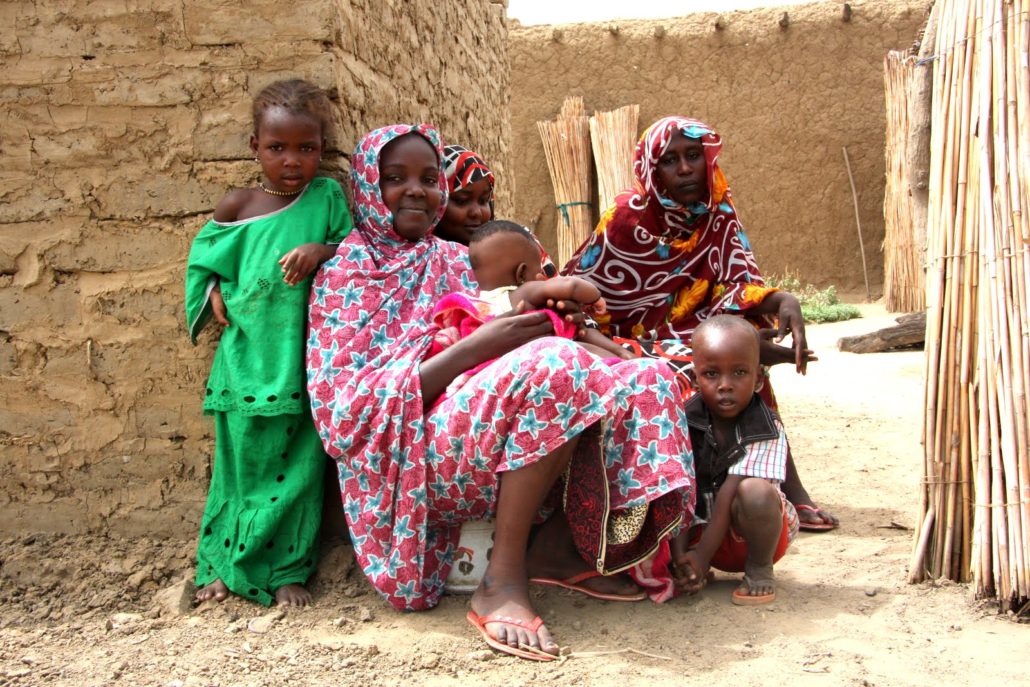
 Chad is a landlocked country in north-central Africa, bordered by Libya to the north and Sudan to the east. As well as being the fifth-largest country in Africa, Chad ranks fourth in gender inequality across the world, according to the U.N. Peacebuilding Fund. Understanding the gender wage gap in Chad is challenging because only 34.4% of indicators needed to monitor the Sustainable Development Goals (SDGs) are available. This leaves considerable gaps in data regarding care work, physical and sexual harassment and women’s access to assets.
Social History Behind the Gender Wage Gap in Chad
Deep-rooted patriarchal traditions have shaped Chadian society alongside cultural practices reinforcing gender hierarchies. In south-eastern regions of Chad such as Salamat, Sila and Guera, the traditional practice of female genital mutilation continues. This practice aims to control female sexuality and enforce celibacy until marriage, driven by fear of community rejection.
Child marriage in Chad is widespread. According to UN Women, 35% of girls are married before the age of 15 and 60% are married before the age of 18. This traps generations of women in cycles of limited freedom and economic dependence.
These factors contribute to what UNICEF’s researchers call the Pygmalion effect, when a society holds low expectations for women, those expectations continue to shape behavior and reinforce stereotypes. As a result, external expectations limit female economic growth and widen the gender wage gap in Chad.
Gender Wage Gap in Chad Today
The gender wage gap in Chad is stark. While precise data on the imbalance between hourly wage data remains limited, the World Economic Forum’s 2025 Global Gender Gap report ranked Chad 146th out of 149 countries, with an overall gender parity score of 51.7%.
Further, the UN Women reported that 36.9% of the female population of Chad are employed below the international poverty line, compared to 35.8% of the male population.
While the majority of the female population in Chad hold agricultural roles, 98.99% of women in non-agricultural roles are in informal employment, which can range from family-based enterprises to street vendors or domestic workers. Such work is often unregulated, untaxed and lacking social security, leaving women without financial safety nets.
Women in formal non-agricultural roles face additional barriers to financial equality. Only 14.85% of women aged 15 years and older hold an account at a financial institution, compared to almost 30% of men owning a bank account, according to UN Women. Additionally, 63.6% of the female population do not own a home. Once can trace the gender wage gap to the Chadian school system, which reportedly witnesses a 48% out of school rate for girls in comparison to 29.6% for boys. This study suggests that community and economic pressures divert young girls out of school into domestic work, further increasing the gender wage gap.
Efforts To Close the Gender Wage Gap in Chad
Several initiatives are striving to combat this pay inequality. Launched in early 2022, UNICEF’s Women in Learning Leadership program works to empower women in school leadership roles, which in turn helps young girls. Evidence across 11,754 schools shows that female-led community schools have a 5.3% lower student dropout rate than male-led schools. Additionally, research shows that there is a strong positive correlation between the decreasing dropout rates for girls as the proportion of female teachers rises. The Women in Learning Leadership program is currently running in 15 provinces across Chad.
Alongside UNICEF’s WiLL program, the World Food Program (WFP) partnered with local Chadian authorities to provide daily nutritious meals in schools, supporting more girls to remain in education. WFP noted how 57% of the 2.3 million school-aged children in Chad go without quality and inclusive education, with many low income households unable to provide children with resources needed to go to school. As a result, the World Food Program distributed school meals to 125,000 children in refugee-hosting areas in 2025. As well as this, the World Food Program revealed that the average pass–rate for girls in WFP assisted schools is 2.5% higher than Chad’s national average.
Literacy and Vocational Training
Beyond school, UNESCO’s Capacity Development for Education program supports women and youth through literacy and vocational training. This initiative trained 9,400 teachers and with its huge success, UNESCO advocated for the program to be expanded. This led the Chadian government to include a focus on literacy and non-formal education in a new $10 million project titled Emergency Project to Reinforce Education and Literacy in Chad.
Further, the Chadian government and UNFPA established the Observatory for the Promotion of Gender Equality and Equity in 2022 to advance women’s rights. In 2023, the Observatory delivered trained 400 members across Ministries and the National Human Rights Commission on integrating gender mainstreaming into plans and budgets.
Conclusion
These efforts have not gone unnoticed. As of February 2024, women held 26.4% of parliamentary seats in Chad, a meaningful marker of political representation and a step closer toward closing the gender wage gap. Another indicator of progression is the percentage of literate women compared with men’s literacy. While both figures are concerningly low, women’s literacy sits at 22.3% in comparison to men’s literacy rate at 14%, representing a result of the drive for girls in education. At a national level, the Ministry of Women continues to advocate for women’s rights, signaling a structural shift in how some are addressing the gender wage gap in Chad.
– Helen Turnbull
Helen is based in Cardiff, UK and focuses on Good News and Politics for The Borgen Project.
Photo: Flickr

Cycling Out of Poverty: A Ride Toward a Better Development
While countries like the Netherlands and Denmark have made bicycles one of their most recognizable cultural staples, riding a bike is not as common in other parts of the world, particularly sub-Saharan Africa. Here are some reasons why bikes could be beneficial in certain communities, along with the aims of the foundation Cycling out of Poverty (CooP).
Poverty in Rural Sub-Saharan Africa
Rural areas in sub-Saharan Africa are among the world’s most impoverished regions. As of 2024, about 67% of the world’s impoverished live in sub-Saharan Africa. About 40% of the population in sub-Saharan Africa lacks access to clean drinking water, while 70% of children suffer from deprivation in vital sectors, including health care, education and nutrition.
This systematic lack of access to quality education, health care facilities and job opportunities compromises the well-being of entire communities.
About Cycling Out of Poverty
CooP is an organization that believes focusing on mobility could be an indispensable turning point to provide access to other facilities for underserved communities. CooP believes that providing access to alternative mobility solutions could drastically reduce the development shortfalls local communities face. It proposes using bikes to gain access to better services, thereby improving the region’s socioeconomic conditions.
According to a report, bikes can improve education and economic development by enabling riders to access facilities they would not otherwise have. In 2004, after a tsunami hit the Sri Lankan coast, World Bicycle Relief donated 24,300 bicycles to people affected by the disaster. A bit over two years later, 88% of recipients relied on the bicycle as part of their livelihood, while 82% of women recipients reported that their bicycles were used for income-generating activities.
Improving footpaths and promoting the use of nonmotorized vehicles can be an efficient way to transition from subsistence agriculture to small-market production, thereby developing local economies. This is the key innovation CooP aims to introduce. The organization believes bicycles can play an indispensable role in the development of rural communities.
As a result, it partnered with the social enterprises Bikeventures and Greenhub Shops to bring more bicycles to rural communities in Uganda and Kenya. The goal is simple: to improve the livelihoods of African families by making bicycles more accessible and widely available.
Initiatives of Cycling Out of Poverty
CooP runs several branches of the project, including Bike4Work, Bike4School and Bike4Care, which promote entrepreneurship, education and health care, respectively. Beyond providing bicycles, the organization also offers training in bicycle mechanics and maintenance, as well as traffic rules and road safety practices. While bicycles can be indispensable, safe road conditions and responsible practices are equally important.
The organization aims to equip the next generation with the knowledge and tools to recognize and advocate for their needs as cyclists, including improved roads and traffic conditions. This serves as an important first step in helping communities fully benefit from bicycles and use them to improve their living conditions.
Final Remarks
Through these projects, CooP is advancing several Sustainable Development Goals (SDGs). First and foremost, it supports SDG 1: No Poverty, as bicycles have been shown to improve the socioeconomic conditions of their users. Through Bike4School, the organization also contributes to SDG 4: Quality Education, while Bike4Care supports SDG 3: Good Health and Well-Being.
The initiative also addresses SDG 5: Gender Equality, as women are more likely to access employment and achieve economic independence when they have reliable transportation to reach their workplaces. In the end, something as simple as a bicycle can become a powerful tool for change and social mobility. While it may not be the ultimate solution to global poverty, it offers a practical and effective way to address many of the everyday challenges caused by poverty and underdevelopment.
– Alice Girardi
Photo: Unsplash
Statistics and Support: Elderly Poverty in Sao Tome and Principe
Since its establishment, Sao Tome and Principe’s economy has relied on food and fuel imports and produced agricultural exports. Its population is increasing steadily, with a projected population of 245,000 by 2026. However, the country has high income inequality, and in 2024, 16.8% of the population lived on less than $2.15 USD per person daily. For those of working age in Sao Tome and Principe, the job market is not robust and many are leaving the country in search of job opportunities. However, this is not a viable option for the elderly and brings into question the poverty rates among the elderly population of Sao Tome and Principe.
Statistics for Elderly Poverty in Sao Tome and Principe
According to the World Bank, 8.1% of citizens aged 65 or older in Sao Tome and Principe live on the international poverty line of $3 USD per day or less. This is about 7 percentage points lower than the poverty rate among children aged 14 years or less, which stands at 15.1%. The difference may partially reflect Sao Tome and Principe’s relatively large youth population, while adults aged 65 and older make up only about 5% of the population.
As socio-economic vulnerabilities persist, looking at the most vulnerable populations, such as children and the elderly, is important to protect the growing population. According to the World Health Organization (WHO), lower income and instability, as well as dependence on family members, can lead to abuse and abandonment if support is unavailable. As a result, attention to statistics around elderly poverty in Sao Tome and Principe is essential as the country’s population continues to increase.
Solutions
Many organizations are working with the elderly population to support those living in poverty and prevent isolation or violence. The Red Cross in Sao Tome and Principe has hosted a welcome center for the elderly since 2005. It hosts around 18 residents and welcomes and supports other elderly visitors. It receives funding from churches, associations and members of the diaspora.
This welcome center not only provides water, meals and washrooms for its visitors and residents, but also becomes a space for the community to develop among the elderly living there. Volunteers not only provide basic needs for the residents but also social connections.
There is also Stitchting Lagalaga, a newer NGO established in 2023. In 2024, its volunteers provided direct aid to more than 45 individuals, children and the elderly. In its policy plan for 2025-2027, a core objective of theirs is to provide wellness visits and social programs for isolated elders without state pensions, alongside monthly aid packages, ensuring their health and dignity.
Looking to the Future
Though the islands may be subject to economic volatility, significant progress has been made in Sao Tome and Principe. Life expectancy is steadily increasing, averaging almost 70 years in 2024. As life expectancy increases, so will the elderly population of Sao Tome and Principe, making improved living conditions a necessity for their well-being. With the support of the World Bank, Sao Tome and Principe continues to improve access to electricity and education for all its residents, as well as strengthen public financial management, road and digital connectivity and the climate resilience of its coastal communities.
– Daphne Komut
Photo: Flickr
Supporting Women’s Economic Development in Indonesia
Women’s Economic Development in Indonesia
Cherie Blair Foundation for Women
Cherie Blair Foundation for Women supports women’s economic development globally. The foundation developed the Women Entrepreneurs Amplifying Ventures and Economies (WEAVE) project, enabling more than 12,000 Indonesian and Vietnamese women to develop entrepreneurial skills through mentorship, mobile learning and business administration training. It also created the Road to Growth business management training and the Road to Leadership advocacy and empowerment training.
In 2018, the foundation launched a business skills app called HerVenture, which has already helped more than 5,500 Indonesian women develop their businesses. The app offers business training on various topics and provides entrepreneurial support. The foundation partners with local organizations to help women entrepreneurs access economic support, mentorship and business training.
Though women continue to face higher rates of economic instability in Indonesia, organizations and programs like these are helping to bridge this gap. The economic situation of Indonesian women will continue to improve as more individuals achieve economic stability and prosperity.
– Melody Hubbard
Photo: Flickr
Addressing the Gender Wage Gap in Chad
Social History Behind the Gender Wage Gap in Chad
Deep-rooted patriarchal traditions have shaped Chadian society alongside cultural practices reinforcing gender hierarchies. In south-eastern regions of Chad such as Salamat, Sila and Guera, the traditional practice of female genital mutilation continues. This practice aims to control female sexuality and enforce celibacy until marriage, driven by fear of community rejection.
Child marriage in Chad is widespread. According to UN Women, 35% of girls are married before the age of 15 and 60% are married before the age of 18. This traps generations of women in cycles of limited freedom and economic dependence.
These factors contribute to what UNICEF’s researchers call the Pygmalion effect, when a society holds low expectations for women, those expectations continue to shape behavior and reinforce stereotypes. As a result, external expectations limit female economic growth and widen the gender wage gap in Chad.
Gender Wage Gap in Chad Today
The gender wage gap in Chad is stark. While precise data on the imbalance between hourly wage data remains limited, the World Economic Forum’s 2025 Global Gender Gap report ranked Chad 146th out of 149 countries, with an overall gender parity score of 51.7%.
Further, the UN Women reported that 36.9% of the female population of Chad are employed below the international poverty line, compared to 35.8% of the male population.
While the majority of the female population in Chad hold agricultural roles, 98.99% of women in non-agricultural roles are in informal employment, which can range from family-based enterprises to street vendors or domestic workers. Such work is often unregulated, untaxed and lacking social security, leaving women without financial safety nets.
Women in formal non-agricultural roles face additional barriers to financial equality. Only 14.85% of women aged 15 years and older hold an account at a financial institution, compared to almost 30% of men owning a bank account, according to UN Women. Additionally, 63.6% of the female population do not own a home. Once can trace the gender wage gap to the Chadian school system, which reportedly witnesses a 48% out of school rate for girls in comparison to 29.6% for boys. This study suggests that community and economic pressures divert young girls out of school into domestic work, further increasing the gender wage gap.
Efforts To Close the Gender Wage Gap in Chad
Several initiatives are striving to combat this pay inequality. Launched in early 2022, UNICEF’s Women in Learning Leadership program works to empower women in school leadership roles, which in turn helps young girls. Evidence across 11,754 schools shows that female-led community schools have a 5.3% lower student dropout rate than male-led schools. Additionally, research shows that there is a strong positive correlation between the decreasing dropout rates for girls as the proportion of female teachers rises. The Women in Learning Leadership program is currently running in 15 provinces across Chad.
Alongside UNICEF’s WiLL program, the World Food Program (WFP) partnered with local Chadian authorities to provide daily nutritious meals in schools, supporting more girls to remain in education. WFP noted how 57% of the 2.3 million school-aged children in Chad go without quality and inclusive education, with many low income households unable to provide children with resources needed to go to school. As a result, the World Food Program distributed school meals to 125,000 children in refugee-hosting areas in 2025. As well as this, the World Food Program revealed that the average pass–rate for girls in WFP assisted schools is 2.5% higher than Chad’s national average.
Literacy and Vocational Training
Beyond school, UNESCO’s Capacity Development for Education program supports women and youth through literacy and vocational training. This initiative trained 9,400 teachers and with its huge success, UNESCO advocated for the program to be expanded. This led the Chadian government to include a focus on literacy and non-formal education in a new $10 million project titled Emergency Project to Reinforce Education and Literacy in Chad.
Further, the Chadian government and UNFPA established the Observatory for the Promotion of Gender Equality and Equity in 2022 to advance women’s rights. In 2023, the Observatory delivered trained 400 members across Ministries and the National Human Rights Commission on integrating gender mainstreaming into plans and budgets.
Conclusion
These efforts have not gone unnoticed. As of February 2024, women held 26.4% of parliamentary seats in Chad, a meaningful marker of political representation and a step closer toward closing the gender wage gap. Another indicator of progression is the percentage of literate women compared with men’s literacy. While both figures are concerningly low, women’s literacy sits at 22.3% in comparison to men’s literacy rate at 14%, representing a result of the drive for girls in education. At a national level, the Ministry of Women continues to advocate for women’s rights, signaling a structural shift in how some are addressing the gender wage gap in Chad.
– Helen Turnbull
Photo: Flickr
5 Charities Operating in Wales
The Welsh Third Sector, made up of non-governmental organizations and charities in Wales, plays an essential role in advancing this cause through such programs as Wales and Africa. Moreover, statutes such as the Well-Being of Future Generations Act 2015, with its commitment toward creating a globally responsible Wales, have also empowered the Welsh populace to provide much-needed aid to developing nations around the world. Here are five charities operating in Wales that are contributing to that effort.
1. Welsh Refugee Council
The first of the charities operating in Wales is the Welsh Refugee Council. Operating in Cardiff, Newport, Swansea, Carmarthenshire and Wrexham, and working with local communities all over Wales, the Welsh Refugee Council’s stated mission is to help asylum seekers and refugees build new futures in Wales. Of the tens of thousands of displaced peoples who flee to the U.K. each year to claim asylum, there are currently 3,353 asylum seekers receiving support in Wales.
The Welsh Refugee Council is one of the main charities in Wales providing such support, which includes English and Welsh language classes and access to other education, assistance in seeking work (when legally allowed) and forming local connections, and arranging accommodation and basic financial support to pay for food, clothing, toiletries, transport and other essentials. One of the principles that governs this charity is “integration from day one,” the belief that people are more likely to make positive contributions to their communities when they feel connected, supported and empowered to do so.
2. Size of Wales
Founded in 2010, Size of Wales works with indigenous and local communities in developing nations to protect tropical forests in areas measuring 2 million hectares — the size of Wales. In addition to the conservation activities that such work entails, this involves supporting deprived communities in South America, sub-Saharan Africa and South-East Asia, and helping to address social injustices and break down barriers. One example of this is the charity’s project in the Madre de Dios and Ene regions of the Peruvian Amazon, where support from Size of Wales has helped indigenous groups attain sustainable livelihoods that empower them to protect their forests.
Another is the project in Fuluma Butta in Uganda, which is striving to promote gender equality by helping women grow their incomes and become active agents in their communities. Size of Wales understands that changing weather patterns and global poverty are inextricably linked and that raising such communities out of extreme poverty is a vital step in addressing deforestation.
3. The S.A.F.E. Foundation
The S.A.F.E. Foundation is a Welsh-based group that has modelled itself in line with the 17 Sustainable Development Goals (SDGs) as the United Nations outlined in 2015, the first point of which is to end poverty in all of its forms. Like other charities in Wales, this group works both domestically and abroad and is committed to bringing about positive change through humanitarian projects, with particular focus on health care, education and human rights for impoverished communities. One of its ongoing projects is a fundraiser for a boundary wall and secure gates to be built at Kankalay Islamic Primary School in Sierra Leone, to keep the school safe from risk of break-ins and allow the children of Lumpa and Freetown to pursue their education in peace, an endeavor that will cost £12,000 to complete.
Donations to the S.A.F.E. Foundation go towards funding similar projects, and individuals who wish to make a difference can also apply to volunteer with one of the organization’s partners overseas.
4. Dolen
Dolen’s mission is to curate a communal bond between the two similarly-sized countries of Wales and Lesotho. Launched in 1985, Dolen has overseen a 40-year-relationship between the two nations, an alliance founded on collaboration and mutual friendship and respect, going beyond humanitarian aid to promote cultural exchange and common action. Projects funded by this charity have helped bring clean water and sanitation to deprived communities, Red Cross first aid training to correctional officers, and perhaps most critically support for the COVID-19 response initiative in Lesotho, including donations of masks and other personal protective equipment. Dolen has also forged links between schools in Wales and Lesotho, promoting greater understanding of issues such as global poverty to young children and empowering them to take positive action.
5. Tools for Self-Reliance Cymru
Based in the town Crickhowell in Powys, Tools for Self-Reliance works in partnership with the Kalwande Vocational Training Centre in Tanzania to bring artisan tools and sewing machines to rural communities, helping to create new opportunities and improve the livelihoods of local craftspeople. The donated tools that this small charity collects are supplied to local skilled workers such as carpenters, bricklayers and tailors, along with free training, and the sewing machines have been especially prized by women’s and girls refuges for helping survivors learn a trade through which they might rebuild their lives. Supporters can contribute not only through donations, but also by purchasing vintage and collectable tools from the organization’s online store.
Looking Ahead
With proposals from some parties within the Welsh Senate to scrap “international aid” programs that the charities operating in Wales support, public support is vital if Wales is to remain a globally responsible nation.
– Aled Warren
Photo: Flickr
Addressing HIV/AIDS in Bahrain
HIV/AIDS in Bahrain
According to a report, 237 cases of HIV were recorded in the Kingdom of Bahrain. Transmission through sexual contact was more common in foreign nationals, accounting for 45.7% of cases, while drug abuse was the predominant cause for Bahraini citizens, making up 38.8% of cases of HIV/AIDS in Bahrain.
There is also a large, underreported sex trafficking industry in Bahrain. While sex workers exist in almost every country, their legality in some nations makes it easier to do HIV testing. However, in a country like Bahrain, where sex work is illegal, and authorities arrest women for participating in sex work, it becomes rather difficult.
Currently, sex workers receive testing for HIV/AIDS in Bahrain only after authorities arrest them, which means that there is probably a huge number of untested HIV-positive individuals. Additionally, there might be many sex workers who do not receive testing out of fear of arrest, and many people who have contracted the disease without knowing it.
Public Attitudes About HIV
According to a study that Janahi et al conducted, which includes the knowledge, risk perceptions and attitudes of 1,038 Bahraini adults, misconceptions towards HIV do exist in the region.
About 60% support patient isolation and 52.4% see HIV as a divine punishment. Meanwhile, 84.4% of people believe that religion plays a role in limiting the spread of disease. These misconceptions require attention to create a society that makes people less hesitant to get HIV testing, as people fear their family and friends shunning them just for being HIV positive.
A report by the Journal of Bahrain Medical Society states that “The HIV-related stigma and discrimination in the health care sector has not been studied in Bahrain, most probably due to the low prevalence of HIV and AIDS in our country.”
Efforts That Bahrain is Making
The National AIDs Programme, which has been a GCC-sponsored health initiative since 1987, provides free antiretroviral therapy, which is commonly known as ART, for patients who are recorded as positive with HIV. Before the National AIDs Programme, the government did not have a central plan to combat AIDs as there was no approved drug back then. Treatment back then mostly relied on palliative and supportive care. The free therapy has seen success with 68% receiving free healthcare in the year 2021, a notable increase from 33% in the year 2015. However, Bahrain must make efforts to create a population that is ready to undergo HIV testing, to make steady improvements in the crisis.
The Free ART treatments has been a success with many patients receiving free healthcare, and this is the reason why HIV/AIDs in Bahrain doesn’t lead to poverty. The Kingdom of Bahrain also claims that the global definition of global poverty does not apply to the country, as there are no people living below the poverty line, but a United Nations report ranks Bahrain third in poverty among GCC countries, making one doubt everything the country claims.
Concluding Thoughts
Public attitudes and laws make it difficult to record and diagnose cases. However, the National AIDs programme has been successful in treating patients, although more progress is needed to address widespread ignorance.
– Adil Sayyad
Photo: Unsplash
How Vocational Training for Syrian Women Supports Empowerment
Economic Independence
Vocational training centers in Syria give women “income-generating skills” that support long-term economic stability, according to the Aga Khan Development Network. DCA Syria developed its programs in response to the socio-economic instability women face, offering training that equips women with the skills and knowledge needed to generate their own income.
The U.K. Foreign, Commonwealth and Development Office’s Building Life Skills and Resilience (BLRS) program also provides specialized vocational training for Syrian women that strengthens their employability and confidence. Ashwaq, a 21-year-old woman, benefited from BLRS training in 2024. CARE reported that the program’s bakery training equipped her with practical, transferable skills that helped her earn a sustainable income and create stability for her family.
Women’s Roles in the Workforce
In 2017, the Tahrir Institute for Middle East Policy reported that the Syrian conflict had severely affected women’s lives but also opened new avenues for them in the workforce. The deaths and displacement of husbands, fathers and brothers created a significant labor gap that women are now filling. As a result, women have become the primary earners in almost one in three households.
In response to these changes, the UNDP developed workshops, vocational training and emergency employment opportunities to support women’s participation in the workforce. TIMEP noted the effectiveness of these initiatives, reporting that the UNDP provided career opportunities to 6,103 women heading households in 2016.
Vocational training has significantly reshaped Syrian women’s economic roles. Organizations continue to educate and support Syrian women “economically, professionally, socially and culturally.”
Education Access for Young Women
In 2025 UNICEF enabled 164,883 girls to return to learning and develop transferable competencies through non-formal education. These programs include self-learning, remedial education, early childhood education and life-skills training. UNICEF reported that this approach highlights the growing need to provide women and girls, including internationally displaced persons, returnees and vulnerable host communities, with opportunities to rebuild their confidence and strengthen their learning pathways.
UNICEF has also expanded programs aimed at “strengthening adolescents’ resilience, agency and social cohesion.” These programs teach life skills, employability training and civic engagement. By the end of 2025, these initiatives strengthened wider efforts to stabilize communities and reached 255,488 adolescent girls.
Rebuilding After Displacement
Vocational education gives women and displaced people practical training that supports reintegration into society, strengthens economic stability and contributes to recovery from conflict-related trauma. The Columbia University Journal of International Affairs emphasizes the importance of these programs, noting that two-thirds of Syrians displaced globally are women who are underrepresented in the “global narrative.”
Refugee camps also support women as they return to community life by offering training opportunities. In research on displacement in the Abu Khashab camp, Acted documented Heba, a woman who gained practical skills and new opportunities through participation in training centers. These skills helped her reintegrate into community life and build long-term stability.
Conclusion
Vocational training centers in Syria play a central role in supporting women’s empowerment through expanding access to job opportunities and practical life skills. These programs have emerged in response to the barriers that continue to limit women’s achievements. The experiences of women such as Ashwaq and Heba show how practical training can create pathways to employment and stability, even in a post-conflict society. As humanitarian organizations continue investing in vocational training for Syrian women, these initiatives remain essential to strengthening women’s roles within their communities and the labor market.
– Flora de Leeuw
Photo: Flickr
Migration to Bangladesh – The Rohingya Crisis
Who Are the Rohingya?
The name Rohingya refers to an indigenous Muslim ethnic minority who were living in the Arakan Kingdom, which Burma, now known as Myanmar, invaded in 1784.
Historically, Burma fell under the colonial occupation of the British during which time, the Rohingya people remained in Arakan and maintained their language and community while living alongside the Buddhist Rakhine, who resented their presence in the region.
Disputes between the Muslim Rohingya and the Buddhist Rakhine intensified through the Japanese invasion during World War II and continued on after Myanmar gained its independence in 1948. From then on, the Myanmar government has continuously denied the Rohingya people their right to citizenship and launched systematic persecution against the Rohingya, which lasts to this day.
The situation got drastically worse in 2017 and drove nearly half a million Rohingya out of their home country resulting in a large Rohingya migration to Bangladesh. The Rohingya people remain stateless to this day.
Migration to Bangladesh
As of 2025, more than 1 million Rohingya refugees reside in the world’s largest refugee camp, Cox’s Bazar, in Bangladesh where living conditions are precarious. Aside from overcrowding, refugees currently face other humanitarian challenges such as:
UNICEF noted more than 235,000 refugee children between the ages of 5-17 have no access to schools, leaving them vulnerable to child trafficking and labor. Furthermore, Rohingya refugees do not have a legal right to leave the camp or to work on their own terms. On top of this, the Rohingya people are left to navigate their trauma on their own and many children are born in limbo. Currently, the Rohingya crisis is being addressed at the International Court of Justice.
Remaining Hopeful
As court proceedings unravel, many organizations continue to work on the ground to meet the needs of the Rohingya people in refugee camps.
Looking Ahead
With recent cuts in foreign aid in the U.S. and the U.K., humanitarian efforts supporting the Rohingya community proving more challenging, the work does not stop. However, with the help of individual donors around the world, aid workers are able to continue helping refugees. The good news is that the Rohingya people now have their voices being heard at the International Court of Justice, so the world can no longer turn away.
– Marine Baume
Photo: Pexels
Everything To Know About Hunger in Chile
Everything To Know About Hunger in Chile
Food insecurity has typically not affected Chile in the same way as it has other Latin American countries. The statistics on it can be quite misleading. The Millennium Development Goal (MDG) is a set of goals aimed at halving the number of people suffering from malnutrition. In 2015, it was the first country to do this, but on the flip side, 28.2 % of the country’s population still suffered from malnutrition. Even in just the last 10 years, food security has become a real issue. It affected 17.3% of the population in 2023, whereas it now affects more than three million people.
Why Has This Happened?
Hunger in Chile really comes down to two main issues, agriculture and migration.
Technology is advancing, and in most cases, these are positive steps forward. However, farmers in Chile have struggled to keep up. Statistics from the Chilean government show that indigenous agriculture and family-owned farms make up about 73% of the total agricultural units in the country. This means that they are more likely to use older and less efficient equipment than adopt modern ways of farming, which naturally has resulted in slower production.
Also, according to the Migration Policy Centre, the growing concern of climate unpredictability is causing farmers to leave rural areas for the city. These issues combined are resulting in less and less production of food for both themselves and the broader public.
Migration
The other issue affecting food security is migration. Migration has spiked in recent years in Chile, and this is causing the demographics of the country to change quite significantly. Between 2018 and 2023, there was a 47% increase in the foreign population. The vast majority of migrants are coming from other Latin American countries, mainly Venezuela (38%), amongst others. Migrants are an at–risk group, and food insecurity usually disproportionately affects them. In particular, migrant women often find it harder to afford a place to live, especially with the current high cost of living in Chile. This, paired with their finding it harder to access the necessary support networks, means migrant women are at a higher risk of suffering malnutrition.
Solutions
Unfortunately, the issue of migration continues to cause real concern regarding food security, especially for the migrants themselves. In regard to farming, the Chilean government has been stepping up to help alleviate some of its agricultural issues. In January 2024, it invested $50 million in a project with specific goals set out to tackle its food security concerns.
The first is to modernize Chilean farms and farmers themselves. The government set out to educate farmers through digital means, while also helping to monitor progress on farms through technological advancement.
As part of the investment plan, new technology is now also helping to prevent diseases and pests from harming the land and livestock.
As mentioned previously, the climate is a major concern for farmers, whether it be to continue to grow food or just to simply live in that area and not have to migrate to the city. This is why, as part of this investment, risk management has become a major factor. The government expanded the coverage of the Red Agroclimatologica Nacional (RAN), which is the National Agro – Meteorological Network of Chile.
It is not only the government that is helping to slow down the rate of food insecurity. An NGO called Fundacion Social Amar Das is a Chilean-based nonprofit, started in 2019, that sets out to “support the hope of the hopeless in Chile,” as its website says. GlobalGiving has vetted it and recognizes it, and volunteers who deliver food directly to people who are often homeless run it. Through donations, it is actively improving the lives of many.
Looking Ahead
The goals that the government set out are now slowly changing the path on which Chile was headed concerning food security. Chile is becoming more proactive, rather than reactive, in regard its farming policies. There is still much work that the country needs to do, but as these plans take shape, the Chilean people, especially the migrant population, have hope for a more secure and prosperous future.
– Oisin Downes
Photo: Unsplash
Migration to Chad: The Program Aiding Migrants Returning to Chad
Chad’s Humanitarian Crisis
Armed conflict, the climate crisis and food insecurity have worsened Chad’s humanitarian crisis. In 2022, 44.8% lived in poverty and rises to 50% for those living in rural areas. Migration to Chad from Sudan, the Central African Republic and Cameroon have added 1.8 million refugees to an already struggling nation. This has placed further strain on limited and stretched resources.
The Challenges of Returnees
According to the World Bank, more than 120,000 people fled Chad in 2025. But many migrants choose to return due to risks of trafficking, detention, forced deportation and family separation. A lack of opportunities and additional difficulties in the country of transit or destination has also contributed to the decision for returning migration to Chad. More than 300,000 Chadians have gone back to the eastern part of the country due to the Sudanese conflict.
Returnees often face unique challenges to other forms of migration to Chad. Many accumulate debt to fund their journeys and return to no assets or employment and no way to repay what they owe. This can lead to animosity from those they are indebted to. Some communities shun or shame individuals for their ‘failed’ migration attempt and competition over limited resources can create additional tensions. This can make it particularly difficult for individuals to resume the life they left behind.
The Sahel Integrated Climate Resilience and Migration Programme
The International Federation of Red Cross and Red Crescent Societies (IFRC) launched the Sahel Integrated Climate Resilience and Migration Programme in 2024 to address issues returnees face across the region. The program seeks to improve access to employment opportunities, life skills training, social protection measures such as housing and education, and mental health support.
Many migrants returning to Chad experience acute psychological difficulties, such as anxiety, feelings of failure, isolation and fear. The IFRC seeks to help national societies provide counselling and support before and after migrants return to assist with reintegration.
The programme also aims to strengthen social cohesion. Initiatives such as mothers’ clubs and farmers field schools are intended to encourage positive relationships between local communities. Returnees will also receive job opportunities, vocational training schemes and micro-entrepreneurships to empower those returning to Chad and the communities who receive them.
Cash-based assistance will be a key aspect of the initiative. Allowing individuals and families to decide where funds are best spent creates a sustainable system in which migrants returning to Chad are encouraged to reach financial independence and stability and local economies are stimulated.
Conclusion
Migrants returning to Chad often face major reintegration challenges, including poverty, debt, stigma and limited access to resources, alongside psychological stress and social isolation. These difficulties are intensified by wider pressures such as conflict, food insecurity, and the changing climate. The Sahel Integrated Climate Resilience and Migration Programme supports returnees in their reintegration into Chadian society to help them to re-establish the lives they left behind.
– Louise Nethercott
Photo: Flickr