• Link to X
  • Link to Facebook
  • Link to Instagram
  • Link to TikTok
  • Link to Youtube
  • About
    • About Us
      • President
      • Board of Directors
      • Board of Advisors
      • Financials
      • Our Methodology
      • Success Tracker
      • Contact
  • Act Now
    • 30 Ways to Help
      • Email Congress
      • Call Congress
      • Volunteer
      • Courses & Certificates
      • Be a Donor
    • Internships
      • In-Office Internships
      • Remote Internships
    • Legislation
      • Politics 101
  • The Blog
  • The Podcast
  • Magazine
  • Donate
  • Click to open the search input field Click to open the search input field Search
  • Menu Menu

Tag Archive for: Clean Water Acces

Posts

Agriculture, Global Poverty

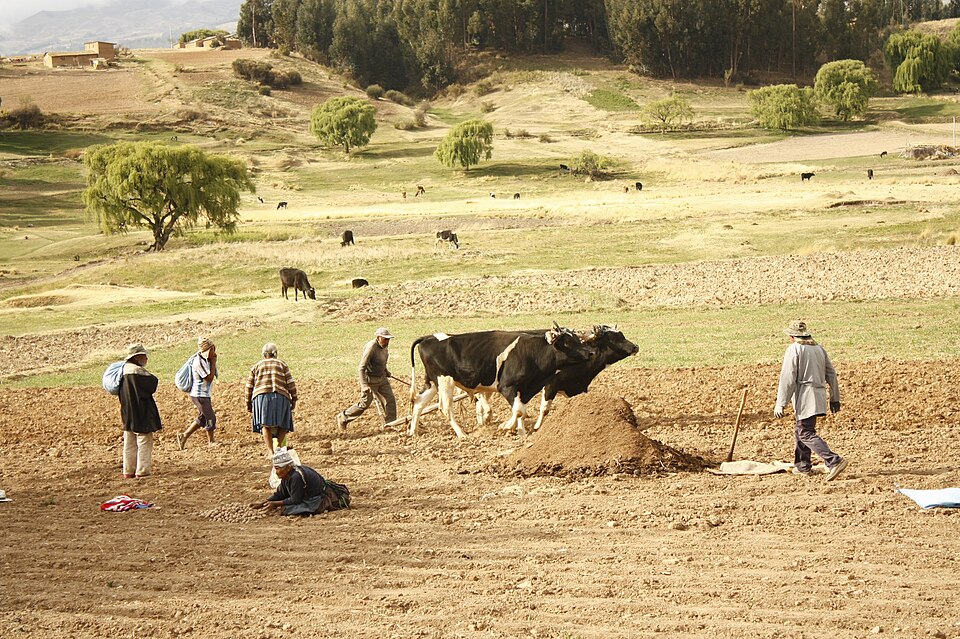
Innovations in Poverty Eradication in Bolivia

Poverty Eradication in BoliviaBolivia faces major economic and rural development challenges. After the pandemic, the country experienced economic recovery and poverty reduction. However, it still faces high public debt, declining natural gas production, lower international reserves and strong exposure to droughts, floods and wildfires.

Innovations in poverty eradication in Bolivia focus on practical solutions that connect rural communities with markets, energy, water, training and more resilient agriculture.

Agricultural Innovation and Market Access

One major initiative is the Innovation for Resilient Food Systems (Rural Alliances – PAR III) project. In 2022, the World Bank approved $300 million in financing to benefit nearly 130,000 rural families in Bolivia. The project aims to increase food security, improve market access and expand the use of climate-smart agricultural practices. 

It also supports at least 1,000 rural community associations and 1,270 rural producer organizations through productive alliances, technology, training and technical assistance. This model matters because it does not treat small producers as passive beneficiaries. It connects farmers with buyers, associations and institutions through business plans designed to improve efficiency, profitability and market access. 

Since 2006, the Rural Alliances Project has helped small producers access financing, technology and training, three key tools for improving productivity and quality of life.

Rural Solutions With Real Impact

The Food and Agriculture Organization (FAO) highlights Apiguardia, a beekeeping alliance in San Ramón made up of 18 men and 10 women. With technical support, the group improved hive management, adopted migratory beekeeping practices, increased honey quality and entered more formal and stable markets. This example shows that innovation does not always mean complex technology. 

It can also mean specialized training, community organization and better production tools. The results of the Rural Alliances Project highlight the importance of this approach. According to FAO, the first phase benefited more than 28,000 rural households and established 768 alliances. 

The second phase reached more than 23,000 families in 120 municipalities. In addition, the market value of certain products increased by 35%, while moderate poverty fell by 11.7% and extreme poverty fell by 10.1% among lower-income beneficiaries.

Sustainable Energy for Rural Communities

Another key aspect of innovation in poverty eradication in Bolivia is access to sustainable electricity. In 2023, the World Bank approved $125 million to expand and improve electricity service in rural communities. More than 141,000 people will receive new or improved access to electricity through grid extensions, mini-grids and individual solar systems.

These solutions will benefit households, schools, health centers and small agricultural, commercial and industrial production units. Electricity can reduce poverty by improving living conditions and boosting productivity. In rural areas, it can support food preservation, tool use, nighttime study, health center operations and the creation of small businesses. 

The project also includes solar systems, renewable mini-grids and training in efficient energy use, helping support a cleaner transition that depends less on polluting fuels.

Water, Irrigation and Climate Resilience

Access to water is also essential for reducing rural poverty. In 2024, the World Bank approved $150 million to improve water resource management, irrigation and climate resilience in 15 basins and 256 municipalities. The project will benefit about 30,000 rural families, especially subsistence farmers in upper-basin areas affected by drought, deforestation and soil erosion.

The project focuses on three main areas: protecting water sources through reforestation and native grassland recovery, optimizing household and community irrigation systems and building flood- and erosion-resistant infrastructure. It also includes automated irrigation to improve crop productivity, diversify production and improve household income. 

These investments can help rural families adapt to climate instability while strengthening agriculture.

A Practical Strategy Against Poverty

These initiatives demonstrate that Bolivia is combining agricultural innovation, basic infrastructure and climate adaptation to address rural poverty. These are not immediate or perfect poverty eradication solutions, but they target concrete problems in Bolivia: low productivity, limited market access, water insecurity, power shortages and vulnerability to climate change.

The strongest part of these strategies is that they strengthen rural communities as producers, entrepreneurs and participants in value chains. When a rural family gains access to irrigation, electricity, training and stable buyers, it has more opportunities to increase income, diversify production and withstand climate crises. Bolivia still faces major economic and social challenges. 

However, these projects show that innovation can be a real tool against poverty when it responds to concrete needs. The Bolivian experience shows that reducing poverty depends not only on large national plans but also on practical solutions that reach rural communities and improve their ability to produce, sell and live with greater stability.

– Adriana Carolina Herrera

Adriana is based in Painesville, OH, USA and focuses on Technology and Solutions for The Borgen Project.

Photo: Wikimedia

May 21, 2026
https://borgenproject.org/wp-content/uploads/borgen-project-logo.svg 0 0 Hemant Gupta https://borgenproject.org/wp-content/uploads/borgen-project-logo.svg Hemant Gupta2026-05-21 03:00:312026-05-21 12:54:17Innovations in Poverty Eradication in Bolivia
Clean Water Access, Global Poverty

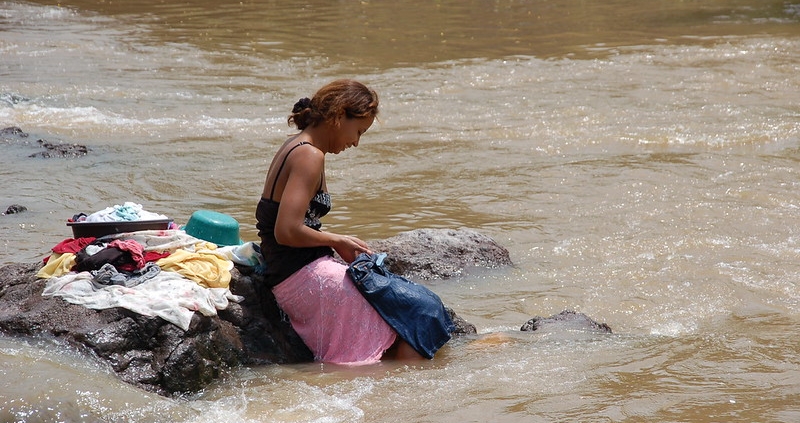
AguaClara: Clean Water in Honduras and Beyond

Clean Water in HondurasIn 2010, the United Nations (U.N.) General Assembly officially declared access to water a human right. Nonprofit organization AguaClara Reach has been working with water technologies since 2005. Dr. Monroe Weber-Shirk created the program to implement water treatment plants in lower-income areas. Since then, AguaClara Reach has helped more than 100,000 people gain access to clean, safe water. Founded in Honduras, the program has expanded its work and now operates 26 water treatment plants across Central America and India, each working to reduce poverty through clean water.

The Link Between Lack of Safe Water and Poverty

Lack of access to safe water not only reflects poverty but also drives it. Without safe water, economic opportunity is limited, and communities face cycles of illness, lost productivity and time spent locating water sources. The World Bank classifies India and Honduras, the primary beneficiaries of AguaClara’s projects, as lower-middle-income countries. Both countries experience large inequalities of wealth. In Honduras, the poverty rate was 62.90% as of 2024, based on the national poverty line. While data for poverty at the national level is unavailable for India, the World Bank reports that in 2022, the poverty rate at $3 a day was 5.25%. Initiatives like AguaClara play a role in helping to reduce poverty through clean water.

The Consequences of Unsafe Water

With a large proportion of Hondurans living in poverty, an estimated 2.7 million do not have access to safe drinking water. The World Health Organization (WHO) identifies waterborne diseases as a primary cause of child mortality. The National Survey of Demography and Health shows that only 50% of households in Honduras have access to E. coli-free water, with rural and low-income communities particularly affected.

Conditions in India are similar. As of 2025, 91 million people in India had no guaranteed way of securing clean water sources. Waterborne diseases in India resulted in an estimated 11,728 deaths from 2014 to 2018. Unsafe water also deepens poverty, with waterborne diseases costing the country around $600 million each year.

AguaClara’s Community-Led Mission

According to AguaClara Reach, the organization advances global access to safe drinking water through community-scale, gravity-powered water treatment technologies, capacity building with local implementation partners and research and education with university partners.

To sustainably reduce poverty through clean water access, AguaClara Reach implements its technologies with the community in mind. Its method relies on an understanding of the political and social context of each project area to support a long-term solution.

Since 2008, the AguaClara plant in Tamara, Honduras, has provided locals with clean and safe water. Each household pays a $5 tariff, allowing the water board to continuously upgrade water infrastructure. The community accepts this fee on the basis that access to reliable water eases financial pressure. Improvements made by the Tamara water board include an expanded storage tank, the use of stacked rapid sand filters and a self-cleaning clarifier. In Tamara, AguaClara technology has improved the quality of life and will continue to do so as the equipment evolves.

Looking Ahead

Efforts to improve access to clean, safe water continue across developing nations. The work of AguaClara Reach offers one model for addressing this challenge, with measurable impact across communities in Central America and India. As the organization expands its reach, its community-led approach provides a path forward to reduce poverty through clean water.

– Polly Laws

Polly is based in Cardiff, UK and focuses on Good News and Global Health for The Borgen Project.

Photo: Flickr

April 15, 2026
https://borgenproject.org/wp-content/uploads/borgen-project-logo.svg 0 0 Precious Sheidu https://borgenproject.org/wp-content/uploads/borgen-project-logo.svg Precious Sheidu2026-04-15 07:30:132026-04-14 13:25:49AguaClara: Clean Water in Honduras and Beyond
Clean Water Access, Global Poverty

SDG 6 in Palestine: Water, Sanitation and Life Under Blockade

sdg 6 palestineFor people in the State of Palestine, SDG 6 is not just about building more pipes or treatment plants. It is about whether families in Gaza and the West Bank have access to safe drinking water, cooking water, and washing water. While global reports show some progress in water and sanitation, Palestinians continue to face serious challenges because of conflict, damaged infrastructure and ongoing crises.

SDG 6 and What It Promises

SDG 6’s goal is to “ensure availability and sustainable management of water and sanitation for all.” This includes targets for safe drinking water, proper sanitation and hygiene, better water quality and fairer, more efficient water use. Around the world, billions of people still lack safe water and sanitation, and progress is not fast enough to reach everyone by 2030. In Palestine, SDG 6 shows how conflict and political restrictions can make even basic improvements difficult.

Water Access in Palestine Today

Official SDG 6 data indicate that most people in Palestine have access to safely managed drinking water, but these numbers do not reflect the significant differences across regions and communities. In Gaza, years of blockade, over-pumping and damaged infrastructure have made the coastal aquifer very polluted. Even before the latest crisis, about 97% of its water did not meet World Health Organization (WHO) standards. Recent reports show that many families in Gaza get much less than the 50 liters of water per person per day that the U.N. says is needed for health. This forces people to use unsafe water or pay high prices for trucked water.

Gaza: Living With Extreme Water Insecurity

Gaza’s crowded population and broken infrastructure make SDG 6 especially important there. According to Anera, only about 10% of people in Gaza have safe drinking water at home. Most families must buy desalinated or delivered water if they can afford it. Pollution from untreated sewage, flooding and old, rusty pipes worsens water quality and increases the risk of disease.

West Bank: Inequality and Control Over Resources

In the West Bank, SDG 6 is affected by unequal control over water resources and restrictions on Palestinian infrastructure projects. Researchers say Israel has “hydro-hegemony” because it controls the main aquifers and the Jordan River. This means Palestinian communities often have less water per person and face frequent shortages. In many parts of Area C, Palestinians need permits to build or improve water and sanitation facilities, and the risk of demolition makes long-term planning difficult.

Lack of water and sanitation hurts health, education and jobs across Palestine, especially for children and low-income families. Not enough clean water and poor wastewater management lead to more cases of diarrhea and other diseases. Experts warn that crowded places like Gaza could face health crises. When families spend much of their money on water, they have less for food, rent, and school, which makes poverty worse.

Local and International Efforts

Even with these problems, people are working to improve SDG 6 in Palestine by building better infrastructure and making services better. In Gaza, Anera has put in 1 million meters of water pipes, providing 35,700 people in Rafah with steady water at home. It has also connected more than 2,300 homes to safer wastewater systems and added drainage to help with flooding. Other projects, like a sanitation effort in Khan Younis, aim to improve basic services by helping local governments with technical, organizational and financial support.

Strengthening these efforts could help Palestine get closer to SDG 6 and improve health, dignity, and opportunities for millions living through ongoing crisis.

– Niaz Youssefian

Niaz is based in Cardiff, UK and focuses on Global Health for The Borgen Project.

Photo: Wikimedia Commons

April 6, 2026
https://borgenproject.org/wp-content/uploads/borgen-project-logo.svg 0 0 Naida Jahic https://borgenproject.org/wp-content/uploads/borgen-project-logo.svg Naida Jahic2026-04-06 03:00:262026-04-05 12:23:37SDG 6 in Palestine: Water, Sanitation and Life Under Blockade
Global Poverty, Nonprofit Organizations and NGOs, Water

Clean Water Access in Sub Saharan Africa Expands

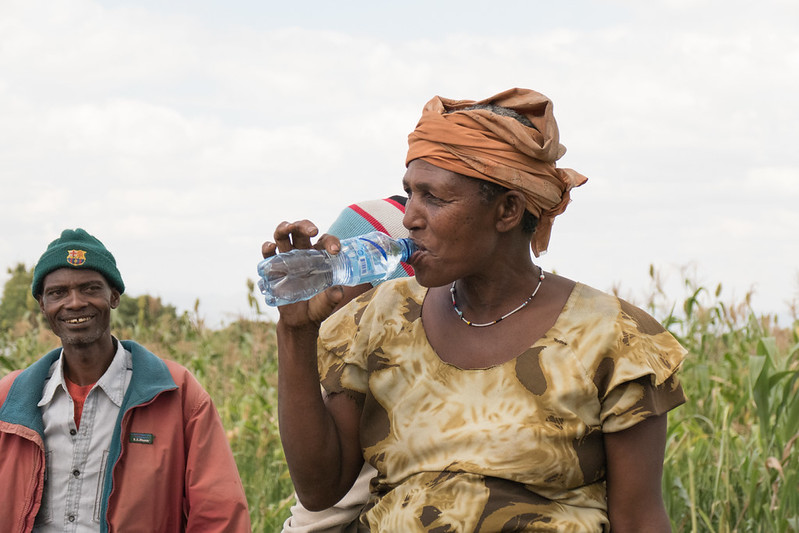
Clean Water Access in Sub Saharan Africa Expands Access to clean drinking water is one of the most important factors in improving global health and reducing poverty. Across the region, clean water access in Sub-Saharan Africa has become a major focus for governments, nonprofits and international organizations working to improve living conditions. While millions of people still lack reliable water sources, new programs and technologies are helping expand access and create long-term solutions.

Water Access Challenges in Sub-Saharan Africa

According to the World Health Organization (WHO) and UNICEF, more than 400 million people in Sub-Saharan Africa lack access to safely managed drinking water services. Many families must travel long distances each day to collect water from rivers, ponds or unsafe wells. This often affects women and children the most, as they are typically responsible for collecting water. In many communities, children miss school because they must spend hours each day helping their families gather water. Unsafe water also contributes to diseases such as cholera, diarrhea and typhoid, which remain major health risks across the region.

The economic impacts of limited water access are also significant. When families spend hours collecting water, they have less time for work, education or other opportunities that could help them escape poverty. In rural communities, a lack of clean water can also reduce agricultural productivity and limit food security. Improving water systems can therefore strengthen both health and economic stability.

Organizations Expanding Water Access

Several organizations are working to expand clean water access in Sub-Saharan Africa through sustainable projects and innovative technologies. One of the most well-known organizations is Water.org, a nonprofit that helps communities finance water and sanitation solutions. Through its WaterCredit initiative, the organization has helped more than 68 million people gain access to safe water or sanitation by providing small, affordable loans for household water systems.

Another organization making progress is charity: water, which funds community water projects in developing countries. Since its founding, the organization has supported more than 111,000 water projects in 29 countries, helping bring clean water to millions of people. These projects include drilling wells, installing filtration systems and building rainwater collection systems designed to provide safe drinking water for years.

Technology Supporting Water Solutions

Technology is also playing an increasing role in addressing water challenges. Solar-powered water pumps and advanced filtration systems allow communities to access safe water without relying on expensive fuel or electricity. In some areas, digital monitoring tools track performance and help ensure systems continue operating efficiently.

Experts working in water development emphasize that long-term success requires community involvement. Local training programs help residents maintain water infrastructure and manage resources responsibly. When communities participate in the planning and management of water systems, projects are more likely to remain sustainable over time.

The Bigger Picture

Although challenges remain, progress in clean water access in Sub-Saharan Africa demonstrates how collaboration between governments, nonprofits and communities can create meaningful change. Expanding access to safe water improves health, supports education and strengthens economic opportunity. Continued investment in water infrastructure and technology will be essential to ensure that more communities across the region gain reliable access to one of life’s most basic necessities.

– Nishanth Pothapragada

Nishanth is based in London, Ontario, Canada and focuses on Good News and Technology for The Borgen Project.

Photo: Flickr

March 17, 2026
https://borgenproject.org/wp-content/uploads/borgen-project-logo.svg 0 0 Precious Sheidu https://borgenproject.org/wp-content/uploads/borgen-project-logo.svg Precious Sheidu2026-03-17 01:30:252026-03-16 12:09:37Clean Water Access in Sub Saharan Africa Expands

Get Smarter

  • Global Poverty 101
  • Global Poverty… The Good News
  • Global Poverty & U.S. Jobs
  • Global Poverty and National Security
  • Innovative Solutions to Poverty
  • Global Poverty & Aid FAQ’s
Search Search

Take Action

  • Call Congress
  • Email Congress
  • Donate
  • 30 Ways to Help
  • Volunteer Ops
  • Internships
  • Courses & Certificates
  • The Podcast
Borgen Project

“The Borgen Project is an incredible nonprofit organization that is addressing poverty and hunger and working towards ending them.”

-The Huffington Post

Inside The Borgen Project

  • Contact
  • About
  • Financials
  • President
  • Board of Directors
  • Board of Advisors

International Links

  • UK Email Parliament
  • UK Donate
  • Canada Email Parliament

Get Smarter

  • Global Poverty 101
  • Global Poverty… The Good News
  • Global Poverty & U.S. Jobs
  • Global Poverty and National Security
  • Innovative Solutions to Poverty
  • Global Poverty & Aid FAQ’s

Ways to Help

  • Call Congress
  • Email Congress
  • Donate
  • 30 Ways to Help
  • Volunteer Ops
  • Internships
  • Courses & Certificates
  • The Podcast
Scroll to top Scroll to top Scroll to top