 As of 2024, almost 63% of people in Honduras lived in poverty. The main reasons for such a high poverty rate are extreme food insecurity, lack of access to basic services, climate disasters and violence.
Particularly in the city of La Ceiba, poverty is at a severe high of almost 93%. Located on the northern coast of Honduras, La Ceiba has a population of about 285,000 people. If 93% of these people are living in poverty, then about 265,000 people are in poverty in just one city in Honduras. The city experiences common hurricanes and flooding, which exacerbates the poverty rate.
A Broader View
The nonprofit A Broader View sends volunteer nurses to La Ceiba to assist in public hospitals. The organization was founded in 2007 and runs volunteer programs in 32 countries around the world. Since its founding, A Broader View has raised and donated more than $4.5 million to partners in need and has had almost 70,000 volunteers.
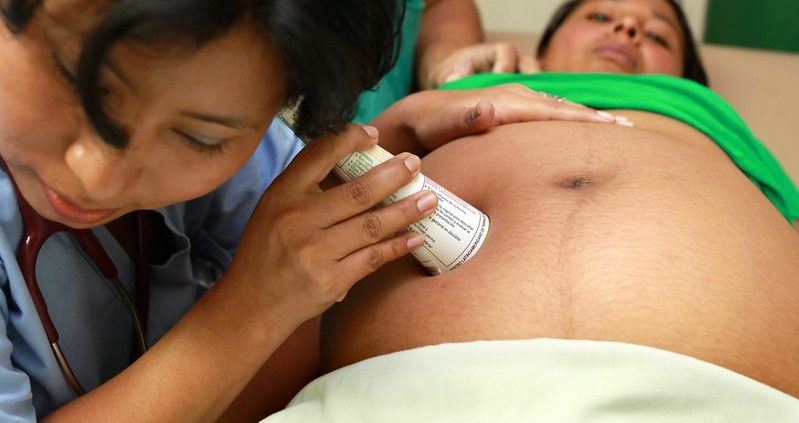
The Premedical and Student Nurse program in La Ceiba sends volunteers over the age of 17 to work in public hospitals and clinics. These volunteer nurses in Honduras work alongside local doctors to help the largely understaffed facilities. Volunteers assist with basics such as charting patients, cleaning and bandaging wounds and taking vitals. No experience is required to participate in the program. Spanish immersion lessons are offered to those interested. Volunteers are asked to bring several pairs of scrubs, a stethoscope, a blood pressure cuff, masks, gloves and pens. La Ceiba has limited availability of supplies and cannot provide these basics to each volunteer. Volunteers are housed on-site and work eight-hour shifts Monday through Friday. Program lengths range from one week to 12 weeks.
Volunteer Nurses in Honduras
The Borgen Project interviewed Nancy Crane, a volunteer nurse who went to Honduras in 2017. In January of that year, La Ceiba experienced major flooding that affected thousands of people. September and October 2017 saw heavy rain and frequent flooding. Nancy went to La Ceiba in September 2017 as a volunteer nurse for 12 weeks with A Broader View. Her motivation for going was a desire to move into the nursing field. She had no prior experience, and A Broader View provided hands-on experience. Nancy was placed in Hospicentro Okens in the emergency room four days a week and at a small local clinic one day a week. She was placed in a homestay with a man who taught her Spanish in her free time.
Nancy told The Borgen Project that her expectations for her time in La Ceiba were to do more observing, handle basic first aid and take vitals. She quickly learned that it would require a lot more patient care than she had prepared for, as well as tasks that do not take place in U.S. hospitals. Nancy was the only volunteer at Hospicentro Okens and was welcomed by everyone, even though her Spanish was not perfect.
“When they heard that I was from the U.S., they actually called me ‘Doctor,'” she said. She was surprised by this since she had no experience or training. Hospicentro Okens was very limited in resources. Nancy recalled some of the more basic tasks she had to complete to help with hospital functioning. “At the emergency room where I worked, they do not have computer systems to log people in, and so we actually would have to sit down in our free time and create lined paper so that we could have people sign in,” she said. She also had to cut and sterilize gauze to be used as needed.
Poverty in La Ceiba
When asked about poverty in La Ceiba, she described walking 10 minutes through flooded streets to reach the emergency room each day. The clinic she worked in was in the most impoverished part of La Ceiba. “When I would go there, there would be hundreds of people lined up to come in to the un-air-conditioned ER, and there are dogs running in and out,” she said. She described it as “organized chaos.” The only running water at the clinic came in through the kitchen window during rain and flowed into a barrel, serving as the only fresh water available.
When patients came in for care that required supplies the hospital or clinic did not have, they were sent to the medical store to buy the supplies themselves before returning for treatment. Nancy described all of the people seeking care as very patient and accepting of the quality care they were receiving. She recounted a man who arrived having a severe heart attack in an open-back jeep with no gurney — he had to walk himself to the entrance.
Nancy also recounted what happens when no surgeons are available. The osteopathic surgeon only comes in once a week, so if someone had a broken limb, doctors would clean it, remove all the bone pieces, clean them, put the clean bones back and stitch it up. The patient would then wait in that condition for one to six days until the surgeon returned.
Nancy also spoke about the severity of diabetes in Honduras. Most people do not have access to whole foods or blood pressure devices, which causes a large number of people to require amputations.
Nancy greatly valued her time as a volunteer nurse in Honduras and later went to school in the U.S. to become a nurse. She volunteered at a clinic in Guatemala in the fall of 2018 and hopes to return to Honduras in the future.
Healthcare in Honduras
Since 2017, several organizations have worked to improve health care in Honduras. The United Nations Office for Project Services (UNOPS) worked with the Honduran Ministry of Health to improve the quality of one of the main public hospitals in Tegucigalpa. In September 2024, UNOPS announced a plan to upgrade and construct six operating rooms not currently in use. As of December 2025, Hospital Escuela now has four stretcher elevators to better transport staff and patients. A Temporary Equipment and Sterilization Center was also handed over to the hospital to provide more space during construction and to ensure proper sterilization of medical supplies.
On March 13, 2026, the U.S. Embassy in Tegucigalpa announced a $46.5 million five-year bilateral health Memorandum of Understanding (MOU). The Department of State will provide $29.5 million over the next five years to help the Honduran health care system address HIV/AIDS and other noncommunicable diseases. The Honduran government commits to increasing its health spending in HIV and global health security by $16.8 million. The MOU gives Honduras greater national autonomy over its health care system and integrates U.S.-funded frontline health care and laboratory workers into the national health workforce.
Looking Ahead
Volunteer nurses in Honduras still play a critical role in supporting the health care system. Several organizations beyond A Broader View send volunteers to the country. With limited local staff available, volunteer nurses provide immediate, short-term care and relieve pressure on local nurses. Volunteer programs also bring critical supplies that Honduras lacks. In the years since Nancy Crane volunteered in La Ceiba, funding has increased and more volunteer nurses have helped support the health care system for those living in poverty.
– Kaitlyn Crane
Kaitlyn is based in Rohnert Park, CA, USA and focuses on Global Health for The Borgen Project.
Photo: Flickr

5 Charities Operating in Myanmar
What Are Some Challenges Facing Myanmar?
Myanmar is a Southeast Asian nation bordering India, Bangladesh, China, Laos and Thailand. Its geographic location and ethnic diversity have contributed to long-standing internal conflict.
In February 2021, the military junta staged a coup and assumed absolute control of the country, committing widespread humanitarian violations against the population, including the suppression of free speech, manipulated elections, unlawful detentions, indiscriminate airstrikes on civilians, unregulated resource extraction and restricted access to medical care and supplies.
As foreign aid and attention toward the conflict dwindle, Myanmar sinks deeper into chaos. Protecting the most vulnerable is crucial, and humanitarian action for Myanmar’s children is imperative.
Humanitarian Action for Children in Myanmar
Myanmar’s conflict has created an urgent and time-sensitive need for humanitarian action for children. Violence, displacement and disruptions to educational and health services continue to threaten children across Myanmar. By mid-2025, as the scope of the military takeover expands and intensifies, the conflict has internally displaced more than 3.5 million people, including 30% who are children. Of the 20 million people requiring assistance, 6.4 million are children.
Environmental disasters exacerbate children’s safety concerns. Cyclones, typhoons, monsoon floods and earthquakes destroy vital infrastructure, including homes, schools, hospitals, access to clean water and proper sanitation, especially in underserved areas.
About 55% of Burmese children live in poverty. Malnutrition and lack of immunization for vaccine-preventable diseases limit opportunities. Ongoing violence, attacks, forced military recruitment and marriage threaten children’s well-being. Sanctuaries for children are vanishing due to both natural disasters and human conflict.
Myanmar’s children still have the opportunity for a better future. Five charities operating in Myanmar continue working tirelessly to alleviate suffering and provide vital humanitarian aid to Myanmar’s children, helping them find happiness and a reimagined future.
5 Charities Operating in Myanmar
Looking Ahead
The good news for Myanmar’s children is much louder than the noise of hardships stripping them of a happy childhood and a safe future. Their resilience, combined with the dedication of humanitarian organizations, continues to bring attention to their struggles and needs. These five charities operating in Myanmar have answered the call and affirmed their unwavering support for Myanmar’s children. Providing children with a safe environment where they can grow and thrive remains essential.
– Elora Gunn
Photo: Unsplash
How Eco-Tourism Is Supporting Poverty Eradication in Albania
Although Albania’s economy has steadily expanded over the past two decades, many rural residents still struggle with unemployment, limited infrastructure and unequal access to education and public services. According to Germany’s Federal Ministry for Economic Cooperation and Development, people living outside major urban centers often face reduced economic opportunities and limited access to jobs, housing and education. Older people and members of minority groups are particularly vulnerable to poverty and social exclusion.
These challenges have made tourism an increasingly important source of economic opportunity. Albania’s tourism industry now plays a major role in supporting employment, particularly in rural regions where other industries remain underdeveloped. According to the World Travel and Tourism Council, the tourism sector supported approximately 269,000 jobs in Albania in 2023, accounting for nearly one in five jobs nationwide. As Albania’s tourism industry expands, many leaders see sustainable tourism as a promising strategy for poverty eradication in Albania.
Tourism in Albania
Known for its rugged mountains, protected national parks and Adriatic coastline, Albania is quickly gaining international attention as an emerging Mediterranean destination — offering a quieter alternative to the region’s often crowded seaside hotspots. Albania ranked fourth globally in 2023 for the largest percentage increase in international tourist arrivals, recording growth of 56% since 2019. To protect these ecosystems and the economic opportunities they provide, Albania is looking towards eco-tourism.
The World Bank states that the Albanian government is currently prioritizing “sustainable growth with a special focus on tourism” as part of its broader economic development strategy. In recent years, international organizations and government agencies have invested heavily in sustainable tourism initiatives designed to strengthen local economies while protecting environmental and cultural resources.
Job creation in Albania’s Heritage Communities
In southern Albania, eco-tourism and heritage tourism are helping transform communities that once faced economic decline and population loss. According to the World Bank, “for years communities across Southern Albania experienced sluggish growth and an exodus of residents, especially youths, seeking opportunity elsewhere.” However, investments in sustainable tourism infrastructure and cultural preservation projects have helped towns such as Berat, Gjirokastër, Përmet and Sarandë are now experiencing significant economic growth.
Through initiatives like the Integrated Urban and Tourism Development Project (PIUTD), the World Bank helped restore and improve access to historic sites including Gjirokastër Castle, the Sarandë promenade and the Qafa e Pazarit bazaar. Workers rehabilitated nearly 200,000 square meters of public space through projects that repaired cobblestone streets, expanded hiking trails and improved lighting, sidewalks and visitor centers. These investments helped fuel a tourism boom across southern Albania, where tourist arrivals in Berat nearly quadrupled between 2019 and 2024, while arrivals in Gjirokastër increased sixfold.
Family-Run Guesthouses
Unlike large-scale resort tourism, locally owned businesses heavily drive Albania’s eco-tourism industry. The rapid growth of tourism has created new economic opportunities for local residents. Families have converted historic homes into guesthouses and bed-and-breakfasts, while entrepreneurs have launched cultural tours, hiking excursions and outdoor recreation businesses. Importantly, the World Bank states that this growth remains inclusive: “over half of the thousands of the new jobs created are held by individuals who are often excluded from the labor market, such as women, youth, and persons with disabilities.”
Moreover, tourism growth has expanded Albania’s tourism season beyond the summer months, creating more stable year-round income for local businesses. This has also encouraged some Albanians who previously emigrated to return home and invest in tourism enterprises, contributing to long-term community revitalization and further supporting poverty eradication in Albania.
Balancing Tourism and Conservation
Rapid tourism growth also brings environmental pressures, including risks to natural landscapes and biodiversity loss. In response, the Albanian government established a combined Ministry of Tourism and Environment in 2017 to better align economic development with environmental protection, ensuring that tourism expansion does not come at the expense of natural ecosystems.
Building on this approach, Albania expanded its protected areas in 2022 to cover 21.4% of the country’s territory, up from 17.5%. This expansion included the creation of the Albanian Alps National Park. Encompassing dramatic mountain scenery and valleys, the park is designed to strengthen biodiversity conservation while also supporting sustainable rural development and eco-tourism in surrounding communities.
The Albanian Alps attract thousands of international hikers each year, and encourage local communities to invest in environmentally conscious tourism services. Many guesthouses and agritourism businesses in these regions use locally sourced food, traditional architecture and small-scale accommodations that minimize environmental impact while supporting local agriculture and family-run enterprises.
Looking Ahead
As Albania’s tourism industry continues to grow, eco-tourism is emerging as one of the country’s most promising strategies for poverty eradication in Albania. From family-run guesthouses in the Albanian Alps to heritage restoration projects in historic southern cities, sustainable tourism initiatives are creating jobs, supporting local businesses and strengthening rural economies. While challenges related to poverty and regional inequality remain, Albania’s investment in sustainable tourism demonstrates how community-based development can create new economic opportunities for some of the country’s most vulnerable populations.
– Lucy Alexander
Photo: Unsplash
Bangladesh’s Trillion-Dollar Economy Plan
While this goal may seem distant, economic transformation is rarely immediate. Sustainable growth requires consistent policy implementation, structural reforms and time for these changes to yield stable, measurable results.
What Is the Plan for Achieving This Goal?
Bangladesh’s biggest source of financial support comes from the garment sector. However, the country might face a shock due to its standard approach to this sector. If an economy wants to thrive, it needs diversity to achieve its goals.
The government has prepared a plan and is considering investing more money, creating jobs across various sectors, democratizing the economy and opening new sectors in creative fields and sports. The main reason is to give the country a range of options and help it become part of Bangladesh’s trillion-dollar economy plan. However, looking at the figures for the last financial year, economic growth was 0.48% lower than expected, mainly because it relied heavily on the service and agriculture sectors to generate that profit.
Therefore, the government has developed this diversity plan to achieve this goal. Bangladesh attracted significant foreign investment, with its strongest year recorded in 2019 when direct investment exceeded $1.8 billion. However, political upheaval and internal ambiguity led to a decline in investment levels in subsequent years.
Despite these challenges, 2025 marked a recovery year for Bangladesh, with direct investment rising to $1.77 billion. Although this figure remains below the 2019 peak, it shows that foreign investors are still interested in investing in the country despite the global financial situation.
Bangladesh and the International Monetary Fund
Earlier in April 2026, discussions during a meeting in Washington, D.C. raised concerns about Bangladesh’s financial situation. Although Bangladesh was approved for more than $5 billion in IMF loans between January 2023 and June 2025, the country has received only about $3.64 billion so far, with nearly $2 billion still pending for future disbursement.
The program was not designed to give the country the money for free; it came with conditions, such as increasing government revenue and strengthening oversight of the banking sector. Bangladesh agreed to these terms before signing the deal, as the measures were intended to support stronger long-term financial stability.
If Bangladesh is serious about becoming a trillion-dollar economy by 2034, it must take economic diversification more seriously, as the country still relies heavily on the garment sector and foreign direct investment. The government also needs to reform trade policies, strengthen sustainability measures and address key industry challenges to protect long-term growth.
Final Thoughts
Bangladesh aims to expand investment into higher-value sectors such as banking, insurance, telecommunications and pharmaceuticals to strengthen long-term financial stability and maintain steady investment inflows. Diversifying the economy is considered essential to the country’s goal of becoming a trillion-dollar economy by 2034, as it would create multiple sources of revenue and improve resilience during financial issues.
These are challenges Bangladesh can overcome. Over the past 30 years, the country has shown remarkable economic resilience through a hardworking labor force, a dynamic private sector and strong financial flows.
– Sibel Yasharoglu
Photo: Unsplash
Support Networks for Indigenous Migrants in Mexico City
Education That Makes Staying Possible
One part of that support comes through the Indigenous Education Support Program, which helps Indigenous children and young people continue their studies by providing lodging, food and support that also strengthens cultural identity. The program is especially important for students who do not have the option of continuing school in their own communities. Poverty is not only a question of income. It also shapes whether a child stays in school, eats properly and can imagine a future without being away from everything familiar. Educational support combined with daily stability gives families more room to hold things together. It also gives younger people a better chance of moving forward without losing touch with their cultural identities.
A Place to Regain Stability
A second kind of support comes through shelters such as Casa Tochán, which works with people in migration in Mexico City. Its work includes housing, medical and psychological care, job support and cultural activities, all of which give people a greater sense of stability while they try to build or rebuild their lives. Families living with poverty or displacement often need more than emergency relief. They need somewhere to rest and somewhere that makes ordinary life possible again. That sense of dignity comes through strongly in Gaby Hernández’s words when she says, “this is how we change how people migrate,” by “making others feel valued and helping them resolve the issue of work.” Shelter alone is not enough; people also need the stability that allows them to preserve dignity and cultural identity while rebuilding their lives.
The wider shelter network in Mexico City suggests that these pressures are not isolated. Shelters like CAFEMIN work with women, children and family groups arriving in the city under increasingly difficult conditions. Sister Magda’s description of current arrivals as “forced migration” shaped by violence rather than only economic need helps clarify the conditions many families are now moving through. Many are arriving after being uprooted, and that instability continues long after they reach the city. In that situation, shelter, legal support and day-to-day care are what make any kind of stability possible.
The Effects of Support
These support networks respond to need where it is actually felt. They help make sure a child can remain in school, a parent can find temporary stability and a family can avoid the stress of uncertainty. In a city as demanding as Mexico City, these are not small gestures, they are often what keeps hardship from deepening further. Support Networks for Indigenous Migrants in Mexico City is not only a story about vulnerability, but also about local and sustaining care and support. Programs and organisations may not solve every structural cause of poverty or displacement, but they can create the conditions in which indigenous migrants in Mexico City are able to hold on, rebuild and move forward with greater confidence.
– Elliott J Carter
Photo: Unsplash
AI Tools Outperform Clinicians in Rwanda Study
The tools, including Google’s Gemini-2 and ChatGPT-4o, delivered responses at a cost 500 times lower per answer and still outperformed clinicians when responding in the local language, Kinyarwanda. The research team included academics from Rwanda and the U.K. and noted a lack of previous research around how LLMs perform in low-income countries. The questions tested were randomly selected from thousands supplied by community health workers across four Rwandan districts and evaluated using a rubric of expert-rated metrics.
Study Suggests AI Tools Outperform Clinicians in Rwanda
Community health workers across four Rwandan districts supplied thousands of clinical questions, and researchers randomly selected around 520 for the test. Experts then evaluated the responses using a rubric of rated metrics. The other tools measured — o3-mini, Deepseek R1 and Meditron-70B — each scored significantly higher than local clinicians.
According to the research team, the study aimed to evaluate the ability of LLMs to generate safe, high-quality and cost-effective responses to real questions posed by frontline health care workers in a low-resource setting. The team concluded that LLMs can provide high-quality, on-demand clinical advice to community health workers that outperforms local experts, even in low-resource, non-English language settings.
The researchers designed the study to simulate a situation in which a community health worker seeks telephone advice from a general practitioner or senior nurse and accepts the first response offered. Despite the headline finding, the authors acknowledged the study does not fully reflect the complexity of day-to-day clinical practice, as real-life situations often involve back-and-forth conversations. They suggested future studies examine how AI tools perform in extended clinical conversations.
Gates Foundation Funds AI Roll-Out
The Gates Foundation funded the Rwanda study and has led efforts to deploy and research large language models in Sub-Saharan Africa. In January 2026, the foundation announced a $50 million joint investment with OpenAI to deploy AI tools supporting primary care workers across 1,000 clinics, starting in Rwanda.
In February 2026, the foundation also launched the Evidence for AI in Health initiative with the Wellcome Trust and the Novo Nordisk Foundation, committing $60 million to projects in low- and middle-income countries.
The three-year project will support researchers evaluating LLMs in clinical settings, AI tools that read diagnostic scans and models that predict disease risk or prioritize patients for follow-up based on their medical history. Priority will go to technologies designed for resource-limited settings.
Looking Ahead
The growing interest in these projects reflects the economic challenge of delivering universal health coverage in low-income countries. A recent World Bank analysis suggested that achieving universal health coverage requires about $60 per capita in low-income countries, compared with around $17 per capita in current government and donor funding.
Global aid cuts have increased pressure on health budgets, making the search for affordable approaches to care more urgent. The study highlighted that AI tools can outperform clinicians in Rwanda. Indeed, the investments that followed suggest that AI tools may offer one pathway toward bridging that gap in resource-limited settings.
– Lawrence Dunhill
Photo: Flickr
Innovations in Poverty Eradication in Jordan
Digital Aid That Reaches Families Faster
One of the strongest examples is Jordan’s National Aid Fund Cash Transfer Program. According to the World Bank, the program provided monthly support to 220,000 households in Jordan. In 2021, it reached an estimated 62% of the most impoverished people in the country, making it one of the largest cash transfer programs in the Middle East and North Africa in terms of coverage for low-income individuals.
The innovation lies not only in the money itself, but in the system behind it. The program uses digital payment methods, including basic bank accounts and e-wallets, to make support easier to receive and more efficient to manage. This matters because families experiencing poverty often face barriers to banking, transportation and public services. Digital cash assistance can reduce those barriers while giving families more control over how they meet urgent needs.
Turning Assistance Into Opportunity
Jordan’s anti-poverty innovation also focuses on employment. The World Bank reports that supported operations have helped 48,000 Jordanians secure formal-sector jobs, with women accounting for 52% of those placements. In addition, 30,000 people are receiving on-the-job training and more than 4,000 individuals have received training in the digital sector.
This is important because poverty reduction becomes stronger when families can move from short-term support to long-term income. Job training, formal employment and digital skills help people enter sectors with more stability and growth potential. For young people and women, these programs can create access to opportunities that were previously harder to reach. In this way, Jordan’s approach connects social protection with economic mobility.
Youth-Led Water Innovation
Water scarcity is one of Jordan’s most serious development challenges. It affects agriculture, household costs, food security and job opportunities. The United Nations Development Programme’s (UNDP) “Scaling Up Water Innovation for Climate Security in Northern Jordan” project addresses this issue by supporting youth-led businesses that develop practical water and agricultural solutions. The project received a $570,000 grant from the Swedish International Development Cooperation Agency (SIDA) through the SDG-Climate Facility and focuses on climate security, water management and economic opportunity.
The project trained 25 startups in financial modeling, customer development and value proposition design. Seven youth-led small and medium enterprises then developed solutions using artificial intelligence, the Internet of Things, hydroponics, vertical farming and improved irrigation. The UNDP reported that some of these innovations reduced water consumption by up to 20% while improving agricultural productivity at the household level.
These efforts show why climate innovation is also a form of poverty innovation. When water becomes easier to conserve and agriculture becomes more productive, families and small businesses can reduce costs, protect income and adapt to environmental stress. In a country where water scarcity affects both rural and urban communities, youth-led innovation offers a practical way to connect environmental resilience with economic survival.
Humanitarian Technology for Refugees
Jordan’s innovation also extends to humanitarian assistance. The World Food Programme’s (WFP) Building Blocks system uses blockchain technology to coordinate cash-based food assistance. WFP reports that Building Blocks serves more than one million refugees in Jordan and Bangladesh and has processed $555 million in cash-based interventions through 25 million transactions.
This technology helps aid organizations reduce duplication, protect data and save money on bank fees. For refugees and vulnerable communities, better coordination can mean more reliable access to assistance. Although blockchain alone cannot end poverty, it can make humanitarian systems faster, more transparent and more efficient in places where resources are limited and needs are high.
Looking Ahead
The most powerful innovations in poverty eradication in Jordan are not isolated projects. They are part of a larger shift that uses technology and entrepreneurship to make poverty reduction efforts more targeted, inclusive and sustainable. Digital aid helps families survive immediate hardship.
Employment programs help people build a stable income. Water innovation helps communities adapt to climate pressure, while humanitarian technology helps assistance reach people more efficiently.
Jordan’s progress shows that poverty eradication is strongest when aid is connected to opportunity. By linking social protection, digital inclusion, youth employment and climate resilience, innovations in poverty eradication in Jordan are helping transform short-term support into long-term opportunities.
– Adriana Carolina Herrera
Photo: Unsplash
How the Gender Wage Gap in Serbia is Closing
The wage gap that women in Serbia face reveals other challenges like occupational segregation and labor market barriers. Even so, the government is making efforts to tackle this disparity by implementing programs geared at ensuring equal economic opportunities for all citizens regardless of gender.
Women in Serbia Earn Less Than Men
Despite the progress made in gender equality in Serbia, women are still earning less than men. The World Bank statistics estimate that Serbia’s gender wage gap is around 8-11%, implying that women earn roughly 89-92 cents for each euro earned by men. The Statistical Office of the Republic of Serbia reports that women are overrepresented in occupations with low salaries and those involving part-time employment. The gender wage gap in Serbia remains smaller than in many countries but continues to affect long-term economic equality.
Some of the causes of these disparities in pay between men and women include the fact that women tend to engage in lower-paying job industries such as education, healthcare and social work, whereas men engage in occupations associated with greater pay in areas including engineering and construction. Researchers have pointed out that wage discrimination includes disparity both in earnings and employment opportunities.
Employment Segregation Drives Income Inequality
One major cause of Serbia’s wage gap is employment segregation. Women are disproportionately represented in fields like education, healthcare and social services, which have historically offered lower salaries than other jobs. Men, on the other hand, represent the majority in highly compensated fields like construction and engineering. The United Nations Development Programme (UNDP) asserts that occupational segregation, which places women in lower paid occupations than men, contributes to economic disparity. Occupation segregation restricts women’s opportunities for career development and further widens the wage gaps.
Women-dominated industries usually have lower pay and fewer prospects for advancement. Meanwhile, industries with the majority of males gain from more investment, improved pay plans and increased productivity recognition.
Both vertical – restricted promotion into leadership posts – and horizontal – working in various industries – segregation reinforce income disparity. Analysts report that addressing occupational segregation remains an important step in reducing the gender wage gap in Serbia.
Parenthood Significantly Impacts Women’s Earnings
Parenthood influences women’s salaries in Serbia. According to UN Women-supported research, mothers commonly experience breaks in their careers after giving birth such as slower wage growth and fewer promotions.
Mothers are also more likely to work flexible or part–time jobs to balance caregiving responsibilities. In contrast, men’s earnings typically remain stable or even increase after becoming fathers, creating what researchers describe as a “motherhood penalty.”
Despite Serbia’s maternity leave laws, women often have long-term financial repercussions when they return to the workforce. Slower salary growth versus males can be caused by fewer working hours, missed promotions and workplace prejudice against mothers.
Government Policies Addressing the Wage Gap
Serbian authorities have employed different policies for eliminating gender disparities within the workforce. The Serbian Gender Equality Law (2021) ensures equal remuneration, eliminates workplace discrimination and encourages monitoring the gender distribution ratio among organizations.
Furthermore, the Government of Serbia collaborates with the European Union through its accession initiatives to enhance labor standards, increase women’s employment rates and prevent discrimination.
The Gender Equality Law in Serbia provides guidelines for corporations to ensure equal opportunity policies, along with strengthening protection against workplace discrimination. With the goal of increasing women’s participation in well-paid sectors, there is government funding for women’s digital entrepreneurship and employment incentives.
Government policy reports and analyses from the European Union link gender equality policies to improved economic productivity and long-term development outcomes.
Organizations Working to Close the Gender Wage Gap in Serbia
Several organizations in Serbia are actively engaged in minimizing gender inequality and encouraging women’s participation in the economy. The Gender Equality Coordination Body of the Government of Serbia prepares national strategies for equality and monitors the implementation of laws on gender equality. International partners also contribute to this effort through their economic programs and policy development.
The European Bank for Reconstruction and Development funds initiatives aimed at enhancing women’s access to financial resources, training programs and economic opportunities. For example, UN Women collaborates with Serbian agencies to promote women’s empowerment in business financing, training programs and economic opportunities are supported by the European Bank for Reconstruction and Development.
The United Nations Development Programme also assists national partners in formulating gender-sensitive policies and promoting labor market inclusion. These partnerships aim to increase job opportunities, raise awareness of economic disparities and remove structural barriers limiting women from workforce participation.
Looking Ahead
International organizations and Serbian government agencies continue to bridge the gender wage gap. Having more women participate in the labor force increases productivity and helps the country grow economically, according to analysts at the World Bank. Closing the gender wage gap in Serbia remains essential for achieving long-term economic equality and sustainable development.
– Avery Hoadley
Photo: Unsplash
The International Affairs Budget: How It Saves Lives Worldwide
Global Health Programs and Humanitarian Aid
The International Affairs Budget supports programs through agencies such as the United States Agency for International Development (USAID). According to the U.S. government, the U.S. provided nearly $3.7 billion in humanitarian assistance to Sub-Saharan Africa during Fiscal Year 2024, supporting food assistance, emergency relief and humanitarian programs in regions affected by conflict and displacement. In 2024, USAID and the U.S. Department of Agriculture also deployed $1 billion in emergency food assistance to address the growing global hunger crisis.
Global health funding also remains one of the most important components of international affairs spending. U.S.-supported initiatives have helped combat diseases such as HIV/AIDS, malaria and tuberculosis in developing nations. According to the World Health Organization (WHO), malaria prevention efforts have saved millions of lives globally over the last two decades.
Specific Global Impact
In countries such as Zambia and Kenya, U.S.-supported HIV/AIDS programs through the President’s Emergency Plan for AIDS Relief (PEPFAR) have expanded access to antiretroviral treatment and reduced AIDS-related deaths. According to the U.S. Department of State, PEPFAR has saved more than 25 million lives globally since its creation in 2003.
Supporters of the International Affairs Budget argue that these programs improve health outcomes abroad while helping vulnerable communities recover from conflict, displacement and food insecurity.
Debates Over Foreign Assistance Spending
Foreign aid and development spending remain active topics in Congress. The House Foreign Affairs Committee and the Senate Foreign Relations Committee continue reviewing legislation and discussing policy related to diplomacy, humanitarian assistance and international development programs.
Advocates for protecting the International Affairs Budget point to the connection between poverty reduction and economic development. According to the Center for Global Development, investments in development assistance can help reduce instability, support economic growth and strengthen international partnerships.
International Cooperation and Poverty Reduction
International cooperation remains a major part of global poverty reduction efforts. Organizations such as the United Nations and the World Bank continue to partner with governments and humanitarian organizations to improve food security, education and access to medical services in low-income nations. According to the World Bank, nearly 700 million people worldwide still live in extreme poverty, surviving on less than $2.15 per day.
Outside the United States, countries such as the United Kingdom and Ireland continue to support international development programs. The Foreign, Commonwealth and Development Office publishes updates on humanitarian relief and education programs worldwide. Irish Aid also supports programs that address hunger, improve access to health care and provide economic development in disadvantaged regions.
Moving Forward
Despite the International Affairs Budget’s relatively small size, proposed funding cuts have prompted concern from advocacy groups and humanitarian organizations. Certain critics argue that reducing foreign aid funding could weaken life-saving programs and limit America’s ability to respond effectively to global crises. Supporters claim that diplomacy and development funds remain important components of humanitarian response efforts worldwide.
As lawmakers continue to discuss FY27 spending priorities, deliberations on the International Affairs Budget mirror broader questions about America’s position in global development and humanitarian leadership. While the budget accounts for only a fraction of federal spending, its impact touches the lives of millions worldwide. For many advocates, protecting these investments is both a human rights responsibility and an important investment in a safer and more stable future.
– Gabriel Perez
Photo: Wikimedia Commons
Volunteer Nurses in Honduras
Particularly in the city of La Ceiba, poverty is at a severe high of almost 93%. Located on the northern coast of Honduras, La Ceiba has a population of about 285,000 people. If 93% of these people are living in poverty, then about 265,000 people are in poverty in just one city in Honduras. The city experiences common hurricanes and flooding, which exacerbates the poverty rate.
A Broader View
The nonprofit A Broader View sends volunteer nurses to La Ceiba to assist in public hospitals. The organization was founded in 2007 and runs volunteer programs in 32 countries around the world. Since its founding, A Broader View has raised and donated more than $4.5 million to partners in need and has had almost 70,000 volunteers.
The Premedical and Student Nurse program in La Ceiba sends volunteers over the age of 17 to work in public hospitals and clinics. These volunteer nurses in Honduras work alongside local doctors to help the largely understaffed facilities. Volunteers assist with basics such as charting patients, cleaning and bandaging wounds and taking vitals. No experience is required to participate in the program. Spanish immersion lessons are offered to those interested. Volunteers are asked to bring several pairs of scrubs, a stethoscope, a blood pressure cuff, masks, gloves and pens. La Ceiba has limited availability of supplies and cannot provide these basics to each volunteer. Volunteers are housed on-site and work eight-hour shifts Monday through Friday. Program lengths range from one week to 12 weeks.
Volunteer Nurses in Honduras
The Borgen Project interviewed Nancy Crane, a volunteer nurse who went to Honduras in 2017. In January of that year, La Ceiba experienced major flooding that affected thousands of people. September and October 2017 saw heavy rain and frequent flooding. Nancy went to La Ceiba in September 2017 as a volunteer nurse for 12 weeks with A Broader View. Her motivation for going was a desire to move into the nursing field. She had no prior experience, and A Broader View provided hands-on experience. Nancy was placed in Hospicentro Okens in the emergency room four days a week and at a small local clinic one day a week. She was placed in a homestay with a man who taught her Spanish in her free time.
Nancy told The Borgen Project that her expectations for her time in La Ceiba were to do more observing, handle basic first aid and take vitals. She quickly learned that it would require a lot more patient care than she had prepared for, as well as tasks that do not take place in U.S. hospitals. Nancy was the only volunteer at Hospicentro Okens and was welcomed by everyone, even though her Spanish was not perfect.
“When they heard that I was from the U.S., they actually called me ‘Doctor,'” she said. She was surprised by this since she had no experience or training. Hospicentro Okens was very limited in resources. Nancy recalled some of the more basic tasks she had to complete to help with hospital functioning. “At the emergency room where I worked, they do not have computer systems to log people in, and so we actually would have to sit down in our free time and create lined paper so that we could have people sign in,” she said. She also had to cut and sterilize gauze to be used as needed.
Poverty in La Ceiba
When asked about poverty in La Ceiba, she described walking 10 minutes through flooded streets to reach the emergency room each day. The clinic she worked in was in the most impoverished part of La Ceiba. “When I would go there, there would be hundreds of people lined up to come in to the un-air-conditioned ER, and there are dogs running in and out,” she said. She described it as “organized chaos.” The only running water at the clinic came in through the kitchen window during rain and flowed into a barrel, serving as the only fresh water available.
When patients came in for care that required supplies the hospital or clinic did not have, they were sent to the medical store to buy the supplies themselves before returning for treatment. Nancy described all of the people seeking care as very patient and accepting of the quality care they were receiving. She recounted a man who arrived having a severe heart attack in an open-back jeep with no gurney — he had to walk himself to the entrance.
Nancy also recounted what happens when no surgeons are available. The osteopathic surgeon only comes in once a week, so if someone had a broken limb, doctors would clean it, remove all the bone pieces, clean them, put the clean bones back and stitch it up. The patient would then wait in that condition for one to six days until the surgeon returned.
Nancy also spoke about the severity of diabetes in Honduras. Most people do not have access to whole foods or blood pressure devices, which causes a large number of people to require amputations.
Nancy greatly valued her time as a volunteer nurse in Honduras and later went to school in the U.S. to become a nurse. She volunteered at a clinic in Guatemala in the fall of 2018 and hopes to return to Honduras in the future.
Healthcare in Honduras
Since 2017, several organizations have worked to improve health care in Honduras. The United Nations Office for Project Services (UNOPS) worked with the Honduran Ministry of Health to improve the quality of one of the main public hospitals in Tegucigalpa. In September 2024, UNOPS announced a plan to upgrade and construct six operating rooms not currently in use. As of December 2025, Hospital Escuela now has four stretcher elevators to better transport staff and patients. A Temporary Equipment and Sterilization Center was also handed over to the hospital to provide more space during construction and to ensure proper sterilization of medical supplies.
On March 13, 2026, the U.S. Embassy in Tegucigalpa announced a $46.5 million five-year bilateral health Memorandum of Understanding (MOU). The Department of State will provide $29.5 million over the next five years to help the Honduran health care system address HIV/AIDS and other noncommunicable diseases. The Honduran government commits to increasing its health spending in HIV and global health security by $16.8 million. The MOU gives Honduras greater national autonomy over its health care system and integrates U.S.-funded frontline health care and laboratory workers into the national health workforce.
Looking Ahead
Volunteer nurses in Honduras still play a critical role in supporting the health care system. Several organizations beyond A Broader View send volunteers to the country. With limited local staff available, volunteer nurses provide immediate, short-term care and relieve pressure on local nurses. Volunteer programs also bring critical supplies that Honduras lacks. In the years since Nancy Crane volunteered in La Ceiba, funding has increased and more volunteer nurses have helped support the health care system for those living in poverty.
– Kaitlyn Crane
Photo: Flickr
Fighting Back: Cholera Vaccine Shortages in Bangladesh
The Cholera Cycle
The prevalence of cholera in Bangladesh has been estimated to be around 100,000 cases per year.
This is due to a number of different factors, including Bangladesh’s rainfall season, where there is an increase in floods and droughts.
As cholera is transmitted by consuming contaminated food and water, the increase in rainfall in Bangladesh every year creates a cycle of increasing and decreasing cholera infections. Typically, this is addressed with vaccination protocols such as the mass oral cholera vaccination (OCV) campaign that was put in place for Rohingya refugees in Bangladesh.
However, with continuous cuts to funding across the globe, the availability of vaccinations has been on a steady decrease, making vaccination campaigns like the mass OCV campaign for the Rohingya people a challenge to replicate.
In response to most cholera outbreaks, there is a two-dose protocol in vaccination schemes. Due to funding cuts, the number of doses usually provided in these schemes has been reduced by international organizations that provide vaccinations. This reduction to only one dose has been an attempt to mitigate the impact of the limited global supply.
The Global Response to Low Vaccination Stocks
The vaccine shortages in Bangladesh, as with other countries, have been slowly receiving pushback from global actors such as the World Health Organization (WHO) and Gavi, the Vaccine Alliance. As of February 2026, the global supply of cholera vaccinations has increased to sufficient levels for vaccination programs to resume. Bangladesh is set to receive 10.3 million doses.
Furthermore, the cholera vaccination shortages in Bangladesh have only provided incentives to promote secondary countermeasures against cholera outbreaks. Campaigns such as Water, Sanitation and Hygiene (WASH), which aim to provide safe water and sanitation, have already been in existence for more than a decade.
Cholera is spread by contaminated food and water. With a shift in focus to efforts that promote sanitation and clean water, alongside proper vaccination protocols, the battle against cholera in Bangladesh can continue.
Looking Ahead
The cholera endemic in Bangladesh has always been one of Bangladesh’s biggest health challenges, with around 3,000 deaths occurring annually. This is a problem that continues to persist, especially with the instability caused by vaccine shortages. Despite this, with vaccination campaigns in Bangladesh resuming, the fight against cholera outbreaks resumes with renewed momentum.
– Bernice Attawia
Photo: Flickr