• Link to X
  • Link to Facebook
  • Link to Instagram
  • Link to TikTok
  • Link to Youtube
  • About
    • About Us
      • President
      • Board of Directors
      • Board of Advisors
      • Financials
      • Our Methodology
      • Success Tracker
      • Contact
  • Act Now
    • 30 Ways to Help
      • Email Congress
      • Call Congress
      • Volunteer
      • Courses & Certificates
      • Be a Donor
    • Internships
      • In-Office Internships
      • Remote Internships
    • Legislation
      • Politics 101
  • The Blog
  • The Podcast
  • Magazine
  • Donate
  • Click to open the search input field Click to open the search input field Search
  • Menu Menu

Tag Archive for: Economic Growth

Information and news about economic growth

Posts

Development, Global Poverty

Five Development Projects in Bangladesh

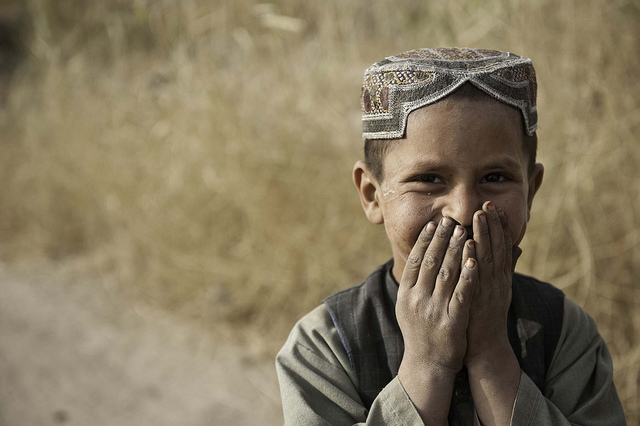
BangladeshBangladesh is a developing country deep in poverty—about 31 percent of the country lives below the poverty line. Even though poverty is certainly prevalent in the country, strides have been made to reduce it in the past few years. For instance, the literacy rate in the country stands at an average of 72 percent and about 86 percent of the population has access to a drinking water source, according to the World Factbook.

Developing a country is an on-going process. Bangladesh is trying to continue its growth in ways that will ensure the success of the country. Here are five development projects in Bangladesh that will help the country reduce its level of poverty.

  1. Health Sector Support Project. There are areas in Bangladesh, such as Sylhet and Chittagong, whose key health indicators are below average. The Health Sector Support Project will help to strengthen health, nutrition and population management systems. One of the most notable aspects of this project is that it seeks to improve the quality and coverage of essential services, such as immunization coverage for children. According to the World Bank, $515 million was loaned to the country in support of the project.
  2. Bangladesh Insurance Sector Development Project. In order for the health sector to be sufficient, the insurance sector needs to be developed. The World Bank states that this project will “strengthen the institutional capacity of the regulator and state-owned insurance corporations and increase the coverage of insurance in Bangladesh.”
  3. Smart City campaign. The urban population of Bangladesh, which currently stands at 55 million, will significantly contribute to the growing national GDP. According to the Smart City website, this will lead to “burgeoning in cities” and a need to improve the conditions of urban cities. Since cities are “key economic engines” one of the development projects in Bangladesh, the “Smart City” campaign, will help to innovate these areas of opportunities.
  4. Additional Financing to Chittagong Water Supply Improvement and Sanitation Project. Parts of Bangladesh do not have access to an adequate water supply and sanitation. About 13 percent of the country does not have an adequate drinking supply and 39 percent of the country does not have access to water sanitation. This project will increase access to safe water and improve water supply, sanitation and drainage in Chittagong.
  5. Clean Air and Sustainable Environment (CASE) Project. According to the World Bank, poor air quality in urban areas creates serious health hazards and adversely affects the environment and quality of life. Reducing pollution could save lives and diminish disease outbreaks. The CASE project would improve air quality and safe mobility in Dhaka through the implementation of demonstration initiatives.

Increasing water supply and sanitation, innovative technology and improving access to healthcare are significant ways to reduce poverty. With these development projects in Bangladesh, the country is well on its way to implementing practices that will reduce poverty in the country for the long term.

– Dezanii Lewis

Photo: Flickr

December 3, 2017
https://borgenproject.org/wp-content/uploads/borgen-project-logo.svg 0 0 Borgen Project https://borgenproject.org/wp-content/uploads/borgen-project-logo.svg Borgen Project2017-12-03 01:30:112024-05-24 23:59:39Five Development Projects in Bangladesh
Development, Global Poverty

Five Facts About Active Development Projects in Serbia

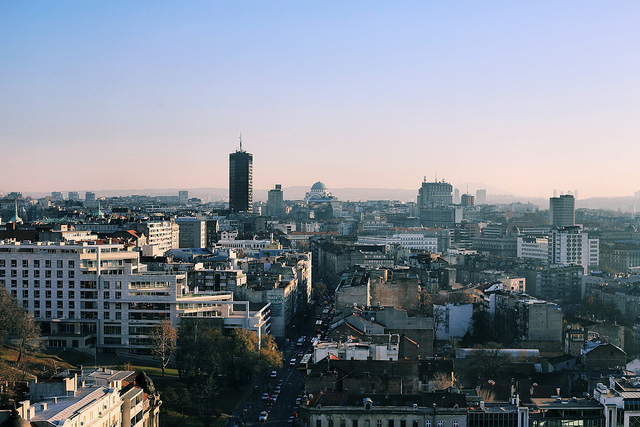
5 Active Development Projects in SerbiaSerbia is located in the heart of the Balkan Peninsula in Eastern Europe. The United Nations Development Programme measures a country’s overall development through the Human Development Index, which considers all aspects of a nation on its way to development. The Human Development Index ranks Serbia as the 66th most developed country in the world, a ranking which is certainly nothing to scoff at. However, there is still much to be done before Serbia can be considered a fully developed nation. Here are five active development projects in Serbia which are bringing the country closer to becoming fully developed.

  1. Floods Emergency Recovery Project
    The aim of this project is to make the nation less vulnerable to damaging floods, and to improve the response strategies of people living in areas which are at a high risk of flooding. This project will aid farmers in taking precautionary measures in case of a flood so that such an event would not cause a devastating effect on the food supply and economy.
  2. Corridor X Highway Project
    Corridor X refers to the road network which leads from Austria to Greece, connecting the nations of the Balkan Peninsula. This is a critical route for trade, commerce and travel, and there has been a great deal of construction on the highway to try and connect the road networks leading through Serbia. Development projects in Serbia like this one will move the nation closer to becoming fully developed, and will bring increased economic prosperity.
  3. Enhancing Infrastructure Efficiency and Sustainability Project
    This project has a similar goal to the Corridor X Highway Project in that it aims to bring increased connectivity between the different regions of Serbia. By improving infrastructure like roads, water systems and hospitals, this project will help to grow Serbia’s economy and increase ease of travel for Serbian citizens.
  4. Real Estate Management Project
    The Real Estate Management Project addresses an issue which is currently holding Serbia back on the path to development. This project will essentially make the real estate system in Serbia more reliable, accountable and transparent. It will create a dependable system of determining property value, thus ensuring that people pay the right amount of tax on their property. Serbia is adopting an internationally accepted standard of property valuation to achieve this goal.
  5. Deposit Insurance Strengthening Project
    The Deposit Insurance Agency is essentially Russia and Eastern Europe’s version of the American Federal Deposit Insurance Corporation (FDIC), and will serve as a financial safety net or backbone behind the banking industry in Serbia. Strengthening the Deposit Insurance Agency will make banking in Serbia more reliable, and will spark economic growth in the nation.

These projects only begin to scratch the surface of all the work that has been done, and has yet to be done, in bringing Serbia into the developed world. While there is an immense list of things that need to be addressed and improved before Serbia can be considered fully developed, development projects in Serbia such as these are leading the way into the future.

– Tyler Troped 

Photo: Flickr

December 2, 2017
https://borgenproject.org/wp-content/uploads/borgen-project-logo.svg 0 0 Borgen Project https://borgenproject.org/wp-content/uploads/borgen-project-logo.svg Borgen Project2017-12-02 12:41:292019-11-18 01:27:55Five Facts About Active Development Projects in Serbia
Global Poverty

Road Infrastructure in the Dominican Republic

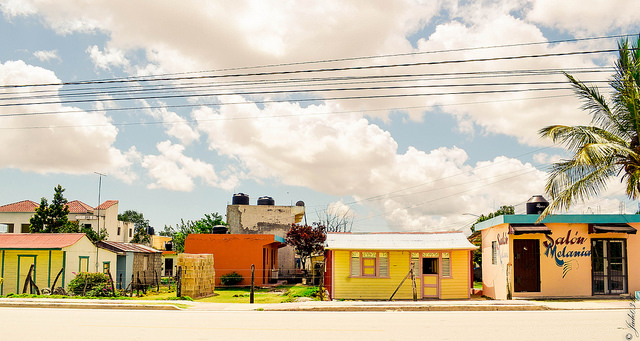
Infrastructure in the Dominican RepublicOver the past 25 years, the Dominican Republic (DR) has been one of the most successful countries for economic growth in the Latin America and Caribbean (LAC) region. In 2017 alone, the economy expanded by 5.2 percent. With that, poverty levels decreased from 42.2 percent in 2012 to 30.5 percent in 2016. Regardless of the fact that the DR economy is improving, some of their roads and highways are lagging behind the progress and causing questionable road infrastructure in the Dominican Republic.

With five highways connecting to all major cities of the country, there has been an emphasis on keeping the roads in good condition. These roads stay well-paved and maintained in order to keep driving conditions safer and to promote tourism. The well-paved roads are accessed through tolls. These toll payments range from RD$35 to RD$412, depending on which highway is taken. This amount is equivalent to USD$0.73 and $8.57 respectively.

Once off toll roads, though, road conditions are not maintained to the same standard. The roads may or may not be paved, but both present problems for drivers. On paved roads, poor lane markers, missing manhole covers, potholes or unmarked speed bumps are just some of the issues that drivers may face while they are driving during the day or at night. On unpaved roads, loose gravel and potholes test a car’s ability to stay on the road. It is recommended to drive with four-wheel drive on these roads because of their unpredictable conditions.

There is much room for investment for road infrastructure in the Dominican Republic. The construction of toll roads has improved driving conditions because of the ability to drive on well-kept roads, but there are still concerns about highways and rural roads that are not getting as much attention.

The Dominican Liberation Party has been a major investor in projects that aim to improve road infrastructure in the Dominican Republic. Towns such as Las Terrenas, which are not considered typical tourist towns, have seen some improvements to its roads in order to attract more tourists. The roads have become driveable and allow for easier travel for tourists.

Other improvements come in the form of public transit. Increasing public transportation methods takes more cars off the road and offers a safer way to get to and from destinations. Taxis, buses and metro stations are among the most common and easiest ways to get around the Dominican Republic. Until the poorly maintained rural roads receive better attention from the DR government, using public transit is a potential option for residents and tourists.

As the economy continues to improve, it is hopeful that road infrastructure in the Dominican Republic follows suit.

– Brianna Summ

Photo: Flickr

December 2, 2017
https://borgenproject.org/wp-content/uploads/borgen-project-logo.svg 0 0 Borgen Project https://borgenproject.org/wp-content/uploads/borgen-project-logo.svg Borgen Project2017-12-02 01:30:152024-05-29 22:29:32Road Infrastructure in the Dominican Republic
Development, Global Poverty

Five Development Projects in Indonesia

Development Projects in Indonesia
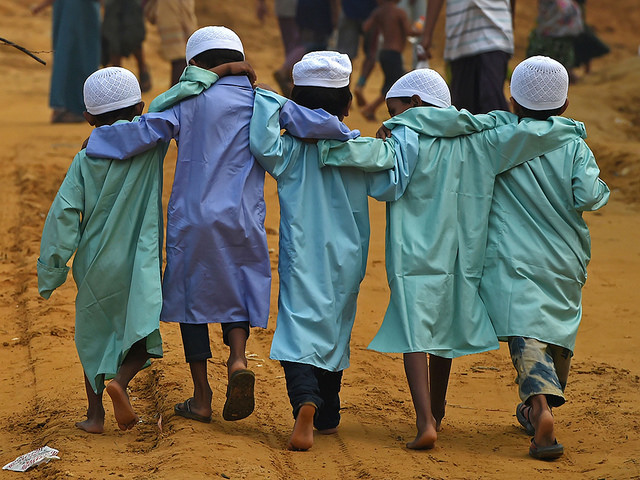
Indonesia, a country known for its large economy and diverse population, is home to 243 million people. Previously, the country dealt with an autocratic leader and has had many issues with corruption. However, the country’s newest president, Joko Widodo, wants to make the country more democratic. With 
poverty affecting 11 percent of the population and many people living in “near poverty”, several development projects in Indonesia have been working toward solutions.

Here are five development projects in Indonesia that are addressing different issues in order to make the country better for its citizens.

The National Program for Community Empowerment (PNPM Mandiri)

PNPM Mandiri works within the poorest communities in Indonesia to help develop villages. By engaging in these projects, community members have access to employment and help their community’s infrastructure. It is a flagship community organization for the government. The program also teaches others how to plan communities and apply the practices elsewhere in Indonesia. The program is now operational in 70,000 communities throughout 33 provinces.

Asian Development Bank’s Microfinance Program

As a way to invest in communities, the Asian Development Bank (ADB) started a microfinance program to help small businesses in North Sumatra. The program was originally intended to help businesses after the 2004 earthquake and tsunami. Instead of having a bank, representatives visit communities and give presentations where business owners can get loans. This enables businesses to expand and allows people to get loans that they thought they could not have gotten before. The microfinance program provides “finance that changes lives.”

Mass Rapid Transit (MRT) in Jakarta

The MRT is an infrastructure development project aimed to relieve traffic congestion. It is being built by the Jakarta government and it will be completed in 2027 with a construction cost of over $1 billion. This project is going to impact almost 500,000 people daily so they can travel efficiently to their jobs and improve the economy.

IFAD in Indonesia

Similar to the ADB microfinance program, IFAD invests in the rural sector. IFAD focuses on investing in remote and vulnerable areas. It has invested over $400 million into Indonesia since 1980 and helps establish public-private partnerships. It places an emphasis on smallholders in these communities.

The Legal Empowerment and Assistance for the Disadvantaged (LEAD) Project

This program works to ensure that the most marginalized in Indonesia are given the proper rights and treatment. The LEAD Project aims to spread awareness of legal rights regarding government services and legal claims. As a result, policies have been strengthened and government officials have been more responsive to marginalized communities claiming rights and bringing up legal issues.

Indonesia has issues that span the rural and urban areas as well as in the spheres of legal and human rights. These 5 development projects in Indonesia will benefit the people as the country continues to progress.

– Emilia Beuger

Photo: Flickr

December 1, 2017
https://borgenproject.org/wp-content/uploads/borgen-project-logo.svg 0 0 Borgen Project https://borgenproject.org/wp-content/uploads/borgen-project-logo.svg Borgen Project2017-12-01 01:30:012024-05-29 22:29:29Five Development Projects in Indonesia
Development

Five Development Projects in Iraq

Iraq, a country attempting to rebuild itself after decades of war, has implemented various projects to help stabilize the country. The five development projects in Iraq that are among the forefront include a decrease in the number of citizens diagnosed with tuberculosis, a crisis response program, a water improvement project, oil and gas development projects and a reconstruction project that spans various Iraqi cities.

To address the many health concerns in Iraq, the country partnered with UNDP, who created the Global Fund TB Grant. The grant provided emergency cell phones for tuberculosis patients to ensure they can reach centers to avoid treatment interruptions that threaten to increase drug resistance. Since the implementation of the grant and enhanced TB testing, 36,800 cases of TB were successfully treated, resulting in a 92 percent treatment success rate in 2014, and the detection and treatment of 25,900 new smear-positive TB cases.

The second of the development projects in Iraq was the creation of the Iraq Crisis Response and Resilience Programme (ICRRP), another project supported by the UNDP. The ICRRP was created to address the large humanitarian crisis in the country.

More than 10 million people were affected by development gaps, and more than 3.3 million had to flee their homes. This crisis led the UNDP and Iraq to create the ICRRP to prevent human rights violations, reduce the risk of gender-based violence and develop cohesion among diverse communities. Using a gender mainstreaming approach, the program also aims to address the practical and strategic needs of affected women. The ICRRP has helped create jobs for 14,000 people, gave 94,000 enhanced livelihoods in eight governorates and gave 5,000 Syrian refugees and displaced residents legal support.

On the energy resource side, the Rumaila field, the world’s fourth-largest oilfield, has helped increase the number of producing wells by 50 percent. The field has produced more than three billion barrels since 2010 and in December 2016 was producing 1.45 million barrels a day, generating over $200 billion. In addition, the Rumaila oilfield project has helped create numerous jobs and generated more revenue and energy for Iraqi residents.

One of the most significant development projects in Iraq is the Bismayah construction project, which aims to house half a million people within four years. The $8 billion project faced a six-month setback after the project’s land was lost to Islamist militants and the obstacles of providing clean water and electricity to the housing units.

This is due to the fact that Iraq is still trying to make up for the years lost to war, so they rely on foreign investments in electricity, as well as refineries, transport, telecoms and health. The clean water supply obstacle is due to the fact that the water has not been delivered to the city’s purification plant, making the available rooms unlivable. Despite the drawbacks, the project has surged on.

To benefit the Iraqi people apartments are available for a down payment of just $6,300, which is equal 10 percent of the total cost of the smallest 100 square meter homes. The monthly rent is less than the minimum government wage, making them extremely affordable.

To address the ongoing water concerns, Australian firm Protechnique has helped start the $80 million Basra Project. The project aims to provide engineering, procurement and construction services for the project’s transmission reservoir and transmission pump station. The pumping station will also concentrate on chlorine building, blending chambers, electrical substation, generator building and more.

The project is expected to be completed by December 2018 and will operate with neighboring pumping and circulation stations to pump water from a desalination plant to Basra.

As Iraq continues to rebuild itself, the country will see an increase in jobs, revenue, housing, clean water and other resources. The above development projects in Iraq are the country’s first stepping stones on a long road to recovery.

– Amira Wynn

Photo: Flickr

November 30, 2017
https://borgenproject.org/wp-content/uploads/borgen-project-logo.svg 0 0 Borgen Project https://borgenproject.org/wp-content/uploads/borgen-project-logo.svg Borgen Project2017-11-30 07:30:582024-05-29 22:29:31Five Development Projects in Iraq
Development, Global Poverty

Five Development Projects in the Dominican Republic

Development Projects in the Dominican RepublicThe Dominican Republic has many ongoing development projects occurring throughout the country. Some projects are government-funded, while others are funded by nonprofits or international organizations, like the World Bank. In a country with 10.2 million people, there are still many living in poverty and many who are underprivileged. The tourist economy does a lot to benefit the nation, but more needs to be done to meet the needs of the people. Here are five development projects in the Dominican Republic that aim to help the people of the country. 

The World Bank’s Dominican Republic Youth Development Program

The stated goal of the program is to “[improve] the employability of poor, at-risk youth by building their work experience and life skills and expanding second chance education programs to complete their formal education.” The program aims to improve job opportunities, access to education and social protections.

Through participating in the project, youth learn basic workforce skills and attain an education. The program has been fairly successful as it has met most of the intermediate result indicators. Thus far, not all the goals have been met: one goal is that 70 percent of students obtain a new degree, but so far only 63 percent have. However, the initial results indicate that the program has had a positive impact on youth and has taken a significant step forward to bolstering the job force in the Dominican Republic.

The Peace Corps’ Education Program

The Peace Corps has been working on improving Spanish among children in the Dominican Republic. This program has led to the collaboration between teachers and Peace Corps volunteers to help students succeed. Specifically, the project aims to address Spanish literacy, with a primary goal to involve the community so that students can learn to read and write in their language.

The DREAM Project

The DREAM Project was founded in order to make up for the lack of resources in schools of the Dominican Republic. Their programs consist of working with children in early childhood education and primary school education, as well as contributing to a holistic youth development. They also have summer camps and vocational training. According to the DREAM Project’s website, the organization “provides more than 800,000 hours of quality education to more than 7,500 children through 14 different programs across 27 communities in the Dominican Republic.”

USAID’s Dominican Republic Sustainable Tourism Alliance

Although the Dominican Republic has a large tourism industry, the industry has had negative impacts on the local community and environment of the island. In order to combat poverty and environmental issues, USAID created the Dominican Republic Sustainable Tourism Alliance (DSTA) to develop a more sustainable tourism industry.

The DSTA works to improve environmental management capabilities as well as stimulating tourism efforts through sustainable operations and the development of marketing and sales strategies. The “all-inclusive” model that the tourism industry currently has is changing quickly under this development project.

Project HOPE

Project HOPE works to combat the high maternal and infant mortality rates in the Dominican Republic. The organization just opened its third maternal child health clinic in 2017. The organization regularly works with the Dominican Association of the Order of Malta to train workers to care for mothers and children.

Thousands of women and children have been positively affected by the care provided by the organization and its partners. In addition to its work with maternal mortality, the organization has worked on village health bank programs and provided HIV/AIDS education and counseling.

Many organizations are concerned with developing job opportunities for the citizens of the Dominican Republic. They aim to bolster the economy and train a future working class. These five development projects in the Dominican Republic operate across several sectors to help the nation achieve long-lasting self-sufficiency and prosperity.

– Emilia Beuger

Photo: Flickr

November 29, 2017
https://borgenproject.org/wp-content/uploads/borgen-project-logo.svg 0 0 Borgen Project https://borgenproject.org/wp-content/uploads/borgen-project-logo.svg Borgen Project2017-11-29 19:26:482024-05-29 22:29:28Five Development Projects in the Dominican Republic
Global Poverty

Foreign Interest Sparks Growth of Infrastructure in Iran

The Islamic Republic of Iran is a bit of a paradox. On the one hand, it is a theocratic state and a heavily sanctioned international pariah ruled by a supreme Ayatollah. On the other, it is the heart of the former Persian Empire, and has been a trading hub between the East and West for millennia. Because it is the second largest economy in the Middle East with growing ambitions, infrastructure in Iran has become a major point of focus for the country’s public and private sectors.
The 2015 nuclear deal that was reached between Iran, the U.S., and several European nations including Britain, France and Germany lifted crippling economic sanctions against Iran. In return, Iran has agreed to reduce its centrifuges and enriched uranium and render its nuclear program useless for producing weapons. The lifting of sanctions has sparked the interest of foreign investors and companies looking to do business in Iran. In turn, this has also presented new challenges and opportunities for infrastructure in Iran.

China, in particular, has designs on Iran. Chinese workers have been working in eastern Iran to build up its rail infrastructure, modernizing railroads and standardizing track gauges. This will connect Iran by rail to Turkmenistan and Afghanistan. To the west, Iran is doing the same thing to its railroads, which will be connected to Turkey, and ultimately Europe. China has also been busy building factories, mines, and highways in Iran as part of its increasing investment in the country.

The government of reformist president Hassan Rouhani has been just as involved in ramping up infrastructure in Iran. In addition to the rail projects linking Iran to its eastern and western neighbors, Iran is also in the process of building railways linking its five provincial capitals and its southern port cities to the national capital, Tehran. The Iranian private sector has spent 11 billion dollars in domestic development projects, while the government has spent 9.6 billion dollars on infrastructure in Iran since Rouhani took office in 2013.

Infrastructure in Iran will still need to be developed further to meet the increased foreign investment demands that have been brought on. Yet overall, things are looking bright for Iran, a country known as an ancient crossroads of trade.

– Andrew Revord

Photo: Flickr

November 24, 2017
https://borgenproject.org/wp-content/uploads/borgen-project-logo.svg 0 0 Borgen Project https://borgenproject.org/wp-content/uploads/borgen-project-logo.svg Borgen Project2017-11-24 01:30:062019-11-20 07:12:27Foreign Interest Sparks Growth of Infrastructure in Iran
Global Poverty

Infrastructure in Nauru is Insufficient But Improving

Infrastructure in Nauru

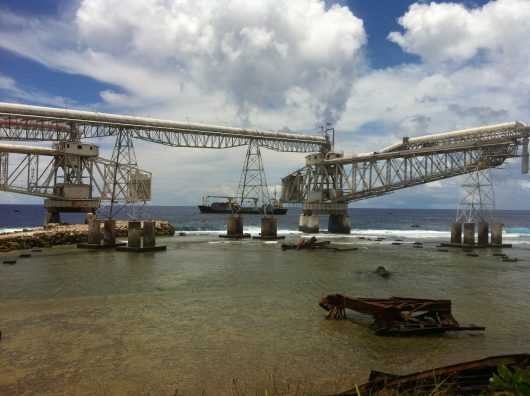
Infrastructure in Nauru is insufficient based on its citizen’s necessities. Isolated in the Pacific Ocean, Nauruans suffer water shortages and energy uncertainty, as power is supplied by diesel generators. New projects aim to reverse this situation, but antiquated facilities still remain.

The Island Ring is Nauru’s main road system. It circles the entire country, shaping the island’s form with 17 concrete kilometers. This is the principal ground transportation infrastructure in the world’s smallest republic.

Nauru has one international airport, built-in 1943 during the Japanese occupation in World War II. It operates with Naura Airlines, which has two air crafts and one all-cargo airplane. The airline flies to various Central and South Pacific islands.

Phosphate mine exploitation is the biggest economic activity on the island. In order to transport the mineral, a four kilometer railway was built in 1907. The train stopped operating in 2011, when the phosphate industry declined dramatically in Nauru. The government estimates that its phosphate deposits have a remaining life of about 30 years, according to BBC.

The energy infrastructure in Nauru is also not reliable. It has a limited capacity due to the nation’s reliance on diesel generators. However, the Asian Development Bank and the European Union have implemented the Nauru Electricity Supply Security and Sustainability Project which includes a new medium-speed 2.6-3.o megawatt diesel generator.

The Australian government also supports the island. With the Nauru Infrastructure and Essential Services Initiative, Australia has provided around $8.3 million in order to improve Nauru’s infrastructure. Thanks to this initiative, Nauru received the installation of a second power generator, and the Hospital Redevelopment Project was completed in February 2017.

Refugees who seek to get into Australia by boat are sent to Nauru’s asylum camp, an offshore retention settlement. Several news articles report that the situation in the camp is difficult since water supply is short and refugees do not have access to basic needs. The island does not have a reliable source of water, as it is surrounded by the Pacific Ocean and has no rivers or lakes.

The only current solutions to the lack of water are desalination plants, which are expensive, and rainwater storage systems. Even though four small plants operate on the island, the desalination process is insufficient and negatively affects Nauru’s environment. To resolve this problem, Nauru’s government, assisted by external investment, planned the installation of a solar PV system and a new desalination plant. This project is expected to produce up to 100 cubic meters of safe water per day.

Infrastructure in Nauru may be obsolete in certain sectors, but the government is working to improve it. Energy and water infrastructure is getting better thanks to the investment of international organizations. The next years will be crucial for the island as the first results from improvement projects begin to appear.

-Dario Ledesma

Photo: Flickr

November 23, 2017
https://borgenproject.org/wp-content/uploads/borgen-project-logo.svg 0 0 Borgen Project https://borgenproject.org/wp-content/uploads/borgen-project-logo.svg Borgen Project2017-11-23 01:30:452019-12-18 11:20:40Infrastructure in Nauru is Insufficient But Improving
Global Poverty

Improved Infrastructure in Ethiopia On the Horizon

infrastructure in EthiopiaEthiopia is home to Africa’s second largest population and is the oldest independent country on the continent. The surface and transport infrastructure in Ethiopia are particularly poor and underdeveloped, demonstrated by the fact that the country has the lowest road density in the world and only 13.3 percent of all roads have been paved.

Road infrastructure in Ethiopia is of particular importance, as the country is five times as large as the United Kingdom. There has been a massive increase in the allocation of funds for road construction, with the state spending on roads accounting for a quarter of each year’s infrastructure budget.

Unlike their surface infrastructure, Ethiopia features new and upgraded airports which facilitate the transport of goods and encourage greater investment. There are two international airports, Addis Ababa and Dire Dawa, both of which have seen an increase in passenger and freight transport over the last several years. To encourage tourism, five major airports were selected to be upgraded, with the opening of the Arba Minch airport leading to a wide range of economic opportunities for the south of Ethiopia.

Ethiopia has continued to focus its economic policies on the development of new and improved infrastructure by planning to allocate $89 million on infrastructure spending. This has continued the trend of upgrading the national road network, following previous commitments to improve road connections to Kenya and South Sudan.

Improving the road network in Ethiopia is essential, as it will make it easier for farmers to transport their produce to bigger markets, and it supports the growth of the sugar industry in south Ethiopia. The government has hopes that with improvement to the road network, Ethiopia will be able to develop coal mines in the region, allowing the nation to supply cement producers and bolstering the economy.

-Drew Fox

Photo: Flickr

November 22, 2017
https://borgenproject.org/wp-content/uploads/borgen-project-logo.svg 0 0 Borgen Project https://borgenproject.org/wp-content/uploads/borgen-project-logo.svg Borgen Project2017-11-22 07:30:162024-06-04 01:08:27Improved Infrastructure in Ethiopia On the Horizon
Developing Countries, Development, Global Poverty

5 Development Projects in Angola

development projects in AngolaAngola has an extremely diverse population of approximately 29 million people. It is a developing country with over 40 percent of its population living beneath the poverty line. There are various projects underway to develop the country. Here are 5 development projects in Angola.

  1. Institutional and Sustainability support to Urban Water Supply and Sanitation Service Delivery. Fifty percent of the population does not have access to clean water and sanitation facilities. This program would finance 5 Provincial Water and Sanitation Utilities in order to increase sanitation, increase water connections and promote hygiene.
  2. Local development project. According to the World Bank, the purpose of this project is to improve access of poor households to basic services and economic opportunities and to enhance local institutional capacities among Angola’s municipalities.
  3. Smallholder Agriculture Development and Commercialization Project. This project would increase smallholder agriculture productivity, production and marketing for selected crops in the project areas. This is beneficial since 10 percent of the population works in agriculture. Smallholder agriculture is key to food security in the region.
  4. Fisheries sector support project. The project will result in an increase of income from artisanal fishery and fishery-related activities, like fishing, processing, marketing, servicing and trade, according to African Development Bank. Since one of the agricultural products Angola is known for is fish, this is an exceptional development project in Angola.
  5. The Lauca Dam. The Lauca Dam is one of the largest projects underway in Africa. The dam will greatly affect Angola’s economy as it will provide access to more reliable energy and has provided jobs to 8,000 workers.

Due to the creation of these projects, Angola is moving forward and sparking development within the country. Angola is usually dependent on its oil, but as demand for oil changes so too does Angola’s market. With these development projects in Angola, the country can decrease the poverty faced by citizens.

– Dezanii Lewis

Photo: Flickr

November 22, 2017
https://borgenproject.org/wp-content/uploads/borgen-project-logo.svg 0 0 Borgen Project https://borgenproject.org/wp-content/uploads/borgen-project-logo.svg Borgen Project2017-11-22 01:30:482024-05-28 00:00:035 Development Projects in Angola
Page 33 of 44«‹3132333435›»

Get Smarter

  • Global Poverty 101
  • Global Poverty… The Good News
  • Global Poverty & U.S. Jobs
  • Global Poverty and National Security
  • Innovative Solutions to Poverty
  • Global Poverty & Aid FAQ’s
Search Search

Take Action

  • Call Congress
  • Email Congress
  • Donate
  • 30 Ways to Help
  • Volunteer Ops
  • Internships
  • Courses & Certificates
  • The Podcast
Borgen Project

“The Borgen Project is an incredible nonprofit organization that is addressing poverty and hunger and working towards ending them.”

-The Huffington Post

Inside The Borgen Project

  • Contact
  • About
  • Financials
  • President
  • Board of Directors
  • Board of Advisors

International Links

  • UK Email Parliament
  • UK Donate
  • Canada Email Parliament

Get Smarter

  • Global Poverty 101
  • Global Poverty… The Good News
  • Global Poverty & U.S. Jobs
  • Global Poverty and National Security
  • Innovative Solutions to Poverty
  • Global Poverty & Aid FAQ’s

Ways to Help

  • Call Congress
  • Email Congress
  • Donate
  • 30 Ways to Help
  • Volunteer Ops
  • Internships
  • Courses & Certificates
  • The Podcast
Scroll to top Scroll to top Scroll to top