• Link to X
  • Link to Facebook
  • Link to Instagram
  • Link to TikTok
  • Link to Youtube
  • About
    • About Us
      • President
      • Board of Directors
      • Board of Advisors
      • Financials
      • Our Methodology
      • Success Tracker
      • Contact
  • Act Now
    • 30 Ways to Help
      • Email Congress
      • Call Congress
      • Volunteer
      • Courses & Certificates
      • Be a Donor
    • Internships
      • In-Office Internships
      • Remote Internships
    • Legislation
      • Politics 101
  • The Blog
  • The Podcast
  • Magazine
  • Donate
  • Click to open the search input field Click to open the search input field Search
  • Menu Menu

Tag Archive for: Economic Growth

Information and news about economic growth

Posts

Global Poverty, Hunger

Poverty in Djibouti

Poverty in Djibouti
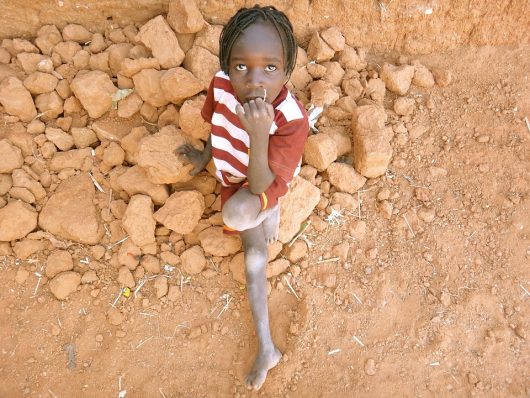
The small nation of Djibouti, located in the Horn of Africa, is only about 9,000 square miles and has a small population of about 820,000 people. Currently, poverty in Djibouti persists as a major problem with more than 23% of those 820,000 living in conditions described as extreme poverty.

Consistent food deficits caused by Djibouti’s harsh climate make agriculture harder here than in other areas of the continent. This creates a dependence on imports to feed the population and leaves the country especially disadvantaged by drought, floods and other natural disasters. Droughts leave an exceptionally long-lasting impact in the form of crop destruction and loss of livestock. In 2011, the U.N. reported that Djibouti’s ranchers lost 70-80% of their livestock during a period in which food prices also rose 50%.

These increasing rates of malnourishment have led many to migrate away from rural areas to the capital in search of work. Today, around two-thirds of the population is condensed in Djibouti City, leaving a small percentage to farm. These factors culminate into mass poverty in Djibouti and need direct solutions as well as continued foreign support to combat. Many in Djibouti must concentrate what little income they earn towards food and basic survival at the expense of health and education. Those in the Garabtisan Village must walk 23 kilometers just to fetch water for the village, many surviving on 40 liters for up to three days at a time.

Despite its plethora of issues and dependence on foreign aid, Djibouti’s geographical position as a trade gateway to Ethiopia has spurred some economic opportunities. The International Monetary Fund estimates that real GDP increased during 2015-2016 by around 6.5%, but continued support is needed to continue this positive trend into the future. Efficient infrastructure development, political stability, and natural disaster relief remain crucial to Djibouti’s continued growth. Suffering has been alleviated by efforts such as the U.N. raising $17.4 million in response to the 2011 drought, the World Food Programme providing emergency food aid to 61,000 rural farmers and $1 million from UNICEF for Djibouti’s children.

Continued economic growth may provide more paths out of poverty and consistent foreign assistance from countries around the world can, one day, end poverty in Djibouti. Reaching out to U.S. members of Congress for continued USAID support can go a long way in giving millions the opportunities needed to become self-sufficient. Each and every person in the United States possesses the power to speak out for what matters, ending human suffering around the globe.

– Aaron Walsh

Photo: Flickr

February 24, 2017
https://borgenproject.org/wp-content/uploads/borgen-project-logo.svg 0 0 Borgen Project https://borgenproject.org/wp-content/uploads/borgen-project-logo.svg Borgen Project2017-02-24 01:30:382024-12-13 17:56:39Poverty in Djibouti
Global Poverty, Poverty Reduction

US House of Reps Passes Digital GAP Act

US House of Reps Passes Digital GAP Act
The U.S. House of Representatives passed the Digital Global Access Policy Act or the Digital GAP Act (H.R. 600) on January 24, just a day after the bill was reintroduced by House Foreign Affairs Chairman Ed Royce (R-CA-39). The legislation is aimed at promoting internet access in developing countries to spur economic growth and job creation, reduce poverty and improve health while advancing U.S. interests.

In today’s technology-driven world, internet access is a major driver of economic and social improvement. However, 4.2 billion people remain offline — about 60 percent of the world’s population, most of whom are in developing countries. In these areas, internet access is hindered by inadequate infrastructure and a poor regulatory environment, stifling the potential for sustainable growth and development.

The Digital Global Access Policy (GAP) Act seeks to promote first-time access to mobile or broadband internet for at least 1.5 billion people in both urban and rural areas of developing countries by 2020. It aims to do this is a variety of ways, including:
  • Removing tax and regulatory barriers to internet access.
  • Promoting internet deployment and related coordination, capacity building, and build-once policies and approaches in developing countries.
  • Promoting the use of the internet to increase economic growth and trade, along with democracy, government accountability, transparency and human rights.
  • Promoting inclusive internet policymaking for women, people with disabilities, minorities, low-income and marginalized groups and underserved populations.

On the House floor prior to the vote, Chairman Royce noted that women and girls are disproportionately affected by this digital gap. He said that “bringing 500 million women online could contribute up to $18 billion in GDP growth across 144 countries. That is how you reduce poverty; that is how you advance U.S. interests.”

In addition to Rep. Royce, Representatives Cathy McMorris Rogers (R-WA-5), Grace Meng (D-NY-6) and Eliot Engel (D-NY-16) were also listed as original cosponsors of the bill.

The Borgen Project commends the House for making this legislation a priority in the new year and urges the Senate to move swiftly to get this bill to the President’s desk.

– Kim Thelwell

January 25, 2017
https://borgenproject.org/wp-content/uploads/borgen-project-logo.svg 0 0 Borgen Project https://borgenproject.org/wp-content/uploads/borgen-project-logo.svg Borgen Project2017-01-25 22:01:532020-05-28 09:04:34US House of Reps Passes Digital GAP Act
Global Poverty

How to End Poverty by Improving Economic Governance

How to End Poverty
How to end poverty? In Paul Collier’s thought-provoking TED talk presentation, he hypothesizes the best ways to improve the lives of the most economically deprived billion people of the world. A majority of these people live in commodity-rich countries in Africa.

He believes in mobilizing the international community by creating an alliance between compassion and enlightened self-interest. Hoping that one’s compassion for people gets you started and one’s enlightened self-interest helps you get serious about helping the world’s poor.

He talks about how foreign aid is being trumped right now by the recent influxes in commodity prices. This is bringing unprecedented wealth to countries that have never experienced such things. He states that the problem with short-term economic growth tied to one commodity is that it is often short-lived. And in most scenarios, the country is worse off once the price of that commodity declines to previous levels.

Collier is not the only one to identify this problem. Larry Diamond of Stanford University has said that “there are twenty-three countries in the world that derive 60 percent of their exports from oil and gas and not a single one is a real democracy.” He observes that there is a strong correlation between energy dependence and authoritarianism. Authoritarian governments will use their profits from commodities to enrich those close to power and not spread the wealth amongst the entire country.

Collier believes that the only way to sustain the gains of short term commodity-driven economic growth is by developing international standards of economic governance. By establishing procedures and requirements for governments to enact when they are experiencing a boom, they have a much better chance of improving the quality of life in their country.

One example he provides is establishing public auctions for drilling rights. Most commodity deals right now are agreed upon behind closed doors between a representative from a large private sector western firm and a local magistrate. More often than not the western firm gets a far better deal than that of the magistrate because the magistrate is not aware of the actual value of the commodity he is selling rights to. By creating public auctions, you are allowing market forces to drive up the price of the contract which allows the country in which the commodity resides to gain more wealth from the deal.

This is just one aspect of the international economic governance reforms he would be interested in enacting. But such a small tweak in the way business is currently done could pay huge dividends in the effort to end poverty.

The international norms he would establish would be adopted on a voluntary basis. The ultimate goal would be measured on two fronts.

One, to improve the lives of the indigenous people by establishing funding requirements with commodity profits for clean water, healthcare, and education. This would lay the foundation for non-commodity fueled sustained economic growth and answer the “how to end poverty” question.

Second, to remind the Western democracies of our enlightened self-interest. A potential billion more people in the marketplace will create an increase in global demand that will be realized amongst all economic sectors.

To the question of how to end poverty, Collier believes the countries that are home to the world’s poorest billion have all of the resources at their fingertips. They just need guidance from the international community on how to improve the economic conditions of their people.

– Brian Faust

Photo: Flickr

January 15, 2017
https://borgenproject.org/wp-content/uploads/borgen-project-logo.svg 0 0 Borgen Project https://borgenproject.org/wp-content/uploads/borgen-project-logo.svg Borgen Project2017-01-15 01:30:392020-05-25 07:35:38How to End Poverty by Improving Economic Governance
Development, Global Poverty

Economic Growth in Pakistan Projects Future Prosperity

Economic Growth in Pakistan Projects Future Prosperity
This year, economic growth in Pakistan reached its highest rate in eight years. With 4.7 percent growth in FY 2016, up from four percent the previous year, the country shows promise for further economic success and prosperity.

The World Bank praised the government’s prudent efforts in restoring economic stability. Growth has largely been driven by consumption, and indicators of economic improvement include low inflation, a low budget deficit and a low current account deficit. Additionally, foreign exchange reserves strengthened.  The country’s recently upgraded ratings by Standard and Poor is proof of economic success.

In addition to economic growth, Pakistan has succeeded in reducing the percentage of people living in poverty. The percentage of people living in poverty in Pakistan decreased from 64.3 percent in 2002 to 29.5 percent in 2014. The World Bank president claims the country is on track to increased economic growth and prosperity, but in order to maintain and expand growth, the government must take additional steps.

Low rates of investment and declining export competitiveness hinder further growth. In order to strengthen economic growth in Pakistan, public, private and international investments will need to increase.

Despite Pakistan’s success in poverty reduction and improving health, nutrition and education have been trailing behind. The World Bank’s Country Director in Pakistan recommends implementing structural reforms that will benefit the entire population to promote viable and widespread success.

Pakistan will benefit from investments in electricity, education, health and nutrition. The government can help achieve these goals by expanding the electricity supply, accelerating energy reforms, ensuring anti-poverty measures and encouraging private sector investments. By expanding services and prioritizing individual prosperity, economic growth in Pakistan will benefit the population at-large.

Pakistan’s Prime Minister has expressed dedication to widespread growth by investing in the development of mega-hydropower projects, rail and road infrastructure, education and health.

Economic growth in Pakistan is attracting international interest and providing opportunities for investment. The high performance of the Pakistan Stock Exchange and projects under the China-Pakistan Economic Corridor are leading the World Bank, the China Development Bank and other sovereign investment authorities to express interest in investing in Pakistan.

Although improvements are needed, economic growth in Pakistan is expected to continue. The World Bank projects further success for Pakistan, achieving a 4.8 percent growth rate in FY 2017 and 5.4 percent in FY 2018. Services in Pakistan are expected to grow by five percent. Large-scale manufacturing is expected to grow between four and 4.5 percent and investments are expected to increase from 14 to 14.6 percent of the GDP.

Economic growth in Pakistan is promising for the country’s future. Success in reducing poverty, stimulating economic growth and attracting international investments prove the country is committed to accelerating sustainable economic growth for years to come.

– McKenna Lux

Photo: Flickr

December 11, 2016
https://borgenproject.org/wp-content/uploads/borgen-project-logo.svg 0 0 Borgen Project https://borgenproject.org/wp-content/uploads/borgen-project-logo.svg Borgen Project2016-12-11 01:30:292024-12-13 17:56:18Economic Growth in Pakistan Projects Future Prosperity
Global Poverty

A $100 Million Boost: Growth and Job Creation in Sri Lanka

Growth and Job Creation in Sri Lanka
As of July 29, 2016, the World Bank has approved a $100 million credit from the International Development Association to support growth and job creation in Sri Lanka.

Francoise Culottes, the World Bank Country Director for Sri Lanka and the Maldives, stated, “The breadth and depth of the actions implemented signal the comprehensive approach and commitment of the government to tackle difficult reforms aimed at making growth sustainable and creating jobs.”

Despite a 30-year civil war that ended in 2009, the country has risen to the occasion and continued to work towards cultivating growth in the economy.

Currently, the country is described as a lower middle-income country that has become more urbanized with time. Extreme poverty remains low, as the poverty rate only decreased by half a point, from 2.4 to 1.9, between the years of 2009 and 2013. The economy transformed from being primarily rural-based to an urbanized sector that provides services.

The new government, in place since 2015, declared numerous times that it has plans to make the economy more included in the global economy. Growth and job creation in Sri Lanka hinges on the government’s desire to generate one million jobs, develop rural markets, increase income and create a strong middle class.

The Development Policy Financing (DPF) is defined as an IDA credit or grant that “provides support to governments or a political subdivision for a program of policy and institutional actions to help achieve sustainable shared growth and poverty reduction.”

The DPF’s plans are based on three distinct pillars. The first pillar will support the Government of Sri Lanka’s plan to enhance the competitiveness of the private sector and help the country’s ability to overcome obstacles within the trading industry. The second pillar wishes to establish a strong legal framework, encouraging transparency as a means to improve the business environment. The third and final pillar is an act in order to support fiscal sustainability and fix debt management.

The operations guaranteed in the DPF provide funding to the Sri Lankan government after policy packages have been completed. Although various Sri Lankan ministries and groups, such as the Ministry of National Policies and Economic Affairs and the Central Bank of Sri Lanka, are in charge of overall implementation, the World Bank is there to support the reform methods when needed.

If the country continues to be supported by its government and focused on the tasks at hand to continue growing the economy, there should not be many problems. The Government of Sri Lanka must stay committed to its goal of economic growth as the country begins to face new challenges as it evolves into a middle-income country.

There is great promise for the country, though. With seven years of peace, and growth exceeding 6 percent, there should not be a lot of trouble for Sri Lanka, especially with the World Bank on its side.

– Ashley Morefield

Photo: Flickr

November 3, 2016
https://borgenproject.org/wp-content/uploads/borgen-project-logo.svg 0 0 Borgen Project https://borgenproject.org/wp-content/uploads/borgen-project-logo.svg Borgen Project2016-11-03 01:30:352024-05-27 23:53:28A $100 Million Boost: Growth and Job Creation in Sri Lanka
Global Poverty

Five Ways Tobacco Control Reduces Poverty

Tobacco Control Reduces Poverty
Tobacco and global poverty have an often overlooked connection. According to the World Health Organization (WHO), “Many studies have shown that in the poorest households in many low-income countries, spending on tobacco products often represent more than 10 percent of total household expenditure.”

The WHO, the U.N. and other international organizations have recognized and researched this link to decrease tobacco use and poverty rates. Here are five ways tobacco control reduces poverty globally:

1. Tobacco control will relieve financial hardships.

Tobacco addictions exacerbate an already stressful financial situation for those living in poverty.

Families, as a result, have less to spend on food, education, healthcare and other necessities. Bangladesh, for example, spends 10 times the amount on tobacco than on education. Tobacco control reduces poverty by helping families spend less on tobacco, freeing up more income to spend on necessities.

2. Tobacco control will save lives.

The Center for Disease Control and Prevention reports 6 million tobacco-related deaths worldwide per year. Tobacco users die 10 years earlier than non-users. Smoking also causes cancer, heart disease, stroke, lung diseases, diabetes and chronic obstructive pulmonary disease.

Tobacco control is known as one of the most effective ways to reduce consumption. Its implementation would reduce the amount of smoking-related illnesses, keeping more workers in the labor force and ease health care expenditures for families.

3. Tobacco control will reduce exploitation.

Tobacco also affects those who produce it. Farmers who produce tobacco on a small-scale in developing countries depend heavily on the tobacco industry. Although large corporations provide credit for farmers, including seeds, fertilizer, pesticides and technological support, they expect the farmers to forgo profits and sell at the company’s contract price. This is further evidence that tobacco control reduces poverty.

Furthermore, farmers’ children have saved the tobacco industry an estimated $1.2 billion in production costs through unpaid child labor. The industry employs 63 percent of children in tobacco-farming families, preventing 10-14 percent from attending school for work’s sake.

The lack of education drives individuals deeper into poverty. Tobacco control reduces poverty not only by giving farmers better opportunities to provide for themselves, but also eliminating the need for children to sacrifice school for work, ultimately granting them the chance to move up social classes in the future.

4. Tobacco control will improve economies.

Tobacco takes away 1-2 percent of the world’s GDP annually. A 2011 WHO report found that governments can introduce effective tobacco control measures for as little as $0.11 per person per year. If governments allocated the extra revenue from such taxes to their health budgets, WHO found this year in a report that “public expenditure on health would increase by four percent globally.”

Currently, the costs of tobacco production outweigh the profits. For example, although Tanzania earns $50 million from tobacco sales annually, the African country spends $40 million on health care for tobacco-related cancers.

Tobacco control in the form of taxes would increase government revenue and funds for the poor.

5. Tobacco control will help the achieve the SDGs.

The U.N.’s Division for Sustainable Development seeks to reduce poverty and coordinate the 17 internationally agreed Sustainable Development Goals (SDGs). The aforementioned effects of tobacco control directly align themselves with the SDGs, as they include no poverty or hunger, good health and well-being, quality education and economic growth worldwide by 2030.

Because of its negative byproducts, tobacco use is considered a hindrance to global development.

However, with proper tobacco control, individuals, governments and organizations believe it can provide sustainable benefits.

– Ashley Leon

Photo: Pixabay

September 24, 2016
https://borgenproject.org/wp-content/uploads/borgen-project-logo.svg 0 0 Borgen Project https://borgenproject.org/wp-content/uploads/borgen-project-logo.svg Borgen Project2016-09-24 01:30:552024-05-27 23:53:06Five Ways Tobacco Control Reduces Poverty
Foreign Aid, Global Poverty

Foreign Aid Critical to Reducing Poverty in Sierra Leone

 Poverty _Sierra Leone
As one of the poorest countries in the world, Sierra Leone is ranked 180 out of 187 on the U.N.’s Human Development Index and faces many challenges to creating sustained development. The year 2012, the last year for which official statistics are available, put the proportion of the population below the poverty line, at 60%.  Since the recent Ebola outbreak, current estimates indicate that 77.5% of the population suffers from poverty in Sierra Leone.

Ebola Epidemic and its Consequences

The Ebola epidemic significantly set back the progress made by the West-African nation since the end of its long civil war in 2002. Taking around four thousand lives, and disrupting the country’s health system, the outbreak rocked the developing country.

Until the outbreak, Sierra Leone made numerous strides in multiple aspects of development. The country was cited as a success story of peacebuilding missions and establishing good governance and stable institutions. GDP growth averaged over seven percent every year for the past decade, but shrank to two percent after the West-African Ebola crisis.

Sierra Leone’s Global Reliance

The country is heavily reliant on exports of iron ore to support its domestic economy, contributing to GDP more than all other factors combined. Most of the rest of the country’s revenue comes from agricultural products, which remain at low productivity levels across the board.

Additionally, the country has a high dependence on foreign aid, with more than half of investment coming from foreign sources.

Despite progress, lack of infrastructure and high youth unemployment remain large barriers to the country elevating to a middle-income status. With 70% of its youth unemployed and only about 40% of adults able to read, significant investments in economic development and education remain high priorities to eradicate poverty in Sierra Leone.

The poor nation also has one of the highest infant mortality rates in the world, with over 71 deaths per 1,000 live births.

Essential International Aid

Many international groups are engaging in efforts to reduce the level of poverty in Sierra Leone, including the International Finance Corporation branch of the World Bank, which is investing in many critical areas to boost economic and private sector development to hopefully make the country a self-sustaining middle-income country.

Additionally, the International Rescue Commission provides humanitarian relief efforts through local engagement to prevent death by preventable diseases. The organization accomplishes such feats through its healthcare and educational assistance which improves future prospects.

While the rise of Ebola may have temporarily derailed development efforts, Sierra Leone continues to march toward improved economic and social conditions with help from international organizations. While challenges exist, the country has been consistently improving since 2002.

The country hopes to bounce back from its recent hiccup as quickly as possible and to begin addressing the issue of poverty in Sierra Leone, which prevents it from becoming a middle-income country.

– Adam Gonzalez

Photo: Flickr

September 24, 2016
https://borgenproject.org/wp-content/uploads/borgen-project-logo.svg 0 0 Borgen Project https://borgenproject.org/wp-content/uploads/borgen-project-logo.svg Borgen Project2016-09-24 01:30:332024-05-27 09:34:51Foreign Aid Critical to Reducing Poverty in Sierra Leone
Economy, Global Poverty

Five Ways Poverty Hinders Economic Growth

Poverty hinders economic growth
Efforts to reduce global poverty have been largely successful over the past few years. However one of the highest costs is that poverty hinders economic growth. It is a preventable burden that has solutions.

Here are five facts from around the world on how poverty hinders economic growth and what you can do to help reduce global poverty:

1. The effects of poverty cost U.K. citizens about 1,200 pounds per person every year.

According to the Guardian, 25 percent of health care spending is associated with treating conditions related to poverty; 20 percent of the U.K.’s education budget is spent on initiatives, like free school meals, to reduce the impact of poverty.

2. Child poverty reduces U.S. productivity and economic output by 1.3 percent of GDP each year, which costs the U.S. about $500 billion per year.

Economic hardship disproportionately affects children more than any other age group. The Center for American Progress believes impoverished children are more likely to have low earnings as adults and are somewhat more likely to engage in crime.

This “reduced productive activity” generates a direct loss of goods and services to the U.S. economy.

3. Children living in poverty have higher dropout rates and absenteeism, which limits their employability.

The Council of State Governments Knowledge Center found that nearly 30 percent of poor children do not complete high school, which limits future economic success.

A more educated individual is more likely to participate in the job market, to have a job, to work more hours, to be paid more and less likely to be unemployed according to an Economic Policy Institute report from August 2013.

Countries may see a rise in economic productivity by ensuring that children from low-income backgrounds have equitable access and are motivated to stay in school.

4. Poverty increases the risk of poor health; it is a $7.6 billion burden on the Canadian health care system.

The link between poor health and poverty is undeniable; the World Health Organization (WHO) declares poverty as the single largest determinant of health.

Poverty increases the likelihood of developing conditions that are expensive to treat such as diabetes and cardiovascular disease. Therefore, reducing poverty not only cultivates a healthy economy but it can also create a physically healthier society.

5. Billions of people — especially women — remain offline.

Developing countries are paying the cost of poverty while missing out on the economic benefits of increased internet access.

Women and the Web, a study sponsored by Intel, reveals that bringing an additional 600 million women online would contribute at least $13-18 billion to annual GDP across the developing world.

Increasing internet access in developing countries would also increase participation in e-commerce and increase access to educational resources and health services.

Want to help in the global fight to end poverty?

Mobilizing your congressional leaders to endorse poverty-reducing legislation has a widespread impact on reducing the high cost of poverty. For example, the Digital GAP Act aims to bring affordable, first-time internet access for at least 1.5 billion people in developing countries by 2020 and would help to bridge the digital divide. This will greatly facilitate change and decrease the way that poverty hinders economic growth.

Please visit The Borgen Project’s action center for more information on how you can contact your congressional leaders and voice your support for innovative, poverty-reducing legislation.

– Daniela Sarabia

Photo: Pixabay

September 9, 2016
https://borgenproject.org/wp-content/uploads/borgen-project-logo.svg 0 0 Borgen Project https://borgenproject.org/wp-content/uploads/borgen-project-logo.svg Borgen Project2016-09-09 01:30:222024-05-27 23:53:07Five Ways Poverty Hinders Economic Growth
Global Poverty

30 Years of Change: Coffee Market in Ethiopia Improving Lives

Coffee market in Ethiopia

Ethiopia has spent the past 30 years moving forward from a famine of biblical proportions by expanding an unlikely market. The coffee market in Ethiopia has experienced recent growth, improving both the economy and the lives of people in coffee production.

Ethiopia is currently the fifth largest coffee producer in the world, with over two million coffee farmers. With close to half of its coffee production exported, the country contributes about nine percent of the world’s total coffee production.

However, Ethiopia’s past is marked by tragedy. In 1984, BBC reporters Michael Buerk and Mike Wooldridge brought the Western world’s attention to the “biblical famine” devastating the country. More than one million Ethiopians perished due to this tragedy, and over eight million were affected.

Coffee holds great social and cultural value in Ethiopia due to its significance in the economy. The recent growth in the coffee market in Ethiopia has helped over 15 million people who directly or indirectly derive their livelihoods off of coffee production, according to the USDA.

Duromina: Coffee Farmers Invest in Local Communities

A direct example of this is the success of a coffee cooperative in southwestern Ethiopia, which has received a premium price for its internationally sold coffee. The coffee cooperative is named, Duromina, which means “to improve their lives.”

Generations of farmers had been growing coffee in this area for generations, earning a meager income. But in 2010, over 100 local coffee farmers came together to form Duromina in order to improve their lives.

Duromina skyrocketed, making good money for all of its farmers. With the new income, the farmers decided to invest their money into their community.

The nearby river often swells, making it impossible to get to the nearest clinic from their community. To fix this problem, the farmers invested in a bridge so everyone could have access to the clinic at all times and would not hurt themselves trying to cross the flooded river. After building the bridge, the farmers then invested in their homes and their children’s future.

The transformation Ethiopia went through is evident not only within communities, but also in the copious amounts of lush green farmlands and forests where there were once drought-stricken dustbowls. Individuals who saw Ethiopia 30 years ago are astonished and inspired by the improvements, according to World Vision.

– Bella Chaffey

Photo: Flickr

August 14, 2016
https://borgenproject.org/wp-content/uploads/borgen-project-logo.svg 0 0 Borgen Project https://borgenproject.org/wp-content/uploads/borgen-project-logo.svg Borgen Project2016-08-14 01:30:082024-12-13 17:49:3330 Years of Change: Coffee Market in Ethiopia Improving Lives
Education, Global Poverty

Education in India: Coursera Provides Online Courses

Education_in_IndiaThe Indian government has set a goal to increase student enrollment in universities by 30% by the year 2020. India must expand its educational system to meet the needs of the continuously growing population. In order to improve education in India, the nation would also need a few thousand more universities. The existing universities would also require expansion.

Currently, only 12% of students in India are able to secure spots in Indian universities. This leaves out a large pool of talented students who could benefit from a university-level education. Coursera, the online Californian company, currently has 17 million registered students and is looking to expand in India.

Coursera provides free online courses from 140 to non-degree-seeking students from such widely-known universities as Stanford, Yale or Columbia. These “Moocs” (or massive open online courses) allow students to study at home. Coursera looks to benefit from the Indian population by providing online education to those who are unable to attend a regular university. They have already partnered with many of the Indian universities, such as Udacity.

Coursera does not provide exams or degrees, but it does give certificates after a course has been completed. While Coursera provides their online courses without payment, the certificates that require completion exams can cost between $30 and $100. This allows students in low economic standing to continue their education and find additional job opportunities based on their skills.

There are currently 1.3 million Indian students using Coursera, making India the largest concentration of online students outside of China or the U.S. Employers are also using Coursera to provide further education for their employees, such as online stock brokerage firm Zerodha.

CEO Nithin Kamath of Zerodha intends to further the education and credibility of Zerodha’s employees in any way possible. He says, “When we come across courses that we think is something our employees need to know, we encourage them to take it up.”

Courses related to data science and information technology are the most popular for Indian students using Coursera. Consequently, this indicates that there is a growing demand for skilled workers in India’s software industry. Coursera seeks to increase its own impact on education in India by providing general courses in Hindi or other local languages.

Catering to the concerns of many students, Coursera is also focusing on providing learning opportunities that are more job-relevant. Similar Indian programs, such as Edureka or Simplilearn, have already begun to do so. The emergence of online education in India provides opportunities for students who would otherwise have none.

– Amanda Panella

Photo: Flickr

July 29, 2016
https://borgenproject.org/wp-content/uploads/borgen-project-logo.svg 0 0 Borgen Project https://borgenproject.org/wp-content/uploads/borgen-project-logo.svg Borgen Project2016-07-29 01:30:452024-12-13 17:54:31Education in India: Coursera Provides Online Courses
Page 35 of 44«‹3334353637›»

Get Smarter

  • Global Poverty 101
  • Global Poverty… The Good News
  • Global Poverty & U.S. Jobs
  • Global Poverty and National Security
  • Innovative Solutions to Poverty
  • Global Poverty & Aid FAQ’s
Search Search

Take Action

  • Call Congress
  • Email Congress
  • Donate
  • 30 Ways to Help
  • Volunteer Ops
  • Internships
  • Courses & Certificates
  • The Podcast
Borgen Project

“The Borgen Project is an incredible nonprofit organization that is addressing poverty and hunger and working towards ending them.”

-The Huffington Post

Inside The Borgen Project

  • Contact
  • About
  • Financials
  • President
  • Board of Directors
  • Board of Advisors

International Links

  • UK Email Parliament
  • UK Donate
  • Canada Email Parliament

Get Smarter

  • Global Poverty 101
  • Global Poverty… The Good News
  • Global Poverty & U.S. Jobs
  • Global Poverty and National Security
  • Innovative Solutions to Poverty
  • Global Poverty & Aid FAQ’s

Ways to Help

  • Call Congress
  • Email Congress
  • Donate
  • 30 Ways to Help
  • Volunteer Ops
  • Internships
  • Courses & Certificates
  • The Podcast
Scroll to top Scroll to top Scroll to top