• Link to X
  • Link to Facebook
  • Link to Instagram
  • Link to TikTok
  • Link to Youtube
  • About
    • About Us
      • President
      • Board of Directors
      • Board of Advisors
      • Financials
      • Our Methodology
      • Success Tracker
      • Contact
  • Act Now
    • 30 Ways to Help
      • Email Congress
      • Call Congress
      • Volunteer
      • Courses & Certificates
      • Be a Donor
    • Internships
      • In-Office Internships
      • Remote Internships
    • Legislation
      • Politics 101
  • The Blog
  • The Podcast
  • Magazine
  • Donate
  • Click to open the search input field Click to open the search input field Search
  • Menu Menu

Tag Archive for: Economic Growth

Information and news about economic growth

Posts

Global Poverty

Sustainable Agriculture in Paraguay: Growth and Threats

sustainable agriculture in paraguayParaguay is a small country in South America, bordering Brazil, Argentina and Bolivia. Landlocked and still trying to find its bearings after a draining 35-year dictatorship under Alfredo Stroessner from 1954 to 1989, the Paraguayan economy struggles to grow. Its agriculture sector, which makes up 26 percent of its labor force, and 20 percent of the country’s GDP, has been hindered by out-of-date land reforms implemented by the previous regime and contemporary political corruption.

Roughly 45 percent of Paraguay’s population relies upon subsistence farming. The three most profitable agricultural exports in Paraguay are soy, cotton and beef. Soy is the most controversial of the three products, and is touted by some to be the best product for sustainable agriculture in Paraguay.

With a reputation for government corruption, private foreign investment is considered rare and risky in Paraguay. Until recently, poor infrastructure has hindered the growth of the industrial sector in Paraguay, but low labor costs have attracted Brazilian companies to move factories from Brazil to Paraguay. In 2016, a report by the European Union indicated that the trading bloc saw that the risk was both necessary and advantageous, and funds for projects focusing on sustainable agriculture in Paraguay were issued soon after. The six objectives of these funds are:

  • Improvement of agricultural competitiveness
  • Development of family agriculture and food security
  • Sustainable forestry development and provision of environmental services
  • Livestock and farming development
  • Management of risks associated with climate variability and change
  • Social integration, employability and rural entrepreneurship

Much of the EU funding focuses on improving the sustainability of cattle farming, the most important sector being the exportation of beef. Currently, the cattle population of Paraguay is about 14 million. It is estimated that by 2020 Paraguay will be home to 20 million head of cattle. Only 20 percent of this cattle is consumed in Paraguay. Chile, Russia, and Brazil are Paraguay’s largest beef importers, but the European Union is a growing market. Paraguay also seeks to increase exports to Asia and the Middle East.

Cotton has been an important export in Paraguay since its introduction. Initially, raw cotton was exported to Brazil and Italy, where it was processed and spun. After the fall of the Stroessner regime, Brazilian and Italian companies decided to invest in cotton factories in Paraguay. Processing and spinning the cotton in Paraguay increased the profit margin for both the companies and the Paraguayan farmers while creating jobs in Paraguay. Unfortunately, increased use of modern mechanized farming equipment may put many farmers out of a job. This is but one of many issues that are debated in the battle for soy in Paraguay.

In Paraguay, approximately 1 percent of the population owns 77 percent of the land. Much of this land is being sold to foreign companies, many of which are Brazilian and European, to produce soy, which is becoming a booming industry in Paraguay. These companies argue that their farms are the way forward for sustainable agriculture in Paraguay. Highly mechanized, these farms efficiently use the land and resources to grow soy, in turn boosting the economic value of Paraguay’s agriculture industry. But it comes at a high social cost.

Reports from the early 2000s suggest that assassinations and false arrests were used to intimidate farmers and indigenous communities into giving up their land to these companies. Environmental diversity in Paraguay has also been hurt by the growing soy fields. Forests once covered 85 percent of eastern Paraguay, but it is estimated that less than 8 percent of the forest is left. The forest has become a green desert of soy.

Sustainable agriculture in Paraguay is both increasing and under threat. The beef industry grows safely due to the guiding hand of the European Union, Paraguay’s expanding cattle markets and many trade partners. Soy threatens to ruin the hard work and way of life of many Paraguayan farmers, along with the environmental and economic impact of mono-cropping. The laissez-faire attitude of the Paraguayan government may have helped to boost the industrial strength of Paraguay, but regulation will be needed to save sustainable agriculture in Paraguay.

– Nick DeMarco

Photo: Flickr

January 13, 2018
https://borgenproject.org/wp-content/uploads/borgen-project-logo.svg 0 0 Borgen Project https://borgenproject.org/wp-content/uploads/borgen-project-logo.svg Borgen Project2018-01-13 07:30:232024-05-29 22:30:13Sustainable Agriculture in Paraguay: Growth and Threats
Global Poverty

5 Development Projects in the Central African Republic

The Central African Republic (CAR) is an impoverished country that suffers from continued violence, conflict and instability. As of 2016, the country ranked last out of 188 countries on the Human Development Index. Development projects in the Central African Republic are needed, and thus, many organizations are working in the region.

At a 2016 global conference, the international community pledged $2.2 billion to help meet CAR’s most urgent needs. Here are five development projects in the Central African Republic that are making a difference.

  1. The Rural Connectivity Project in the CAR is working to give people in rural areas greater access to markets and social services. This will be accomplished through rehabilitation and maintenance of roads, resettlement and emergency preparedness. The project has received $45 million to accomplish these objectives.
  2. The LONDO Project is a development project in the Central African Republic that is designed to support social and economic recovery. The project also facilitates peacebuilding in the country. These objectives are achieved through a combination of methods including improving governance, improving infrastructure and increasing employment. Twenty million dollars has been allocated to this project.
  3. The European Commission’s Bêkou Trust Fund Program is seeking to improve the economic and political landscape of the Central African Republic. The goal of the fund is to help the country transition from short-term disaster relief to long-term development. This includes re-establishing essential services and utilities, increasing economic opportunity and working toward political stability.
  4. The Reintegration of Ex-combatants project supports reintegration into communities and works to improve the overall social and economic infrastructure of host communities. This program works in four steps that are represented by the acronym DDRR— Disarmament, Demobilization, Reinsertion and Repatriation. The budget for this project is $30 million.
  5. USAID’s Central Africa Regional Program for the Environment (CARPE) supports low-emission development in the Central African Republic and the surrounding area. This includes supporting sustainable forest management, biodiversity conservation and climate change mitigation. The program is currently in its third phase, which focuses on institutionalizing conservation monitoring approaches. This phase is slated to continue through 2020.

The Central African Republic has a long way to go to recover from decades of conflict and instability. However, with sustained investment from the international community and a focus on long-term development projects in the Central African Republic, the country can begin to provide a safer and more stable way of life to all living there.

– Aaron Childree

Photo: Flickr

January 13, 2018
https://borgenproject.org/wp-content/uploads/borgen-project-logo.svg 0 0 Borgen Project https://borgenproject.org/wp-content/uploads/borgen-project-logo.svg Borgen Project2018-01-13 01:30:102024-05-29 22:30:085 Development Projects in the Central African Republic
Global Poverty

The Growth of Infrastructure in Botswana

infrastructure in BotswanaBotswana is a country in southern Africa, landlocked between Namibia, Zimbabwe and South Africa. Gaining independence from the U.K. in 1966, Botswana is considered to be one of the most politically and economically stable countries in Africa, with the Botswana Democratic Party winning every election since independence and the country maintaining a relatively prosperous economy due to mineral extraction, specifically diamond mining. It is no surprise that infrastructure in Botswana is relatively well developed compared to some of its African neighbors. Yet, recent reports have shown a downward trend in various infrastructure sectors, which may be of concern.

Diamond mining is one of Botswana’s most important assets, as diamonds make up more than 60 percent of the country’s exports and around 25 percent of its GDP. The opening of Jwaneng, the world’s richest diamond mine, launched Botswana from being one of the poorest countries in the world to one of the richest countries in Africa. Currently, Jwaneng alone produces around 2,100 kilograms of diamonds a year. The wealth generated from diamond mining has contributed significantly to an increase in the standard of living in the country and services and infrastructure in Botswana have vastly improved as well.

Botswana’s roads are maintained by the local and central government. 2015 statistics from the Botswana Transport and Infrastructure Statistics Report stated that the total road network equaled 30,275.64 kilometers, with bitumen and gravel roads comprising the majority of the roads at 33 and 35 percent respectively. Travel by road constitutes the majority of travel in Botswana, accounting for 93 percent of passenger transportation. In addition, Botswana has 971 kilometers of railroad laid out and 12 airports with paved runways. Together, they comprise about 7 percent of passenger transportation.

Telecommunication infrastructure in Botswana is also vastly developed thanks to its location. Botswana is located directly north of South Africa, which has allowed the country to follow and access South Africa’s telecommunication infrastructure. Botswana has one of the highest rates of cell phone use on the continent and landline services are provided by the Botswana Telecommunications Corporation. Although slow Internet speeds still remains a problem, Internet usage is increasing, with an estimated 15 percent of the population having access to the Internet, according to the Global Information Technology Report.

In terms of power infrastructure in Botswana, the country produces coal for electricity and oil is imported into the country. Recently, the country has taken a large interest in renewable energy sources and has completed a comprehensive strategy that will attract investors in the wind, solar and biomass renewable energy industries.

There are some reports that infrastructure in Botswana is declining, as just within the past five years the quality of infrastructure has severely fallen, alongside other African countries such as Libya, Tunisia and Egypt. However, funding is now being increasingly provided by China, which is playing a huge role in financing infrastructure in resource-rich African nations such as Botswana. The country can use these investments to build on its good infrastructure foundations and continue to improve the quality of life for its citizens.

– Miho Kitamura

Photo: Flickr

January 12, 2018
https://borgenproject.org/wp-content/uploads/borgen-project-logo.svg 0 0 Borgen Project https://borgenproject.org/wp-content/uploads/borgen-project-logo.svg Borgen Project2018-01-12 07:30:282024-05-29 22:30:07The Growth of Infrastructure in Botswana
Development, Global Poverty

5 Development Projects in Bhutan Introduced in 2017

development projects in bhutan
Bhutan, officially the Kingdom of Bhutan, is a small country that sits on the Himalayas’ eastern edge in south Asia. The nation is considered one of the world’s least developed countries, and agriculture is at least 80 percent of Bhutan’s economy. Bhutan has made significant strides in development in recent years, and has been able to maintain solid growth and economic stability.

In 2017, The World Bank approved and funded five development projects in Bhutan. These projects are an effort to further the economic growth of the country.

1. Bhutan BLSS Economic Census

BLSS stands for Bhutan Living Standard Survey and was reintroduced in February 2017. It is a household survey that is taken by the National Statistics Bureau. The survey was previously conducted in 2003, 2007 and 2012. After its introduction in February, the survey was again taken in March 2017. The survey provides many critical indicators, such as the national poverty line and National Accounts statistics.

2. Preparation of Strategic Program for Climate Resilience

The Preparation of Strategic Program for Climate Resilience was introduced in February 2017 and will be completed by September 2019. This long-term plan is meant to help Bhutan improve national climate resilience. The project will build on ongoing activities in Bhutan to incorporate climate resilience in development planning. Bhutan then plans to use the project to help create a climate-resilient investment plan for the country.

3. Food Security and Agriculture Productivity Project

The Food Security and Agriculture Productivity Project was introduced in April 2017 and will be completed by December 2022. The project’s goal is to combat Bhutan’s reliance on food imports and to increase local agriculture. Since Bhutan is mainly an agriculture country, this increase will also help lower unemployment and reduce poverty.

4. Bhutan Youth Employment and Rural Entrepreneurship Project

The Bhutan Youth Employment and Rural Entrepreneurship Project was introduced in May 2017 and as of yet, has no closing date. The project’s goal is to increase employment opportunities in Bhutan, specifically for youth; many of the opportunities created are in agriculture. With more job opportunities, the Bhutanese economy will continue to improve as a result of this project. 

5. Strengthening Public Financial Management Project

The Strengthening Public Financial Management Project was introduced in September 2017 and will conclude in January 2021. The project’s goal is to help the Bhutanese manage their budget and public funds more efficiently. This will help the development and strengthening of public services and governance.

With the approval of these five development projects in Bhutan, The World Bank has loaned the Royal Government of Bhutan over 15 million U.S. dollars. The World Bank has worked closely with Bhutan since 1998 when Bhutan’s first project was approved.

The goal of these five development projects in Bhutan is to increase employment opportunities, decrease national poverty and strengthen Bhutan’s economy. Though it is still too early to see any significant changes since these five development projects in Bhutan were implemented, these efforts have laid a satisfying groundwork for the Bhutanese to build on.

– Courtney Wallace

Photo: Flickr

January 12, 2018
https://borgenproject.org/wp-content/uploads/borgen-project-logo.svg 0 0 Borgen Project https://borgenproject.org/wp-content/uploads/borgen-project-logo.svg Borgen Project2018-01-12 06:52:232019-12-17 12:02:365 Development Projects in Bhutan Introduced in 2017
Global Poverty

The Growth of Sustainable Agriculture in Bangladesh

sustainable agriculture in bangladesh

Agriculture in Bangladesh is under attack as it continues to degrade land and water resources and use harmful agro-chemicals. With continued help from other nations, the Bangladesh government is pursuing sustainable methods for its agriculture to deepen its environmental safety and increase longevity.

Like many nations in the past few decades, recent technological innovations dramatically changed the style of Bangladesh’s agriculture. Mechanization and specialized chemicals pushed the government to enact policies that maximized production. However, with these benefits came negative effects, such as soil depletion, water contamination and neglect of conditions for farm laborers. The goals of sustainable agriculture in Bangladesh are productivity, environmental stability, economic profitability and social and economic equity.

Besides issues arising from agriculture in Bangladesh, climate change poses a serious threat to the country. Founded on a delta, flooding, natural disasters, and saltwater intrusion have caused Bangladesh to lose 1.75 percent of its arable land. To combat food security issues, Bangladesh has begun projects to improve its sustainable agriculture.

The International Finance Corporation is promoting sustainable agriculture in Bangladesh through work with several private and public companies. For example, it works with the four largest private seed companies to demonstrate stress-tolerant seeds and raise awareness of their formal planting. As a result, 67,000 farmers received training for stress-tolerant seeds and 26,000 trained farmers implemented practices related to combatting climate change.

Another new form of sustainable agriculture has won global recognition in Bangladesh. In 2015, the Food and Agriculture Organization designated a farming style in Bangladesh as a “Globally Important Agricultural Heritage Site.” Called the floating gardens, farmers in areas where floodwater lays for prolonged periods created systems in which they grow plants on floating organic beds of algae and other plant residue. By utilizing wetlands, the country’s farmers provide numerous ecological and economic benefits to locals.

However, farmers in poorer areas do not have ready access to sustainable farming principles or resources. That is where the Syngenta Foundation for Sustainable Agriculture comes in. Since 2011, it has been working to improve value for resource-poor farmers in sustainable agriculture and aims to help smaller farmers by creating access to information, quality resources and linking them to profitable markets via its business model called “Farmer’s Hubs.” Through this project, 15,000 small farmers have engaged with 30 Farmer’s Hubs to enjoy increased income at an average of 34 percent.

Through these projects and developments in sustainable agriculture, Bangladesh will continue to grow economically while protecting its environmental resources.

– Nick McGuire

Photo: Flickr

January 12, 2018
https://borgenproject.org/wp-content/uploads/borgen-project-logo.svg 0 0 Borgen Project https://borgenproject.org/wp-content/uploads/borgen-project-logo.svg Borgen Project2018-01-12 01:30:562024-06-12 07:39:38The Growth of Sustainable Agriculture in Bangladesh
Global Poverty

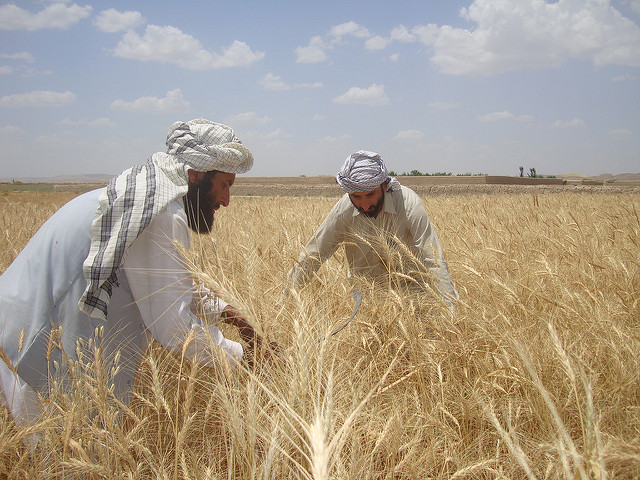
Credit Access in Afghanistan

Credit Access in AfghanistanWith rural poverty accounting for 84 percent of overall poverty nationwide, Afghanistan is one of the poorest countries in the world. In rural areas, there is not a lot of access to credit. With 77 percent of Afghans residing in these rural areas, this proves to be problematic. Improvements are being made to ensure citizens in these rural areas have better credit access in Afghanistan.
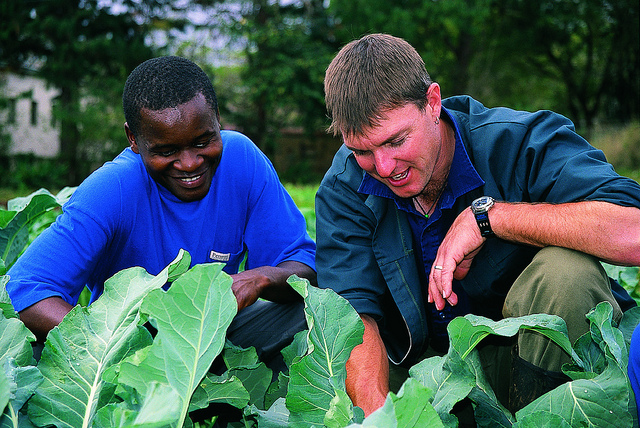
Islamic Investment and Finance Co-operatives (IIFC)

The IIFC is a group of credit unions that aims to help people in rural areas gain better access to capital. Currently, there are 34 IIFCs in Afghanistan. The group provides loans, thus creating thousands of jobs for Afghans. According to Mahir Momand, founder of the IIFC Group, these loans have created 175,012 jobs, assisting more than 700,000 Afghans.

IIFCs also provide job opportunities in areas where it is difficult for the government to create employment. Momand explains that these credit unions not only help decrease poverty but also give Afghans knowledge on democratic principles. IIFCs enable local people to understand how they can have a say in their economic affairs.

Additionally, IIFCs want to tackle other issues with their programs, such as women’s inequality and youth unemployment. IIFCs have empowered women by making 13 percent of their members include women from Afghanistan. They believe it is important to giving women the opportunity to get involved in economic activities.

In addition to providing loans to youth, the IIFC hired 12 class graduates. This internship initiative improves unemployment among youth.

USAID Agricultural Credit Enhancement Phase-II Project (ACE-II)

Another development has been made to increase credit access in Afghanistan through the help of USAID. This project is specifically for female farmers and women operating agriculture-related businesses in Afghanistan. The project seeks to expand agriculture-related credit to improve agriculture business for women and the agricultural economy.

Unfortunately, many women do not understand the benefits of using credit to expand their business. Therefore, the United States Agency for International Development (USAID) has created the Agricultural Credit Enhancement Phase-II project to create women’s awareness about agricultural credit that could help their businesses.

In November 2017, USAID assembled three events called Women’s Agriculture Credit Shuras in Herat to gather women and raise awareness for the cause. They were one-day events, and they had microfinance institutions from Afghanistan participate along with financial experts to share their economic knowledge with women who came.

The event also provided practical training for women on how to apply for credits and how to properly manage them. Additionally, the event made women aware of their economic rights and the types of credits available to them.

This project aims to increase the growth of Afghanistan’s agricultural sector. Allowing women the opportunity to learn more about credit access in Afghanistan will ensure continued growth for the agricultural sector as well as allow women to increase their business prospects and better their lives in the process.

– McCall Robison

Photo: Flickr
 

January 12, 2018
https://borgenproject.org/wp-content/uploads/borgen-project-logo.svg 0 0 Borgen Project https://borgenproject.org/wp-content/uploads/borgen-project-logo.svg Borgen Project2018-01-12 01:30:452024-05-29 22:30:18Credit Access in Afghanistan
Global Poverty

The Success of Sustainable Agriculture in Swaziland

sustainable agriculture in swazilandIn June 2017, the city of Siphofaneni in Swaziland opened the Siphofaneni Bridge, a massive structure crossing the Usutu River, as a new major transportation route for the burgeoning sugar industry. By reducing transportation costs, this bridge created more job opportunities in the sugar industry, which accounts for the majority of Swaziland’s exports. The agriculture industry in Swaziland employs about 70 percent of the population, but because of climate change and drought, the economy has been at a low point. More than a third of Swazi people are living with malnourishment.

In response to this problem, the Food and Agriculture Organization of the United Nations (FAO) and the European Union (EU) started working to broaden sustainable agriculture in Swaziland. Because the majority of the Swazi people rely on subsistence farming for their food, the FAO and the EU banded together to introduce small agricultural practices that will build up over time and created the Swaziland Agricultural Development Project.

Communities throughout Swaziland have had communal and individual gardens constructed for growing food, most of which went directly to the households who planted them. Similar communal fishing areas and poultry farms were also constructed, and communities were educated on how to successfully grow food.

The high burden of HIV and AIDS in the country also prompted the FAO to address food insecurity among people living with chronic illnesses and improve access to community resources.

On a larger scale, local farmers were educated on conservation farming in order to prolong the life of crops and the land. In order to make up for the drought throughout the country, the SADP also involved creating better access to water for farming by constructing and restoring dams and boreholes.

Swaziland is in a rough spot, with over a third of the population struggling with HIV and AIDS as well as chronic malnourishment. However, these practices and the further development of sustainable agriculture in Swaziland not only have the potential to lower starvation rates, but also to take some of the financial burden off the shoulders of people struggling to provide for their families.

– Anna Sheps

Photo: Flickr

January 11, 2018
https://borgenproject.org/wp-content/uploads/borgen-project-logo.svg 0 0 Borgen Project https://borgenproject.org/wp-content/uploads/borgen-project-logo.svg Borgen Project2018-01-11 07:30:202024-05-29 22:30:07The Success of Sustainable Agriculture in Swaziland
Global Poverty

How the Mobile Lending Boom Affects Credit Access in Kenya

In any country, access to loans and lines of credit is a sign of a strong, healthy economy and an indicator of future growth. Stronger growth helps lift more people from poverty as opportunities for employment rise, so close attention to credit access is crucial to monitoring the fight against poverty.

Many ordinary citizens have struggled to get credit access in Kenya, but new technologies are narrowing the gap. This points to a better future for finance in the East African nation.

Lack of Credit Access in Kenya

By some measurements, the Republic of Kenya’s economy has the largest GDP in East and Central Africa, owing no small part to its capital city, Nairobi, a regional commercial hub. But the nation suffers from its poor formal credit access for poor rural and urban populations, and small- and medium-sized businesses (SMEs).

As recently as 2009, only 39.6 percent of Kenya’s adult population had access to credit. As the costs of living have risen in Kenya, this lack of access can accelerate poverty levels. But the good news is, recently, the growth of new options like mobile lending have boosted credit access in Kenya.

The Mobile Lending Boom

According to Kenyan newspaper Business Daily Africa, lending via mobile phones has boosted credit access in Kenya six times over the past seven years. This conclusion comes from research done by the Standard Investment Bank.

The number of persons or households with loan accounts rose to 7.2 million between 2010 and 2016. The expansion of credit comes as mobile phone banking solutions have reached those who were left out of banking services due to their lack of traditional credit histories.

Warning Signs and Course Corrections

Although increased credit access is in many ways a good development, Business Daily Africa writes that defaults on loans rose 42.4 percent in 2016, likely the result of a softening job market in the country. A second Kenyan paper, the Daily Nation, suggests that the inability of entrepreneurs and SMEs to get loans via traditional banks is playing a role in this issue.

If Kenyan banks can correct their courses and find a way to make the traditional system work in a responsible way for the nation’s rural and urban poor, the loan system will hopefully stabilize, and non-performing loans will shrink as a percentage of total loans in Kenya.

– Chuck Hasenauer

Photo: Flickr

January 10, 2018
https://borgenproject.org/wp-content/uploads/borgen-project-logo.svg 0 0 Borgen Project https://borgenproject.org/wp-content/uploads/borgen-project-logo.svg Borgen Project2018-01-10 07:30:482019-11-11 23:01:01How the Mobile Lending Boom Affects Credit Access in Kenya
Development, Global Poverty

5 Things to Know About Development Projects in Lesotho

development projects in lesothoLesotho is a small landlocked country surrounded by South Africa, with a population of nearly two million people. Natural resources in Lesotho are scarce and fragmented, a result of the highland’s arid environment and the lowland’s limited agricultural space. The lack of natural resources and the country’s high poverty and unemployment rates have made the Lesotho population economically dependent on South Africa.

There are several development projects in Lesotho dedicated to increasing agricultural production, constructing income-generating activities and improving development effectiveness. Below are five development projects in Lesotho.

  1. Lesotho Highlands Water Project (LHWP)
    The LHWP is a binational infrastructure project between South Africa and Lesotho intended to provide water to an arid region of South Africa and to generate hydroelectricity and income for Lesotho. Phase I of the project was completed in 2003; work on Phase II of the LHWP began in 2013. Phase II involves water transfer and hydropower components that are meant to increase both water transmission to South Africa and the amount of electricity generated in Lesotho by 2020.
  2. Cultural Heritage Plan
    The Cultural Heritage Plan was developed and implemented in response to Phase II of the LHWP. Its objective is to preserve and manage Lesotho’s history by protecting cultural heritage and burial sites, rock art and Stone Age occupation sites.
  3. Lesotho Smallholder Agricultural Development Project (SADP)
    Work began on the SADP in early 2012, as part of the Lesotho government’s National Strategic Development Plan, but the project’s design was restructured in 2016. The project’s development objectives are to increase and improve the marketed portion of agriculture output among project beneficiaries and to generate practical responses to an Eligible Crisis or Emergency.
  4. Sustainable Energy for All Project
    In 2016, the Lesotho government implemented the Sustainable Energy for All project. Developed by the United Nations Development Program (UNDP) and the Global Environment Facility (GEF), the project’s goal is to improve access to clean energy services in the rural areas of Lesotho by 2021.
  5. Lesotho Data for Sustainable Development Project
    The Lesotho Data for Sustainable Development Project was implemented by the Lesotho government in 2016 and is expected to reach its developmental goals by January 2018. The project’s objectives include the collection, analysis and distribution of development data; the construction of institutional and technical capacities for the management and evaluation of development projects; and to improve national and sectoral capacities to generate data and facilitate accountability for resources.

The rate of poverty in Lesotho has declined steadily over the last decade, an achievement credited to economic growth. With these development projects in Lesotho, the nation should continue to improve its capacity to address development challenges and constraints, to sustain growth and to prioritize human welfare progression.

– Gabrielle Doran

Photo: Flickr

January 10, 2018
https://borgenproject.org/wp-content/uploads/borgen-project-logo.svg 0 0 Borgen Project https://borgenproject.org/wp-content/uploads/borgen-project-logo.svg Borgen Project2018-01-10 07:30:392024-05-29 22:30:185 Things to Know About Development Projects in Lesotho
Global Poverty

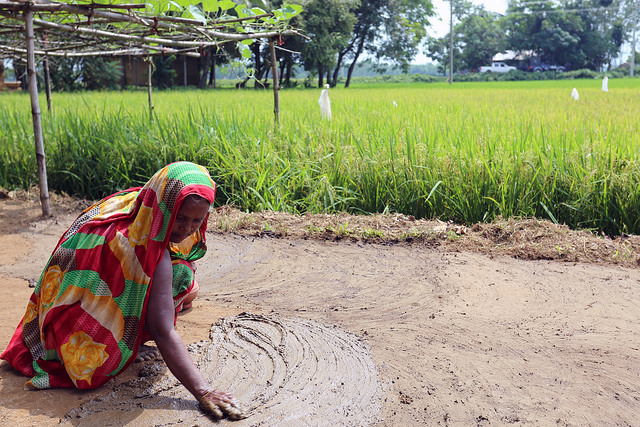
Sustainable Agriculture in India is Reducing Poverty

sustainable agriculture in indiaAs of 2016, over 20 percent of India’s population lives below the poverty line. Part of the problem lies in the lack of food security in India. Since there is little sustainable agriculture in India, many people are malnourished. India is home to at least 15 percent of the world’s malnourished.

One way to combat the malnourishment epidemic in India is to create a sustainable agricultural system. These systems aim to produce food that is not only natural and healthy, but also plentiful and not harmful to the earth. In a sustainable agricultural system, the growers stay away from any form of chemicals or pesticides. This helps keep the food healthy and edible, and decreases disease within the community.

In India, much of the nation’s agriculture is dependent on rainfall. This leads to the slow growth of crops, causing the supply to fall behind the demand. Fortunately, through technological advancements and education, many of the barriers between India and sustainable agriculture can be conquered.

India must optimize its agriculture through three main areas: production, storage and distribution.

By establishing efficient water management, India could increase its supply dramatically. Many of the crops it raises, such as sugar cane, require large amounts of water. By creating an irrigation system, Indian farmers would no longer need to only rely on rainwater for their crops. This would help increase production.

Another reason why India’s agriculture is floundering is insufficient storage. Perishables are going bad in store houses before they can be consumed. New innovations such as certain tarpaulins, which keep perishables cool during transit, can help improve storage and distribution.

Though the country still has a long way to go before it can officially state that it has sustainable agriculture in India, it has already started making headway. One company, BASF, has already started creating and distributing products to India to help drive sustainability. The company’s products include biodegradable mulch film and other seed treatments.

BASF has also created an outreach program, Samruddhi, that has reached over 23,000 Indian farmers in 2016 alone. The company provides kits to Indian farmers that include protective tools and equipment.

While India still has a long way to go, products and education through companies like BASF can help fuel sustainable agriculture in India in the future.

– Courtney Wallace

Photo: Flickr

January 10, 2018
https://borgenproject.org/wp-content/uploads/borgen-project-logo.svg 0 0 Borgen Project https://borgenproject.org/wp-content/uploads/borgen-project-logo.svg Borgen Project2018-01-10 01:30:062024-05-29 22:30:06Sustainable Agriculture in India is Reducing Poverty
Page 26 of 44«‹2425262728›»

Get Smarter

  • Global Poverty 101
  • Global Poverty… The Good News
  • Global Poverty & U.S. Jobs
  • Global Poverty and National Security
  • Innovative Solutions to Poverty
  • Global Poverty & Aid FAQ’s
Search Search

Take Action

  • Call Congress
  • Email Congress
  • Donate
  • 30 Ways to Help
  • Volunteer Ops
  • Internships
  • Courses & Certificates
  • The Podcast
Borgen Project

“The Borgen Project is an incredible nonprofit organization that is addressing poverty and hunger and working towards ending them.”

-The Huffington Post

Inside The Borgen Project

  • Contact
  • About
  • Financials
  • President
  • Board of Directors
  • Board of Advisors

International Links

  • UK Email Parliament
  • UK Donate
  • Canada Email Parliament

Get Smarter

  • Global Poverty 101
  • Global Poverty… The Good News
  • Global Poverty & U.S. Jobs
  • Global Poverty and National Security
  • Innovative Solutions to Poverty
  • Global Poverty & Aid FAQ’s

Ways to Help

  • Call Congress
  • Email Congress
  • Donate
  • 30 Ways to Help
  • Volunteer Ops
  • Internships
  • Courses & Certificates
  • The Podcast
Scroll to top Scroll to top Scroll to top