• Link to X
  • Link to Facebook
  • Link to Instagram
  • Link to TikTok
  • Link to Youtube
  • About
    • About Us
      • President
      • Board of Directors
      • Board of Advisors
      • Financials
      • Our Methodology
      • Success Tracker
      • Contact
  • Act Now
    • 30 Ways to Help
      • Email Congress
      • Call Congress
      • Volunteer
      • Courses & Certificates
      • Be a Donor
    • Internships
      • In-Office Internships
      • Remote Internships
    • Legislation
      • Politics 101
  • The Blog
  • The Podcast
  • Magazine
  • Donate
  • Click to open the search input field Click to open the search input field Search
  • Menu Menu

Archive for category: Women’s Empowerment

Global Poverty, Women's Empowerment

Teaching Girls in South Africa to Code

girlsinsouthafrica
From June 24 through July 5 2019, Vodacom initiated its Code Like a Girl program in South Africa. In South Africa 70 girls were provided with the opportunity to take classes in engineering, math and coding. While one purpose of the communications company’s program was to narrow the gender gap, it means more for the country as a whole; it means the chance for sustainable jobs and prepares South Africa for the industrial revolution affecting all developing countries.

Early Stages of Code Like a Girl

Vodacom is a company based mainly in South Africa and nearby countries that is focused on mobile communications. It manages phones and data much like other companies, such as Verizon and Sprint, but on a more local scale. Even back in 2018, the company made plans to offer science, technology, engineering and mathematics (STEM) subjects to girls in different provinces and hopefully spark an interest in these courses.

The inspiration for this plan derived from a lack of female participation in STEM courses because only 35 percent of girls pursued any kind of career in these fields. Women are also underrepresented in STEM careers, as most of them are male-dominated.

Steven Barnwell, an executive manager for Vodacom, commented that while this career gap is beginning to close globally, “in many countries, including South Africa, the gap is widening in STEM careers.” Girls in South Africa with the backing of Vodacom’s coding program might be encouraged to pursue these daunting careers, now equipped with the know-how to prosper.

Initiating the Initiative

Phoenix, a township in South Africa, documented the course of the Code Like a Girl initiative in its local news. Managing executive Chris Lazarus detailed the process and how the girls chosen benefitted.

Firstly, 70 girls in the province of KwaZulu Natal, ages 14 through 18, had been selected to learn code. They were also advised to study communications as well as science and technology subjects. Participating in both STEM subjects and Vodacom’s initiative would foster problem solving and creative thinking.

Throughout the one-week course, the girls in South Africa learned the language of the computer and how to operate programs for developers such as GitHub and JavaScript. Finally, at the end of the week, each girl presented a website she developed by herself.

Lazarus proposed that providing coding skills allows girls to thrive in the transition to a technologically developed nation, saying “we aim to have young girls excel in the fourth industrial revolution. Through our project, we want a future free of the gender inequality, more so when it comes to jobs of the future.”

Looking at the Other Benefits

Currently, South Africa boasts one of the highest information, communications and technology (ICT) markets in Africa. ICT products and service cultivates in the markets. IT jobs, therefore, are currently sought after as the economy begins to focus on its thriving industry. Girls in South Africa pursuing coding now have the opportunity to jump into the influx of jobs, securing a sustaining and well-paying future.

While the economy prospers, 30.4 million citizens still remain in poverty. Nearly half of South Africa’s black females live below the poverty threshold, and many schools remain under-resourced. However, with Code Like a Girl spreading across provinces, girls living in poverty are presented with a unique opportunity and education when the program reaches their school. A gap then not only lessens between gender, but economic class as well.

South Africa is also on the brink of a digital revolution. Communities still remain in the process of transitioning to cellphones and schools are adopting technology in their classrooms, requiring both teachers and students to adapt. Girls inspired by Vodacom’s program may find themselves with an edge, already accustomed to the confusing languages of technology while the rest of society is still getting used to it.

Matimba Mbungela, Vodacom’s Chief Officer of Human Resources, commented to ITWeb Africa in regards to the students’ situation, saying, “it [is] necessary for us as the country’s leading digital telco to take it upon ourselves and launch this initiative to prepare young females, so they can adapt skills of the future and contribute in taking our economy forward.”

Inspired by ‘Code Like a Girl,’ girls in South Africa will find a unique position in society amidst the ever-changing world of technology.

– Daniel Bertetti
Photo: Flickr

August 11, 2019
https://borgenproject.org/wp-content/uploads/borgen-project-logo.svg 0 0 Kim Thelwell https://borgenproject.org/wp-content/uploads/borgen-project-logo.svg Kim Thelwell2019-08-11 18:12:542024-05-29 23:10:37Teaching Girls in South Africa to Code
Global Poverty, Refugees, Women's Empowerment

Syrian Jasmine House and Jobs for Refugee Women

Jobs for Refugee Women

Lara Shaheen, a Syrian woman in Jordan, has managed to create jobs for refugee women while taking advantage of pre-existing skills. The Syrian Jasmine House in Amman, Jordan allows displaced women to monetize their crafting abilities by giving them the resources to create and sell handmade items, most commonly artisan soaps. According to the Jordanian Ministry of Planning, Jordan hosts 1.5 million Syrian refugees who migrated after a civil war broke out in 2012. The conflict between the Syrian government and rebel forces destroyed significant infrastructure and caused the displacement of 13.5 million Syrians.

The Origins of Syrian Jasmine House

Shaheen fled Damascus in 2012, settling in Jordan with the common mindset that the displacement was temporary. But as the war continued, she decided to create a business that would help her break free of the aid dependence many refugees find themselves reliant upon. The initial team comprised of Shaheen and five other Syrian women who left Zaatari camp in 2014 to work on expanding their marketing of hand-sewn goods.

Since that time, the Jasmine House has created jobs for over 40 refugee women and trained thousands of women of all ages in tailoring, embroidery, stained glass, wool knitting, crochet and natural soap making. Females head over 30 percent of Syrian displaced households. As many women have lost husbands or sons due to the war, the need for female financial independence is critical. 

Although Shaheen named the company in honor of her home Damascus, often called “the capital of Jasmine,” her objective is to give Syrian women a way to integrate into Jordanian society so that they can be both productive and dependent on themselves. According to The Jordan Times, she has also trained numerous Palestinian and Jordanian women to create handmade Syrian goods, promoting independence for all vulnerable women in Jordan. 

How Syrian Jasmine House Benefits Others

 Once Shaheen realized the situation in Jordan might not be temporary, she created a for-profit initiative to help women become less dependent on aid agencies. The women first sell their products to Shaheen, making an average of $280-560 a month, according to National Geographic. Shaheen then uses her contacts and social media platforms, such as her Facebook page, to sell the goods to the general public. The income women can make through the Syrian Jasmine House is higher than the average $218 a month UNHCR gives refugee families in Jordan.

The Syrian Jasmine House helps bring in an income which can be difficult since work permits are challenging to obtain in Jordan due to already scarce jobs for Jordanians. In February 2019, Shaheen received her first large international order from the United Kingdom. The Jasmine House also offers workshops through the Airbnb Experiences network for tourists to learn new Syrian skills. A writer for The Medium, Ashlea Halpern, learned the craft of making Aleppo-soap while listening to the story of Maya Albabili who is part of the Syrian Jasmine House.

As conflict dies down in Syria and the country stabilizes, organizations have begun to look at repatriation as an option. UNHCR has labeled repatriation as the only durable solution for Syrians in Jordan, however, they are still not able to safely recommend return. Until it is absolutely safe for Syrians to return to Syria, larger organizations, such as UNICEF, are focusing on providing education and employable skills to people. Smaller organizations emphasize small business building through workshops and microloan services. 

In June 2019, Shaheen opened her second location in Istanbul, Turkey. According to UNHCR, Turkey hosts 3.2 million Syrians and Shaheen is hopeful that she can provide jobs to more refugee women and enable them to become self-dependent. The Syrian Jasmine House denotes the motto “we are producers, not refugees,” and continues to work at breaking the aid-dependent cycle countries post-conflict often find themselves in.


– Carly Campbell
Photo: Flickr

August 6, 2019
https://borgenproject.org/wp-content/uploads/borgen-project-logo.svg 0 0 Jennifer Philipp https://borgenproject.org/wp-content/uploads/borgen-project-logo.svg Jennifer Philipp2019-08-06 10:56:412024-05-29 23:09:50Syrian Jasmine House and Jobs for Refugee Women
Activism, Development, Women and Children, Women and Female Empowerment, Women's Empowerment, Women's Rights

Hajiya Amina Ahmed Empowers Women in Nigeria

women's empowerment in nigeria
Hajiya Amina Ahmed inspires women all over Nigeria to become more involved in making decisions that affect their daily lives. She believes that women should have a role in decision-making processes concerning peace and security. Women in Nigeria are often on the receiving end of conflict situations, but people do not give them a voice in rectifying such situations. Ahmed is a voice that empowers women in Nigeria; she acts against the inequality that women face by empowering women and building communities across religious and ethnic lines.

A Long Way Toward Women’s Empowerment

Achieving women’s empowerment in Nigeria is a very difficult task, especially considering that Nigeria has been violently divided by sex for so long that even some women are against complete equality. There are prominent women in Nigeria who believe that men and women should be different, but equal. Some believe that women should have careers, but that men are the heads of the house and are in control of their wives in the home. Ahmed is counteracting the notion that men and women cannot have equal rights in Nigeria.

Some believe that men and women cannot be completely equal thinking as it will not end gender-based and may increase it. This is why education is the most important aspect of Ahmed’s initiative to involve women and girls in their communities.

Ahmed’s Work

Ahmed is the Executive Director of the Women Initiative for Sustainable Community Development in Plateau State, Nigeria. She has been working in peace and conflict transformation since the 2001 ethno-religious crisis in Plateau State. Since 2001, the recurring communal violence in Plateau State has killed at least 4,000 people.

Ahmed’s work involves countering this violence, specifically the violence against women and girls, as well as promoting their involvement in development processes. She believes that the more women and girls involve themselves, the more they will want to continue and be a voice in their communities. The end goal is for men and women to have equal voices in their communities. Slowly, but surely, she is seeing the difference that she is making as she empowers women in Nigeria.

Ahmed, along with her co-workers, also believes that the most important aspect of women bridging the gap between men’s and women’s roles in their communities is education. When women know what is at stake and what could be different about their lives, they are much more likely to take action and to become models of their communities.

The Nigerian Parliament

In Nigeria, men are disproportionately in control of leadership positions. Even though women make up 49 percent of the Nigerian population, they do not make up even close to 49 percent of Nigerian leadership positions. There are seven female senators out of a total of 109 senators and there are 22 female representatives in the House of Representatives out of 360 total. Nigerian women are trying their best to be a part of their government, but it is difficult when others force them into their cultural and religious obligations of ceding governance to men. Ahmed’s work is an important aspect in giving women more of a say in the Nigerian government.

Ahmed’s Impact

Ahmed is one of the many women who contributed to the Promoting Women’s Engagement in Peace and Security in Northern Nigeria Programme. The E.U. funds the program and supports the Nigerian government strengthening women’s leadership, gender equality and protection of women and children from violence. This program exists in three northern Nigerian states, including Ahmed’s home state of Plateau. Women that are tired of conflicts in which innocent people have perished are leading and carrying out this plan.

Nigeria’s government lacks female representation, but Ahmed, along with her fellow peacemakers, is making a difference by achieving women’s empowerment in Nigeria. Hopefully, more people will join the cause in making Nigeria a country that men and women lead equally. Peacemakers are the starting point of making Nigeria a country that does not divide itself based on sex.

– Megan Maxwell
Photo: Flickr

August 3, 2019
https://borgenproject.org/wp-content/uploads/borgen-project-logo.svg 0 0 Kim Thelwell https://borgenproject.org/wp-content/uploads/borgen-project-logo.svg Kim Thelwell2019-08-03 07:02:542024-05-29 23:11:02Hajiya Amina Ahmed Empowers Women in Nigeria
Gender Equality, Global Poverty, Women's Empowerment, Women's Rights

Female Empowerment in Zanzibar

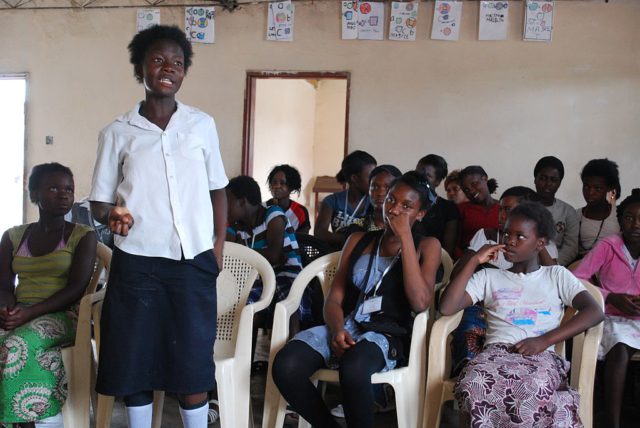
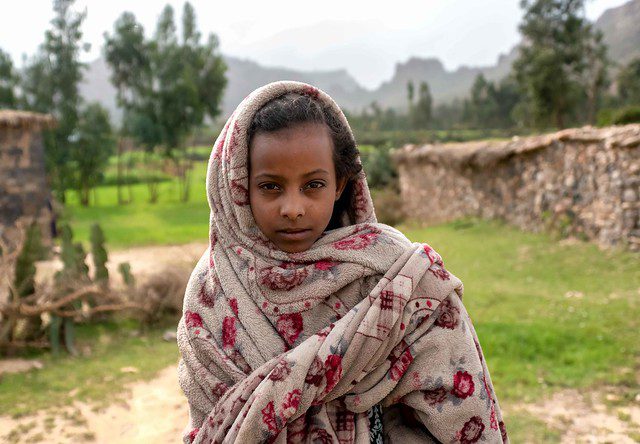
Women in ZanzibarIn Zanzibar, a semi-autonomous region of Tanzania, many women struggle to overcome gender inequalities. Women are more likely to be illiterate, uneducated and unemployed in addition to being prevented from owning land and lacking opportunities to obtain leadership positions. Some women are fighting back against these barriers, however, by helping themselves and others increase their social and economic status. Furthermore, supporting female empowerment in Zanzibar has become a priority for a few local and national organizations.
The Situation for Women in Zanzibar

Women in Zanzibar are “twice as likely as men” to be uneducated. This has contributed to increasing employment inequalities since an education is becoming more essential to obtaining a job. Approximately 32 percent of female youths in Zanzibar are unemployed in comparison to only 10 percent of male youth. Women who do have jobs often earn less with 73 percent of women being paid at a lower rate than their husbands.

Additionally, only 16 percent of women in Zanzibar have bank accounts, and 91 percent do not own land, making it hard for women to become economically self-sufficient. When women do own land or other assets, these things are often controlled by their husband or male relatives. Female empowerment in Zanzibar involves women gaining financial and economic freedom as well as increasing their social status. The following are a few ways women’s lives in Zanzibar are improving.

Female Entrepreneurship

In response to high youth unemployment, many young women are turning to entrepreneurship as a way to make a living. At least 47 percent of women who are self-employed stated that their reason for doing so was the inability to find other employment. The majority of those who become interested in entrepreneurship are women with 82 percent of working women being self-employed. Self-employment and entrepreneurship offer women the opportunity to become financially independent, which is difficult in the low-paying formal sector.

Entrepreneurship is difficult, however, and many women who are self-employed still struggle economically. According to the Ministry of Labor, there are initiatives that support female entrepreneurs, but these do not reach all women. The most marginalized women do not have these opportunites. Moving forward, it is crucial that female entrepreneurs receive more support from the government and NGOs, otherwise, many will remain financially dependent on male relatives.

Seaweed Farming

For other women, seaweed farming has helped decrease economic inequalities and increase female empowerment in Zanzibar. In coastal villages, women have long been sequestered in their homes, only leaving for funerals, weddings or to care for sick relatives. Seaweed farming was taken up by women from these villages as a way to enter the public sphere and earn money for themselves.

According to marine biologist Flower Msuya, “At the beginning some husbands threatened divorce if their wives went out to farm seaweed… But, when they saw the money women were making, they slowly began to accept it.” Women’s social statuses in the villages have increased, and many have helped their families rise out of poverty. The work has also been crucial for women who were divorced from their husbands as they need to be able to support themselves.

Solar Training

Barefoot College, an organization that spread from India to East Africa, is offering a training program for women in Zanzibar, teaching grandmothers and single mothers in rural villages how to be solar engineers. The program focuses on this demographic of women because many are often illiterate and lack other opportunities. Solar training is also beneficial to the community as a whole since rural areas often lack adequate electricity.

Women are trained at Barefoot College for five months after which they return to their villages to set up solar lighting systems for family and neighbors. This is a cheaper option for most families, and the price they pay helps support the female engineers who help maintain the solar equipment in their village. Salama Husein Haja, a single mother, praised the program, stating, “When I go back I will have status. I will be knowledgeable and I will be proud.”

Reclaiming Public Spaces

A project in Zanzibar called Reclaim Women’s Space is working towards female empowerment in Zanzibar by helping women overcome cultural and religious constraints that require them to stay in the private sphere. There are few public places for women to gather socially in Zanzibar, so women generally go to work and then return home, in part because they are also responsible for domestic tasks.

Reclaim Women’s Space seeks to give women spaces in the public sphere where they can meet and work together to solve community problems. One of their projects was the creation of a community center, which has become a symbol of women’s economic, social and political power. Madina Haji, an engineer involved with the project stated that the goal is to “empower women to stand on their own” by improving their social status and giving them opportunities to come together.

It is crucial that initiatives such as these continue, and that women who are trying to obtain more autonomy are supported by local, national and international organizations and programs. Female empowerment in Zanzibar will take time to achieve, but persistent efforts to help these women become economically independent in a way that is also personally and socially empowering for them are an important part of making gender equality a reality.

– Sara Olk
Photo: Flickr

August 1, 2019
https://borgenproject.org/wp-content/uploads/borgen-project-logo.svg 0 0 Kim Thelwell https://borgenproject.org/wp-content/uploads/borgen-project-logo.svg Kim Thelwell2019-08-01 07:30:122024-05-29 23:10:20Female Empowerment in Zanzibar
Gender Equality, Global Poverty, Women's Empowerment

Education for Girls in Zambia

Education for Girls in Zambia
Due to extreme poverty in Zambia, many Zambian girls and women miss out on the opportunity to receive an education. With 64 percent of the population living on less than $1.25 a day, Zambia is one of the poorest countries in the world. Unfortunately, this leads to serious repercussions for the youth in the country. In fact, the Southern African Consortium for Measuring Education Quality found that Zambia comes in at number 13 out of the 15 countries in terms of literacy and numeracy. In rural areas, 27 percent of females have no education, primarily due to poverty, pregnancy and early marriages.

The Impact of Marriage

The United Nations Girls’ Education Initiative found that female literacy measures at 67 percent, while male literacy measures at 82 percent. This disparity holds females back in terms of economic advancement and independence from their male counterparts. The legal age for marriage in this country is 16. However, 46.3 percent of all girls marry before the age of 18. Further, evidence shows that early marriages play a big role in contributing to female dropout rates; therefore, initiatives encouraging women to delay marriage will likely decrease drop out rates.

Gender Equality in School

In Oct. 2018, Christine Kalamwina, the Zambia Deputy Permanent Representative to the United Nations, recognized that girls’ education was imperative in ensuring gender equality and economic female progress. In response to this, the government in Zambia enacted a new law. This law made it mandatory for schools to have an equal number of males and females enrolled. The reasoning behind these efforts was to assist in closing the education gender gap. Additionally, many girls drop out of school due to menstruation. The Zambian government is now distributing free sanitary towels in rural areas to allow women more opportunities.

CAMFED and GEWEL

Fortunately, there are many organizations working towards improving education for girls in Zambia. The Campaign for Female Education (CAMFED) is one of the organizations that works with the local government in order to promote gender equality and child protection. It has already provided secondary scholarships for 38,168 girls in Zambia alone.

The International Development Association (IDA) has also made a crucial impact. The IDA is the World Bank’s fund for the poorest countries. The Girls Education and Women’s Empowerment and Livelihood Project (GEWEL) is a program attempting to decrease the rate of child marriage. Its focus is on expanding access to secondary school for young girls, and more specifically, young girls from poor families through the Keep Girls in School bursary. Forced to drop out due to financial issues, the KGS assists by providing funds to continue girls’ education. There is also a program for working-age women, the Supporting Women’s Livelihood program, which offers training, startup funds, additional savings and mentor programs. Through the GEWEL project, 20,000 women received assistance in 2017, and in 2018, the project had a goal to help over 50,000 women.

– Jessica Haidet
Photo: Wikimedia Commons

July 29, 2019
https://borgenproject.org/wp-content/uploads/borgen-project-logo.svg 0 0 Kim Thelwell https://borgenproject.org/wp-content/uploads/borgen-project-logo.svg Kim Thelwell2019-07-29 08:52:532024-05-29 23:00:28Education for Girls in Zambia
Global Poverty, Technology, Women's Empowerment

Microsoft and Female STEM education in Sri Lanka

STEM Education in Sri Lanka
On March 8, 2019, Microsoft hosted a #DigiGirlz conference for International Women’s Day at the Office of the Prime Minister of Sri Lanka to inspire 500 women to become more active in science, technology, engineering, math or STEM fields. The conference, which is a part of the company’s #MakeWhatsNext campaign, involved keynote speakers, group workshops and coding exercises with Microsoft MakeCode. #DigiGirlz helped create a voice for female role models for the students and worked to inspire teachers and parents to encourage STEM education in Sri Lanka.

Barriers to Women’s STEM Education

Microsoft’s goal for the conference was to show female students of Sri Lanka that entering STEM fields is a possible and attainable goal despite the country’s current workforce statistics. Currently, only one-third of the women in the country have entered the workforce, and the country holds the 14th largest gender pay gap in the world. Marriage also hampers women’s ability to hold a paying job in Sri Lanka’s workforce, decreasing odds by 26 percent.

One of the issues preventing women’s STEM education in Sri Lanka is the subject itself. Many educators view STEM courses and careers as masculine, citing that female STEM work is of a lower quality than male work. Many of the current teachers believe that female students lack the desire to learn about technology, citing this factor as the driving force for lower rates of female STEM students instead of family values or problems surrounding the teaching of materials. Most women are also unable to enter the STEM workforce because nearly 40 percent lack the educational qualifications needed to succeed in these career fields.

The Conference

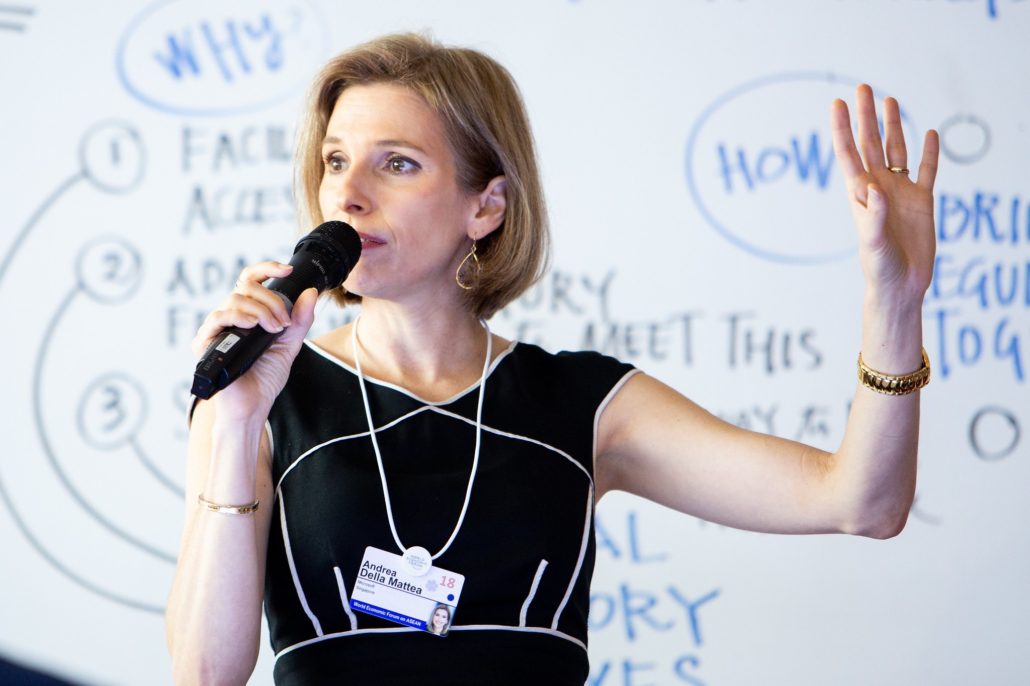
The #DigiGirlz conference featured Andrea Della Mattea, President for Asia Pacific at Microsoft, as one of the key speakers. Mattea held small group workshops throughout the day to help empower women to learn and participate in STEM fields around the country. Sook Hoon Cheah, General Manager for the Southeast Asia New Markets, Daiana Beitler, Philanthropies Director for Asia and other female leaders looking to improve girls’ motivations for coding, engineering and education joined her.

More women are beginning to enter post-secondary education with 9,506 males and 15,694 females enrolling in higher education in 2014. Sook Hoon Cheah noted that the enrollment numbers are not an accurate depiction of progress for female STEM education in Sri Lanka, although they are promising to female progress. Cheah mentioned during Microsoft’s panel discussion that more women are entering into liberal arts and social majors than STEM programs in universities. Therefore, Microsoft is finding new ways to draw women into higher-paying STEM careers. The female conference leaders also shared encouraging tips for problem-solving to the students, like breaking down problems into manageable steps to make issues more approachable.

After the panel’s discussion, the 500 students went on to solve group challenges using coding for the rest of the conference. The programs encouraged young women to solve real-world issues using technology and coding formats such as Python, JavaScript and Blocks. Overall, the conference goal was to encourage female curiosity and development into the STEM field through role model representation, hands-on experiences with technology and problem-solving strategies for real-world scenarios using coding and educational technology. Microsoft’s leaders are hopeful that the #MakeWhatsNext campaign and other events will help inspire women to branch into technology-based careers throughout Sri Lanka.

Microsoft’s vision for the #DigiGirlz conference was to include women from all over Sri Lanka, including less developed areas, and to inspire them to participate in STEM education and advancement. The company plans on continuing work in women’s empowerment through workshops and programs in Sri Lanka, and throughout South Asia. For more information on Microsoft’s mission to close the gender gap in STEM fields around the globe, visit its website.

– Kristen Bastin
Photo: Flickr

July 22, 2019
https://borgenproject.org/wp-content/uploads/borgen-project-logo.svg 0 0 Kim Thelwell https://borgenproject.org/wp-content/uploads/borgen-project-logo.svg Kim Thelwell2019-07-22 08:29:472024-05-29 23:10:27Microsoft and Female STEM education in Sri Lanka
Global Poverty, Women and Female Empowerment, Women's Empowerment, Women's Rights

5 Organizations That Empower Women

5 Organizations That Empower Women
Women’s empowerment in the developing world is a major tool that countries can use to alleviate socioeconomic issues like poverty and corruption. Here are the top five organizations that empower women.

5 Organizations That Empower Women

  1. Women’s Global Empowerment Fund
    The Women’s Global Empowerment Fund (WGEF) is an organization committed to creating opportunities and addressing inequality, strengthening communities and families and using political, social and economic programs to support women. WGEF’s programs provide frameworks for women to create opportunities for themselves at the grassroots level. As of January 2017, WGEF’s Credit Plus Program provided more than 10,000 microcredit loans, which help women create and expand sustainable, viable businesses in developing countries. That same year, many of the WGEF’s clients applied for their fourth or fifth loans to further grow their businesses. Since its inception, WGEF’s literacy program reached more than 1,500 women in rural or poor communities, and 416 women were reached in 2016 alone. The literacy program takes place twice a week over the course of six months and costs $80 per person annually. Ten of WGEF’s clients, many of whom benefitted from the literacy program, ran for local and regional offices during national elections in 2016.
  2. Panzi Hospital
    Panzi Hospital is located in Bukavu, the Democratic Republic of the Congo. Since its founding in 1999, it has served as a general hospital for local residents. Still, the hospital has become a well-known organization that empowers women because of its efforts to help victims of sexual violence and women suffering from complicated gynecological issues. Panzi Hospital is now comprised of four departments: obstetrics and gynecology, surgery, internal medicine and pediatrics. In 2012, the team at Panzi Hospital implemented a project to provide cervical cancer screenings to patients, the first of its kind in the region. Patients at Panzi Hospital also have access to psychological care, socioeconomic assistance and legal assistance. From 1999 to 2015, Panzi Hospital served 85,864 women. As of the end of 2015, 48,482 of the hospital’s patients were victims of some form of sexual violence. Forty to 60 percent of the women treated at Panzi Hospital cannot return to their home communities because of conflict and the stigma surrounding sexual violence and reproductive injuries. These women are housed at the hospital’s aftercare center, Maison Dorcas.
  3. Her Farm
    Her Farm is located in Nepal and supports women in the rural areas at the base of the Himalayas. The organization’s mission is to provide women with the tools they need to be self-sufficient, including access to healthcare, economic opportunities and education. Her Farm is owned and operated by women and for women; the women freely farm the land and make all the decisions regarding Her Farm themselves. Currently, Her Farm provides employment and safe living conditions for 30 women and children, and they educate 12 children daily. As a result of Her Farm’s efforts, 300 people have access to an emergency center. Annually, Her Farm has 150 visitors.
  4. Orchid Project
    Orchid Project is an organization battling female genital cutting (FGC). FGC refers to a practice that involves removing parts or all of a girl’s external genitalia, or any injuries associated with the practice. Usually, girls go through FGC before the age of five, but it can occur at any time between birth and adolescence. The practice of FGC is largely cultural; there are no religious obligations associated with FGC. Globally, the practice of FGC impacts over 200 million women and girls, with 3.9 million girls at risk annually. Today, FGC occurs in at least 45 countries worldwide. The practice is internationally recognized as a violation of human rights. Orchid Project, like other organizations that empower women, focuses on education and advocacy to eliminate FGC. The organization partners with other nonprofits like Sahiyo and Tostan on the ground in countries where FGC is still practiced to host knowledge-sharing workshops within impacted communities. This approach recognizes that FGC is a cultural phenomenon and allows the members of the community to come together and choose to abandon the practice. From 2015, Orchid Project has held 12 workshops across Nigeria, Tanzania, Kenya, Sierra Leone and Somaliland.
  5. Equality Now
    Equality Now is committed to changing laws to promote socioeconomic change for women and girls around the world. The organization’s network of lawyers and activists are currently fighting to end female genital mutilation (FGM), sexual violence, human trafficking, child marriage and gender inequality. In 2017, 11 laws that Equality Now had been fighting for were changed or strengthened. The organization also provided training to 50 lawyers and judges and its supporters sent more than 21,300 advocacy letters.

Without empowering its women, no country can hope to eliminate issues like poverty. These 5 organizations that empower women are committed to ending inequality in the developing world.

– Shania Kennedy
Photo: Flickr

July 19, 2019
https://borgenproject.org/wp-content/uploads/borgen-project-logo.svg 0 0 Kim Thelwell https://borgenproject.org/wp-content/uploads/borgen-project-logo.svg Kim Thelwell2019-07-19 08:54:362019-07-19 08:54:365 Organizations That Empower Women
Global Poverty, Health, Women and Female Empowerment, Women's Empowerment

Top 4 Organizations Fighting Period Poverty

Organizations Fighting Period PovertyLack of access to menstrual products impacts many girls and women in both the developing and developed world. Having a period without access to proper sanitation products can hurt a girl’s educational and life opportunities. However, these four organizations fighting period poverty are providing access and empowerment to girls and women in need.

Top 4 Organizations Fighting Period Poverty

  1. PERIOD
    Highschoolers Nadya Okamoto and Vincent Forand founded PERIOD in 2014 to combat period poverty and period stigma. Okamoto was inspired to help launch the nonprofit after dealing with homelessness as a teen. Homeless women often lack access to menstrual products because they cannot afford them or because shelters do not have enough products to go around. Today, PERIOD has more than 300 chapters that help distribute period products around the world, and so far, 510,181 women have been served by PERIOD’s work. The nonprofit is also fighting to eliminate the luxury tax on tampons and pads in the U.S. and abroad.
  2. Freedom4Girls
    Founded in 2016 by Tina Leslie, Freedom4Girls was inspired by Leslie’s experience working with the charity Maji Safi Projects in Kenya. During her time there, Leslie helped with Maji Safi Projects’ period poverty campaign, which consisted of creating sewing workshops for local women, making washable, reusable menstrual pads and delivering the pads to schools in the semi-rural area of Mombasa. The project also provided reproductive and menstrual education to girls and women in the community. Currently, Freedom4Girls provides menstrual products to 30 schools in the U.K. in order to increase girls’ abilities to go to school and participate in extracurricular activities while on their periods, since often, teachers are tasked with supplying menstrual products to their students. Freedom4Girls also works with community groups and other organizations fighting period poverty to host “Donation Stations” in order to collect menstrual products for other vulnerable groups, such as refugees.
  3. Dignity Period
    Dignity Period is a prime example of women’s empowerment and women’s health coming together to improve lives. In 2014, Fulbright Scholar Dr. Lewis Wall spent eight months improving residency education in gynecology and obstetrics at Mekelle University’s College of Health Sciences in Ethiopia. During his time there, he and his wife met Freweini Mebrahtu, owner of the Mariam Seba Sanitary Products Factory. Seeing that period poverty was an issue that could be resolved through outreach, education and empowerment, Wall and Mebrahtu partnered to create Dignity Period. Today, Dignity Period partners with Mekelle University to conduct studies about the socioeconomic and cultural impact of periods and to provide education; at the same time, the nonprofit provides reusable menstrual pads to community members through Mebrahtu’s factory, which trains and employs women in the area.
  4. Days for Girls
    Days for Girls (DfG), like other organizations fighting period poverty, provides reusable menstrual products for girls in need. However, it is unique in the way its menstrual products are created and how they impact communities. Days for Girls has developed menstrual product kits that are provided to women and girls in need. Each DfG Kit is sewn by volunteer individuals or chapters and begins as a Portable Object of Dignity (POD). PODs include one waterproof shield and two absorbent liners and serve as gateways to the creation of small businesses for local women. PODs are extremely affordable and can be easily adapted to the needs of the customer, meaning that women in developing countries can use PODs to start and grow their own micro-enterprises selling DfG Kits. There are five kits currently distributed by Days for Girls: the POD, DfG POD Plus, Supreme DfG Kit, Heavy Flow DfG Kit and the Menstrual Cup Kit. Each kit contains reusable menstrual pads, a washcloth, a drawstring bag, panties and other essentials for a dignified period.

Women and girls around the world face the impacts of not having access to menstrual products and reproductive education. Absences from school, decreased opportunities for socioeconomic mobility and loss of dignity are only a few of the struggles faced by those living in period poverty. As a result, organizations fighting period poverty are taking a stand to empower these women and improve their futures.

– Shania Kennedy
Photo: Pixabay

July 18, 2019
https://borgenproject.org/wp-content/uploads/borgen-project-logo.svg 0 0 Kim Thelwell https://borgenproject.org/wp-content/uploads/borgen-project-logo.svg Kim Thelwell2019-07-18 14:55:302024-05-29 23:09:45Top 4 Organizations Fighting Period Poverty
Global Poverty, Women's Empowerment

The Women Entrepreneurship Development Project In Ethiopia

The Women Entrepreneurship Development ProjectThe Women Entrepreneurship Development Project (WEDP) aims to provide more opportunities for female entrepreneurs. The International Development Association (IDA) of the World Bank is continually funding more than $2 million to women in Ethiopia looking to start or improve their businesses.

The program’s contributions are improving the Ethiopian economy and the empowerment of women. It is one of the only women-focused lines of credit operations in the world and has been the most effective.

Signs of Progress

To date, more than 12,000 female entrepreneurs have received loans from the IDA. Of this, 66 percent are first-time borrowers; yet, 99.1 percent of the loans have been repaid.

Additionally, 16,000 women have participated in business training thus far. On the other hand, firms participating in the WEDP are experiencing growing incomes. In comparison to those not working with the program, income has increased by 40.77 percent. With increasing profit, these firms are able to expand employment by 55.73 percent.

Giving Women Entrepreneurs a Feasible Option

The Women Entrepreneurship Development Project’s success can largely be accredited to having “missing middle” loans. In many instances, banks require a minimum of a $50,000 loan and microfinance options are at most $5,000. These requirements make it nearly impossible for female entrepreneurs to get a loan suitable for their business.

The WEDP provides an average loan of $12,500 and has successfully reduced the collateral from 200 percent to 125 percent. The IDA saw an untapped market and is now profiting off of the potential for these entrepreneurs to expand their businesses.

Project Initiatives

Another reason why the Women Entrepreneurship Development Project is succeeding is due to the specific and goal-oriented plan of the World Bank. The objective in Ethiopia is to improve both earnings and employment of female-owned Micro and Small Enterprise’s (MSE).

The most common obstacle businesses face in Ethiopia is access to finance. In fact, only 40.4 percent of these owners have access. As a result, the project focuses on ensuring easy finance options and offering unique financial instruments that fit the needs of each business.

It is also useful that the project offers programs to teach entrepreneurial and technical skills. The World Bank aims for access to microfinance and a dedicated line of credit, development of entrepreneurial skills, technology and cluster development and, project management, advocacy and outreach, monitoring and impact evaluation.

Partnerships and Impacts

Without partnerships with the Department for International Development (DFID), the Canadian International Development Agency (CIDA), the U.K., Italy and Japan, the success of the WEDP would not be possible. Many countries and agencies have offered financing or other assistance contributing to the rise of female-owned business in Ethiopia.

Not only has the Women Entrepreneurship Development Project been hugely successful in Ethiopia, but it is also inspiring initiatives to finance female-owned companies in countries like Nigeria, Zimbabwe, Madagascar, Turkey, Mexico and Indonesia. Should these countries follow suit, the impact could be unprecedented.

Even though the project has a few more months until its completion, it is providing an opportunity for the government of Ethiopia to support the Small and Medium Enterprises (SME) of women entrepreneurs.

– Jessica Haidet
Photo: Flickr

July 17, 2019
https://borgenproject.org/wp-content/uploads/borgen-project-logo.svg 0 0 Kim Thelwell https://borgenproject.org/wp-content/uploads/borgen-project-logo.svg Kim Thelwell2019-07-17 01:30:022020-01-26 19:50:08The Women Entrepreneurship Development Project In Ethiopia
Global Poverty, Women's Empowerment, Women's Rights

5 Facts About a Women’s Market in Kashmir

Women’s Market in KashmirKashmir is a region that lies on the border of India and Pakistan and has experienced conflict since 1947 when the Indian subcontinent became partitioned. Because neither India nor Pakistan control the region, those who live there rarely receive protection from either state. The consequences of this are devastating, particularly for women. A women’s market in Kashmir is helping empower women, though.

In Kashmir, people frequently exclude women from economic participation. Many of them have to stay home and can often only travel if a man accompanies them. Concerns about women’s safety in the workplace, coupled with the strict patriarchal attitudes common in the area make it incredibly difficult for women to find work in the private sector. Because of this, they make up less than 20 percent of Kashmir’s workforce. This lack of access to employment opportunities makes it nearly impossible for widows, divorcees and victims of domestic abuse to provide for themselves and their families.

As the conflict continues in Kashmir, more and more women are becoming widowed, leaving them alone to fend for themselves and their children without the skills or rights necessary to earn a living wage. Remarkably, a handful of women in Rawalakot, Kashmir is changing all of that. Pakistan currently controls their village, which is a country in which four of every 10 people are impoverished, and has become a beacon of light for women everywhere. Here are five facts about the women-centered market in Rawalakot, and how it has impacted the lives of women in the region.

Five Facts About Women’s Market in Kashmir

  1. The social worker, Nusrat Yousef, founded the market in 2011 after becoming widowed, as a way to empower victims of domestic violence and provide them with economic stability. This has given individuals like Sara Rasheed, who runs both a garment shop and a beauty parlor within the marketplace, opportunities she would not have had otherwise, as her family does not allow her to work in male-dominated areas.
  2. The marketplace has ties to the Pearl Rural Support Programme, a non-governmental organization that works to help people in rural areas of Pakistan realize their full potential. The organization currently serves over 48 million people.
  3. It is not only a market place; women can also learn skills to help them with career and entrepreneurial goals. The market offers classes in sewing and training for women to become beauticians, opening the door to a life of independence for women who would otherwise live their lives entirely dependent on male relatives.
  4. Playing on the fact that many women in Kashmir cannot travel to public spaces without a male guardian, the market does not permit men to enter without a female companion. Having this women-centered environment allows attendees to talk openly about the struggles that women in Kashmir face, and work together to find solutions to these problems.
  5. The market has provided women with a strong community that they have mobilized to fight against oppression. They recently stepped in when police failed to take action against a man who had cut his wife’s nose off and pressured law enforcement to take action. They have also helped women get alimony from their ex-husbands in order to support their families.

Ultimately, this market has had an amazing impact on the women who have already discovered it and has the potential to reach over 100 thousand women in the area as the market it grows. It has given these Kashmir women independence, community and power. In a place where violence against women is the norm, one cannot understate the importance of that.

– Gillian Buckley
Photo: Flickr

July 1, 2019
https://borgenproject.org/wp-content/uploads/borgen-project-logo.svg 0 0 Kim Thelwell https://borgenproject.org/wp-content/uploads/borgen-project-logo.svg Kim Thelwell2019-07-01 08:14:302024-05-28 00:03:255 Facts About a Women’s Market in Kashmir
Page 36 of 54«‹3435363738›»

Get Smarter

  • Global Poverty 101
  • Global Poverty… The Good News
  • Global Poverty & U.S. Jobs
  • Global Poverty and National Security
  • Innovative Solutions to Poverty
  • Global Poverty & Aid FAQ’s
Search Search

Take Action

  • Call Congress
  • Email Congress
  • Donate
  • 30 Ways to Help
  • Volunteer Ops
  • Internships
  • Courses & Certificates
  • The Podcast
Borgen Project

“The Borgen Project is an incredible nonprofit organization that is addressing poverty and hunger and working towards ending them.”

-The Huffington Post

Inside The Borgen Project

  • Contact
  • About
  • Financials
  • President
  • Board of Directors
  • Board of Advisors

International Links

  • UK Email Parliament
  • UK Donate
  • Canada Email Parliament

Get Smarter

  • Global Poverty 101
  • Global Poverty… The Good News
  • Global Poverty & U.S. Jobs
  • Global Poverty and National Security
  • Innovative Solutions to Poverty
  • Global Poverty & Aid FAQ’s

Ways to Help

  • Call Congress
  • Email Congress
  • Donate
  • 30 Ways to Help
  • Volunteer Ops
  • Internships
  • Courses & Certificates
  • The Podcast
Scroll to top Scroll to top Scroll to top