• Link to X
  • Link to Facebook
  • Link to Instagram
  • Link to TikTok
  • Link to Youtube
  • About
    • About Us
      • President
      • Board of Directors
      • Board of Advisors
      • Financials
      • Our Methodology
      • Success Tracker
      • Contact
  • Act Now
    • 30 Ways to Help
      • Email Congress
      • Call Congress
      • Volunteer
      • Courses & Certificates
      • Be a Donor
    • Internships
      • In-Office Internships
      • Remote Internships
    • Legislation
      • Politics 101
  • The Blog
  • The Podcast
  • Magazine
  • Donate
  • Click to open the search input field Click to open the search input field Search
  • Menu Menu

Archive for category: Women’s Empowerment

Global Poverty, Women, Women and Female Empowerment, Women's Empowerment

5 Organizations Fighting for Women’s Empowerment in India

Women’s Empowerment in India

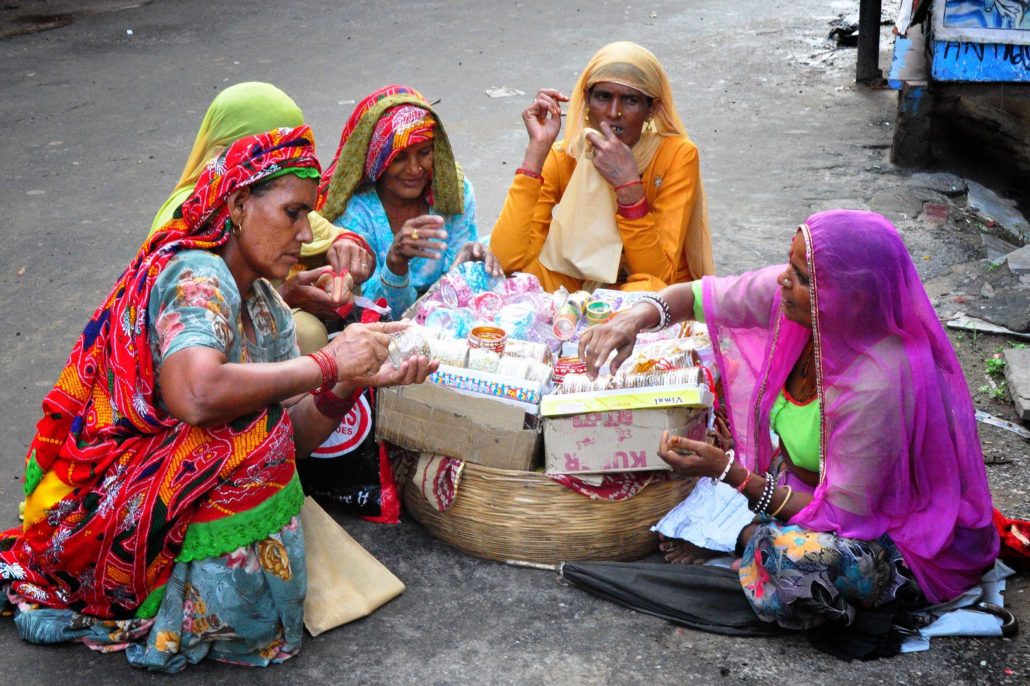
India has a complicated track record when it comes to women’s rights and women’s empowerment. On the one hand, the country is home to a number of feminist icons like Kamla Bhasin, who has been advocating for female education since the seventies, but on the other, around 93 women are raped in India every day. In addition, even in 2019, nonconsensual sex between a husband and wife is not considered rape according to India’s penal code. It is also estimated that 120,000 Indian women a year will be victims of domestic violence.

Fortunately, a number of organizations are tirelessly working to put an end to gender inequality in India. These five organizations fighting for women’s empowerment in India are dedicated to uplifting and protecting women.

5 Organizations Fighting for Women’s Empowerment in India

  1. SEWA – Of the female labor force in India, more than 94 percent of workers make their living in the unorganized sector. Yet this demographic largely remains invisible due to the self-employed nature of their work. Since these women are not part of the mainstream salaried workforce, they do not have access to welfare benefits that laborers in the traditional workforce do, leaving them unprotected.

    Incorporated in 1972, the Self-Employed Women’s Association, or SEWA, is a trade union made up of poor and self-employed female workers that earn a living through self-run small businesses or their personal labor. SEWA aims to organize women so that they can attain full employment and all its benefits including social security, which is defined as health care, child care and shelter. SEWA stimulates full employment and female self-reliance by offering a number of services including health care, child care, banking through the Sewa Bank (a cooperative bank with credit and finance services), insurance via VimoSEWA (SEWA insurance), legal services and housing.

  2. Snehalaya – Snehalaya translates to “home of love” and is an NGO that was founded in 1989 in the Indian city of Ahmednagar. The NGO provides support to women, children and LGBT communities. Snehalaya specifically focuses on these vulnerable members of society that have suffered at the hands of HIV and AIDS, trafficking, sexual violence and poverty.

    Snehalaya has made great strides in raising awareness for these disadvantaged communities and continues to offer safe havens and escapes to women and children imprisoned in the cycle of poverty and abuse. Currently, the organization reaches more than 19,000 beneficiaries a year by offering services including:

    • orphanages for children rescued from the sex trafficking industry;

    • offices that offer emergency care for abandoned infants in addition to medical and psychological support for expectant mothers;

    • 30 emergency safe houses for women and children experiencing domestic violence;

    • 100 25-acre Himmaatgram Biofarms that provide sustainable produce for Snehalaya projects; and

    • a free telephone helpline for children and the public to help at-risk children that receives around 300 calls a day.

  3. NEN: North East Network – NEN is a women’s rights organization that was established in 1995 as part of the Beijing World Conference on Women. NEN operates mostly in North East India and focuses on women’s human rights and gender justice. NEN organizes training sessions, awareness programs, retreats, as well as short film and art competitions all with the goal of merging advocacy with activism. The organization continues to fight against gender-based discrimination while building support for government policies that promote women’s rights and increase female representation in political, public and community settings.

  4. Azad Foundation – The Azad Foundation is a professional feminist organization founded in 2008 that specifically works with resource-poor women living in urban areas in India. The Foundation provides opportunities for disadvantaged women to earn a livelihood as professional drivers and has trained hundreds of women since inception. The Foundation also trained and then employed the first ever female bus driver in Delhi.

    In total, the Azad Foundation has trained more than 1,800 women in a range of topics to including self-defense, sexual and reproductive health, basic first aid as well as map reading.

    The organization, which was founded in Delhi, has now expanded and has training centers in Jaipur and Kolkata. By offering training to women so that they can become professional drivers to earn a decent living, the Azad Foundation bolsters the economic status of underprivileged women while offering them the independence of self-reliance.

  5. MAKAAM – Mahila Kisan Adhikaar Manch: MAKAAM is a forum for female farmers’ rights that operates in 24 states in India. Even though women make up about 60 to 70 percent of the farming workforce in India, they only account for around 12 percent of landholdings. Since female farmers rarely own the land they work on, they are excluded from important support services provided by the government. However, MAKAAM seeks to empower female farmers by teaching them to assert their rights and gain ownership of their livelihoods and the natural resources that come with it.

These five organizations fighting for women’s empowerment in India are providing important support to all types of women in need all across the country. From female farmers to entrepreneurs and members of vulnerable communities these organizations are elevating an important part of Indian society that is often overlooked or disadvantaged.

– Isabel Fernandez
Photo: Pixabay

April 1, 2019
https://borgenproject.org/wp-content/uploads/borgen-project-logo.svg 0 0 Borgen Project https://borgenproject.org/wp-content/uploads/borgen-project-logo.svg Borgen Project2019-04-01 10:29:512024-05-29 22:59:285 Organizations Fighting for Women’s Empowerment in India
Global Poverty, Women, Women's Empowerment, Women's Rights

Fighting the Global ‘Burden’ of Widows in Poverty

Widows in Poverty
Widespread recognition has increased the benefits that empowering women can create for impoverished communities. Yet improved educational and business opportunities for women have neglected the world’s 258 million widows, 85 million in China and India alone. Advocates cite the baffling omission of widows’ welfare from the U.N.’s sustainable development goals (SDGs) as evidence of a critical blind spot in aid efforts. Widows are shown to suffer disproportionately in measurements of poverty, with a minimum of 38 million considered extremely impoverished in 2015. This poverty level is roughly 15 percent of widows compared to the 10 percent of the general worldwide population considered extremely poor by the World Bank in the same year.

This disparity is a result, in part, of the traditional practices of many cultures by which women continue to be seen solely as dependents of their fathers or husbands. Particularly in developing countries, a woman with neither is left with no support system. She becomes deemed a burden to society and, with no income to educate her children, contributes to continuing generations of poverty.

Treatment of Widows Around the World

Stigmas and traditional superstitions have a profound social and mental impact on women whose husbands have died. In many cultures, a widow is blamed for a husband’s death; in fact, many women face accusations of murder or neglect of their duties as wives. It is common for widows to be isolated and banned from participation in community activities and family events. In India, it is customary for widowed women to be prohibited from remarriage, with an appearance in public interpreted as ill-omens.

Human Rights Watch has identified common human rights violations against widows in Zimbabwe and other sub-Saharan countries. Some of the most widespread practices are the denial of inheritance, despite protected national and international laws, and ‘property grabbing’ in which a widow’s in-laws physically or verbally assault her in attempt to take her land for themselves.

Other customs termed ‘harmful practices’ by the U.N. include wife-inheritance, in which a woman is forced to marry her deceased husband’s relative, and ritual cleansing of widows through rape. In some cases, women have been forced to cleanse themselves by drinking water used to wash their husband’s corpse. All such practices run a serious risk of transmitting communicable disease, including HIV and Ebola.

Organizations Supporting Widows in Poverty

Aid organizations focusing on welfare for widows in poverty have expanded since 2000, but there remain only four main NGOs with the capacity to provide aid programs internationally:

  • The Loomba Foundation – When sexist stigmas in India isolated and shamed founder Lord Raj Loomba’s widowed mother without justification, he came to believe that the key to pulling widows out of poverty is gender equality. Since 1997, the Loomba Foundation has funded programs to educate widows and their children, promoted women’s empowerment in Africa and Asia and published the only comprehensive research on the experiences of widows in poverty.

  • Global Fund for Widows (GFW) – Acting as the financial base for partnerships with many smaller non-profits working in local communities, GFW has been working in Egypt, Tanzania, Nigeria, India and parts of Central America since 2008. GFW funds skills programs for widows, organizes employment opportunities and offers a Micro-Social Capital program that provides women with the means to start small businesses in their communities.

  • Women for Women International – Creating employment opportunities and economic independence is a small part of Women for Women’s approach to widows’ welfare. They work with women at local levels to educate them in political engagement with the belief that having confidence and a voice in their own affairs is the best long-term solution to the suffering of widows in poverty.

  • Widows’ Rights International (WRI) – WRI is an organization specializing in legal precedent for cases involving widows’ human rights. WRI works with the UNHRC, U.N. Committee on the Status of Women and national governments to create a policy for the benefit of poor widows and educate women about their rights. Their goal is to combat ignorance and therefore violations of human rights which they have condemned as “tantamount to torture.”

The ‘Widow Issue’

Data measuring the number of widows in extreme poverty, although limited and often unreliable, estimates a decrease of 22 percent between 2010 and 2015. Encouragement is visible in statements by former U.N. Secretary-General Ban Ki-Moon that presses U.N. member states to condemn harmful, traditional practices like widow-inheritance and burning in observance of International Widows Day (June 23rd).

Wider research is necessary to illuminate the extent and causes of widows’ suffering, but further efforts must target regions like South Asia, which report 50 percent of the world’s poor widows, as well as developed countries like Russia and the U.S., which in 2015 saw significant and as yet unexplained increases in the number of widows’ living in extreme poverty.

– Marissa Field
Photo: Flickr

April 1, 2019
https://borgenproject.org/wp-content/uploads/borgen-project-logo.svg 0 0 Borgen Project https://borgenproject.org/wp-content/uploads/borgen-project-logo.svg Borgen Project2019-04-01 10:26:022024-05-29 22:59:28Fighting the Global ‘Burden’ of Widows in Poverty
Global Poverty, Women and Children, Women and Female Empowerment, Women's Empowerment, Women's Rights

10 Organizations That Help Women Around the World

Female Empowerment
Women face difficulties all over the world but especially in developing countries. Global nonprofit organizations play a key role in promoting female empowerment in areas such as education, health care and employment. They recognize that when you empower women, you empower entire communities and countries.

Here are 10 organizations that help women around the world.

10 Organizations that Help Women Around the World

  1. Women’s Global Empowerment Fund
    This nonprofit organization was founded in 2007 and works to provide women in Uganda with access to microcredit loans, business and leadership development training, literacy, health initiatives and more. Karen Sugar, Women’s Global Empowerment Fund Founder, created the organization with the idea that microfinance, when bundled with educational programming, can increase the potential for women’s empowerment and success.
  2. Center for Reproductive Rights
    The goal of this organization is to help promote a world where women are free to make their own decisions about kids and marriage. The organization strives to create a safe space where women can make these decisions without conflict. According to its website, the Center for Reproductive Rights is the only global legal advocacy organization dedicated to reproductive rights.
  3. World Pulse
    World Pulse makes the list of organizations that help women by using the power of technology and social media to connect women worldwide. They are a social network that gives women the opportunity to connect, unite, share, launch movements and run for office. Overall, World Pulse’s goal is to create a world, online and off, where women can flourish.
  4. The Girl Effect
    Through the idea that creativity empowers, The Girl Effect builds vibrant youth brands. The organization operates globally, from places like Ethiopia to the Philippines, to help girls and women worldwide share their stories of growing into adulthood through mobile platforms. Through self-expression and community support, The Girl Effect believes that every girl can begin to value herself, build quality relationships and get access and education about things she needs.
  5. Global Fund for Women
    The Global Fund for Women supports and advocates for groups led by women who demand equal rights in their communities. This organization fights for some of the most important ingredients for women’s human rights: reproductive rights, freedom from violence, leadership and more.
  6. New Light
    New Light is an organization that provides children of sex workers with a safe haven—especially at night time. The organization is located deep inside the red-light district of Kalighat, Kolkata. New Light has grown from caring for nine children in the year 2000 to 250 children of many different ages currently. The organization provides education, healthcare, nutritional support, a recreational facility, HIV/AIDS care, income opportunities for the mothers and residential care. New Light also fights against gender-based violence.
  7. Global Grassroots
    The mission of this organization is to promote leadership in women and girls in their communities. The goal is to educate women on Conscious Social Change, which is a methodology that “employs mindfulness throughout the process of designing a social solution.” Global Grassroots works to create a world where all women and girls have the ability to pursue their own dreams and ideas and turn them into something impactful in their own community. There are two main programs: Academy for Conscious Change, which works with marginalized and impoverished women in post-conflict regions and Young Women’s Academy for Conscious Change which is for young women who are between high school graduation and university enrollment.
  8. Global Goods Partners
    Global Goods Partners’ (GGP) goal is to provide artisan jobs for women. This not-for-profit social enterprise has partnered with over 60 artisan, women-led organizations throughout Asia, Africa and the Americas. GGP invests all of the proceeds from product sales to provide training, funding and sustainable market access.
  9. BRAC
    BRAC fights against the obstacles that prevent children in developing countries from receiving a quality education including violence, discrimination, displacement and extreme poverty. Although BRAC works to help every child, the organization focuses especially on women and girls and making sure they have the ability to take control of their own lives. The organization provides educational programs in six countries, boasting the largest secular, private education system worldwide. There are more than 900,000 students enrolled in BRAC primary schools all over the world.
  10. CAMFED
    The Campaign for Female Education (CAMFED) is an international non-profit focused on supporting marginalized girls to succeed through education. CAMFED, which is African-led has supported approximately 2.6 million children to go to school. There are 120,000 women involved in their alumnae network that multiplies donor investments in girls’ education.

– Malena Larsen
Photo: Flickr

March 30, 2019
https://borgenproject.org/wp-content/uploads/borgen-project-logo.svg 0 0 Borgen Project https://borgenproject.org/wp-content/uploads/borgen-project-logo.svg Borgen Project2019-03-30 09:45:382024-05-29 22:59:2710 Organizations That Help Women Around the World
Global Poverty, Women and Children, Women and Female Empowerment, Women's Empowerment

Donate Bras to Help Women in Developing Countries

Donate Bras
Undergarments are an everyday article of clothing for women in thriving and wealthy countries. However, in developing countries, bras are often a rarity. Rather than throwing out gently-used undergarments, it is worthwhile to donate bras and make a difference for women in rural and poor communities. In addition to empowering women, the recycling of bras saves money and resources, uses less water and energy and creates a lower carbon footprint. The second-hand clothing market also provides affordable clothing and encourages global entrepreneurship. The following four organizations offer this option for making a difference to developing countries, women and girls and the environment.

I Support the Girls

I Support the Girls’ mission is to help women and girls regain self-respect and dignity by providing them with feminine products. The organization collects and disburses donations of second-hand bras to national and international women and girls who are homeless, refugees, escaping domestic violence and more. Whatever the struggle and wherever the location, I Support the Girls’ goal is to make sure every woman has access to feminine necessities. To date, it has collected approximately 500,000 bras to women worldwide and donated to more than 500 shelters and organizations.

The Bra Recyclers

“If it doesn’t fit… recycle it” is the mission of The Bra Recyclers, LLC. The Bra Recyclers has donated approximately two million gently-used bras to more than 100 domestic and international organizations. Along with supplying undergarments to women in need, it collects and donates bras in hopes of reducing the number of bras in landfills. In addition to supporting girls and women who are escaping domestic violence and human trafficking, the company also donates to breast cancer survivors who lack adequate health insurance.

Free the Girls

This nonprofit organization works in El Salvador, Mozambique and Costa Rica with on-the-ground partners. The goal of Free the Girls is to equip girls and women with the ability to earn an income selling bras in the second-hand market. Free the Girls works to turn gently-used bras into economic opportunity for women in these developing countries. After being featured on CNN’s Freedom Project in 2012, the organization gained the ability to ship more than 30,000 bras to Mozambique, and the number of women in its program grew from three to 24.

Your Smalls Appeal

An organization that started in 2016, Your Smalls Appeal’s goal is to help women and girls in Africa. It collects and donates bras and feminine products for women in impoverished areas in The Gambia, a small country in West Africa. The organization receives and distributes all styles and sizes of bras and sends them to those in need. Additionally, in rural areas of Africa, girls often miss school while they are menstruating. With the help of menstruation kits from Your Smalls Appeal, girls can continue to attend school with dignity and cleanliness.

A commonplace article of clothing to one woman is life-changing for another. Whether for personal comfort and dignity or financial advancement, worldwide access to undergarments is crucial. The four groups above work to decrease waste worldwide, create jobs in developing areas and empower, comfort and support women, wherever they are located.

– Malena Larsen

Photo: Flickr

March 30, 2019
https://borgenproject.org/wp-content/uploads/borgen-project-logo.svg 0 0 Borgen Project https://borgenproject.org/wp-content/uploads/borgen-project-logo.svg Borgen Project2019-03-30 09:39:312024-05-29 22:59:27Donate Bras to Help Women in Developing Countries
Water Sanitation, Women's Empowerment, Women's Rights

How Gender Impacts Water, Sanitation and Hygiene

Water, Sanitation, and Hygiene
In many developing countries, gender inequality in access to water, sanitation and hygiene (WASH for short) creates additional risks and hardships for women and girls, in addition to all equalities that women must endure. As of 2015, 2.1 billion people globally did not have access to safe water services and 4.5 billion did not have access to a safely managed sanitation service. In order to improve access to these services and the livelihoods of women in developing countries, it is essential that policy-makers view WASH as a gendered issue and involve women in decision-making.

Water Collection

In the absence of basic water services, individuals must travel to a water source to collect water for their household. This burden disproportionately falls on women, with women and girls responsible for water collection in eight out of 10 households without water on the premises. More than 73 percent of water collection is done by women, and 6.9 percent is done by girls under the age of 15. While water collection can be important to the social lives of women, as it offers an opportunity to communicate with women from different households, it poses a risk to women’s safety and takes away time that could be spent on other activities.

In sub-Saharan Africa, it takes approximately 33 minutes to travel to and from a water source in rural areas, and 25 minutes in urban areas. Many people have to make this trip more than once per day. During this trip, women may be vulnerable to gender-based violence, including sexual assault while traveling on their own. For girls, water collection takes away from time that could be spent on obtaining an education. For women, this is the time that could be spent on childcare, housework or income-generating activities.

Sanitation and Hygiene Issues

Many people do not have access to latrines in developing countries and therefore practice open defecation. In Central and Southern Asia and sub-Saharan Africa, nine out of 10 individuals openly defecate in fields, forests, bushes and bodies of water. Women and girls may require additional privacy when defecating, and therefore in some cultures can only do so at night. This increases the risk of violence, and suppressing their bodily functions during the day can lead to urinary tract infections and chronic constipation.

Menstruating can also be extremely difficult in these settings, with many women lacking access to basic products and services. Many schools lack private bathroom facilities for girls, causing many girls to leave school once they reach puberty. If they do stay, they often stay home while they are menstruating, decreasing their chances for educational success. Adult women are also impacted, and may not be able to work at certain locations if they do not have gender-segregated bathroom facilities.

Additionally, without water, sanitation and hygiene become increasingly difficult. Even if women and girls do have access to private toilets, if they do not have clean water to wash their hands, this poses a serious health risk for them and for others. In general, women are more likely to be exposed to dirty water, as they do a majority of household work, including taking care of young children. Contact with wastewater increases the risk of disease for many women.

Issues to Consider

Those trying to solve the problems associated with water, sanitation and hygiene must take into account a few different factors. First, in emergency situations, such as natural disasters or conflict, water may become additionally scarce, increasing hardships for women and girls. They may have to walk farther to collect water, making them more likely to experience violence.

On the other hand, cultural or social constraints may confine women to the home during more dangerous times, further decreasing their access to water and sanitation facilities. Second, household gender dynamics and societal gender roles need to be considered. If gender roles are radically altered, particularly if women are given more power than they initially possessed, this could increase gender-based violence because men feel as though they are losing control.

Moving Forward

Involving women in efforts to improve water, sanitation and hygiene is crucial in solving these issues and is already underway in many communities. Women are influential in raising awareness about water and sanitation issues, and improving water and sanitation can greatly empower them.

A study by the International Water and Sanitation Center conducted in 15 countries found that water and sanitation projects that included women were more effective and sustainable. For example, in Zimbabwe, female community members were involved in committees on WASH, and this highlighted community health concerns and provided insights for the construction and maintenance of water sources. Similarly, a project in Uganda worked with women to help them build rainwater harvesting jars, decreasing the amount of time needed for water collection.

Projects like these are being conducted in developing countries around the world, and the general lesson remains the same- involve women in decision-making at every level and remain conscious of the role played by specific cultural contexts in these issues. Efforts that effectively work with communities have the potential to vastly decrease the problems associated with water, sanitation and hygiene for women and girls, reducing gender inequalities and improving livelihoods of everyone.

– Sara Olk

Photo: Flickr

March 19, 2019
https://borgenproject.org/wp-content/uploads/borgen-project-logo.svg 0 0 Kim Thelwell https://borgenproject.org/wp-content/uploads/borgen-project-logo.svg Kim Thelwell2019-03-19 19:30:022024-05-29 22:58:19How Gender Impacts Water, Sanitation and Hygiene
Women's Empowerment, Women's Rights

Femicide in Argentina

Femicide in Argentina
Argentina is South America’s second-largest country and it was once one of the world’s wealthiest nations. Argentina has a vast variety of agricultural and mineral resources and a highly educated population, but it also has a long history of political and economic instability. With a population of 44.1 million people, Argentina legally has good human rights, but these rights are often disregarded or ignored, especially towards women. Women continue to face economic discrimination, gender-based wage gaps, extream violence and poor job security.

The world justice report says that women in Argentina are more likely to be employed through informal means, without any social security and find it difficult to access free services. Of all the issues that Argentina faces, the biggest and most well-known issue is the increasing amounts of femicide cases.

Definition of Femicide

Femicide is described as the gender-based killing of women because of their gender and it is the leading cause of premature death for women globally. Femicide in Argentina continues to grow each year. The Council on Hemispheric Affairs reports that in the last decade in Argentina, 2,638 women were killed or have died for the sole reason of being women. Out of this number, 75 percent of the deaths were committed by men close to the victims, either family members, romantic partners or ex-partners. “Every 29 hours a woman is killed in the country,” said Raquel Vivanco, president of the Observatorio Ahora Que Sí Nos Ven at a press conference.

Another chilling fact about femicide in Argentina is that 17 percent of the women murdered had filed a complaint against the assailant and 11 percent even had judicial protection. The Observatorio reported that this happened to all age ranges. Forty-one percent were between the ages of 21 and 40 years old, 25 percent between the ages of 41 and 60, 13 percent older than 60, and 10 percent between the ages of 16 and 20.

Ni Una Menos

There have been numerous mass protests in response to the unjust treatment of women and the governments’ failure to recognize the issue. The biggest movement to date is the Ni Una Menos which translates to “Not one (woman) less.” This movement started in 2015 after a continuous string of murders of women, all in different circumstances but similar murderers and reasoning. This movement against femicide in Argentina continues to run and will have their annual march in June later this year.

Causes of Femicide in Argentina

The advocates for human rights group says that the causes of this type of violence are linked to gender inequality, discrimination and economic disempowerment and are the result of a systematic disregard for women’s human rights. Femicide frequently occurs in an environment where everyday acts of violence are accepted and impunity is facilitated by the government’s refusal to deal with the problems.

Another theory is the social attitude often associated with Latin American and Hispanic cultures called “Machismo” and can have positive and negative connotations. The positive connotation is associated with protecting one’s family, community and country. The negative connotations are what is commonly associated with the causes of femicide. This being the use of violence as a way to demonstrate physical strength, masculinity and superior over women.

Actions Being Taken

In December 2018, Argentine Chamber of Deputies approved the Micaela Law to eradicate gender-based violence with 171 votes in favor and only one against. The bill, named after Micaela Garcia, a femicide victim who was murdered in 2017, calls for a mandatory gender training for all state officials and workers. This training is much needed because of the insensitivity of public servants while dealing with cases of gender-based violence.

There are six key points of the Micaela Law:

  1. Everyone in public service must go through training on “gender and violence against women.”
  2. The National Institute of Women (INAM) will enforce the law. It will also be responsible for directly training high officials.
  3. The training will be conducted in collaboration with gender offices. New materials and programs will be produced for training.
  4. The INAM will control the quality of the said materials and the training must be imparted within a year of the law coming into force.
  5. INAM will also publish information regarding the degree of compliance of each state agency and do follow-up reports on its impact.
  6. If any public employee refuses to attend the training “without just cause”, they would be subjected to a disciplinary sanction.

Activist groups are getting involved as well. The Latin American Group for Gender and Justice (ELA) has a 12-month program which addresses the two most urgent problems, violence against women and access to reproductive rights. The purpose of this program is to promote a network of individual lawyers, practitioners, organizations, and nongovernmental organizations with expertise on women’s rights to provide legal assistance to women facing rights violations and contribute to the cultural transformation needed to end the discrimination against women.

Femicide in Argentia is a big issue and continues to negatively affect the way of life in this beautiful country. However, many activists groups and the Ni Una Menos movement are trying to team up with the Argentinian government to solve this problem and put an end to femicide in Argentina once and for all.

– Madeline Oden

Photo: Unsplash

March 17, 2019
https://borgenproject.org/wp-content/uploads/borgen-project-logo.svg 0 0 Kim Thelwell https://borgenproject.org/wp-content/uploads/borgen-project-logo.svg Kim Thelwell2019-03-17 13:30:112019-11-21 09:26:56Femicide in Argentina
Women's Empowerment

Top 10 Facts About Girls’ Education in Kazakhstan

Top 10 Facts About Girls' Education in Kazakhstan
In 2012, Kazakhstan‘s President Nursultan Nazarbayev announced the ambitious Kazakhstan 2050 plan to make this Central Asian nation one of the world’s 30 most developed. Much of the plan revolves around the economic activity, but a crucial secondary function is to bolster and expand the country’s education system. Since Kazakhstan 2050 was kicked off, substantial strides have been made regarding making education and schools more accessible and high quality for all citizens. However, there are still barriers in place that prevent girls from utilizing of Kazakhstan’s growing scholastic offerings. In the article below, the top 10 facts about girls’ education in Kazakhstan are presented.

Top 10 Facts about Girls’ Education in Kazakhstan

  1. The topic of sex is very taboo in Kazakhstan, and as a result, there is no structure in place to educate young people about safe sex and health. State-level plans across the board offer very little, and the national Ministry of Education supplies nothing at all. Without a syllabus for teachers or schools and a cultural inability to discuss sex, the birth rate for girls ages from 15 to 19 years is 28 per 1,000. This rate coincides with a 20 percent decrease in gross enrollment of girls from lower to upper secondary school, where students are typically from 16 to 18 years old.
  2. In January 2017, the Ministry of Education passed a decision that all schools, except for universities, would require students to wear uniforms, and that religious garments of any kind would be banned. In schools across the country, substantial portions of female students refused to attend until the ban is lifted. In one school, 73 percent of hijab-wearing students refused to comply. Dissenters maintain the ban is unconstitutional.
  3. Human Development Indices and Indicators report illustrate problems with education and outcomes in Kazakhstan. The report uses the Gender Development Index that measures inequalities in achievement in three basic dimensions of human development: health, education and command over economic resources, which is measured by Gross National Income (GNI) per capita. The difference between male and female GNI is more than $11,000 and 12 percent more of the male population participate in the country’s labor force.
  4. In 2017, the Kazakhstan government invested $56 million in support of female entrepreneurship in order to improve upon the substantial job increase caused by female-owned small and medium enterprises. Additionally, the European Bank for Reconstruction and Development (EBRD) kicked off a Women in Business program in 2015, that provides female-owned businesses with designates credit lines.
  5. Access to primary and secondary school is a constitutional right in Kazakhstan and education is compulsory from 7 to 15 ages, ending before the final two years of secondary school. The last nine years have seen a decline in primary school enrollment, dropping from 90 percent in 2008 to only 86 percent in 2017. However, secondary school enrollment has trended in the opposite direction with net enrollment improving from 90 percent in 2010 to 99.85 percent in 2017.
  6. While primary and secondary enrollment rates for boys and girls are mostly equal, far more women pursue advanced degrees. Around 64 percent of students pursuing masters degrees and 58 percent of doctoral students are women. Women with advanced degrees most often go into education, health and administrative working fields, while men tend towards technical fields.
  7. While there is little gender disparity in the national rate for the attendance of primary school, the regional metrics show that girls in certain locations are more likely to miss out on primary education. In East Kazakhstan, the net attendance for boys is 90 percent while girls attendance is only 72 percent.
  8. The Programme for International Student Assessment (PISA) is a comparative study of the learning outcomes of 15-year-olds in reading, mathematics and science. Kazakhstan’s results show no significant differences between girls and boys, whereas other participating countries on average see an 11 point difference in mathematics. However, PISA does reveal that rural students tend to lag behind their urban counterparts. To stem this tide the Kazakhstan Ministry of Education and Science has partnered with the World Bank to kick off the Modernization of Secondary School. The program will last for 17 years and $75 million will be spent on improvement of the quality of education to reduce the gap between rural and urban schools, and to support inclusive education.
  9. Kazakhstan has entirely closed its gender gap in regards to educational attainment. In September 2018, Kazakhstan’s Ministry of Education and Science announced a collaborative plan to bring better education to women in Afghanistan. In collaboration with the EU and the governments of Afghanistan and Uzbekistan, the unnamed program allocates $2.3 million for training and educating women.
  10. A study conducted by the Asian Development Bank found that the overwhelming majority of college and vocational students in STEM fields were men. In order to overcome the antiquated beliefs that push women towards certain jobs and fields, the International Youth Foundation partnered with Chevron to start the Zangar Initiative. This program is meant to stimulate students interests in STEM fields while in primary and secondary school and establishes after-school clubs for students to combine their math and science lessons with engineering design processes to address real-world problems.

Kazakhstan’s aspiration to be one of the world’s most developed nations seems very likely considering the progress the country has made in recent history. By investing in and rethinking the educational system, Kazakhstan shows the importance of education for the country’s future and that, in order for the country to realize its potential, so must its citizens regardless of their gender. Educating women is a must when achieving the status of a prosperous nation.

– Nick Sharek

Photo: UNICEF

March 9, 2019
https://borgenproject.org/wp-content/uploads/borgen-project-logo.svg 0 0 Kim Thelwell https://borgenproject.org/wp-content/uploads/borgen-project-logo.svg Kim Thelwell2019-03-09 01:30:092024-05-29 22:58:25Top 10 Facts About Girls’ Education in Kazakhstan
Global Poverty, Violence Against Women, Women's Empowerment

The Effects of Poverty While Pregnant in Niger

Pregnant in Niger
Pregnancy can be challenging anywhere, but being pregnant in Niger is often life-threatening. Around 14,000 women in Niger die every year as a result of pregnancy-related complications, with only 29 percent of births attended by skilled medical professionals. Because giving birth at home is a deeply ingrained cultural tradition in Niger, only 17 percent of women give birth in health facilities.

Challenges in Being Pregnant in Niger

The difficulties of being pregnant in Niger are exacerbated by the persistence of gender inequality. Women are often treated as property, with girls being married or even sold off before reaching puberty. Violence against girls and women remains a huge problem, especially because victims have often been conditioned to expect and tolerate these abuses.

Due to limited national resources and inadequate funding, the health care system in Niger is unequal to the task of providing universal care for all Nigeriens and relies heavily on assistance from charitable organizations. In 2015, an evaluation of Niger’s national health policy, led by the World Health Organization, revealed that only minimal progress had been made in the area of maternal health. To address this need, nonprofit groups such as Nutrition International are taking action.

Nutrition International

Nutrition International is an organization “helping more pregnant women and their newborns receive access to essential health care services, medicines and other commodities, including vitamins and minerals.” This initiative includes assessing the prenatal and antenatal care as well as pregnancy outcomes and evaluating the potential barriers to care for Nigerien women. These barriers range from a lack of confidence that prenatal and antenatal care is as important as they are being told to more practical concerns such as being able to afford transportation to medical appointments.

The period of time during and shortly after birth is a crucial one for both mother and newborn child. Unforeseen complications can arise, and without adequately trained health providers as well as the proper medicine and equipment, too many mothers and babies needlessly die. Nutrition International is also making materials available to facilities in Niger to provide care to pregnant and postpartum women as well as to train health personnel to give improved care and counseling to their patients. Furthermore, they are utilizing volunteers within the community to impart to pregnant women and their families the importance of antenatal care.

UNICEF and UNFPA

In 2017 alone, 81 out of every 1,000 live births resulted in the death of the infant before reaching one year of age. UNICEF provides support to the government of Niger to ensure that mothers and their babies receive a “continuum of care,” from prenatal to antenatal and promotes the education of girls, which can decrease the odds of childhood or adolescent pregnancy.

The United Nations Population Fund (UNFPA) implemented a program in 2014 called Action for Adolescent Girls. This has played an important role in helping to improve conditions for women who are pregnant in Niger. One important mission of the organization is to ensure that the women, and not young girls, are entering into marriages of their own volition and not being impregnated before they are physically and emotionally ready.

UNFPA sought out and trained local women to serve as mentors to young Nigerien girls, teaching them the basics of female hygiene, reproductive health, literacy and the basics of how to manage money. They were taught that child marriage is illegal and were informed of their other rights as citizens and human beings. Within the first eight-month cycle of the program, this initiative had already resulted in an increase of contraceptive use from 19 percent to 34 percent.

Looking Ahead

The government of Niger continues to work with global organizations to improve the health of prospective and new mothers as well as their children. USAID contributes to this effort with development and humanitarian programs in Niger, all of which are aimed at making the country more self-sufficient. The more financially solvent the country is, the better educated its population will be, ensuring that fertility rates continue to decline while the Nigerien economy continues to improve. With assistance from the U.S. and other wealthy nations, Niger can fulfill its potential and all of its citizens can thrive.

– Raquel Ramos
Photo: Unsplash

February 27, 2019
https://borgenproject.org/wp-content/uploads/borgen-project-logo.svg 0 0 Kim Thelwell https://borgenproject.org/wp-content/uploads/borgen-project-logo.svg Kim Thelwell2019-02-27 01:30:072024-05-29 22:58:01The Effects of Poverty While Pregnant in Niger
Women's Empowerment, Women's Rights

Top 10 Facts about Girls’ Education in Honduras

10 Facts about Girls’ Education in Honduras
As one of the largest and poorest countries in Central America, Honduras faces several obstacles in girls’ education. The people of Honduras fear gang violence and human trafficking. Child labor and domestic violence are also issues that the government continues to combat. These are only a few facts that impact education in Honduras and the reasons why one in three Honduran girls drop out of school every year. The top 10 facts about girls’ education in Honduras include problems connected to cultural attitudes, quality of education, and the issues related to crime.

Top 10 Facts about Girls’ Education in Honduras

  1. Primary school (ages 6 to 12) is compulsory and free to all Honduran children. There is an 80 percent rate of completion of primary school nationally. In 2014, the Honduran Ministry of Education created a Strategic Plan that was designed to correct educational issues at every level. One of the first steps was to make the first two years of secondary school mandatory. Coverage of secondary education level for girls is 53 percent, whereas coverage for boys is 46 percent.
  2. A national survey indicates that girls in urban settings have a 7 percent illiteracy rate, compared to 5.5 percent of illiterate urban boys. Additionally, 16.8 percent of girls in rural settings are illiterate, while 17.5 percent of rural boys are illiterate. Higher rates of poverty correlate directly with higher rates of illiteracy. This is because poorer families, typically those in rural areas, are only able to send their girls to school for 5.8 years, which dramatically increases rates of illiteracy. On the other hand, wealthier families in the larger cities are able to send girls to school for 11 years, which lowers female adult illiteracy to 2.4 percent.
  3. From 2008 to 2012, 98 percent of Honduran girls were enrolled in primary school. However, in Honduras, one out of four children are drop-outs. Interestingly, drop-out rates have been linked to the level of parental education as 78 percent of children who dropped out of school in 2016 had parents with either no education or primary education only.
  4. A 2015 study indicates that 29 percent of girls performed unsatisfactorily in math, while 62 percent were classed as needing improvement. For boys, performance in the same category resulted in 32 percent unsatisfactory and 60 percent needing improvement. In addition to performing at lower rates than Honduran boys, performance standards for Honduran girls are significantly lower than other regional Latin countries.
  5. Because of high rates of crime, girls in urban settings are often forced to not attend class or drop-out altogether for fear of their own safety. For urban girls, the threat of harassment and sexual assault from gang members is a debilitating reality. Gangs often establish their dominance in an area of a city by murdering girls and leaving their mutilated bodies to be found in public places.
  6. While rural areas have less crime, the people living in rural settings have more pressing financial concerns. Many rural children in Honduras are forced to work at a young age, and girls, in particular, are tasked with taking care of younger siblings, as well as marrying young and starting families of their own. A 2014 program launched by Population Services International called Chicas en Conexión aims to empower nearly 700 rural girls to make choices about their own lives. The program also promotes equality by involving community leaders, providing safe spaces, and lobbying for equality legislation.
  7. Not only children suffer from the country’s impoverished educational system. Teachers in rural areas have difficulty obtaining up-to-date and functional teaching materials, as well as facing the issue of inadequate school buildings. However, teachers are fighting back. By partnering with the U.N. Refugee Agency, teachers in Honduras are making their voices heard and advocating for better policies to reduce the systemic shortfalls in the Honduran educational system. The Honduran Ministry of Education has promised to increase school funding and implement a prevention and protection strategy for schools by 2020.
  8. In 2014, only 24.4 percent of girls enrolled in college courses, significantly less than many other developed countries in the region. Moreover, even for girls who have higher education, there is a much lower chance of being hired for work outside of the home. In 2018, women made up only 37 percent of the labor force. This is due to the cultural custom of women working inside the home.
  9. An estimated 26 percent of Honduran women become mothers before the age of 18, which contributes to the high drop-out rates of Honduran girls. In 2013, the Committees for the Prevention of Pregnancies and STIs among Adolescents (COPEITSA), a peer-education sexual health program for Honduran children, was launched. The program teaches sexual health and family planning- topics that are all but afterthoughts in Honduran education and public awareness.
  10. As recently as 2016, 34 percent of girls were married before the age of 18. However, in 2017, the Honduran government banned child marriage. Even with parental permission, it is now illegal in Honduras for anyone under the age of 18 to be married. This is a drastic change from past decades, where child marriage was common and kept girls uneducated and in poverty.

Since 2007, the rate of education for girls has almost doubled in Honduras. Even taking into account school performance and drop-out rates included in the text above, the number of girls being enrolled in school and pursuing secondary education has improved over the last decade. It is clear from the top 10 facts about girls’ education in Honduras that many of the new changes implemented by the Honduran government are designed to favor girls. This is an effort to address mistakes made in the past and correct the systematic failure of girl’s education in Honduras. As of 2014, the Strategic Plan set forth by the Honduran Ministry of Education has addressed many of the pitfalls in their education system. The Honduran government continues to create legislation designed to promote equality for girls and better the educational prospects of girls nationwide.

– Rachel Kingsley
Photo: Flickr

February 26, 2019
https://borgenproject.org/wp-content/uploads/borgen-project-logo.svg 0 0 Kim Thelwell https://borgenproject.org/wp-content/uploads/borgen-project-logo.svg Kim Thelwell2019-02-26 01:30:252024-05-29 22:58:20Top 10 Facts about Girls’ Education in Honduras
Women's Empowerment, Women's Rights

Top 10 Facts About Girls’ Education in Haiti

Top 10 facts about girls’ education in Haiti
Education reform in Haiti has provided opportunities for women and young girls to escape the conditions of extreme poverty in the country. However, girls continue to struggle in getting an affordable education and traditional gender norms challenge the potential opportunities for women. Haiti ranks 177th out of 186 countries in the world in terms of national spending on education. Advocating for the benefits of education for young girls can break these barriers. In the text below, the top 10 facts about girls’ education in Haiti are presented.   

Top 10 Facts About Girls’ Education in Haiti

  1. Girls have shown an increase in primary school enrollment. From 2008 to 2012, primary school attendance for girls has grown to 77.7 percent compared with boys at 76.7 percent.
  2. Haiti’s education system has some challenges as ineffective teaching methods contribute to low-quality education. In addition, there is a persistent shortage of qualified teachers who remain unpaid. Around half of the public sector of teachers lack basic qualifications, 80 percent of them have not received any pre‐service training and 25 percent have never had a formal education or have attained a secondary school.
  3. The 2010 earthquake left Haiti in shambles and further damaged already-weak school infrastructure. The earthquake destroyed 4,000 schools, including one of the biggest educators of Haitian women and girls, the Sisters of St. Joseph of Cluny. Schools have struggled to provide students with a quality education. In some instances, children aged 5 to 12 attended classes in one-room local churches. Following the earthquake, these were temporary measures to shelter student so they could resume their schooling.
  4. Educate a Child is an organization that implemented a project called Quality Basic Education for Out of School Children (OOSC) with the goal to increase access to education by building primary school options in Haiti, as well as expanding them. The project’s goal is to reach at least 50,000 school children or OOSC within the following sub-groups of girls and boys: in domestic servitude situations, in rural and semi-rural areas, in rural farm situations without economic means to attend school and in street or semi-street situations. Currently, there is one OOSC program in Haiti. The project benefits parents of OOSC, teachers, school officials and an estimate of 227,000 children.
  5. Young girls with little or no education are more likely to have children and be victims of domestic violence. About 70 percent of women in Haiti have been victims of gender-based domestic violence. One survey found that 13.1 percent of girls and 14.6 percent of boys between the ages of 10 and 14 who were not enrolled in school were among the estimated 150,000 to 500,000 children who lived with non-relatives as unpaid domestic servants, and 65 percent of them being girls. Girls who are unable to attend school go to domestic labor and become vulnerable to physical, sexual and psychological abuse, unlike the girls who finish primary and secondary school who are more likely to escape these conditions and marry later in their adult years.
  6. Gender discrimination continues to be an obstacle for girls seeking access to education. Children from the ages of 5 to 17 work as unpaid domestic laborers. These children are also called restavek, and the majority of them are girls. Though girls enter school on par with boys, they are marginalized and are subject to higher dropout rates.
  7. Most Haitian schools follow French education model and French is used on the national tests. This creates a language barrier since most Haitians speak Creole. Less than 22 percent of Haitian primary school children pass the entrance examination at the end of grade five. About 13 percent of girls succeed in these entrance exams, while the rest are ill-prepared and unable to proceed to secondary school.
  8. The literacy rate is approximately 61 percent- 64 percent for males and 57 percent for females. Haiti Now is an organization committed to investing in accelerated educational programs for girls vulnerable to domestic servitude and at risk to drop out. They build on literacy skills by distributing and purchasing textbooks for young girls. As of 2016, 7,246 textbooks have been distributed to classrooms throughout Haiti and 425 girls have been recipients to textbooks.
  9. Malnutrition and natural disasters pose an obstacle for girls to stay in school. The World Food Program (WFP) delivers daily hot meals to about 485,000 school children in over 1,700 predominantly public schools throughout Haiti. WFP found that girls’ education contributes to a 43 percent reduction in child malnutrition over time, while food availability accounts for 26 percent reduction. For families who struggle to provide food at home, food programs in school also ensure that girls stay in school and are focused and ready to learn.
  10. The access to primary education in Haiti has improved with 90 percent of primary school-aged children enrolled in school to date. Although these changes are an improvement in Haiti’s education system, quality education remains a challenge. Many students repeat a grade and about 53 percent drop out before completing primary school, while 16 percent of girls stop attending primary school altogether.

These top 10 facts about girls’ education in Haiti demonstrate how barriers are broken and how conditions continue to improve for girls that are eager to learn. However, gender discrimination continues to be an obstacle to Haiti’s development in education. Despite these inequities, women in Haiti continue to be the necessary leaders, caregivers, professionals and heads of households by serving their communities and responding in times of crisis. As Haiti continues to rebuild, it will be critical to providing educational opportunities for the current generation of girls to ensure sustainable development efforts are met.

– Luis Santos
Photo: Flickr

February 25, 2019
https://borgenproject.org/wp-content/uploads/borgen-project-logo.svg 0 0 Kim Thelwell https://borgenproject.org/wp-content/uploads/borgen-project-logo.svg Kim Thelwell2019-02-25 19:30:192024-05-29 22:58:21Top 10 Facts About Girls’ Education in Haiti
Page 38 of 54«‹3637383940›»

Get Smarter

  • Global Poverty 101
  • Global Poverty… The Good News
  • Global Poverty & U.S. Jobs
  • Global Poverty and National Security
  • Innovative Solutions to Poverty
  • Global Poverty & Aid FAQ’s
Search Search

Take Action

  • Call Congress
  • Email Congress
  • Donate
  • 30 Ways to Help
  • Volunteer Ops
  • Internships
  • Courses & Certificates
  • The Podcast
Borgen Project

“The Borgen Project is an incredible nonprofit organization that is addressing poverty and hunger and working towards ending them.”

-The Huffington Post

Inside The Borgen Project

  • Contact
  • About
  • Financials
  • President
  • Board of Directors
  • Board of Advisors

International Links

  • UK Email Parliament
  • UK Donate
  • Canada Email Parliament

Get Smarter

  • Global Poverty 101
  • Global Poverty… The Good News
  • Global Poverty & U.S. Jobs
  • Global Poverty and National Security
  • Innovative Solutions to Poverty
  • Global Poverty & Aid FAQ’s

Ways to Help

  • Call Congress
  • Email Congress
  • Donate
  • 30 Ways to Help
  • Volunteer Ops
  • Internships
  • Courses & Certificates
  • The Podcast
Scroll to top Scroll to top Scroll to top