• Link to X
  • Link to Facebook
  • Link to Instagram
  • Link to TikTok
  • Link to Youtube
  • About
    • About Us
      • President
      • Board of Directors
      • Board of Advisors
      • Financials
      • Our Methodology
      • Success Tracker
      • Contact
  • Act Now
    • 30 Ways to Help
      • Email Congress
      • Call Congress
      • Volunteer
      • Courses & Certificates
      • Be a Donor
    • Internships
      • In-Office Internships
      • Remote Internships
    • Legislation
      • Politics 101
  • The Blog
  • The Podcast
  • Magazine
  • Donate
  • Click to open the search input field Click to open the search input field Search
  • Menu Menu

Archive for category: Women’s Empowerment

Global Poverty, Women's Empowerment

Women’s Empowerment in Developing Countries

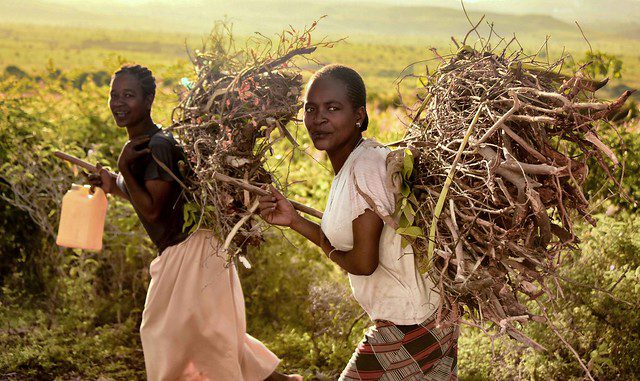
Women's Empowerment in Developing CountriesThe fight against global poverty starts by investing in women.
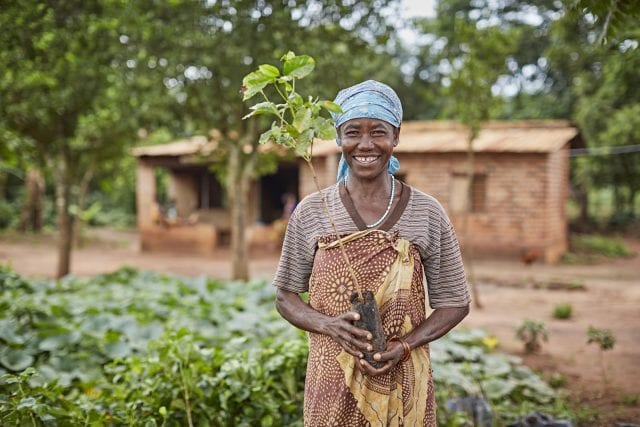
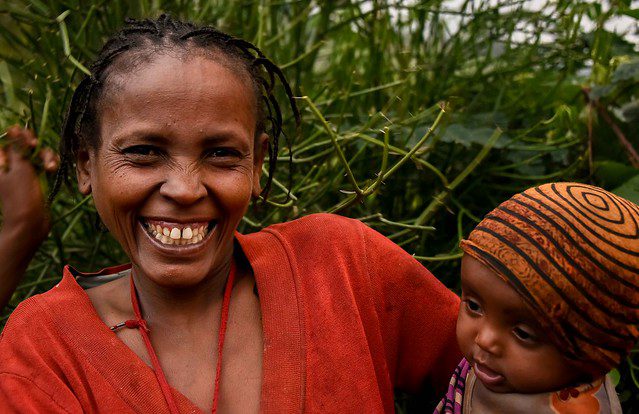
Under the Millennium Development Goals, the world has made progress toward gender equality and women’s empowerment through equal access to primary education. However, discrimination against women still happens in every part of the world.

Current statistics show only 24 percent of women sit in national parliaments internationally. Only 13 percent of women are agricultural landholders, and over 19 percent of women from ages 15 to 49 have experienced physical and sexual violence. If this is not enough reason to treat women as equals in developing nations, consider that women make up a disproportionate 70 percent of the world’s poor.

Interventions by the United Nations, World Bank and USAID are pushing women’s empowerment projects. However, more can be done. The health and education levels of women and girls in developing countries continue to trail behind men and boys due to a lack of investment.

Economic Opportunities for Women’s Empowerment in Developing Countries

One of the most important ways to promote peace and stability is to provide economic opportunities to empower women. Through economic partnerships between public and private sectors that enable women to be part of a nation’s growing economy, research has shown a ripple effect against poverty that will extend across families and societies.

According to the International Monetary Fund, Rwanda’s pro-women empowerment reforms after the 1994 genocide have contributed immensely to the country’s recent economic success. Between 2000 and 2015 average income in Rwanda more than doubled, outpacing the average development of sub-Saharan Africa. These reforms require a 30 percent quota for women in decision-making positions, including 24 out of 80 seats reserved for women in the Lower House of Parliament. Rwanda’s women parliament members are also focused on ensuring that their girls are being educated so that they are able to lead economically.

Educational Opportunities for Women’s Empowerment in Developing Countries

Empowerment aims to move persons from oppressed powerlessness to positions of power. Education is a vital component in empowering women in developing countries. Through the provision of confidence, knowledge and skills, women can rebuild impoverished communities. Studies by the World Bank have shown that across 18 of 20 countries with the highest levels of child marriage, girls have no access to education.

Educating adolescent girls about their rights has been a critical factor in increasing the age of marriage in developing countries such as Indonesia and Sri Lanka.

In Indonesia, the International Center for Research in Women has worked on making public spaces safer for women by creating women empowerment programs. The programs advocate for safer spaces and a workplace integrated with men and boys.

In Sri Lanka, the World Bank had been raising awareness to reduce the stigma of HIV and AIDS. Because of this, women can obtain the help that they need and decrease infant mortality associated with early child marriage.

Technological Opportunities for Women’s Empowerment

Worldwide, 200 million more men have internet access than women. Women are also 21 percent less likely to own a mobile phone, a key resource in developing countries where phones provide security, mobile health care and facilitate money transfers.

Technology has great potential in closing the gender gap and empowering women in developing countries. Educating girls in STEM and IT will help women and girls pursue opportunities in these fields. For instance, in Egypt, women have developed an application called HarrassMap. The application maps out areas of high sexual assault and allows women to feel secure within their communities.

Poverty Alleviation through Women Empowerment

By empowering women to participate in growth opportunities, developing countries will accelerate their economic and social development. Working women invest 90 percent of their earnings back to their families, leading to greater health and education for their children. This, in turn, creates a cycle that sustainably alleviates poverty.

– Monique Santoso
Photo: Flickr

June 27, 2019
https://borgenproject.org/wp-content/uploads/borgen-project-logo.svg 0 0 Kim Thelwell https://borgenproject.org/wp-content/uploads/borgen-project-logo.svg Kim Thelwell2019-06-27 13:20:512024-05-28 00:03:27Women’s Empowerment in Developing Countries
Advocacy, Global Poverty, Women, Women and Female Empowerment, Women's Empowerment

The Impact of the International Women’s Coffee Alliance

The International Women's Coffee Alliance
The International Women’s Coffee Alliance aims to empower women to achieve sustainable, meaningful lives through international coffee communities. IWCA recognizes the integral part women play in both a business and an economic aspect. As such, IWCA believes women need to be involved in both family sustainability and economic choices. When this happens, multiple aspects typically leading to poverty in a community decrease.

“When women are fully involved, the benefits can be seen immediately: families are healthier; they are better fed; their income, savings and reinvestment go up. And what is true of families is true of communities and, eventually, whole countries,” states Kofi Annan, as quoted on IWCA’s homepage.

Strong Women = Strong Coffee

IWCA’s motto is “Strong Women = Strong Coffee: Connect. Empower. Advance.”

According to IWCA chapter manager Blanca Castro, “The chapters have very localized issues that they centralize their work around to be a collective force. The common denominator for the groups is that they are all mothers, daughters and workers and share many of the same challenges around the world, not just specific to coffee, such as the price of coffee but the also laws and customs that make women earning a dignified living that much more of a challenge.”

Now how is the IWCA taking action to implement and empower women?

IWCA Ethiopia

Strong Partners Build Economic Empowerment

IWCA is involved in multiple parts of the world, including Ethiopia. The Ethiopian Women in Coffee (EWiC) partnered with the International Trade Center, which brings platforms for corporations to empower companies to connect with women-owned supply companies. As a result, the EWiC and ITC are working together to build a foundation for the same goal.

The EWiC is one branch under IWCA. It moves to improve the economy and the importance of women within a community. Through the incorporation of women in international trade, IWCA believes that poverty within Ethiopia will soon be alleviated.

IWCA Burundi

Working Together Grows Quality and Premiums

The IWCA also has a chapter in Burundi, specifically in the regions of Ngozi and Kayanza where they have seen a growing impact of empowering the women of this region. Since their start in Burundi in 2012, there has been an increase in job opportunities for the community. Moreover, this has led to improved livelihoods based on coffee bonuses and pay raises.

In Burundi alone, there has been an increase in green coffee bags. In 2012, 94 green coffee bags were produced, as compared to 2,065 green coffee bags in 2017.

WCA-India

Building Awareness, Strengthening Communities

Coffee Santhe (Coffee Market) is held annually in India’s coffee capital, Bangalore. Santhe is a program that helps raise funds for communities. It also unites different states within India’s massive demographic to come together and learn how they can impact and improve their communities.

Santhe generates funds and provisions for children who are in government-run schools in coffee regions. These funds and provisions support their education. It also teaches them how they can impact their own lives and those around them.

The IWCA has a presence in 22 different countries. And it promotes economic sustainability by empowering women to enter the workforce of international trade, specifically through the coffee industry. Ultimately, the International Women’s Coffee Alliance believes by uniting different nations and closing the gender gap in the workforce, the issues of global poverty will disperse.

– Hannah Vaughn
Photo: Google Images

June 21, 2019
https://borgenproject.org/wp-content/uploads/borgen-project-logo.svg 0 0 Kim Thelwell https://borgenproject.org/wp-content/uploads/borgen-project-logo.svg Kim Thelwell2019-06-21 04:13:522019-06-21 04:13:52The Impact of the International Women’s Coffee Alliance
Child Marriage, Global Poverty, Women's Empowerment, Women's Rights

Top 5 Women Activists in Developing Countries

Women Activists in Developing CountriesThere are many reasons for people around the world to use their voices and advocate for social equality. Here is a list of five women activists in developing countries.
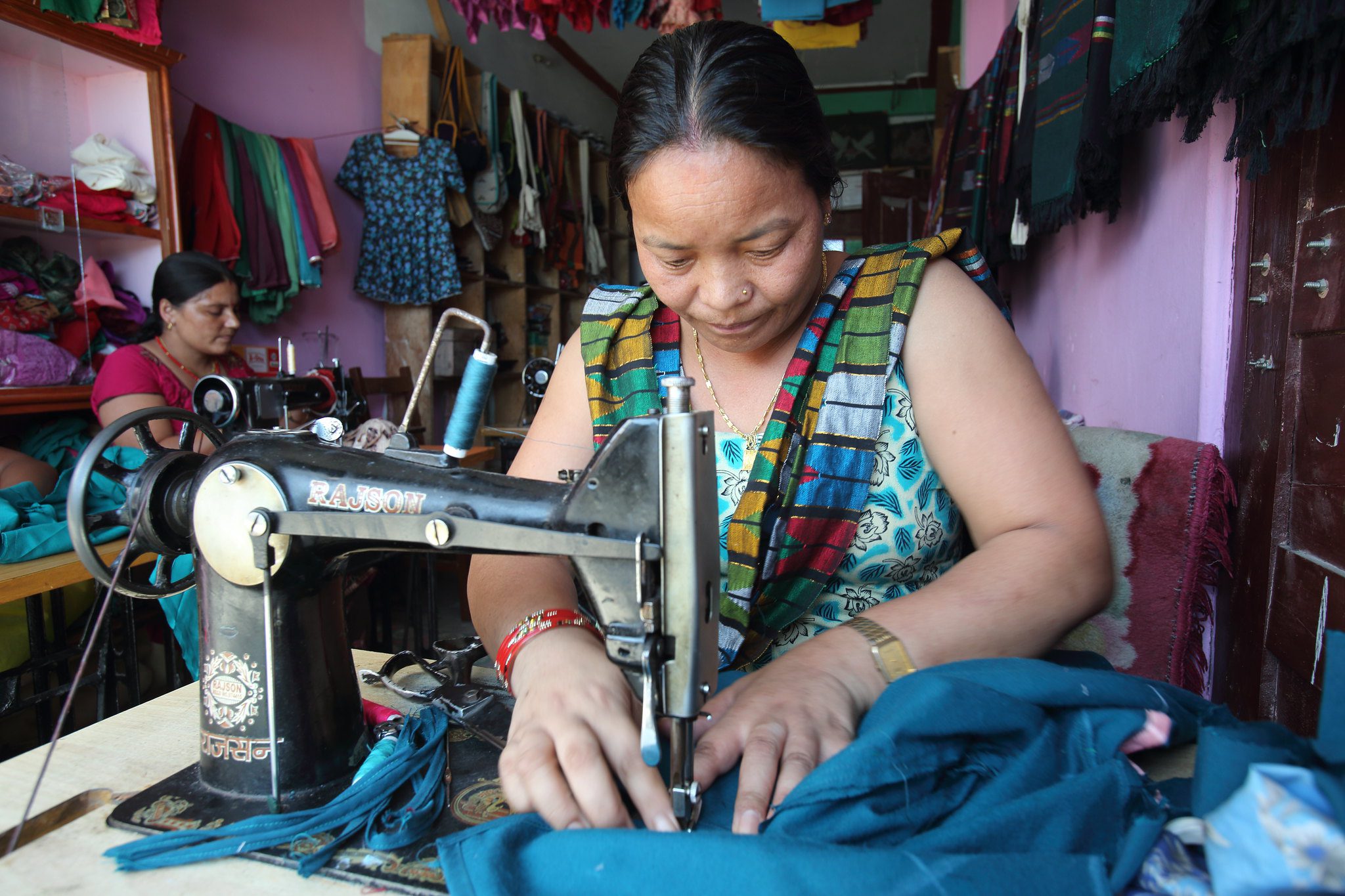
Top 5 Women Activists in Developing Countries

  1. Kriti Bharti
    The founder of the Girls Not Brides movement in Rajasthan, northern India, Kriti Bharti prevented over 900 child marriages. Kriti established the Saarthi Trust in 2011 to pull girls from forced child marriages and to educate them on their societal rights. Bharti is both a social activist and a rehabilitation psychologist. She set up rehabilitation programs for the girls released from child marriage.The Girls Not Brides movement has forums that provide food, shelter and water for girls banished from their families. The forums also include educating girls on their societal rights and providing them with life skills such as sowing. Twenty-seven percent of girls in India marry before the age of 18 resulting in India being the highest country with child brides. The Saarthi Trust was the first organization in India to annul a marriage and annulled 31 other child marriages since 2012.

    Poverty is a leading cause that resolves itself in child marriage. Usually, families marry off their young daughter to help alleviate finances; the younger the bride, the lower the dowry (a form of payment). Gender norms also play a key factor in child marriages. A girl is of lower value in general. Typically, females are not able to contribute to society because of this, leading their value to be held in household chores and motherhood. Moreover, a woman’s value is upheld in her benefitting her marital family more than her blood family. Thus, the family will usually educate their sons rather than their daughters.

    The South Asia Initiative to End Violence Against Children (SAIEVAC) takes local action against abuse towards children by providing shelter with food and water and by educating girls in jobs. The Sustainable Development Goals stated that India is striving to end child marriages and forced labor by the year 2030.

  2. Malala Yousafzai
    Malala is now a household name across the world. The youngest person awarded the Nobel Peace Prize in 2014; she now uses her voice and her story to speak for the women around the globe who could not. “I tell my story not because it is unique, but because it is the story of many girls,” Yousafzai said.After she spoke out against education oppression towards girls in 2012, a Taliban gunman shot Malala in the head in 2012. Then, she began the Malala Fund. The Malala Fund now reaches six different countries; Afghanistan, Brazil, India, Nigeria, Pakistan and Syria. In each country, it recruits female teachers and tries to bridge the gap between gender disparity in education. It also educates teachers and students on gender discrimination, teaches girls how to speak about their rights, gives free secondary schooling and campaigns for new policies advocating for girls’ education. The goal of Malala’s Fund is to give girls “12 years of free, safe, quality education.”
  3. Holida, Suci and Ria
    The Yes I Do project of Indonesia began with three girls advocating against child marriage in their village and country. Holida, Suci, both 18, and Ria, 16, advocated that the abuse’s of child marriage is everyone’s responsibility to end. The Yes I Do project strives to prevent child abuse and forced sexual acts due to the selling of young girls into marriage. The project exposes the effects that sexual abuse has and the ways it affects reproductive health.Through village forums and discussions, the girls highlighted with their fellow neighbors that they have the same rights as boys do. Through their voices, child marriage cannot go unnoticed. Now, when a girl is forced or marries young, people talk about it. This gives fire to Holida, Suci and Ria’s campaign. The girls plan on making a movie to take to other villages around their own. “We want everyone to know why child marriage is wrong so that girls everywhere can achieve their dreams,” Suci said.
  4. Manal al-Sharif
    Manal al-Sharif, an Iraqi woman, co-founded the Women to Drive movement bringing awareness to the oppression of women’s rights in Saudi Arabia and bringing back the ability for women to drive. In 1957, Saudi Arabia decreed that women could no longer drive. In 1990, a large protest took place where 47 women drove around the country’s capital. Over 20 years later, in 2011, Manal al-Sharif started the Facebook campaign called Women to Drive to spread awareness of their oppression.Later that same year, al-Sharif and fellow co-founder, Wajeha al-Huwaider, recorded a video of themselves driving and speaking out against the difficulty of being a woman and commuting. In June 2018, King Salman issued a decree that Saudi women could obtain a driver’s license. Al-Sharif and the women advocating for years for freedom for their gender are making progress. Since the summer of 2018, women can take to the road, something they were not able to do for 62 years.
  5. Zahra’ Langhi
    The Lybian Women’s Platform for Peace (LWPP) is an organization that puts pressure on the government to give opportunities to women to uphold sociopolitical places within government and society. Zahra’ Langhi is a co-founder and feminist activist who started speaking out in 2011 when Muammar Gaddafi’s reign ended after decades of abusing his power over the country. The leading effects after the uprising resulted in 35 women joining together to form LWPP. The state of Libya is dangerous and unbalanced, especially for women advocating to eliminate corruption in politics. Langhi never gave up her voice and continues to speak for compassion and understanding to infiltrate her country. “We need to start acting as agents of compassion and mercy. We need to develop a feminine discourse that not only honors but also implements mercy instead of revenge, collaboration instead of competition, inclusion instead of exclusion,” Langhi said.

These five women activists in developing countries spread their knowledge to their fellow neighbors and friends. From halfway across the globe, people Western countries can stand next to these women activists in developing countries and let them know they have support.

– Hannah Vaughn
Photo: Flickr

June 21, 2019
https://borgenproject.org/wp-content/uploads/borgen-project-logo.svg 0 0 Kim Thelwell https://borgenproject.org/wp-content/uploads/borgen-project-logo.svg Kim Thelwell2019-06-21 01:30:072024-05-29 23:00:17Top 5 Women Activists in Developing Countries
Developing Countries, Global Poverty, Women, Women and Female Empowerment, Women's Empowerment

5 Examples of Social Entrepreneurship in Developing Countries

Social Entrepreneurship in Developing CountriesToday, social entrepreneurship is growing rapidly in size, scope and support. An unprecedented number of organizations are using entrepreneurship as a strategy to address social problems like poverty, at-risk youth and hunger. Social entrepreneurs are developing creative and innovative organizations that give people the tools, education and resources to become an entrepreneur. As entrepreneurs, they can serve their own communities, improving health, decreasing hunger, creating safer environments and accessing clean water. Here are five organizations using social entrepreneurship to help create jobs in developing countries.
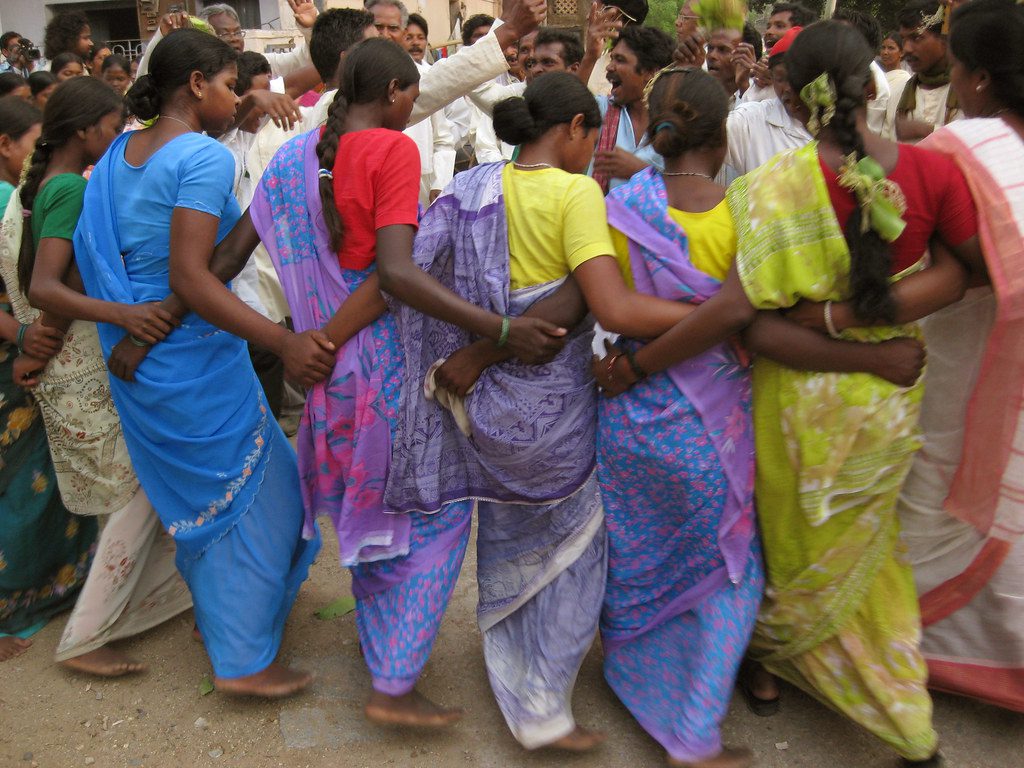
5 Examples of Social Entrepreneurship in Developing Countries

  1. The Adventure Project
    The Adventure Project works in developing countries seeking out partnerships with organizations creating jobs for their communities. Some organizations include KickStart, LifeLine, Living Goods, Water for People, and WaterAid. The organization chooses partners based on their measurable social impact, a proven track record of success, and readiness to scale. Since its inception, the Adventure Project has empowered 798 people to find a job. This has led to thriving local economies, improved environmental conditions and even reduced mortality rates. In Kenya, cooking over an open fire posed a huge health risk to both people and the environment. Now, stoves are made and sold locally. Masons create stoves and vendors earn commissions for their sales. And because they’re using 50 percent less charcoal, families are saving 20 percent of daily expenses. In other countries, villagers have been trained as health care agents, selling more than 60 products at affordable prices. These health care agents also care for more than 800 people in their communities.
  2. Indego Africa
    Indego Africa is a nonprofit social enterprise that supports women in Rwanda through economic empowerment and education. This enterprise aims to break intergenerational cycles of poverty. To do so, Indego Africa provides female artisans with the tools and support necessary to become independent businesswomen and drive local development.Partnering with 18 cooperatives of female artisans, Indego Africa sells handcrafted products through an e-commerce site, collaborations with designers and brands and at boutiques worldwide. To develop their entrepreneurial skills, Indego Africa provides artisans with training in quality control, design and product management. Indego currently employs over 600 women, 58 percent of whom make over $2 a day. According to the World Bank, $2 a day marks the entry point into Africa’s growing middle class.
  3. Mercardo Global
    Mercardo Global is a social enterprise organization that links indigenous artisans in rural Latin American communities to international sales opportunities. As a result, this organization helps provide sustainable income-earning opportunities, access to business training and community-based education programs. Mercado Global also increases access to microloans for technology, such as sewing machines and floor looms. Mercado Global believes income alone cannot solve long-term problems. Therefore, the organization focuses on both business education and leadership training. In doing so, Mercado Global enables artisans to address systemic problems within their communities. Artisans are given microloans, ideally to purchase equipment that allows them to work more efficiently. They then pay back their loans, allowing another artisan to attain one. Forty-four percent of Mercado Global entrepreneurs held a leadership position within their cooperatives in the last three years. Ninety-six percent participate in the finances of their households. And 77 percent of women voted in their last community election.
  4. Solar Sister
    Everyone should have access to clean energy. And the team behind Solar Sister believes women are a key part of the solution to the clean energy challenge. In sub-Saharan Africa, more than 600 million people have no access to electricity. Moreover, more than 700 million must rely on harmful fuels. However, women bear the majority burden of this energy poverty and disproportionately shoulder the harmful effects. In order to address this issue and create more equity around clean energy and economic opportunities, Solar Sister invests in women’s enterprises in off-grid communities. By doing so, the Solar Sister team builds networks of women entrepreneurs. Women are first given access to clean, renewable energy. Then, they participate in a direct sales network to build sustainable businesses. Centering local women in a rapidly growing clean energy sector is essential to eradicating poverty. This allows helps achieve sustainable solutions to climate change and a host of development issues. Evidence shows the income of self-employed rural women with access to energy is more than double the income of those without access to energy. For rural female wage or salary workers, access to energy is correlated with 59 percent higher wages. Solar Sister is currently helping over 1,200 entrepreneurs. The team is also partnering with Global Alliance for Clean Cookstoves, Sustainable Energy for All, U.N. Women and Women in Solar Energy.
  5. United Prosperity
    United Prosperity is a nonprofit organization providing an online lending platform connecting lenders to poor entrepreneurs across the globe. A Kiva-like peer-to-peer loaning system allows anyone with spare cash to guarantee loans to entrepreneurs in need. Lenders select the entrepreneur they want to support and lend any amount they wish. United Prosperity then consolidates the loan amount and passes it on to the entrepreneur through a local bank. For every $1 given by the lender, the bank makes a nearly $2 loan to the entrepreneur through a partner Microfinance Institution (MFI). Once a loan or a loan guarantee has been made, the entrepreneur’s progress is tracked online. When loans are repaid, lenders get their money back. They then have the opportunity to recycle it by lending or guaranteeing the loan to another entrepreneur. These microloans aim to help entrepreneurs, mostly women, grow their small businesses. United Prosperity has transferred more than $280,000 in loans to 1,300 entrepreneurs. Moreover, MFI helps build entrepreneurs’ credit history with local banking systems, thus encouraging more banks to lend to them.

These organizations are wonderful examples of how social enterprises have effectively empowered locals in the social entrepreneurship space. Through innovation, investment in local resources and talent, and measurement practices, these organizations have helped social entrepreneurs around the world to scale and grow. In doing so, they also address social problems like poverty, at-risk youth and hunger in their community. The results have been improved health, increased economic opportunities, safer environments and increased access to clean water and energy.

– Leroy Adams
Photo: Flickr

June 19, 2019
https://borgenproject.org/wp-content/uploads/borgen-project-logo.svg 0 0 Kim Thelwell https://borgenproject.org/wp-content/uploads/borgen-project-logo.svg Kim Thelwell2019-06-19 08:26:582024-05-29 23:00:255 Examples of Social Entrepreneurship in Developing Countries
Global Poverty, Women's Empowerment

5 Organizations that Help Impoverished Women

Five Organizations that Help Impoverished WomenPoverty affects people all over the world. However, women have a more difficult time overcoming poverty due to gender inequality. Subsequently, they face injustice, financial dependence, poor education and violence. Here are five organizations that help impoverished women across the globe.
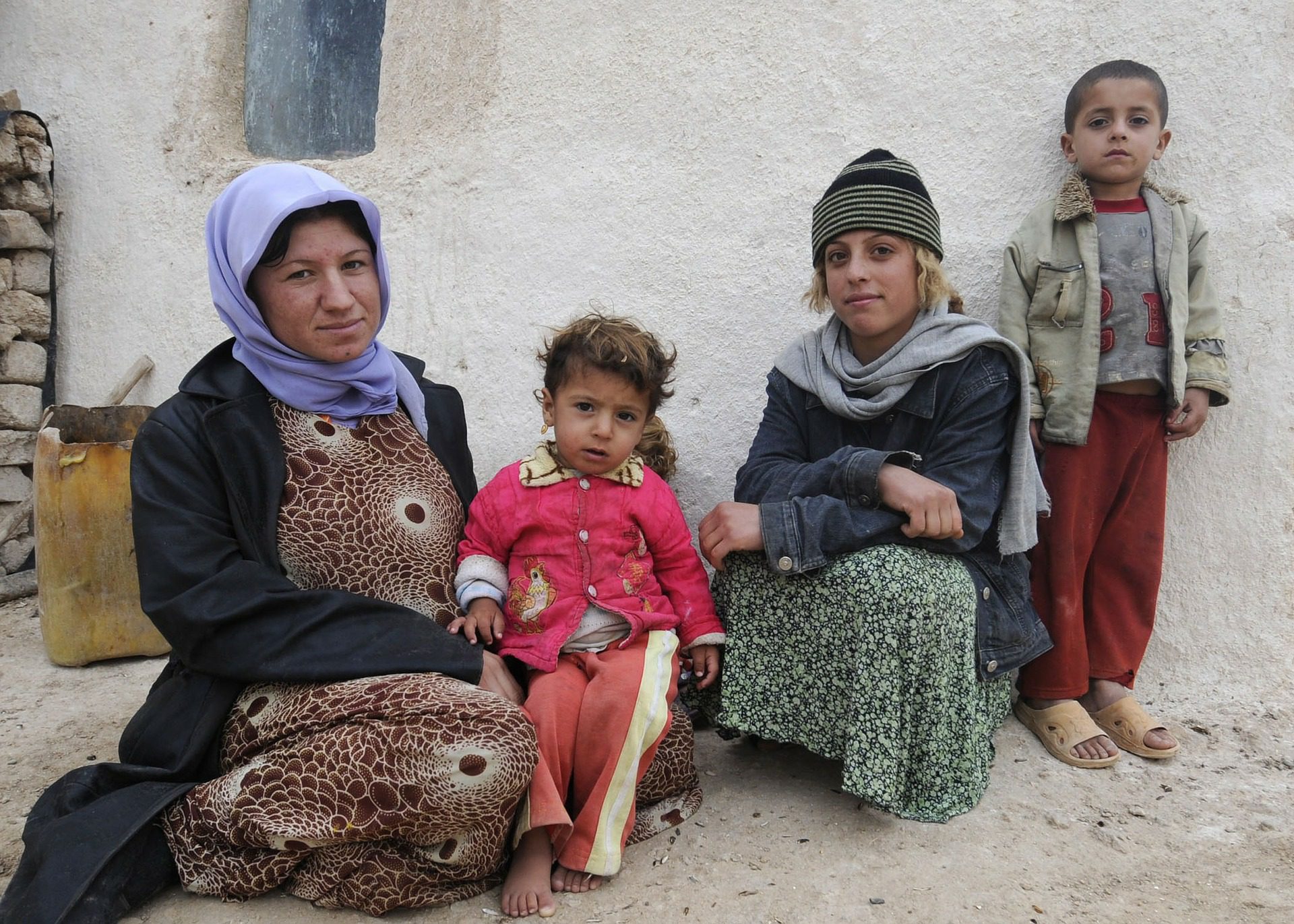
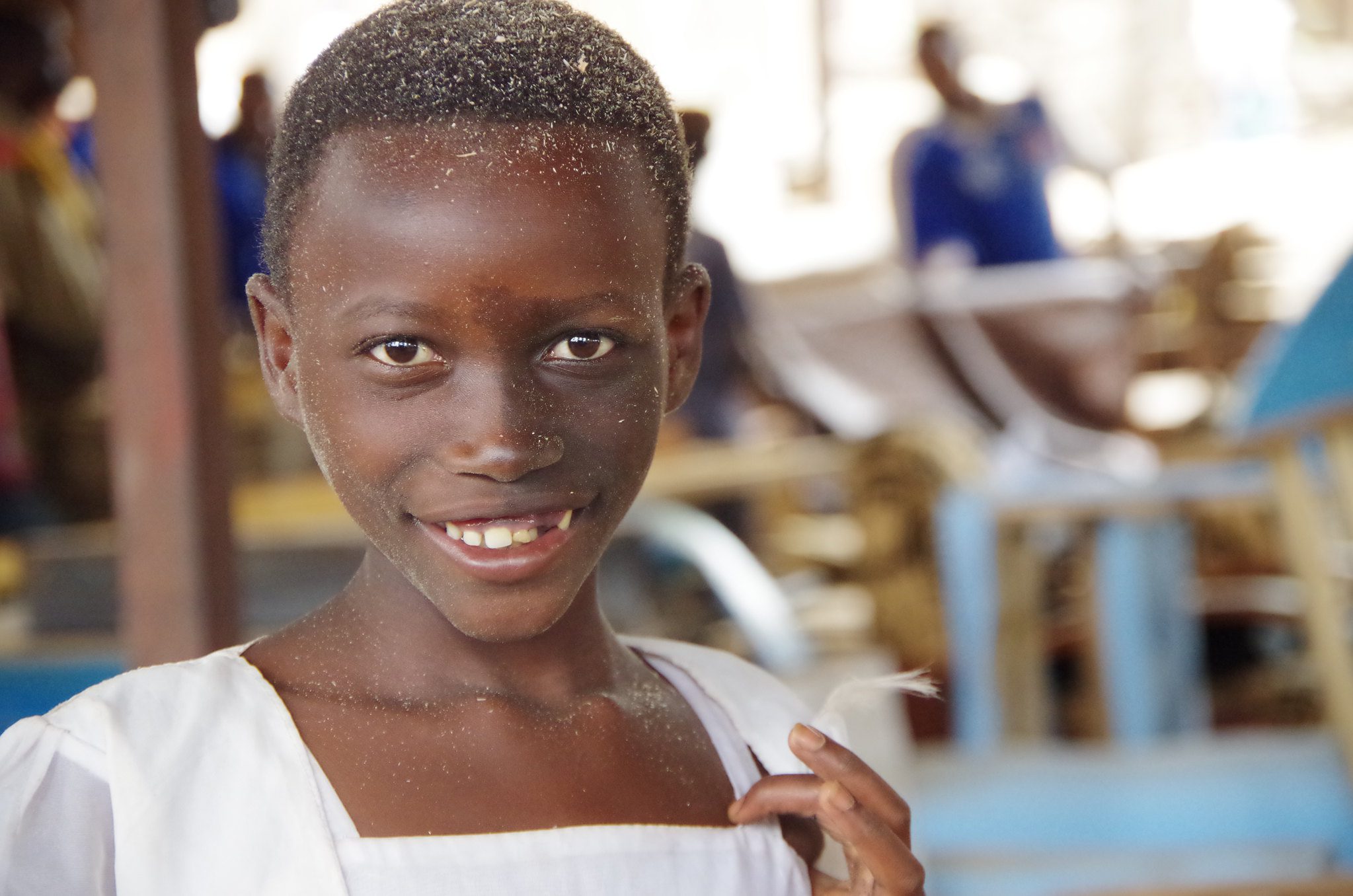
5 Organizations that Help Impoverished Women

  1. Women’s Global Empowerment Fund
    This organization develops plans to reduce poverty and the marginalization of women. For example, Credit Plus is a program that teaches women how to microfinance. For instance, how to save money or how to repay loans. WGEF provides women with credit that may otherwise not be accessible to them. WGEF also provides women with literacy programs, leadership development programs, agriculture training programs and more.
  2. School Girls Unite
    This organization believes education is key in providing women with the tools they need to gain access to independence and opportunities. The nonprofit, volunteer-run, U.S. organization works in Mali. This is because the country has one of the highest percentages of girls not in school in the world. Furthermore, 55 percent of girls in Mali are married before the age of 16.
  3. Pathfinder International
    Pathfinder campaigns for women’s sexual and reproductive health rights in 20 countries. They provide women resources for family planning; STD information and care; maternal health and more.
  4. Dress for Success
    This nonprofit works to help women achieve economic freedom by giving support, professional attire and developmental tools. Dress for Success has helped more than 1 million women become self-sufficient. The organization works in 29 different countries, providing women with the resources and attire needed to secure professional jobs.
  5. Madre
    The organization fights for feminist futures by working toward ending violence against women. Additionally, the organization is dedicated to helping women recover from war. Madre has built clinics and counseling centers for women, children and LGBTQ people who have been victims of gender violence. For example, Madre partnered with Taller de Vida to provide art therapy to help girls who have experienced trauma as a result of rape during war in Columbia.

Why This Matters

With poverty as a contributing factor, women all over the globe experience a lack of independence, education, freedoms and opportunities. These five organizations that help impoverished women work to improve the lives of women all over the globe. Though many women have been helped, there’s still a long way to go in defeating gender inequality and achieving women’s rights globally.

– Jodie Filenius
Photo: Flickr

June 18, 2019
https://borgenproject.org/wp-content/uploads/borgen-project-logo.svg 0 0 Kim Thelwell https://borgenproject.org/wp-content/uploads/borgen-project-logo.svg Kim Thelwell2019-06-18 01:30:342019-06-21 06:09:385 Organizations that Help Impoverished Women
Global Poverty, Politics, Women and Female Empowerment, Women's Empowerment, Women's Rights

Justice for Iraqi Women

Justice for Iraqi Women

The status and protection of women remain a heated topic of discussion in international and national committees, particularly concerning justice for Iraqi women. Iraq‘s government is aware of the violations committed by its previous regime against certain civil community groups. As a result, Iraq’s government has strived to drastically change how they aid and support victimized and often impoverished groups. However, Iraq‘s strategy to reconcile these issues is unique. For example, China encourages its impoverished population to move to urbanized cities, and the United Kingdom encourages participation in its labor market. But Iraq seeks to acknowledge the voices of the victims.

In 2003, Iraq‘s government and the International Center for Transitional Justice partnered with the Human Rights Center of the University of California, Berkeley to create Iraqi Voices. Iraqi Voices is a report based on data collected from in-depth interviews and focus groups. This data represents different perspectives of the Iraqi population regarding transitional justice. There are seven main topics of focus represented in this report: past human rights abuses, justice and accountability, truth-seeking and remembrance, amnesty, vetting, reparations, and social reconstruction and reconciliation.

Hearing Women

Iraq is working to have women and girls meaningfully participate in all stages of decision making. Programs and organizations like the SEED Foundation have worked to ensure this justice for Iraqi women. In particular, the SEED Foundation works to empower and engage the voices of violence and trafficking victims in Iraq. As such, SEED Foundation leaders and activists encourage the meaningful participation of women in sustainable peace negotiations and conflict reconciliation. Through their efforts, the Iraqi Parliament now has a quota setting aside 25 percent of seats for women in provincial councils. By acknowledging these voices, the Iraqi government is helping seek justice for Iraqi women.

Moreover, Iraq has taken strides to bridge the gap between policymakers and victims when addressing the needs of local communities affected by ISIS. To do so, Iraq is considering partnering with or accepting assistance from other nations. While international policymakers seek justice for Iraqi victims, they fail to address the real concerns of affected communities. Instead, they often focus on prosecuting the perpetrators. But affected communities also have more immediate needs. Therefore, this partnership and assistance allow victims of affected communities to participate in prioritizing and creating appropriate policies. Efforts to ensure meaningful participation in Iraq‘s government thus bring about transitional justice. By addressing systemic failures, Iraq’s government brings justice to marginalized victims, including justice for Iraqi women.

Bringing Change

Ultimately, the changes implemented by the Iraqi government aid and empower impoverished and victimized groups, such as women. The inclusion of female voices in politics influences larger discussions affecting women and, as seen as Iraq, helps get justice for Iraqi women.

– Jordan Melinda Washington
Photo: Pixabay

June 15, 2019
https://borgenproject.org/wp-content/uploads/borgen-project-logo.svg 0 0 Kim Thelwell https://borgenproject.org/wp-content/uploads/borgen-project-logo.svg Kim Thelwell2019-06-15 12:07:102019-12-17 08:31:00Justice for Iraqi Women
Global Poverty, Women, Women and Female Empowerment, Women's Empowerment

Five Resilient Women in Rwanda

Five Resilient Women in RwandaOctober 1990 ushered in a period of war, death and devastation in Rwanda. Civil war ravaged the country and ultimately culminated in the 1994 genocide of 500,000 to 1 million people in a period of a little over three months.

Only 25 years since the Rwandan Genocide, many women in Rwanda are still recovering from loss, hardship and trauma. Militants raped between 250,000 to 500,000 women during the genocide and many who survived lost friends, family and community. Determined to raise up their communities after a period of national devastation, here are five resilient women in Rwanda who inspire and create change for the present and the future of Rwanda.

Five Resilient Women in Rwanda

  1. Christelle Kwizera
    Christelle Kwizera graduated magna cum laude from Oklahoma Christian University, where she researched purifying water via ozone. Now Christelle is the managing director of Water Access Rwanda, whose mission is to provide clean, affordable and reliable water sources to combat water security. Operating since 2014, Water Access Rwanda provided access to clean water to more than 132,000 people, schools, businesses and farms throughout not only Rwanda but also within the Democratic Republic of Congo, Burundi and Uganda.
  2. Elise Rida Musomandera
    Elise Rida Musomandera lost both of her parents at an early age. This dramatically shaped her life and fed her determination to combat hunger, empower women and youth and support survivors of genocide and individuals with AIDS. In 2014, Elise founded Isano Women and Youth Empowerment. Elise is the CEO of her nonprofit organization and leads the fight against poverty, promotes peace, protects the environment and empowers others through education.
  3. Safi Umukundwa
    At only 8 years old, Safi Umukundwa became a survivor and orphan of genocide. On account of her resiliency and dedication, she excelled in secondary school. She ultimately received funding for university education and inspired the name of the nonprofit, Safi Life, where she serves as the county director of Rwanda. Safi Life works to promote female advancement in Africa through awarding university scholarships and funding education for women, which additionally combats domestic abuse and poverty. As a result, Safi works to build up and inspire the next generation of strong and resilient women in Rwanda.
  4. Salaama Numukobwa
    Salaama Numukobwa is a mother, activist and inspiration. Since 2011, she served her community through volunteer work. Salaama is now the community facilitator of Mind Leaps in Rwanda. Mind Leaps is a nonprofit organization that works with vulnerable and at-risk youth through dance, increasing cognitive and social-emotional development. Seventy percent of students who completed Mind Leaps’ dance program in Rwanda performed within the top 20 percent of their classes in 2017.
  5. Solange Impanoyimana
    Solange Impanoyimana was only 11 years old when the Rwandan genocide left her to provide for herself. Committed to furthering her education, she achieved her bachelor’s degree and went on to co-found Resonate. Resonate is a nonprofit that provides girls and women leadership workshops to cultivate skills and increase confidence through storytelling, professional development and action leadership programs. In 2017, 36 percent of participants started businesses, 60 percent fill leadership roles and 43 percent have secured employment, promotions or academic opportunities.

Only a quarter-decade after the dark stain of hatred and genocide affected Rwanda, Christelle, Elise, Safi, Salaama and Solange shine their light on the future of their country. These courageous women are the epitome of strength and represent millions of resilient women in Rwanda.

– Keeley Griego
Photo: Flickr

May 15, 2019
https://borgenproject.org/wp-content/uploads/borgen-project-logo.svg 0 0 Kim Thelwell https://borgenproject.org/wp-content/uploads/borgen-project-logo.svg Kim Thelwell2019-05-15 05:23:302024-06-06 00:15:32Five Resilient Women in Rwanda
Global Poverty, Water, Women & Children, Women's Empowerment

Women and Water: Cornerstones of Developing Communities

Women and WaterOver 600 million people struggle to access clean water for drinking and sanitation worldwide. While for many this is a communal problem, the burden of finding and collecting water often falls onto women. In developing nations, gender inequality becomes apparent when observing water management within communities. Women are responsible for this vital resource, yet often excluded from larger water management decisions. Engaging women in community water management solutions empowers them and establishes greater equity in developing communities.

The Burden of Water

Women and children bear the majority of the burden when it comes to water collection. Every day, they collectively spend almost 200 million hours locating and obtaining water for their communities. Over 50 million more hours are spent searching for sanitary places to relieve themselves. Hours devoted to collecting water take away time from education, employment and family. Additionally, in some areas, water scarcity is so severe that women have to settle for dirty and contaminated water for drinking, cooking and cleaning, exposing them to water-borne diseases and parasites.

Providing sources of clean water and sanitation to women in developing nations has the potential to do much more than reducing health risks. The hours women and children reclaim when they get access to clean water in their homes or villages can instead be used to pursue higher education, start small businesses or even grow food for their families. One study conducted by UNICEF in Tanzania found that cutting down the time needed for collecting water from 30 minutes to 15 increased rates of girls attending school by over 10 percent. However, since women are rarely actively included in the process of supplying and financing water management solutions, their perspectives are not addressed in the long run.

Access to Clean Water’s Impact on Women

When women get the opportunity to elevate their responsibility for water beyond collection and into management, their potential can blossom. Water.org features stories of the impact access to clean water can make on the lives of women. In India, they found that women are often forced to collect water from outside their communities due to a lack of funds for installing water taps near their homes.

This inspired the creation of WaterCredit, a service providing affordable, short-term loans going towards constructing taps that offer long-term access to clean water in developing communities. Women like Manjula make up nearly 90 percent of borrowers, reducing the need to travel so far outside their communities to obtain water. This gives them the time and energy needed to manage personal businesses, which earn enough income to easily repay the loan from WaterCredit. Water.org reports that WaterCredit provided around 4.6 million loans, amassing a total value of 1.7 billion dollars, demonstrating what a feasible and impactful solution this service offers.

–Emmitt Kussrow
Photo: Flickr

May 1, 2019
https://borgenproject.org/wp-content/uploads/borgen-project-logo.svg 0 0 Kim Thelwell https://borgenproject.org/wp-content/uploads/borgen-project-logo.svg Kim Thelwell2019-05-01 10:07:012019-07-24 08:55:03Women and Water: Cornerstones of Developing Communities
Activism, Global Poverty, Water Sanitation, Women's Empowerment, Women's Rights

The 10 Best Humanitarian Quotes by Meghan Markle

Meghan MarkleMeghan Markle, now known as the Duchess of Sussex, began humanitarian work long before she joined the royal family. When she was 11 years old, she was so struck by a clearly sexist ad for dish soap that was targeting women, she wrote a letter to elected officials, to which she received a written response from Hillary Clinton. She has famously cited this story in her speech at the U.N. Women gathering in 2015 as the starting point to her activism. She utilized the fame she garnered from starring on the popular USA Network TV show “Suits” to increase her humanitarian efforts.

Since becoming Duchess of Sussex, she has traveled throughout the Commonwealth discussing humanitarian issues that affect the countries the royals represent. Here are the 10 best humanitarian quotes by Meghan Markle, Dutchess of Sussex.

The 10 Best Humanitarian Quotes by Meghan Markle

  1. “One hundred and thirteen million adolescent girls between the ages of 12-14 in India alone are at risk of dropping out of school because of the stigma surrounding menstrual health […] these factors perpetuate the cycle of poverty and stunt a young girl’s dream for a more prolific future.” In her 2016 visit to Delhi and Mumbai, India, Markle was prompted to write an open letter, featured in Time magazine, calling for action against menstrual stigmas that keep Indian girls from school and from being equal participants in society.
  2. “I think there’s a misconception that access to clean water is just about clean drinking water. Access to clean water in a community keeps young girls in school because they aren’t walking hours each day to source water for their families. It allows women to invest in their own businesses and community. It promotes grassroots leadership, and, of course, it reinforces the health and wellness of children and adults. Every single piece of it is so interconnected, and clean water, this one life source, is the key to it all.” Also in 2016, Markle traveled to Rwanda as a global ambassador with World Vision, a humanitarian agency who seeks to impact the lives of young children by eliminating the root causes of poverty. It is one of the largest international charity organizations for children.
  3. “Women’s suffrage is about feminism, but feminism is about fairness.” In celebration of the 125 year anniversary of women’s suffrage in New Zealand in late 2018, Markle gave a speech about feminism. New Zealand was the first country in the world to grant women’s suffrage. In her speech she also quoted suffragette Kate Sheppard, reiterating that “All that separates, whether race, class, creed or sex, is inhuman and must be overcome.”
  4. “Women don’t need to find their voice, they need to be empowered to use it and people need to be urged to listen.” In February 2018, in her first public appearance alongside Prince Harry, Kate and Prince William, Markle voiced her support of the #MeToo and Time’s Up movements, which focus on eliminating sexual misconduct against all people and supporting victims of assault while promoting gender equality across all industries.
  5. “Don’t give it five minutes if you’re not going to give it five years.” When delivering the keynote speech at the Create & Cultivate Conference in 2016, Markle brought to light the importance of prioritizing and making commitments. She demonstrated the importance of utilizing skills for long-term solutions and goals and to focus attention and energy only on things that can be cultivated and maintained in the long run. She also emphasized pursuing passions and planning on working towards it for years to come.
  6. “We just need to be kinder to ourselves. If we treated ourselves the way we treated our best friend, can you imagine how much better off we would be? … Yes, you can have questions and self-doubt, that’s going to come up, that’s human.” Markle puts the “human” in humanitarian. She shows it is important not only to show up for others but to show up for yourself in order to make a lasting impact and to be able to maintain your best self in the process.
  7. “With fame comes opportunity, but it also includes responsibility – to advocate and share, to focus less on glass slippers and more on pushing through glass ceilings. And, if I’m lucky enough, to inspire.” In an interview with Elle Magazine, Markle talked about the things that inspired her when she was young and her experiences going from working on a TV series to helping in Rwanda.
  8. “Everyone should be afforded the opportunity to receive the education they want, but more importantly the education they have the right to receive.” In October 2018 in Fiji, Markle gave a speech on the importance of women’s education and cited the ways scholarships and financial aid funded her education and how worthwhile it was for her as an adult.
  9. “Because when girls are given the right tools to succeed, they can create incredible futures, not only for themselves but also for those around them.” The trip to Fiji and Markle’s speech were used to announce two grants that were awarded to Fiji National University and the University of the South Pacific to provide workshops for the women faculty at the universities to allow more women to be a part of decision-making at the schools.
  10. “I am proud to be a woman and a feminist.” Markle began her speech at the U.N. on International Women’s Day 2015 with this line. It was the same speech where she told the story of her 11-year-old self prompting advertisers to change their sexist dish soap advertisement.

Meghan Markle started her activism at the early age of 11 and didn’t look back. Her career as a successful actress gave her the platform to share her causes with the rest of the world. Clearly, the Duchess of Sussex has been a humanitarian long before being thrust into the global stage, and the top 10 best humanitarian quotes by Meghan Markle prove it.

– Ava Gambero

Photo: Mark Tantrum

April 28, 2019
https://borgenproject.org/wp-content/uploads/borgen-project-logo.svg 0 0 Kim Thelwell https://borgenproject.org/wp-content/uploads/borgen-project-logo.svg Kim Thelwell2019-04-28 01:30:492024-12-13 18:01:45The 10 Best Humanitarian Quotes by Meghan Markle
Global Poverty, Women's Empowerment

Mann Deshi Bank is Changing Lives in Rural India

Mann Deshi Bank is Changing Lives
A time-tested way out of the poverty cycle is starting a small business. Talent and hard work, when supported by capital investment, can build a business, bringing an idea to life. Today, rural micro-credit institutions like Mann Deshi Bank are changing lives by doing this as the next chapter of the small entrepreneurship revolution story is underway.

The Foundation

Chetna Gala Sinha, the founder of the Mann Deshi Bank, started the bank in 1996 with a determined team of a few rural illiterate neighborhood women. It all started when Chetna’s friend and neighbor, Kantabai, came to her for some friendly advice.

Kantabai wanted to open a savings account to make a daily deposit of 10 rupees (less than 15 cents), but the Bank would not open her account as the amount was too small. According to a recent World Bank report, India has around 224 million people living under the poverty line of $1.90 a day; there are millions of women facing the same predicament.

Unfazed by hurdles, Chetna and her friends decided to take matters in their own hands. After months of persistent effort, they were able to obtain a banking license from the Reserve Bank of India. They started Mann Deshi Mahila Sehkari Bank, the first cooperative bank in India solely run and owned by rural women.

There are numerous rural banks in India today that bolster the growth of small-scale businesses and first-time business owners through micro-loans, loans that are only a fraction of a traditional loan amount at maybe $25 or less. What makes Mann Deshi Bank unique, though, is the extra mile it goes. It builds community and long-term support helping customers along the tumultuous journey of a small-scale woman entrepreneur.

Support Group

Mann Deshi Bank started in Mhaswad, a drought-prone village in the state of Maharashtra, India. Today, the bank has branches at six different locations within the state. When a customer borrows money from any of the bank branches, she comes in contact with a family of female entrepreneurs. These individuals face similar socio-economic hurdles in their entrepreneurship journey including the facts that:

  • They are women who are traditionally dependent on male family members for money.
  • They live in small villages.
  • They save small amounts of money on an everyday basis.
  • They want to start a business.

Workshops, classroom lessons and annual cultural events give a sense of belonging to women entrepreneurs by regularly discussing motivational success stories, offering them customized advisory services and providing a place to network. Together they build a community that engages small business owners, providing them strong emotional and social support essential for successful entrepreneurship. Sugrabi Mulani, one of the beneficiaries of the Bank says, “Mann Deshi’s financial management training was very helpful and the bank also gave me several loans to expand my business. But most of all, I met so many women and I knew I was not alone.”

Financial Literacy

Most customers of Mann Deshi Bank have never been to school. Many of them run businesses that survive on daily or weekly income. To help them overcome everyday challenges, Mann Deshi Bank is changing lives by offering short-term vocational training courses in sewing, basic computers and cattle breeding, etc. In addition, business development workshops that the Bank offers helps new entrepreneurs understand key aspects of running a profitable business, such as:

  • The ratio of profit and investment.
  • The importance of insurance.
  • The significance of marketing.
  • Inventory management among others.

On average, trainees report a 25 percent increase in average annual income which includes 35 percent of women who expanded their business through weekly/regional markets.

In 2006, Mann Deshi Bank established Mann Deshi Business School for Rural Women and designed an affordable year-long MBA program in collaboration with CRISIL and National Payments Corporation. Students can leverage this program to learn essential skills related to marketing, expansion and management of a business. To date, 40,000 women have participated in various programs that the Bank and its schools run.

One of these women is Kavita Bhivre. Kavita participated in one of the Business Development Workshops offered by the Bank. After learning the basics of profit and loan, she went on to pursue her MBA that Mann Deshi Bank Business School offered. Employing her newly earned skills and a small loan from the bank, she opened a bangle shop and successfully turned herself from a stay-at-home mom into a businesswoman. Today, she is not only financially independent but also supports her family. Like her, 67 percent of women have started earning an income after graduating from the specially designed MBA program.

Sports Tournaments

Sports can act as a lever to uplift a whole family from poverty in a single lifetime. A state-level player can easily afford a house, electricity, clean water and education for children. However, less than 2 percent of girls participate in sports in Maharashtra. The bank took the initiative to organize open-house sporting events under the scheme called Mann Deshi Champions. The initiative serves two important purposes including to:

  1. Nourish physical and mental well-being.
  2. Promote sports as a viable career option in drought-prone villages.

In 2010, when the tournament started, 500 children participated in various racing competitions. Over the course of nine years, 4,000 children have benefitted from such events. Every year, hundreds of school-going children between the age of 10 and 16 go to the tournament grounds to participate in sporting events like wrestling, long jump and marathon running.

Under the program, children receive sports training sessions under the guidance of qualified sports coaches. Moreover, prospective outstanding athletes garner specialized professional training.

Young girls like Vaishnavi Sawant, Reshma Kewate and Poonam Kalel, who received training through initiatives of Mann Deshi and went on to win medals at a Northern Virginia regional competition in 2017, inspire the Champions. They hope to play in the Olympics and win medals for their country one day.

The Impact

Mann Deshi Bank is changing lives and has become a way of life for thousands of people. What started as a microfinance bank 30 years ago, is now a reliable partner in growth for women who want to earn a livelihood or financially support their families. With $13 million in deposits spread across 90,000 women account holders, Mann Deshi has become a force to reckon with. The Bank also broadcasts a community radio which has 150,000 listeners spread across 110 villages within a 50 km radius. The radio programs consistently encourage women to start their own business. Last year, with six other peers, Chetna Sinha, the Chairman and Founder of Mann Deshi Bank, chaired the 48th Annual Meeting of World Economic Forum in Switzerland.

– Himja Sethi
Photo: Flickr

April 25, 2019
https://borgenproject.org/wp-content/uploads/borgen-project-logo.svg 0 0 Kim Thelwell https://borgenproject.org/wp-content/uploads/borgen-project-logo.svg Kim Thelwell2019-04-25 02:29:542024-12-13 18:02:00Mann Deshi Bank is Changing Lives in Rural India
Page 37 of 54«‹3536373839›»

Get Smarter

  • Global Poverty 101
  • Global Poverty… The Good News
  • Global Poverty & U.S. Jobs
  • Global Poverty and National Security
  • Innovative Solutions to Poverty
  • Global Poverty & Aid FAQ’s
Search Search

Take Action

  • Call Congress
  • Email Congress
  • Donate
  • 30 Ways to Help
  • Volunteer Ops
  • Internships
  • Courses & Certificates
  • The Podcast
Borgen Project

“The Borgen Project is an incredible nonprofit organization that is addressing poverty and hunger and working towards ending them.”

-The Huffington Post

Inside The Borgen Project

  • Contact
  • About
  • Financials
  • President
  • Board of Directors
  • Board of Advisors

International Links

  • UK Email Parliament
  • UK Donate
  • Canada Email Parliament

Get Smarter

  • Global Poverty 101
  • Global Poverty… The Good News
  • Global Poverty & U.S. Jobs
  • Global Poverty and National Security
  • Innovative Solutions to Poverty
  • Global Poverty & Aid FAQ’s

Ways to Help

  • Call Congress
  • Email Congress
  • Donate
  • 30 Ways to Help
  • Volunteer Ops
  • Internships
  • Courses & Certificates
  • The Podcast
Scroll to top Scroll to top Scroll to top