• Link to X
  • Link to Facebook
  • Link to Instagram
  • Link to TikTok
  • Link to Youtube
  • About
    • About Us
      • President
      • Board of Directors
      • Board of Advisors
      • Financials
      • Our Methodology
      • Success Tracker
      • Contact
  • Act Now
    • 30 Ways to Help
      • Email Congress
      • Call Congress
      • Volunteer
      • Courses & Certificates
      • Be a Donor
    • Internships
      • In-Office Internships
      • Remote Internships
    • Legislation
      • Politics 101
  • The Blog
  • The Podcast
  • Magazine
  • Donate
  • Click to open the search input field Click to open the search input field Search
  • Menu Menu

Archive for category: Women’s Empowerment

Global Health, Global Poverty, Women's Empowerment

4 Women Showing Female Leadership in Nepal 

Female Leadership in Nepal
When many people think of Nepal, they imagine the Himalayas, the Mt. Everest base camp and some of the most culturally and ethnically diverse people. What these people fail to think of is the highly patriarchal society that is also Nepal. Luckily, there are four women showing female leadership in Nepal to improve life for women and girls.

The Situation

Nepal is notorious for its discrimination against women in almost every aspect of life. The literacy rate for females is significantly lower than it is for males, with only 44.5 percent of females being literate compared to 71.6 percent of males. Superstitious beliefs say that women are the reason for Nepal’s poor status in the global context. The reality, however, is that Nepal remains one of the poorest countries because of gender discrimination. Nepal eliminates half of its labor force participation rate by preventing women from seeking education and job opportunities, and this contributes to its rising poverty crisis as women are the most susceptible to poverty.

At least 75 percent of Nepal’s citizens are in poverty, with over half those citizens being females. Eighty percent of Nepalis report that their quality of life has gone down in the last five years.

Despite the ongoing oppression against females, there are Nepali women who are finding a way to make their mark in the country. The following four women show how Nepali female leadership can assist in the war on poverty in Nepal, breaking the barrier and making footprints for others to follow.

4 Women Showing Female Leadership in Nepal

  1. Renu Sharma: Renu Sharma is the co-founder and current president of The Women’s Foundation Nepal (WFN), as well as an accomplished Nepali woman, leading a non-governmental organization that helps women and children in Nepal. The organization, established in 1988, provides shelter homes, access to education, training and micro-credits for women and children who are victims of violence, abuse or poverty. WFN has helped over 150 women and children find a home and gain access to medical and legal support. It has also aided in over 450 children receiving education until the 10th grade and 3,000 women obtaining training to pursue careers in local businesses or teaching. Additionally, it has given out at least 1,000 scholarships to those pursuing higher education. WFN is looking to expand its projects to cover a larger population and eventually become self-sustainable, but to do so, it needs further support. If the mission of Renu Sharma and her colleagues is inspiring, consider these options. As this article will continue to show, a small action or a quiet voice can have a lasting impact.
  2. Bidhya Devi Bhandari: Bhandari is the country’s first woman president and has been carving the path for her fellow females since the beginning of her political career, when she served as the Minister of Defence. As of today, people credit Bhandhari with increasing female representation in the government and providing females more opportunities. Bhandhari served as the chair of the All Nepal Women’s Association, where she understood the importance of increasing Nepali female leadership in the nation. Throughout her position as President, Bhandari has ensured that a third of all politicians in Nepal are women and that all women in the country have legal rights. Bhandari’s next steps include increasing the opportunities for education for young girls and developing a gender-responsive budget system that will prevent women from falling into poverty due to an unfair wage gap.
  3. Sushila Karki: Appointed the first female Supreme Court Justice at the Supreme Court of Nepal, Sushila Karki made major contributions to fixing poverty and women’s rights in the country. Known for her zero tolerance for corruption, Karki has increased enforcement against corruption and brought many organizations and individuals to justice. Karki also believes in the emancipation of women, and she has worked to ban the practice of chhaupadi, which is when women become separate from society during menstruation. By increasing the punishment for chhaupadi, Karki has reduced the presence of the practice, and she hopes that her followers will continue to maintain a strict policy that will eventually eradicate the practice. Chhaupadi is a major contributor to female poverty, and by reducing its prevalence in society, Karki hopes that fewer females will find themselves homeless or jobless.
  4. Samjhana Pokhrel: Serving as chairperson for the NGO Jagaran Nepal (JN), Pokhrel has helped the organization move mountains in the past 10 years. JN is a leading organization that works to equalize women’s participation in society, whether that be in politics, the classroom or the family. Under Pokhrel’s leadership, the organization has advocated for human rights and social protection for all women, regardless of class. The organization has also implemented programs across the country that focus on women’s economic empowerment, women’s reproductive health, anti-violence movements and young girl’s education; the primary reason girls do not receive adequate education is due to health concerns, such as menstruation and violence, both of which force girls to drop out of school and eventually fall into poverty. Samjhana’s mission with JN is to create a program that hears the voices of women in need and acts on it, reducing their susceptibility to poverty. 

Nepal’s struggles with poverty are far from over, but these women are taking steps to combat it any way they see possible. By setting examples in Nepali female leadership, these women are forging a path that others can follow. As Nepal continues to make an effort to support women and close the gender gap that exists, the country is making progress in reducing its poverty.

– Shvetali Thatte
Photo: Flickr

December 22, 2019
https://borgenproject.org/wp-content/uploads/borgen-project-logo.svg 0 0 Jennifer Philipp https://borgenproject.org/wp-content/uploads/borgen-project-logo.svg Jennifer Philipp2019-12-22 07:30:182024-06-05 02:36:454 Women Showing Female Leadership in Nepal 
Global Poverty, Women's Empowerment

5 Women Fighting Poverty in Latin America

5 Women Fighting Poverty in Latin America
Around the world, women bear the brunt of poverty. Specifically in developing countries, women hold the responsibility of household welfare and the gendered division of labor; in their attempt to manage both, women face the absence of autonomy and economic opportunities.

Here are five women fighting poverty in Latin America. These women are working hard to ensure their rights and the rights of thousands of people in their countries who are living in poverty.

Mariana Costa Checa

A businesswoman from Peru, Mariana Costa Checa is the brain behind Laboratoria. Laboratoria is a web-based education startup that uses online boot camps and corporate training programs to train women in the tech industry. The goal of the company is to enable women of all income levels to train for and connect with and work at tech jobs that have an impact at the systematic level. By providing women with a source of income and the knowledge to pursue various careers, Mariana has established a company that has the potential to draw hundreds of women, and their households, out of poverty.

Claudia López

Another one of the women fighting poverty in Latin America is Claudia López, who was elected as mayor of Bogotá in Colombia’s October 2019 election. This event marked a historic first for the country as Claudia López is the first woman, and the first gay woman, elected as mayor. In Colombia, the mayor of Bogotá holds a high position, often considered the second most important politician in the country after the president. López has reached a milestone for women, and she promises to continue fighting for women by providing educational opportunities and opening up more job opportunities.

López also prioritizes fighting corruption, ending child labor and putting more police officers on the streets. With her victory, the country has a chance to put an end to some of its most ongoing and pressing issues.

Erika Herrero

As the chief executive officer of Belcorp, Erika Herrero Bettarel has been making waves in the beauty industry and the community of women. Belcorp is a multi-brand corporation that specializes in beauty products and services based in numerous countries around Latin America. Belcorp believes that women are a major driver of positive social change, and the company aims to bring women closer to their idea of beauty and fulfillment. With Erika’s help, Belcorp has been able to help support over 1 million women in terms of receiving income, flexible working hours, appropriate training, social protection and micro-life insurance.

Belcorp has also facilitated over 1,600 scholarships for young Latin American girls and trained over 18,400 low-income adult women in areas of personal development, violence prevention and economic development. Erika Herrero says that by capitalizing on the importance of the beauty industry, she is able to use Belcorp to open up more networks and job opportunities for women in Latin America, promising women a better future by helping to end their poverty.

Lynne Patterson and Carmen Velasco

Co-founders of Pro Mujer, Lynne Patterson and Carmen Velasco, are leading women’s development through social entrepreneurship. Patterson and Carmen’s work has provided women in Latin American with health, microfinance and training services that are typically out of reach to women of low-income families. Pro Mujer works with over 277,000 women across five Latin American countries to help diagnose and treat health problems such as obesity, diabetes and high blood pressure. Individuals in poverty are at high risk for these chronic diseases due to economic problems.

When individuals in poverty are struck with illnesses that go untreated, their condition further deteriorates, perpetuating the cycle. Pro Mujer promotes healthy behavior among clients by holding meetings, offering health counseling and education and using innovative and financially sustainable health models to diagnose and treat illnesses. By offering below-market prices for its services, Pro Mujer is giving sophisticated health care to those in poverty.


Women may still carry the weight of poverty, but there are many women fighting poverty in Latin America. Mariana Checa, Claudia López, Erika Herrero, Lynne Patterson, Carmen Velasco and countless others are making a significant difference with their work. As women continue to make progress in Latin America, the region has high hopes of economic growth.

–Shvetali Thatte
Photo: Pixabay

December 19, 2019
https://borgenproject.org/wp-content/uploads/borgen-project-logo.svg 0 0 Kim Thelwell https://borgenproject.org/wp-content/uploads/borgen-project-logo.svg Kim Thelwell2019-12-19 19:05:452024-05-29 23:14:225 Women Fighting Poverty in Latin America
Gender Equality, Global Poverty, Women's Empowerment

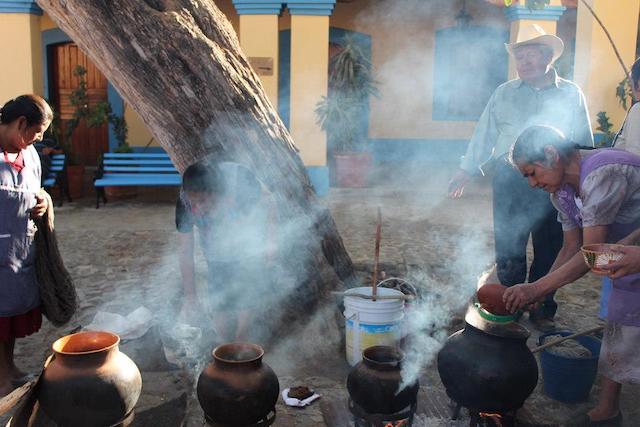
Female Weaving Co-op in Mexico Promotes Equality

 Female Weaving Co-op in Mexico
Female weaving co-ops began to proliferate in Mexico in the late 20th century, especially in the country’s most impoverished areas. Indigenous Mexican women living in these areas found it imperative to collectivize to navigate an oppressive socio-political landscape. Vida Nueva is one example of a co-op that grew out of this context. This female weaving co-op promotes gender equality in Mexico in ways that people never before imagined.

How This Female Weaving Co-op Promotes Gender Equality in Mexico

Oaxaca is the second-poorest state in Mexico, with historically low GDP growth relative to the national average. In Oaxaca, 28 percent of the population lives in extreme poverty, a statistic due mainly to income disparities between rural and urban centers and the region’s low manufacturing capacity. In the small township of Teotitlán del Valle, Zapotec women feel social and economic marginalization the hardest, because they must contend with a communal infrastructure that favors men and limits their participation in municipal government. Until the 1990s, women could not pursue education or obtain a drivers’ license.

Today, many Zapotec women are still illiterate and bound to male intermediaries so they may engage meaningfully with the economy. This is especially the case regarding the textile industry, their principal export. Under these conditions, even their own reproductive health can present a source of ignorance.

Weaving Cooperatives as a Means of Social Change

The establishment of weaving cooperatives has benefitted Zapotec communities like Teotitlán in confronting the onset of globalization and neoliberal economics in Mexico. This phenomenon has proven to be damning to rural indigenous communities throughout the country. However, the biggest impact changes in textile production have been in improving gender relations in otherwise patriarchal contexts.

Since Zapotec women began weaving, their stake in local politics has increased, as well as their lobbying ability. Exposure to new markets through access to technology and travel has led to instances of financial and ideological independence. They have placed new importance on education and female empowerment, reshaping social norms to value female labor and domestic contributions at home.

Vida Nueva

Vida Nueva (New Life in Spanish) is an all-female weaving cooperative changing the social geography for women in Teotitlán for the better. The group comprises of solteras or unmarried women, widows and the wives of migrants, who banded together in an attempt to circumvent merchant control over their products. When starting, the women struggled to sell their rugs independently due to a language barrier (most do not speak any Spanish), stigmas against indigenous Mexicans in the city, exploitative bureaucracy and male backlash within their community.

A chance encounter with Flor Cervantes, a social justice promoter in Oaxaca with over eight years of self-esteem workshops under her guidance, gave Vida Nueva the architecture to develop into what it is now. Under Cervantes’ guidance, the women learned about their bodies, their business potential and how best to advocate for themselves. With this knowledge, Vida Nueva began to expand. It eventually gained recognition from the United Nations and the licensure to sell its goods worldwide. Through education and cooperative production, Vida Nueva regained control over the production and sale of its work.

While Vida Nueva’s biggest impact on gender equality in Mexico is qualitative, concrete change also exists. By 2004, nearly 15 percent of households in Teotitlán participated in textile cooperatives. This is a considerable increase since Vida Nueva’s inception in 1996.

According to the New York Times’ measure last year, the textile industry involves almost all of Teotitlán’s 5,500 residents in some way. Since the early 2000s, higher volumes of female co-op members received invitations to attend community assemblies. Now, it is commonplace for whole collectives to receive written invitations. This serves as evidence that a once-rigis, patriarchal local government is finding women to be more valued assets.

Giving Back

At no point in becoming independent artisans did the women of Vida Nueva compromise their practice. They continue to use the natural dyes (made from pomegranate, marigolds, pulverized insects, etc.) and the arduous weaving techniques that predated colonization. Vida Nueva is a community-driven project with a localized vision. Every year, the collective sponsors a new initiative to improve the quality of life in Teotitlán for all residents. Since starting, the group has championed recycling and forestation efforts, senior care services and feminism.

– Elena Robidoux
Photo: Taken by Elena Robidoux

November 30, 2019
https://borgenproject.org/wp-content/uploads/borgen-project-logo.svg 0 0 Kim Thelwell https://borgenproject.org/wp-content/uploads/borgen-project-logo.svg Kim Thelwell2019-11-30 07:30:172024-05-29 23:13:48Female Weaving Co-op in Mexico Promotes Equality
Gender Equality, Global Poverty, Women's Empowerment, Women's Rights

The Advances of Somali Women

Advances of Somali women
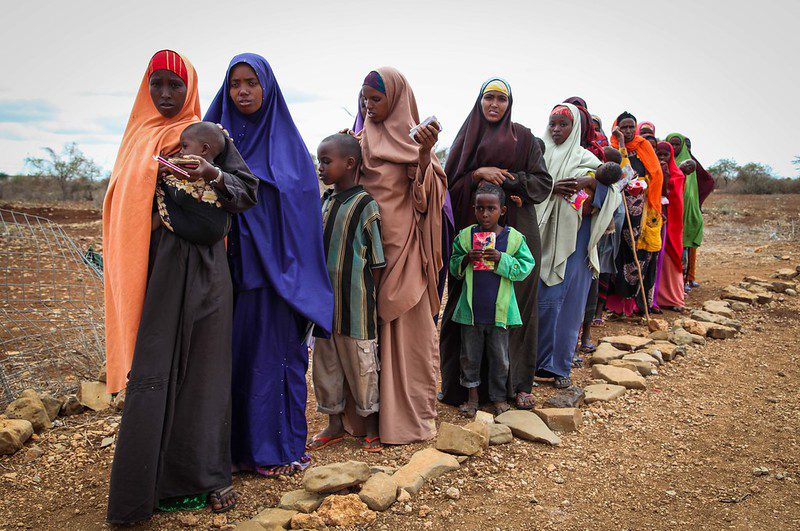
Located on the eastern seaboard of Africa, Somalia is a country synonymous with strife and civil unrest, with a civil war raging on since 1991. The country has endured continuous hardship, and, as is often the case, women carry an unfair proportion of the burden. The advances of Somali women in recent years demonstrate the progress and possibility for the future of Somalia.

The State of Somali Women

Due to a combination of cultural and religious practices, Somali women always existed in a state of subservience. The traditionally patriarchal society grew worse in terms of gender equality as political tensions and divides grew in the 1980s and reached a state of full and outright oppression with the start of the nation’s current civil war. The average Somali women lives only 58 years, 16 years less than the world average. This is in large part due to the lack of medical treatment women receive. Somalia has the seventh-highest maternal mortality rate in the world and the ninth highest birth rate. The country’s lacking health care and infrastructure worsen these statistics. Somalia’s state of civil war and lack of a set government for almost 20 years caused nearly all progression to stop and fall back.

Somalia ranked the fourth worst country to be a woman. This ranking came from a poll of 213 women’s rights experts. It judged countries on the factors of poverty, violence, rape, human trafficking, lack of health services and a variety of other criteria. Cases of genital mutilation and child marriage are also extremely common.

Inequalities and Poverty for Somali Women

The nation’s impoverished state likely plays a large role in the oppression of women, with little work of worth for them to take on. Somali women often need to tend to children, the home and herds of cattle. This typically starts at a young age, which therefore excludes Somali girls from attending school. A great barrier in relation to gender equality in Somalia comes by way of political representation. Due to the constant oppression women face, very few Somali women hold political office, nor do they hold roles with any substantial power. In Somaliland, a region in the north of Somalia in the grips of a fight for its independence from Somalia, there are only two female members of parliament out of 86. Moreover, only one female minister out of the 28 currently holds the position. When Somali women do speak out against the bias of the system, they often face violence.

Even with odds bent against them, Somali women are fighting for their equality. The advances of Somali women largely go overlooked, but this may change. A visit of UN Deputy Secretary-General Amina Mohammed put the recent advances of Somali women at center stage. Somalia served as a stop on the joint UN-African Union trip to countries in the Horn of Africa. While in Somalia, Mohammed met with the African Union Special Envoy on Women, Peace and Security, Bineta Diop. The trip highlighted the strides Somalia took as a nation in the years since the bloodiest stages of its civil war, as well as addressing the progress and advances of Somali women in recent years. These advances lay somewhat in the abstract, more in effort and aspiration than drastic reform. Somali women fought for equal participation in elections, worked to redevelop Somalia’s economy and pushed against the rise of extremism.

Somalia’s state of instability leads to much guesswork when predicting what may be to come. However, the civil war that brought destruction to the nation seems to be in its waning phase. If the efforts and advances of Somali women tell of anything, they tell of the possibility to change, to grow and brighten the future with the better days to come.

– Austin Brown
Photo: Flickr

November 17, 2019
https://borgenproject.org/wp-content/uploads/borgen-project-logo.svg 0 0 Lynsey Alexander https://borgenproject.org/wp-content/uploads/borgen-project-logo.svg Lynsey Alexander2019-11-17 01:30:072024-05-29 23:00:12The Advances of Somali Women
Global Poverty, Nonprofit Organizations and NGOs, Women and Female Empowerment, Women's Empowerment, Women's Rights

5 Global Nonprofits That Empower Women

Nonprofits That Empower WomenToday, the fight for women’s rights continues to pick up steam. However, many women’s voices around the globe are still not being heard. Fortunately, more organizations are taking up the mantle to ensure that gender equality remains a top priority when it comes to global development. Here are five global nonprofits that empower women.
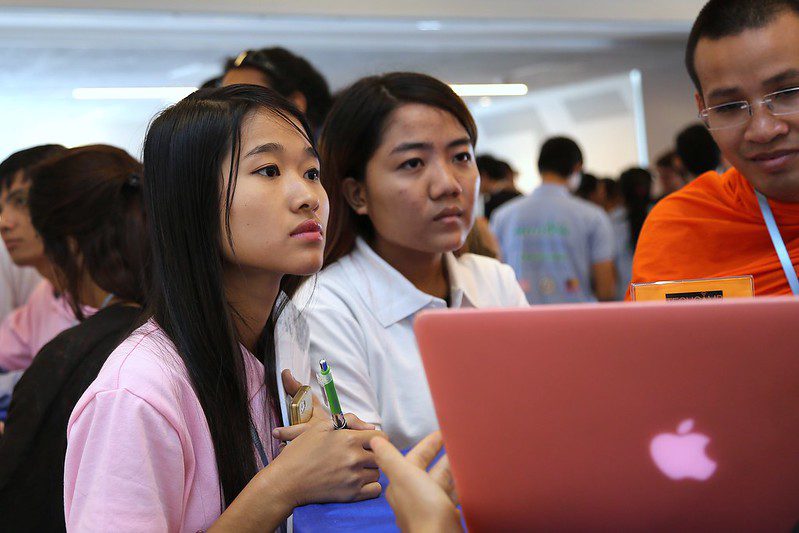
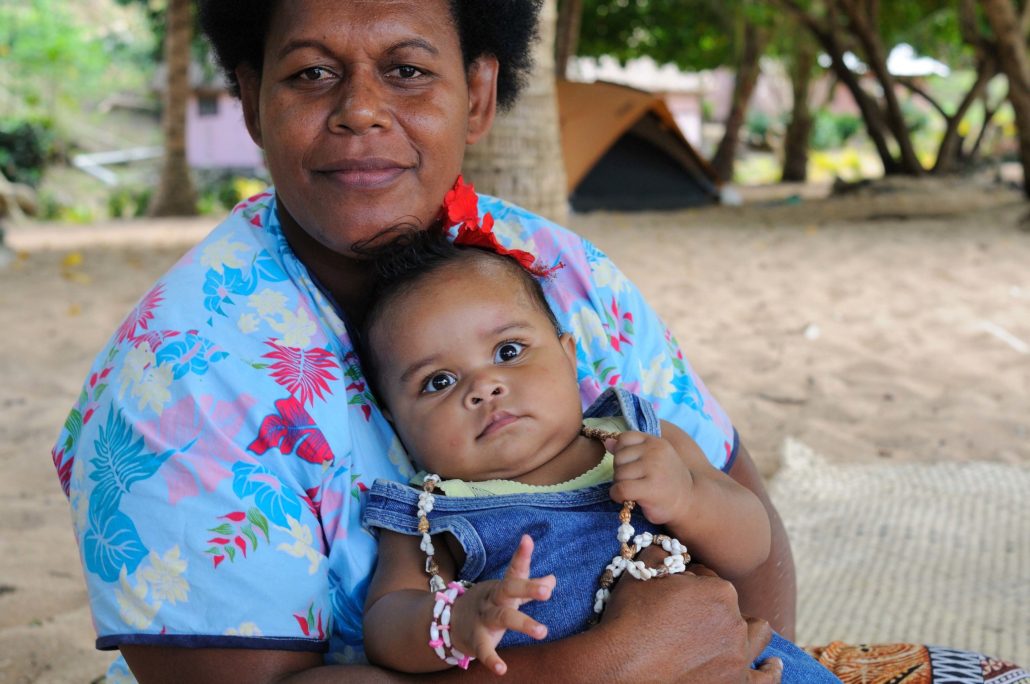

5 Global Nonprofits That Empower Women

  1. Women for Women International
    Women for Women International, or WfWI, is a nonprofit founded in 1993 working with women from impoverished and war-torn countries. It assisted more than 500,000 women since and is currently situated in Afghanistan, Northern Iraq, Kosovo, Bosnia and Herzegovina, South Sudan, Nigeria, Rwanda, Uganda and the Democratic Republic of the Congo. This nonprofit works to give women an opportunity to build a support network for each other and share their experiences while also teaching them new skills and resources to safeguard their futures. WfWI believes in empowering women in four different ways—economic empowerment, social empowerment, sustaining peace and responding to conflict. Outside of programs that relate directly to helping women, WfWI also focuses on “complementary programs” that center around men’s engagement in women’s rights issues, graduate support and community advocacy.
  2. The Malala Fund
    Malala and her father Ziauddin Yousafzai founded the Malala Fund in 2013 to give girls around the world an opportunity to receive a safe and quality education. The fund mainly focused its attention on countries where girls are least likely to have access to this kind of education, specifically in Afghanistan, Brazil, India, Lebanon, Nigeria, Pakistan and Turkey. This fund targets three specific areas when it comes to ensuring that girls have an opportunity to receive a quality education. These are (i) advocacy, specifically in holding leaders accountable, (ii) investing in educators and those who are also fighting for girls’ education and (iii) giving girls the opportunity to speak for themselves and allowing their voices to be heard.
  3. Global Fund for Women
    Founded in 1987, the Global Fund for Women strives for gender equality and advocates for the rights of women and girls across the globe. It mainly fights for reproductive rights for women, violence prevention and economic fairness. For the Global Fund, women and girls around the world should always feel “strong, safe, powerful and heard.” This group specifically partners with “women-led groups who are courageously fighting for justice in their own communities” which allows these organizations to tackle issues head on. Since its founding, it has worked in 175 countries and contributed to at least 5,000 organizations that have similar values as the Global Fund for Women.
  4. Pathfinder International
    Founded in 1957, Pathfinder International works to improve the sexual and reproductive health of people around the world. While it participates in all aspects of sexual and reproductive health, its main focus is pregnancies and making sure women are aware of all options available to them. Pathfinder International’s mission is to try to lower the rate of women dying from preventable complications with pregnancies, help those infected with HIV and promote proper sexual and reproductive health. It operates under the values of respect, courage, collaboration, innovation and integrity. Pathfinder International is located in 20 countries including the Democratic Republic of the Congo, Egypt and Mozambique.
  5. Madre
    Madre is a women’s rights organization that specifically works with smaller organizations fighting for women’s rights in war-torn nations. It focuses on three specific issues. These are gender violence, climate justice and “Just Peace,” which is meant to provide women with an opportunity to recover from the experiences they had and work toward a more peaceful world. In order to work with these three specific causes, Madre uses three strategies—grantmaking, capacity building and legal advocacy. These three strategies bring women into the conversation and allow them the opportunity to enact change, support one another and give them an opportunity to take part in policymaking. Some of the countries Madre reaches include Guatemala, Colombia, Haiti, Nicaragua, Syria, Iraq, Palestine and Kenya.

– Sydney Toy
Photo: Flickr

October 23, 2019
https://borgenproject.org/wp-content/uploads/borgen-project-logo.svg 0 0 Kim Thelwell https://borgenproject.org/wp-content/uploads/borgen-project-logo.svg Kim Thelwell2019-10-23 12:37:092024-05-29 23:12:405 Global Nonprofits That Empower Women
Global Poverty, Poverty, Poverty Reduction, Women & Children, Women and Female Empowerment, Women's Empowerment, Women's Rights

3 Programs Aiding Women in Vietnam

Programs Aiding Women in Vietnam

Too many Vietnamese women find themselves locked into a life of abuse and poverty, with no skills or access to education to become gainfully employed. One example lies in the story of Sung Thi Sy. Sy resides in the Sa Phin village in the Dong Van District of Vietnam. According to the Asia News Network, her family lived in severe poverty for much of her life and she constantly lived in fear of her husband who would regularly abuse her. She considered running away, but she was worried about providing for her two young children. However, thanks to the support of a locally-funded program, Sy and her children are now thriving. There are many other programs aiding women in Vietnam including the following.

3 Programs Aiding Women in Vietnam

  1. Education and Training: One of the most well-known organizations that work to solve this problem is the Vietnamese Women’s Union (VWU). Founded in 1930, the VWU originally found roles for women during the liberation of Vietnam from French colonialism. After the end of the Vietnam War in 1975, the VWU focused on helping women rebuild their lives by pulling them out of poverty and introducing them to the workforce. Today, the VWU has more than 19 million members that constantly work towards gender equality for Vietnamese women. The VWU offers loans to help poor Vietnamese women afford a higher education and training programs to provide the skills needed to find higher-paying careers.
  2. Agriculture: Women in the Dong Van district of Vietnam face a high risk of human trafficking and domestic violence and an unpredictable climate with barren land which makes farming a challenge. One of the programs aiding women in Vietnam with these struggles is the Lanh Trang (White Flax) Agricultural and Forestry Services Cooperative. Launched in 2017, the program works to provide vocational skills for disadvantaged women and invests in the necessary equipment to grow and harvest flax for the women in the Dong Van area. Since its inception, the Lanh Trang Cooperative has created stable jobs for 95 women, including Sung Thi Sy, all of whom live on a budget of around $170 to $260 per month.
  3. Entrepreneurship: The United Nations Development Programme launched an initiative dubbed the Economic Empowerment of Ethnic Minority Women via Application of 14.0 to aid women in Vietnam through entrepreneurship. This initiative creates an online platform in which Vietnamese women can learn modern financial solutions, take online courses on creating a business, obtain new technology for production and many more services.

Today, Sung Thi Sy has a job in the production of flaxseed products and brings home a consistent paycheck to feed her children and preserve the roof above their heads. Women like Sy are living proof that with enough funding, programs like these can promote tangible improvements in the fight against poverty and inequality in Vietnam.

– Charles Nettles
Photo: Flickr

October 22, 2019
https://borgenproject.org/wp-content/uploads/borgen-project-logo.svg 0 0 Lynsey Alexander https://borgenproject.org/wp-content/uploads/borgen-project-logo.svg Lynsey Alexander2019-10-22 01:30:132024-05-29 23:13:253 Programs Aiding Women in Vietnam
Global Poverty, Women's Empowerment

Natural Disasters and Empowered Fijian Women

Empowered Fijian Women
When Cyclone Winston barreled down on rural Fiji in 2016, the women left the kitchen and shouted to their neighbors to warn them of the impending storm. The women protected food in containers and buried crops to save them from the destruction. Using their phones, the women spread messages to other rural areas and warned others of the forecasted disaster. This network of women is the Women’s Weather Watch Program and it has empowered Fijian women.

The Women’s Weather Watch Program

The Women’s Weather Watch Program consists of around 350 empowered Fijian women all connected by a mobile network. The program started in 2009 following Cyclone Mick. The reason the program started was that women’s communities were excluding them from the decision making process despite their selfless efforts to protect their homes.

The base is in Fiji‘s capital, Suva, and those members monitor weather reports. In the event of a natural disaster, they send a message to women all over Fiji that are part of the program. These women then warn their villages and prepare them for the worst. This unique method of preparation for a storm shows how natural disasters have empowered women in Fiji.

Femlink Pacific Empowers Fijian Women

The entire weather watch program is run by Femlink Pacific. It is a feminist non-governmental organization that uses the media to empower women. It interviews women all over Fiji about their needs and concerns. Femlink then broadcasts these interviews from its studios in the hopes that it can raise awareness for those women.

The lives of these women have changed for the better with the creation of the Weather Watch Program. Previously, people told the women to be quiet, stay in the kitchen and look after the kids. The men took power and disregarded their opinions. Now, Femlink Pacific and the Women’s Weather Watch Program have given these women a voice. They use their voices to warn neighbors and friends all over their villages and will no longer confine themselves to the kitchen. The women are leaders and now that they have a say, they are changing things for the better.

Fijian women know how to best prepare for a disaster. They know how to help their crops when drought hits. When times are tough, they are the ones who skip meals to help their families. The women find ways to get money by talking to each other and teaching each other how to survive in the face of adversity.

The progress that women have made in Fiji is remarkable. It is amazing to see how natural disasters have empowered Fijian women. The work they do truly does save lives. Less than half of Fiji is connected to the internet. There is no app on these women’s phones to tell them a storm is coming. There is no way to search online for how to prepare for a storm or how to recover after one has passed. It is the women who have taken on this important job. Without the Women’s Weather Watch Program, a severe storm could cost countless lives and the destruction of crops simply because people were not expecting it.

– Gaurav Shetty
Photo: Flickr


October 1, 2019
https://borgenproject.org/wp-content/uploads/borgen-project-logo.svg 0 0 Kim Thelwell https://borgenproject.org/wp-content/uploads/borgen-project-logo.svg Kim Thelwell2019-10-01 12:16:332024-05-29 22:58:24Natural Disasters and Empowered Fijian Women
Global Poverty, Women's Empowerment

Discovering Hands: Early Breast Cancer Detection in Colombia

Cancer Detection in Colombia

Breast cancer, the leading type of cancer in women worldwide, affects more than 2 million women each year. In 2018 alone, 625,000 women died from breast cancer. According to the World Bank, although developed regions have higher rates of breast cancer compared to developing areas, rates are increasing in nearly every region across the globe. When looking at breast cancer survival rates, one thing is certain: early detection is key to lowering death rates and so early breast cancer detection in Colombia is changing.

A Possible Solution

With more than 13,000 new cases of breast cancer in 2018 alone, Colombian officials have been focusing on initiatives that target early detection. By launching a pilot program through Discovering Hands, an organization founded in Germany that empowers blind women with a heightened sense of touch to feel for breast cancer, early detection is exactly what Colombia focuses on.

Breast mammography, or a mammogram as it is known colloquially, is sometimes too expensive for women in developing countries. Additionally, they are only available to women in Colombia who are over 50 years of age. Instead of solely using the traditional method of breast cancer detection, the mammogram, Colombia borrowed from Discovering Hands. The country put visually impaired women to work as medical tactile examiners feeling for breast cancer. The surgeon who coordinates the Discovering Hands project in Colombia, Dr. Luis Alberto Olave, said of the program: “They [MTEs] have this gift in their fingers. If they are trained, their disability can become a talent, a strength, and can be used to help other people. Nodules are the first cancer symptom. The faster we find them, the faster we will have any impact on the projection of the illness, and that may mean saving lives.”

Results

Currently, in Latin America, only three visually impaired women work as medical tactile examiners, using their delicate sense of touch for early cancer detection in Colombia. These women have been proven to detect 30 percent more tissue variations in breast tissue than medically trained doctors. The Discovering Hands method is less expensive, more accurate and can find lumps that are 50 percent smaller than ones found by doctors. Additionally, some women in Colombia have expressed that they feel more comfortable going to women to have this examination performed versus male doctors.

These medical tactile examiners do not diagnose patients, rather they do an examination, then help set up an appointment with the doctor if they find any irregularities. This method of early cancer detection in Colombia is not only saving lives by early diagnosis of breast cancer, but it is also creating a fulfilling job for the visually impaired. As female patients are starting to flock to these medical tactile examiners, Colombia discussed expanding the program to provide more jobs for blind women. This would give more low-income women in Colombia access to breast cancer screening.

A Global Answer

Discovering Hands is currently in seven countries: Colombia, Netherlands, Switzerland, Israel, Spain, Austria and India, and already performed over 10,000 exams. As the model continues to succeed in helping women with early breast cancer detection as well as giving fulfilling jobs to blind women, Discovering Hands is discussing repeating the business model in new countries. This program is unique in that it gives to the community while also providing a living for women who previously could not contribute to society. As breast cancer rates continue to grow, Discovering Hands is doing its part to lower the fatality rate of breast cancer.

– Kathryn Moffet
Photo: Pexels

September 20, 2019
https://borgenproject.org/wp-content/uploads/borgen-project-logo.svg 0 0 Jennifer Philipp https://borgenproject.org/wp-content/uploads/borgen-project-logo.svg Jennifer Philipp2019-09-20 09:46:042019-12-11 14:46:14Discovering Hands: Early Breast Cancer Detection in Colombia
Global Poverty, Women's Empowerment

Lotus Outreach Supports Girls’ Education in Developing Countries

Girls' Education in Developing CountriesEducation is a determining factor in a country’s economic and political success. The more educated the population becomes, the more a country will flourish. Traditionally, women’s education in developing countries has been pushed to the wayside due to gender stereotypes and traditional household roles. Lotus Outreach International supports girls’ education in developing countries to help them break through these boundaries and gives them a voice to change the environment around them.

What is the Lotus Outreach Program?

The Lotus Outreach Program, founded in India in 1993, began as a way to aid Tibetan refugees in India. It then expanded its focus to neglected groups in developing countries worldwide, and now has an affiliate in California which supports efforts to improve women’s education around the world. Lotus Outreach International is currently working in India and Cambodia to empower women and has broadened access to education in the two countries.

Lotus Outreach International has provided 1,449 high school scholarships for female students in India, along with 327 university training scholarships. The organization has also provided 2,500 bikes to female students as transportation to and from school. Lotus Outreach International has also donated 409,020 kilograms of rice for educational programs.

Educational Statistics from India

Since Lotus Outreach International primarily operates in India, it is important to understand the scope of the educational system in the country. India has one of the largest school-age populations in the world, with around 270 million children between the ages of 5 and 17. Education is required from 6 to 13 and the educational system has four tiers: pre-primary, primary, secondary and tertiary. Pre-primary is for children from 3 to 6 years old, primary is between ages six and 10, secondary is between ages 11 to 17, and tertiary is between ages 18 to 22. The current primary to secondary transition rate is high for female students, with 90.37 percent of females continuing to secondary education in 2016.

The country still has low secondary and tertiary female enrollment, however, which Lotus Outreach International is addressing through programs and aid outreaches in rural areas around India. Many students are struggling in both math and reading, as seen through mean achievement scores from 2015. During that year, the mean achievement score for math in rural areas was 247, while the urban score was 256. In English, the mean score was 19 points higher in urban areas than in rural ones. For these reasons, Lotus Outreach supports rural women’s education to close the urban/rural gap.

Lotus Outreach International Programs

The organization has created multiple programs to support girls’ education in developing countries. Some notable programs include Blossom Bus, Lotus Petals and Education Quality Addition.

  1. Blossom Bus provides female students with safe transportation to and from schools, as it is widely believed to be unsafe for females to travel alone in many parts of India. Fears about safety often end female education at the primary level, and girls are kept at home without the chance to continue learning. This program, specific to Mewat, Haryana, India, provides bus transportation to secondary and tertiary educational facilities with trustworthy drivers. Blossom Bus aims to counteract the extremely low female literacy rate in Haryana, which currently stands at 36 percent. The program currently provides transportation for over 300 female secondary students and 48 tertiary students, helping to break the cycle of early marriages and supporting young women as they try to get an education.
  2. Lotus Pedals targets women who would be easily susceptible to sex trafficking and abuse. The program helps to provide affordable, safe and reliable transportation to young girls who would otherwise have to choose between a meal and a taxi ride to school. Lotus Petals supplies all-terrain bicycles to girls living more than a mile away from the nearest schools and has provided more than 2,316 bicycle scholarships so far. The Lotus Petals outreach helps female students in Cambodia as well. These bicycles help further girls’ education in developing countries by giving students a safer way to get to school.
  3. The Education Quality Addition program is an after-school enhancement program for migrant worker students to ensure that these girls are able to keep up with educational standards. The program enrolls students into all core classes needed to ensure that their education level is where it should be based on their age. EQU+ works with students in Delhi, India who would otherwise be unable to attend classes due to high tuition prices. Currently, the program is serving 25 to 30 students under 14 in the Delhi area to ensure that these girls are able to keep up with their education and prevent them from dropping out of school entirely.

Lotus Outreach International has worked tirelessly through multiple programs to support girls’ education in developing countries. These three programs and many more are increasing female enrollment and helping more women finish their education.

– Kristen Bastin
Photo: Wikipedia

September 13, 2019
https://borgenproject.org/wp-content/uploads/borgen-project-logo.svg 0 0 Kim Thelwell https://borgenproject.org/wp-content/uploads/borgen-project-logo.svg Kim Thelwell2019-09-13 01:30:432024-06-06 00:26:17Lotus Outreach Supports Girls’ Education in Developing Countries
Development, Global Poverty, Women's Empowerment

Programs Through the U.S. Embassy in Cambodia

programs through the US embassy in cambodia
The purposes of embassies around the world are to represent different country’s governments in another country and facilitate relationships between them. It is the responsibility of government agencies to address current global issues. As a result, many embassies assist in development initiatives in the countries they are based in. Embassies do this in many ways, especially through collaborating with local organizations, sponsoring organizations or creating new embassy-based programs. Below are two of the most sustainable and beneficial programs that the U.S. embassy works on in Cambodia.

SHE Investments Incubator Program

Women run 65 percent of the micro-businesses in Cambodia and most of those businesses do not have the resources or the engagement to propel them to their higher potential. In fact, women only account for one percent of formal business owners, whether small or large businesses. The mission of SHE Investments is to support women business founders in a male-dominated industry with the goal of impacting Cambodian communities both socially and economically.

SHE investments started as an idea in 2013 and fully launched in 2014. USAID Cambodia sponsors this organization through the Development Innovations (DI) Cambodia project, one of the programs through the U.S. Embassy in Cambodia.

In 2016, the organization applied for the DI grant through USAID. SHE Investments received a small grant that went towards the development of Ngeay Ngeay, a free database to help women-led businesses register with their local government agencies, such as the Ministry of Commerce. This helped to transform the organization’s possibilities with technology because it had not tried to utilize those resources to the fullest extent prior to the grant. The DI grant also provided workshops in social media and branding, which opened the organization’s network to different corporate partners.

“I didn’t have any skills for video before. It looked really hard. But [the DI trainers] made it really simple for someone who has never edited before,” said Seng GeachLeang, the Communications and Community Engagement Officer.

With the support of USAID and the programs through the U.S. Embassy in Cambodia, SHE investments was able to expand its inaugural program, the SHE Incubator Program. It works to assist micro-businesses with five paid employees or less in order to give them personal training and preparation for running a larger scale business one day. The workshops, delivered over the course of six months, are in the Khmer language.

In order to create sustainable change, SHE investments tracks the growth of the small businesses over time to determine the impact of their assistance, whether or not there is an increase in household income, women’s empowerment and comfort with decision-making as a result of their assistance.

Young Southeast Asian Leaders Initiative (YSEALI)

Another one of the programs through the U.S. Embassy in Cambodia not only reaches the country’s own youth but also those in neighboring countries. The Young Southeast Asian Leaders Initiative (YSEALI) supports and provides opportunities for youth across all Southeast Asian countries.

In 2013, YSEALI began its movement to engage young adults from 18 to 35 years old in leadership development and relationship making. The program is unique because it connects young adults from different countries in the region with each other. This is to promote unity and belonging as well as strengthen diplomatic ties between Southeast Asia and the U.S.

The leaders can apply to become members at any time. Once in the group, they focus on topics and issues that youth in the regions determine themselves. This has included but has not limited to, professional women empowerment, food security and foreign relations. Programs within YSEALI include professional and academic fellowships to the United States, regional workshops and grant funding.

It is evident that the benefits of YSEALI are on an even larger scale than it seems. According to the Huffington Post, during the 2015 and 2016 academic year, over 55,000 Association of Southeast Asian Nation (ASEAN) students studied in the U.S. and their economic contribution to the U.S. economy was $1.7 billion. This mutually beneficial relationship ensures the prioritizing of the future of personal development of ASEAN youth. These young adults are the future change-makers in their region of the world.

Still, including these programs, there are a number of other programs through the U.S. embassy in Cambodia and each is unique. Many of the programs provide avenues of support for young adults as they make up approximately 65 percent of people in the Southeast Asian region. With the help of organizations and programs like those in this article, there are opportunities to make lasting change for the better in Cambodian communities.

– Melina Benjamin
Photo: Flickr

September 11, 2019
https://borgenproject.org/wp-content/uploads/borgen-project-logo.svg 0 0 Kim Thelwell https://borgenproject.org/wp-content/uploads/borgen-project-logo.svg Kim Thelwell2019-09-11 14:27:262024-05-29 23:10:25Programs Through the U.S. Embassy in Cambodia
Page 34 of 54«‹3233343536›»

Get Smarter

  • Global Poverty 101
  • Global Poverty… The Good News
  • Global Poverty & U.S. Jobs
  • Global Poverty and National Security
  • Innovative Solutions to Poverty
  • Global Poverty & Aid FAQ’s
Search Search

Take Action

  • Call Congress
  • Email Congress
  • Donate
  • 30 Ways to Help
  • Volunteer Ops
  • Internships
  • Courses & Certificates
  • The Podcast
Borgen Project

“The Borgen Project is an incredible nonprofit organization that is addressing poverty and hunger and working towards ending them.”

-The Huffington Post

Inside The Borgen Project

  • Contact
  • About
  • Financials
  • President
  • Board of Directors
  • Board of Advisors

International Links

  • UK Email Parliament
  • UK Donate
  • Canada Email Parliament

Get Smarter

  • Global Poverty 101
  • Global Poverty… The Good News
  • Global Poverty & U.S. Jobs
  • Global Poverty and National Security
  • Innovative Solutions to Poverty
  • Global Poverty & Aid FAQ’s

Ways to Help

  • Call Congress
  • Email Congress
  • Donate
  • 30 Ways to Help
  • Volunteer Ops
  • Internships
  • Courses & Certificates
  • The Podcast
Scroll to top Scroll to top Scroll to top