• Link to X
  • Link to Facebook
  • Link to Instagram
  • Link to TikTok
  • Link to Youtube
  • About
    • About Us
      • President
      • Board of Directors
      • Board of Advisors
      • Financials
      • Our Methodology
      • Success Tracker
      • Contact
  • Act Now
    • 30 Ways to Help
      • Email Congress
      • Call Congress
      • Volunteer
      • Courses & Certificates
      • Be a Donor
    • Internships
      • In-Office Internships
      • Remote Internships
    • Legislation
      • Politics 101
  • The Blog
  • The Podcast
  • Magazine
  • Donate
  • Click to open the search input field Click to open the search input field Search
  • Menu Menu

Archive for category: Women’s Empowerment

Global Poverty, Women, Women and Female Empowerment, Women's Empowerment, Women's Rights

Female Entrepreneurship in Mexico

Female Entrepreneurship in Mexico
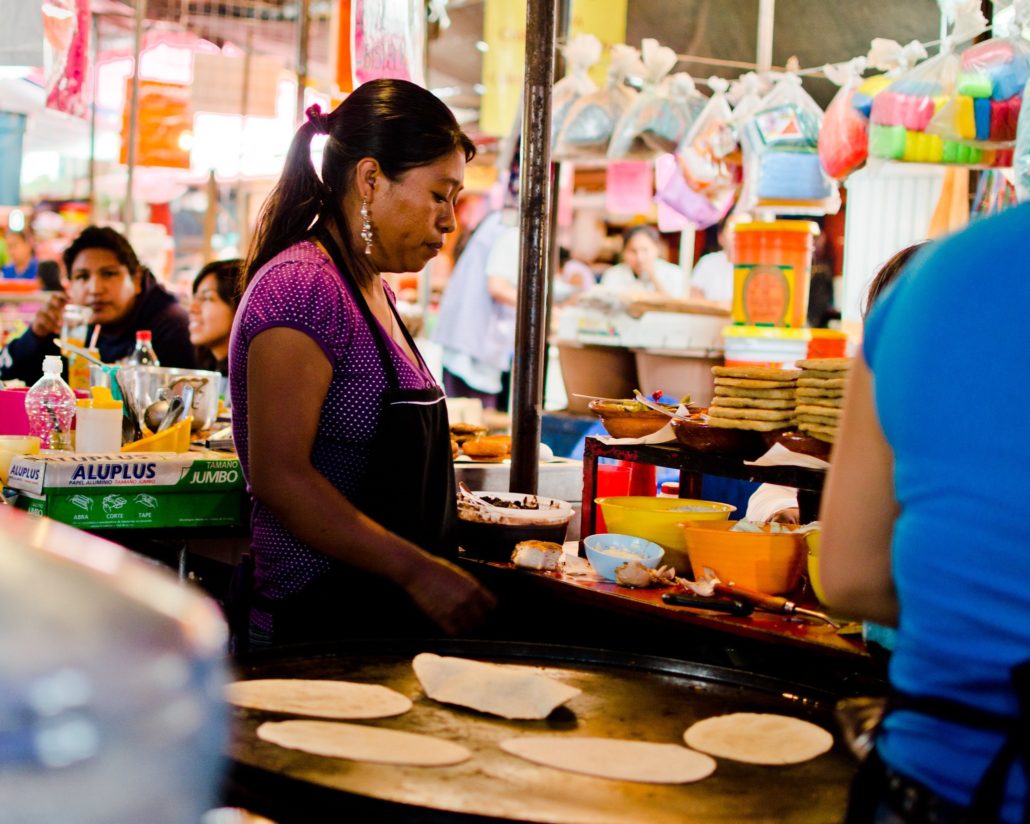
According to a 2016/2017 study by the Global Entrepreneurship Monitor, Mexico is one of the five countries in the world where the number of women starting their own businesses is equal to or greater than men. This is fantastic news because if men and women participate equally in the economy, Mexico’s GDP could increase by 43 percent or $810 billion. From 2000 to 2010 alone, women’s participation in the workforce decreased extreme poverty by 30 percent in Latin America and the Caribbean. With that increase in female entrepreneurship in Mexico, women are able to become more independent, but many women still face powerful barriers in starting their own business.

Many women, especially in subsistence settings, lack access to training, financing and markets, and face physical, sexual and economic violence. The average female-headed household earns $507 a month in urban areas and $273 a month in rural areas while male-led households earn $780 a month in urban areas and $351 a month in rural areas. The burden of domestic tasks also falls mostly on women. A 2009 survey found that men spend an average of 53 hours a week on economic activities and 12 hours on domestic tasks while women spend an average of 40 to 45 hours a week earning money and 20 hours maintaining the family and household.

The Marketplace Literacy Project

Elena Olascoaga, a gender and development consultant and former project manager for the Marketplace Literacy Project in Mexico, is very familiar with the challenge successful female entrepreneurship in Mexico faces. Olascoaga describes the Marketplace Literacy Project as an initiative to help people in subsistence settings become entrepreneurs by acknowledging the skills they already have in the marketplace and giving them the tools to build on and market pre-existing skills.

According to Olascoaga, the founder of this methodology and workshop program, Professor Madhu Viswanathan, tried to bring this program to Mexico for a long time before finding a U.S. State Department grant intended for breaking cycles of violence against women due to economic dependency. He initially designed the program to be gender-neutral so Olascoaga came in because her background in gender consultancy allowed her to effectively factor the unique challenges female entrepreneurship in Mexico faces to the workshops. She added a new program to the methodology that she called autonomy literacy, because, although the program teaches participants to create their own income, it is often difficult for people in abusive situations to start a business, even if they have the know-how.

The Need for Female Entrepreneurship in Mexico

While Mexico has made great strides to improve gender equality, there is often still a cultural emphasis for women to become mothers and housewives, to a point where Olascoaga describes economic dependence as romanticized. Many consider women lucky if they do not have to work because their husband provides food and shelter. However, this kind of love can be a trap. If the husband is the only provider, then the wife is not building her own savings or gaining experience in the workforce. “If something goes wrong in the relationship, then they have nowhere else to go,” she said.

In an interview by Forbes Magazine, hotel owner Gina Lozada said that “…Most parents don’t educate their girls to succeed in business. On the contrary, it is normal that women are raised to believe that their goal should be to marry and take care of the family.” Often, because female entrepreneurship in Mexico does not receive emphasis, women feel that they do not have many options and lack the confidence to start their own company.

Olascoaga observes that, because women in subsistence settings feel that they cannot strike out of their own, they often stay with their abuser. “A common phrase is no se hacer nada which is I don’t know how to do anything,” she says. Autonomy training, when combined with marketplace literacy training, teaches women that they do know how to do something. For example, they might be good cooks or skilled embroiderers. The methodology of the Marketplace Literacy Project is to build on preexisting knowledge and teach women to recognize their skills and to think strategically about their resources.

Autonomy Literacy

“We want women to be aware that they can create their income,” said Olascoaga. In the workshops, the Marketplace Literacy Project works with women in two age groups, women older than 18 and girls 14 to 18 years old. In her experience, almost all the women older than 18 had been in violent relationships where they stayed with their aggressors because they did not have economic independence. Some among the younger group were already mothers and in violent relationships where they had the potential to work and build skills, but their partners would not let them.

As the younger group went through the program, though, many of them began to realize that their mothers, aunts and other relatives were living in similar situations. One struggle that she noted when working with women is that they will not recognize that they are living in an abusive situation, especially to a group of strangers, so they instead speak in hypotheticals. The participants may know someone in this situation, and if they did, they would express how they could help.

The Marketplace Literacy Project, though, has helped give more than 4,500 women tools for economic independence since its start in 2016. Olascoaga said that those who participate have two major takeaways. The first is that autonomy becomes a very important concept and the second is that they do not need money to start a business. Olascoaga was happy to report that women will often come up to her and say that, after the workshop, they started businesses by selling cookies or embroidering. “It might seem small to us,” Olascoaga said, “but for them, it’s a really big deal.”

With female entrepreneurship in Mexico on the rise, more and more women are not only finding empowerment in their lives but changing the world around them by challenging a culture that often devalues their work.

– Katharine Hanifen
Photo: Flickr


September 2, 2019
https://borgenproject.org/wp-content/uploads/borgen-project-logo.svg 0 0 Kim Thelwell https://borgenproject.org/wp-content/uploads/borgen-project-logo.svg Kim Thelwell2019-09-02 18:35:092019-12-16 12:00:18Female Entrepreneurship in Mexico
Women, Women's Empowerment

The Role of Women in Peace and Security in Afghanistan

Women in Peace and Security

In mid-June, the Senate Foreign Relations Committee held a hearing to discuss the importance of women in peace and security, a follow-up to the Women, Peace, and Security Act (WPS) passed in 2017. This particular hearing responds to the recently published White House Strategy that sets various objectives and goals to diversify the roles women play in the peace process and increase women’s leadership by providing them with the resources, skills, and support needed to secure successful peace agreements.

The members of the committee, as well as the testimonies, emphasized the opportunity to put these plans into immediate action in Afghanistan. The U.S. has committed to peace negotiations with the Taliban but each agreement has failed due to miscommunication, stalemates, or other political reasons. Palwasha Kakar, Senior Program Officer for the U.S. Institute of Peace, stated that including Afghan women in peace and security negotiations is essential to the success and sustainability of peace and recovery in Afghanistan.

Women in Afghanistan

The Taliban government of Afghanistan held power from 1996 to 2001, during which Afghan women were stripped of natural rights–they were prevented from obtaining an education and job, showing skin in public and leaving the house without a male chaperone. Rape and violence against women were widespread until U.S. military action overthrew the regime. A driving factor of U.S. intervention 18 years ago was to protect Afghan women from threats and actions against their human rights. Despite the tremendous gains women have achieved in political, economic and social life since 2001, women still struggle to have a seat at the peace talk table.

However, Afghan women have found ways to participate at a local level. Women have brokered local deals by negotiating directly with Taliban leaders; for example, Afghan women’s communication with the wives of the Taliban helped facilitate the release of hostages several times. Second, Afghan women use their access to information to act as informants for the U.S. and its partners. Third, Afghan women mobilize the public by increasing public awareness and support for the peace process. Fourth, Afghan women have mobilized support across various ethnic lines to push for a unified commitment to equal rights for all Afghan citizens.

Impact of Women on the Peace Process

On a local level, Afghan women in peace and security positions have made significant achievements for Afghanistan and its cities. However, on a global level, women were only included in two out of 23 rounds of negotiations with the Taliban between 2005 and 2014. Yet research shows that women are a necessary asset at the negotiation table. When women are involved in peace agreements, they are 64 percent less likely to fail and 35 percent more likely to last more than 15 years. In her testimonial, Jamille Bigio argues that women in peace and security negotiations are more likely to deescalate tensions and stabilize their communities. Therefore, closing the gender gap will improve a country’s conditions.

Four Focus Areas Outlined in the WPS Strategy

The outcome of this hearing suggests that women’s participation in Afghanistan is essential to create a stable and sustainable agreement. The Senate Foreign Relations Committee plans to simultaneously use and revise the following four goals from the WPS Strategy to encourage multi-agency resources and support for women’s participation in Afghanistan peace talks.

  1.  “Seek and support the preparation and meaningful participation of women around the world in decision-making processes related to conflict and crises.”
  2. Three activities to support this goal includes: Incentivizing women to participate in security-sector programs that train foreign nationals in male-dominated courses, integrating local women’s interests into conflict prevention and resolution, and leading by example by increasing American women participation and making local women partners.
  3. “Promote the protection of women and girls’ human rights; access to humanitarian assistance; and safety from violence, abuse, and exploitation around the world.”
  4. Women are often the targets of violence, and therefore experience unique consequences of conflict. To increase the role of women in peace and security, the U.S. must identify and eliminate obstacles that generate sex-based discrimination and gender-based violence and include medical care and psycho-social support for women as part of humanitarian aid.
  5. “Adjust U.S. international programs to improve outcomes in equality for, and the empowerment of, women.”
  6. Train U.S. diplomats, military and development personnel on the needs and perspectives of women to increase their ability to prevent and mediate violence and support the involvement of women in peace and security negotiations.
  7. “Encourage partner governments to adopt policies, plans, and capacity to improve the meaningful participation of women in processes connected to peace and security and decision-making institutions.”

Women peacekeepers receive more trust from their communities and therefore have more power to increase participation among other women. Further, research shows that women are more likely to address social issues during negotiations, which helps communities recover. Women’s participation increases the likelihood of reaching a sustainable agreement.

Women are essential for achieving peace and security in Afghanistan, and vice versa. The U.S. is more likely to bring peace to a hostile environment with women’s participation. As Sen. Tim Kaine said at the hearing, “We [U.S] have incredible power to give people hope and inspiration, and I hope we will continue to do it. And I think there’s a lot of women in the world who really have grown to count on us during the years, and I hope we don’t let them down.”

– Haley Myers
Photo: Flickr

September 2, 2019
https://borgenproject.org/wp-content/uploads/borgen-project-logo.svg 0 0 Kim Thelwell https://borgenproject.org/wp-content/uploads/borgen-project-logo.svg Kim Thelwell2019-09-02 18:04:102024-05-29 23:10:06The Role of Women in Peace and Security in Afghanistan
Global Poverty, Women's Empowerment

Sustainable Fisheries in Costa Rica

Fisheries in Costa Rica
The world knows Costa Rica, a country in Central America, for its fishery practices. Tourism and recreational fishing produces about $331 million yearly and has also created more than 60,000 work opportunities. Fisheries in Costa Rica are notorious for the increasing number of women that manage the nation’s industry; only 2 percent of women are entrepreneurs in Costa Rica.

Women’s Work in Fisheries

Jeannette Pérez, a business leader, began working at a local fishery after moving to Costa Rica a few years prior. In 2018, Pérez began taking part in the Action Plan of the National Platform of Sustainable Large Pelagic Fisheries, organized by UNDP through its Green Commodities Programme. The Green Commodities Programme’s goal is to discover modern solutions to progress the environmental, economic and social operations of pelagic species such as tuna, mahi-mahi and swordfish, which are all fish that have suffered a recent decline.

Pérez has nearly 30 years of experience in the recreational fishing industry. She is also the main leader in Costa Rica’s mission to implement sustainable practices as per the United Nations’ Sustainable Development Goals. Pérez is also the first female to serve on the Board of Directors of the Costa Rican Institute of Fisheries and Aquaculture.

Pérez feels that the organization, National Platform for Sustainable Large Pelagics Fisheries, is necessary for the fisheries in Costa Rica to maintain their fishing practices and to conquer the current issue involving a limited supply of fish.

The Ministry of Agriculture and Livestock, which oversees the fishing industry in conjunction with the Ministry of Environment and Energy, runs the organization. The United Nations Development Program developed it with funds from the Global Environment Fund.

National Plan for Sustainable Practices

Costa Rica is also the first country across the globe that has implemented a National Plan for Sustainable Pelagic Fisheries. The Ministry of Agriculture and Livestock oversees it with the Costa Rican Institute of Fisheries and Aquaculture and the Ministry of Environment and Energy. The Global Environment Facility also provides support and funds.

In 2018, the nation introduced legislation that would ensure the expansion of the traditional fishing department of fisheries in Costa Rica and also serve the community.

A Community Based Approach

The Ecosystem Approach to Fisheries Management (EAFM) establishes a plan for the essential conduct of small-scale fisheries in Costa Rica by incorporating suitable resolutions, increasing government support and advancing economic resources. In conjunction with this bill, the nation highlighted the importance of acknowledging the efforts of smaller fisheries in providing a supply of food as well as nutrition security, which has the potential to decrease poverty, particularly in regard to employing women in local fisheries.

Altogether, Costa Rica plans to develop a foundation for the fisheries based on human rights, such as satisfactory labor, economic opportunities, gender equity and climate change. It also intends to continue to focus on safe fishing practices along with market promotions.

Costa Rica has begun making progress by collaborating with federal officials, other fishermen, the community and other organizations along with higher education research. It is doing this by learning about how other countries manage their fisheries across the globe.

– Diana Dopheide
Photo: Max Pixel

August 29, 2019
https://borgenproject.org/wp-content/uploads/borgen-project-logo.svg 0 0 Kim Thelwell https://borgenproject.org/wp-content/uploads/borgen-project-logo.svg Kim Thelwell2019-08-29 16:13:302024-06-06 00:26:22Sustainable Fisheries in Costa Rica
Global Poverty, Women's Empowerment

Improving Menstrual Hygiene for Refugees

Menstrual Hygiene for RefugeesWhen looking at menstrual hygiene for refugees, imagine for a moment, having a period while fleeing political violence or natural disaster when sanitary products and private sanitation facilities are scarce. In the Syrian refugee crisis alone, there are more than one million girls and women between the ages of 12 and 59 in need of access to menstrual hygiene. This means that 29 percent of the more than four million Syrian refugees are in need of access to menstrual hygiene.
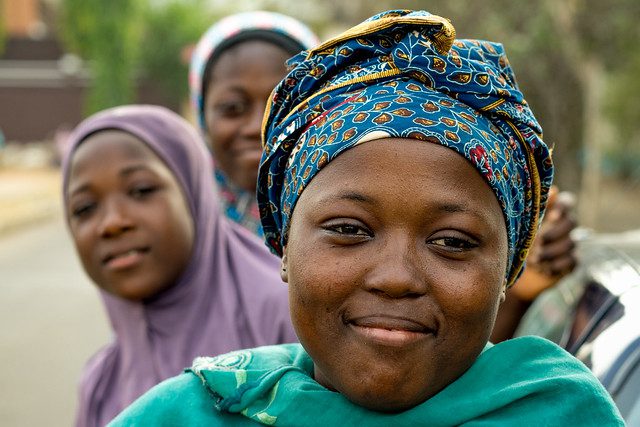
While refugee camps make sure to provide food, shelter and clean water, many personal items are not provided. Too often, menstrual hygiene for refugees such as disposable products and private facilities not given adequate attention. In turn, many women and girls often have to rely on reusing rags or garbage, which can lead to infections. However, there are organizations working to improve access to menstrual hygiene for refugees.

Rwanda

In refugee settlements in Rwanda, more than 10,000 women and girls from Burundi struggle with maintaining menstrual hygiene. Plan International Rwanda is working to improve access to menstrual hygiene for refugees by providing 3,668 women and girls with underwear and sanitary pads. By providing them access to sanitary products, Plan International Rwanda allows girls to go to school, play with other children and feel more confident.

Uganda

The nation of Uganda has been attacking the problem of menstrual hygiene for refugees from multiple angles. The Danish Refugee Council (DRC), for example, has been distributing menstrual hygiene supplies such as reusable pads, buckets, soap, towels and undergarments. In addition, they are building latrines and carrying out community sensitization activities to destigmatize menstruation.

Reusable menstrual hygiene products have proven to be an important option for refugees. Just four reusable pads provided by the DRC can last a refugee a year. Another reusable option that has grown in popularity thanks to the NGO WoMena is the use of menstrual cups. These medical-grade silicone cups can be worn up to 12 hours at a time and are less likely to leak. One cup can also be reused for up to a decade. The organization provides training to teach refugees how to use them. This aids in destigmatizing misconceptions around its use and losing one’s virginity. Of those who decided to try these reusable cups, 81 percent reported satisfaction with the product.

Jordan

In Jordan’s Zaatari Refugee Camp, the U.K.-based non-profit, Loving Humanity has been working to not only provide sanitary products but also job opportunities. Jobs are being created by implementing 12 machines that assemble low-cost sanitary products in 2016. These machines were pioneered in India by Arunachalam Muruganantham after seeing his wife hoarding rags because she could not afford menstrual hygiene supplies. His design creates inexpensive pads by breaking down tree bark cellulose. It is very popular among rural women in India because it costs approximately 30 cents for a 10-pack of pads.

The cost of one machine is $2,000 and a month’s worth of materials is $360. This will produce 30,000 pads. In Zaatari, these machines aim to employ women in the community. This gives them a sense of empowerment and control over their bodies as well as a paycheck.

When it comes to disaster management, it is vital to include menstrual hygiene for refugees. While these methods have helped improve access to menstrual hygiene products, many refugees still have to choose between food and hygiene. Access to these supplies, though, opens a world of opportunities for girls. They can play with other kids and pursue their educations without the anxiety of stigmatization.

– Katharine Hanifen
Photo: Flickr

August 28, 2019
https://borgenproject.org/wp-content/uploads/borgen-project-logo.svg 0 0 Kim Thelwell https://borgenproject.org/wp-content/uploads/borgen-project-logo.svg Kim Thelwell2019-08-28 01:30:492024-05-29 23:10:40Improving Menstrual Hygiene for Refugees
Global Poverty, Women's Empowerment, Women's Rights

Womankind Worldwide Promotes Local Gender Equality Programs

Womenkind WorldwideInternational organization Womankind Worldwide is working to unify gender equality campaigns globally.
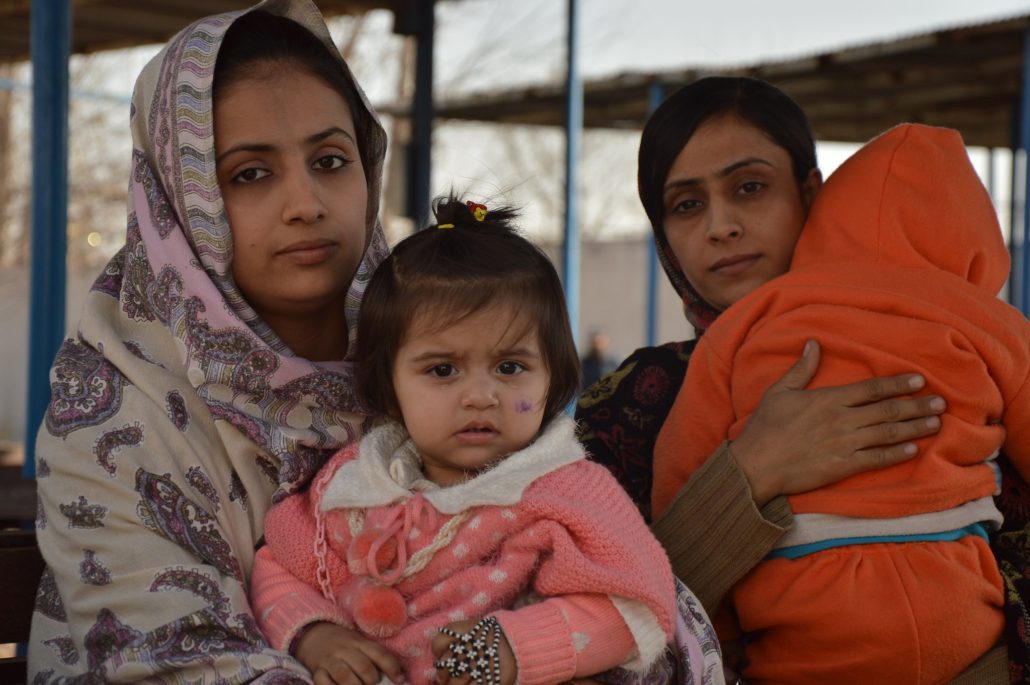
To achieve its aims, Womankind Worldwide teams up with local organizations to create action plans that will help meet the local needs as well as follow cultural traditions. By partnering with local organizations and movements, it can quickly identify the needs of the community and strategies on how best to interact with the social and political climate.

Womankind Worldwide

Womankind Worldwide has finely tuned its approach over the past three decades based on what is most effective and what will create sustainable change. It currently works in Africa, Latin America and Asia, tailoring its plan of action to each country with the aim of meeting three universal goals.

  1. End violence against women and girls in any and all forms
  2. Increase women’s rights for economic freedom and land ownership
  3. Ensure that woman have an equal voice in politics and policy decisions.

The organization has found that the goals are best achieved through three approaches. First, in collaboration with local partners, it creates a variety of projects and services to support and uplift women. Not only does the organization create shelters for women in need but it also develops workshops to help women uncover new career paths.

Second, it believes supporting and strengthening existing local women’s rights movements is critical to creating sustainable change. It works to support the growth of local organizations through technical support, communications, shared learning, advocacy and funding opportunities. Lastly, Womankind Worldwide works on an international level to create change. As a leading authority on global women’s rights, it uses its influence and expertise to ensure women’s development is at the heart of international advancement work.

Challenging Initiatives

Part of its commitment to creating change on international levels is challenging initiatives that may be approaching the problem incorrectly. Womenkind Worldwide has continually argued that the Women Entrepreneurs Finance Initiative, launched in 2017 and managed by the World Bank, ultimately undercuts economic growth for women.

Through the initiative, the World Banks targets so-called “high-growth women,” which Womankind Worldwide argues will most likely not reach the poorest women. It also argues that it undermines women’s access to “decent work” and fails to address the structural issues causing the disparity. It continues to emphasize the importance of expanding the program and digging deeper into the roots of the problem.

Connecting Women

Womenkind Worldwide is currently focusing on strengthening Women’s rights movements across Africa by connecting them. It has partnered up with the African Women’s Development and Communication Network (FEMNET), the National Association for Women’s Action in Development (NAWAD) and local legal organizations to develop legislation promoting equality and access.

In 2017-18, Womankind Worldwide directly benefited 103, 705 women and indirectly supported more than 12.7 million women. It currently focuses on Ethiopia, Kenya, Uganda and Zimbabwe with smaller programs also in Tanzania Zambia, Ghana, Liberia and Sierra Leone. In Ethiopia, Womankind Worldwide has given more than 2,000 women business training, provided more than 3,500 women with legal aid and supported the education of 4,000 girls.

Womankind Worldwide believes that long-term collaboration is the most effective way to create lasting change, but small steps can make significant changes for individuals. For many women, the spaces created by Womankind Worldwide and their partners are the first time women are brought together and asked what difference they want to see. As many organizations look to implement short term solutions or projects for women, Womankind Worldwide is looking to change the way they interact with their world.

– Carly Campbell
Photo: Flickr

August 28, 2019
https://borgenproject.org/wp-content/uploads/borgen-project-logo.svg 0 0 Kim Thelwell https://borgenproject.org/wp-content/uploads/borgen-project-logo.svg Kim Thelwell2019-08-28 01:30:482024-05-29 23:10:54Womankind Worldwide Promotes Local Gender Equality Programs
Global Poverty, Violence Against Women, Women, Women and Female Empowerment, Women's Empowerment, Women's Rights

How Poverty Enforces Patriarchy Worldwide

Poverty and Patriarchy
While poverty and patriarchy may seem like separate issues, the two connect deeply. As long as poverty exists, women’s rights and livelihoods will suffer. Likewise, women’s oppression leads to their inability to contribute to the economy and prevents a family’s escape from cycles of poverty. Here are some examples from around the world of poverty and patriarchy reinforcing each other, and some ways humanitarian aid can improve these situations.

Microcredit in Bangladesh Has Left Millions of Women At High Risk For Domestic Violence

From the 1980s to the mid-2000s, people thought that micro-loans would be the future of international development. In Bangladesh, most of these loans went to women on the belief that women could handle money more responsibly than their male counterparts. They received a small amount of money to invest in materials to start a business and earn an independent livelihood in order to bring their families financial stability. Unfortunately, when these women were unsuccessful at lifting their families out of poverty and their families plunged into greater debt as a result of the loans, they often suffered spousal abuse. For other women, as soon as they received the money, the men and their families took it and used it, leaving them to pay off the loans by themselves. As a whole, micro-credit has not had the intended impact on the people of Bangladesh that the international community once hoped for, and rates of violence against women have climbed, increasing the correlation between poverty and patriarchy

Solution: Investing in women’s education will provide them with the knowledge they need to become financially independent and ensure greater legal protection for victims of domestic violence could greatly combat this issue.

Poverty As a Weapon Against Women in the Democratic Republic of the Congo

Sixty-one percent of women living in the Democratic Republic of the Congo live in poverty, compared to only fifty-one percent of men. This is because people have systematically excluded women from peace-building efforts in the country. Because there are no women’s voices at the decision-making table, countries set policies that prioritize men, often at women’s expense. Disturbingly, women’s rights activists in the country are often a target for violence. Many think that those who advocate for women-centered poverty-relief efforts are distracting from larger issues within the country.

Solution: Studies that researchers conducted in the Democratic Republic of the Congo demonstrate that in areas with high levels of poverty, there are high levels of violence against women. Providing food security, as well as funding institutions and organizations to empower women, are important steps in relieving both poverty and oppression in the DRC.

Time Poverty Makes it Nearly Impossible for Indian Women to Contribute to the Economy

In India, the average man works seven hours per day. Although women usually work for nine hours a day, the vast majority of their labor is unpaid housework and childminding. This means that they have little time to earn any outside wages, and therefore, remain financially dependent on the men in their families.  The power dynamic that this situation creates is extremely dangerous. Women lose any agency they may have because they depend on their fathers, husbands or brothers for everything. This means that they have no power to go against their male relative’s wills. It also hurts the Indian economy, as women have little ability to contribute to it.

Solution: In rural India, women spend upwards of four hours each day gathering fuel and cleaning utensils to cook with. Providing them with solar or electric cookers could save them three hours of unpaid labor, giving them more time to do what they want to do or contribute to the economy as an untapped workforce.

These examples display just how poverty and patriarchy intertwine and push women and their families into poverty. If women could gain an education, receive food security or use alternative cooking equipment to limit labor, they might be able to improve their situation and lift themselves out of poverty.

– Gillian Buckley
Photo: Wikimedia

August 26, 2019
https://borgenproject.org/wp-content/uploads/borgen-project-logo.svg 0 0 Kim Thelwell https://borgenproject.org/wp-content/uploads/borgen-project-logo.svg Kim Thelwell2019-08-26 08:04:142019-11-05 13:48:56How Poverty Enforces Patriarchy Worldwide
Global Poverty, War, War and Violence, Women's Empowerment

Women Negotiate in “Women, War and Peace”

Women War and Peace
When resolving conflict in the face of war, women are noticeably absent. Throughout history, however, women have occupied important roles during wartime, including as soldiers, politicians, factory workers and even baseball players. People often exclude women and under-represent them among the governmental and conflict-resolution side of the war. Between 1990 and 2017, 92 percent of all peace negotiators were male. Accordingly, the perspectives and interests of women are disproportionately missing, even when war affects women just as much, if not more than men.

Evidence suggests that including women in peace negotiations significantly reduces the presence of violence and aids in bringing peace. Some evidence goes so far as to say that when others include women in negotiation, there is a 70 percent chance that peace will stay for 20 years, compared to a 25 percent chance if only men participate in the conversation.

The “Women, War and Peace” Docuseries

“Women, War and Peace” is a docuseries that began with the idea that when women are part of peace processes, the outcome is often more peaceful for a longer period of time.

Produced by Abigail Disney and a team of all-female executives, the first season of “Women, War and Peace,” which first premiered in 2011, follows female peace negotiators in Afghanistan, Liberia and Northern Ireland. With tactics ranging from sit-ins, mass rallies and negotiating around a table, despite challenges and doubts of their legitimacy, the women attempted to convince leaders of their worth and usefulness in wartime proceedings.

Season two, which premiered in 2019, follows the stories of women in Gaza, Haiti and Egypt. In one episode, directors Geeta Ganbhir and Sharmeen Obaid-Chinoy told the story of one of the only all-female peacekeeping units in the world. One hundred and sixty Bangladeshi women traveled to Haiti following the 2011 earthquake where they encountered devastating poverty and ravaged health care systems and attempted to stabilize peace in the country. Another episode followed three Egyptian women in the height of the Arab Spring, struggling to restore peace in the crosshairs of the military and the Muslim Brotherhood.

What Disney Hopes the Docuseries Achieves

In addition to the general public, people use the series for educational purposes, teaching women and all individuals about political advocacy, female empowerment and gender equality. Most of all, the docuseries is a look into the realities of war.

In an interview for Women and Hollywood, the interviewer asked Abigail Disney what she would like viewers to take away from “Women, War and Peace.” She responded, “I would love people to take a moment and ask themselves what they understand about war. What do they believe happens in war, and what is war about to them?” “Women, War and Peace” is a look at war through the perspectives people usually ignore. Disney and the production team of the docuseries aim to dispel the heroism and nobility that many perceive in war through movies, stories and myths. Rather, through the eyes of women working towards peace, viewers of the docuseries see what victims of wartime see. In Disney’s words, the “high-minded view of war” is impossible “through a woman’s eyes.”

– Orly Golub
Photo: Flickr

August 23, 2019
https://borgenproject.org/wp-content/uploads/borgen-project-logo.svg 0 0 Kim Thelwell https://borgenproject.org/wp-content/uploads/borgen-project-logo.svg Kim Thelwell2019-08-23 23:43:162024-05-29 23:13:01Women Negotiate in “Women, War and Peace”
Activism, Global Poverty, Women and Female Empowerment, Women's Empowerment, Women's Rights

The Best Countries to Live in for Women

Live in For Women
Where in the world do women have the most opportunities? One must consider many factors when evaluating a country’s appeal to women. Gender equality, women’s rights, equal pay, the poverty rate for women, the rate of education for women and more specific issues like paid parental leave all play a significant role in building an egalitarian society. The following five countries are the best countries to live in for women.

Sweden

The Swedish government has declared itself a feminist government, setting forth a nation-wide standard of gender equality. Gender equality in Sweden goes beyond equality of opportunities and extends into ensuring equal qualities of life to ensure a positive future for Sweden. Workplace gender discrimination has been illegal beginning in 1980 and Swedish legislation further developed gender equality when the Swedish Discrimination Act passed in 2009. This law states that all employers and businesses must take active steps to ensure the existence of equality between women and men and the absence of harassment in the workplace. In 2017, the law expanded to include the prevention of all harassment, not only harassment on the basis of gender. Notably, Sweden’s legislation prevents discrimination against individuals seeking to take parental leave, the absence of which causes a major financial burden on families worldwide. These policies ensure that women, whether single or married, mothers or not, receive protection against all major forms of harassment. A telling fact of the extent of gender equality in Sweden is the percentage of women comprising Swedish parliament and cabinet – 46 and 50 percent, respectively.

Denmark

Women in Denmark integrate incredibly into the workplace, as women generally maintain jobs outside of their homes. With a generous parental leave policy, women are able to raise families while working without worrying about maintaining income. Similar to women in Sweden, Danish women have respect and can participate in government affairs, with 40 percent of Swedish parliament being female. According to a 2016 survey that the U.S. News and World Report conducted, Denmark is the number one country in the world for women to live in. Respondents considered five factors including safety, progressiveness, income equality and gender inequality.

Canada

Canadians have ample legislation to preserve the presence of equality for women and men. Previously, Canadian women did not experience such egalitarianism, and the government of Canada has made tremendous strides in bettering the country for women. In 2015, Justin Trudeau famously appointed an equal number of males and females to his cabinet, setting forth a precedent for his time in office. Canadian women receive protection from discrimination through the Charter of Rights and Freedoms. Women are, on average, more educated than men in Canada, indicating definite equality when it comes to educational opportunities. However, Candian women still experience the wage gap and income inequalities in the workplace. Canadians claim that these issues are the largest and greatest obstacles standing in the way of true equality in Canada.

Norway

In 2014, the Constitution of Norway expanded to include more human rights, including the Equality and Anti-Discriminatory Act. This act improved the status and rights of women and minorities and was necessary due to violence against women and the segregation of men and women in the workplace. In 2016, the Government of Norway signed a new plan into action that would take steps to further women’s rights and gender inequality. The Action Plan for Women’s Rights and Gender Equality in Foreign and Development Policy focused on five different goals, including equal participation for men and women in politics, full economic rights for women to participate in the labor workforce and inclusive education programs for all children, male or female. These policies contribute to why Norway is on the list for top countries for women to live in.

The Netherlands

Prior to 1956, women in the Netherlands automatically lost their job as soon as they married. This fact is hard to fathom when compared to the state of women’s rights and gender equality of the Scandinavian country today. Dutch law legally prevents discrimination and explicitly bans any type of inequality in men’s rights and women’s rights. However, a closer look into the Netherlands reveals that the country is not exactly a perfect place to live for women. For example, though men and women have close to equal levels of education, there still exists a gap in the comparison of individuals doing paid versus unpaid labor. In terms of safety, 45 percent of Dutch women will experience domestic violence in their lifetimes. Governments in countries like the Netherlands have had to implement new platforms and legislation to ensure that citizens feel safer in favor of true gender equality.

These best countries for women to live in concentrate in North America and Scandinavia. The top 10 list also includes Finland, Switzerland, Australia, New Zealand and Germany, expanding the geographic regions outward. The United States of America ranks at around number 16, appearing lower on the list due to crippling income inequality. Additionally, some regions in the world provide very dangerous environments for women, including the Middle East and Asia in countries such as Afghanistan and India.

– Orly Golub
Photo: Flickr

August 23, 2019
https://borgenproject.org/wp-content/uploads/borgen-project-logo.svg 0 0 Kim Thelwell https://borgenproject.org/wp-content/uploads/borgen-project-logo.svg Kim Thelwell2019-08-23 13:00:032024-06-07 05:07:58The Best Countries to Live in for Women
Disease, Global Poverty, Water Sanitation, Women's Empowerment

The BARKA Foundation is Bringing Clean Water to Burkina Faso

BARKA Foundation

Burkina Faso is a small, land-locked country located in western Africa. Due to recurring droughts and the lack of efficient infrastructure, access to clean water remains an issue in Burkina Faso, especially during the dry winter months when two of the country’s three rivers dry up. In addition to water scarcity, many areas still do not have the sanitation facilities necessary to ensure drinking water is clean and safe. An organization called the BARKA Foundation is working to change that.

Barka is an African word meaning gratitude, blessing and reciprocity. These three words embody the mission of the BARKA Foundation, an American non-profit that strives to bring clean water to all parts of Burkina Faso. In 2015, 93.3 percent of the rural population and 80.3 percent of the total population did not have improved sanitation facility access. Nearly half the country still lives without clean water. Dirty water can spread diarrheal diseases and other infections to the public. Below are descriptions of the BARKA Foundation’s current clean water projects, and the positive effects these projects have had on communities in Burkina Faso.

WASH

Water, Sanitation and Hygiene Education (WASH) is a long-term initiative that not only supplies rural villages with clean water but also educates the villagers on important sanitation and water purification practices. The goal here is sustainability. By giving village members lifelong sanitation skills, BARKA can be confident that their positive impact will continue after they have left. WASH objectives include digging wells, building latrines and educating members of the community.

Part of what makes the BARKA Foundation special is its culturally sensitive and community-based approach to clean water. Before any project starts, BARKA makes sure it is in accordance with the Declaration of Rights of Indigenous Peoples’ Principle of Free, Prior and Informed Consent (FPIC). This principle ensures that all beneficiary communities agree to the non-profit’s presence and initiatives, have the right to negotiate the terms of the agreement and can withdraw consent at any time.

BARKA also makes a point of developing sustained personal relationships with each village, so the two groups can develop trust and collaborate effectively. The foundation establishes water and sanitation committees in each town, which are run by the villagers and must be made up of equal parts men and women. These principles are central to WASH’s desire to create a sustainable system of clean water and sanitation. So far, more than 25,000 rural villages have been improved by WASH. The organization has drilled 6 wells and built 14 bathrooms in 5 primary schools in rural areas.

Social Art

BARKA recognizes the cultural importance of song, dance and performance in Burkina Faso. Therefore, to engage village members, the BARKA Foundation uses theater to relay information to the public. These performances involve a portable stage along with light and sound equipment. The plays often contain themes such as female empowerment and sustainable agriculture. After a performance, the audience and the actors on stage have a lively debate where questions may be asked or points challenged. The goal is to create an immersive and interactive learning experience in which everyone can participate.

The adult literacy rate in Burkina Faso is only 34.6 percent. For this reason, engaging and participatory education is extremely important in rural areas. BARKA wants to get the necessary information out there in an effective way that does not exclude illiterate members of society. BARKA has involved 10,023 people in villages and public performances to date, benefiting more than 16,000 people. The average audience size per performance is 432 people.

Walk for Water

A great way for people in their home countries to get involved with the BARKA Foundation is to do a Walk for Water. When there are no wells close by, villagers must travel to a water source to fill up heavy jugs of water and lug them home. The chore typically falls on the shoulders of women and girls in the village, so they usually have to attend to small children while making the journey. Often, those going to get water are barefoot or equipped with poor footwear. This practice is physically tiring and time-consuming and takes time away from girls’ education.

Walks for Water are an imitation of this daily burden. Classrooms, schools and clubs raise money and awareness by carrying water jugs and walking for a set distance (usually 6 kilometers). The fundraiser engages the entire community and is a great way to get everyone involved in an important cause.

Ceramic Filters

Ceramic water filters are a cheap, environmentally sustainable and generally effective way to purify household water. The CDC found that people who used ceramic filters were 60 to 70 percent less likely to contract diarrheal diseases from their drinking water. While these filters are useful for removing most protozoa and bacterial pathogens, they are typically not as effective at removing viruses. For this reason, filters should not be considered a long-term solution but rather an important step.

The BARKA Foundation uses a “cross-subsidization” model to distribute filters to impoverished areas. Essentially, BARKA sells the filters to NGOs and the Burkinabe middle class that can afford them. They then use those profits to distribute ceramic filters to poor areas, often visiting rural villages with little to no sanitation facility access. These filters represent a simple and effective way to ensure every household has at least some method of water purification.

The Future of Clean Water in Burkina Faso

Although the federal government recognized the importance of clean water distribution with the Water Act in 2001, Burkina Faso’s local governments largely do not have the money or resources to maintain filtered water and sanitation practices. The BARKA Foundation seeks to fill these gaps, and its efforts have no doubt resulted in success on the ground.

While it can be difficult to quantify exactly how much improvement BARKA has brought about, they are headed in the right direction. In 2005, a year before BARKA was founded, the life expectancy in Burkina Faso was 53.3 years. Today, the country’s life expectancy is about 61 years. BARKA’s various projects will continue to fight poverty by bringing clean, safe and sustainable water to Burkina Faso.

– Morgan Johnson
Photo: Flickr

August 19, 2019
https://borgenproject.org/wp-content/uploads/borgen-project-logo.svg 0 0 Kim Thelwell https://borgenproject.org/wp-content/uploads/borgen-project-logo.svg Kim Thelwell2019-08-19 01:30:402024-05-29 23:10:50The BARKA Foundation is Bringing Clean Water to Burkina Faso
Children, Global Poverty, Women and Children, Women's Empowerment

5 Jewelry Brands That Give Back

Jewelry Brands That Give BackEvery day, people around the globe wear jewelry to either symbolize a personal significance or to complete any outfit. Whether it is worn as an accessory or to make a statement, jewelry has been around for centuries. There are thousands of jewelry brands in the world, but only a small fraction of them give back to people in need. This article will focus on five jewelry brands that give back to exploited women and children in need.

5 Jewelry Brands That Give Back

  1. Half United– Siblings, Christian and Carmin Black founded Half United back in 2009 as a way to merge their passion for fashion and philanthropy. Using recycled bullet castings, Half United’s unique jewelry designs empower consumers to fight against hunger. Each product purchased creates seven meals for a child in need. At the end of each month, Half United divides the number of meals raised equally between their local and global partners. One of their global partners is Elevating Ministries, which feeds more than 5,000 students a day. In the past eight years, Half United has supplied over 800,000 meals for children in need.
  2. AccountABLE- After witnessing the hardships Ethiopian women endured in extreme poverty, Barrett Ward was on a mission to end generational poverty when he created AccountABLE. The organization presented women with an alternative opportunity that would provide them with a living while empowering them out of poverty. Women in Ethiopia, Mexico, Peru and the U.S. create items from handmade jewelry to footwear. AccountABLE is one of the few companies that have published their wages. By making their worker’s wages public, AccountABLE is hoping other companies will do the same and realize the difference between minimum wage and a living wage.
  3. Akola – Akola is a local Ugandan dialect that translates to “she works”. Each piece of jewelry is handcrafted by women across East Africa and the U.S. Akola employs women who care for an average of 10 dependents. Through their nonprofit partners, Akola Project and Akola Academy, the organization creates jobs for women in unstable situations in both East Africa and the U.S. They create a community to assist, teach and empower women to become self-sufficient and free from poverty. Akola is not only helping women but also the environment through upcycling Karatasi beads, horn and natural raffia.
  4. PURPOSE Jewelry- For the past 11 years, PURPOSE Jewelry has been helping and employing young women around the world who have been rescued from human trafficking. Every stage of production involves one of these women and enables them to earn a living, learn valuable skills and gain a sense of security. Each handcrafted piece of jewelry includes the artisan’s signature, forever connecting her story of hope to the consumer. With each purchase, a portion of the proceeds goes toward their nonprofit, International Sanctuary. International Sanctuary provides women with education, health care and counseling. In the past year, they have provided over 9,600 hours of professional training and nearly 3,800 hours of education and tutoring.
  5. Starfish Project- The Starfish Project provides care for exploited women in Asia through its social enterprise of handcrafting jewelry and Holistic Care Programs. The Holistic Care Programs provide women with career training, healthcare, counseling, safety and education grants for children. Each month, the Starfish Project serves over 400 women by making weekly visits to local brothels. These visits provide women with medical services, education and even birthday celebrations. Nearly 150 women have been employed by the Starfish Project with thousands more participating in their Community Outreach Services. One hundred percent of the proceeds are reinvested into the Starfish Project’s mission of restoring hope to women and girls.

These five jewelry brands that give back are more than just selling accessories, they are helping those in need. These five jewelry brands give women back their freedom and give children back their childhood.

– Emily Beaver
Photo: Flickr

August 15, 2019
https://borgenproject.org/wp-content/uploads/borgen-project-logo.svg 0 0 Kim Thelwell https://borgenproject.org/wp-content/uploads/borgen-project-logo.svg Kim Thelwell2019-08-15 11:42:072024-05-29 22:57:435 Jewelry Brands That Give Back
Page 35 of 54«‹3334353637›»

Get Smarter

  • Global Poverty 101
  • Global Poverty… The Good News
  • Global Poverty & U.S. Jobs
  • Global Poverty and National Security
  • Innovative Solutions to Poverty
  • Global Poverty & Aid FAQ’s
Search Search

Take Action

  • Call Congress
  • Email Congress
  • Donate
  • 30 Ways to Help
  • Volunteer Ops
  • Internships
  • Courses & Certificates
  • The Podcast
Borgen Project

“The Borgen Project is an incredible nonprofit organization that is addressing poverty and hunger and working towards ending them.”

-The Huffington Post

Inside The Borgen Project

  • Contact
  • About
  • Financials
  • President
  • Board of Directors
  • Board of Advisors

International Links

  • UK Email Parliament
  • UK Donate
  • Canada Email Parliament

Get Smarter

  • Global Poverty 101
  • Global Poverty… The Good News
  • Global Poverty & U.S. Jobs
  • Global Poverty and National Security
  • Innovative Solutions to Poverty
  • Global Poverty & Aid FAQ’s

Ways to Help

  • Call Congress
  • Email Congress
  • Donate
  • 30 Ways to Help
  • Volunteer Ops
  • Internships
  • Courses & Certificates
  • The Podcast
Scroll to top Scroll to top Scroll to top