• Link to X
  • Link to Facebook
  • Link to Instagram
  • Link to TikTok
  • Link to Youtube
  • About
    • About Us
      • President
      • Board of Directors
      • Board of Advisors
      • Financials
      • Our Methodology
      • Success Tracker
      • Contact
  • Act Now
    • 30 Ways to Help
      • Email Congress
      • Call Congress
      • Volunteer
      • Courses & Certificates
      • Be a Donor
    • Internships
      • In-Office Internships
      • Remote Internships
    • Legislation
      • Politics 101
  • The Blog
  • The Podcast
  • Magazine
  • Donate
  • Click to open the search input field Click to open the search input field Search
  • Menu Menu

Archive for category: Women’s Empowerment

Global Poverty, Women's Empowerment

Women’s Empowerment Organizations in Sub-Saharan Africa 

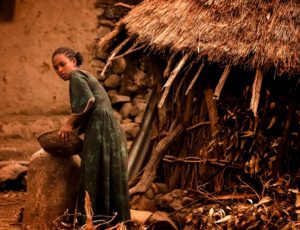
Women Empowerment Organizations in Sub-Saharan AfricaWomen’s empowerment is a critical component in achieving development and sustainably reducing poverty. It increases the quality of life for men and women globally. Gender parity would allow for a $28 trillion increase in the global GDP. In addition, women typically invest in their families and communities more than men. This will contribute to overall economic and social growth. Sub-Saharan Africa is a rapidly developing region. However, there are serious challenges when it comes to gender equality in terms of education, economic rights, leadership opportunity and access to healthcare. Gender parity in sub-Saharan Africa will specifically allow for $721 billion in growth to the GDP. For the region to develop and grow to its full potential, the gender gap must be addressed. Many women’s empowerment organizations are working to address gender gaps. Here are four gender empowerment organizations operating in sub-Saharan Africa
4 Gender Empowerment Organizations

  1. Africare: Africans and Americans founded Africare in the 1970s. Africare is a non-governmental organization with the mission of improving the quality of life of people in Africa. Since its beginning, Africare has provided more than $1 billion in assistance to tens of millions of people across the African continent. The organization does this by addressing Africa’s development and policy issues. In addition, Africare partners with African people in an effort to build sustainable communities. Africare’s approach includes community engagement, capacity building, locally-driven behavior change and innovative public-private partnerships. Africare is a women’s empowerment organization that believes providing resources to African women is beneficial to African societies. Additionally, as women receive education and higher legal status, they are able to provide their households with better nutrition and access to healthcare. Moreover, Africare works to provide greater leadership opportunities for women by working with local partners. Africare provides leadership coaching, literacy training, business training and market access for African women.
  2. Make Every Woman Count (MEWC): Make Every Woman Count is an African, women-led organization that works in mobilization, networking, advocacy and training African women. The organization helps build women’s leadership capability and works towards changes in policy to be more supportive of women. The work is largely online, using the potential of the internet to reach out to women in Africa. In addition, MEWC plays a huge role in information proliferation. They give guidance to other organizations and grassroots movements operating to empower women in Africa. In addition, the organization also provides a platform for women to exchange ideas and create networks to “establish female leaders in Africa.” Furthermore, MEWC’s major goal is to make sure that African women “have a strong voice in governance institutions.”
  3. Asante Africa Foundation: The Asante Africa Foundation is primarily an educational organization. Its mission is to educate and empower the next generation of agents of change. In 2018 alone, the organization was able to impact 23,085 lives. Moreover, it understands the specific challenges that face women and girls in aspects of access to education in sub-Saharan Africa. In addition, the foundation has programs that are female-centric to aid in these issues. The foundation pioneered the Girls’ Advancement Program. This is one of the women’s empowerment organizations that centers around the idea that using girls’ education promotes development and economic growth. Moreover, the Girls’ Advancement Program takes a holistic approach by taking into account the “cultural, social and health factors.” All of these factors are relevant and correlated to the gender gap in education. The program aims to do this by creating safe spaces, educating in reproductive health, building peer support and mobilizing women as mentors in their communities.
  4. Men Engage: Non-governmental organizations along with U.N. agencies formed Men Engage in 2004. The organization works to engage men and boys in the struggle for gender equality. The coalition is made up of organizations like the Family Violence Prevention Fund, International Planned Parenthood Federation, WHO, UNDP and so forth. The understanding that men play an important role in achieving gender equality is essential to the alliance. In addition, the alliance is working at the national level in many African nations through its MenEngage Africa section to create a dialogue with key individuals, policymakers and advocates working locally to make gender equality a reality. Its sub-Saharan African Regional Symposium brought together delegates from 25 countries, resulting in the MenEngage Africa Declaration and Call to Action.

These women’s empowerment organizations are doing important work in addressing gender inequality and building capabilities. Women’s empowerment is a necessary focus on creating sustainable development and reducing poverty in sub-Saharan Africa and globally.

– Treya Parikh

Photo: Flickr

April 22, 2020
https://borgenproject.org/wp-content/uploads/borgen-project-logo.svg 0 0 Lynsey Alexander https://borgenproject.org/wp-content/uploads/borgen-project-logo.svg Lynsey Alexander2020-04-22 01:30:342024-05-29 23:15:41Women’s Empowerment Organizations in Sub-Saharan Africa 
Global Poverty, Women's Empowerment

Empowering Women With HIV in Djibouti

HIV in Djibouti
According to the United Nations Development Program (UNDP), addressing poverty means first reaching those who feel the greatest impact; progress does not necessarily trickle down to the population that is most disadvantaged. The 2016 Human Development Report found that one-third of the world’s population lives in low human development circumstances. Furthermore, some sectors of society are more disadvantaged than others. Inequalities and social exclusion that people such as those living with HIV face present larger barriers to development and access to health programs. For this reason, the World Food Programme, alongside UNDP, UNAIDS and the national network of people living with HIV in Djibouti (RNDP+), have created an income-generation program that provides loans for people living with HIV. Such loans are empowering women with HIV in Djibouti to live dignified and successful lives.

Men and Women with HIV in Djibouti

As of 2017, 1.3 percent of the adult population in Djibouti was living with HIV, a decrease from 1.6 percent – or 9,900 people – in 2014. Social and cultural norms, destructive policies, improper medical services and restrictive laws impede HIV treatment and prevention measures. In Djibouti, women are most vulnerable to stigma and social exclusion and therefore often suffer the most.

The Income Generation Programme

The World Food Programme’s income-generation initiative supports and empowers women through longterm aid. By providing a regular, stable income, the World Food Programme is creating financial security for women with HIV in Djibouti. The money that women receive typically goes toward starting and running a retail business. These loans generally range from $141 to $148 per person and include a training program teaching effective business skills.

How it Works

Recipients of the loan become chosen from two networks in Djibouti that specifically support those living with HIV: ARREY and Oui à la Vie – Yes to Life. Oftentimes, those diagnosed with HIV are susceptible to deteriorating conditions, are unable to hold down a job and face discrimination, causing the citizens to be unwelcome in public sectors. Women with HIV in Djibouti that receive these loans are able to make a consistent income for themselves and overcome the stigma that some associate with HIV. Further, these women are able to take back control of the lives they previously led.

The Outcome

One such recipient of the loan stated that she was “no longer a desperate woman.” She now makes enough to support her family and other dependents. Additionally, once this loan gave her the capital to launch a sustainable business, she was able to repay the loan in only 10 months. During that time the recipient was also able to expand the retail business to include furniture and electronics.  

The World Food Programme’s income-generation initiative aids the Sustainable Development Goal of ending HIV by 2030, and furthermore, leaving no person behind. According to UNDP’s findings, development itself does not automatically ensure that the entire population is included. Programs such as this target the multidimensional factors involved in people receiving proper aid.

Empowerment is an essential part of development; without the ability to feel successful and fulfilled, women often lack the means to seek treatment and make educated decisions regarding health. The loan initiative empowers women living with HIV in Djibouti to combat the associated stigma and obtain financial investment necessary to develop a sustainable business. With a stable income, women are able to seek health services that might not have been previously accessible. 

– Laurel Sonneby
Photo: Flickr

April 10, 2020
https://borgenproject.org/wp-content/uploads/borgen-project-logo.svg 0 0 Lynsey Alexander https://borgenproject.org/wp-content/uploads/borgen-project-logo.svg Lynsey Alexander2020-04-10 01:30:162024-05-29 23:15:25Empowering Women With HIV in Djibouti
Gender Equality, Global Poverty, Women and Female Empowerment, Women's Empowerment, Women's Rights

Women’s Issues in West Africa

Women’s Issues in West AfricaMany different factors undermine women’s public health issues and political power in West Africa. Many of these factors, such as gender inequality, weak economic capacity and gender-based violence disproportionately affect women in the region more than men. Gender-based social stratifications have resulted in a disparity in the benefits women receive when compared to their male counterparts, and this undermines their social status and power as well. Here is more information concerning women’s issues in West Africa.
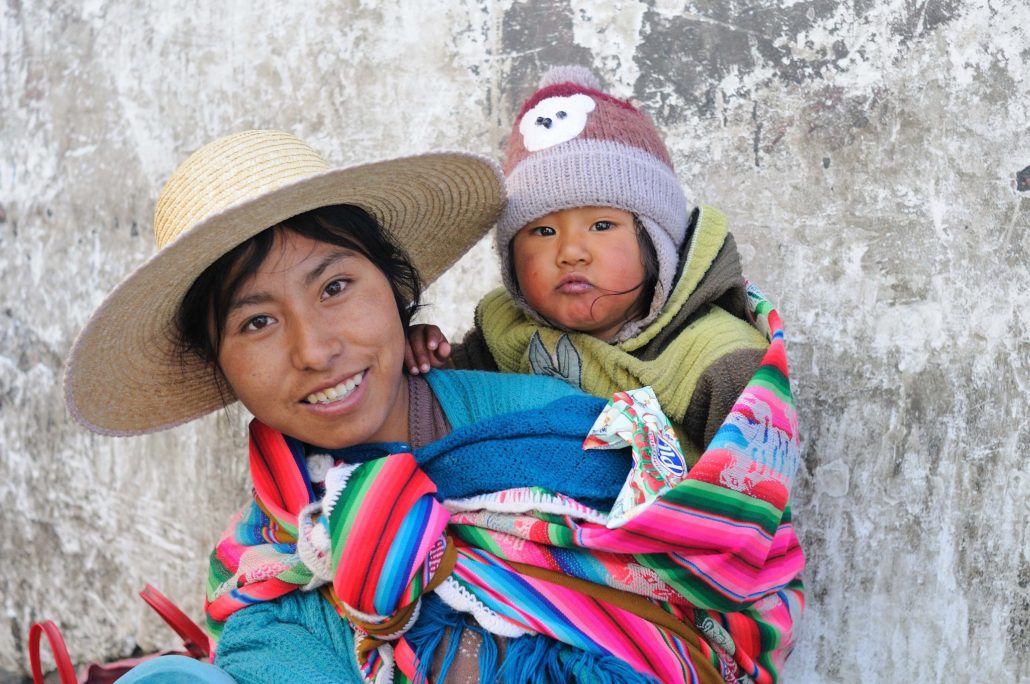
Women’s Issues in West Africa

While certain factors do continue to impede upon the growth of women’s social status in the region, the region has made some small steps regarding women’s roles in society. The West African countries of Sierra Leone, Cabo Verde, Mauritania, Ghana, Gambia, Guinea-Bissau, Burkina Faso and Senegal have recently been able to close the gender gap in primary school enrollment, making early childhood education more accessible to young girls within the region. Senegal has made even more progress in terms of women’s rights with increased representation in its parliament. The number of female parliament members has almost doubled in the past few years, which is a particularly good start in giving more political power to women in the West African region. Women’s equal political participation still remains a challenge in the majority of these countries, but following in the steps of Senegal could make for increased inclusion of women in politics throughout the region. Even though such changes will take time, the progress that Senegal has made has provided women with more representation for the time being.

Women’s Issues in the Workplace

Women in West Africa face issues in the workforce within the region as well. Struggles with infrastructure and fully-functional public services in the region push women into more domestic and care work. In the West African region, women spend approximately six times more than men on unpaid care work, which typically involves household tasks and caring for children and the elderly. This disparity leads to economic and social issues for women in West Africa. Since their work is unpaid, they often have little to no economic mobility and are instead reliant on members of the family that work for pay, and this lack of economic status pushes them further down in societal ranks. These two combined make for even more difficulties in addressing the issues that specifically affect women in West Africa.

With economic inequality disproportionately affecting women in West Africa, it is important to emphasize not only the issues at hand but also the ways in which people can change them for the better. The economy does not always legitimately count the household and family-centered work that women in West Africa typically perform because people deem it to be an informal sector of work where workers do not earn wages. In some cases, women will contribute substantial amounts of labor in the agricultural sector but lack access to credit and markets, making attaining a profit and higher economic status difficult once again.

Moving forward, people must put development policies into place and carry them out properly in order to engage women in the workforce in a way that will count in the formal economic sector. It may be in the best interest of women in West Africa for their countries to adopt the same sorts of policies that countries like Tanzania and Uganda have already proved successful. These countries along with several others have adopted a tool called gender budgeting which analyzes government spending and its impacts on gender and age subgroups. The goal of using this tool is to better understand where economic disparities arise and adjusting the government’s spending choices to alleviate adverse effects.

Child Marriages in West Africa

Aside from economic disparities affecting women in West Africa, another problem has arisen concerning the younger population. Previously, arranged marriages adversely affected young girls because little to no policies were in place protecting their rights. This practice is particularly salient in the West African region, where the rates of child marriage are more than double the world average.

Now, all West African countries are signatories of the Protocol to the African Charter on Human Rights and Peoples’ Rights on the Rights of Women in Africa, the African Youth Charter and finally the African Charter on the Rights and Welfare of the Child. These show commitment to national campaigns looking to end child marriage and protect the rights of young girls, creating a great step in the direction of progress. Now that some legal loopholes have closed, new cultural customs must also put the rights of young girls and women first, therefore elevating their status and importance in greater society.

The Future for Women’s Issues in West Africa

Women in West Africa are not simply accepting these issues as unchangeable but are instead taking stances to improve their lives. The development of women’s organizations in West Africa has helped spark attention and change in certain areas thanks to the collective efforts of these women. From grassroots campaigns to highly professional and organized non-governmental organizations, these organizations have focuses ranging from specific women’s rights to even broader agendas. For many, the idea of gender equality in the region is at the forefront of its mission.

While all of these organizations tackle different issues and call for a response from the public in varying ways, each organization gives refuge for women to join together and learn about their rights. These organizations act as a support structure for women in West Africa and help to provide them with the resources to better themselves socially, economically and politically. By joining together, these women are creating unstoppable numbers that are currently pressuring political and structural change to rectify the issues women in West Africa face every day. With their perseverance and dedication, they will continue empowering women for generations to come and bring resolve to the issues that have adversely affected women in the region for decades.

– Hannah Easley
Photo: Flickr

April 6, 2020
https://borgenproject.org/wp-content/uploads/borgen-project-logo.svg 0 0 Lynsey Alexander https://borgenproject.org/wp-content/uploads/borgen-project-logo.svg Lynsey Alexander2020-04-06 07:30:402020-04-02 09:45:22Women’s Issues in West Africa
Global Poverty, Women's Empowerment, Women's Rights

A Timeline of Women’s Rights in South America

Women's Rights in South America
Women’s rights throughout the last century have achieved huge strides. All over the world, women have fought for the right to vote, to go to school and to express themselves. This timeline of women’s rights in South America explores the most pivotal moments for it during the past 150 years. Before even having the right to vote, women have launched movements, wrote publications and protested governments, all to ensure that others would hear their voices. 

Timeline of Women’s Rights in South America

1883: Elvira García y García pioneered the path for women’s rights in South America before feminism was a word. She created the girls’ school, Liceo Peruano, where she brought education to countless young girls across Peru. Through this, she tore down traditional gender barriers and inspired girls to obtain an education.

1919: Bertha Maria Júlia Lutz and another woman founded the League for the Intellectual Emancipation of Women, which was an organization aimed at addressing the inability for women to vote. This historic organization fought for voting rights and the right for women to work across Brazil without their husband’s authorization. Lutz relentlessly tackled key issues until obtaining the right in 1932. Further, she successfully worked to obtain international women’s rights at the U.N. Charter at San Francisco Conference on International Organizations in 1945.

1938: Julia de Burgos, a Puerto Rican writer, released a controversial collection of poetry on social justice issues. The poems discussed slavery, colonialism and women’s rights in South America; after the first publication, she went on to write about feminist theory. One main topic of her works was the idea that motherhood and womanhood were not synonymous. These works continued to live through the movement and eventually inspired American Latina Feminist creators like Mariposa, Andrea Arroyo, Luzma Umpierre, Rosario Ferré and Yasmin Hernandez.

1945: Lucila Godoy Alcayaga, or Gabriela Mistral, was the first Latin American woman to win the Nobel Prize for Literature as a Chilean woman. She was also passionate about education, becoming a school teacher by the young age of 15. One of the primary ways she fought for women’s rights in South America was by ensuring that girls had access to quality education.

1946: Felisa Rincón de Gautier became mayor of San Juan, Puerto Rico, becoming the first female mayor of a capital city in the Americas. She fought for women’s rights in South America with a strong belief that all women should have the right to vote and have the opportunity to be active in politics. She continued to engage in the movement throughout her life, even at the age of 95.

1969: María Jesús Alvarado Rivera was the first modern champion of women’s rights in the country, as honored by The National Council of Women of Peru. Throughout her life, she fought for women’s rights in South America by educating the public on women’s suffrage. She too worked to ensure education for young girls across the country.

1999: All of these brilliant women’s activities prompted the Venezuelan government to develop a new constitution, aligning with a majority of the republics in the Western Hemisphere. It explicitly stated that all citizens, regardless of gender, have social, political and economic rights. The Assembly of Social Movements also recognized and addressed domestic abuse, sexual harassment and discrimination as issues.

Since the turn of the century, non-government organizations have fought to continue providing opportunities to strengthen women’s rights in South America. Countless women and allies across the continent have made huge commitments to gender equality. More women are involving themselves in these movements and organizations than ever before, which is not only a cause for celebration but also a victory for the women who dedicated a lifetime of activities towards improving women’s rights in South America.

– Asha Swann
Photo: Flickr

March 26, 2020
https://borgenproject.org/wp-content/uploads/borgen-project-logo.svg 0 0 Lynsey Alexander https://borgenproject.org/wp-content/uploads/borgen-project-logo.svg Lynsey Alexander2020-03-26 18:00:262024-05-29 23:15:33A Timeline of Women’s Rights in South America
Gender Equality, Global Poverty, Women and Female Empowerment, Women's Empowerment, Women's Rights

Pushing for Gender Equality in Sudan

How Women are Pushing for Gender Equality in Sudan
Gender equality in Sudan has experienced wide debate, especially in the last two decades. Many women across the country saw Omar al-Bashir’s removal from office as a victory for women’s rights. For years, women have been protesting to have the right to a fair trial, to play sports, to have freedom of speech and to have a position in politics. Here is more information about how women are pushing for gender equality in Sudan.

Sudan’s First Female Football League

Women in Sudan started branching out into new activities after Omar al-Bashir’s removal from office. Women across the nation started branching out into new territory: professional sports. Somewhere that women have been thriving is on the football field. Sudan’s first-ever all-women football league began near the end of 2019. Since the league’s arrival, protests across the country have called for more women to involve themselves in sports both professionally and as a hobby. The new Prime Minister Abdalla Hamdok has vowed to make female participation throughout the country a priority in the government. Many across the nation believe that the numbers and volume of women protesting was one of the reasons for Omar al-Bashir’s removal from office. Allowing women to compete in sports helps break down some of the barriers that have been preventing gender equality in Sudan.

Women’s Rights

Conversations about gender equality in Sudan and women’s rights first made headlines in the early 2000s. Sexual abuse and violence were at the forefront of the demonstrations. The International Criminal Court indicted former President Omar al-Bashir and several of his staff for systematic sexual abuse in Darfur, between 2003 and 2008.

Women all across Sudan became increasingly angry with the government not reacting to alleged sexual abuse crimes that the police force committed as well. One report shows that government security allegedly killed 118 people and raped dozens of female demonstrators. Gender equality in Sudan also brings up arguments over the legal system in the country. Women across Sudan have also been protesting the legal system, which can allow women to face imprisonment for crimes such as wearing trousers or leaving the house without a man who is not their husband. One report shows that up to 40 women are in courts each day because of these laws. It is common for the women to have a trial without a lawyer, go to jail or receive punishment by public lashings.

Sudanese Women in Politics

The Sudanese Women’s Union began in 1952. Since its creation, it has been advocating for women to go to school, combating underage marriages, fighting for the right for equal pay between men and women and obtaining women’s right to vote. The Sudanese Women’s Union is not the only group striving for gender equality in Sudan. Another group called MANSAM, also known as Women of Sudanese Civic and Political Groups, is a large collective of non-government organizations involved in aiding women throughout Sudan. In total, the collective includes eight political women’s groups, 18 civil society organizations and two youth groups. Currently, one of MANSAM’s main goals is for women to represent half of the political officials in Sudan.

Women in Sudan are pushing for gender equality. They have been fighting for gender equality for decades, both in the form of NGOs and grassroots organizing. They are fighting to have an equal say in politics, in the law and even in sports. The changes that the country has made over the last two decades have been drastic and will likely continue as women’s voices grow stronger.

– Asha Swann
Photo: Flickr

March 7, 2020
https://borgenproject.org/wp-content/uploads/borgen-project-logo.svg 0 0 Lynsey Alexander https://borgenproject.org/wp-content/uploads/borgen-project-logo.svg Lynsey Alexander2020-03-07 14:15:462020-04-06 14:55:18Pushing for Gender Equality in Sudan
Education, Women and Children, Women's Empowerment, Women's Rights

Goals for Girls: Sports and Empowerment

Goals for Girls: Sports and Empowerment“Sport has the power to change the world. It has the power to unite in a way that little else does. It speaks to youth in a language they can understand. Sport can create hope where once there was only despair. It is more powerful than governments in breaking down racial barriers. It laughs in the face of all types of discrimination,” said South African anti-apartheid revolutionary Nelson Mandela. Soccer is the world’s most popular sport. More than 240 million people play soccer. At least 30 million girls participate in the sport. Goals for Girls helps young women across the globe score their own goals and celebrate empowerment.
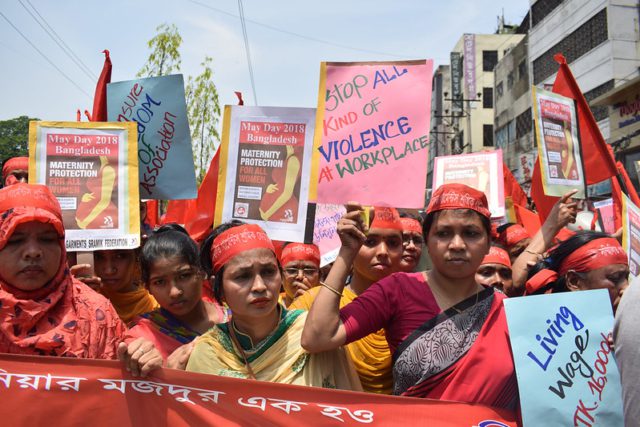
Goals For Girls

Goals for Girls changes the world of young women. It started with a team of 16-year-old soccer players who opted to impact the world through soccer rather than compete at an international tournament. Now, Goals for Girls has teamed up with funding agencies, new partners and stars of the U.S. women’s national soccer team to teach and develop young women into agents of change through soccer. The organization aspires to give each young girl the tools to become a world changer.

Sports offer many psychological and physical benefits for girls and women. People who participate in sports benefit from a more positive body image, self-concept and overall well-being. In 2016, Saudi Arabia sent four women to compete in the Rio Olympics. This historical move represented a forward shift for women in Saudi Arabia. Before, they had faced discrimination and had restricted rights; they still do.

Maria Toorpakai, a Pakistani squash player, uses her sport to face and fight the Taliban. She gained their attention as she rose to fame. She moved to Canada to train, but she hopes to go back to Pakistan to bring sports to boys and girls. The U.S. women’s national soccer team is paid one-fourth of what their male counterparts are, but it is paving the way for the equal pay movement.

India

India hosted the first Goals for Girls program in 2014. The program tackled awareness, communication, teamwork and goal-setting. These are the four international summit pillars of Goals for Girls. The organization aimed to facilitate activities that help with issues the young girls faced on a regular basis like gender-based violence, child marriage and education inequality.

Child marriage has been practiced for centuries in India. In 2016, 27 percent of marriages were child marriages. Luckily, this is improving. Child marriage has decreased from 47 percent in 2006. Child marriage facilitates the cycle of poverty which enables malnutrition, illiteracy and gender discrimination. Child marriage also perpetuates a cycle of gender-based violence and education inequality.

Girls are more likely to be pulled from educational opportunities. Additionally, girls who marry young tend to have lower educational levels and are perceived as an economic liability to their family. UNICEF is working with the Indian government to forgo child marriage through girls’ empowerment, which aligns with the mission of Goals for Girls.

South Africa

South Africa became a country of focus after the launch of the program in 2007. In South Africa, the program centers around the aforementioned international pillars, but the activities are tailored toward issues plaguing girls in South Africa like HIV, teenage pregnancy and education inequality.

There have been strides made in recent years to combat the HIV epidemic. Despite having the largest antiretroviral treatment program globally, South Africa still has the highest prevalence of HIV in the world. Poverty, along with gender-based violence and gender inequality, perpetuates the discrepancy between gender and HIV rates. In 2016, South Africa implemented the “She Conquers” campaign to increase economic opportunities for women, prevent gender-based violence and keep girls in school.

Sports have been a platform for change for many women on a global scale. Goals for Girls is working to make that change even stronger. It is providing girls with education, teamwork building skills and important life skills. Its ultimate goal is women’s equality.

– Gwendolin Schemm
Photo: Flickr

February 13, 2020
https://borgenproject.org/wp-content/uploads/borgen-project-logo.svg 0 0 Lynsey Alexander https://borgenproject.org/wp-content/uploads/borgen-project-logo.svg Lynsey Alexander2020-02-13 07:30:552024-05-29 23:14:45Goals for Girls: Sports and Empowerment
Gender Equality, Global Poverty, Women's Empowerment, Women's Rights

10 Improvements in Women’s Rights in Bangladesh

10 Improvements in Women’s Rights in Bangladesh
Bangladeshi women are no strangers to fighting for what they believe in. In 1952, the women of Bangladesh fought against the patriarchal regime alongside their husbands for the recognition of the Bengali language. Below are 10 improvements in women’s rights in Bangladesh.

10 Improvements in Women’s Rights in Bangladesh

  1. Health. The USAID assisted in joint communication between husbands and wives regarding women’s health. Therefore, decision-making is mutual and focuses on the future of the family, including healthier pregnancies for both mother and child. Bangladeshi women formed NGOs to mobilize and provide door to door health services, family planning and income-earning opportunities.
  2. Agriculture. Bangladeshi women are not only homemakers, but they are also income earners. Female farmers utilize a new technology, known as the fertilizer deep treatment method. This method uses less fertilizer and produces a higher return on investment. Additionally, Bangladesh also encourages women to sell in markets and pursue other areas of earned income, such as culturing fish and shrimp.
  3. Gender-Based Violence. The USAID works to implement the Domestic Violence Prevention and Protection Act of 2010 in training 50 percent of Bangladeshi women. Further, Bangladesh also supports grassroots efforts of social protection groups as well. Groups act as the ears and eyes of the community, as well as enforcing current human rights laws and providing resources to legal channels. Groups include social workers, doctors, religious leaders, teachers and students.
  4. Voting Rights. The country has set an example of women’s equality in voting. In 1972, the Constitution of Bangladesh guaranteed women the same voting rights as their male counterparts. The constitution also guaranteed equal opportunities, such as serving in parliament. For example, in 1991, there was the election of the first female Prime Minister, Khaleda Zia. Today, Sheikh Hasina holds the seat as Prime Minister. Furthermore, Shirin Sharmin Chaudhury holds the seat as House Speaker.
  5. Women and Children Repression (Special Act). In 1995, Bangladesh passed the special act for severe punishment for anyone guilty of forcing women to marry against their will, as well as marrying for dowry. In 2018, the high court also banned and prohibited the two-finger test; it deemed this test irrational and belittling to rape victims. Instead, the government adopted a more appropriate form of health care protocol in line with the World Health Organization.
  6. Education. Research finds that access to education and employment plays a positive role in helping women avoid becoming victims of dowry-related transactions. Illiteracy stifles the opportunity for growth and empowerment for women. The Centre for Policy Dialogue completed a study and found that if homemakers received pay for what people believe is
    non-work, they would receive 2.5 to 2.9 times higher pay than paid services income.
  7. Mass Awareness. Bangladesh also encourages mass discussion, debates and programs to bring awareness to gender inequality. According to lawmakers, mass public initiatives must include legislations and policies; this includes awareness that people teach and model at home.
  8. Working Women. Bangladeshi working women increased from 16.2 million in 2010 to 18.6 million in 2016-17. In 2017, the Gender Gap Index reported Bangladesh in the first spot amongst South Asian countries.
  9. Education. In 1990, the implementation of stipends exclusively for female students in efforts to end gender disparity for secondary schools occurred. Also, 150,000 primary school girls improved their reading skills. Participation increased from 57 percent in 2008 to 94.4 percent in 2017. Moreover, 10 million rural and underprivileged women in 490 Upazilas of 64 districts gained technology access. Bangladesh tops the Gender Gap Index in education in the primary and secondary education category.
  10. More Achievements. Bangladesh initiatives thus far include a reduction in infant and child mortality, poverty alleviation, increased female entrepreneurs and increased education and health. Other initiatives include strengthening workplace treatment and security for women against violence. There have also been income-generating initiatives to train over 2 million women at a grassroots level. Finally, Prime Minister Hasina created the Reserve Quota aimed at increasing the number of women in government, judiciary and U.N. peacekeeping missions and roles.

These 10 improvements in women’s rights in Bangladesh continue to set an example for other countries where inequality is extremely pervasive. While Bangladesh still requires significant work, these improvements bring more opportunities for Bangladeshi women to succeed in the future.

– Michelle White
Photo: Flickr

January 18, 2020
https://borgenproject.org/wp-content/uploads/borgen-project-logo.svg 0 0 Lynsey Alexander https://borgenproject.org/wp-content/uploads/borgen-project-logo.svg Lynsey Alexander2020-01-18 07:30:532020-01-16 09:37:0610 Improvements in Women’s Rights in Bangladesh
Women's Empowerment

Empowering African Women Farmers

Empowering African Women Farmers
More than 60 percent of Sub-Saharan African women work in the agricultural sector and contribute to nearly 80 percent of the food supply. However, they only own 15 percent of the land. These women are the backbone of their families’ and communities’ agricultural production. They are still facing tremendous hardships and barriers due to their gender that limits their rights and opportunities. Hence, supporting and empowering African women farmers is necessary for Africa to be able to reach its full potential.

The U.N. has estimated that if women have equal access to opportunities and resources, they can increase yields on their farms by 20-30 percent. This will raise the total national agricultural output by 2.5 to 4 percent. Below are a few initiatives that work towards empowering African women farmers.

Securing Land Ownerships

The majority of women in Sub-Saharan Africa have limited property rights. They are only able to access land through a male relative. This gender disparity in landownership leaves the women farmers vulnerable at the constant risks of displacement. Death of the husband or father and a simple change of the man’s mind can take away the means of the women. With such insecurity, long-term investments in enhancing the productivity of lands do not seem appealing or make much sense to African women farmers.

Ending gender discrimination in land ownership can empower women to earn more and contribute more to the economic growth and food security of the community. In Tanzania, women with strong property and inheritance rights can earn up to 3.8 times more income. Compared to men, improving landowners’ tenure security for women can have a much more positive impact. The World Bank reports that rights improvement can lead to women increasing investments in their lands by 19 percent.

Many countries have taken important steps to promote and protect women’s land rights when they realize the impact of women on the economy. The government of Ethiopia has mandated joint land registration between husband and wife, formally recognizing women’s rights to their farmlands. Such reforms have led to increased investments in their land.

Improving Access to Financial Services

Lack of access to credit and financial services is another major obstacle for African female farmers. Without sufficient finance, women farmers are unable to afford adequate inputs to advance their agricultural activities. Many different development agencies and NGOs designed and provided women-focused financial services and programs. Additionally, they want to improve their access to agricultural inputs.

The Hunger Project (THP) is a U.S.-based international NGO has created a micro-finance program that provides training. THP gave financial advice and credit to African women farmers. In addition, THP loaned about $2.9 million to women farmers in eight African countries. This helps increase the beneficiaries’ production levels.

Another micro-finance institution based in Mali, Soro Yiriwaso, supports women in boosting food security. More than 93 percent of the institution’s borrowers are women. Additionally, over two-thirds of the loan go into agriculture. The institution also gave agricultural loans to women members in 90 villages between 2010 and 2012. This enables farmers to have access to agricultural inputs and increased investments.

Empowering African Women Farmers

U.N. Women has recently launched a project funded by Standard Bank Group known as Contributing to the Economic Empowerment of Women in Africa Through Climate Smart Agriculture. The project seeks to close the gender gap in agricultural productivity and has a commitment to empowering African women farmers by increasing women’s access to markets.

Standard Bank commits around $3 million for the project, with Malawi receiving $450,000. Many expect that over 50,000 women in Malawi, Nigeria, Uganda and South Africa will benefit from this three-year-project.

Many have recognized agriculture as the sector most able to provide sustained economic growth and social inclusion in Africa. The agriculture and agribusiness combined have the potential to become a $1 trillion sector in Sub-Saharan Africa by 2030, with the likelihood of women continuing to be the backbone of the industry. Empowering African women farmers and closing the gender gap should be the focus and priority to help the African countries realize their full potential. In addition, this will effectively reduce poverty and attain sustainable economic growth.

– Minh-Ha La
Photo: Flickr

January 18, 2020
https://borgenproject.org/wp-content/uploads/borgen-project-logo.svg 0 0 Lynsey Alexander https://borgenproject.org/wp-content/uploads/borgen-project-logo.svg Lynsey Alexander2020-01-18 03:26:212020-03-05 16:55:58Empowering African Women Farmers
Charity, Global Poverty, Women's Empowerment

10 Clothing Companies that Give Back

  Clothing Companies That Give Back
It is possible to make a positive impact through one’s purchases when buying for oneself or gift-giving. Below are 10 clothing companies that give back to those in need.

10 Clothing Companies That Give Back

  1. Anchal: Anchal is an accessory company that sells items like scarves, outerwear and handbags. Sisters Colleen and Maggie Clines founded the company in 2010 after seeing the exploitative world of commercial sex trafficking and the lack of opportunity for women in India. The Cline sisters believe that design and interdisciplinary collaboration can be a catalyst for positive change. The company uses design in order to include working women in every step of production. Through intensive design workshops, artisans learn problem-solving and how to create new designs. By offering economic alternatives, rich in self-expression and rooted in community, the company is helping women rediscover their worth, potential and creativity. Female artisans, that received employment through the company’s holistic programs, craft each product.

  2. Raven and Lily: Another of the clothing companies that give back is Raven and Lily, which is an accessory company that sells luxury handbags and jewelry. The company’s prime focus is to make products that bridge gaps between traditional and modern, near and far and people and planet. Each product is handmade by women with sustainable materials and a careful touch. Raven and Lily work to empower women by working with artisans from all around the world and some of these areas include Ethiopia, Kenya, India, Malaysia, Morocco, Peru and Mexico. Raven and Lily is a certified Fair Trade and Microloan organization; with every purchase, the company gives back to a microloan program that supports female entrepreneurs in East Africa.

  3. Panda Sunglasses: WearPanda is a sustainable accessory company that sells eyewear as well as watches. The company focuses on giving back to the planet and its inhabitants. The bamboo-made products helped to create the idea of “fashion with a purpose;” with every product the company sells, a portion of the profit goes to people in need. This company has helped Optometry Giving Sight screen about four million people, deliver over 20,000 pairs of glasses and support more than 15 optical labs and over 100 optometry students in 39 countries. WearPanda also partners with the nonprofit Kiva and has helped support 12 microloans in 10 countries.

  4. Sudara Punjammies: In 2006, Sudara partnered with a sewing center in India and taught six women how to sew patterns in pajama pants, and they eventually became Punjammies. Shannon Keith founded this company after returning from a trip to India and hearing about women who were at high risk of their families forcing them into sex slavery or sex traffickers picking them up off the streets. Women in India often enter sex slavery because they lack an education or the resources and the skills to make a choice. After returning from her trip, Keith formed a small team of her family and friends. They looked for groups in India with a determination to help women out of the red light districts. The team knew that safe, steady living-wage employment would be a pathway to freedom and offer more choices for women. By making donations and purchasing Sudara goods, customers are helping to keep millions of women and young girls out of the sex trafficking industry in India.

  5. 31 Bits: 31 Bits is an ethical jewelry company that emerged after one of its three founders went on a trip to Uganda. While traveling, she discovered numerous women who grew up in war and had nothing. They were single mothers with no education or jobs; the founders yearned for change due to how young these women were. They discovered that these women did not have a basic education, but they were resourceful and made gorgeous jewelry out of old posters and scraps. The founders found that these women had the skills but just needed a market. From there, the founders created 31 Bits, a company that focuses on making fashionable products that could also help artisans from around the world to acquire dignified jobs and have access to the global market.

  6. Teysha: Teysha is a footwear company that strives to connect people through art, community and culture. The shop merges heritage with contemporary art so that communities and art can flourish. Teysha works directly with artisans in Guatemala and Panama to develop local infrastructure, value chains, designs and production processes, which work together to honor traditional craftsmanship while bringing market access and opportunity. The company has worked to support over 60 families with wages that Teysha provided. The organization also has four shops in Guatemala which women run, and these shops have also provided over 20 educational workshops.

  7. Sseko Sandals: Sseko is an accessory and clothing company that emerged to allow young women in Uganda to receive higher education. In order to help, Sseko hires these women during the nine-month period between secondary school and college. By working with Sseko, these women are not only able to save money for education, but they also gain important skills and work with professional mentors to obtain valuable work experience. At the end of the nine-month period, the company matches each woman’s savings by 300 percent. Every woman who has graduated from Sseko’s program has been able to pursue a college education. As of 2019, Sseko has helped its 131st woman attend university.

  8. Cotopaxi: Cotopaxi is a clothing and outdoor gear company that awards grants to outstanding nonprofit organizations with track records at improving the human condition and ending poverty. A few of the organizations include The International Rescue Committee, Escuela Nueva, the U.N. Foundation, Nothing But Nets, Mercy Corps and a division of Utah’s Department of Workforce Services. The shop is a B Corporation, which means that 1 percent of profits go towards addressing poverty and supporting community development. Cotopaxi also has a grant program to promote organizations that are successfully improving the human condition. As of now, Cotopaxi has awarded 42 grants in six focus countries.

  9. Faircloth & Supply: Phoebe Dahl founded Faircloth & Supply in 2013 with the idea of creating timeless fashion designs that could help to create a path that leads to a more sustainable industry. Linen casual wear, heritage textiles and utilitarian workwear inspire Dahl’s line. Faircloth Supply’s collection donates a percentage of its proceeds towards girls’ education in Nepal. The company also has the option for customers to donate to the charity of their choice upon checkout on its website. Dahl believes that in order to prevent sex trafficking, child marriage and children’s rights violations, children must obtain a basic education. With every purchase, Faircloth & Supply provides access to education for girls in Nepal.

  10. DIFF Charitable Eyewear: DIFF Charitable Eyewear is a company that sells eyewear, as well as eyewear accessories. The company’s mission is to use fashion as a force for good. Since 2015, DIFF has donated over one million eyeglasses to people in need around the world with its buy one give one structure. The company also encompasses worldwide programs in support of empowerment and education through Project DIFF. Through Project DIFF’s Pouch Program, the company provides dependable incomes to female artisans and is helping to develop Little Angels School. One way it is accomplishing this is through the crafting of elaborate sunglass cases in Uganda and its partnership with Tribe Alive in Honduras. Proceeds from the pouches go to Little Angels School in order to support it in accomplishing its goal of creating a safe, positive environment for learning, and providing the necessary tools to make it happen. Through the company’s partnership with Tribe Alive, DIFF works to empower women around the world. Ten female artisans in Tegucigalpa, Honduras handmake each of the sunglass chains and the sale of these helps each one provide a sustainable, living wage to support her family.

These 10 clothing companies that give back are working to end global poverty with every purchase. Where one chooses to spend their money can have a great impact on those who really need it. Try shopping where it counts when looking to purchase articles of clothing, jewelry, accessories or shoes.

– Juliette Lopez
Photo: Flickr

January 6, 2020
https://borgenproject.org/wp-content/uploads/borgen-project-logo.svg 0 0 Kim Thelwell https://borgenproject.org/wp-content/uploads/borgen-project-logo.svg Kim Thelwell2020-01-06 01:30:352024-06-06 00:32:5010 Clothing Companies that Give Back
Education, Global Poverty, Women, Women's Empowerment

10 Facts About Girls’ Education in Palestine

10 Facts About Girls’ Education in Palestine
Despite Palestine’s constant immersion in conflict as a result of Israeli occupation, there are some positives in regards to girls’ education. Here are 10 facts about girls’ education in Palestine that showcase both the good and the bad of the country’s education system.

10 Facts About Girls’ Education in Palestine

  1. Literacy Rates: Palestine has one of the highest literacy rates in the world with 96.9 percent of its population being literate. In particular, there have been great strides in improving women’s literacy rates. The literacy rate went from 78.6 percent in 1995 to 97 percent in 2018. Female literacy rates are at their highest in the West Bank and their lowest in Salfit.
  2. School Infrastructure and Teachers: The education system is struggling due to insufficient school infrastructure and a lack of teachers with adequate training, as well as the existence of schools in marginalized areas. During the first 10 years of the Israeli occupation, the government built no new schools and classrooms of existing ones were overcrowded. The lack of schools led to an emergency-like situation in education, which resulted in some positive achievements, such as the regaining of the credibility of the Tawjihi, a secondary school matriculation exam. There has also been an improvement in extracurricular activities for students.
  3. The Effects of the Israeli Occupation: The Israeli occupation is mostly responsible for the struggles of the education system, given that it continually causes the exposure of schools to rockets and bombs. Building restrictions that Israeli rule implemented in places such as Area C and East Jerusalem are primarily responsible for the shortage of infrastructure. There are also movement restrictions, such as checkpoints and the Barrier, which can pose challenges to accessing services like education. The Barrier is an Israel-approved physical barrier in and around the West Bank in Palestine.
  4. Enrollment in Early, Primary, Secondary and Higher Education: There is a comparable amount of enrollment in primary education when it comes to boys and girls. Still, admissions are higher for female students to both secondary and higher education institutions. However, when it comes to Early Childhood programs, only 14.9 percent of girls are enrolled. Therefore, the U.N. has made it a priority to start investing in early childhood education, focusing on funding both teacher education and gender equality awareness.
  5. Raising Awareness About Female Education: Some of the U.N.’s planned interventions include raising awareness about the disadvantages of early marriage and the importance of female education. This effort is on-going, as women still struggle with early marriage, and gaining education and employment in Palestine. A female Palestinian student interviewed by the L.A. Review stated that “we have this thing in our society that is like, your house, your kids are [more] important than anything else. Your job is not so important because it’s like, your husband is working.”
  6. Education and Conflict: Education is critical in Palestine because it can be a non-violent form of protest against the on-going conflict. UNICEF enforces this ideology by using a behavioral change approach towards students. It encourages students, parents and teachers to challenge the acceptance of violence. It enforces this mindset by providing education and raising awareness.
  7. Women and Unemployment: Women in Palestine experience marginalization despite their education, suffering from a high rate of unemployment when compared to the rest of the world. The unemployment rate among women with 13 years of schooling or more was 50.6 percent in 2016, which was a significant increase from the 21.9 percent recorded in 2000.
  8. Women’s Participation in the Labor Market: Palestinian women have the lowest participation in the labor market within the MENA region. When it comes to labor force participation, women have a 19 percent participation rate compared to 71 percent of male participation. There is a joint effort to find and apply solutions to this problem. One solution is the U.N.’s policy to encourage girls to have Technical and Vocational Education Training, which the U.N. has partially implemented to date.
  9. Dangers on Route to School: Approximately half a million children in Palestine require humanitarian assistance to receive a quality education. The violence in the West Bank poses threats and challenges, which lead to children to experience distress and fear, even when going to and from school. This is because they might pass high-risk locations or checkpoints.
  10. Electricity Shortages: Electricity shortages that constant conflict causes are affecting access to education, both at school and at home, by striking study time and concentration. These shortages are a result of the sole electric company facing a lack of fuel, which is a consequence of the closure of the Rafah border crossing between Egypt and Gaza. To reduce the reliance on fuel, organizations such as the World Bank and the International Committee of the Red Cross have been working on providing alternative energy sources.

Foreign aid and raising awareness about the importance of girls’ education in Palestine have enabled some progress. However, as a conflict-ridden area, there is more that the country requires to ensure long-lasting development and enforce quality education. By looking at these 10 facts about girls’ education in Palestine, one can begin to see some of these efforts and realize how it should be a priority to find additional solutions.

– Johanna Leo
Photo: Flickr

December 24, 2019
https://borgenproject.org/wp-content/uploads/borgen-project-logo.svg 0 0 Jennifer Philipp https://borgenproject.org/wp-content/uploads/borgen-project-logo.svg Jennifer Philipp2019-12-24 07:30:112024-05-29 23:13:5910 Facts About Girls’ Education in Palestine
Page 33 of 54«‹3132333435›»

Get Smarter

  • Global Poverty 101
  • Global Poverty… The Good News
  • Global Poverty & U.S. Jobs
  • Global Poverty and National Security
  • Innovative Solutions to Poverty
  • Global Poverty & Aid FAQ’s
Search Search

Take Action

  • Call Congress
  • Email Congress
  • Donate
  • 30 Ways to Help
  • Volunteer Ops
  • Internships
  • Courses & Certificates
  • The Podcast
Borgen Project

“The Borgen Project is an incredible nonprofit organization that is addressing poverty and hunger and working towards ending them.”

-The Huffington Post

Inside The Borgen Project

  • Contact
  • About
  • Financials
  • President
  • Board of Directors
  • Board of Advisors

International Links

  • UK Email Parliament
  • UK Donate
  • Canada Email Parliament

Get Smarter

  • Global Poverty 101
  • Global Poverty… The Good News
  • Global Poverty & U.S. Jobs
  • Global Poverty and National Security
  • Innovative Solutions to Poverty
  • Global Poverty & Aid FAQ’s

Ways to Help

  • Call Congress
  • Email Congress
  • Donate
  • 30 Ways to Help
  • Volunteer Ops
  • Internships
  • Courses & Certificates
  • The Podcast
Scroll to top Scroll to top Scroll to top