• Link to X
  • Link to Facebook
  • Link to Instagram
  • Link to TikTok
  • Link to Youtube
  • About
    • About Us
      • President
      • Board of Directors
      • Board of Advisors
      • Financials
      • Our Methodology
      • Success Tracker
      • Contact
  • Act Now
    • 30 Ways to Help
      • Email Congress
      • Call Congress
      • Volunteer
      • Courses & Certificates
      • Be a Donor
    • Internships
      • In-Office Internships
      • Remote Internships
    • Legislation
      • Politics 101
  • The Blog
  • The Podcast
  • Magazine
  • Donate
  • Click to open the search input field Click to open the search input field Search
  • Menu Menu

Archive for category: Poverty Reduction

Information and stories about poverty reduction.

Aid Effectiveness & Reform, Global Poverty, Poverty Reduction

“War on Poverty”: Are We Progressing?

In his State of the Union Address 50 years ago, Lyndon B. Johnson declared a “War on Poverty,” joining the ranks of other war-dominated rhetoric such as the most recent endless war on terror and the ever-elusive war on drugs. Has the war on poverty made significant progress or has it turned into a stalemate like the other United States preemptive wars in Iraq and Afghanistan? Johnson’s efforts to eradicate poverty in America included programs such as Head Start, Food Stamps, Medicaid and Job Corps, some of which were included in the Economic Opportunity Act of 1964, which strengthened overall efforts to further policies that eliminate poverty, expand educational opportunities and provide health services for those in need.

While there continue to be debates over whether Johnson’s initiatives were a success or a total disaster, they nonetheless serve as an appropriate frame of reference to the current poverty-reducing legislation that exists today.

‘Half in Ten Act’

One such legislation is the bill H.R. 2182, ‘The Half in Ten Act,’ that would, if successful, cut poverty in 10 years, with the long-term goal being the total eradication of poverty in America. Senator Barbara Lee provides tangible solutions to end poverty, such as investing in job creation and training, implementing anti-poverty programs and early childhood education and providing quality college education, all of which are included in the Act. This Act coincides with U.S. President Barack Obama’s statements addressing poverty in his recent budget proposal.

The Half in Ten campaign has four main goals: create good jobs, promote economic security, strengthen families and cut poverty in half in 10 years. It is a project of the Center for American Progress Action Fund, the Coalition on Human Needs and The Leadership Conference on Civil and Human Rights.

Small Steps Forward

While the war-based rhetoric is consequential in itself and implies that there will be a loser and a winner in the war on poverty, the declaration of the war on poverty nonetheless sets the stage for national discourse regarding poverty reducing legislation.

A recent poll conducted by the Center for American Progress, a liberal think tank, revealed that Americans want more programs to combat poverty. Most Americans agreed with the statement “most people living in poverty are decent people who are working hard to make ends meet in a difficult economy” and nearly as many agreed that “the primary reason so many people are living in poverty today is that our economy is failing to produce enough jobs that pay decent wages.”

While chairman Paul Ryan has recently dubbed the War on Poverty to be ineffective and a complete failure, it nonetheless pushed Americans in the right direction to confront global poverty and the institutions that exacerbate already harsh living conditions in the developing world. Rather than dismissing the opposition simply because of their ideological views, it is more useful to analyze the long-term trends in poverty.

In 2013, a Columbia study found that the poverty rate fell from 26 percent in 1967 to 16 percent in 2012, proving that perhaps the social safety net programs that were implemented 50 years ago under Johnson’s presidency had some positive effect after all.

– Rozali Telbis

Sources: Marketplace, The Week, Huffington Post, Half in Ten, Bill Moyers
Photo: National Review

March 25, 2014
https://borgenproject.org/wp-content/uploads/borgen-project-logo.svg 0 0 Borgen Project https://borgenproject.org/wp-content/uploads/borgen-project-logo.svg Borgen Project2014-03-25 21:31:102024-05-26 23:23:09“War on Poverty”: Are We Progressing?
Activism, Global Poverty, Poverty Reduction

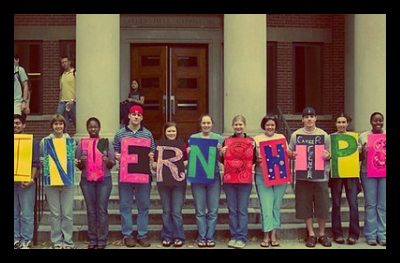
Summer Internships in Seattle

summer internships
As the winter season starts to wind down, students from across the country are beginning their search of summer internships. Summer internships are a great way to gain new experiences, travel to places you’ve always wanted to visit, and meet new people—all while gaining valuable skills that will give you the edge in securing employment in the future.

Landing a summer internship can seem like a daunting task. What am I interested in? How do I apply? If you have arrived at these questions, you are already on the right path! Most companies offer students the chance to play a role in their daily functions and learn about their work environment. For those interested in global poverty reduction, human rights activism, and other service based careers, here are potential summer internship opportunities for you

Political Affairs Internship, The Borgen Project

  • Meet with members of Congress and/or Congressional staffers in your State and District to discuss global poverty issues
  • Represent The Borgen Project and various business, political, and community events
  • Mobilize individuals to contact their members of Congress in support of anti-poverty legislation and assist with fundraising
  • For more information on how to apply please visit Telecommute Internships.

Summer Internship Program, American Red Cross

  • Get introduced to the mission of the American Red Cross with real-world work experience in a non-profit
  • Assist with day-to-day functions building reports, presentations, guides etc.
  • Choose from a diverse selection of positions including human resources, government relations, humanitarian services, public health & safety, biomedical services, disaster services, finance, marketing and more!
  • For more information on how to apply, visit Red Cross.

Community Engagement Intern Program, Feeding Children Everywhere

  • Get hands on experience battling on the front lines of the fight against hunger. Recruit volunteers nationwide for various “Hunger Projects”
  • Build and lead programs while performing community outreach
  • Travel to different “Hunger Projects” and network with various volunteers while preparing and packaging meals to feed hungry children
  • Please visit their Intern Program for more information and locations.

Intern, ONE Campaign

  • ONE offers students a diverse experience working in grassroots mobilization, field organizing, digital projects, communications, ans global operations
  • Interns will have to perform research and fact-checking, trips and events preparation, collection of press clips, database management, and administrative tasks
  • For more information please visit ONE.org.

Student Internship Program, U.S. Agency for International Development (USAID)

  • USAID offers a variety of summer internship positions in the Bureau for Legislative and Public Affairs, the Office of the General Counsel, the Office of Transition Initiatives, the Bureau of Africa and more.
  • Interns will be required to conduct research, draft program memoranda and other documents
  • Facilitate meetings and special events, attend program discussions in various government agencies and communicate with stakeholders and public
  • Work in fields like agriculture, education, health, environment, democracy, conflict prevention, and humanitarian assistance

These summer internships offer students from diverse backgrounds with various interests a chance to develop new skills and gain valuable experience working to alleviate social problems of today.

View telecommuting internships at The Borgen Project.

– Sunny Bhatt

Sources: The Borgen Project, Red Cross, Feeding Children Everywhere, Idealist.org
Photo: Wdet

March 9, 2014
https://borgenproject.org/wp-content/uploads/borgen-project-logo.svg 0 0 Borgen Project https://borgenproject.org/wp-content/uploads/borgen-project-logo.svg Borgen Project2014-03-09 04:00:352015-01-28 09:08:17Summer Internships in Seattle
Development, Global Poverty, Poverty Reduction, United Nations

World Poverty on the Decline

world poverty
Despite the ever-pressing need to lend aid to the global community, as of recently, world poverty has been declining-presumably from a convergence of factors such as foreign aid, economic stabilization and increased development. As a result of increased investment in education, health, housing and facilitated access to water, living conditions around the globe have undergone improvement, further contributing to the decline in world poverty. According to a development report by the United Nations, the decline of poverty in the developing world was surpassing predictions.

The UN reported that “The world is witnessing an epochal ‘global re-balancing’ with higher growth in at least 40 poor countries helping lift hundreds of millions out of poverty and into a new ‘global middle class.’ Never in history have the living conditions and prospects of so many people changed so dramatically and so fast.” Furthermore, shortly after the release of the UN report, Oxford University conducted a study supporting the UN’s findings.

According to Oxford University’s poverty and human development initiative, poverty in many regions of the world is no longer as acute. According this initiative, acute poverty in the poorest countries could become eliminated within the short time frame of 20 years. Among the countries that could experience the eradication of severe poverty are Nepal, Bangladesh, Ghana, Tanzania and Bolivia.

Furthermore, the method of gauging poverty has also changed. Sabine Alkire and Maria Emma Santos of the UN engendered the Multidimensional Poverty Index (MPI) in 2010 to provide a more compressive measure of poverty. The MPI measures poverty along ten dimensions, such as nutrition, child morality, schooling, cooking fuel, water, sanitation, electricity and infrastructure. Unlike older measures of poverty that overlook critical indicators of poverty such as nutrition and health, the MPI is a far more thorough assessment.

Despite the economic crises of 2008 and 2009 that had catapulted the global economy into a recession, the world’s poorest nations are still able to rapidly approach the achievement of Millennium Development Goals. According to estimates by the World Bank, the global poverty rate is projected to fall below 15 percent by 2015, implying that other consequences of poverty such as hunger and death are also projected to decline significantly.

– Phoebe Pradhan

Sources: The Guardian, UN
Photo: Dreambook

March 5, 2014
https://borgenproject.org/wp-content/uploads/borgen-project-logo.svg 0 0 Borgen Project https://borgenproject.org/wp-content/uploads/borgen-project-logo.svg Borgen Project2014-03-05 10:23:112024-06-05 01:57:13World Poverty on the Decline
Activism, Advocacy, Global Poverty, Philanthropy, Poverty Reduction

6 Gates Foundation End of Poverty Quotes

end of poverty
At the beginning of this year, there was a huge reaction to the 2014 Annual Gates Foundation letter as Bill Gates predicted the end of poverty by focusing on three myths about poverty. With that in mind, here is a look back at six end of poverty quotes from the foundation. Each quote demonstrates the hope and passion the Gates Foundation has in their mission to make the world a better place and demonstrates how tirelessly they will continue to work for the cause in the future.

1. In 2009, Gates states the observations he has made regarding the world’s economic crisis and his opinion about the wealth gap. In light of Oxfam’s recent report about the inequity between the rich and poor, it is clear that Gates believes the wealthy have a responsibility to help those who are less fortunate.

“I am impressed by individuals who continue to give generously even in these difficult times. I believe that the wealthy have a responsibility to invest in addressing inequity. This is especially true when the constraints on others are so great. Otherwise, we will come out of the economic downturn in a world that is even more unequal, with greater inequities in health and education. There is no reason to accept that, when we know how to make huge gains over the long term.”

2. In 2010, Gates highlights the importance of innovation as a way to help people out of poverty. He discusses the “bleak” outcomes that can be avoided when innovation becomes a priority and when people choose to believe in innovation as a solution.

“With vaccines, drugs and other improvements, health in poor countries will continue to get better, and people will choose to have smaller families. With better training, and access to markets, farmers in poor countries will be able to grow more food. The world will find clean ways to produce electricity at a lower cost, and more people will lift themselves out of poverty.”

3. In 2011, Gates made a compelling argument for the importance of foreign aid and the responsibility of society as a whole to take care of its people, as this will produce a more stable, healthier and better world. During the year, Gates focused on providing vaccines by working with pharmaceutical companies, like GAVI, who raised over $3 billion and saved millions of lives.

“I believe it is the rich world’s enlightened self-interest to continue investing in foreign aid. If societies can’t provide for people’s basic health, if they can’t feed and educate people, then their populations and problems will grow and the world will be a less stable place. Whether you believe it a moral imperative or in the rich world’s enlightened self-image, securing the conditions that will lead to a healthy, prosperous future for everyone is a goal I believe we all share.”

4. In 2012, Gates showed his dedication to helping the poor become self-sufficient, especially in terms of the foundation’s global development and global health programs.

“The world faces a clear choice. If we invest relatively modest amounts, many more poor farmers will be able to feed their families. If we don’t, one in seven people will continue living needlessly on the edge of starvation. My annual letter this year is an argument for making the choice to keep on helping extremely poor people build self-sufficiency.”

5. In 2013, Gates looked forward to the continued innovation and success in making the lives of the poor even better.

“The lives of the poorest have improved more rapidly in the last 15 years than ever before, yet I am optimistic that we will do even better in the next 15 years. After all, human knowledge is increasing.”

6. And finally in 2014, Gates calls all who want to join him in changing the world. He, furthermore, predicts that there will not be any more poor nations by 2035, the year that Gates will turn 80.

“We all have the chance to create a world where extreme poverty is the exception rather than the rule, and where all children have the same chance to thrive, no matter where they’re born. For those of us who believe in the value of every human life, there isn’t any more inspiring work under way in the world today.”

– Julie Guacci

Sources: Gates Foundation: Annual Letter 2009, Forbes: Gates’ Life’s Goal, Gates Foundation: Conclusion, Forbes: Gates’ Second Coming, Gates Foundation: Annual Letter 2013, Gates Foundation: Annual Letter 2012, Gates Foundation: Annual Letter 2011, Gates Foundation: Annual Letter 2010
Photo: Gates Foundation

February 26, 2014
https://borgenproject.org/wp-content/uploads/borgen-project-logo.svg 0 0 Borgen Project https://borgenproject.org/wp-content/uploads/borgen-project-logo.svg Borgen Project2014-02-26 16:37:562019-12-11 12:29:286 Gates Foundation End of Poverty Quotes
Foreign Aid, Global Poverty, Poverty Reduction

10 Facts for a School Report on Global Poverty

global poverty
Although it is true that poverty affects the United States, people often fail to notice how poverty ties the U.S. to the rest of the globe. Here are 10 facts about global poverty that will help you gain a better understanding of the specifics, and also earn you an A on your school report:

1. Poverty Does Not Just Affect Adults

People often overlook the fact that poverty affects a wide array of age groups, including both adults and in many cases, teens and adolescents. Children under the age of 18 are actually 60% more likely to be poor than adults. There are 2.2 billion children in the world, and approximately one billion of those children are currently living in poverty. Furthermore, 48% of the population in developing countries is comprised of impoverished children under the age of 18. In industrialized nations, the percentage of children living in poverty is 21%. Of this large population, approximately nine million children ages 5 and under will die each year from starvation, malnourishment and the inability to survive on $1.25 or less per day.

2. Cutting Global Poverty Will Positively Affect the U.S. as Well

Poverty is slowly wearing away the fabric of the U.S. society. The less the U.S. does to support developing nations, the less support we will receive in the future. Moreover, the differences in income are a threat to the level of investment in the U.S., the level of security and the nation’s profits. By investing resources in poverty stricken countries, we are also investing money in the overall security of Americans. Less money will be needed to support military forces because there will be a severe drop in hostile threats and attacks by other countries.

3. Investing in Other Countries Will Increase the Employment Rate in the U.S.

Building strong economies in developing countries will not only protect the U.S., it will also grow new economic markets. There will be an increase in market consumers as well as a rise in jobs needed to support American exports. This is especially the case since one out of five jobs in the U.S. involves exportation to growing nations. A bigger need for exports means there is a greater request for employment.

4. Heightening Employment Rates Means Lowering Overpopulation

By establishing a rich economy in other countries, the U.S. will also see a decline in overpopulation globally and domestically. Resources will become more immediate and people who were once unable to support their families medically will see a decrease in child mortality rates. It has been proven that countries with larger infant and child mortality rates also tend to be countries struggling with overpopulation.

5. A Lack of Education and Poverty Work Hand in Hand

Research shows that children who are from low-income families are more likely to not attend school. Often times, in low-income households, education takes a backseat to working and caring for family members, but education is also a key determinant for creating progress and pulling developing countries out of poverty. Some families are not able to afford school uniforms and some countries, such as Haiti, require a school fee, which disables children from gaining an education. Students ages 16 to 24 years old who are in low-income families are seven times more likely to drop out of school than students from average to high-income families.

6. Geography Relates to Poverty in the United States

Poverty takes on a geographical pattern in the U.S., with a significantly larger percentage of people living in poverty in the southern states than anywhere else in the U.S. In fact, 41% of those who live in poverty within the U.S. are located within the South; this is as opposed to 24% in the West, 19% in the Midwest and 16% in the Northeast.

7. Poverty Does Not Necessarily Cause Death

The cause of death within communities faced with extreme poverty is most often a lack of sanitation and clean drinking water. As it stands, clean drinking water and sanitary conditions can lower the likelihood of disease and illness and can also help keep communities hydrated; this lowers the risk of dehydration, which can jeopardize immune systems. A failing immune system and lack of sanitary conditions combined can cause very risky conditions for younger children and infants who are already susceptible to disease.

8. Nutrition

Living in poverty often makes it difficult to eat a well-balanced and nutritionally rich diet; foods that provide the necessary ingredients to form a nutrient full meal are usually hard to afford. As such, poor affordability of healthy foods can lead to diets that do not consist of fruits, vegetables, grains and especially meat. The lack of vitamins and minerals found in these foods can cause nutrient deficiencies, which can have a negative affect on mental and physical growth. Food insecurity, as it is called when someone does not know where his or her next meal will come from, is found to correlate directly with poor nutrition.

9. Foreign Aid

Though the public believes that Foreign Aid receives 25% of the Federal Budget, in actuality, only 1% of the Federal Budget is going to Foreign Aid. As it stands, only .5% of the Federal Budget is helping to improve poverty conditions.

10. Cost Comparisons

The U.S. annually spends $28 billion on assisting the world’s poor, but approximately $660 billion on the U.S. Military. This gap within the U.S. funding is a huge indicator of where the nation’s priorities lie. If one in 10 Americans donated their weekly coffee budget towards poverty reduction causes, it could end global poverty.

Poverty is a global issue, and in order for the U.S. to better its population internally it needs to form a positive relationship with other countries. Hopefully these 10 facts illuminate important factors that contribute to poverty and show ways to help eliminate poverty globally.

– Rebecca Felcon

Sources: Children’s Defense Fund,, Compassion, Food For the Poor, UC Davis Center for Poverty Research, The Washington Post, The Borgen Project, The Borgen Project
Photo: Mashable

February 26, 2014
https://borgenproject.org/wp-content/uploads/borgen-project-logo.svg 0 0 Borgen Project https://borgenproject.org/wp-content/uploads/borgen-project-logo.svg Borgen Project2014-02-26 16:37:162024-12-13 17:50:0610 Facts for a School Report on Global Poverty
Activism, Advocacy, Global Poverty, Philanthropy, Poverty Reduction, Volunteer

Peace Corps Preparation

peace corps
Since it was established by J.F.K in 1961, the Peace Corps has been fighting first-hand the systematic effects of global poverty. Beginning as a small handful of good samaritans in only six participating countries, it has since then extended its humanitarian influence to 139 countries with the help of more than 210,000 volunteers. If you’ve ever been curious about joining the Peace Corps yourself, here is some information you must read.

How to Apply for the Peace Corps:

The process of becoming an advocate against global poverty is not as daunting as it might seem. The first step is the online application, which asks for basic information and some statements regarding one’s motivation to volunteer abroad. This is then followed by a personal interview with a local recruiter, to see if the Peace Corps seems like a good fit. If all goes well, this could lead to a formal invitation, complete with destination, departure date and project assignment information.

Then comes the fun part – preparing for departure. In the weeks prior to leaving, the Peace Corps will request the volunteer receive comprehensive dental and medical exams, as well as an array of immunizations, to make sure they are good to go. On the day of departure, volunteers head to training at an orientation site within the United States. The training continues in the volunteer’s assigned country, where they will train for three months while also living with a host family to establish skills for their cultural and linguistic adaption.

What the Peace Corps Looks for:

It is true that the demands of being a Peace Corps volunteer require a specific type of person, and thus the application process is very selective. Living and working in another region of the world, often in extremely dire situations, is a job for those with an abundance of determination, adaptability, independence, social sensitivity and emotional maturity. Those who already have some experience with volunteer work usually make the best candidates, as they have probably developed the previously mentioned qualities within themselves. The Peace Corps, furthermore, has many partner organizations such as City Year and the Special Olympics which interested volunteers can explore.

There are also some logistical pre-requisites, concerning the volunteer’s education, skills and ability to deliver aid to a community. While it is still possible to join without one, 90% of Peace Corps jobs require a minimum of a bachelor’s degree. Many jobs require pre-existing skills, such as special education, engineering and urban planning as well as agroforestry. Others can be developed on site, such as a teaching English, youth development and health education. The Peace Corps looks comprehensively at every applicant, however, and there are opportunities for non-degree volunteers who have experience working in construction, agriculture and with other non-profit organizations. By and large, the most promising candidates are those with some understanding of another language.

The Life of a Volunteer:

There is not one, quintessential Peace Corps experience, as the regions and types of work are all so diverse. The Peace Corps works in many countries and continents worldwide, in both rural and urban areas, and volunteers are expected to immerse themselves entirely so as to best serve their assigned communities. Although it is possible to have a preference for a location, flexibility helps during the application process. Regional availability also varies quickly based on need. For example, the Philippines are asking for significantly more volunteers than usual, due to the effects of typhoon Haiyan. Once there, a volunteer will be assigned to one of six main areas of specialized aid, which are: education, youth in development, health, agriculture, environment and community economic development. The commitment is 24 months, plus three months of training, thus totaling 27 months. Living accommodations are provided by the Peace Corps, and also vary greatly depending on the norm for that region.

Why Volunteer:

Helping a community build a more sustainable future for itself is an incredibly rewarding experience, as many veteran volunteers can attest to. All countries where the Peace Corps works have requested the presence of volunteers and aid programs, thus proving that the need is strong.

The benefits of joining the Peace Corps extends after service, as well. Upon return, volunteers receive $7,425 as an “adjustment” allowance, to help re-establish their lives in the United States after over two years abroad. Eligibility for student loan deferral is also provided, as well as a number of scholarships and financial aid packages to graduate degree programs. Over 70 graduate schools are partnered with the Peace Corps, and seek out returning volunteers who wish to incorporate their development experiences into their course work, such as the Paul D. Coverdell Fellow Program. For those wishing to enter directly into a career at home, the Peace Corps is invaluable for its professional connections in fields like federal employment and other non-profit organizations.

– Stefanie Doucette

Sources: Peace Corps, Time, National Archives
Photo: Salon

February 21, 2014
https://borgenproject.org/wp-content/uploads/borgen-project-logo.svg 0 0 Borgen Project https://borgenproject.org/wp-content/uploads/borgen-project-logo.svg Borgen Project2014-02-21 21:11:262014-02-23 23:29:39Peace Corps Preparation
Food & Hunger, Global Poverty, Poverty Reduction

The Rise of Supermarkets in Africa

Supermarket_PicknPay_Africa_Food_Farm
Customers engage in heated negotiations over tomatoes and beans, chickens cluck loudly, and a thick cloud of smoke surrounds tables. These tables sit on a dirt road, as meat rots in the heat. At this Zambian market, every farmer can sell a product and every customer can barter for a more affordable price.

And, yet few miles from the Bauleni market, customers stroll the aisles of a local Pick ‘n Pay.

The rise of supermarkets in Africa holds the promise of dramatically reducing poverty this region. These stores attract both farmers and customers. For farmers, this business offers a more reliable – and higher – income.

More than sixty small farmers currently produce food for a local Zambian Pick ‘n Pay. Agriculture dominates the economy in Zambia, providing more than 60 percent of the jobs.  The manager reportedly receives five or six calls a day from local farmers. To ensure quality products, the company visits each farm, checks the water supply and offers further training.

These chains also offer men and women the opportunity to work in the store. For instance, women often chop and package food for the shelves.

Large commercial farms, however, pose a threat in some African economies. In Zambia, the Farmers Union holds significant political power, and lobbied the government for fair opportunity in the industry. The government negotiated with the supermarket chains and as a result, set the requirements for companies in the region. Chains like Pick ‘n Pay must purchase at least half of the products from Zambian suppliers.

In other nations, though, small farmers face less government assistance. In Lesotho, more than half of the two million residents farm. Yet these supermarket chains import an estimated 99 percent of goods from large South African businesses.

A small minority benefit from this current supply structure. If farmers live more than a few miles from the supermarket, participation is not feasible.  Many do not have the refrigeration or transportation capabilities to meet the demands of a partnership. To include these farmers, companies must continue to expand or provide transportation.

One chain, Shoprite supermarkets, increased sales by 28 percent in the year. This chain established 47 new African stores, primarily in Nigeria and Angola. The expansion of may benefit or harm small farmers; more stores offer greater opportunity to sell produce, but also infringe on land traditionally used for farming.

Alone, small farmers cannot meet the quantity or quality demanded by these chains. However, those near a store partner to produce goods for a Pick ‘n Pay or other business. For instance, nearly sixty farmers consolidate produce in an independently-owned storehouse. Men and women from across the region deliver tomatoes, beans or onions in trucks – at times, wheelbarrows – to contribute to the business.

To continue to profit, these South African chains must tailor goods to the economic status of customers. For instance, customers in the cooper belt of Zambia purchase luxury chocolate bars or a sack of maize, a working class staple. The chains must offer a wide range of products, depending on the income of the region.

Six African nations rank among ten-fasted growing economies in the past decade. These supermarket chains help farmers capitalize on existing agriculture, offering a more secure income to those in poverty.

– Ellery Spahr

Sources: Marketplace, The Economist
Photo: Boag World

February 11, 2014
https://borgenproject.org/wp-content/uploads/borgen-project-logo.svg 0 0 Borgen Project https://borgenproject.org/wp-content/uploads/borgen-project-logo.svg Borgen Project2014-02-11 15:15:502024-05-26 23:09:58The Rise of Supermarkets in Africa
Global Poverty, Poverty Reduction

Poverty in Uruguay: A Success Story

poverty_in_Uruguay
The number of Uruguayan citizens living below the poverty line of less than $1.25 a day has halved since 1990. This drastic reduction in poverty in Uruguay means the South American country has successfully achieved the first of the United Nations Millennium Development Goals.

In 2012, the rate of poverty in Uruguay, defined as those earning less than $1.25 a day, decreased to 12.4 percent of the overall population. Uruguay’s Minister of Social Development, Daniel Olesker, points to labor and health reforms to explain these achievements.

Ever since the 2002 economic collapse of its neighbor, Argentina, Uruguay has slowly struggled its way out of indigence. In 2004, the poverty rate hit a high of 39.9 percent and has steadily decreased since due to efforts on behalf of the government to provide more funds for social inclusion programs.

In early 2005, the then-President of Uruguay, Dr. Tabaré Vasquez, revealed a two-year Emergency Social Program to aid the most vulnerable members of Uruguayan society. The program addressed pressing issues such as food, shelter, health, work and education for the most destitute in Uruguay.

Other programs aimed at reducing poverty in Uruguay include a family allowance program wherein “vulnerable” families are given a subsidy of around 700 pesos per month, a sum equal to about $31. Families in more extreme conditions may receive up to double that amount.

As a result of these reforms, the number of homeless people living in Uruguay fell to .5 percent of the population. Despite the success of these public policies, it continues to elude the segment of the population in the lowest rung of the income distribution.

The current President of Uruguay, José Mujica, is known as a champion of the poor and sets an example for citizens of Uruguay by living modestly. He donates 90 percent of his income as president to charities working on housing for the poor and lives on a small farm outside Montevideo instead of the presidential palace.

– Jeff Meyer

Sources: Presidencia, The Guardian, El Mundo, Xinhuanet, La Republica
Photo: IPS

February 6, 2014
https://borgenproject.org/wp-content/uploads/borgen-project-logo.svg 0 0 Borgen Project https://borgenproject.org/wp-content/uploads/borgen-project-logo.svg Borgen Project2014-02-06 05:00:112019-08-15 10:20:12Poverty in Uruguay: A Success Story
Activism, Global Poverty, Philanthropy, Poverty Reduction, USAID

Clean Streets: Road to Entrepreneurship in Haiti

Throughout the developing world, infrastructure insufficiencies often create barriers for aspiring entrepreneurs. However, these shortcomings can also provide the platform for innovative and sustainable business opportunities.

Such is the case for entrepreneurs like Edouard Carrie, who started his company Environmental Cleaning Solutions S.A. (ECSSA) as a way to clean up Haiti’s streets and generate income. Founded in 2010, the company’s mission is simple yet profound: “to change a nation through recycling.” Via its material recovery facility in Port-au-Prince, ECSSA aims to collect over 80 tons of recyclable products per day.

Not only does it positively impact the environment, increased waste management also helps Haiti’s lowest income citizens.

For example, individuals can increase their income by collecting recyclable materials and thus afford schooling for their children, healthcare or other necessities. In addition, the various collection centers create jobs around the region.

The start-up has had great success in the three years since its conception. According to USAID, “ECSSA has grown to provide extra cash to over 6,000 Haitians who deposit bags of discarded bottles at 65 collection points throughout the Port-au-Prince region.” Furthermore, the company has shipped nearly 300 million plastic bottles to other countries for additional processing to create other products.

ECSSA’s growth would not have been possible without the support of both USAID and the Pan American Development Foundation (PADF).

PADF sponsors the Leveraging Effective Application of Direct Investments (LEAD) Business Plan Competition, a grant program that assists small and medium enterprises in finances, business development and access to capital. LEAD operates in Cap-Haitien, Saint-Marc and Port-au-Prince with a targeted focus on “industries and businesses with the greatest potential to create jobs, including construction, tourism, agribusiness and alternative energy.”

Outside assistance – such as that from LEAD and USAID – has allowed ECSSA to thrive and transform the landscape in Port-au-Prince.

“My company now has the capacity to increase its individual collectors from 6,000 people to up to 20,000,” Carrie said. “Additionally, the increase in collection points and processing capacity provide entrepreneurs the opportunity to grow their own businesses by serving as intermediary plastic collectors and suppliers for ECSSA.”

Not only cleaning the streets, ECSSA is clearing the way for sustainable environmental and business development throughout Haiti’s capital city.

– Mallory Thayer

Sources: USAID, Leveraging Effective Application of Direct Investments, Environmental Cleaning Solutions S.A.
Photo: United Nations Photo

January 31, 2014
https://borgenproject.org/wp-content/uploads/borgen-project-logo.svg 0 0 Borgen Project https://borgenproject.org/wp-content/uploads/borgen-project-logo.svg Borgen Project2014-01-31 04:00:332024-05-26 23:05:27Clean Streets: Road to Entrepreneurship in Haiti
Activism, Developing Countries, Development, Extreme Poverty, Food & Hunger, Food Security, Global Poverty, Poverty Reduction, Technology

Spreading Agricultural Technology to India’s Poor Farmers

India_Technology
It is an accepted fact that poverty is the root cause of malnutrition. Over 42% of the Indian population lives on less than $1.25 a day. However, if farmers could increase their output and earn more from what they already have through the use of innovative technology, food insecurity could decrease and that same dollar and a quarter could go much further.

Technology can help farmers to augment their knowledge of which crops to produce for the best return, find the most effective farming practices and make plans based upon weather forecasts.

The e-Choupal initiative is one way that technology is being used to give farmers the information they need to be more successful. The aforementioned benefits of technology are all accounted for on the e-Choupal platform, even enabling buyers to come to the farmers instead of having to haul the produce to market, where oftentimes traders manipulate the market in order to exploit the farmers out of their proper earnings.

The initiative also provides access to storage services and agricultural equipment in addition to other important assets for rural farmers. The e-Choupal network has expanded to 6,500 centers synchronizing the efforts of 40,000 villages to produce greater quantities of better produce and profit.

In this same vein of increased technology and higher profits, organic farming is a possible venue poor farmers could explore. Organic produce consistently garner high prices, the demand for which is only rising. The only constraints are the ones that the e-Choupal network is already helping to eradicate, at least in India, including lack of technical expertise and insufficient market knowledge.

Another example of innovative agricultural technology is the use of drip-irrigation, which cuts water use by 40%, and saves the equivalent of 10 million households water expenditures per year. Much in the same way, the e-Choupal initiative has created a network where over 25,000 small farmers have organized a supply chain that has augmented their average annual incomes by a very significant $1,000.

India is a country of fertile lands and capable farmers. Technology is the catalyst that promises to drive the more than 400 million people living on less than $1.25 a day out of poverty.

– Jordan Schunk
Sources: The Huffington Post, New Indian Express, Rural Poverty Portal
Photo: The Fourth Revolution

January 22, 2014
https://borgenproject.org/wp-content/uploads/borgen-project-logo.svg 0 0 Borgen Project https://borgenproject.org/wp-content/uploads/borgen-project-logo.svg Borgen Project2014-01-22 16:07:182015-02-09 14:12:08Spreading Agricultural Technology to India’s Poor Farmers
Page 54 of 63«‹5253545556›»

Get Smarter

  • Global Poverty 101
  • Global Poverty… The Good News
  • Global Poverty & U.S. Jobs
  • Global Poverty and National Security
  • Innovative Solutions to Poverty
  • Global Poverty & Aid FAQ’s
Search Search

Take Action

  • Call Congress
  • Email Congress
  • Donate
  • 30 Ways to Help
  • Volunteer Ops
  • Internships
  • Courses & Certificates
  • The Podcast
Borgen Project

“The Borgen Project is an incredible nonprofit organization that is addressing poverty and hunger and working towards ending them.”

-The Huffington Post

Inside The Borgen Project

  • Contact
  • About
  • Financials
  • President
  • Board of Directors
  • Board of Advisors

International Links

  • UK Email Parliament
  • UK Donate
  • Canada Email Parliament

Get Smarter

  • Global Poverty 101
  • Global Poverty… The Good News
  • Global Poverty & U.S. Jobs
  • Global Poverty and National Security
  • Innovative Solutions to Poverty
  • Global Poverty & Aid FAQ’s

Ways to Help

  • Call Congress
  • Email Congress
  • Donate
  • 30 Ways to Help
  • Volunteer Ops
  • Internships
  • Courses & Certificates
  • The Podcast
Scroll to top Scroll to top Scroll to top