• Link to X
  • Link to Facebook
  • Link to Instagram
  • Link to TikTok
  • Link to Youtube
  • About
    • About Us
      • President
      • Board of Directors
      • Board of Advisors
      • Financials
      • Our Methodology
      • Success Tracker
      • Contact
  • Act Now
    • 30 Ways to Help
      • Email Congress
      • Call Congress
      • Volunteer
      • Courses & Certificates
      • Be a Donor
    • Internships
      • In-Office Internships
      • Remote Internships
    • Legislation
      • Politics 101
  • The Blog
  • The Podcast
  • Magazine
  • Donate
  • Click to open the search input field Click to open the search input field Search
  • Menu Menu

Archive for category: Poverty Reduction

Information and stories about poverty reduction.

Activism, Philanthropy, Poverty Reduction

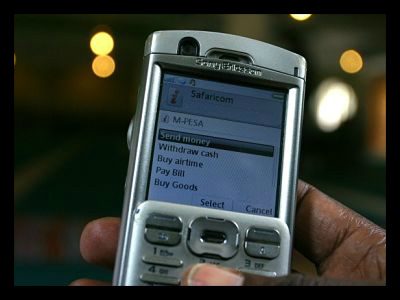
Ending Poverty Through Mobile Banking

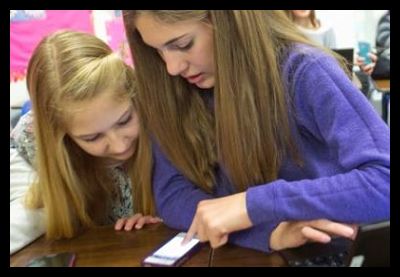
mobile banking
With populations in the developing world on the steady rise and technology becoming more user-friendly, there is no doubt that technology will make drastic changes to the developing world in the next decade.

In a recent 2015 Gates Annual Letter published by the Bill and Melinda Gates Foundation, Gates declared that innovation will play a vital role in improving the lives of people in poor countries in the next 15 years.

Moreover, Melinda Gates argues that an increase in access to mobile banking through cell phones will provide impoverished people with the opportunity to save what they earn or perhaps borrow what they need at a low rate.

One of the many benefits of mobile banking is its socio-economic impact. The country of Kenya was known to have an underdeveloped banking infrastructure, high poverty rate and a large population of migrant people. Since the introduction of mobile banking in Kenya, financial inclusion is reported to have increased to 80 percent. Along with significant changes and improvements in global health and agricultural production, increased access to mobile technologies in developing nations is the starting point to something greater.

Developing countries are limited by the physical infrastructure of financial institutions, which means that a large part of their population is not included in a banking system. Financial inclusions have an important impact on the lives of people. Reports indicate that when poor people receive access to financial services, their cash management improves and creates better infrastructure for business and development of markets.

This change in the infrastructure in developing nations is a start to change the way people live in these countries. A small technological innovation like the mobile phone has made huge impacts in providing the opportunity to build a more developed economy in these countries.

Other innovations in technology have become popular in benefiting the developing world as well. Telecenters are an example of how technology has  changed in order to suit those living in remote areas. Telecenters range from innovations in the education sector to the medical industry.

For learning, distance education developed by technology has the ability to make every child a scholar. For health, telemedicine has the ability to change dysfunctional rural health-care systems by providing clinical health care at a distance.

Other small inventions, such as the Soccket and Lifestraw, have been developed to help those living in poverty-stricken areas and to improve the lives of those individuals.

This shows how a simple change in technology can change the lives of people living in poverty. These types of actions should be embedded in all development efforts that aim to challenge poverty through innovations of new technology.

Although technology does not end poverty, it allows people to create connections and relationships that together can break down the systems that keep people poor, and then it is up to humanity to end it.

– Sandy Phan

Sources: Bill Gates’ Blog, Consultive Group to Assist the Poor

February 2, 2015
https://borgenproject.org/wp-content/uploads/borgen-project-logo.svg 0 0 Borgen Project https://borgenproject.org/wp-content/uploads/borgen-project-logo.svg Borgen Project2015-02-02 12:00:542024-05-27 09:23:15Ending Poverty Through Mobile Banking
Foreign Policy, Poverty Reduction

The Ruble in the Rubble

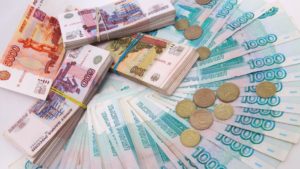
rubleEconomies of the world, listen up: the Russian economy is on the verge of a collapse with the fall of the ruble, which fell to a record low of 80 to the dollar on Tuesday, December 15, 2014. Over a month has gone by, and the Russian government and the Central Bank of Russia are still fighting to stop the free fall of the nation’s economy.
In a conference held on December 15, Russian President Vladimir Putin placed the blame for the ruble’s collapse on Western embargoes. During the three-hour speech on his country’s current economic situation, Putin focused on two primary topics: foreign policy and the economy.

President Putin offered a unique metaphor connecting Russia’s foreign policy and where the country stands on global politics. He said, “Sometimes I wonder, maybe the bear should just sit quietly, munch on berries and honey rather than chasing after piglets … but they will always try to chain [the bear] up.”

With Russia playing the bear in his metaphor, President Putin provided a closer look at his primary goal: to put a fallen Russia back on top. However, since Russia can no longer borrow money from Western banks after the invasion of Ukraine, the Russian government has been forced to dip into other savings, such as foreign aid and reserves.

According to Mr. Putin, Russia “will overcome the current situation. How much time will be needed for that? Under the most unfavorable circumstances I think it will take about two years.” Mr. Putin has high hopes for oil prices to rise and the territories in Ukraine and Siberia to become huge assets to Russia. Mr. Putin also aims to knock out political opposition within Russia and create a resilient, independent economy for Russia.

President Putin’s words during the press conference failed to gain much support in the crumbling market. While it did see a slight increase the day after his speech, the ruble has since continued to weaken against both the dollar and the euro.

The Russian Central Bank reportedly spent more than $80 billion in foreign reserves to slow the ruble’s downfall in December, and this rush to revive the ruble is continuing into 2015. Russian savings could potentially depreciate and push Russia further into an isolated economy. Mr. Putin hopes that the depreciation of the ruble will “make Russia’s economy more independent,” as it is weaned off of Western influence. With Russia being such an influential nation in Northern Asia, its continued isolation could have devastating effects on global poverty.

As Russia further separates itself from the Western economies, the world feels the weight of Russian policies.

– Alaina Grote

Sources: The Economist, The Guardian, Foreign Policy, CBS

Photo: WordPress

January 28, 2015
https://borgenproject.org/wp-content/uploads/borgen-project-logo.svg 0 0 Borgen Project https://borgenproject.org/wp-content/uploads/borgen-project-logo.svg Borgen Project2015-01-28 16:00:182020-07-23 17:20:01The Ruble in the Rubble
Global Poverty, Poverty Reduction

Poverty in Tehran

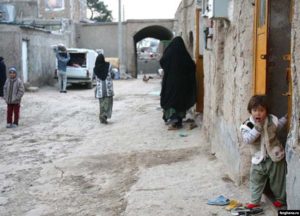
Socioeconomic conditions in Iran, and Tehran in particular, are declining at a rapid rate. The country is home to high unemployment rates, dire poverty, rising inflation, and an unsustainably low minimum wage. Tehran teems with street vendors — many of whom are children — who engage in their dangerous work out of sheer desperation. Meanwhile, the nation’s rich continue to grow wealthier. The result is an ever-widening gap between Tehran’s rich and poor.
Nearly 40 years after the Iranian revolution, the nation’s leaders have yet to ensure equal distribution of wealth and opportunity to its citizens. Iran is currently home to seven million people living in absolute poverty, struggling to find enough food to eat each day.

Meanwhile, there are also five million people living in Iran who are tremendously wealthy, with Labor Minister Ali Rabiee deeming their financial statuses comparable to those of the wealthiest Americans. Nearly all of Iran’s national government officials are multimillionaires — a fact that the nation’s working class has protested over the years — and the country gains a considerable amount of wealth from its lucrative oil exports.

More detailed figures describing poverty data in Iran remain hard to come by, as news sources have criticized the government for withholding such information. This tendency to shy away from revealing relevant statistics is in no way a new trend; when former president Mahmoud Ahmadinejad was in office, the government similarly refused to comply with the United Nations’ requests for official data reflecting poverty levels in Iran. This remained the case despite the passage of Iran’s Fourth Development Plan, which required the Welfare Ministry to make such information accessible.

Despite the ongoing secrecy, current Iranian President Haxdsssan Rouhani has been vocal about making poverty a top focus since assuming office, declaring in an October speech that there was “no evil worse than unemployment and poverty.”

Since taking over the presidency in 2013, President Rouhani has implemented several measures intended to address the nation’s growing poverty problems. Some of these measures have proven successful in helping to curb rising inflation levels and bringing a timely end to two full years of negative growth. However, it remains to be seen whether the president will be able to address the issue as fully as it demands; critics point out that the largest parts of Iran’s economy are heavily controlled by the government or semi-private bodies that remain intricately linked with the nation’s power players.

Officials believe that unemployment will only grow in the years to come, as approximately four million new college graduates leave their universities and struggle to find employment, joining the four million people in Iran who are currently in need of jobs. In the last fiscal year, nearly one quarter of all households in the nation were entirely unemployed.

In Tehran, many of the poorest city-dwellers turn to establishing informal businesses on the streets as a means of survival. It is common to see such vendors setting up makeshift “shops” on sidewalks or simply carrying their goods for sale throughout the city, peddling items like balloons, hair ties and socks to passersby. These street peddlers face instability and even danger in the face of constantly changing city ordinances and brutal security officials who try to extort them for protection money. Some peddlers, when confronted by rogue officials, are forced to regularly pay them in order to avoid harassment. If they refuse, the officers simply take all of the sellers’ earnings.

The situational poverty in Tehran goes beyond an economic problem to a human rights issue.

– Shenel Ozisik

Sources: The Borgen Project, PBS, Al-Monitor, FIDH, The Guardian, The Baltimore Sun
Photo: Payvand

January 26, 2015
https://borgenproject.org/wp-content/uploads/borgen-project-logo.svg 0 0 Borgen Project https://borgenproject.org/wp-content/uploads/borgen-project-logo.svg Borgen Project2015-01-26 12:00:252024-05-27 09:23:12Poverty in Tehran
Poverty Reduction

Key Anti-Poverty Legislation to Look For in 2015

anti-poverty
The dawn of 2015 not only means a new year, but also a new legislative session for the freshly initiated 114th Congress.

In this new legislative session, old anti-poverty bills that died in committee last year have a chance to be reintroduced, and other new foreign assistance bills are being introduced for the first time.

One newly reintroduced bill is H.R. 57: The Equal Rights and Access for the Women of South Sudan Act. The bill, introduced on Jan. 6 by Texas Representative Sheila Jackson Lee, promotes the belief that much more U.S. assistance is necessary in South Sudan, particularly with regards to women’s prosperity.

The bill aims to channel greater portions of U.S. relief assistance to local South Sudanese groups, particularly Sudanese women’s organizations, as well as increase women’s access to land, water, agricultural inputs, credit, and property, among other goals.

On Jan. 9, California Representative Barbara Lee introduced House Concurrent Resolution 6, which promotes the belief that the U.S. should annually dedicate at least one percent of GDP for nonmilitary assistance programs.

According to the Organisation for Economic Cooperation and Development, the US currently spends approximately $31 billion, or 0.19 percent of GDP, on nonmilitary foreign assistance annually.

The concurrent resolution would require majority approval from both houses of Congress, but would not require approval from President Obama.

A handful of other anti-poverty bills either died in committee last year, or passed one house but failed to go past committee in the other.

One such bill was the Global Food Security Act of 2014, which authorized a new U.S. foreign assistance strategy to reduce global hunger and improve nutritional outcomes in developing countries. The bill passed the House last September but died in committee in the Senate.

The House Electrify Africa Act, which promoted greater access to electricity and renewable energy in Sub-Saharan Africa, saw a similar fate last year. The bill passed the House last May but never got past a committee vote in the Senate.

Nevertheless, it is not unusual for failed bills to be reintroduced and passed in a new session. The Paul Simon Water for the World Act of 2014 promoted revisions to a 2005 act of the same name that provided greater access to clean water for over 2.5 billion people worldwide. The revised bill was first introduced in 2011, and was reintroduced every year thereafter until it was signed into law in December 2014.

– Katrina Beedy

Sources: Government Tracker 1, Government Tracker 2, Government Tracker 3, Government Tracker 4, Government Tracker 5, The Borgen Project, Slate, Water Aid, U.S. Congress
Photo: Digital

January 25, 2015
https://borgenproject.org/wp-content/uploads/borgen-project-logo.svg 0 0 Borgen Project https://borgenproject.org/wp-content/uploads/borgen-project-logo.svg Borgen Project2015-01-25 04:00:092024-06-05 01:58:22Key Anti-Poverty Legislation to Look For in 2015
Global Poverty, Poverty Reduction

Poverty in Myanmar

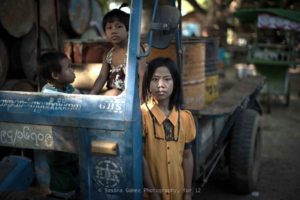
Myanmar is situated in Southeast Asia, bordered by Thailand to the south, India to the west and China to the east. Given its strategic location, one might assume that Myanmar has great potential to become an economic powerhouse in the region. However, the country continues to grapple with poverty and remains one of the poorest nations in the area.

With a population rate of 54.18 million (2022 estimate) and a gross domestic product (GDP) of $62.2 billion, Myanmar is one of the poorest nations in Southeast Asia. Furthermore, according to the World Bank, about 40% of the country’s population lived below the national poverty line in 2022.

Despite its low population density, Myanmar is resource-rich and well-suited for agriculture, with more than 70% the population engaged in agricultural work. The next largest employment sector is wholesale, retail trade and repairs, involving 15% of the population.

Causes of Poverty in Myanmar

Myanmar’s high poverty rates can be attributed to three main factors. Firstly, vulnerable individuals find themselves in situations with no way out. These people, originally employed in agriculture, mining, construction or trade, have seen their livelihoods deteriorate due to market losses, driving them into chronic poverty.

Secondly, unemployment contributes greatly to poverty in Myanmar. According to the World Bank, about 3% of the country’s population is unemployed and around 58% of total employment is considered vulnerable. Vulnerable employment is often characterized by low incomes, lack of job security, limited access to social protection and benefits and challenging conditions that “undermine workers’ fundamental rights.” Additionally, around 2% of the employed proportion lived below the international poverty line of $2.15 per day and 25% of the total population often struggled to stay above the poverty line.

Thirdly, with more than half of Myanmar’s population involved in agriculture, changing climate patterns, such as low rainfall and high temperature, affect agricultural production, exacerbating food insecurity and poverty in the county. In 2018, a monsoon-related flood affected more than one million acres of cultivated land in Myanmar.

Fortunately, technological advances are currently widely available to prevent and mitigate the effects of these losses. Therefore, the biggest work left to do to increase agricultural output each year would be to invest in spreading knowledge and properly equipping farmers.

Final Remark

Myanmar’s government is making several efforts to reduce poverty in the country. One of these is implementing the Myanmar Sustainable Development Plan (MSDP). The plan, which will run from 2018 to 2030, aims to reduce poverty, promote economic growth and improve the population’s living standards. It also includes efforts to strengthen the country’s infrastructure, healthcare and education.

Several nongovernmental organizations are also working to eradicate food insecurity and poverty in Myanmar. Notably, in 2023, the World Food Programme (WFP) assisted more than 36,000 central and northern Rakhine individuals through emergency food assistance and nearly 9,000 women and children through nutrition support. With the aid of these organizations, the root causes of poverty can be addressed, improving the living standards for vulnerable populations in Myanmar.

– Christina Cho
Photo: Flickr
Updated: May 27, 2024

January 6, 2015
https://borgenproject.org/wp-content/uploads/borgen-project-logo.svg 0 0 Borgen Project https://borgenproject.org/wp-content/uploads/borgen-project-logo.svg Borgen Project2015-01-06 04:00:082024-05-27 14:28:11Poverty in Myanmar
Poverty Reduction, Technology

Cell Phones Improve Literacy Rates

cell_phones
Out of the 7 billion people on the planet, 6 billion have a mobile phone. Cell phones have become widespread in developing countries, and that is not necessarily a bad thing. The mobile technology has become ubiquitous even in poverty-stricken areas and its impact on users is rapidly changing poor populations. Studies conducted in the past have shown that cell phones can provide literacy to the world’s poorest nations.

Literacy is known to be essential for economic development and fighting poverty. More than 1.2 billion people still live in extreme poverty, and nearly 2.5 billion people live on less than $2 a day. Studies have shown that literacy has a positive effect on GDP per capita. It is estimated that if all children from low-income nations could read, the poverty rate could drop by 12 percent.

Cell phones have been named the new important devices in the world. The mobile technology has even helped provide schools, teachers and parents with access to educational insights for success.

Moreover, cell phones help thousands of people in developing countries learn to read using their mobile phones. In fact, before the widespread use of cell phone technology, the adult literacy rate in all of Africa stood at 52 percent; by 2008, the literacy rate had increased to 63 percent.

Illiteracy is partially due to the lack of books in the developing world; an alternative solution to this problem is cell phones. Cell phones are inexpensive, convenient, cost-efficient and provide electronic books in the hands of developing nations.

Literacy not only empowers people, but it empowers the mind as well. When it comes to alleviating global poverty, literacy is important for development. Women who are involved in literacy programs and activities obtain a better knowledge of health and family planning. Additionally, children who have parents that are literate are more likely to be enrolled in an educational program and have extra support toward their studies.

Reports have also shown that low literacy costs the healthcare industry over $70 million each year. Children whose mothers can read are 50 percent more likely to survive past the age of five years old. To be able to read can be vital for survival; understanding medical guidelines or security instructions are crucial for a person’s health and safety.

Literacy also develops societies on a political level. People who are literate have the upper hand in becoming more educated, and therefore are more likely to become civically engaged. Whether they are involved in labor unions, politics, or community activities, they will have the opportunity to change the world. To be able to read, write and count contributes to an individual’s self-development, and allows each individual to have their own sense of personal freedom and better understand how to adapt to the constantly changing world.

– Sandy Phan

Sources: World Bank, Do Something, UNESCO
Photo: USA Today

December 30, 2014
https://borgenproject.org/wp-content/uploads/borgen-project-logo.svg 0 0 Borgen Project https://borgenproject.org/wp-content/uploads/borgen-project-logo.svg Borgen Project2014-12-30 04:00:382024-12-13 17:51:18Cell Phones Improve Literacy Rates
Global Poverty, Poverty Reduction

Poverty Reduction in the New Congress

congress
The recent shakeup of the U.S. Congress could prove to set different standards when it comes to dealing with poverty. In the past, Republicans and Democrats have been at odds about how to handle Americans living in poverty.

Historically, the main difference between the two parties stemmed from a difference in opinion about the funding of social services intended for the lower classes. Republicans contend that spending on social services creates a feeling of entitlement among the poor.

Many social services providers are wondering how their organizations will be affected by the newly elected Republican majority. Democrats and Republicans remain staunchly divided on issues including raising the minimum wage and increasing support for Medicaid and others. Both parties want to help the 45 million Americans living below the poverty line. The problem remains that there are vastly different views on how to tackle this issue.

The economy negatively affects the middle classes as well. Senator Tom Harkins of Iowa supports a bill that raises the minimum wage from $7.25 per hour to $10.10 per hour. He says, “The sluggish recovery has left us with chronic unemployment and a middle class in crisis. For the vast majority of American workers, incomes have stagnated for decades.”

As prices on goods and services rise, American jobs pay relatively the same amount to their employers. The inequality between the upper and middle classes is growing and it seems that corporations and businesses are the only ones who are benefiting.

Marge Clark, a lobbyist for poverty alleviation in the U.S., notes the main reason why poverty in America is growing without a large public response; It is the indifference of of the middle- and upper-class Americans. Inequality and poverty do not garner nearly as much attention as hot button social issues.

Senator Dave Camp (R-Michigan) states that jobs are primarily what lift people out of poverty. So they shift the focus to creating jobs and that regulations should be lifted off companies so that they are better able to produce more jobs. Some say President Obama has stymied job creation. According Senator Camp, taxes and environmental regulations only inhibit job creation.

Whether or not the new GOP majority congress will cut social spending or continue to provide financial services that benefit the poor remains to be seen. What is likely is that anti-poverty groups will seek bipartisan support in congress now that the Democrats are no longer the house majority.

Anti-poverty groups expect a fight. In the past Republicans have sought to cut spending on government subsidized food stamps and other programs many Americans rely on to buy food. In the coming months it will become more evident about how a GOP-led House will respond to this increasingly important problem.

– Maxine Gordon

Sources: Washington Post, USA Today, NPR
Photo: The Nation

December 6, 2014
https://borgenproject.org/wp-content/uploads/borgen-project-logo.svg 0 0 Borgen Project https://borgenproject.org/wp-content/uploads/borgen-project-logo.svg Borgen Project2014-12-06 04:00:022024-12-13 17:51:17Poverty Reduction in the New Congress
Global Poverty, Health, Poverty Reduction

Poverty in Cuba

poverty in CubaThe largest island of the West Indies, Cuba, has often been scrutinized for its turbulent political history. A variety of factors have come into play to make the island nation one of the poorest countries in the world, with a significant portion of the population living in poverty. Such a statistic goes hand-in-hand with Cuba’s unfortunate reputation of struggling to provide housing, healthcare and other necessities. Here are the top five facts about how many people are adapting to living in poverty in Cuba.

1. Agriculture and Climate: Much of Cuba’s economy has heavily depended on the farming of specific crops such as sugarcane, one of the main export products used in trade. In addition, a significant portion of industrial work goes into processing much of these crops for commercial use, such as turning sugarcane into sugar crystals. In total, agriculture and industrial production of these goods make up nearly 30% of Cuba’s GDP. Unfortunately, this dependence on agriculture imposes limitations on Cuba’s ability to make great advances in infrastructure and maintain economic stability. The situation is only made worse due to the tropical climate and prevalence of hurricanes during the rainy season, which can cause widespread damage, suffering and loss of life. When Hurricane Irma struck in 2017, the cost of damages reached well over 13.6 billion pesos (more than $628 million). Over 7,400 acres of plantation farmland were destroyed, causing a brief food shortage and exacerbating poverty in Cuba.

2. The United States Embargo: After the rise of Fidel Castro in 1961, the United States placed an embargo that suddenly deprived Cuban exporters of a significant majority of their exports. Since that point, the embargo continues to restrict trade and access to American products. As a consequence, many people experience a lack of daily necessities from electronics to food. The embargo even includes sanctions against other nations trading with Cuba. The economic restrictions imposed by the embargo have disastrous consequences for those living in poverty in Cuba as they lack daily resources. As of now, there doesn’t seem to be any immediate action towards removing the embargo, but an increase in tourism (especially from Americans) can provide the first step in easing relations between the two countries.

3. Jobs and Employment: Cuba has a very low unemployment rate compared to other nations of similar economic standing, resting at 1.7%. However, a significant portion of working families in Cuba are at risk of income poverty, with an individual having a 41.7% chance of having income problems. These people work in jobs for an average salary lower than that of the national average. Given that the typical family consists of about three people, this results in nearly four million individuals who live in households at risk of income poverty. Moreover, the workforce of Cuba is further destabilized due to the rampant rise of an aging population. Over 20% of the Cuban population is above the age of 60, which also means that fertility rates are low due to these demographic imbalances. So for the average family living in poverty in Cuba, finding work can be difficult. On the bright side, charities like the Caribbean Movement Trust can aid such families in becoming more self-sufficient and maintaining a steady income through education, training and healthcare projects.

4. Housing and Energy: The Cuban government closely oversees transactions and logistics involving real estate and homeownership. It is incredibly difficult to change one’s place of residence as the government imposed a system of enforced home exchanges where homeownership is typically seen as collective ownership, which is controlled by the state. The situation is worse for those living in poverty in Cuba, as they cannot afford constant change and are often living without clean water, gas and electricity. However, international charities such as the Nextenergy Foundation are working toward providing renewable energy to contribute to poverty alleviation in many countries, including Cuba.

5. Healthcare and Education: Despite the many difficulties in their lives, Cubans are able to enjoy free health care and education at all levels. The government controls the distribution of goods such as foodstuffs and medications and has mandated that physical education and sports be integrated into Cuban education in order to promote healthy living. Even for those who live in poverty in Cuba, primary education for children between ages six and 11 is compulsory. As a result, a significant majority of the Cuban population is literate. In addition, women are guaranteed equal educational opportunities and account for more than half of all university graduates.

Cuba’s environment, trade restrictions and general lack of everyday necessities place many of its citizens in poverty. Thankfully, many organizations are working to spread awareness and to donate money and resources to those living in Cuba. Over time and through the efforts of many people, it is possible to speed up the process of development to help this country in need of aid.

– Aditya Daita
Photo: Pixabay

October 2, 2014
https://borgenproject.org/wp-content/uploads/borgen-project-logo.svg 0 0 Borgen Project https://borgenproject.org/wp-content/uploads/borgen-project-logo.svg Borgen Project2014-10-02 04:25:322020-09-04 11:36:14Poverty in Cuba
Activism, Development, Economy, Global Poverty, Nonprofit Organizations and NGOs, Poverty Reduction, Volunteer

Bankers Without Borders

Bankers without Borders started with 100 volunteers but, in the past five years, has grown to include 16,000 business professionals, academics and students coming from over 170 countries, working to increase the impact and sustainability of poverty reduction projects. So far, BwB has used its consulting and coaching to help more than 1,000 projects in 38 countries.

BwB was founded in 2008 by the Grameen Foundation, the original banking organization working through microfinance. Its motive for creating BwB was to expand its services to gain coverage in areas not originally reached by Grameen Bank.

The company reaches out by partnering with other organizations, including nonprofits, Fortune 500 companies or poverty-focused social enterprises. The experts work for free, and the Grameen Foundation likes to refer to them as “Skillanthropists;” rather than donating money, the workers are donating their skills, time and knowledge.

The volunteers’ involvement ranges from sparing a few hours a week at the comfort of their desks at work or home, to living and working in the field for weeks or months at a time. The wide range of skills and commitment BwB requires makes it possible for many people of different skill sets to make an impact through the company.

BwB’s volunteers are involved in a wide variety of fields. These include financial consultants, legal professionals, translators, researchers, a marketing staff and even a Human Resource Reserve Corps to address human capital related issues for nonprofit partners abroad.

From an economic standpoint, BwB continues to prove useful. For every dollar spent creating a BwB project, an average of $10 in skill and time has been donated by its pro bono staff, adding up to over $10 million worth of skilled work.

The volunteers work not to create temporary relief for recipients, but rather to implement a sustainable solution for clients to have successful, profit-making businesses.

BwB has formed many useful partnerships over its five years of operation, notably with J.P. Morgan, Mastercard, Google, Bloomberg, John Hopkins University and the Washington Center. As of August 5, BwB has added Wells Fargo to its arsenal of partnership companies, as well.

From the quickly-expanding volunteer base to the quantitative economic data to the qualitative success stories shared on BwB’s website, it is clear that the Grameen Foundation’s extended project has proven successful.

– Courtney Prentice

Sources: Triple Pundit, Bankers Without Borders, Grameen Foundation, Grameen-Jameel
Photo: HW Production

August 25, 2014
https://borgenproject.org/wp-content/uploads/borgen-project-logo.svg 0 0 Borgen Project https://borgenproject.org/wp-content/uploads/borgen-project-logo.svg Borgen Project2014-08-25 16:33:272024-05-27 09:21:20Bankers Without Borders
Activism, Nonprofit Organizations and NGOs, Poverty Reduction

Planet Aid: Humanitarian Aid and Sustainability

planet_aid
What is yellow and found in most American cities? Planet Aid bins. Founded in Boston in 1977, Planet Aid was at first a small operation. Donations became so plentiful that the nonprofit had to upgrade its office space and nondescript drop boxes.

Planet Aid’s mission is to inspire people to “bring about worldwide and environmental progress.” The organization is part of the Humana People to People Federation, a source of resources for 32 aid groups working across the globe. Every year, about 12 million people are benefited by Federation projects.

Though Federation aid groups provide an array of services, Planet Aid focuses on collecting and recycling used clothing and supporting development projects.

Discarded clothing is reduced to two functions: sitting in a landfill and creating carbon emissions. About nine percent of American methane emissions are produced by landfills. Over eight percent of landfills are rubber, leather and textiles. Recycling clothes is a step toward reducing the nation’s carbon footprint, but it is also expensive.

Local governments are hesitant to cover the cost, and so Planet Aid steps in. Their bright yellow boxes are beacons of light for environmentally conscious old-jean-holding citizens everywhere. Once collected, some of the clothing is shipped off to domestic thrift stores.

Most, though, are taken to overseas buyers. Why sell overseas? The market is huge. Quality shirts, pants and shoes can be sold to someone in need for a couple dollars.

If people need them so badly, why sell? Because charity can wreak havoc on local economies. It’s better to stock a merchant’s shelves with affordable goods than to put him or her out of business.

Planet Aid revenues are invested in development projects that meet the goals of their mission: “strengthening communities,” “reducing poverty,” “increasing health awareness” and “promoting small enterprise,” among others.

The organization runs projects in 15 countries. So far, Planet Aid has taught 9,500 teachers in India and Africa. From 2010 to 2011 alone, it provided over 5.5 million dollars in micro-finance to Indian women. It raised HIV/AIDS awareness, established a club that teaches sustainable farming practices and founded several vocational schools.

Everything is funded by profits made from clothing and monetary donations. Through its work, Project Aid has shown that humanitarian aid and environmental sustainability are not conflicting interests.

– Olivia Kostreva

Sources: U.S. Environmental Protection Agency, Planet Aid 1, Planet Aid 2, Planet Aid 3
Photo: Bethesda 365

July 29, 2014
https://borgenproject.org/wp-content/uploads/borgen-project-logo.svg 0 0 Borgen Project https://borgenproject.org/wp-content/uploads/borgen-project-logo.svg Borgen Project2014-07-29 15:28:282024-05-27 09:19:07Planet Aid: Humanitarian Aid and Sustainability
Page 52 of 63«‹5051525354›»

Get Smarter

  • Global Poverty 101
  • Global Poverty… The Good News
  • Global Poverty & U.S. Jobs
  • Global Poverty and National Security
  • Innovative Solutions to Poverty
  • Global Poverty & Aid FAQ’s
Search Search

Take Action

  • Call Congress
  • Email Congress
  • Donate
  • 30 Ways to Help
  • Volunteer Ops
  • Internships
  • Courses & Certificates
  • The Podcast
Borgen Project

“The Borgen Project is an incredible nonprofit organization that is addressing poverty and hunger and working towards ending them.”

-The Huffington Post

Inside The Borgen Project

  • Contact
  • About
  • Financials
  • President
  • Board of Directors
  • Board of Advisors

International Links

  • UK Email Parliament
  • UK Donate
  • Canada Email Parliament

Get Smarter

  • Global Poverty 101
  • Global Poverty… The Good News
  • Global Poverty & U.S. Jobs
  • Global Poverty and National Security
  • Innovative Solutions to Poverty
  • Global Poverty & Aid FAQ’s

Ways to Help

  • Call Congress
  • Email Congress
  • Donate
  • 30 Ways to Help
  • Volunteer Ops
  • Internships
  • Courses & Certificates
  • The Podcast
Scroll to top Scroll to top Scroll to top